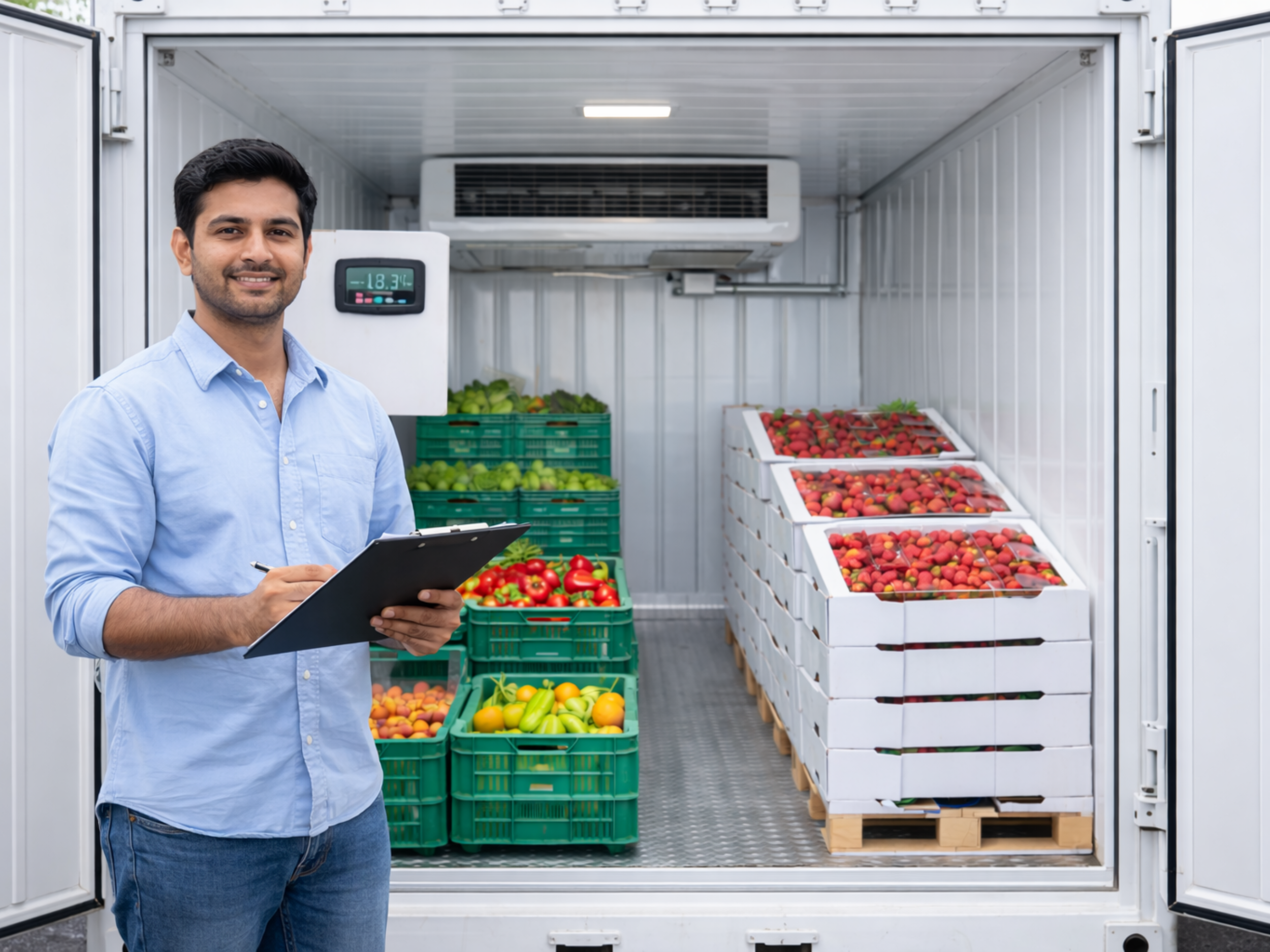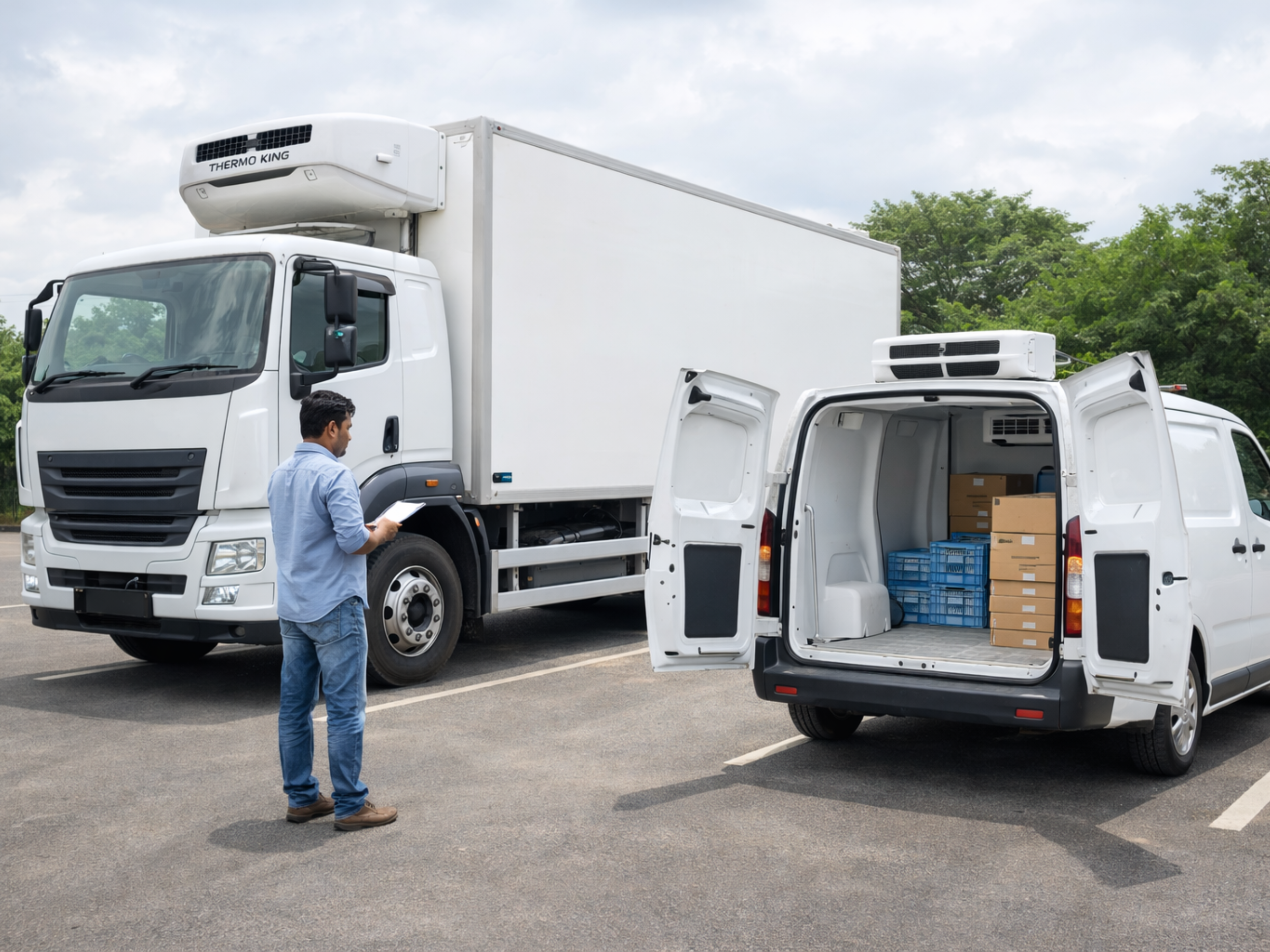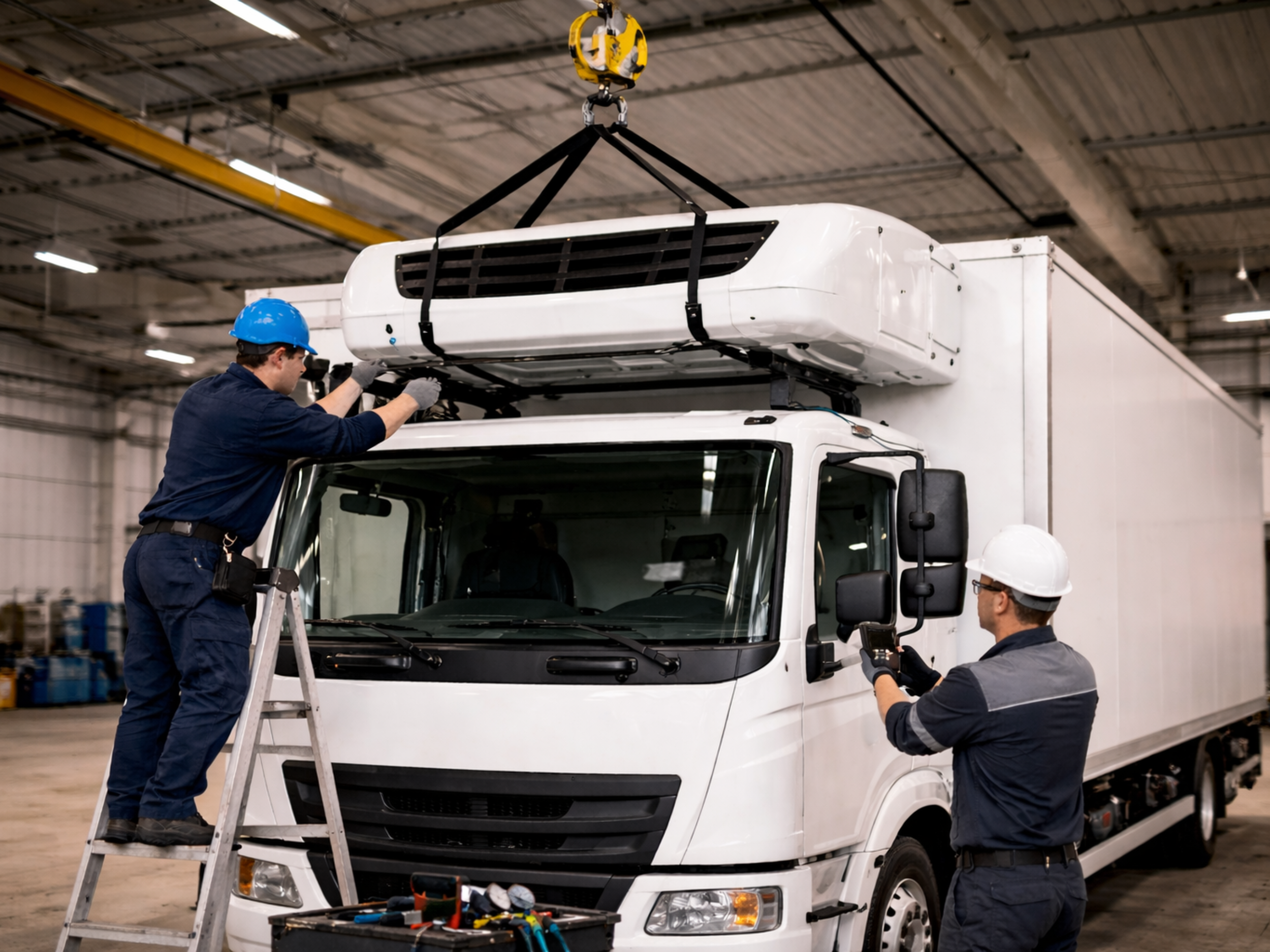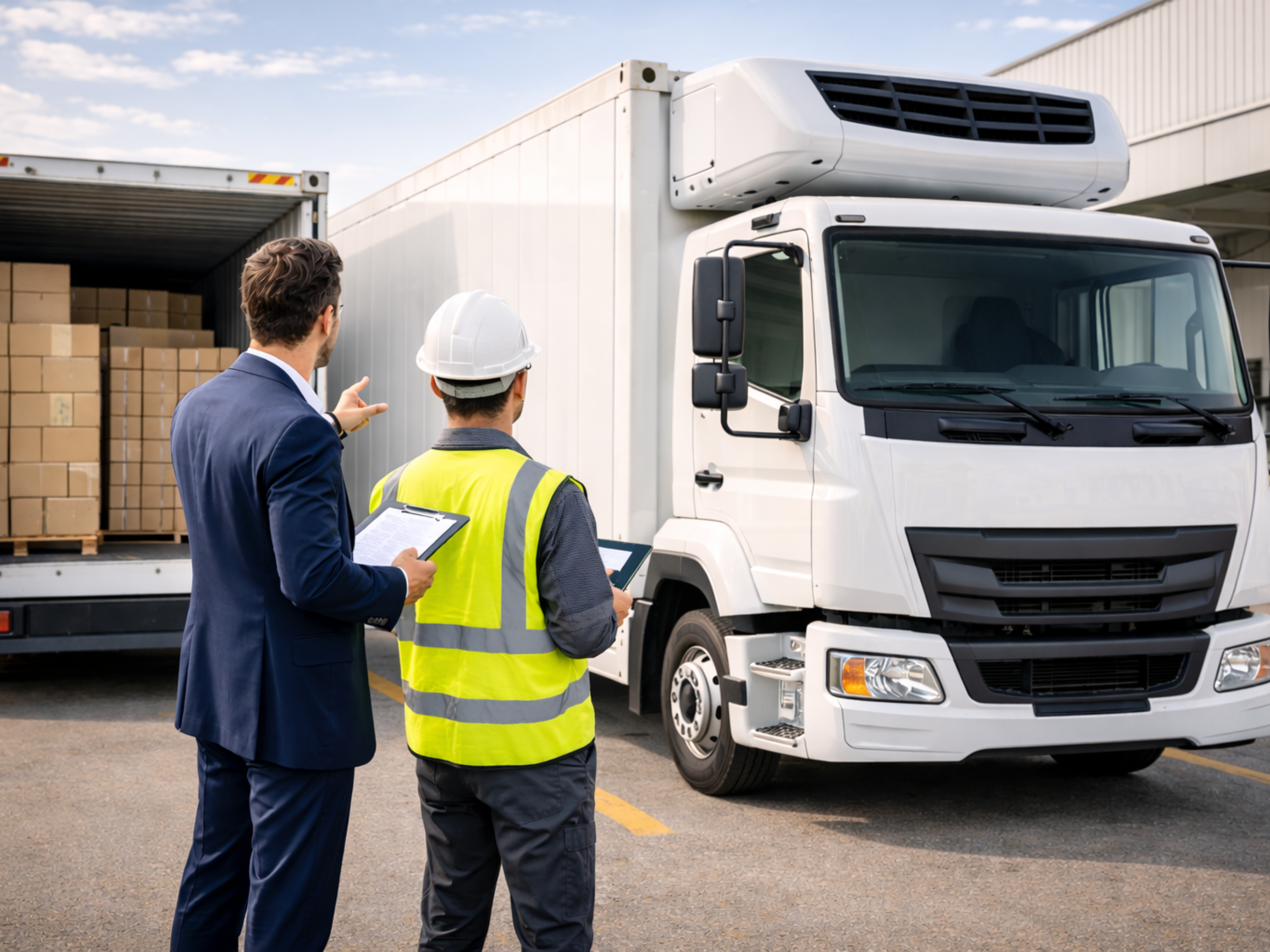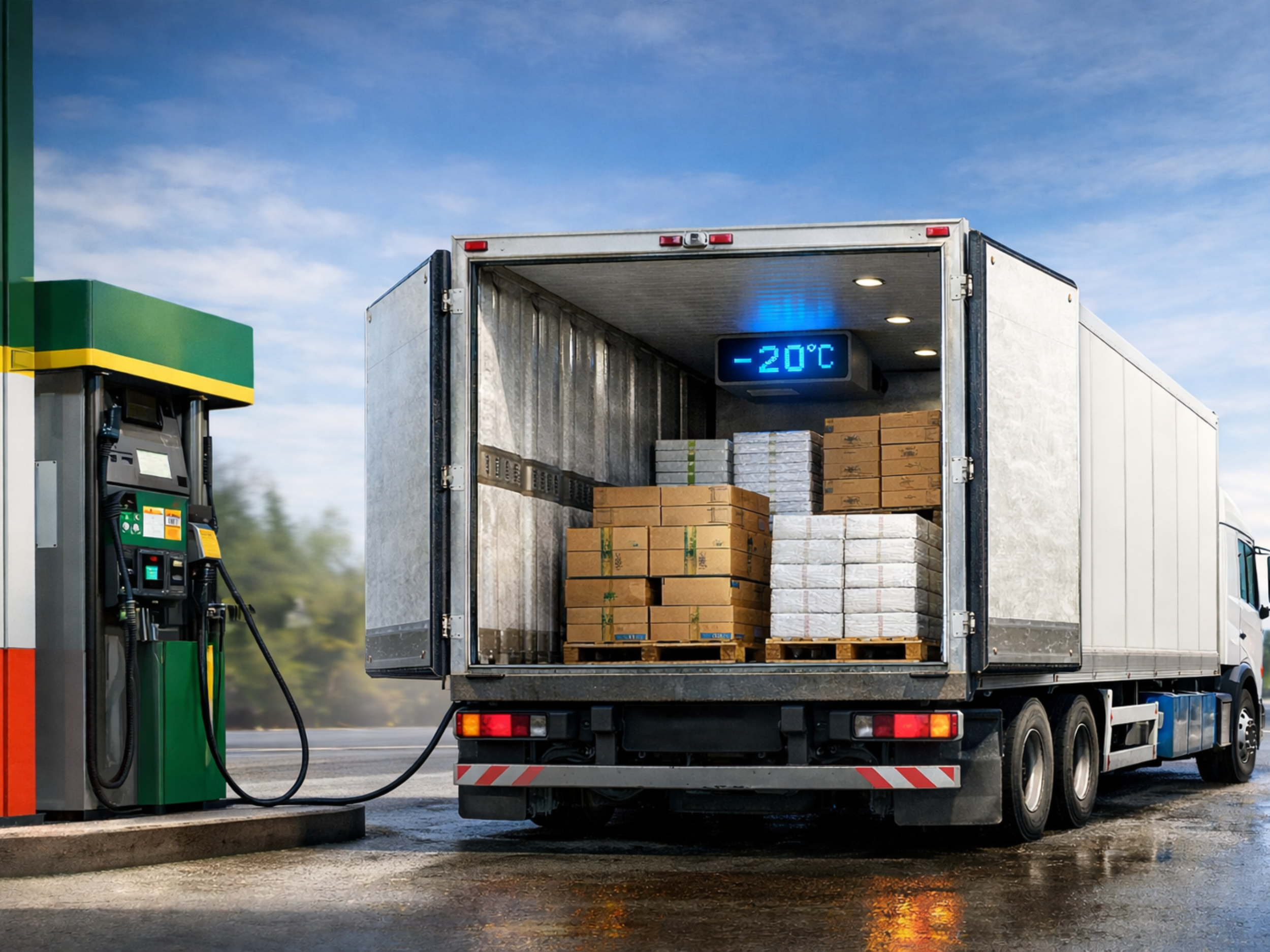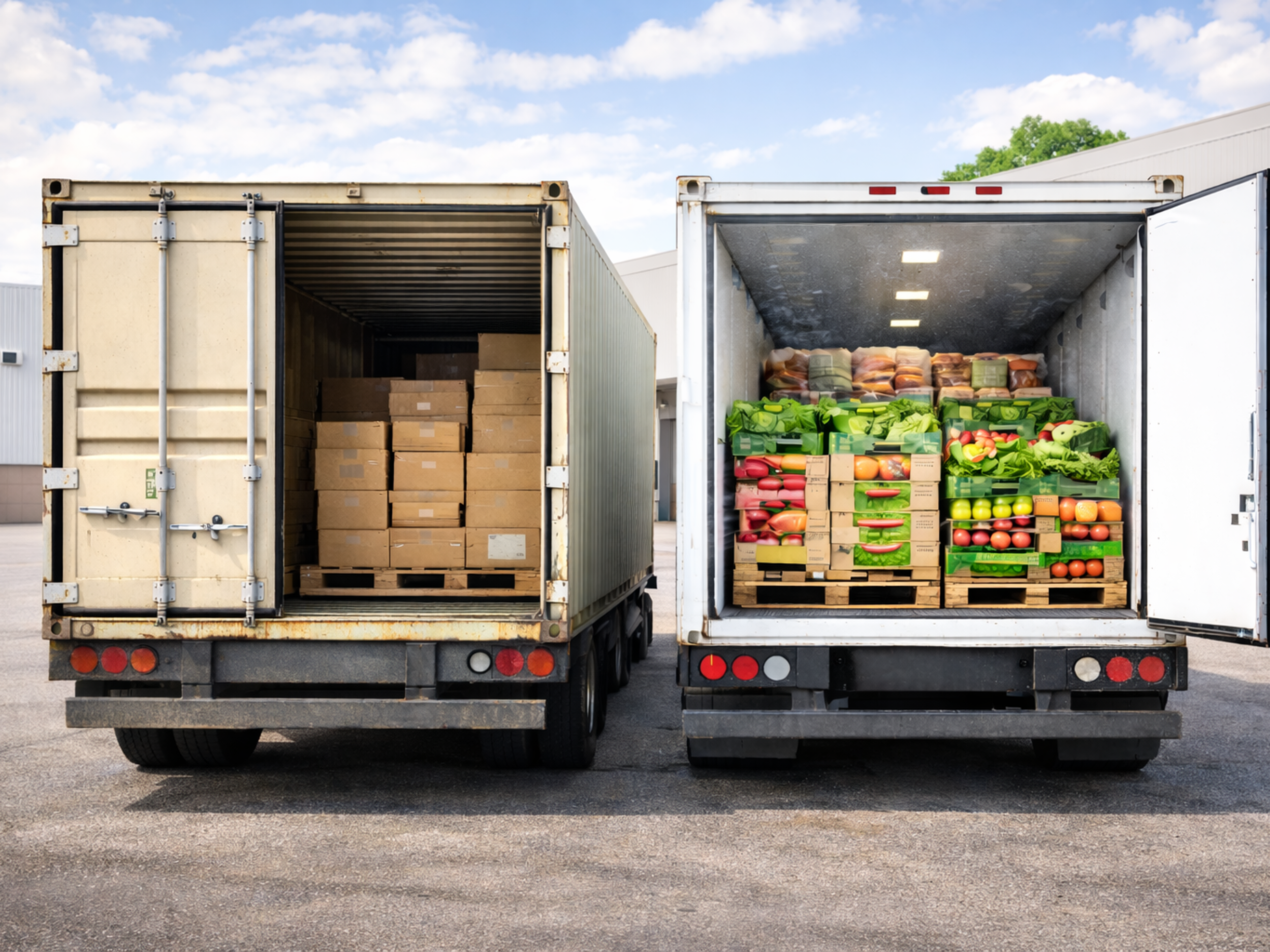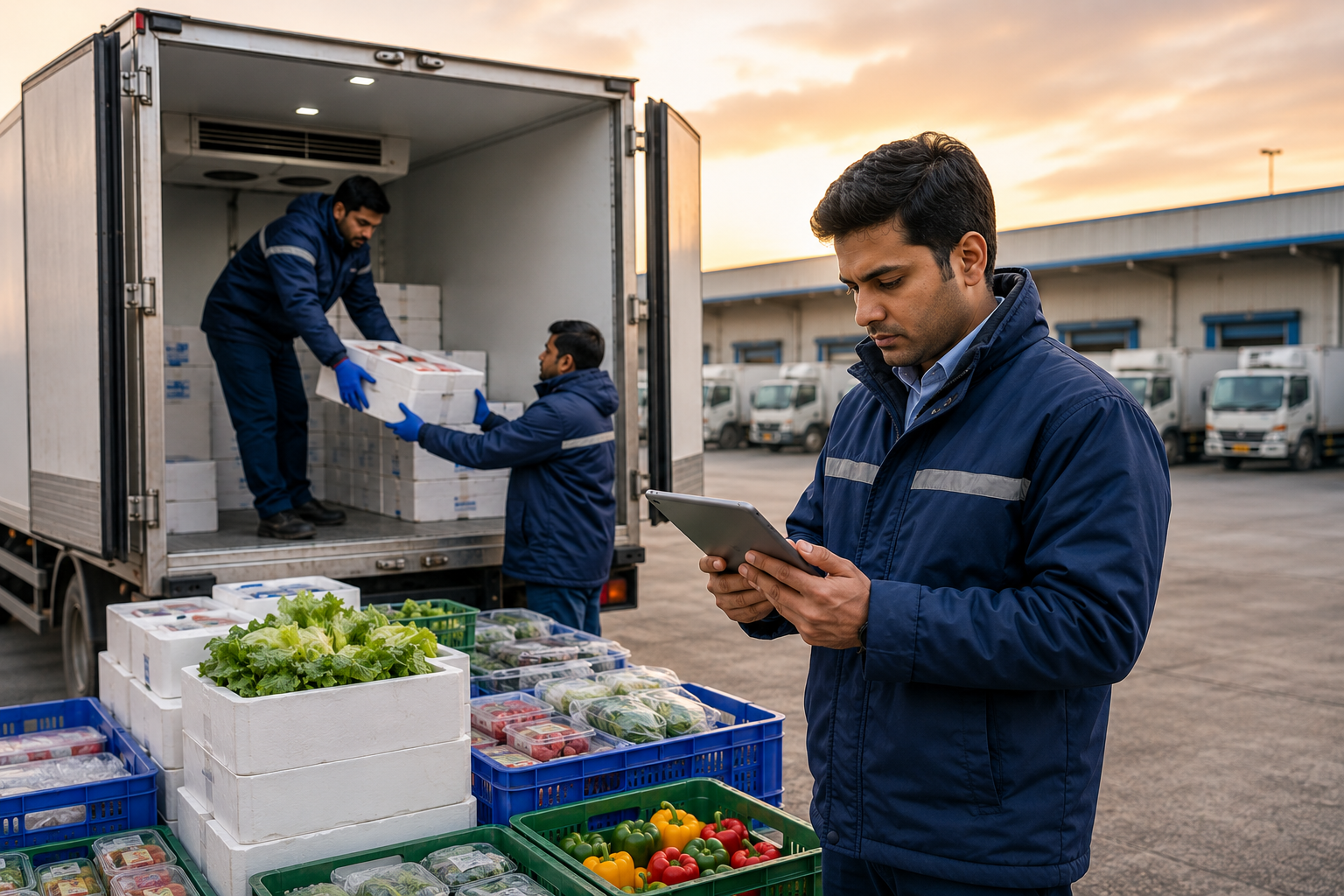
For years, India's logistics sector focused mainly on speed, scale, and cost efficiency. But today, the conversation is changing. Businesses are now under pressure to move products smarter, safer, and more sustainably, especially when it comes to temperature-sensitive goods. A delayed shipment of frozen food, improperly stored dairy products, or vaccines exposed to fluctuating temperatures can lead to major losses and compromised quality. This is why cold chain logistics is becoming increasingly critical across industries like food retail, pharmaceuticals, dairy, seafood, e-commerce, and healthcare. Consumer behaviour is also evolving rapidly. The rise of instant delivery platforms and online grocery services has increased demand for faster deliveries of fresh produce, frozen foods, and medicines. At the same time, sectors like food processing and organised retail are expanding, increasing the need for efficient transportation of perishable goods.
The broader logistics industry India is now witnessing a significant transformation driven by technology, infrastructure development, and sustainability goals. Businesses are investing in smarter refrigeration systems, better fleet management, and more efficient transport solutions to strengthen their supply chains. Sustainability is also becoming a major focus area. Traditional diesel-powered refrigerated transport systems are expensive to operate and environmentally intensive. As a result, companies are increasingly exploring EV-based refrigerated transport and energy-efficient cooling technologies to build a more sustainable cold chain.
By 2026, India's cold chain ecosystem is expected to become more connected, technology-driven, and future-ready, making strong cold chain infrastructure a business necessity rather than just a logistics function.
Understanding the Rise of Cold Chain Logistics in India
India's cold chain industry is no longer operating in the background of the economy. It is becoming one of the most critical pillars supporting food security, healthcare distribution, organised retail, exports, and modern commerce. As consumer demand evolves and industries become increasingly dependent on temperature-sensitive transportation, businesses are realising that efficient refrigerated logistics is essential for both operational efficiency and long-term growth.
At its core, cold chain logistics refers to the transportation and storage of products under controlled temperature conditions to preserve their quality, freshness, and shelf life. This includes refrigerated transportation, cold storage facilities, distribution hubs, and monitoring systems that ensure products remain within required temperature ranges throughout the supply chain.
However, building a reliable cold chain network in a country as geographically and economically diverse as India comes with significant challenges. Factors such as inconsistent infrastructure, long transportation distances, rising fuel costs, and temperature variability make refrigerated logistics far more complex than standard freight movement.
Despite these challenges, the sector is witnessing rapid expansion due to changing market dynamics and rising demand across industries.
Rising Demand for Perishable Goods Across India
India is one of the world's largest producers of dairy products, fruits, vegetables, seafood, meat, and pharmaceuticals. However, a large portion of these perishable goods has historically been lost due to inadequate storage and transportation systems.
As consumer markets expand and food consumption patterns evolve, businesses can no longer afford inefficient temperature control. Fresh produce now travels across states instead of being consumed locally, frozen food consumption is increasing in urban households, and pharmaceutical distribution requires stricter handling standards than ever before.
This growing demand has made refrigerated transportation a necessity rather than an operational upgrade. Companies are increasingly investing in advanced reefer vehicles, temperature monitoring systems, and integrated distribution networks to reduce wastage and maintain product quality during transit.
How Quick Commerce Is Reshaping Cold Chain Logistics Operations
Consumer expectations around delivery speed have changed dramatically over the past few years. The rapid growth of online grocery platforms and quick commerce India services has created a market where customers expect fresh produce, dairy products, frozen foods, and medicines to be delivered within extremely short timelines.
This shift has placed enormous pressure on supply chains to maintain consistent refrigeration even during last-mile delivery operations. Unlike traditional logistics systems that operated on longer delivery cycles, modern urban distribution networks now require smaller, faster, and more agile refrigerated transport solutions. As a result, businesses are redesigning their cold chain operations to support hyperlocal delivery models, improve delivery efficiency, and minimise temperature fluctuations during transit.
Expansion of Food Processing and Organised Retail
Another major factor driving the growth of cold chain logistics is the rapid expansion of the food processing and organised retail sectors. The growth of supermarkets, cloud kitchens, frozen food brands, and packaged food companies has significantly increased the need for reliable refrigerated distribution systems.
The rise of food processing India has also increased the movement of processed and semi-processed food products across cities and states. These products require uninterrupted temperature control from manufacturing facilities to retail shelves. For organised retail businesses, maintaining product consistency and freshness directly impacts customer trust and brand reputation. This is pushing companies to invest heavily in advanced cold storage infrastructure, modern reefer fleets, and technology-driven cold chain management systems.
Technology Driving Smarter Cold Chain Management in India
India's cold chain industry is also becoming increasingly technology-driven. Businesses are moving beyond basic refrigeration and adopting smart logistics solutions that improve visibility, efficiency, and operational control.
Modern refrigerated transport systems now include:
- Real-time temperature monitoring
- GPS-enabled fleet tracking
- IoT-based refrigeration controls
- Route optimisation systems
- Automated alerts for temperature deviations
These technologies help businesses reduce spoilage, improve compliance, and optimise fuel and operational costs. As the industry scales further, technology will continue to play a major role in building more efficient, transparent, and reliable refrigerated supply chains across India.
India Refrigerated Truck Transport Market: Size, Segments & 2026 Growth Outlook
The India refrigerated transport market is entering a high-growth phase driven by changing consumption patterns, expanding retail networks, pharmaceutical demand, and the increasing need for reliable transportation of temperature-sensitive products.
For years, cold chain infrastructure in India remained fragmented and underdeveloped compared to global standards. However, the market is now evolving rapidly as businesses recognise the financial and operational impact of efficient refrigerated logistics. Industries are no longer viewing temperature-controlled transport as a support function alone. It is becoming a critical part of customer experience, product quality, and supply chain efficiency.
By 2026, India's cold chain sector is expected to witness substantial growth due to rising urban consumption, increased food exports, stronger healthcare distribution networks, and the expansion of digital commerce platforms. The broader logistics industry India is also undergoing a major transformation with greater investment in infrastructure, technology integration, and fleet modernisation. This is creating stronger growth opportunities for refrigerated transportation and integrated cold chain services.
Organized Retail Growth Accelerates Cold Chain Logistics Demand
India's organised retail sector is expanding rapidly across both metro cities and emerging urban markets. Supermarkets, online grocery platforms, frozen food brands, and quick-service restaurants all depend heavily on reliable refrigerated transportation systems to maintain product quality and shelf life.
As food supply chains become more complex, businesses are investing in better cold chain management systems to reduce spoilage and ensure consistent delivery standards. The increasing demand for frozen foods, dairy products, ready-to-cook meals, and fresh produce is further accelerating the need for advanced refrigerated transport solutions.
The rise of hyperlocal delivery models and quick commerce India platforms has also changed how refrigerated distribution operates. Companies now require smaller, faster, and more agile delivery fleets capable of maintaining temperature control even during last-mile delivery operations.
Pharmaceutical and Healthcare Logistics Expansion
The pharmaceutical industry has become one of the strongest drivers of refrigerated logistics growth in India. Medicines, vaccines, insulin, biologics, and specialty healthcare products require strict temperature control throughout transportation and storage. Even minor temperature fluctuations can compromise product effectiveness, making reliable refrigerated transport essential for healthcare supply chains.
As India strengthens its position as a global pharmaceutical manufacturing hub, demand for advanced refrigerated logistics solutions is expected to grow significantly. This is pushing logistics providers to invest in modern reefer vehicles, real-time monitoring systems, and specialised transportation infrastructure.
Rising Focus on Sustainable Refrigerated Transport
Sustainability is becoming an important growth factor within the refrigerated transport industry. Traditional diesel-powered refrigeration systems are expensive to operate and contribute significantly to emissions, especially across large fleets.
As businesses focus more on reducing operational costs and improving environmental performance, the adoption of EV-based refrigerated transport is steadily increasing. The market is witnessing growing interest in solutions like the electric refrigerated van, battery-powered reefer systems, and energy-efficient cooling technologies.
Government initiatives supporting electric commercial vehicle India adoption are also encouraging logistics companies to explore cleaner transportation alternatives. This shift is expected to play a major role in shaping the future of the sustainable cold chain ecosystem in India.
Infrastructure and Technology Will Define Future Growth
The next phase of growth in the refrigerated transport sector will depend heavily on infrastructure development and technology integration.
Businesses are increasingly adopting:
- Smart fleet tracking systems
- IoT-enabled refrigeration monitoring
- Automated temperature alerts
- Route optimisation technologies
- Energy-efficient reefer solutions
At the same time, investments in cold chain infrastructure such as cold storage facilities, distribution hubs, and integrated transportation networks are helping strengthen the country's overall refrigerated logistics capabilities. As demand continues to rise across food, healthcare, retail, and e-commerce sectors, the companies that invest early in efficient and scalable cold chain systems will be better positioned for long-term growth.
The Rise of Electric Reefer Vehicles in India's Cold Chain Logistics
India's refrigerated transport industry is steadily moving towards cleaner and more energy-efficient mobility solutions, with electric reefer vehicles becoming an important part of this transition. Rising fuel costs, sustainability goals, and the growing demand for faster urban deliveries are pushing logistics operators to rethink traditional diesel-powered refrigerated fleets.
Conventional reefer vehicles consume fuel not only for transportation but also for continuously powering refrigeration systems during transit. This increases operating costs, maintenance requirements, and emissions over time. As a result, many businesses are now exploring EV-based refrigerated transport as a more efficient and sustainable alternative.
The rise of the ev truck India market is especially significant for urban and intra-city cold chain operations where delivery routes are shorter and more suitable for electric mobility. Similarly, the growing adoption of the electric refrigerated van is reshaping last-mile delivery for groceries, dairy products, pharmaceuticals, and frozen foods. Several factors are driving the growth of electric refrigerated transport in India:
- Lower running and fuel costs compared to diesel reefer vehicles
- Reduced maintenance requirements
- Better suitability for last-mile delivery operations
- Lower emissions supporting sustainability goals
- Quieter operations for urban deliveries
- Growing government support for EV adoption
- Improvements in battery and refrigeration technology
The broader shift towards electric commercial vehicle India adoption is also encouraging logistics companies to invest in refrigerated EV fleets across different vehicle categories. At the same time, innovations in the electric reefer unit segment are improving energy efficiency and temperature control through smarter refrigeration systems and integrated monitoring technologies.
Government initiatives such as electric vehicle subsidy India programs and the EMPS 2024 scheme are further supporting this transition by encouraging commercial EV adoption across the logistics sector. As businesses continue prioritising efficiency, sustainability, and faster delivery capabilities, electric reefer vehicles are expected to play a major role in strengthening India's future-ready sustainable cold chain ecosystem.
How Cold Chain Companies in India Are Evolving
Modern cold chain companies in India are rapidly evolving from traditional transport operators into fully integrated logistics and technology partners. Earlier, refrigerated logistics mainly focused on moving temperature-sensitive goods from one location to another. Today, businesses expect far more than just transportation. They require real-time visibility, operational efficiency, product safety, and consistent temperature control throughout the supply chain.
To meet these expectations, cold chain companies are increasingly adopting advanced technologies such as fleet telematics, live temperature monitoring, GPS-enabled tracking, and route optimisation systems. These tools help reduce delays, minimise product spoilage, improve fuel efficiency, and maintain compliance during transit. Many companies are also investing in energy-efficient reefer systems and multi-temperature transport solutions that allow different categories of products to be transported within the same vehicle under separate temperature settings.
This shift is becoming especially important as industries like e-commerce, pharmaceuticals, dairy, frozen foods, and processed food continue to expand rapidly across India. With faster delivery expectations and stricter quality standards, businesses now need cold chain partners that can provide scalability, reliability, and end-to-end supply chain support rather than just basic refrigerated transport services.
Conclusion
India's cold chain industry is entering a transformative phase where efficiency, sustainability, and technology will define long-term growth. As sectors like food processing, pharmaceuticals, organised retail, and e-commerce continue to expand, the demand for reliable temperature-controlled logistics will only become stronger.
At the same time, the industry is witnessing a major shift towards smarter and more sustainable operations. From advanced refrigeration technologies and connected fleet systems to the growing adoption of EV-based refrigerated transport, businesses are rethinking how temperature-sensitive goods move across the country.
The future of cold chain logistics in India will depend not just on expanding fleets, but on building resilient, energy-efficient, and technology-driven ecosystems that can meet rising consumer expectations while reducing operational and environmental challenges.
For businesses looking to strengthen their refrigerated transport capabilities, partnering with experienced and innovation-focused providers will play a critical role in staying future-ready. Companies like Sub Zero Reefers are helping shape this evolution through advanced reefer solutions designed to support efficient, reliable, and sustainable cold chain operations across industries.
Frequently Asked Questions
What is cold chain logistics?
Cold chain logistics refers to the transportation and storage of temperature-sensitive products under controlled conditions to maintain their quality, freshness, and safety. It is widely used in industries like food processing, pharmaceuticals, dairy, seafood, and e-commerce.
Why is cold chain infrastructure important in India?
Strong cold chain infrastructure helps reduce wastage of perishable goods, improves food safety, supports pharmaceutical distribution, and enables businesses to maintain product quality during transportation and storage.
What is driving the growth of the India refrigerated transport market?
The growth of the India refrigerated transport market is being driven by rising demand for frozen foods, online grocery delivery, pharmaceutical logistics, organised retail expansion, and the increasing need for reliable transportation of temperature-sensitive products.
How are electric reefer vehicles changing cold chain logistics?
Electric reefer vehicles are helping businesses reduce fuel costs, lower emissions, and improve efficiency in urban deliveries. Solutions like the electric refrigerated van are becoming increasingly popular for last-mile cold chain transportation.
What are the benefits of sustainable cold chain solutions?
A sustainable cold chain helps businesses reduce operational costs, minimise environmental impact, improve energy efficiency, and support long-term logistics sustainability goals.
How is technology improving cold chain management?
Modern cold chain management systems use technologies like GPS tracking, IoT-enabled temperature monitoring, telematics, and automated alerts to improve visibility, reduce spoilage, and maintain consistent temperature control during transit.