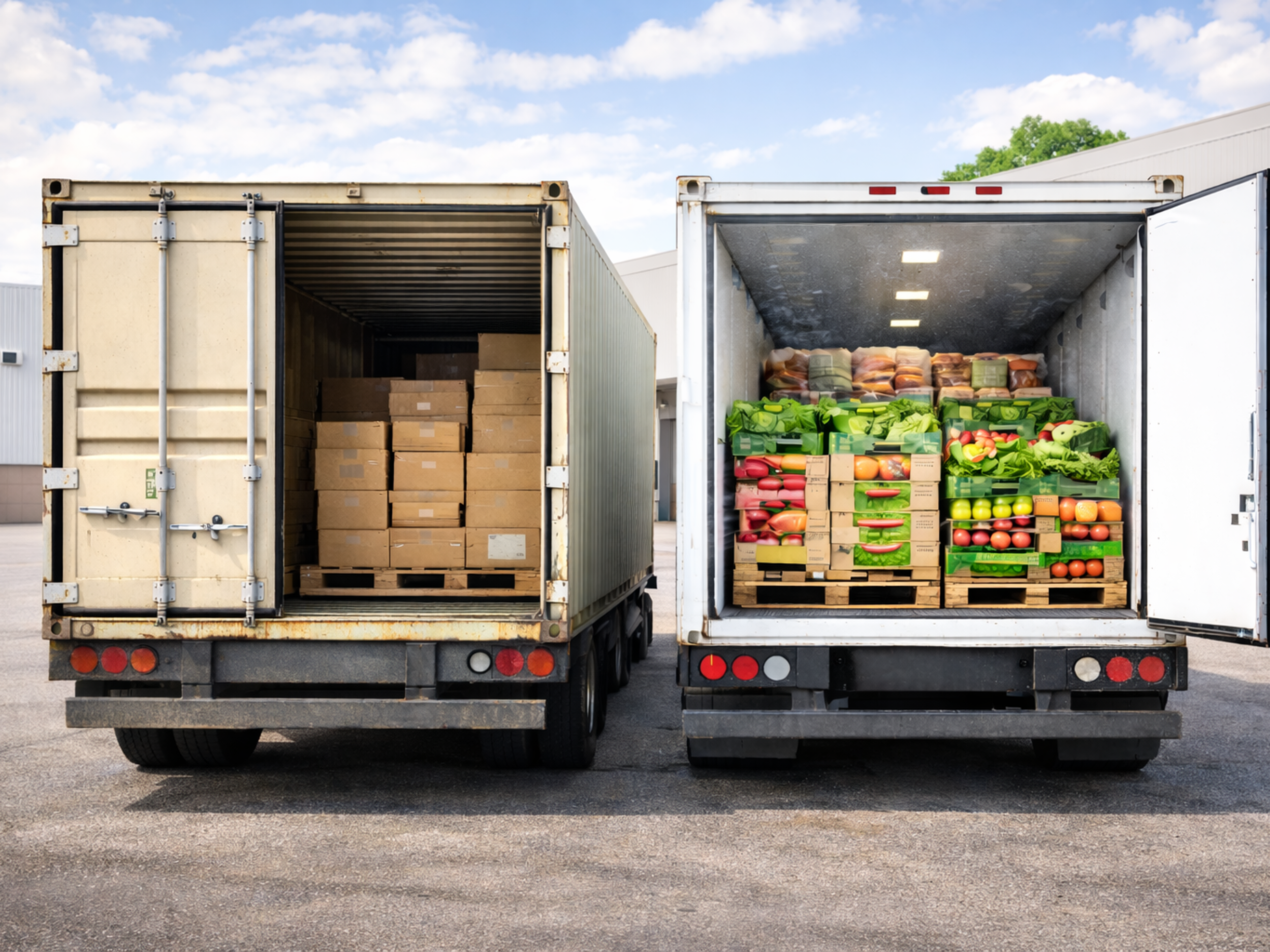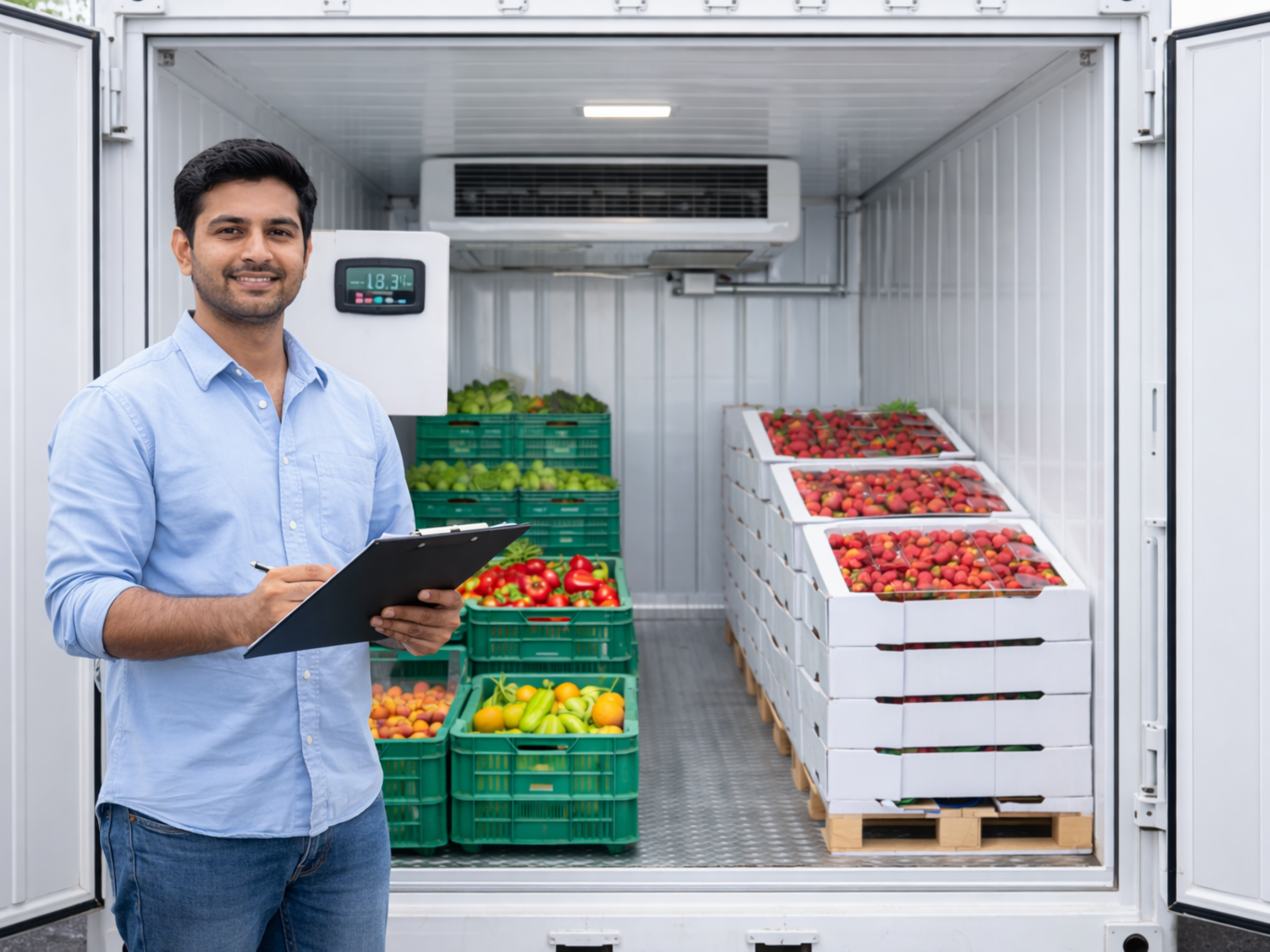
How Product Loss Occurs Inside Reefer Container Storage
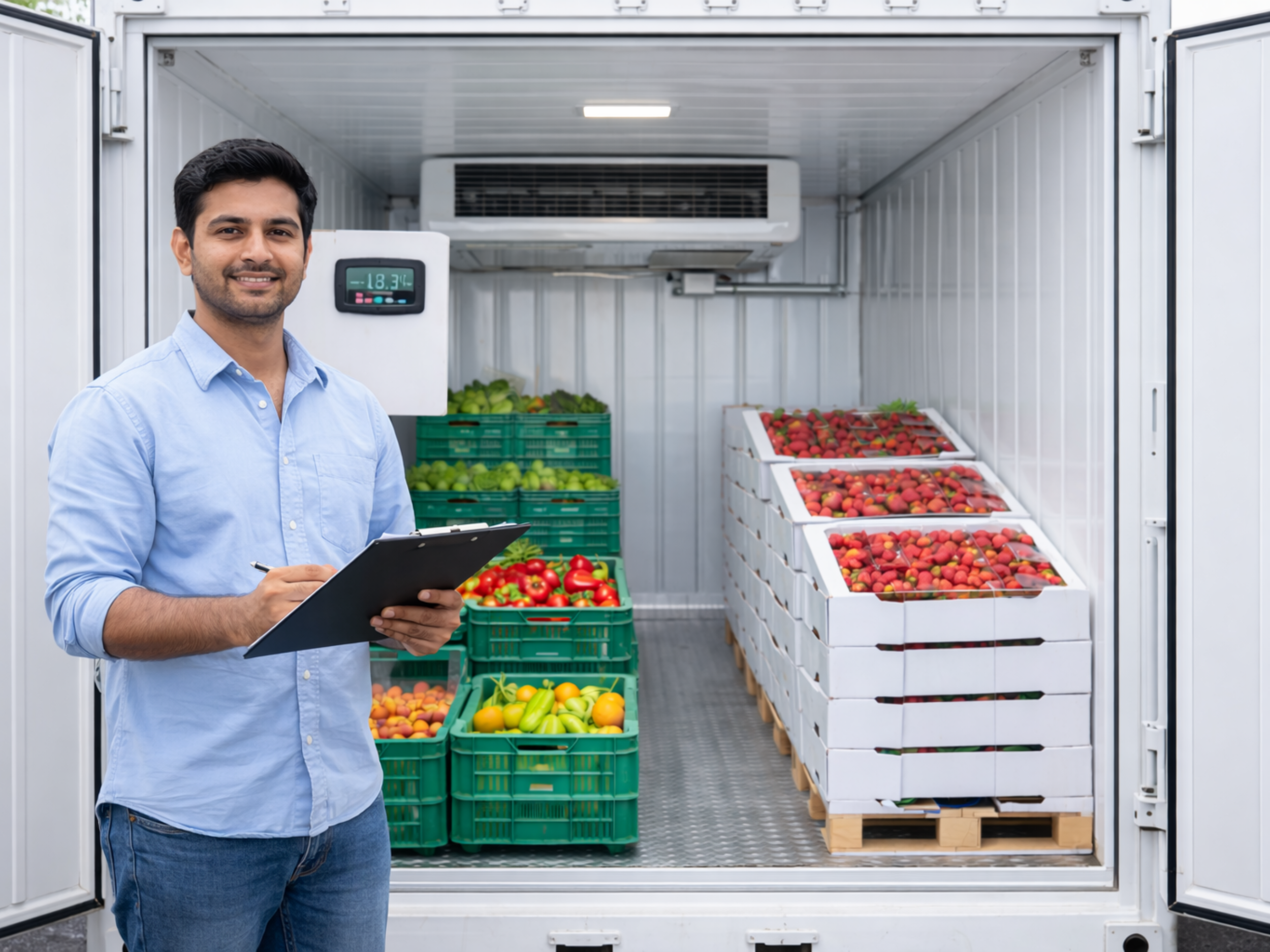
Product loss typically happens within what's described as the "acceptable zone." While temperatures stay within prescribed ranges, subtle stress gradually degrades quality. The real issue isn't dramatic failures -- modern reefer containers prevent those -- but rather small, repeated deviations that escape notice.
Temperature instability causes more damage than outright violations. Frequent micro-fluctuations from door openings and slow recovery cycles place repeated thermal stress on perishables. Even compliant average temperatures hide these fluctuations, accelerating spoilage processes.
Uneven thermal distribution compounds this problem. Products positioned near cooling units remain stable while those in corners experience slightly warmer conditions. Over extended periods, these small differences create inconsistent aging across shipments, increasing rejection risks.
Humidity control further complicates preservation. Excess moisture encourages condensation and microbial growth, while low humidity causes dehydration. Standard refrigerated containers prioritize temperature but offer limited humidity precision, allowing quality degradation within compliant parameters.
Why Correct Temperature Alone Fails in Reefer Container
Maintaining correct temperature proves necessary but insufficient for protecting food quality. Different products respond distinctly to environmental conditions even at identical set points, which explains quality loss despite compliant temperature logs.
Fresh produce depends more on airflow and humidity than temperature alone. After harvest, fruits and vegetables continue respiring, making proper moisture balance critical for slowing deterioration. Poor airflow traps heat and moisture around pallets, accelerating ripening and decay despite correct temperatures.
Dairy products remain highly sensitive to temperature cycling rather than steady conditions. Milk and cheese suffer from repeated micro-fluctuations that disrupt fat and protein structures. Short warming periods during loading or power cycling cause texture changes and off-flavors even within technical limits.
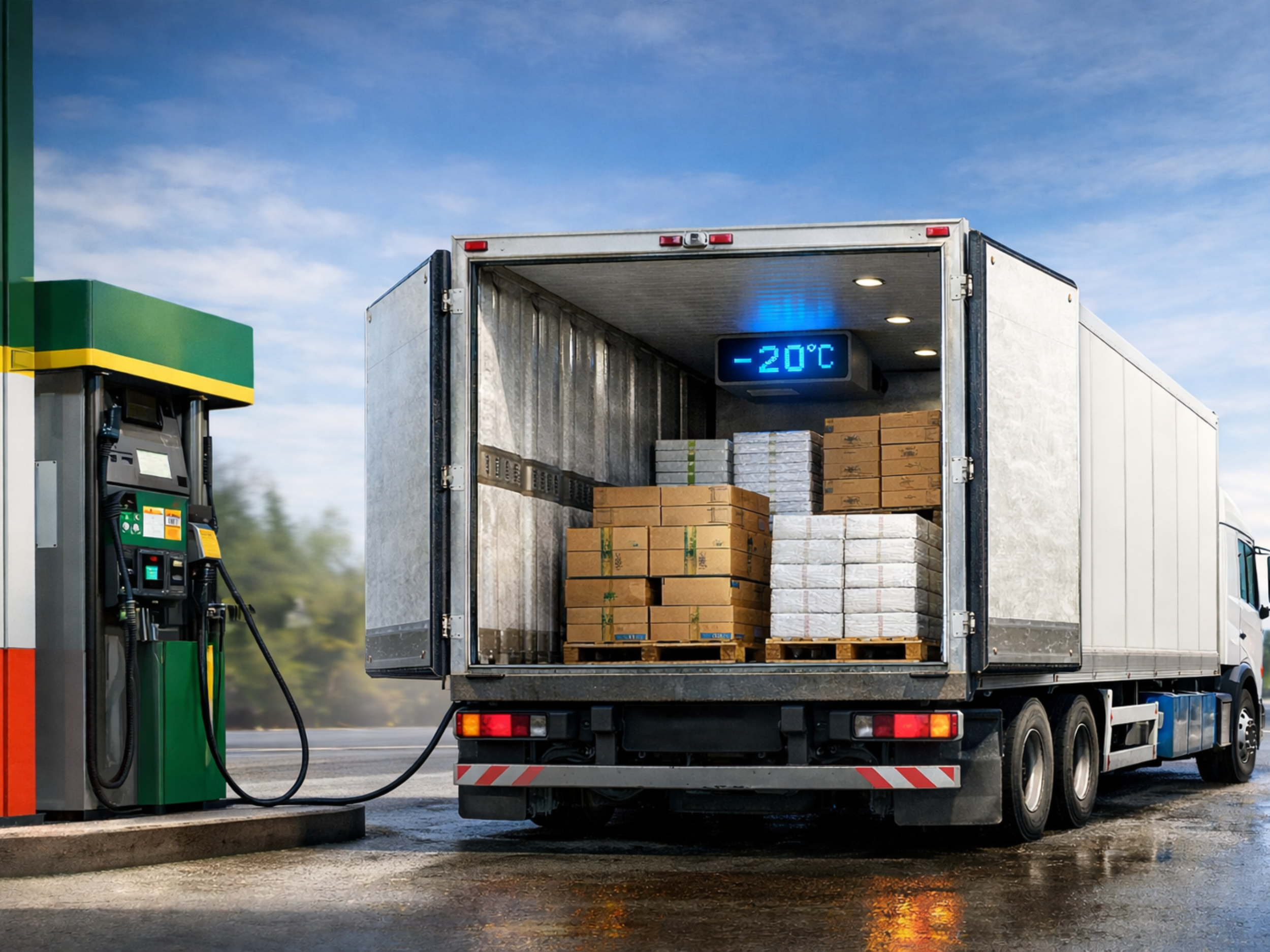
Frozen foods experience quality loss through partial thaw-refreeze patterns. Small temperature rises cause ice crystals to melt and refreeze, damaging cellular structure and resulting in freezer burn and texture compromise.
Generic refrigerated containers treat temperature as a single variable, assuming all products behave identically. Custom solutions account for airflow, humidity, recovery time, and thermal stability as integrated preservation systems, preventing hidden quality loss that temperature control alone cannot stop.
How Reefer Container Size Impacts Cold Chain Performance
Container size significantly affects thermal behavior, airflow efficiency, and product stability -- factors often overlooked in logistics planning focused primarily on volume and cost.
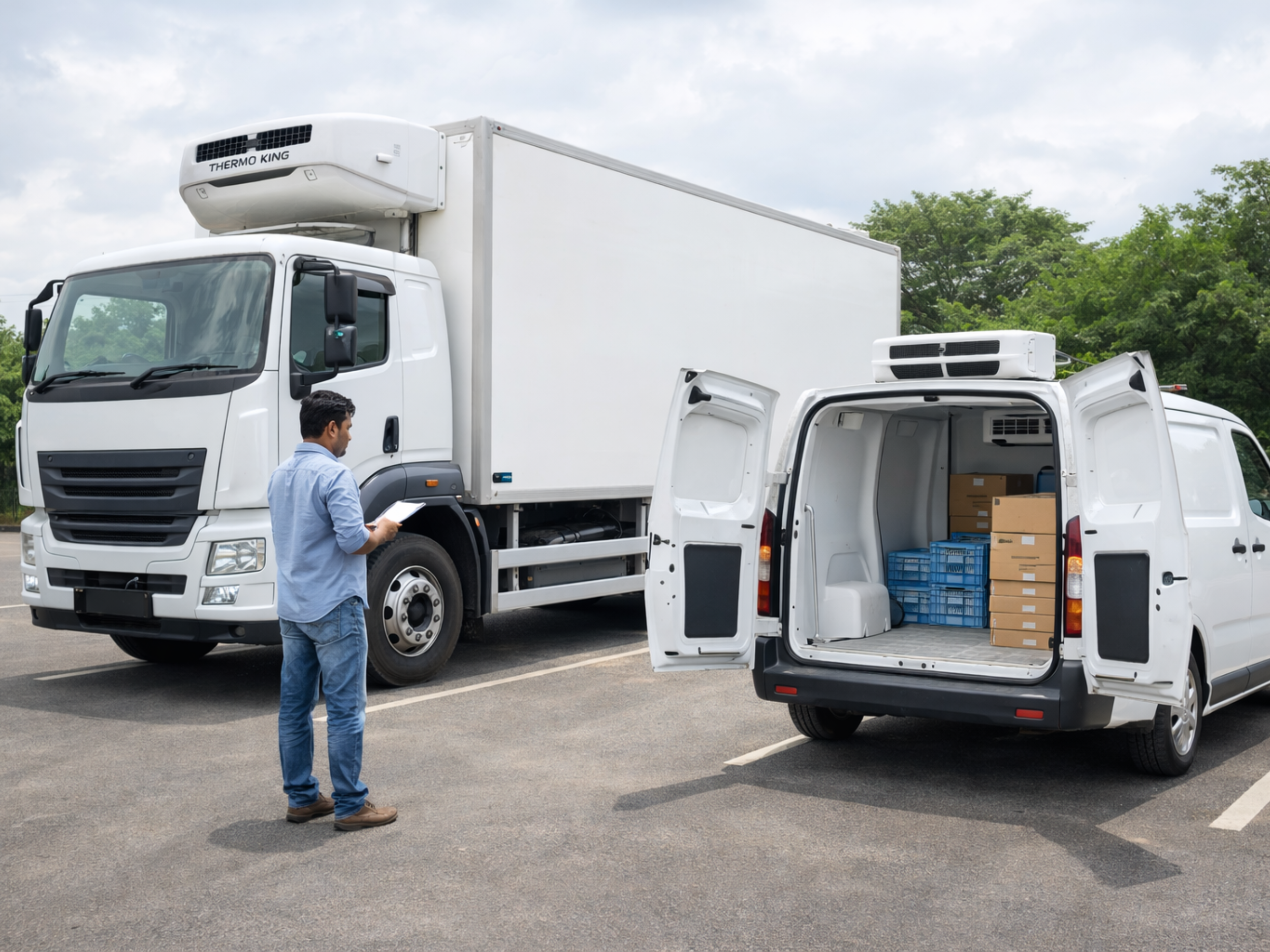
Larger containers must cool greater air mass, increasing pull-down and recovery times, particularly in warm climates. Extended recovery periods expose products to repeated micro-fluctuations exceeding compliant thresholds, cumulatively accelerating degradation and reducing shelf life across shipments.
Smaller containers recover temperature rapidly but introduce different risks. Limited space encourages dense stacking and restricted airflow, especially when load planning prioritizes capacity. Inadequate air circulation creates warmer pockets compromising integrity.
Container dimensions must align with volume requirements, packaging type, and circulation paths. Mismatched sizing creates dead zones with minimal airflow along walls and upper levels, remaining slightly warmer than surrounding areas and allowing unnoticed quality loss.
These inefficiencies rarely trigger alarms since average readings appear compliant, masking localized deviations affecting shipment portions. Over multiple shipments, this accumulates into higher spoilage rates and inconsistent delivery conditions.
Selecting appropriate container size means designing thermal environments supporting uniform cooling, rapid recovery, and stable conditions throughout, significantly reducing product loss without increasing operational complexity.
Custom Reefer Containers as Risk-Control Infrastructure
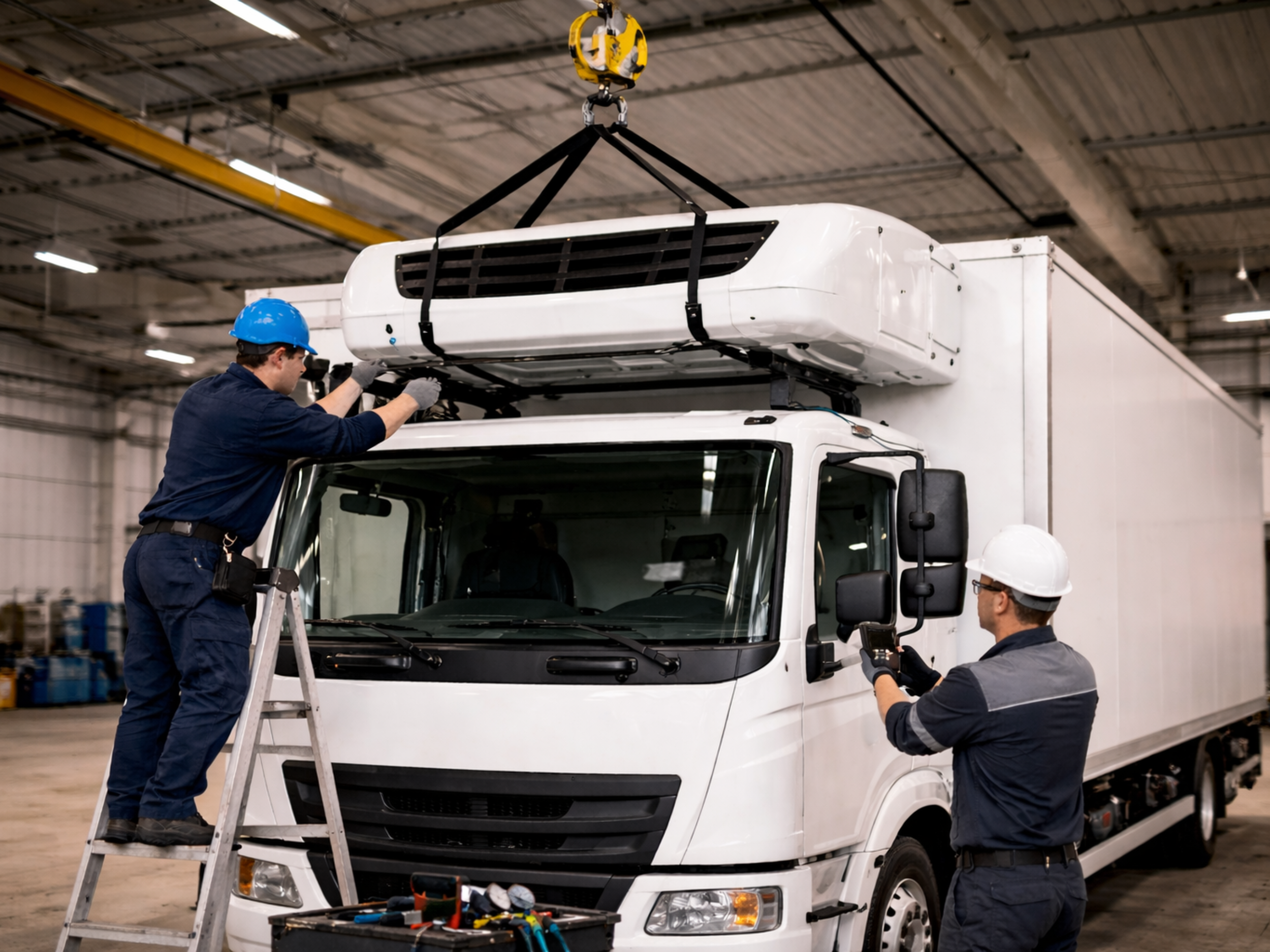
Custom reefer containers function as risk-control infrastructure rather than basic refrigeration. They address operational and quality challenges in dynamic supply chains with frequent loading cycles, varying climates, power interruptions, and inconsistent handling.
By aligning container specifications with product behavior, operational workflows, storage duration, and environmental exposure, food brands control variability rather than reacting to consequences. Customized systems maintain stability through optimized airflow, insulation, and faster temperature recovery, reducing micro-fluctuations that silently degrade quality.
Lower variability means fewer quality surprises at inspection and delivery. Products age uniformly, shelf life becomes predictable, and partial rejection risks drop significantly. This transforms containers from passive storage units into critical risk-management infrastructure protecting both product integrity and commercial outcomes.
Conclusion
Reducing product loss requires understanding how goods behave under real conditions and recognizing how subtle, repeated deviations erode quality. Standard containers prevent extreme failures effectively but cannot manage subtle risks within compliant ranges.
Custom reefer containers address this gap through design and control systems aligned with actual product requirements and operational realities. By stabilizing conditions and reducing variability, food brands achieve greater predictability, fewer losses, and stronger quality control in increasingly complex cold chains.