
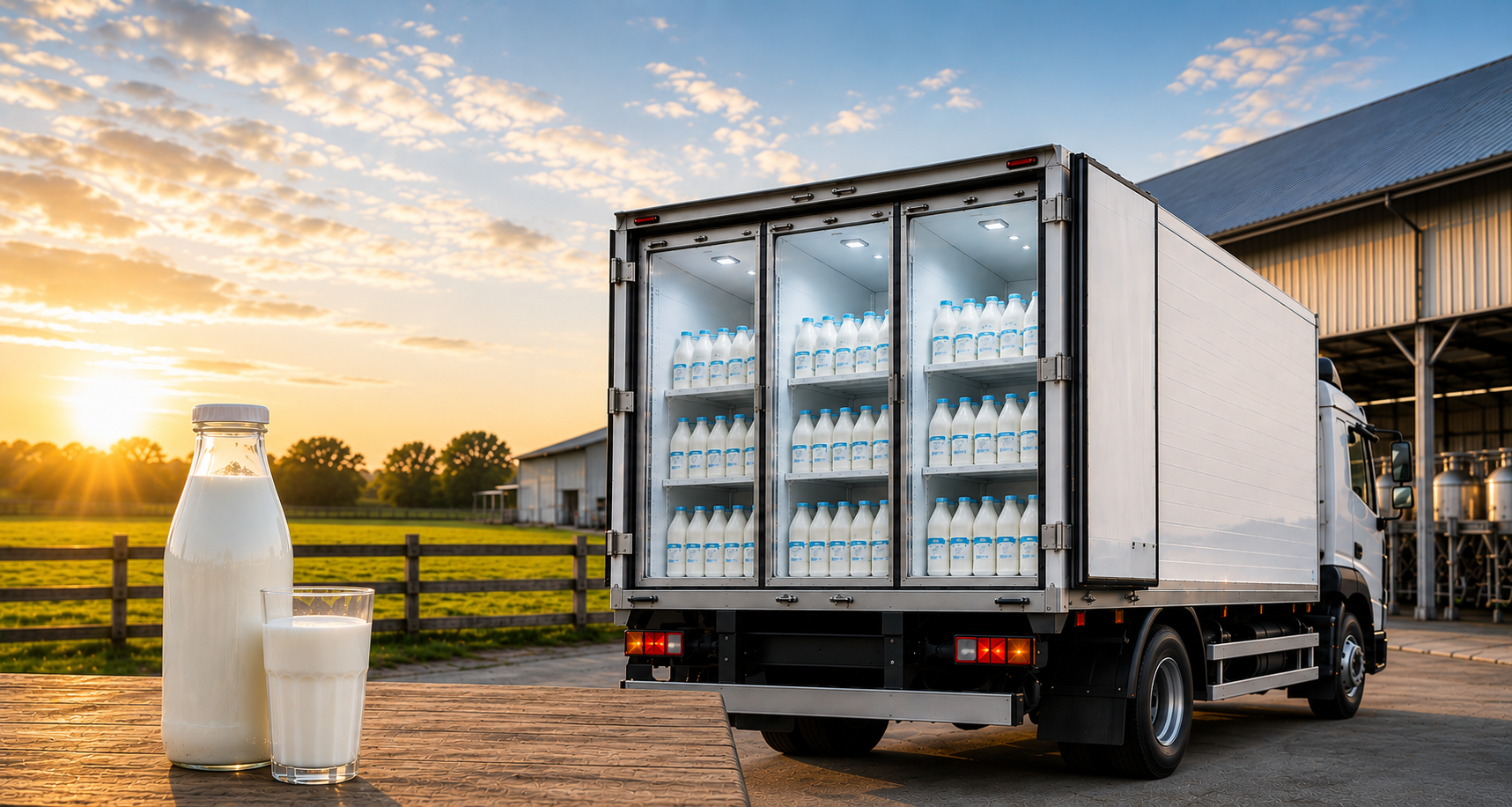
Milk Truck Price in India: Understanding Costs, Features & Long-Term Value
What does a milk truck really cost in India? Sub Zero Reefers breaks down milk truck price, milk van price, dairy transport & its long-term value.
What does a milk truck really cost in India? Sub Zero Reefers breaks down milk truck price, milk van price, dairy transport & its long-term value.
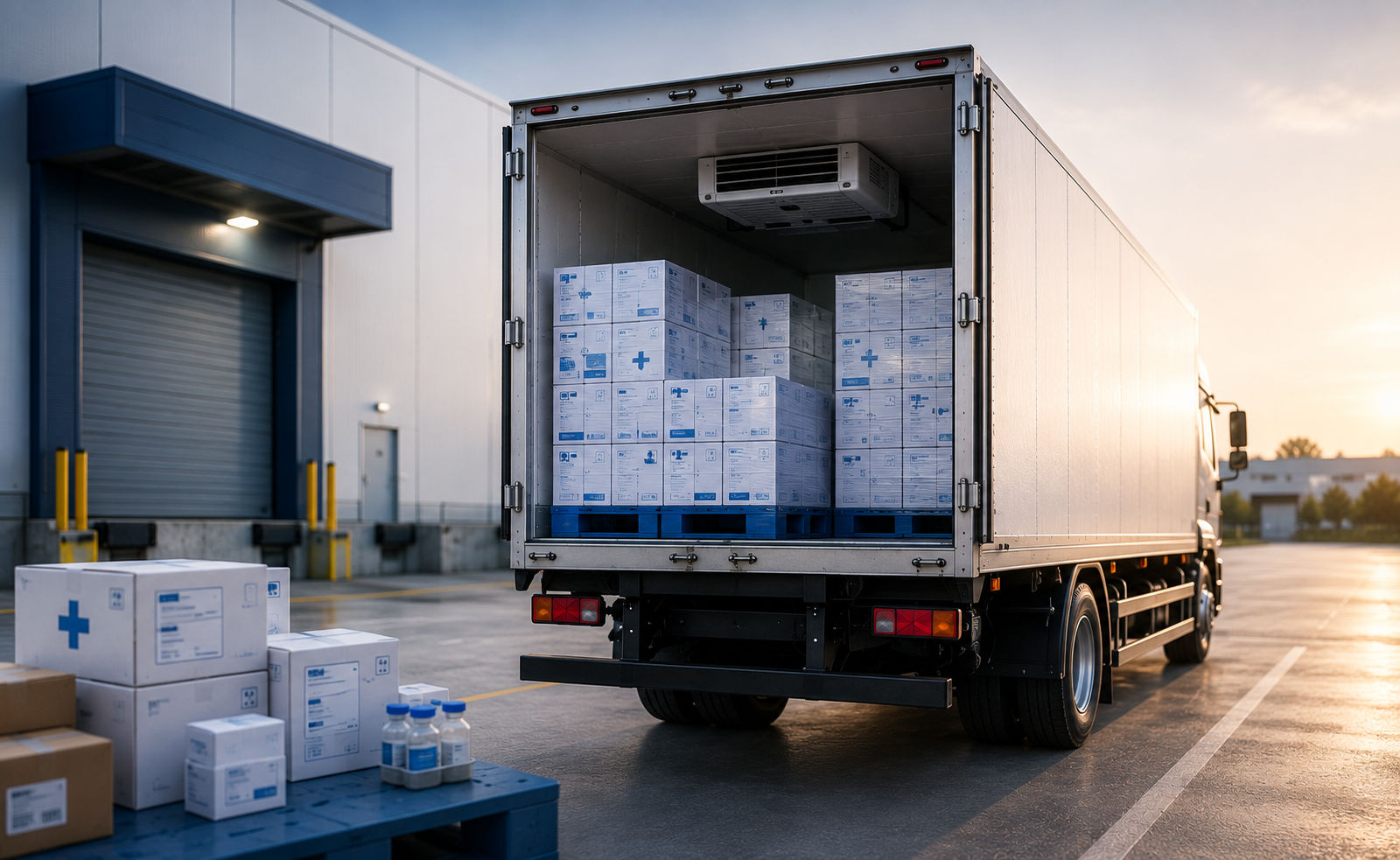
Is your reefer truck GDP-compliant for vaccine cold chain? Sub Zero Reefers breaks down cold chain management requirements for pharma reefer trucks.
Understand what reefer truck insurance covers, common exclusions, and how it protects cold chain logistics and temperature sensitive cargo.
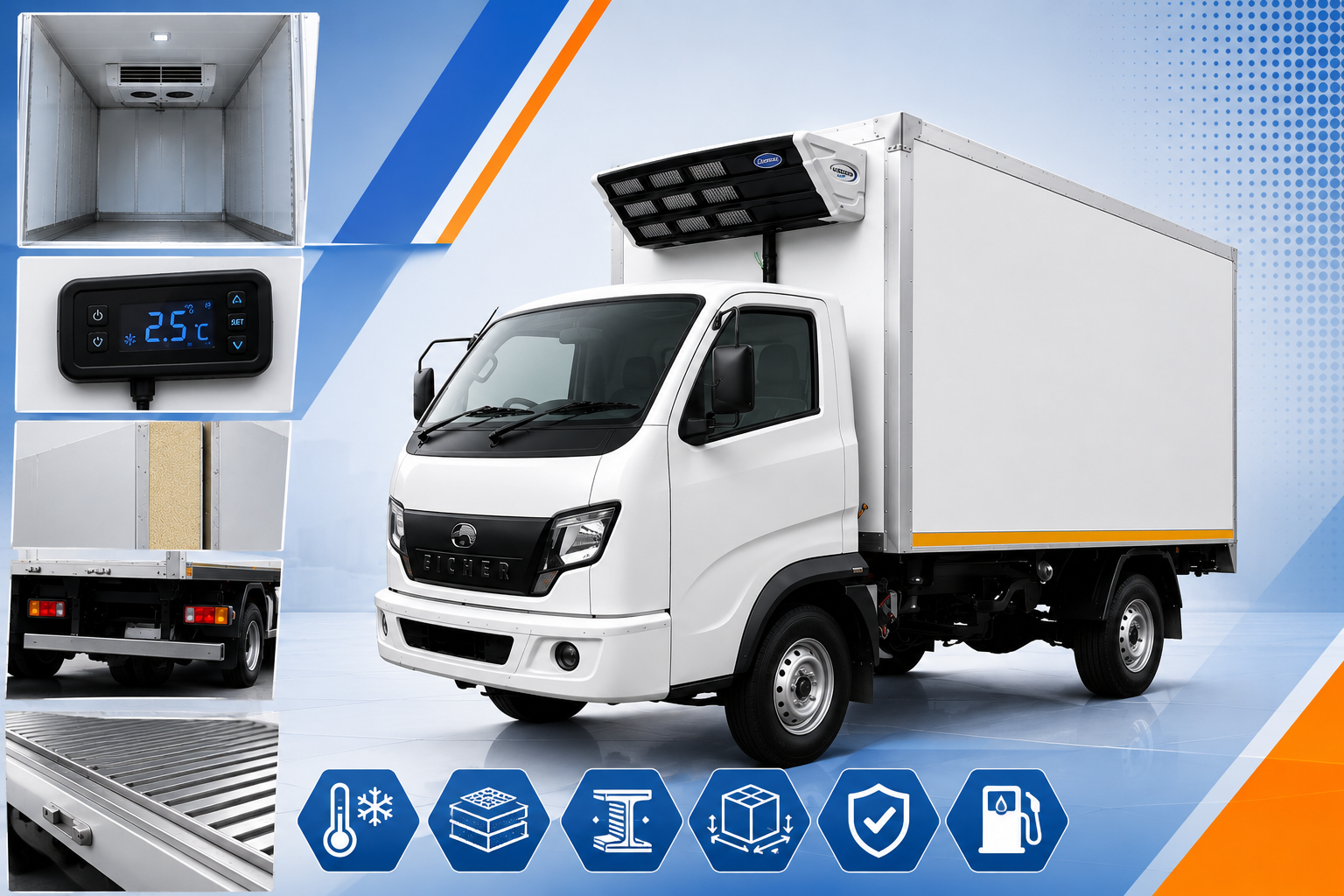
Buying a reefer truck? Compare specifications, insulation, refrigeration systems, and cold chain equipment to choose the right transport solution.
Estimate cold chain logistics costs with insights into infrastructure, operations, cold chain equipment, and long term business planning.
Need the right transport solution for FMCG goods? Compare dry freight bodies and cold chain logistics to protect cargo while reducing operating costs.
Reduce spoilage and deliver fresher produce with reefer trucks, refrigerated trucks and effective cold chain logistics.
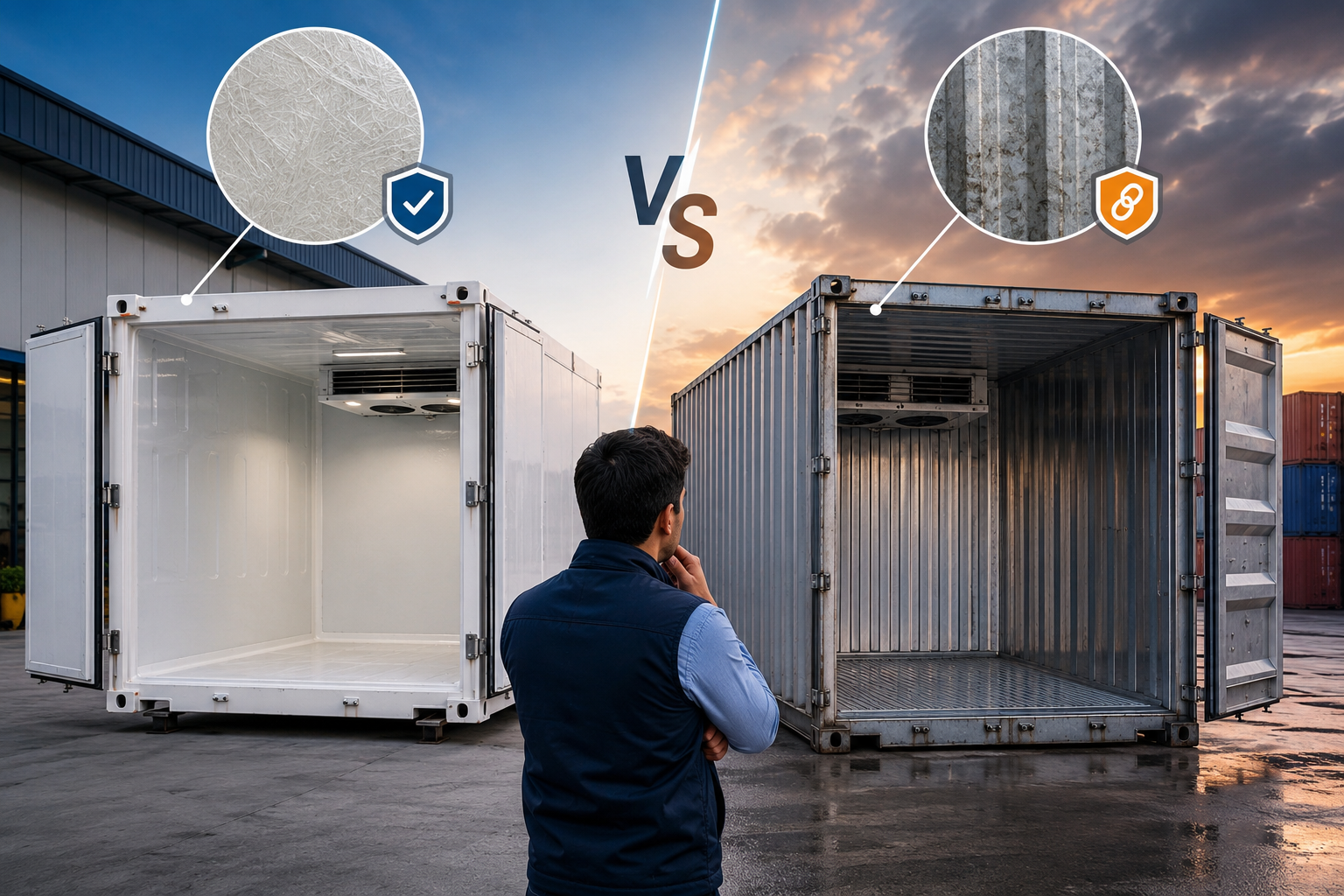
Not sure whether to choose a GRP or MS reefer body? Compare insulation, durability, maintenance and costs to find the right refrigerated truck.
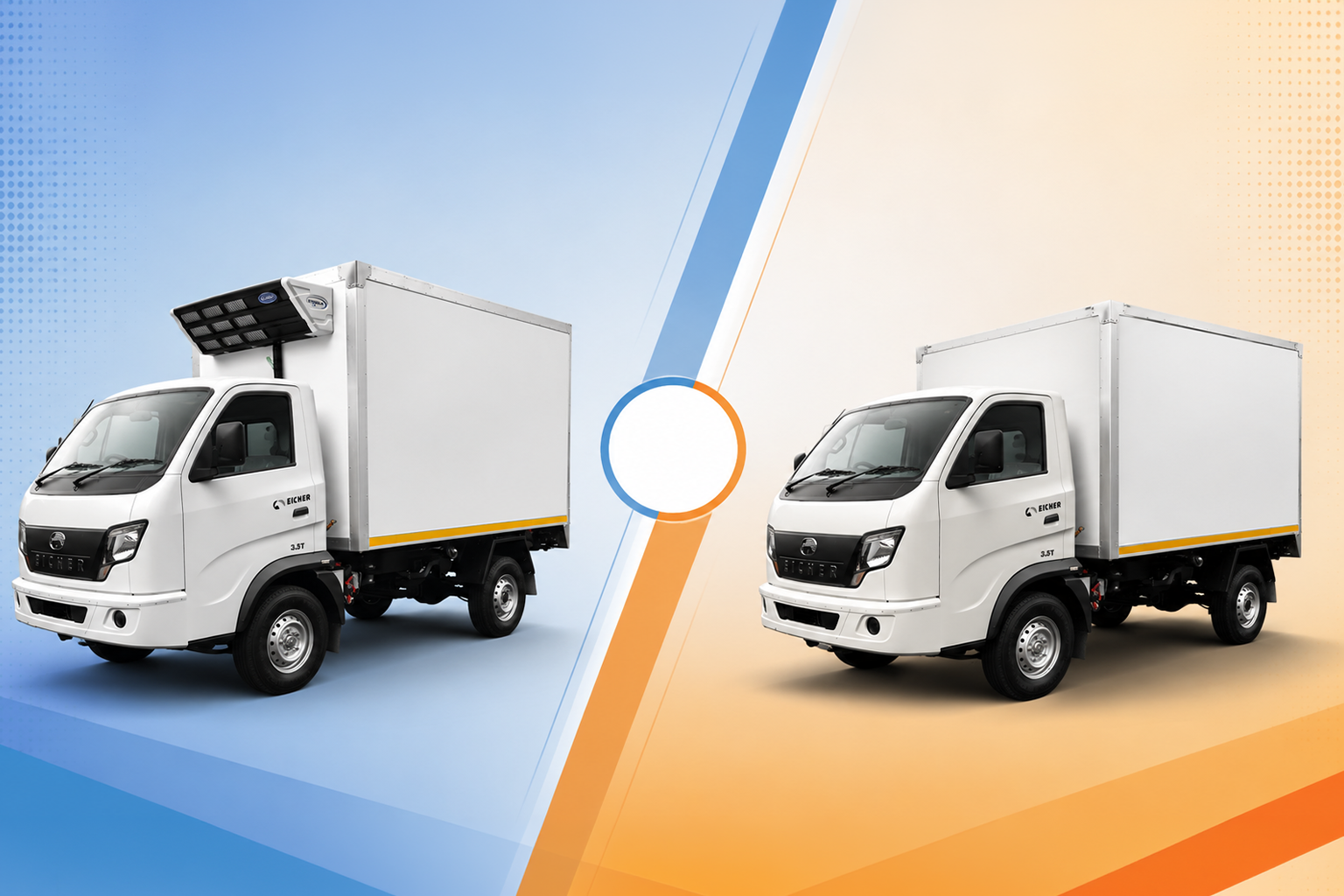
Reefer truck or insulated van? Sub Zero breaks down refrigerated truck real 2026 costs, cold chain logistics trade-offs & what suits your business best.
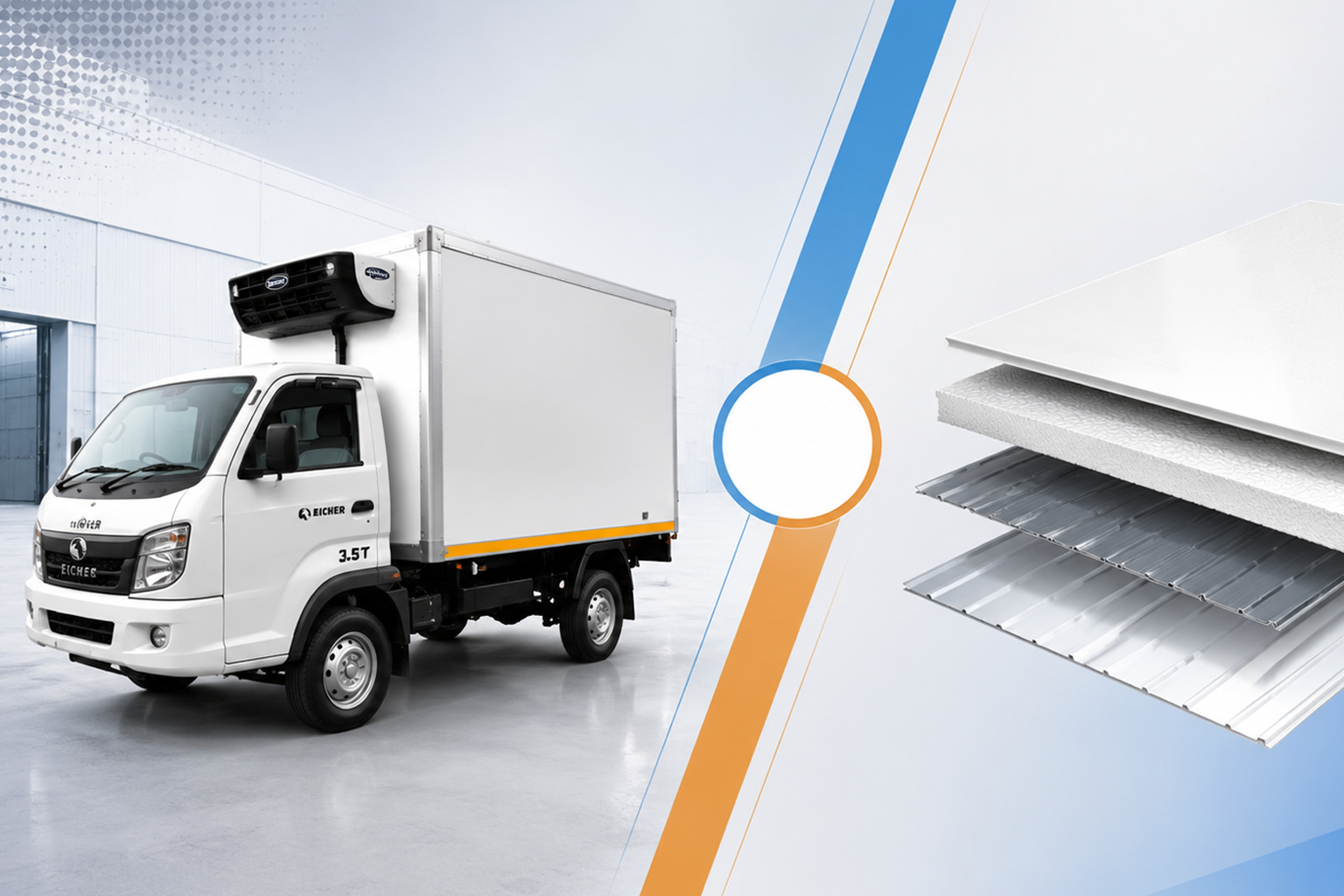
Is your reefer truck body holding your cold chain back? Sub Zero explains DuoShield, GRP & MS refrigerated truck body technology that delivers long-term value.
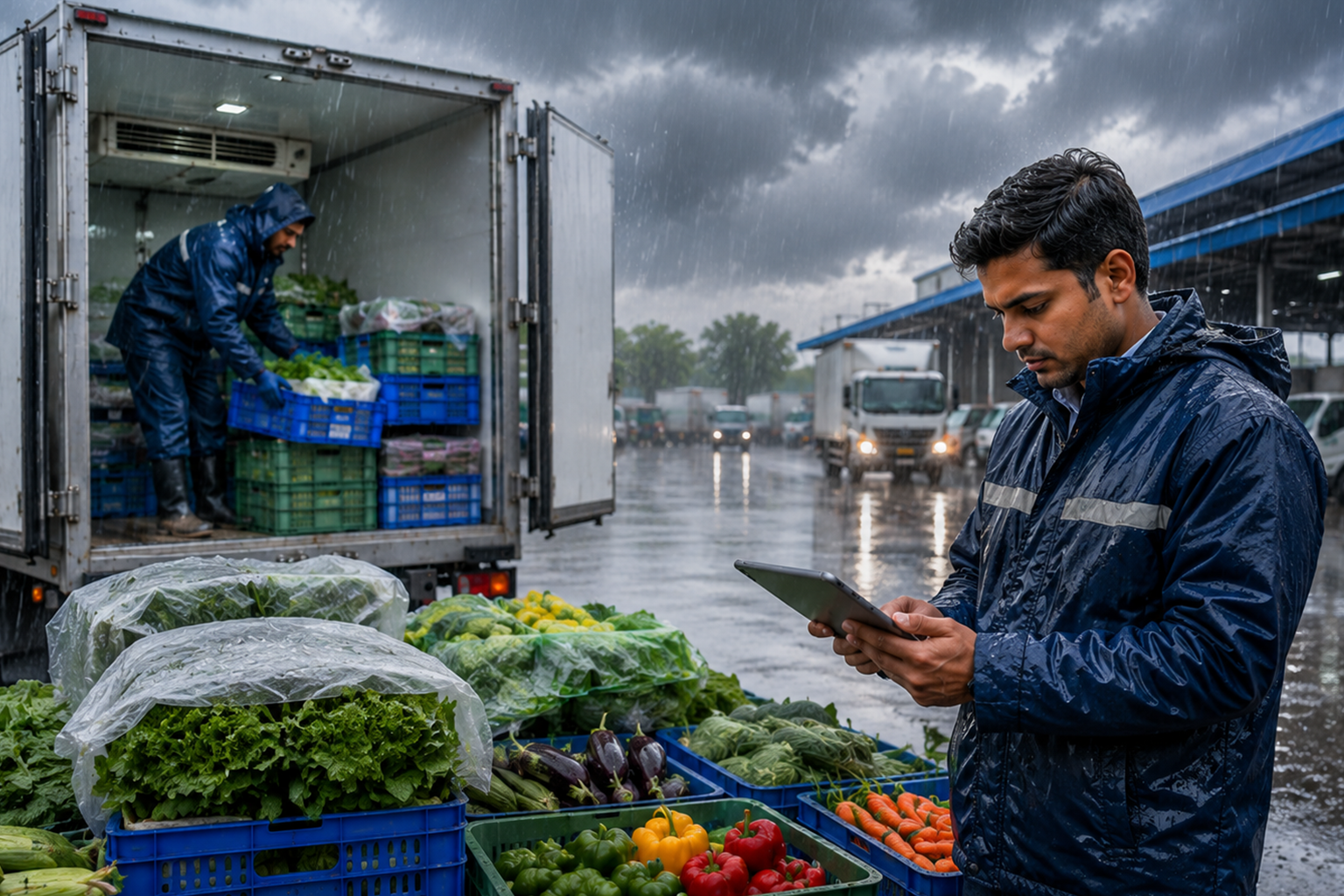
Is your vegetable transport monsoon-ready? Sub Zero Reefers covers cold chain logistics, reefer van choices to protect your produce.
What your seafood cold chain logistics will cost? From cold storage business cost to reefer trucks, Sub Zero Reefers breaks it all down.
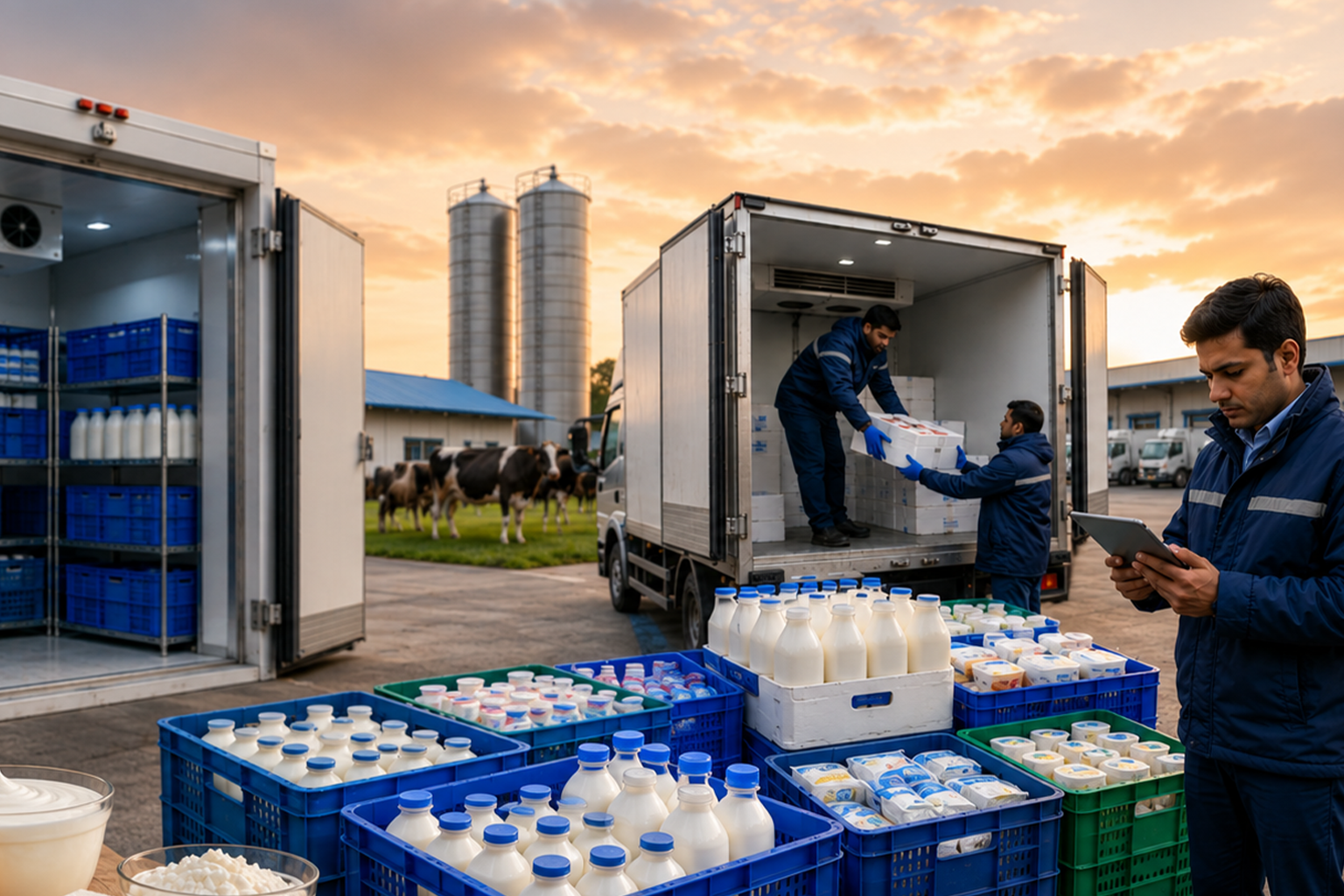
Producing great milk is only half the battle. Learn how to invest in dairy cold chain logistics, milk vans, and chilling infrastructure that scales.
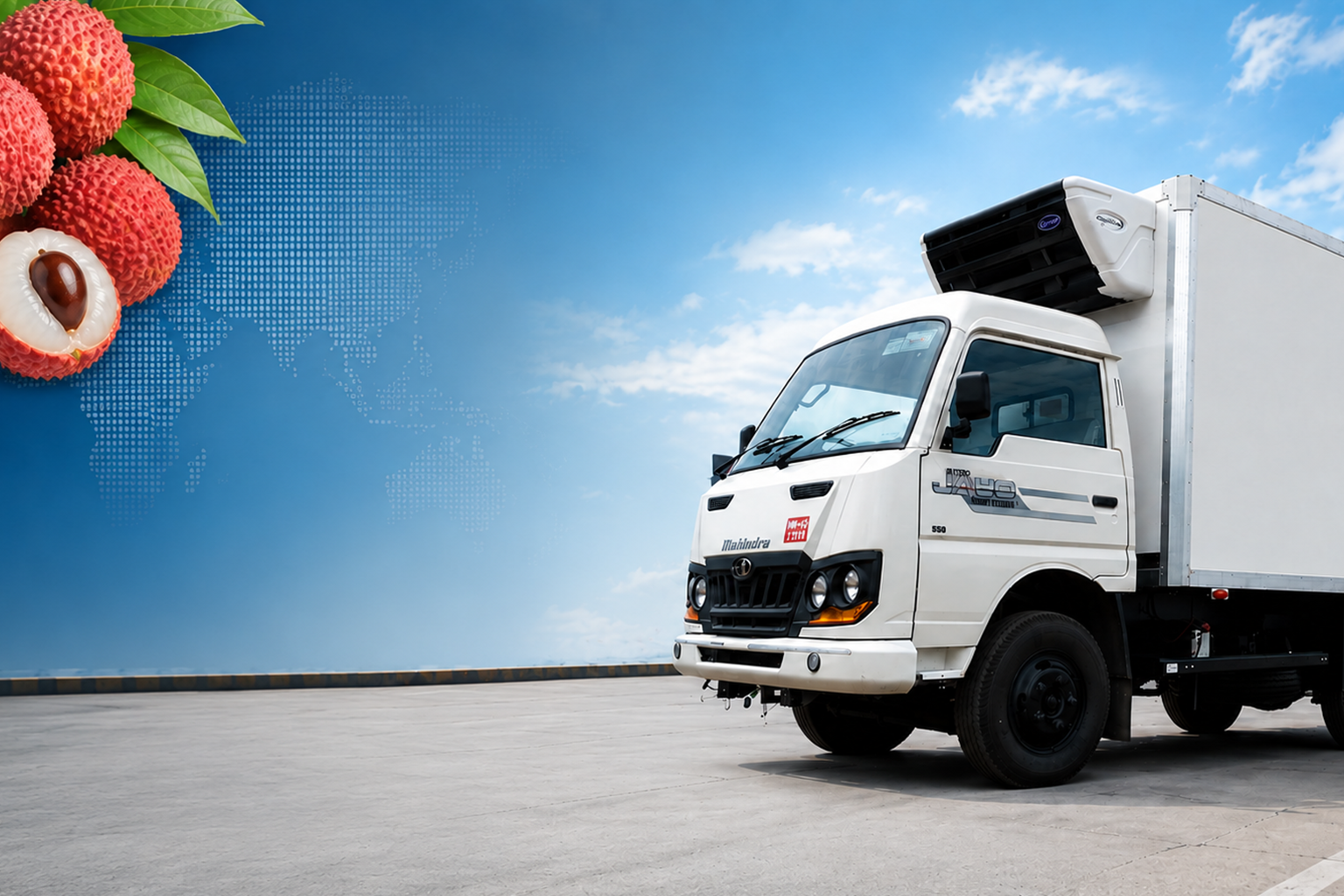
Litchi spoils within 72 hours without a cold chain. Discover the right reefer truck setup and temperature control for successful litchi export.
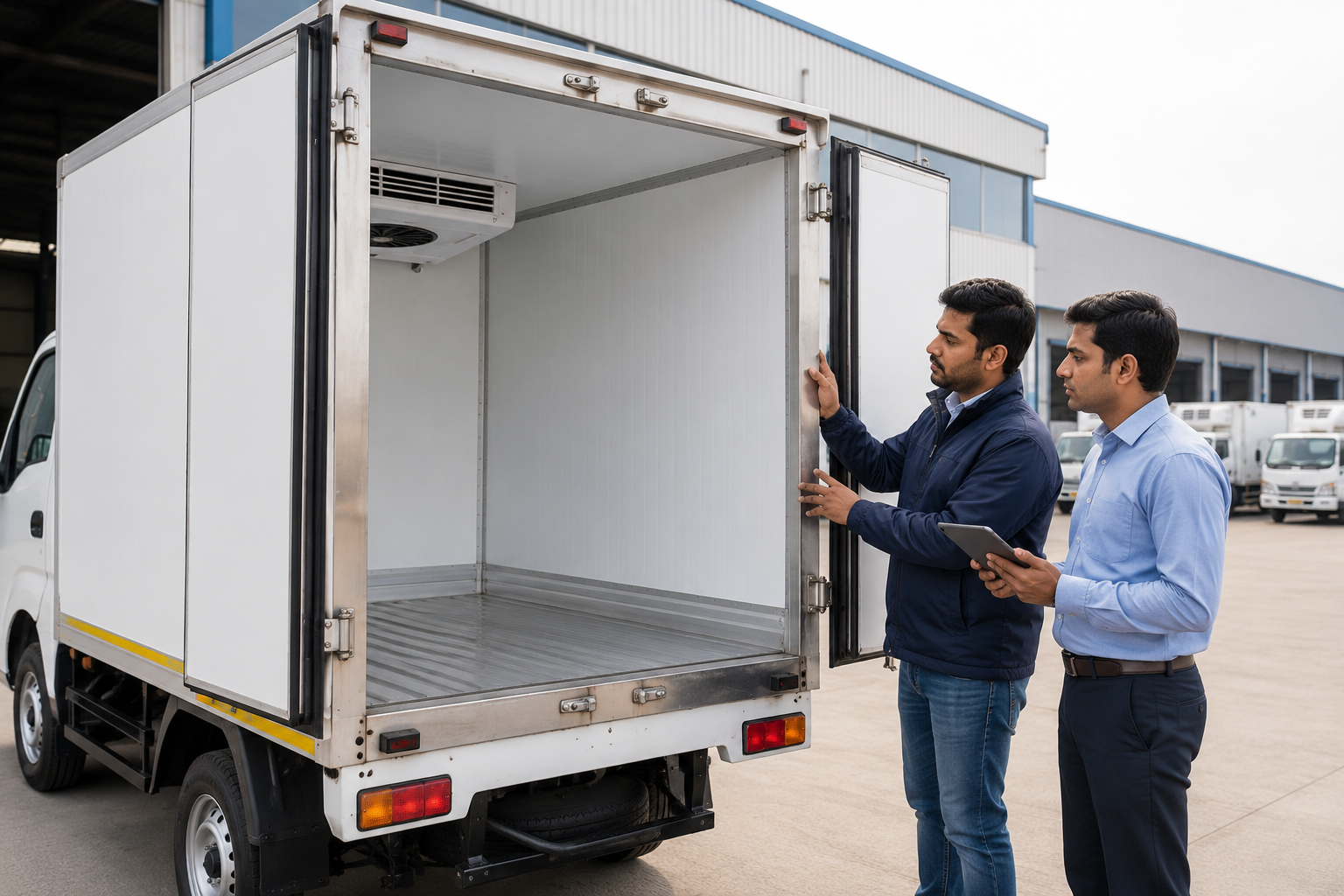
Is a GRP reefer van worth the investment? Explore reefer truck insulation, weight savings & cold chain equipment costs with SubZero Reefers.
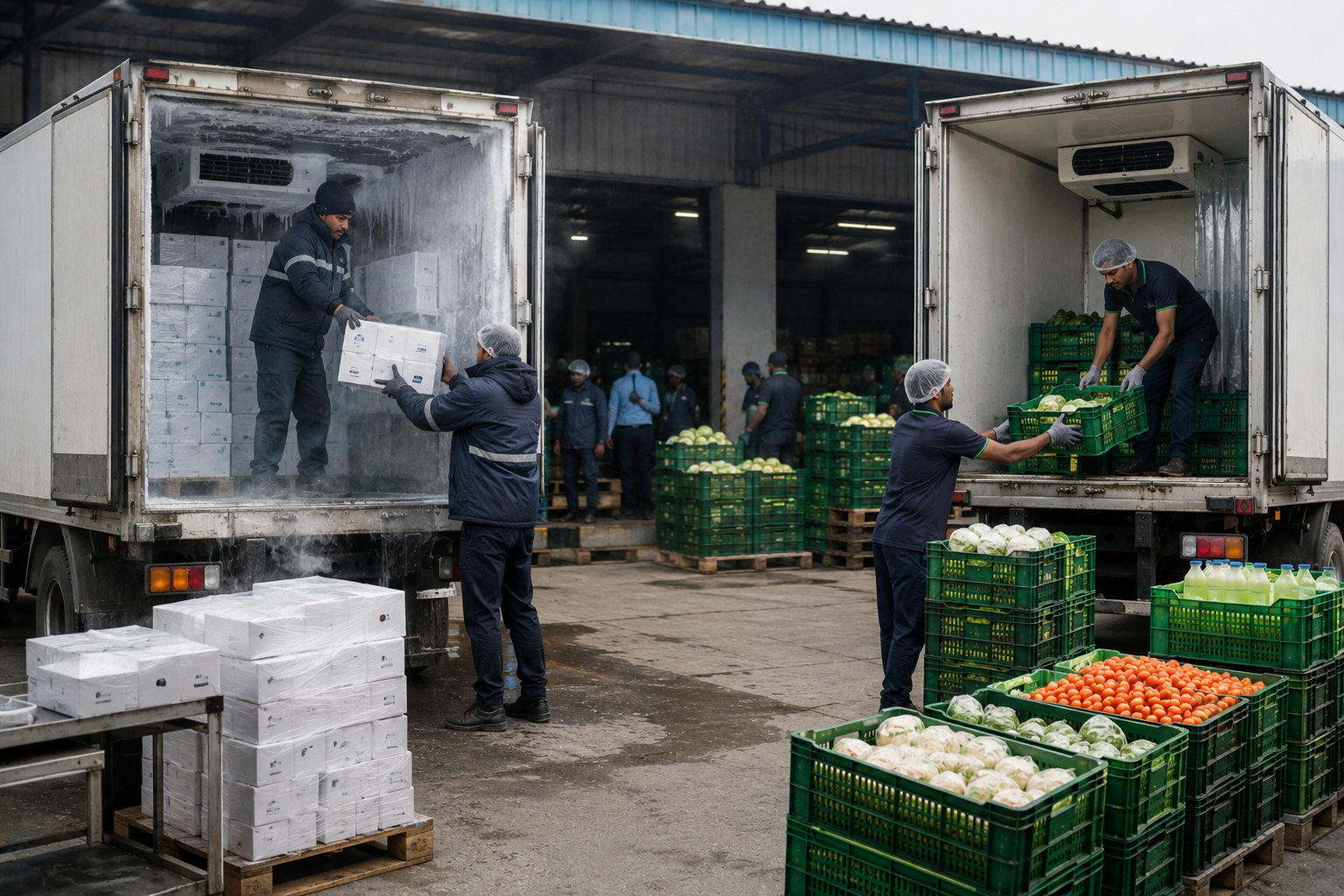
Frozen or chilled cold chain logistics which suits your business? Compare refrigerated truck costs, reefer trucks & cold chain systems.
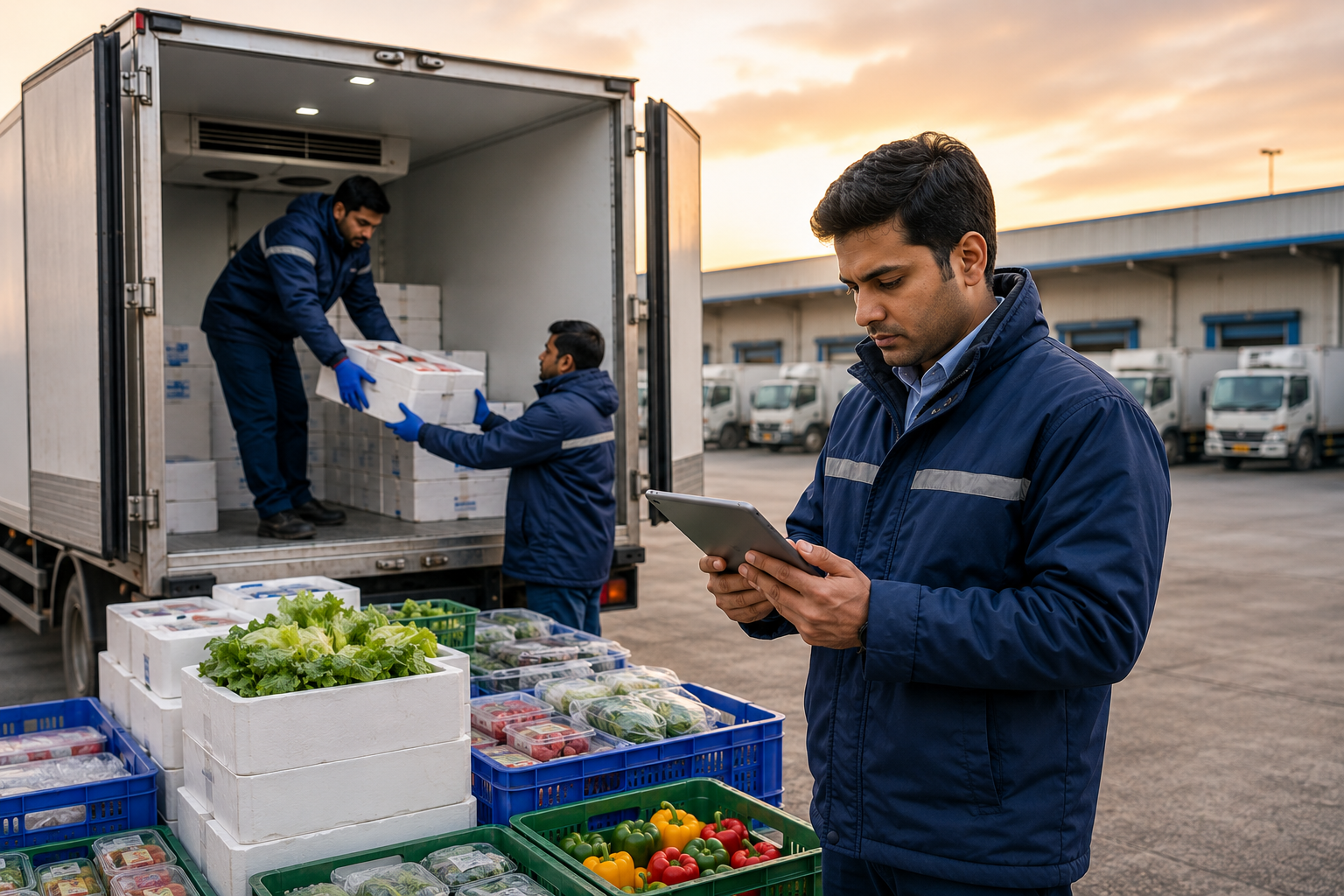
India's cold chain logistics market in 2026? Explore growth drivers, EV reefer van & refrigerated truck transport with SubZero Reefers

Can an electric reefer unit cut your cold chain costs? Discover how SubZero Reefers is making electric refrigerated truck in India 2026.
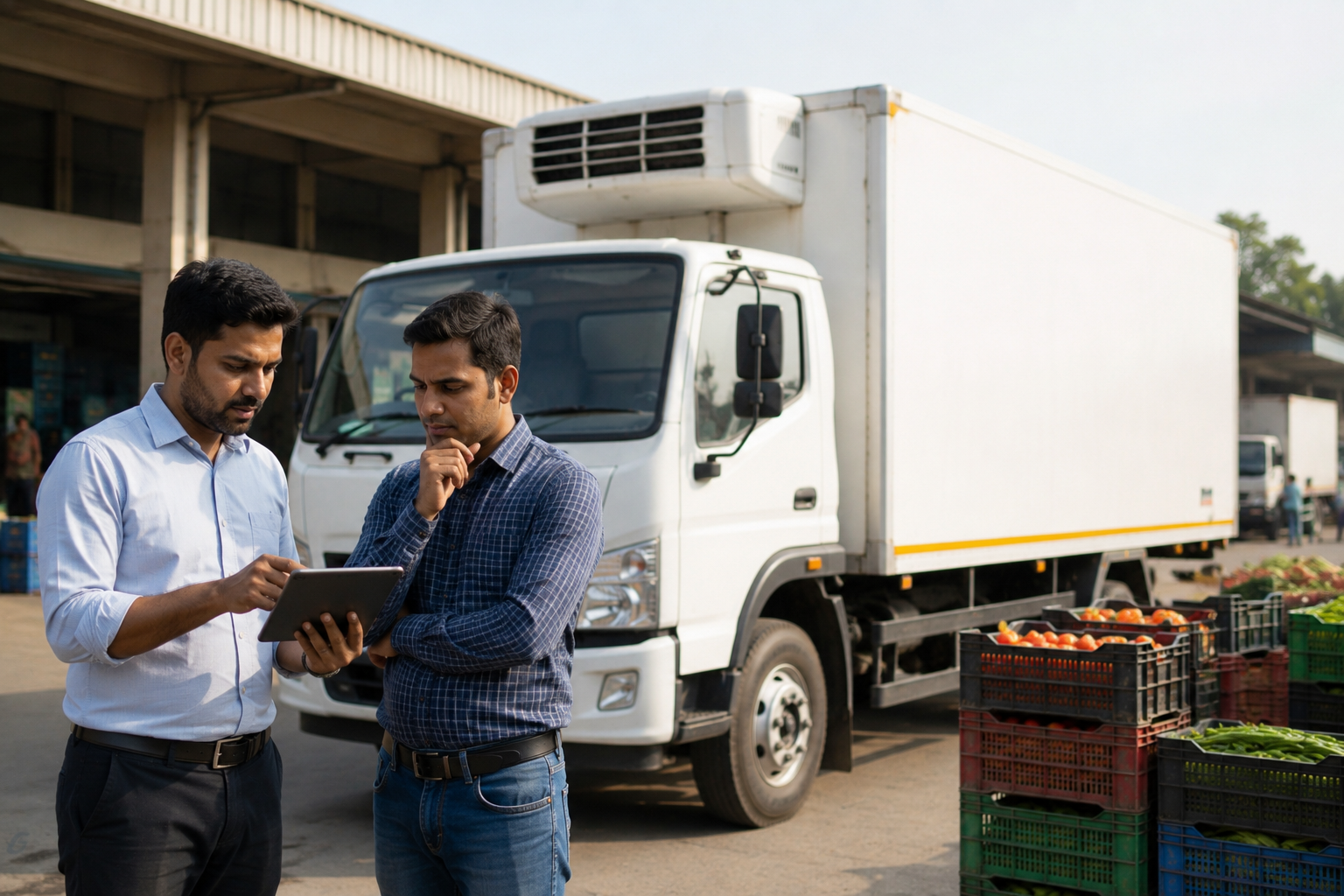
Planning to buy a reefer truck? Discover how PM Kisan Sampada Yojana, NABARD, and AIF can cut your cold chain investment costs significantly.
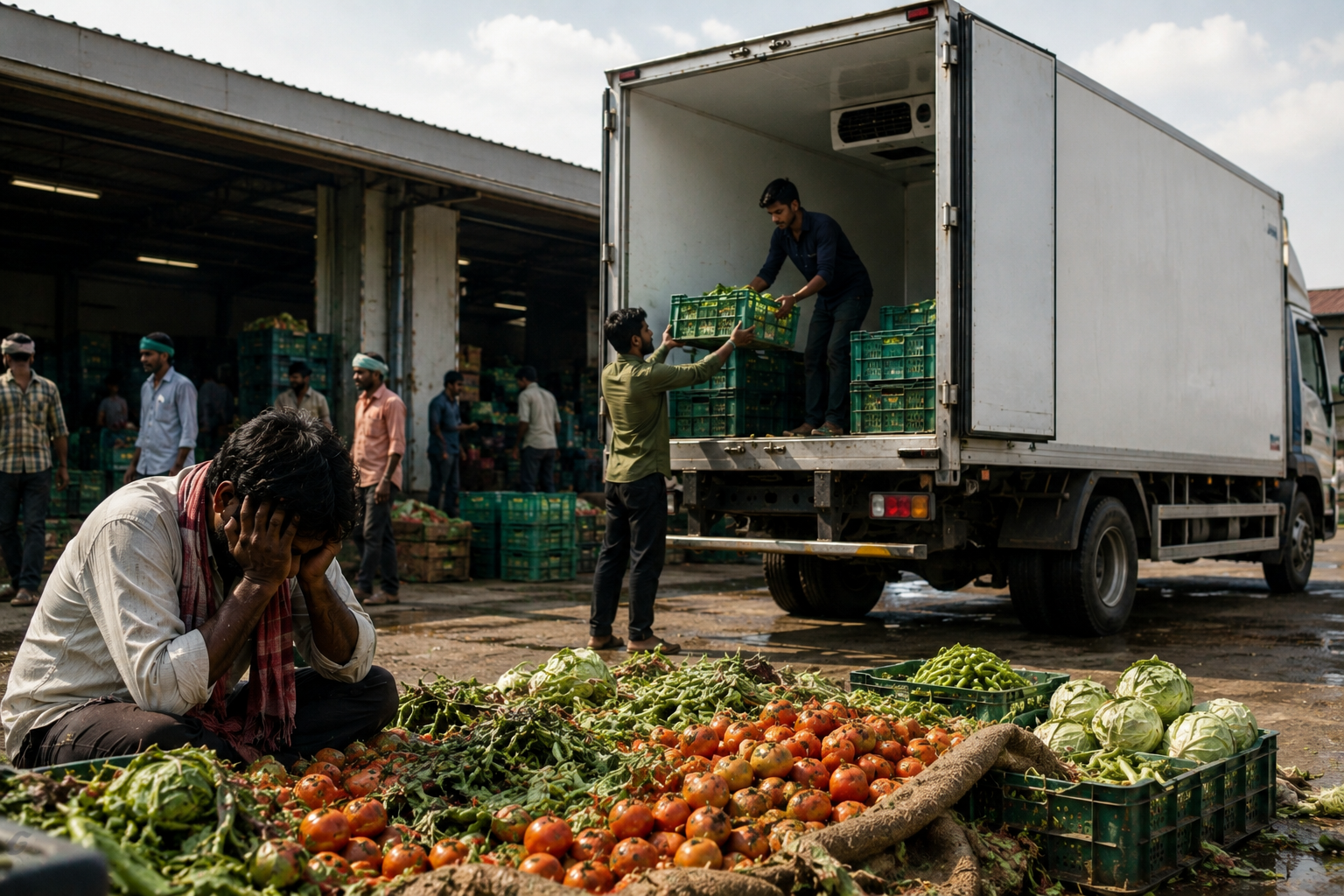
India loses over ₹1 lakh crore in food every year. See how cold chain infrastructure and refrigerated trucks can close the gap before it costs you more.
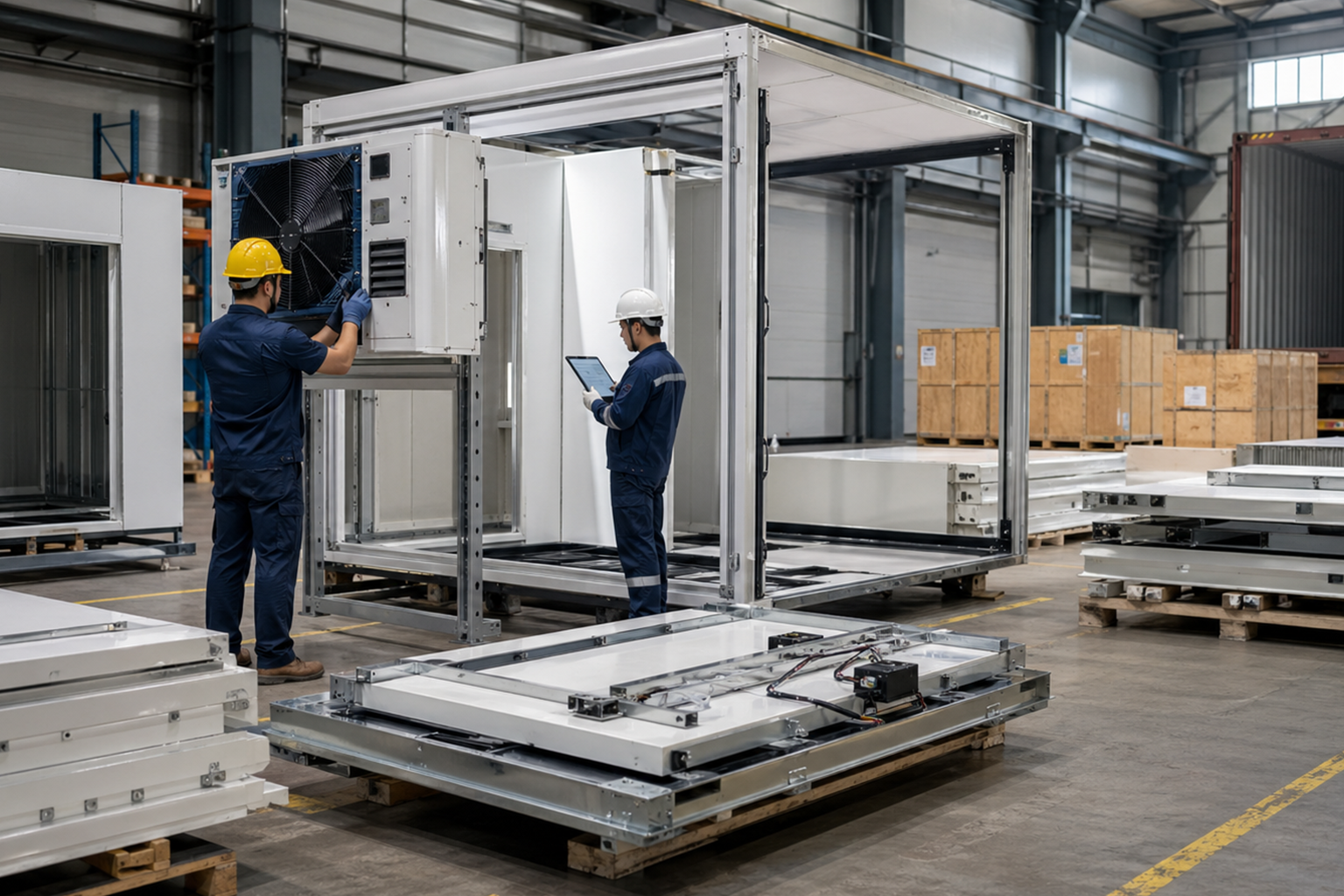
Learn how CKD reefer kits work, what's inside a complete kit, and how to meet India and export compliance standards for refrigerated trucks and vans.
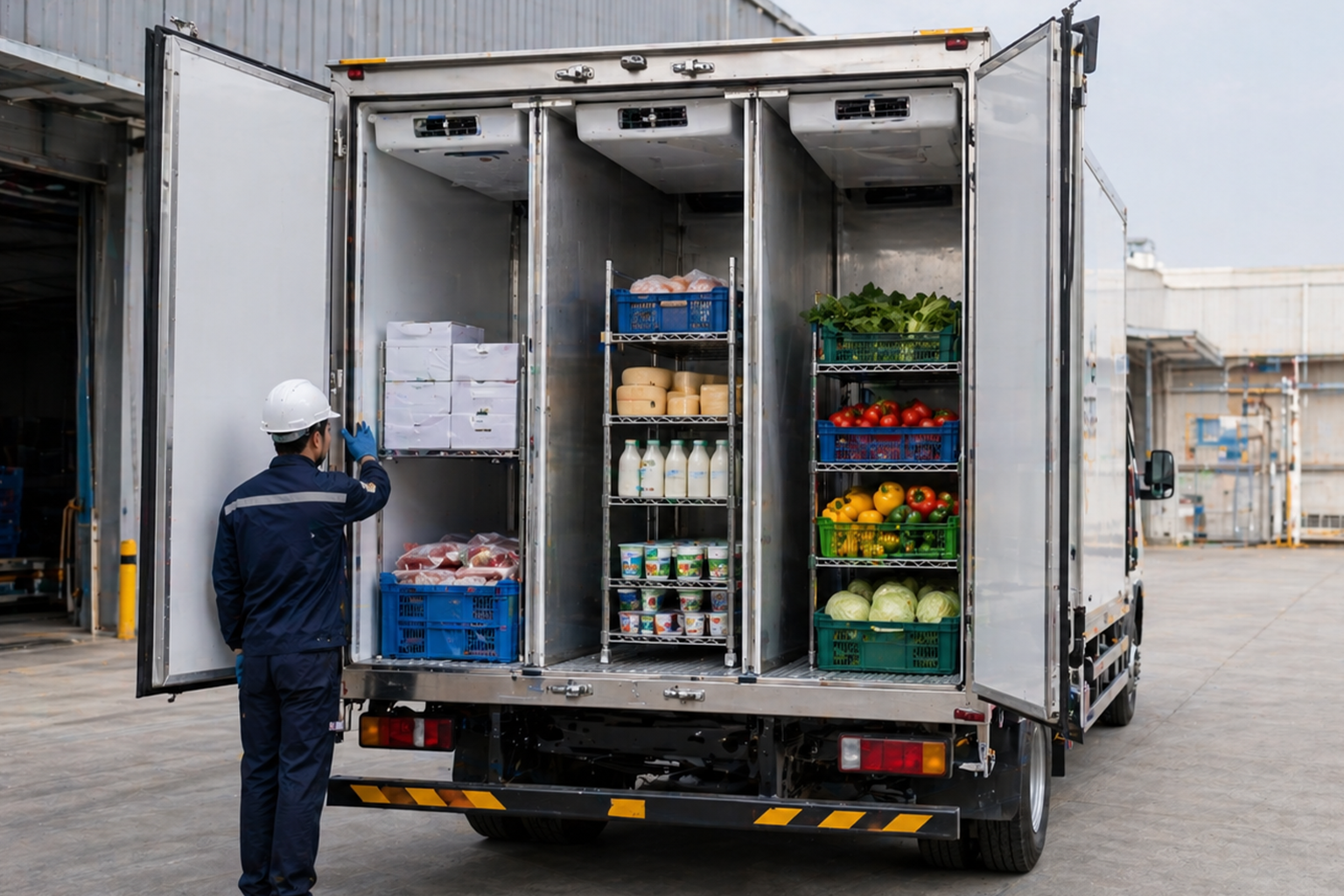
How multi-temperature reefer trucks help food distributors in India manage multiple cargo zones, cut costs, and meet cold chain compliance.
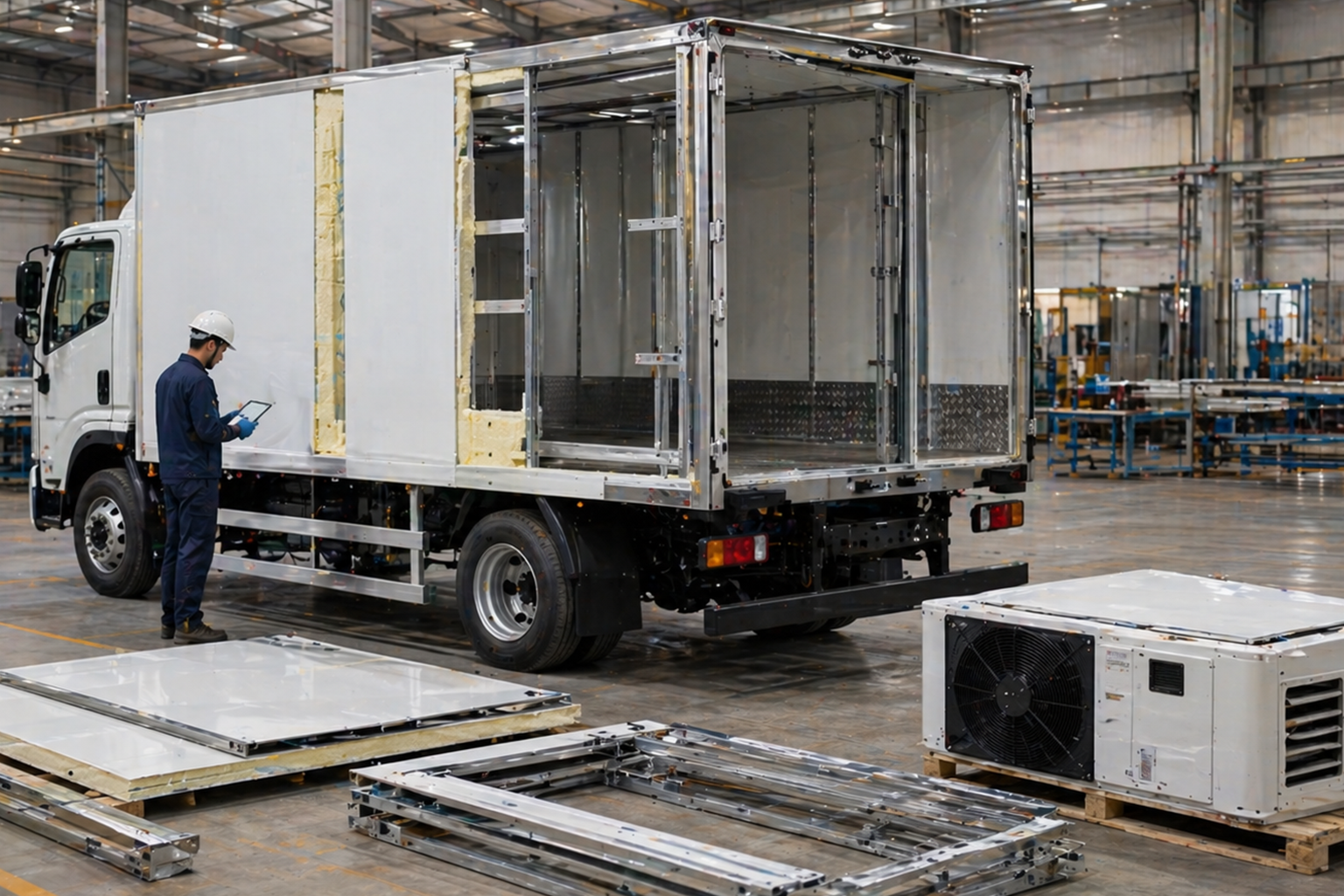
Find out what determines the refrigerated truck price in India - from body fabrication and insulation to refrigeration units with segment-wise cost estimates.
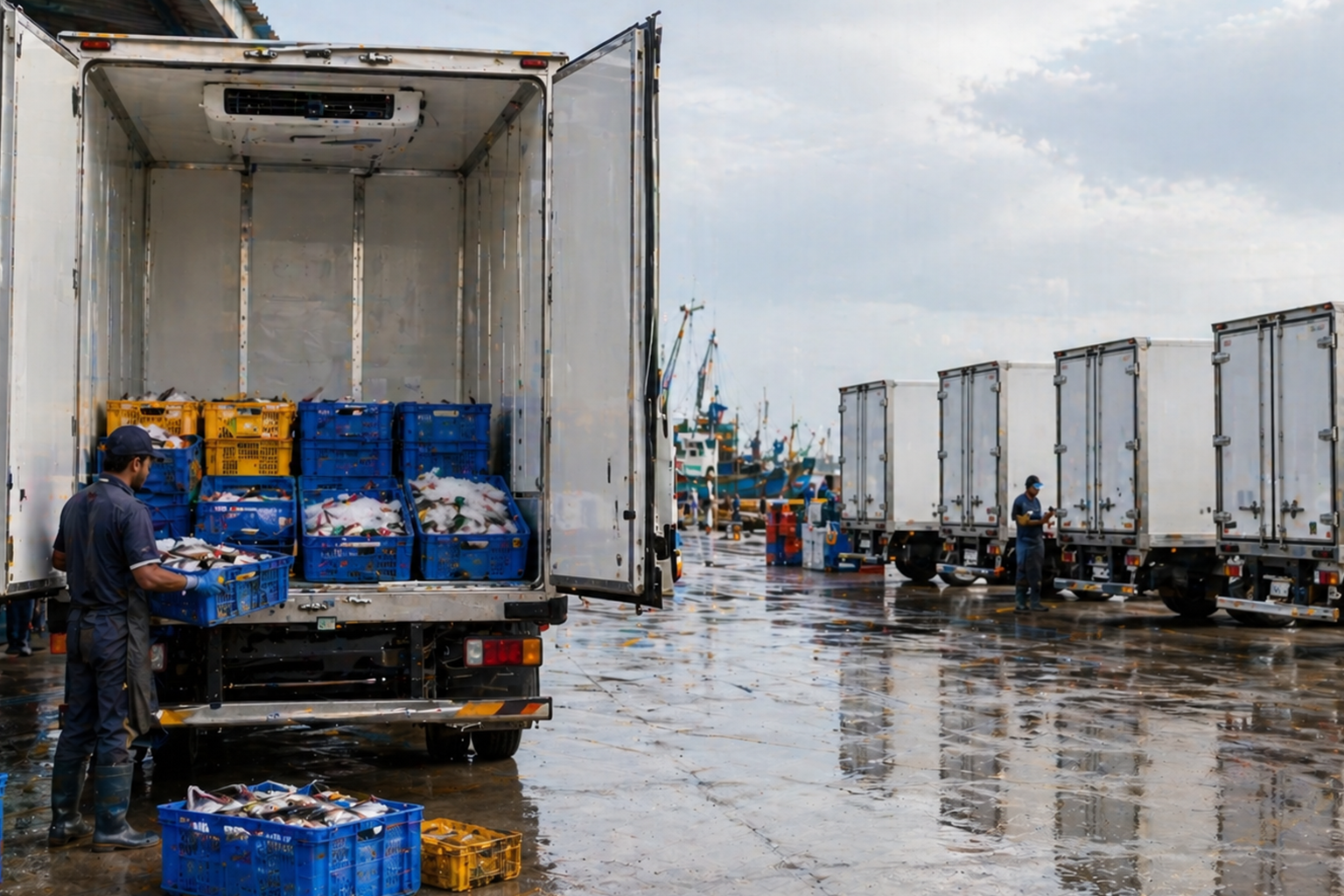
Should seafood businesses buy or lease a reefer truck? Compare ROI, cold chain control, and fleet risk to find the right model for your operation.
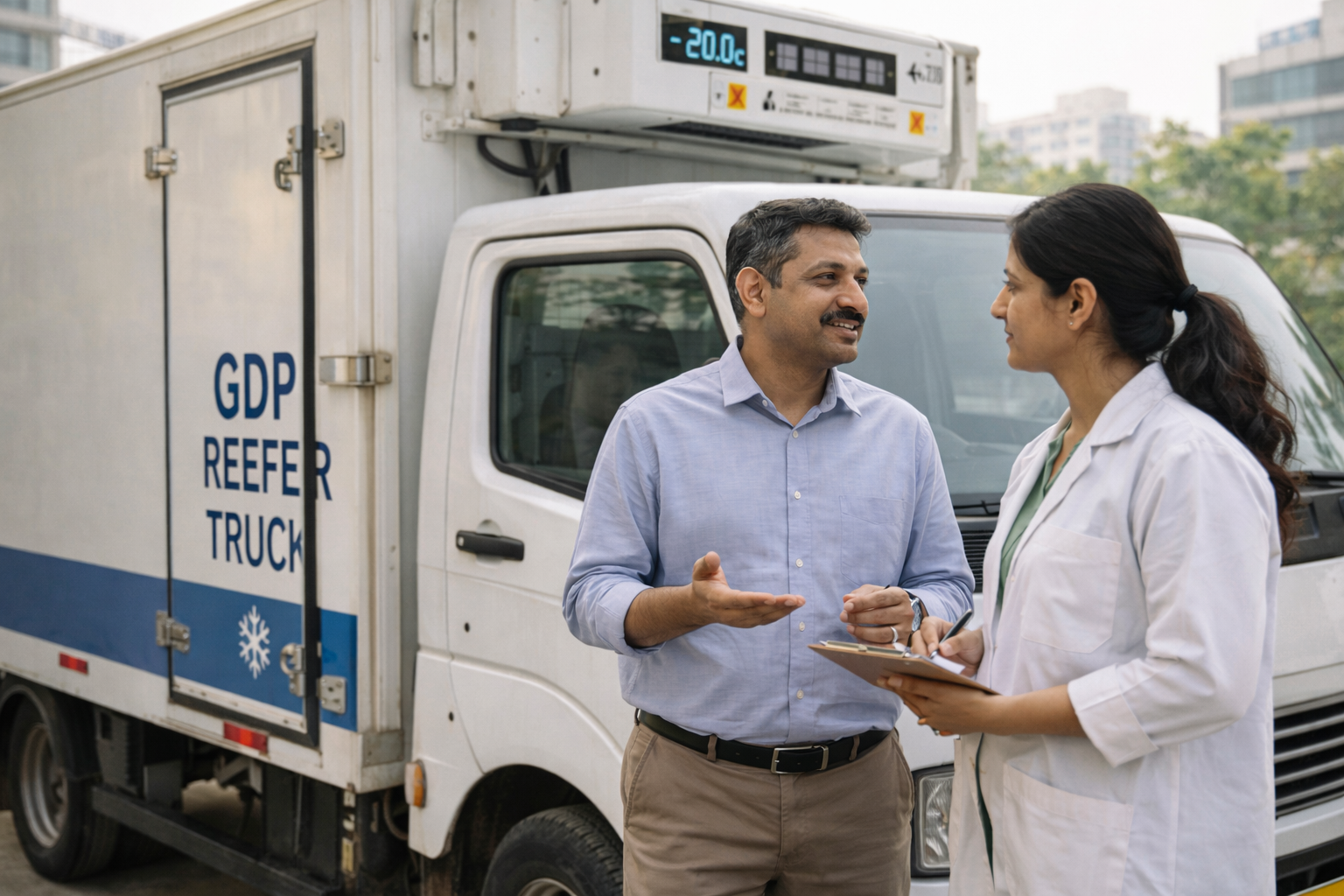
A clinical shipment rarely signals its importance at first glance. A sealed box moves through a network. A label carries coded information. A timestamp marks its journey. On paper, it looks like any other consignment moving through a clinical supply chain system.
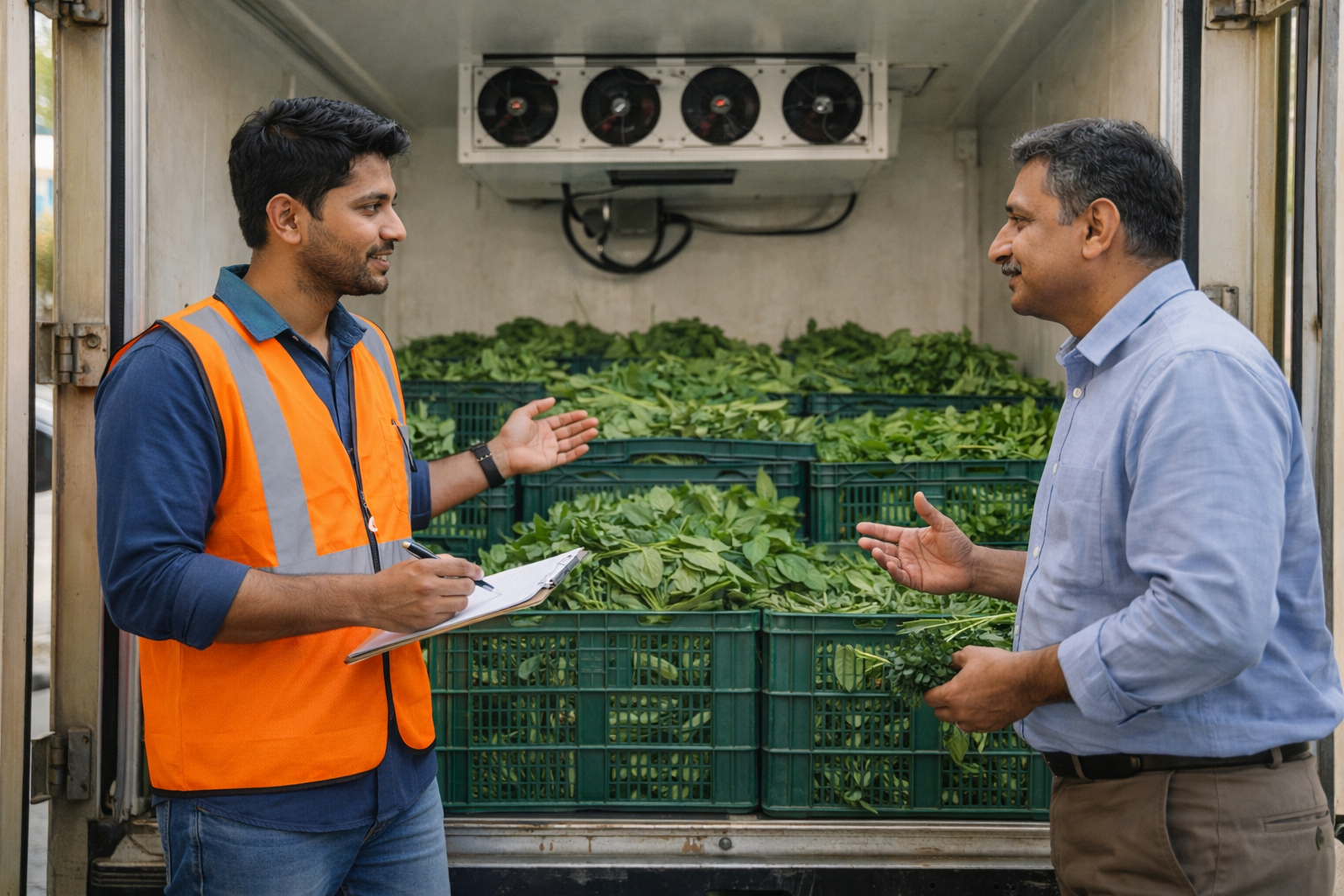
There is a number that rarely makes headlines but shapes the economics of almost every farmer, trader, and logistics operator in India: ₹92,000 crore. That is the estimated annual value of food that spoils before it reaches the consumer through vegetable transport vehicle. A significant share of it is fresh produce like spinach, leafy greens, tomatoes, cauliflower, coriander.
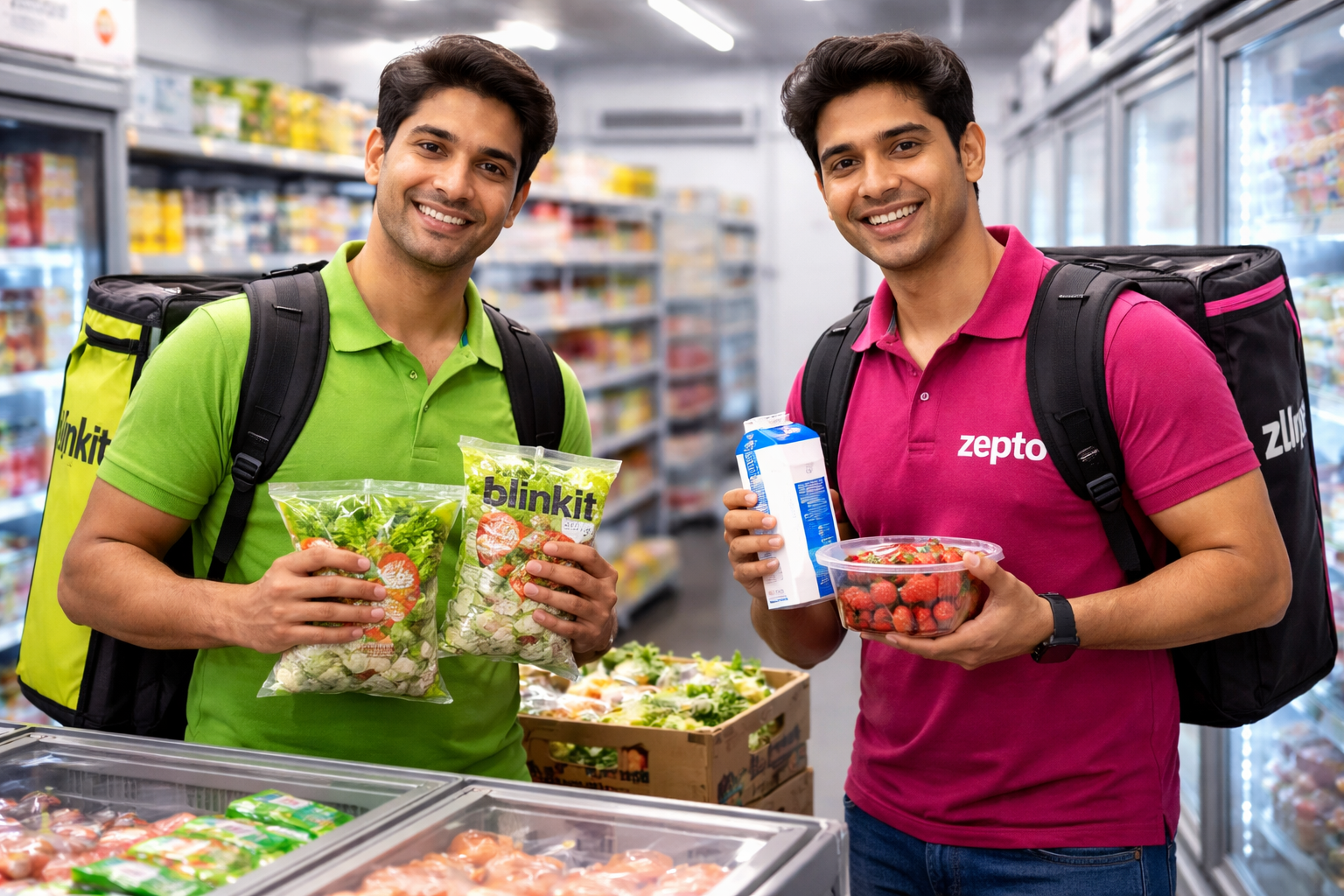
The way India shops has quietly, but completely, transformed. A few years ago, buying groceries meant planning. You made a list, stepped out, navigated traffic, stood in queues, and carried everything back home. Today, that entire process has collapsed into a few taps on a screen. The moment something runs out, milk, ice cream, fruits, even last-minute party supplies, the instinct is almost automatic: open Blinkit, check Zepto, place an order.
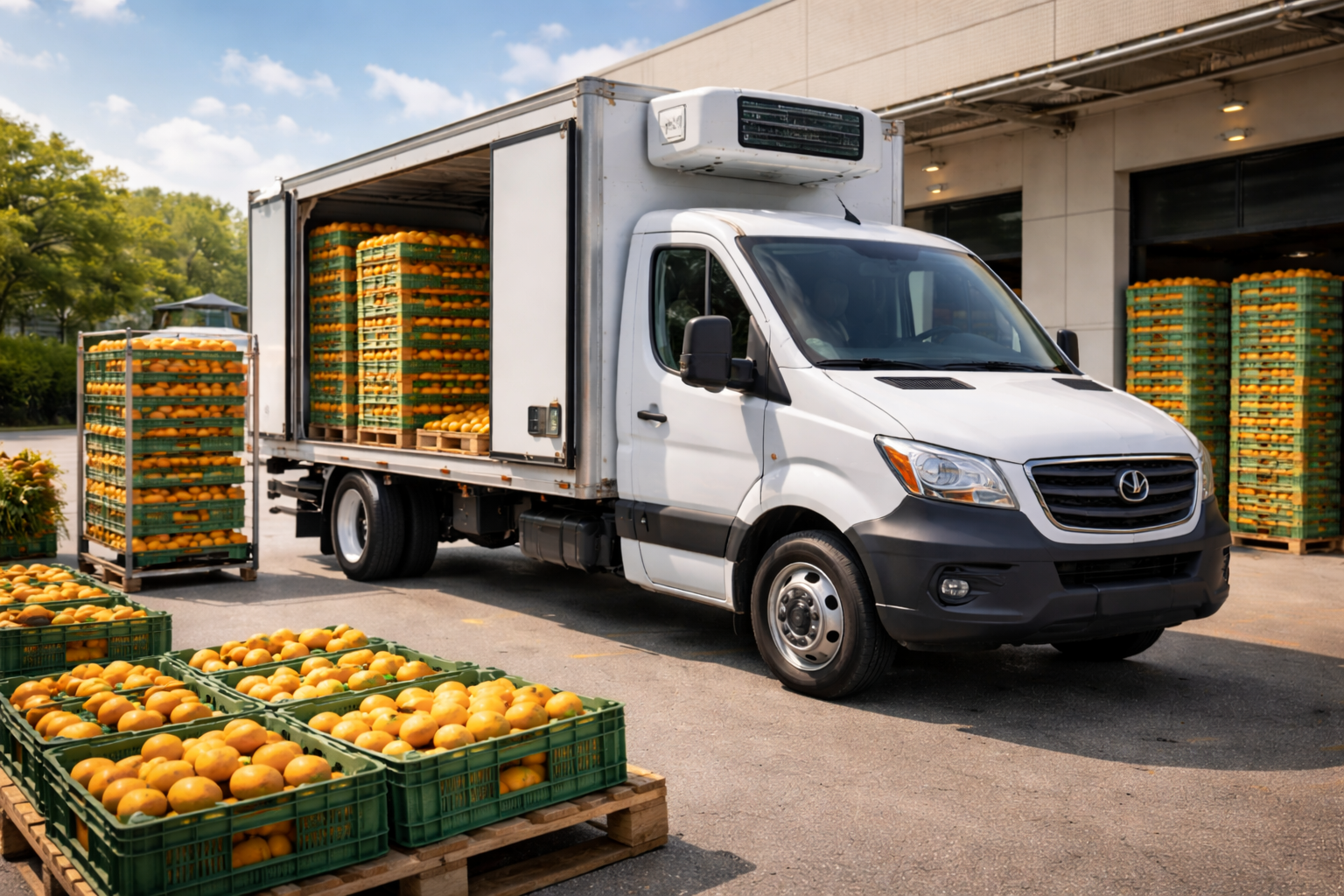
Summers are here, and so are mangoes. Across India, orchards begin to buzz with activity as one of the country’s most loved fruits starts its journey from farms to markets around the world. From Alphonso and Kesar to Banganapalli and Dasheri, Indian mangoes are among the most sought-after fruits globally. Every summer, thousands of tonnes are exported to international markets through refrigerated box truck, making mango one of India’s most traded seasonal fruits.
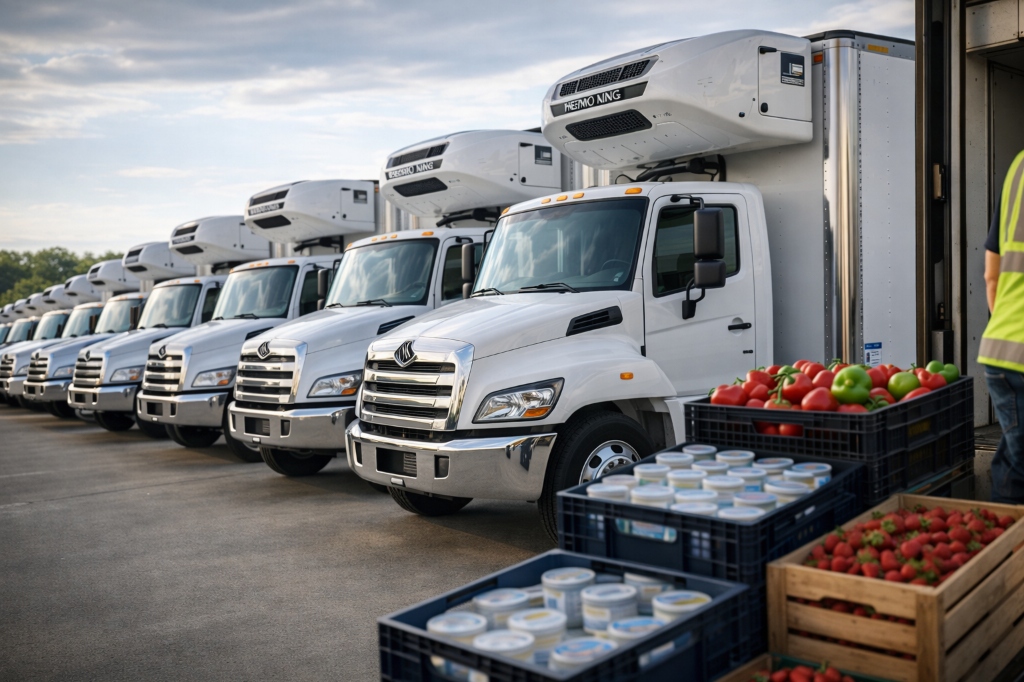
FMCG distribution in India is seeing a major shift. As consumers demand fresher, safer products, brands are rapidly investing in dedicated refrigerated truck fleets instead of relying on traditional transport.
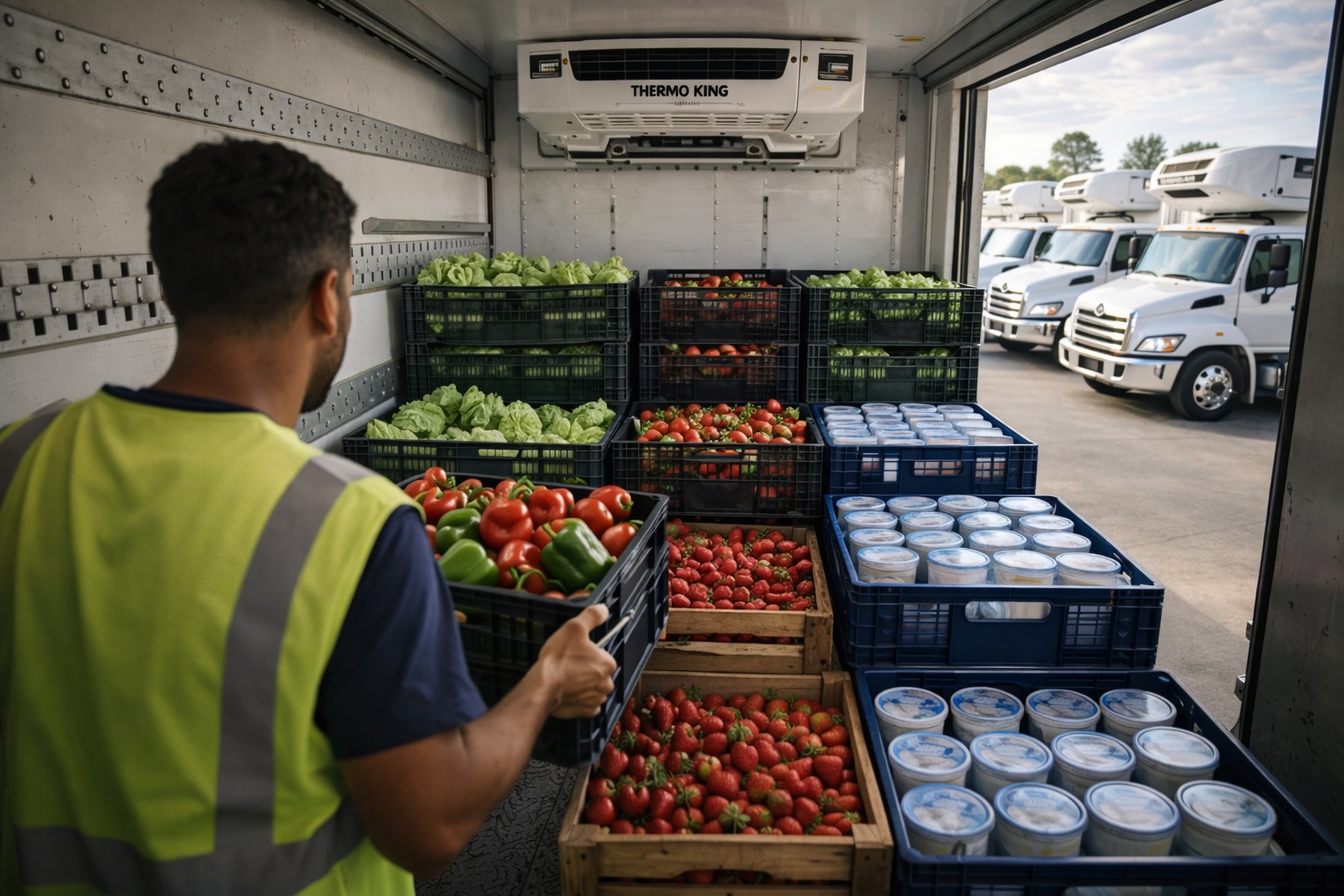
Is your cold chain slow? We explore how the right refrigerated truck capacity—and avoiding common bottlenecks like poor airflow—directly impacts your distribution speed and product quality.

Should you rent or buy a refrigerated truck in 2026? Uncover the true costs, technological advantages, and long-term savings of owning versus renting in the fast-paced cold chain landscape.
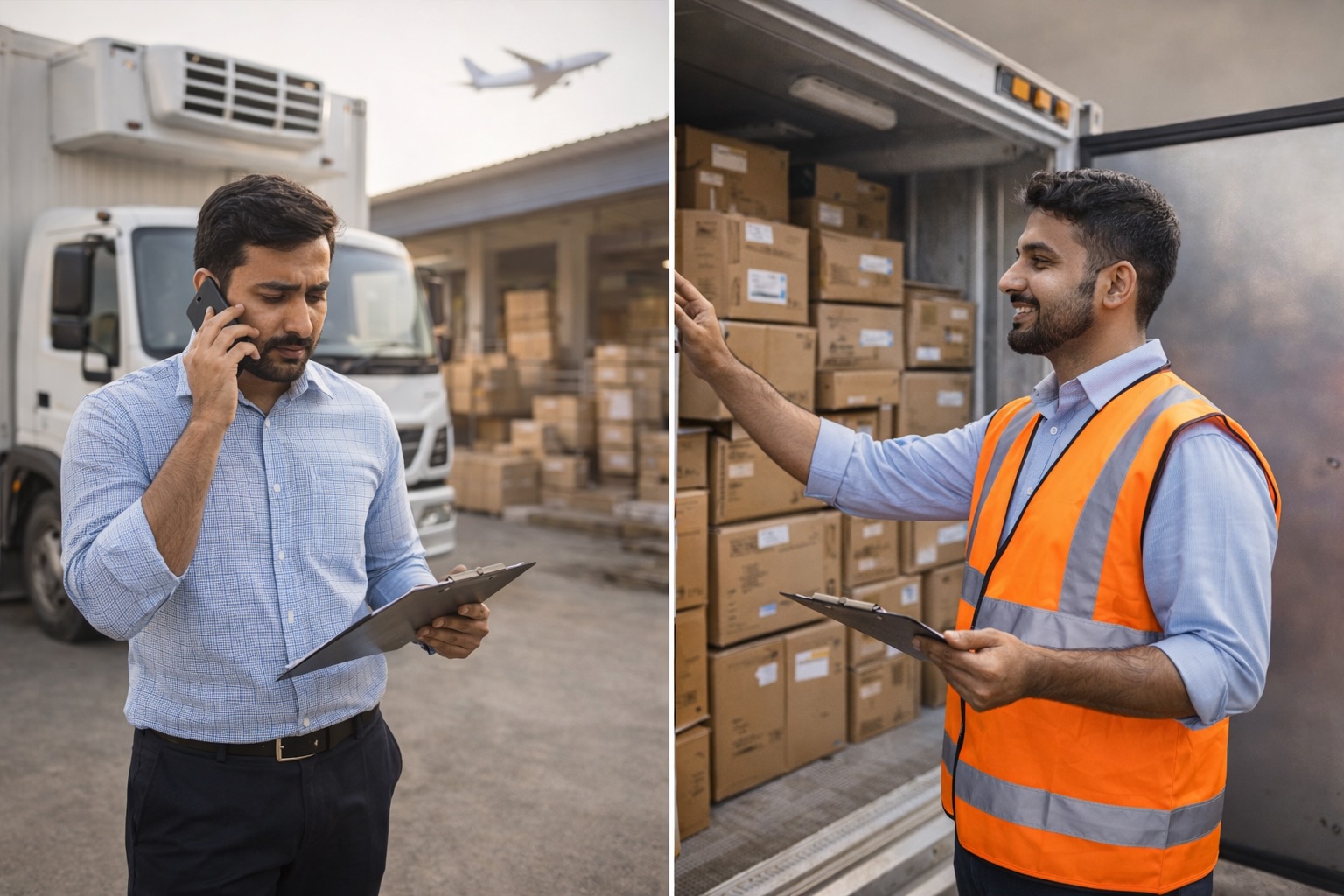
Is owning a refrigerated container better than outsourcing cold logistics? We compare the long-term ROI, flexibility, and hidden costs to help you choose the best cold chain model.
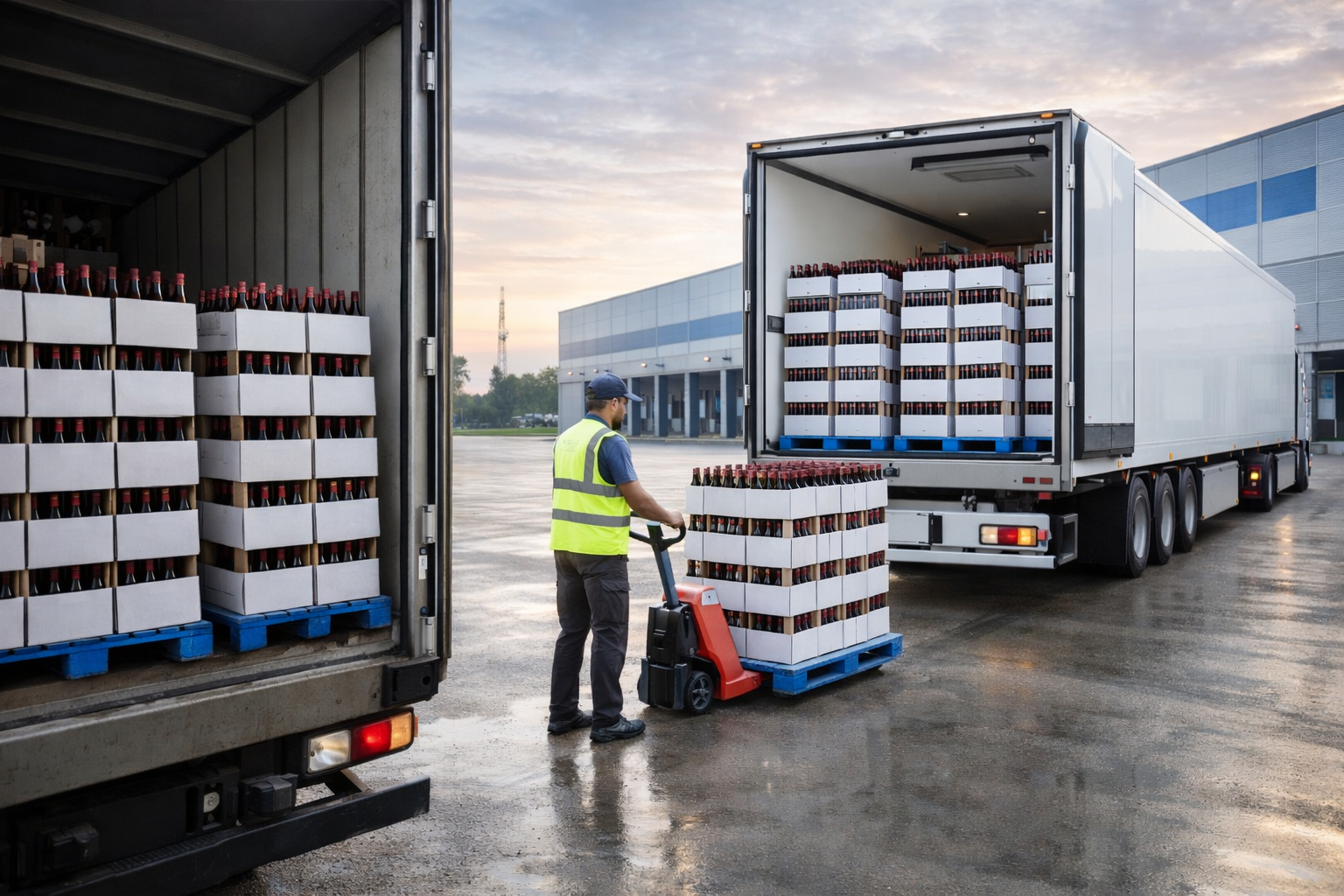
For years, dry freight has been the default mode of wine transportation in India. Premium wines are now moving across states, into emerging cities, and through organized retail and hospitality networks. Is dry freight truly economical when product integrity is exposed to extreme heat?
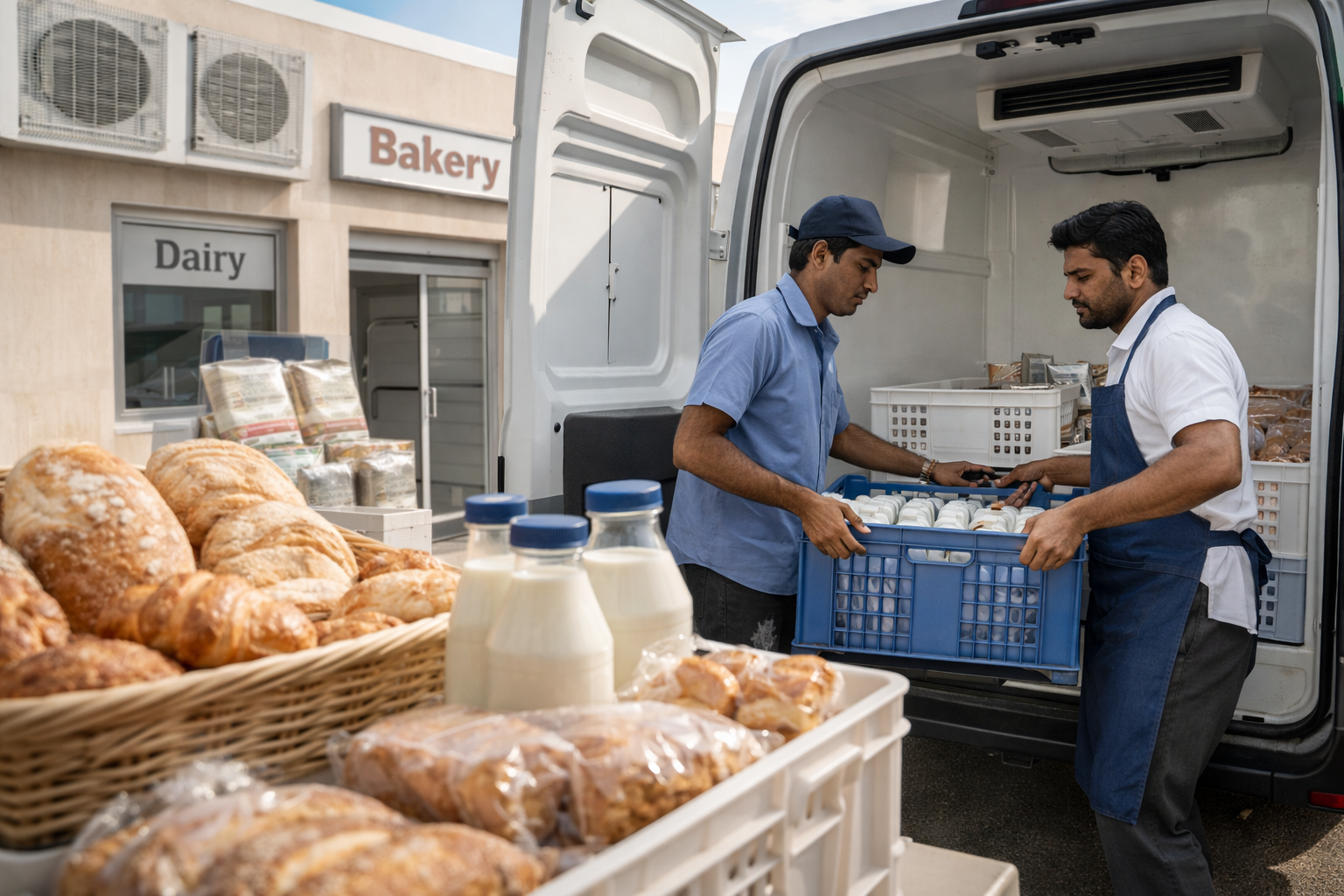
For dairy and bakery brands, freshness is not a marketing claim. It is a daily operational outcome shaped by how products are handled, stored, and moved across the supply chain. This is where the reefer van plays a decisive role.
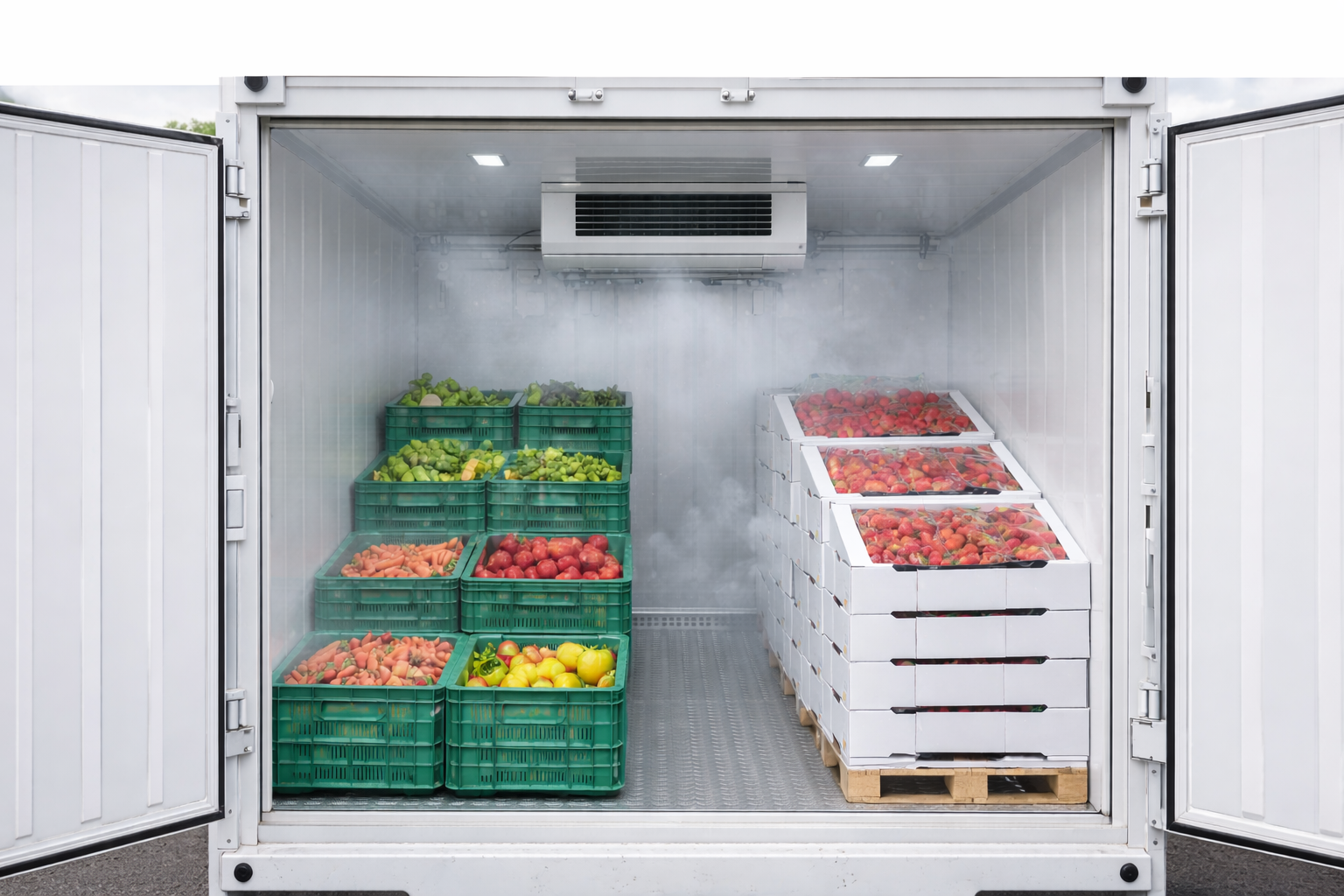
Temperature is treated as a proxy for control in the cold chain industry. However, many spoilage incidents occur not because cooling systems fail, but because conditions inside a refrigerated truck do not allow air to circulate as intended.
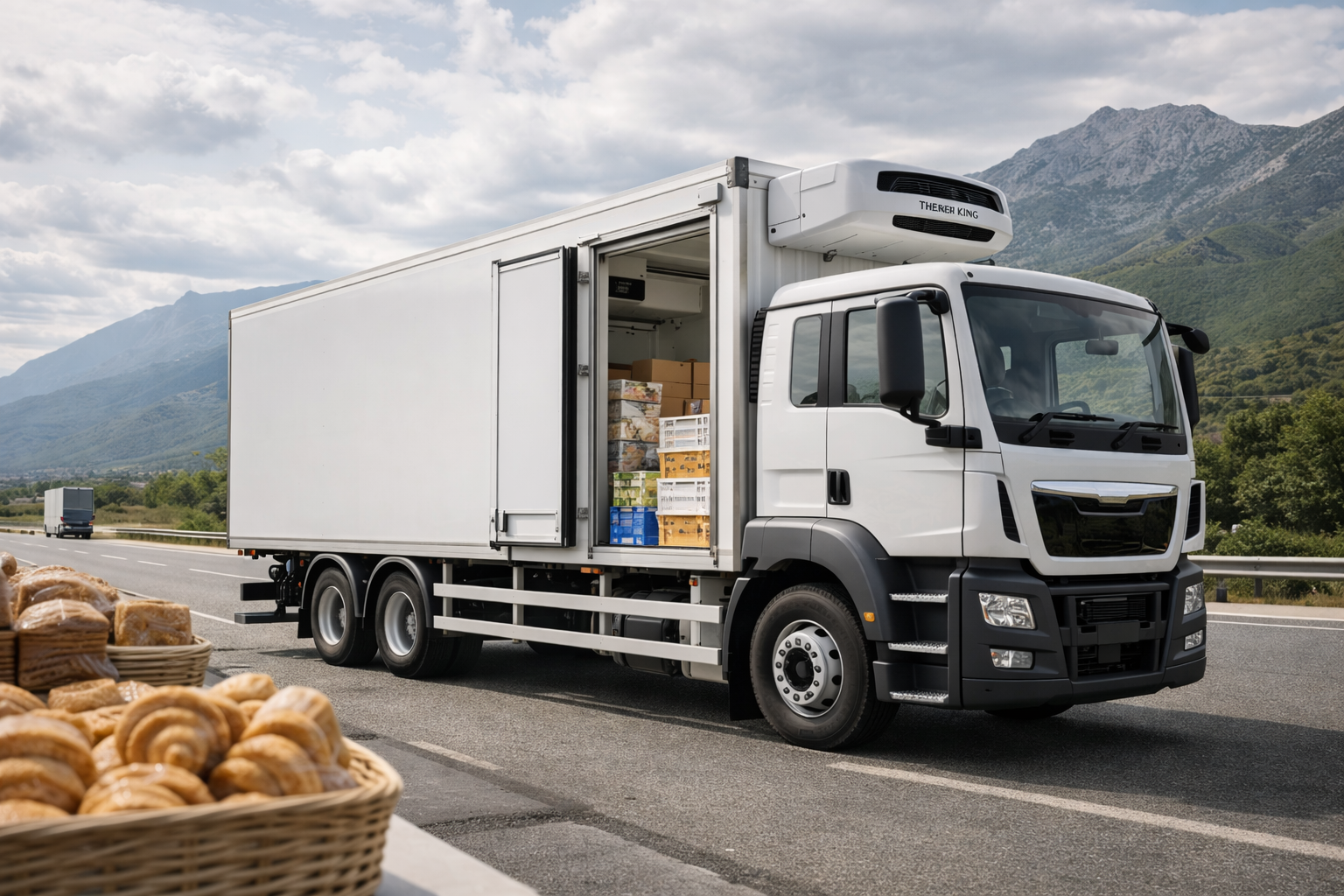
For businesses that depend on cold-chain logistics, long-distance transportation is not merely a matter of moving goods. It requires precision, consistency, and control at every stage of the journey.
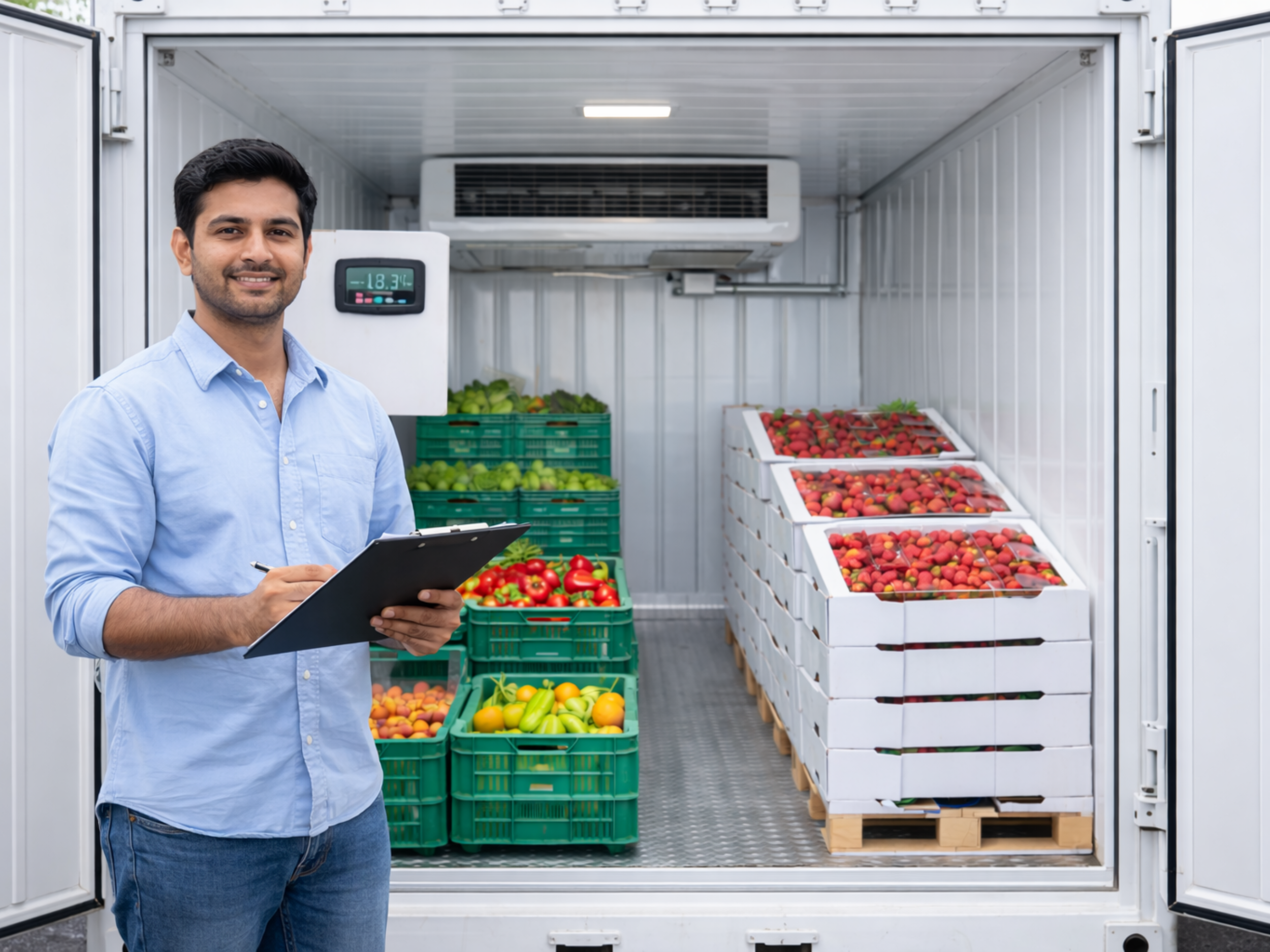
For food brands operating in temperature-sensitive supply chains, product loss rarely comes from one major failure. It is usually caused by small, repeated temperature deviations across storage, handling, and transportation.
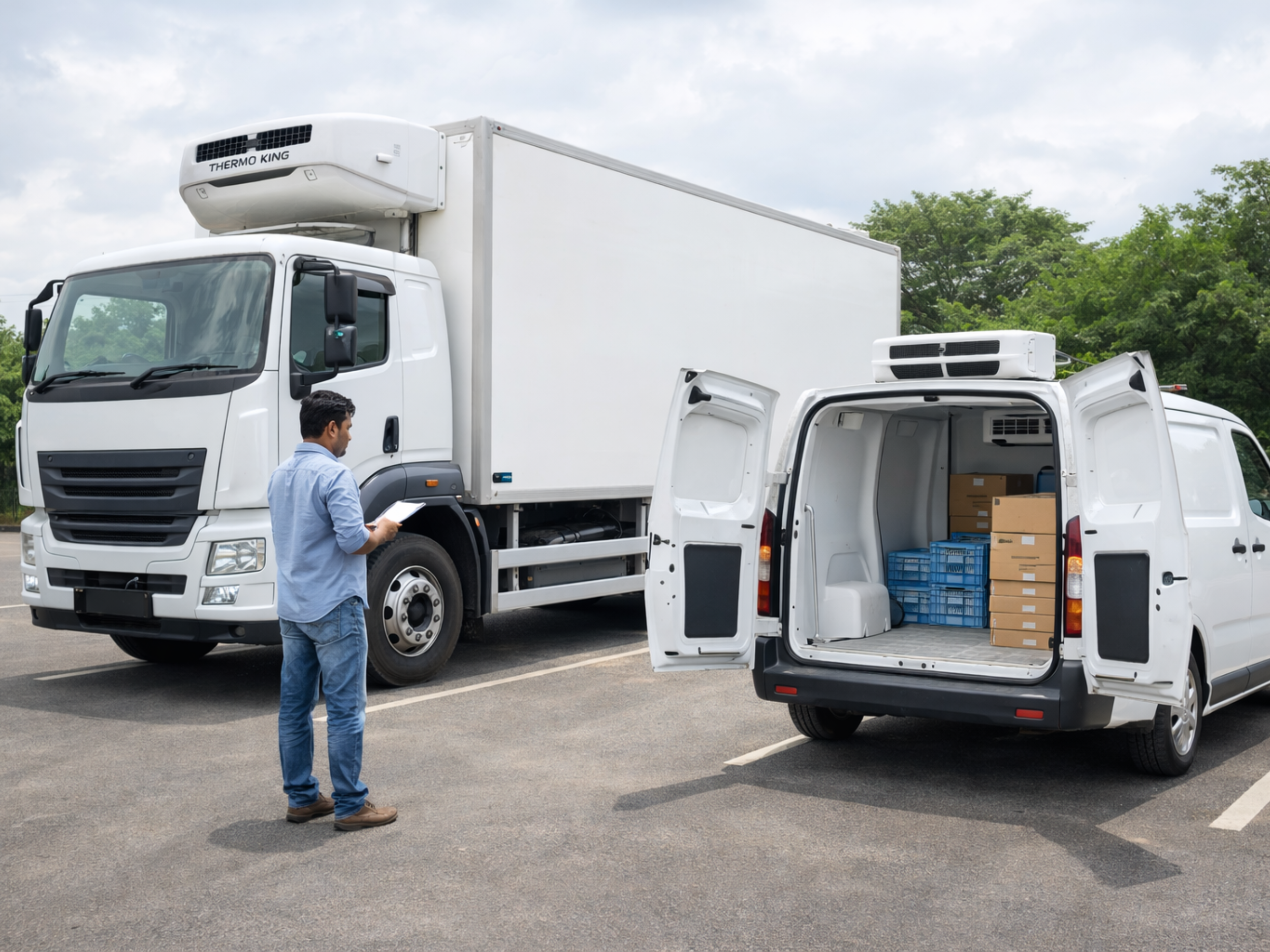
A refrigerated reefer truck is engineered as a single, integrated system. Insulation, refrigeration, airflow, and body structure are designed together to deliver consistent performance for temperature-sensitive cargo.
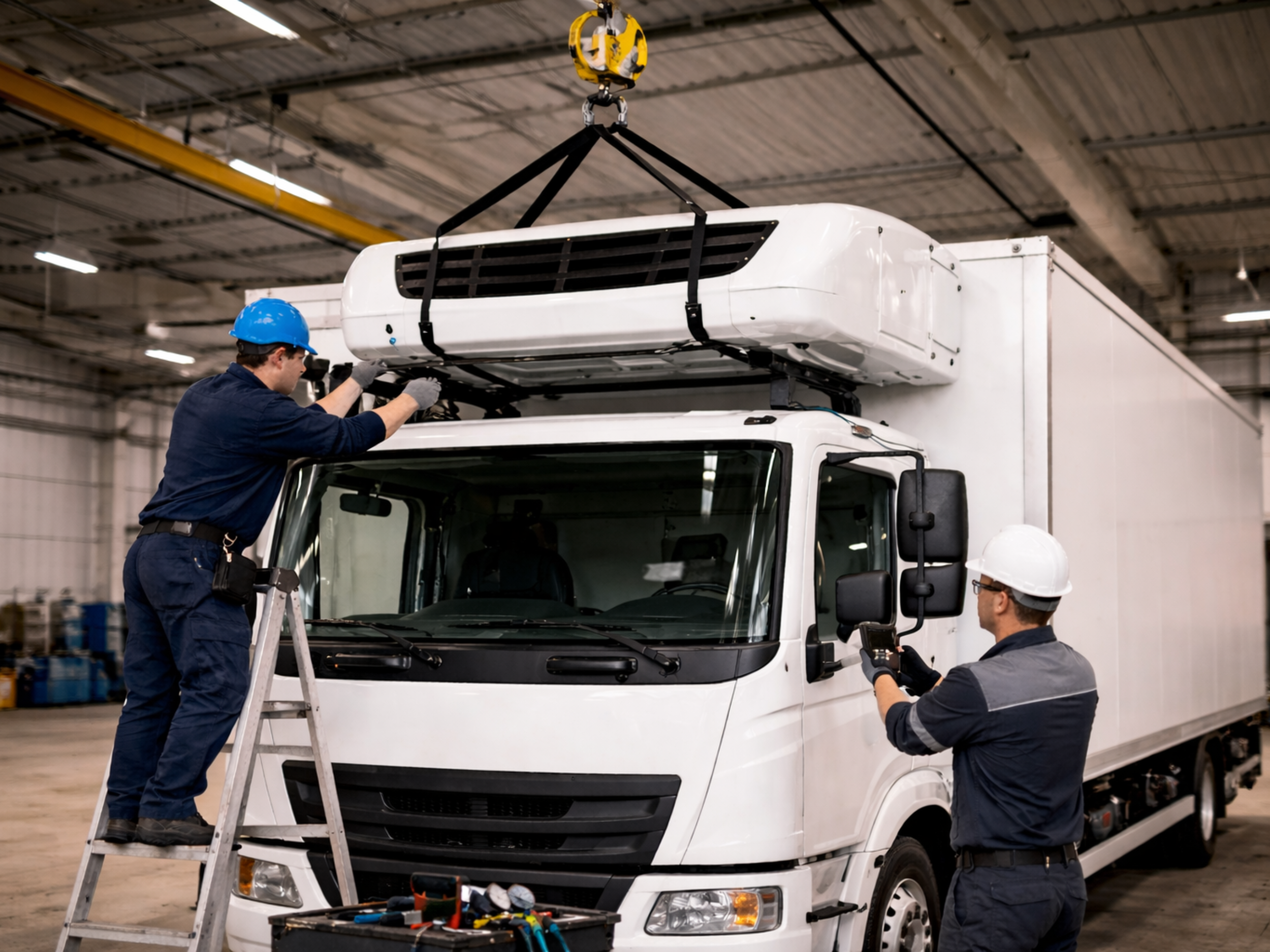
Customization is no longer a luxury in cold chain transport- it's a necessity. Different cargo types, routes, and operating conditions demand different solutions.

Most businesses do not switch from dry freight logistics to reefer container because they want to. They switch because something breaks.
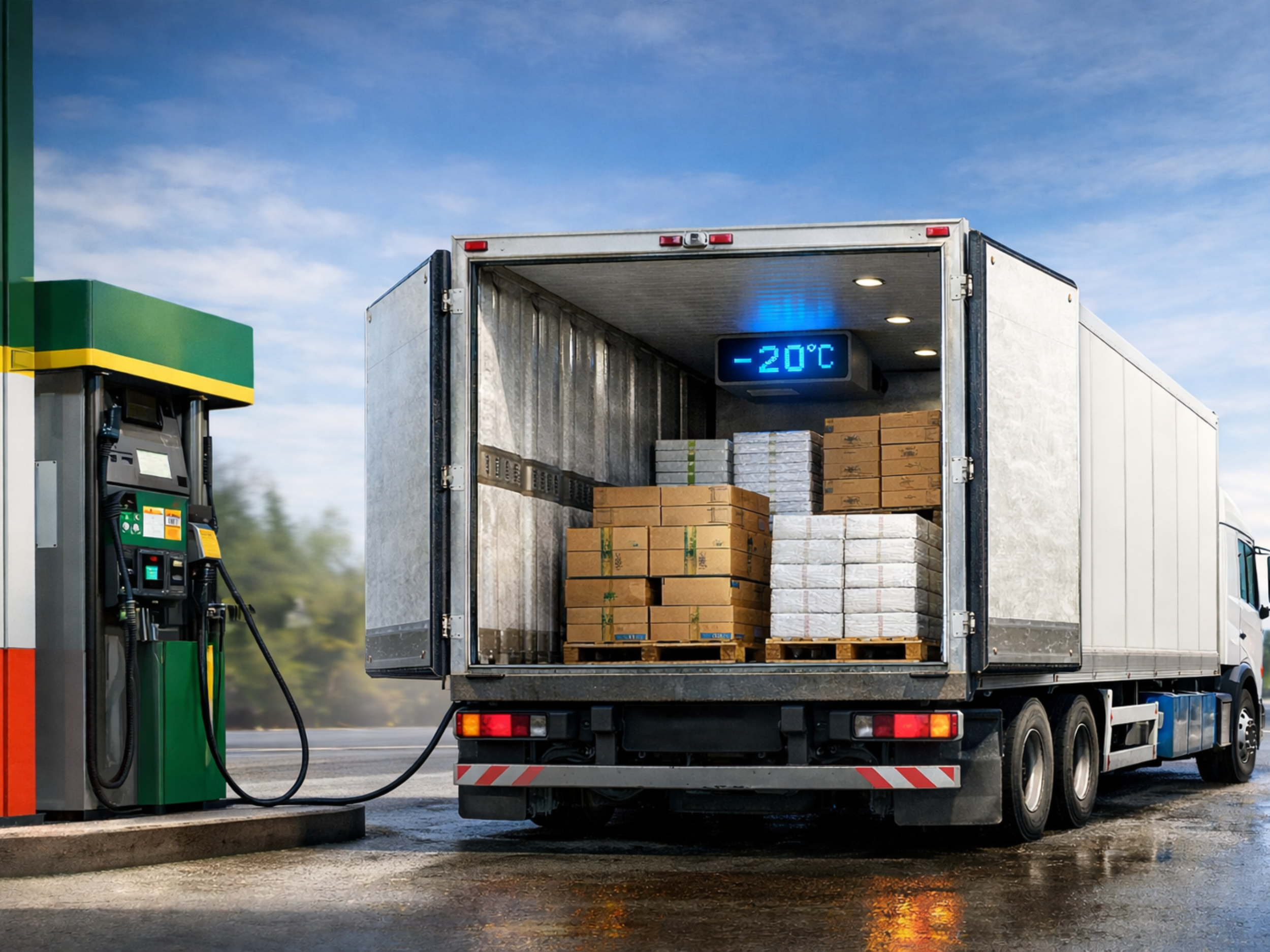
Every kilometre a refrigerated truck transport vehicle travels involves a continuous battle against external heat.
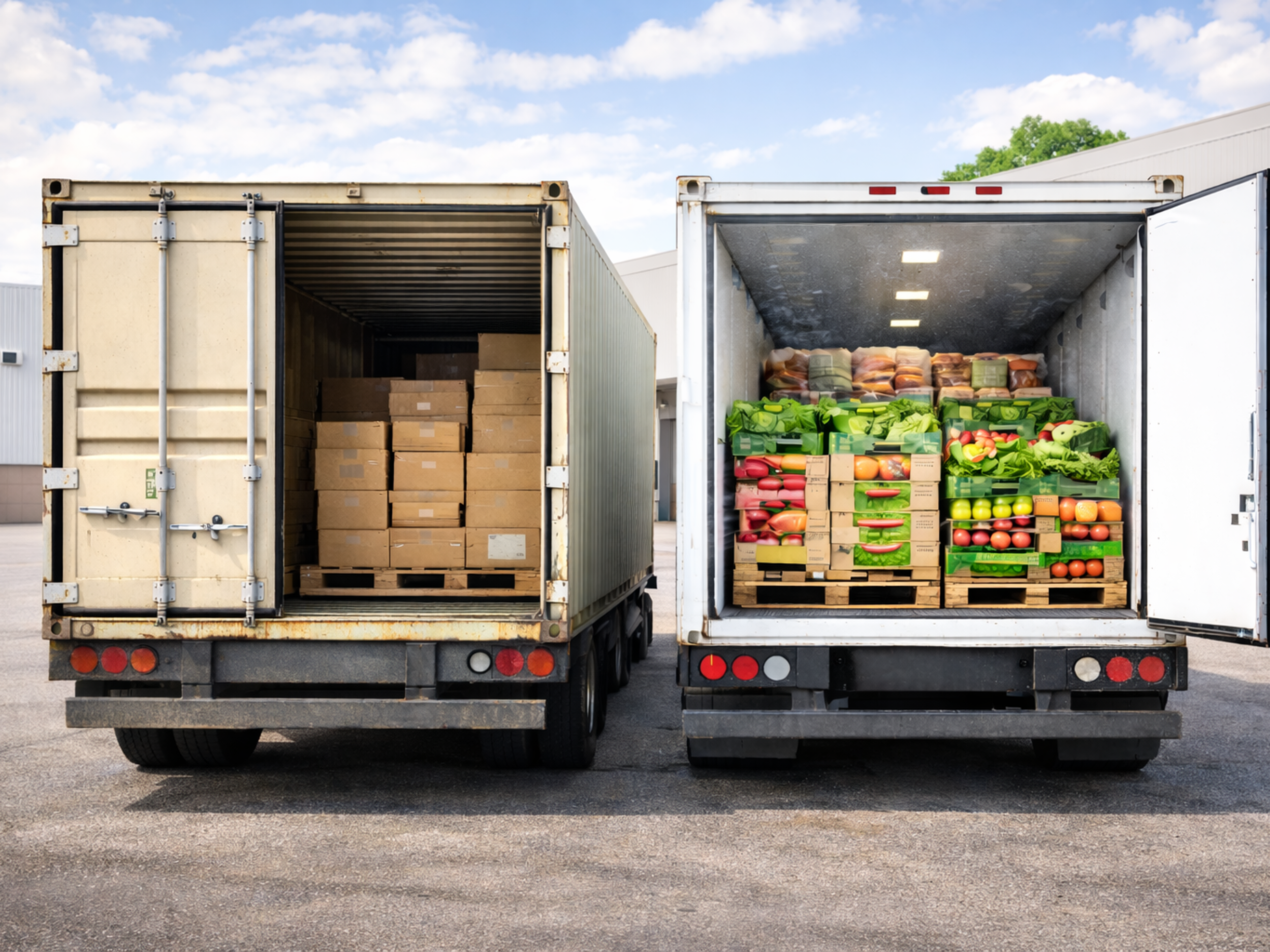
While dry freight containers are cheaper to purchase and operate, they provide no protection for temperature-sensitive goods.
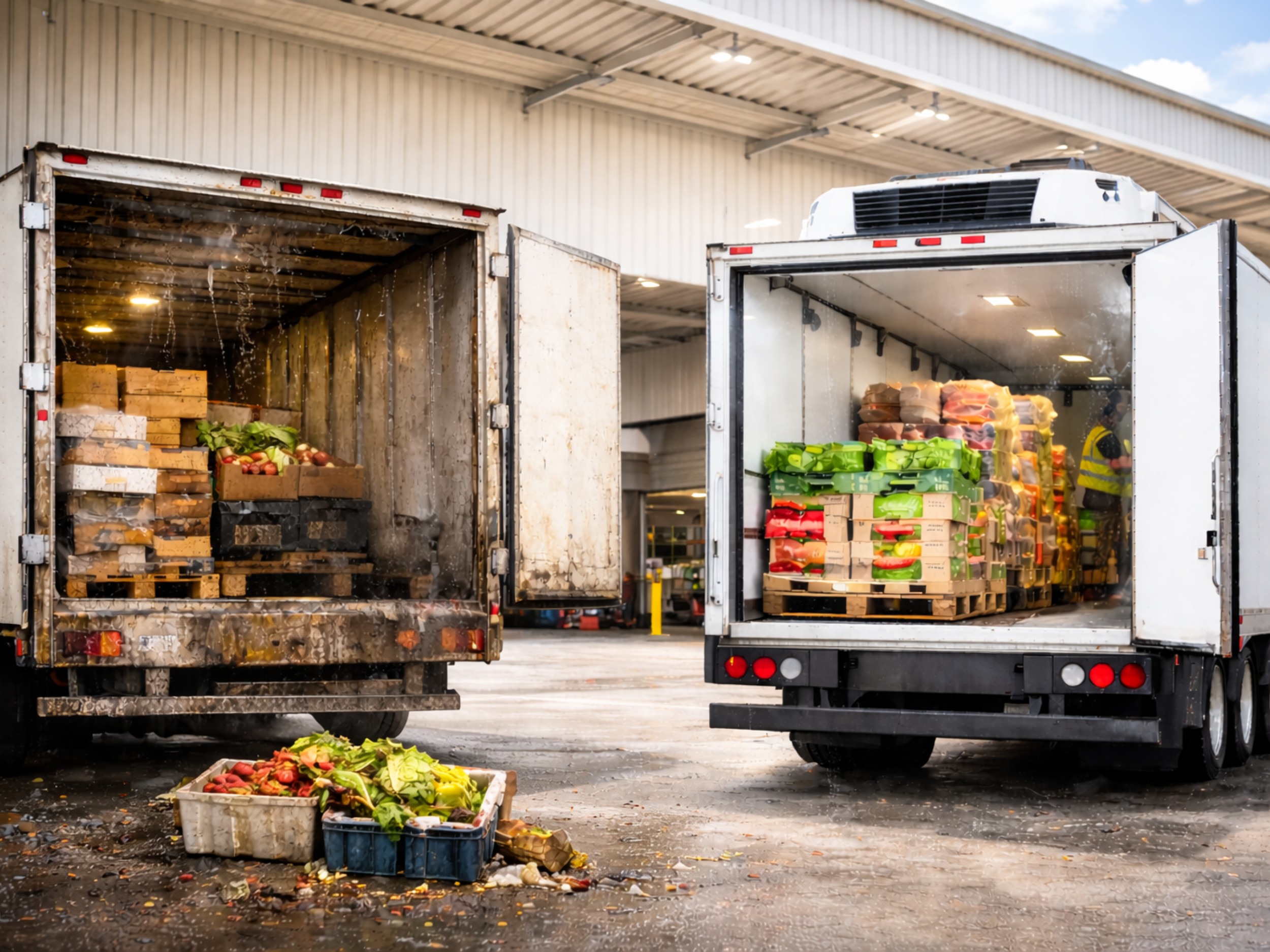
Using dry freight for perishable goods, whether due to capacity limits or tight deadlines, is one of the most costly misconceptions in logistics.
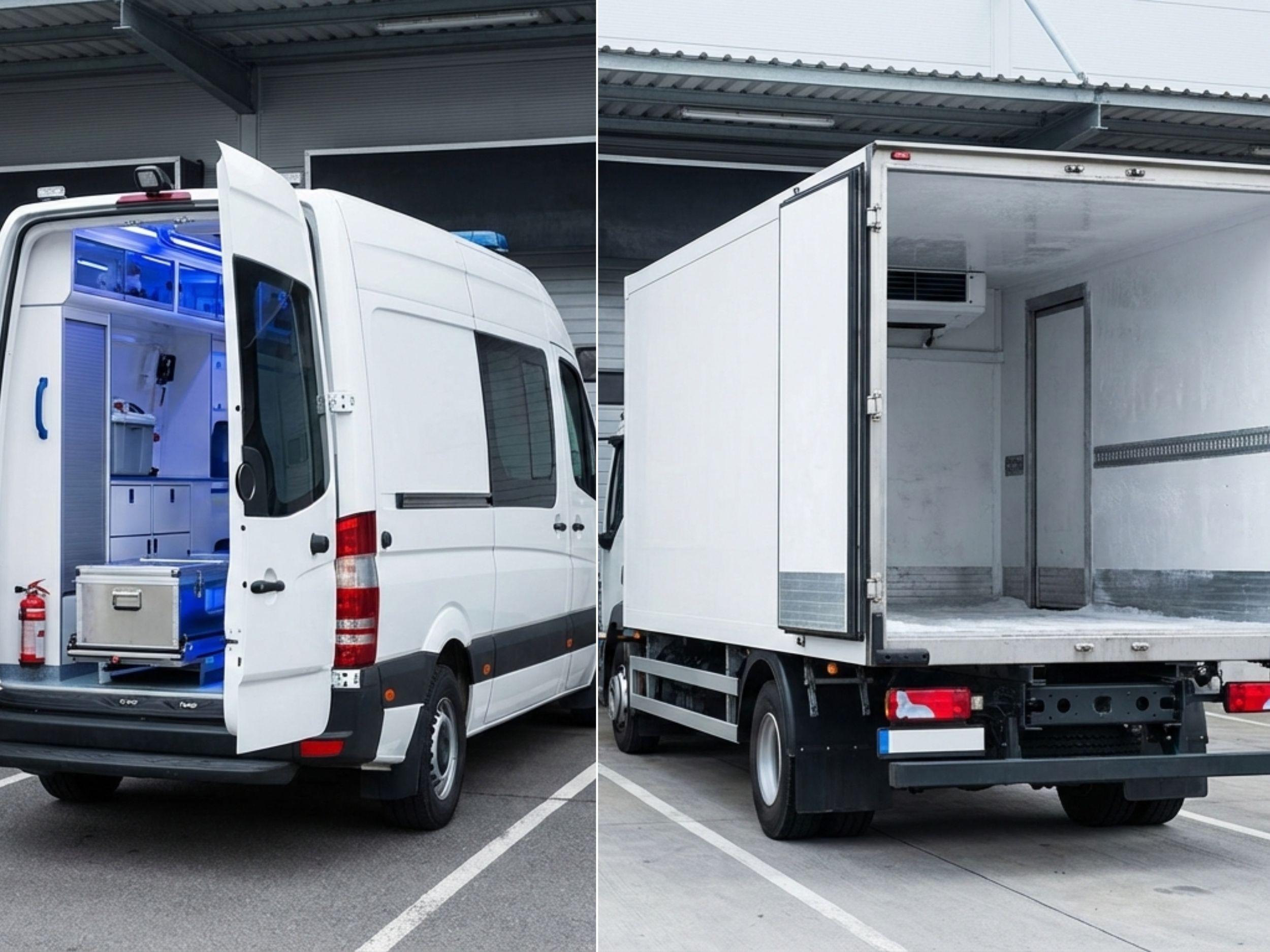
When a doctor says they found an organ match, the race that follows is not just against time. It is against temperature, distance, biology, and uncertainty.
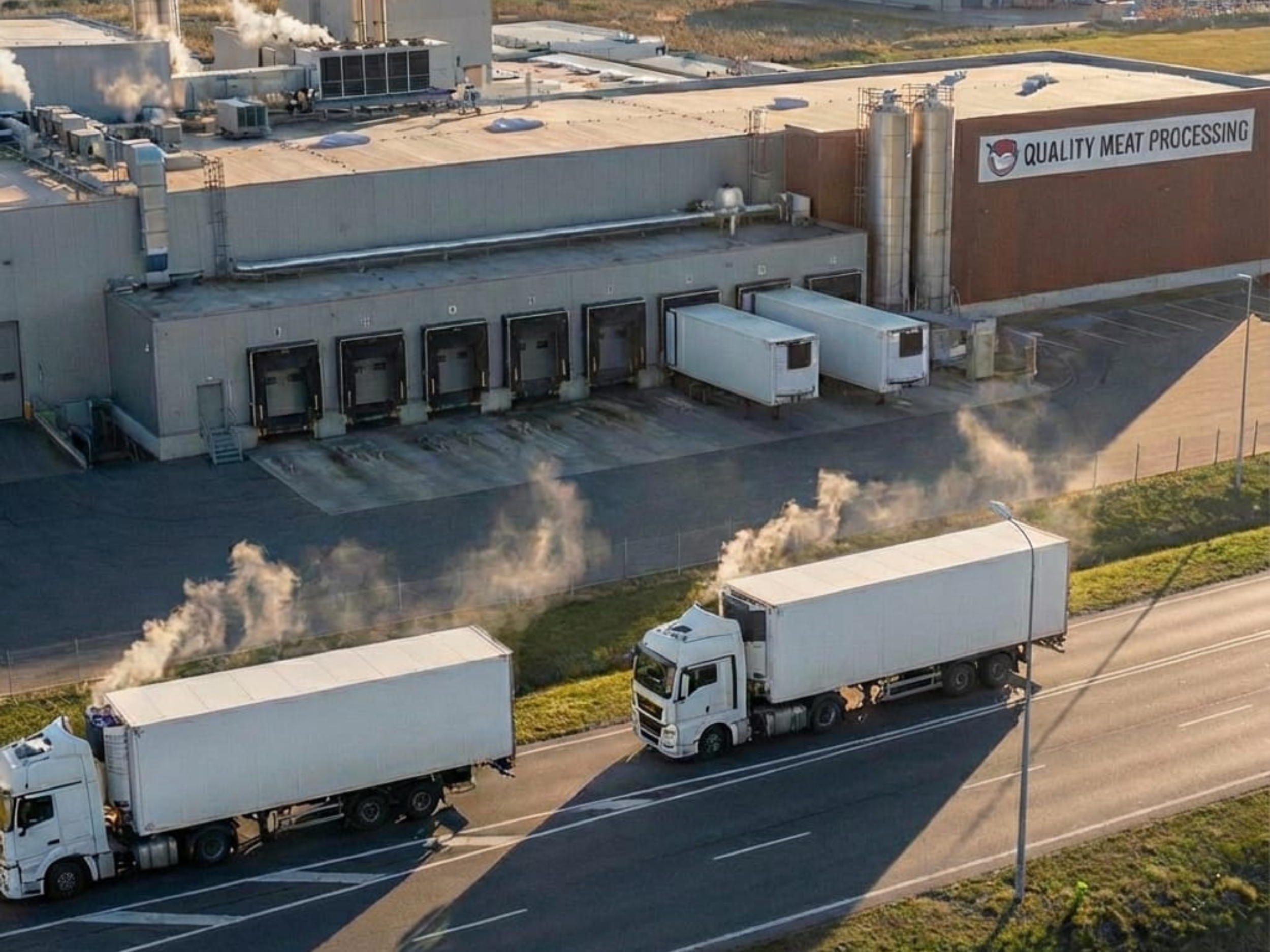
Quality is locked in at the first point of processing and reinforced at every stage that follows, from chilling and storage to transport and delivery.
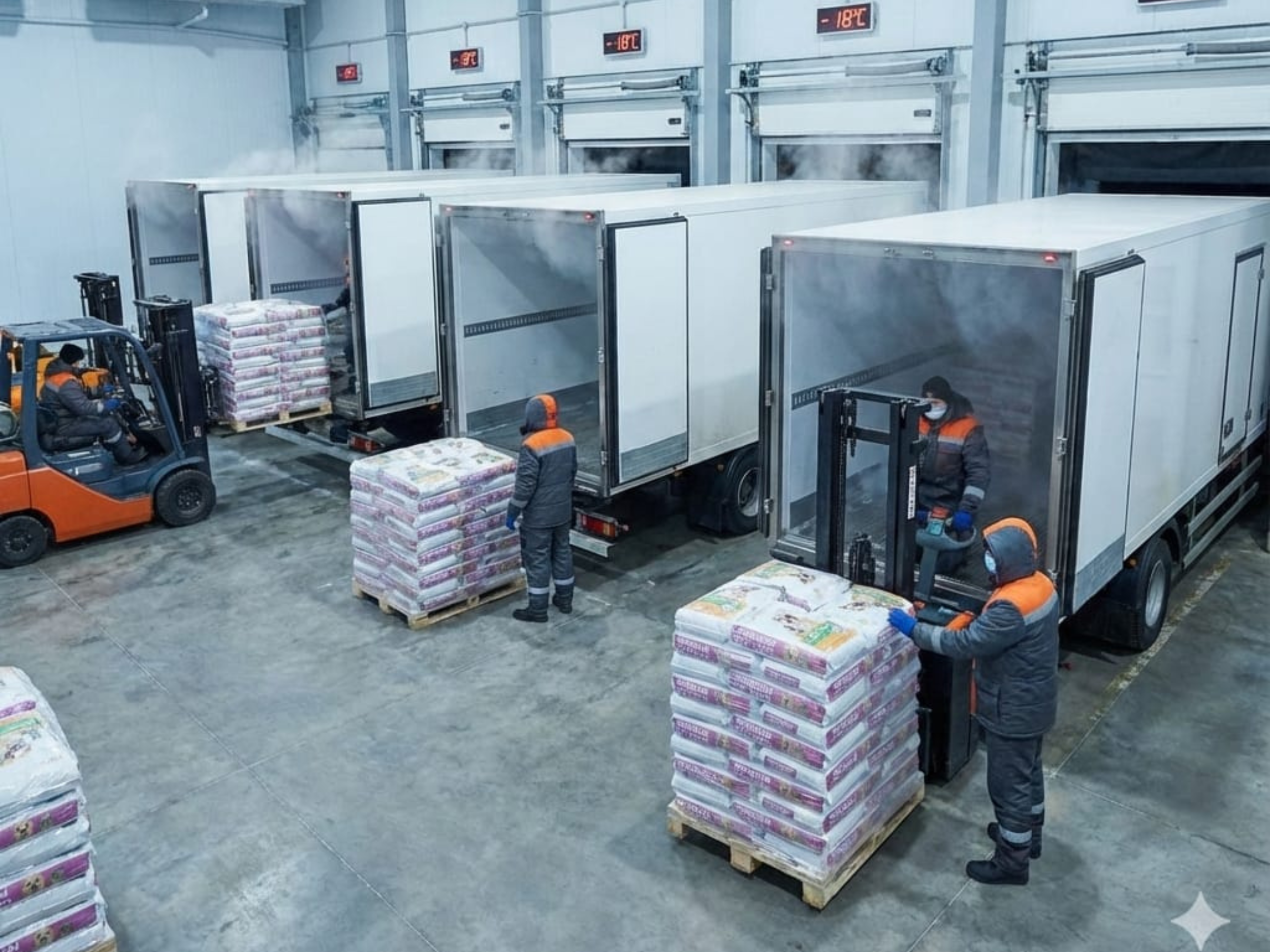
The way people care for their pets has changed in a big way. Pets are no longer an afterthought in the household.
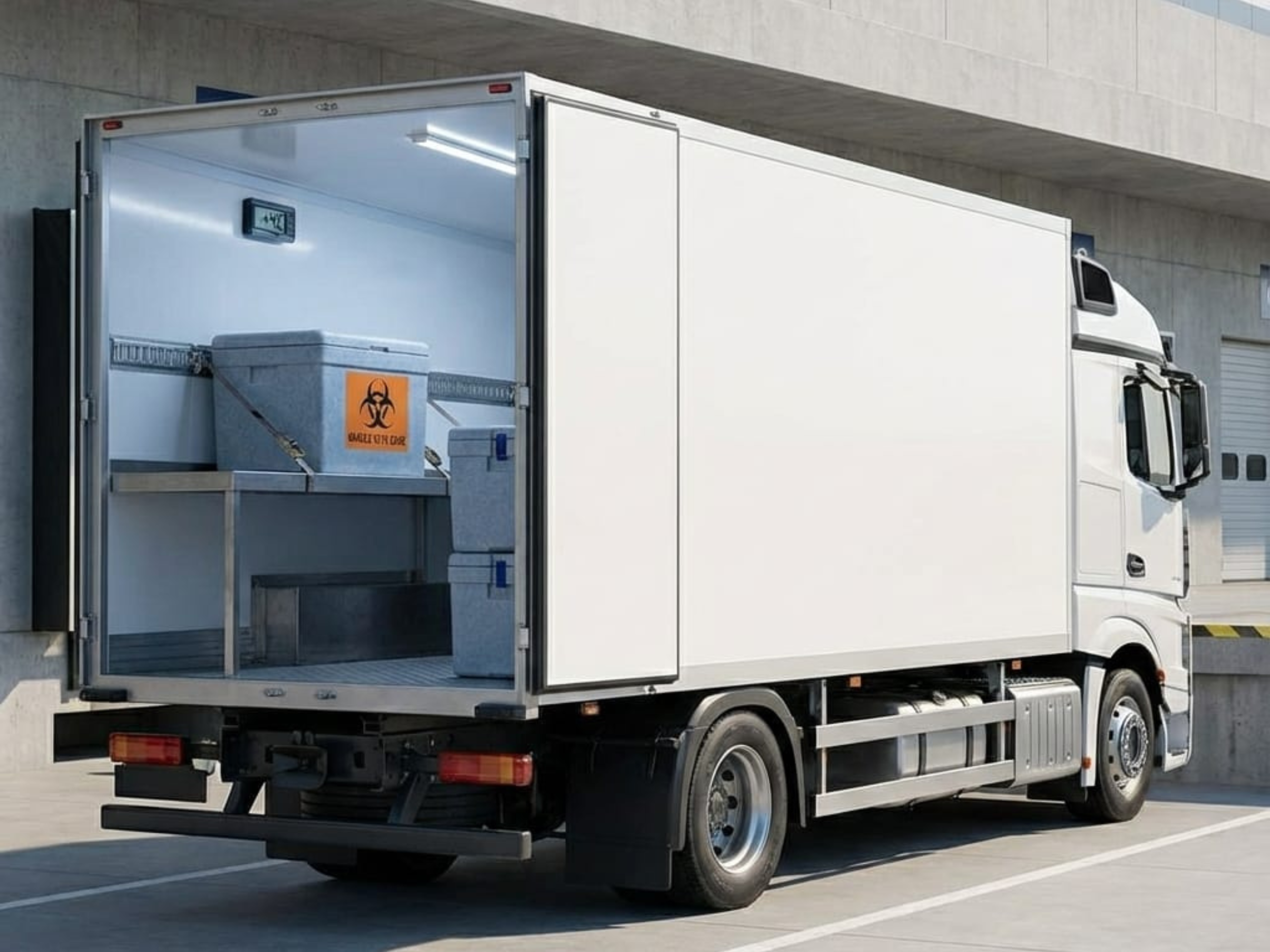
Transporting laboratory samples is more than moving containers. Blood, urine, tissue, and microbiological specimens are highly sensitive to temperature changes.

Maintaining product consistency proves critical in beverage distribution. Temperature fluctuations during transport compromise taste, shelf life, and customer satisfaction.
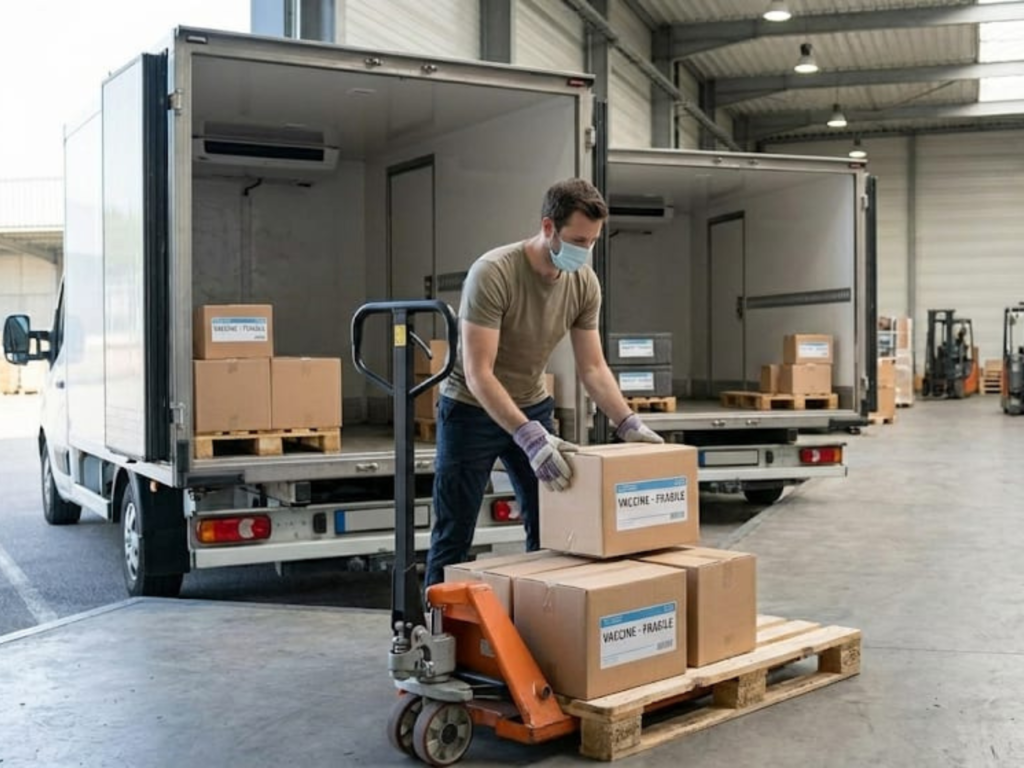
Vaccines contain delicate biological components. Even slight temperature shifts can denature proteins or damage active ingredients, rendering vaccines ineffective.
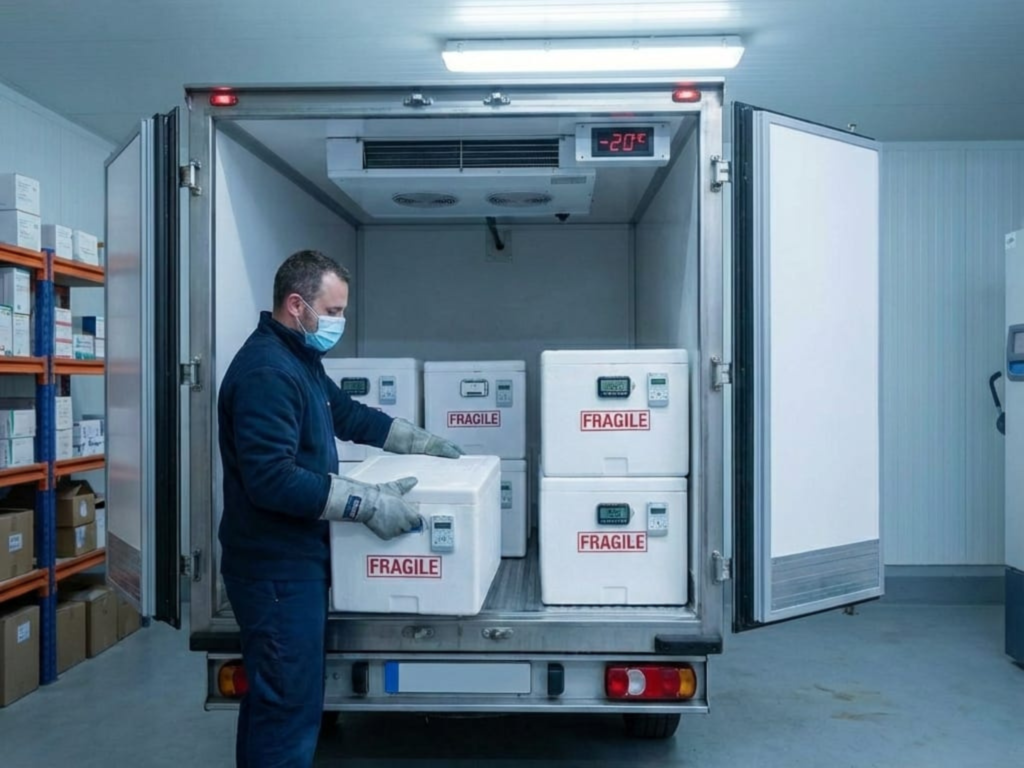
Many pharmaceuticals are temperature-sensitive; minor fluctuations can reduce potency or render medications ineffective during transport.

Wine travels considerable distances from production to retailers. Each journey stage affects bottle quality and requires precise temperature control.

Fresh catch quality depends on refrigerated transport. Delays and temperature inconsistencies impact final product delivery and food safety.
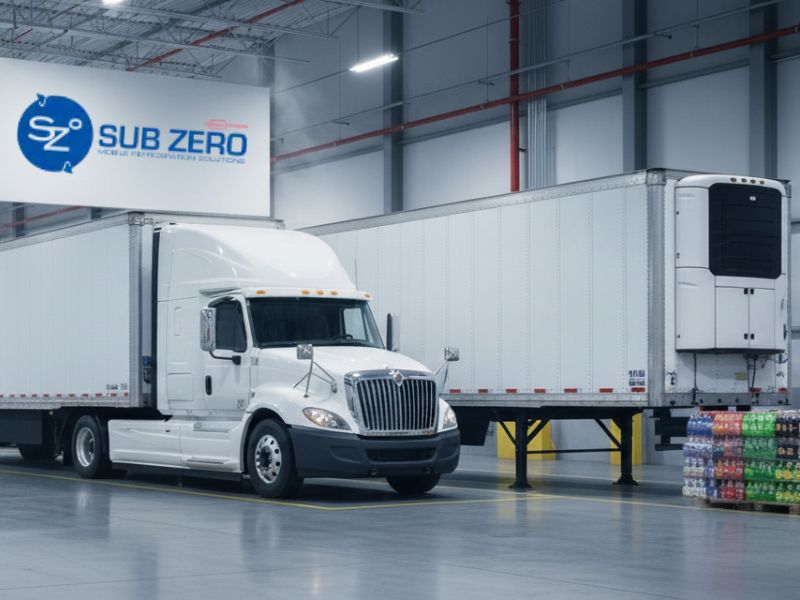
Beverages don't wait long before quality changes. Products remain sensitive to heat, microbial activity, and handling during transportation.
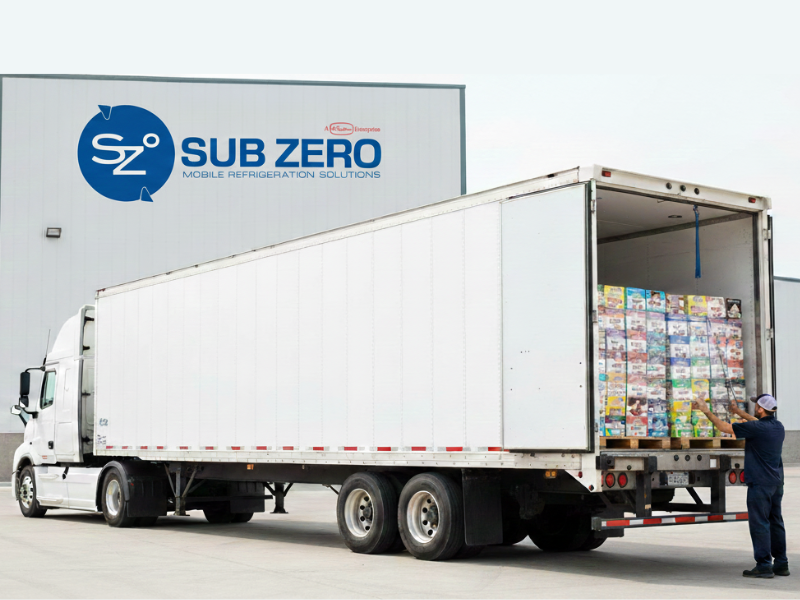
Ice cream demands rigorous temperature control; heat exposure causes texture changes and crystal formation that ruins product quality.

Flowers are delicate, living commodities that require meticulous care from the moment they are cut to the time they reach their final destination.

Vaccine effectiveness depends on proper handling during distribution through cold chain logistics systems. Temperature integrity is non-negotiable.

The global appetite for seafood keeps growing every year. Consumers now expect access to fresh, safe, and high-quality seafood no matter where they live.
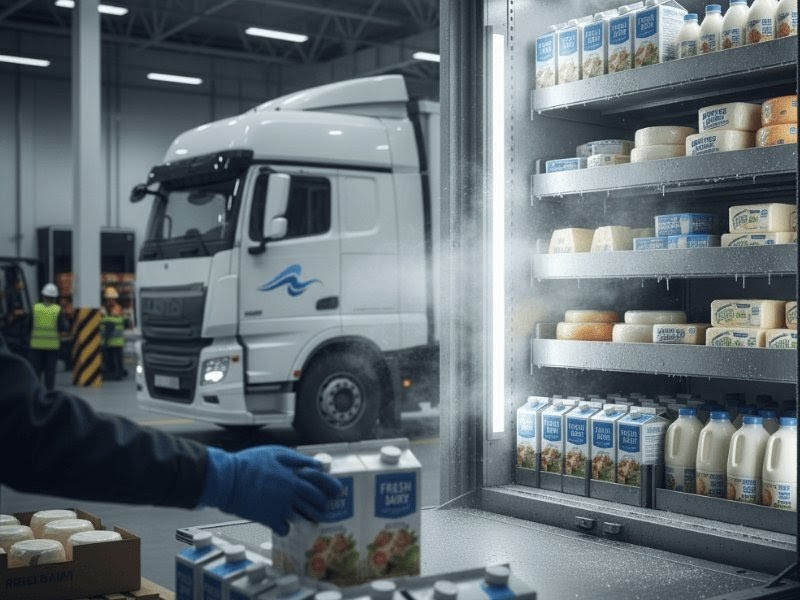
Milk, butter, cheese, and yogurt are highly perishable. Even minor temperature fluctuations during transport can affect their quality, taste, and safety.
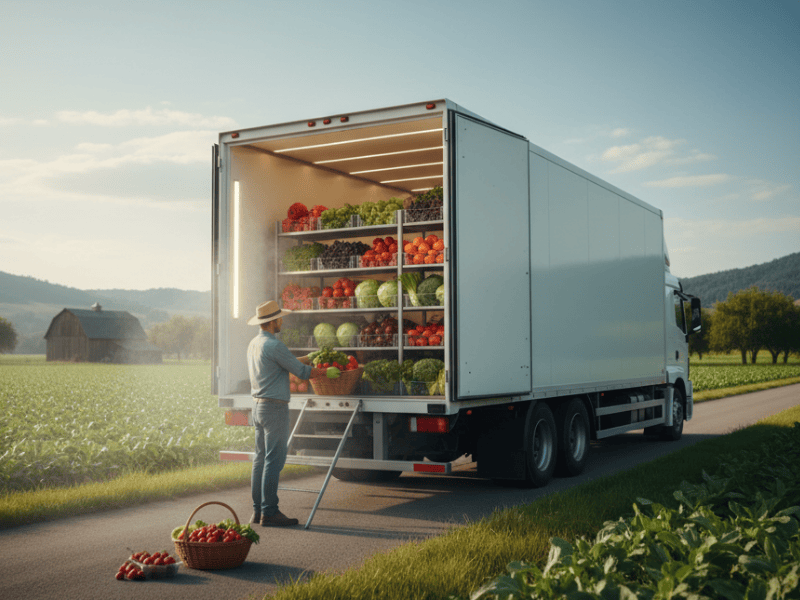
Once harvested, fruits and vegetables start losing freshness, flavor, and nutrients. Keeping produce fresh is essential for both quality and profitability.
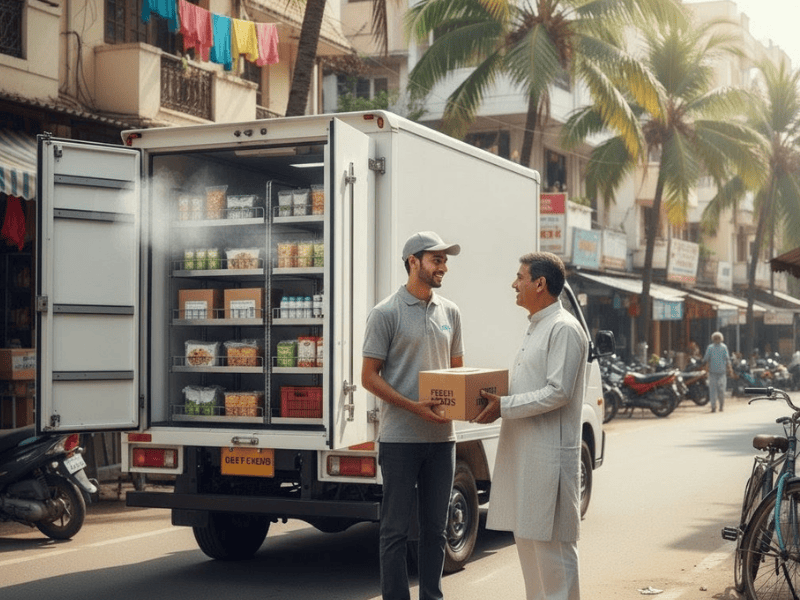
Fresh food, frozen meals, medicines, and specialty items are now part of the online shopping basket, all needing precise temperature control.
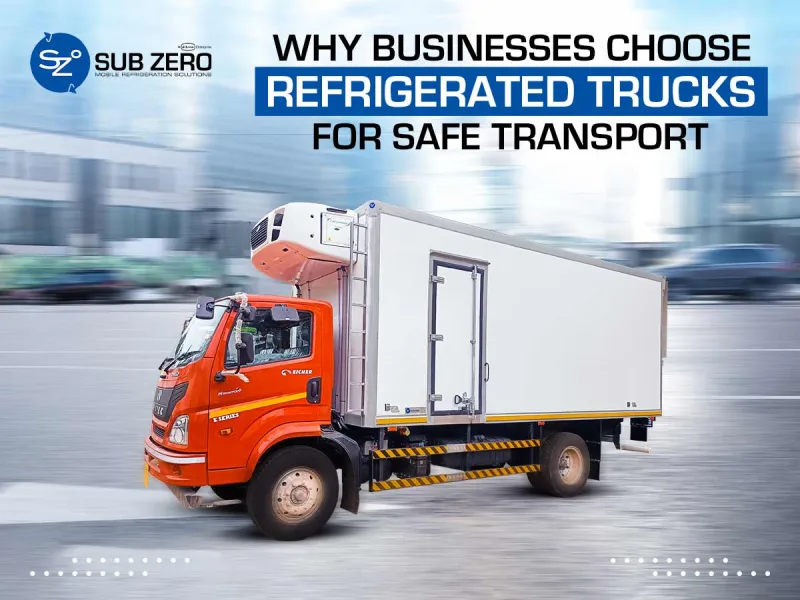
Having a safe transportation system to transport fresh produce, dairy, meat, and pharmaceuticals is essential to prevent their spoilage.
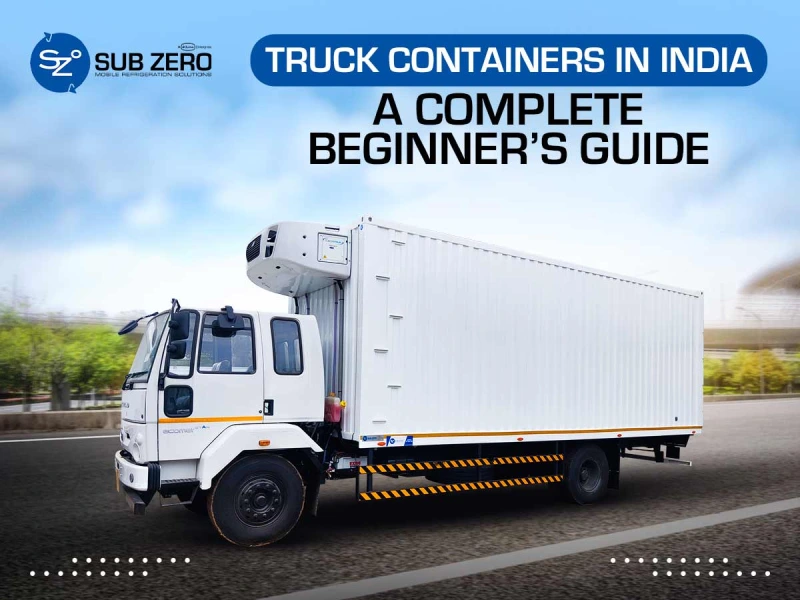
Transporting temperature sensitive goods across India requires good refrigerated trucks to maintain quality, safety, and freshness without damage.
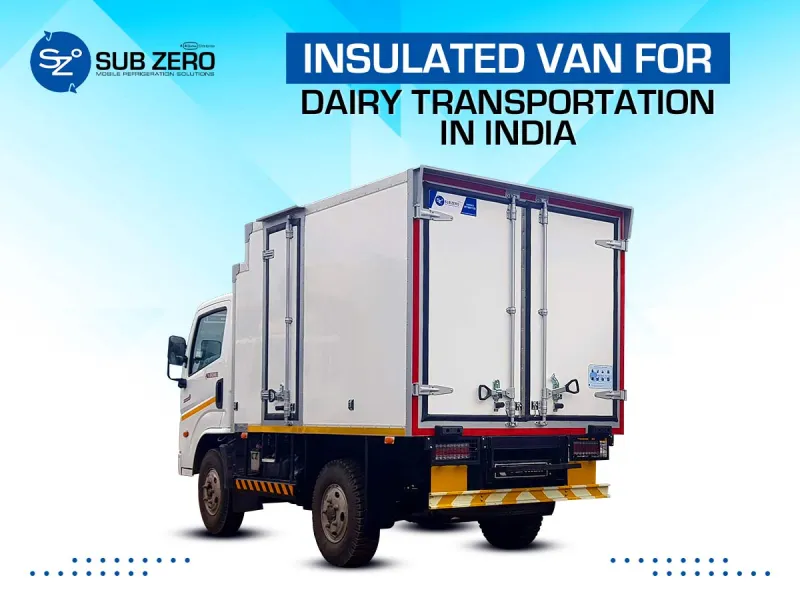
Selecting an insulated van that reduces spoilage and delivers quality dairy products to consumers is crucial for India's expanding dairy industry.

The MS reefer box is a major component supporting cold chain infrastructure for transporting dairy products and pharmaceutical supplies.

The PPGI refrigerated box represents a fusion of reliability and innovation in modern cold chain logistics infrastructure.
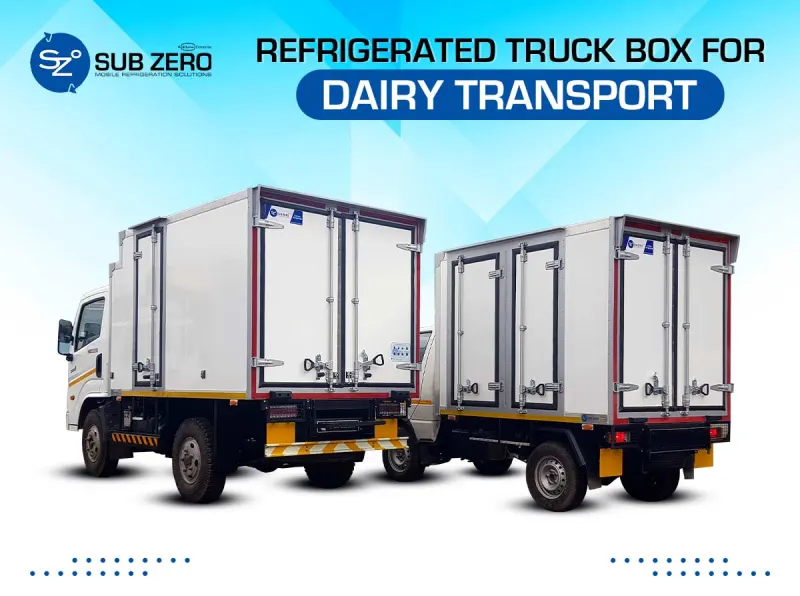
Milk, cheese, yogurt, and butter spoil easily without proper temperature control. The right refrigerated container is absolutely necessary.
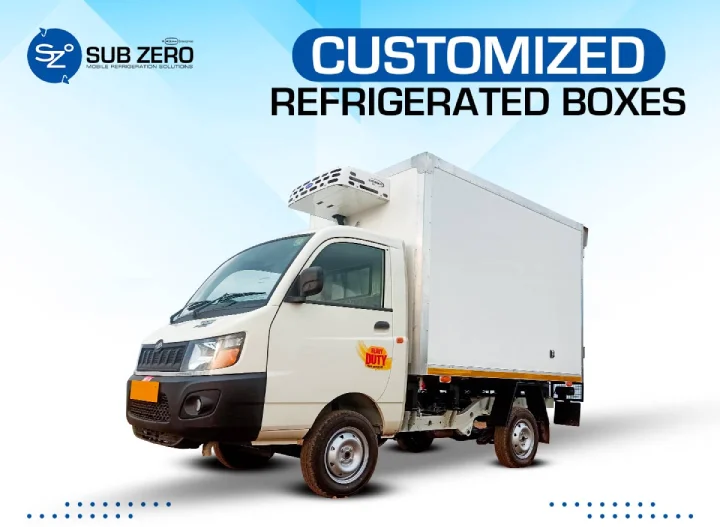
Different types of businesses want to relocate time-sensitive products like food, medicine, and flowers using customized refrigerated solutions.
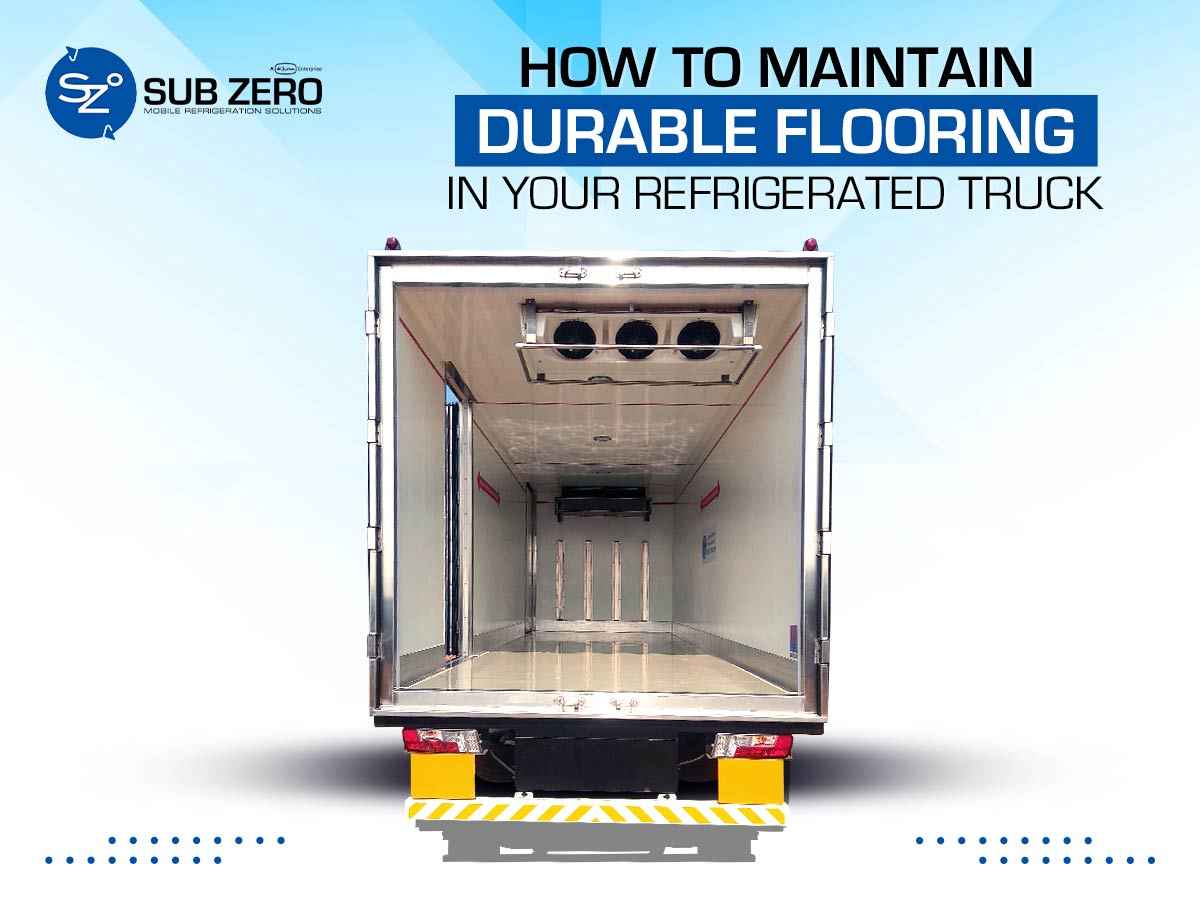
Maintaining truck floor integrity preserves cargo quality and reduces maintenance expenses for refrigerated container operations.
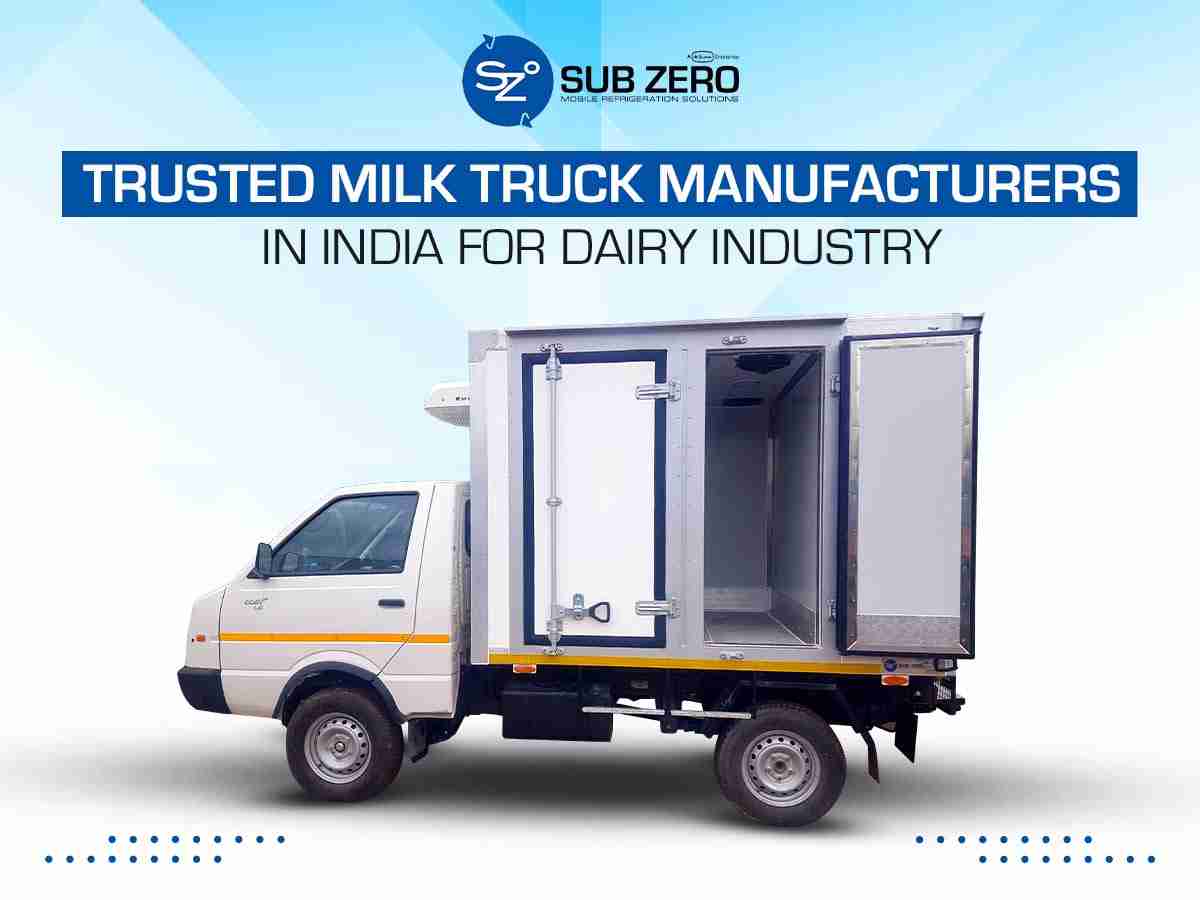
India's dairy industry relies on dependable refrigerated transport. Manufacturers are producing robust cooling vehicles for safe milk transport.
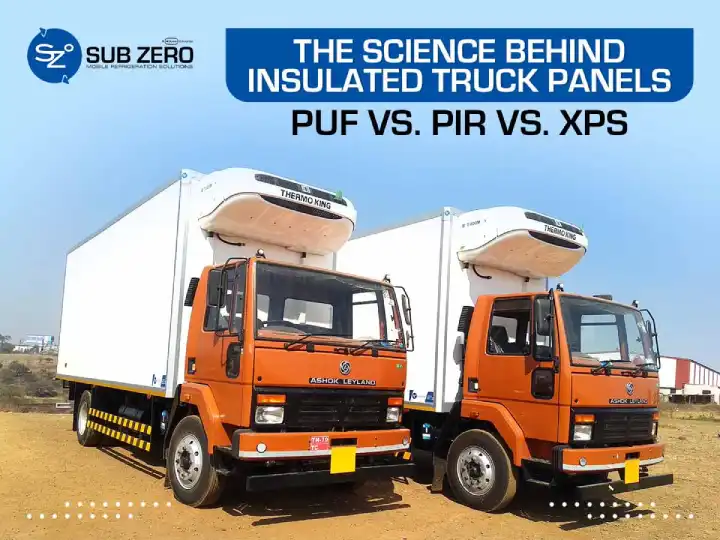
A comparative analysis of three insulation materials for temperature-controlled transport, examining performance characteristics for refrigerated trucks.
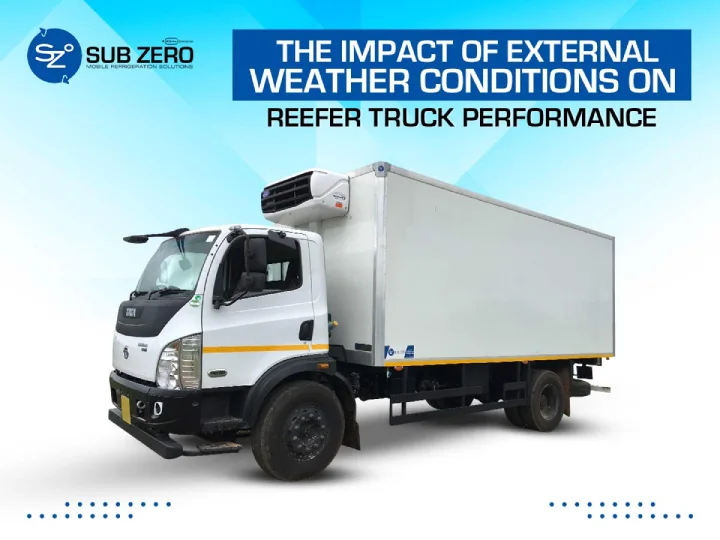
In India, where temperatures range from extreme heat to heavy monsoons, maintaining the efficiency of refrigerated trucks is a constant challenge.
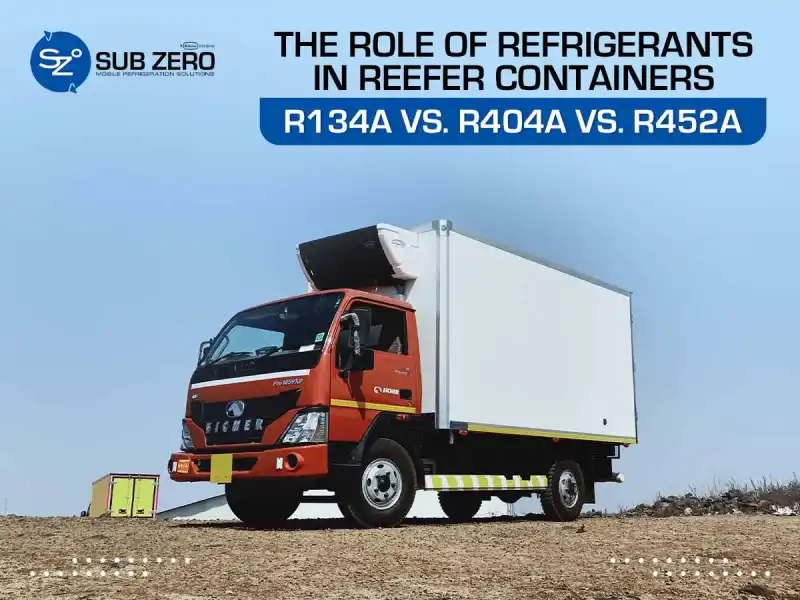
Evaluating three primary materials for reefer construction, discussing advantages for thermal regulation and structural durability.
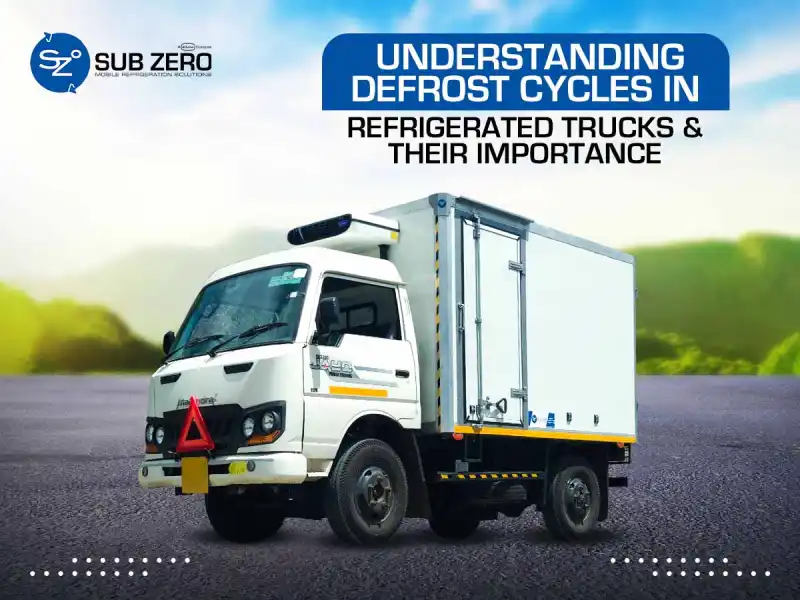
Understanding defrost cycle necessity in cooling systems to prevent ice accumulation and maintain uninterrupted refrigeration performance.
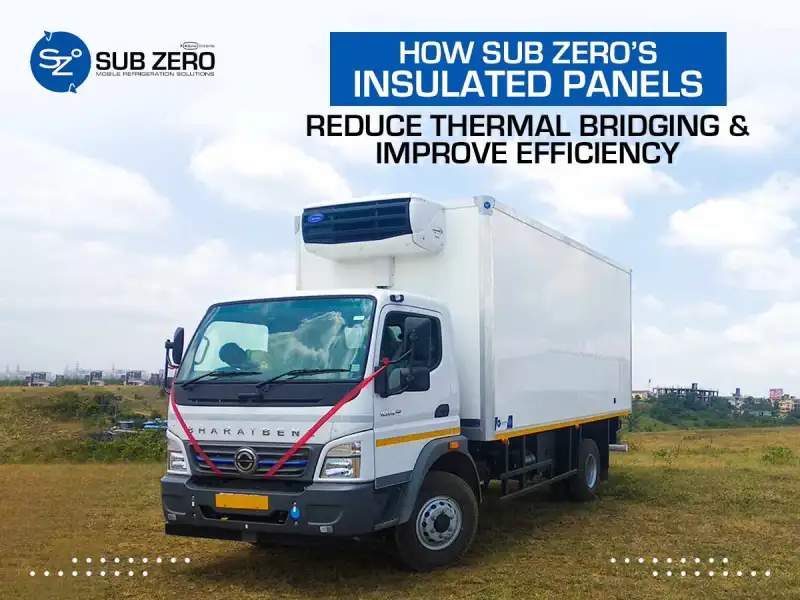
Temperature management strategies using high-quality insulation materials to minimize thermal bridging and enhance energy performance.
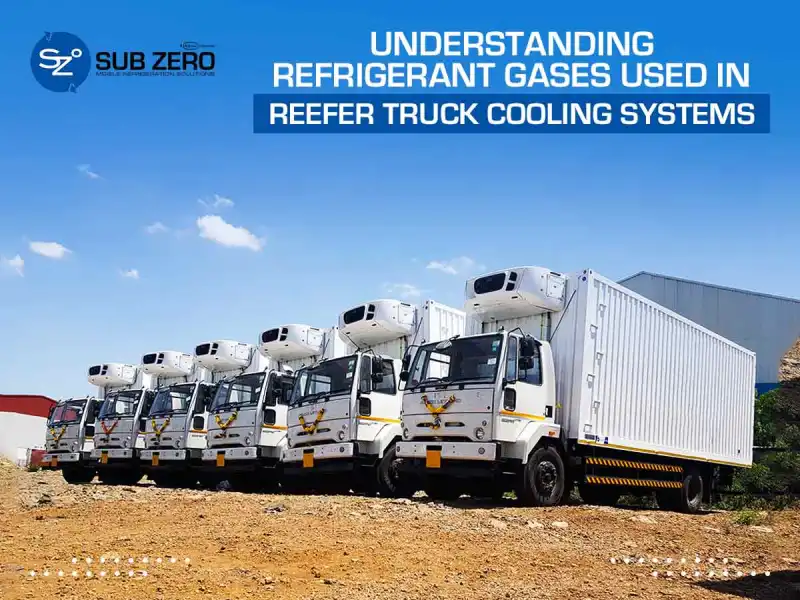
Overview of refrigerant gases essential for maintaining proper temperatures during transport of perishable goods and pharmaceuticals.
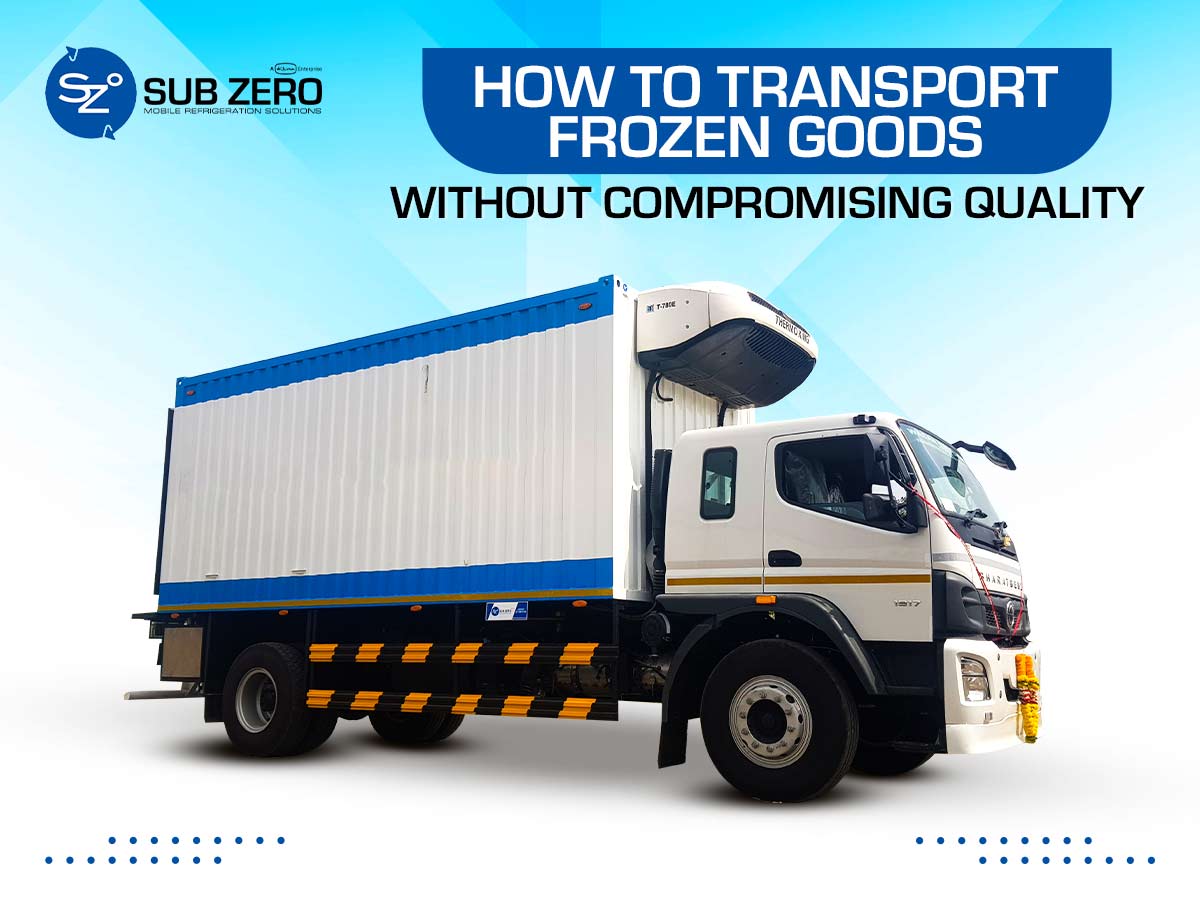
Transporting frozen foods necessitates a good cold chain logistics system to ensure freshness and safety of the product.
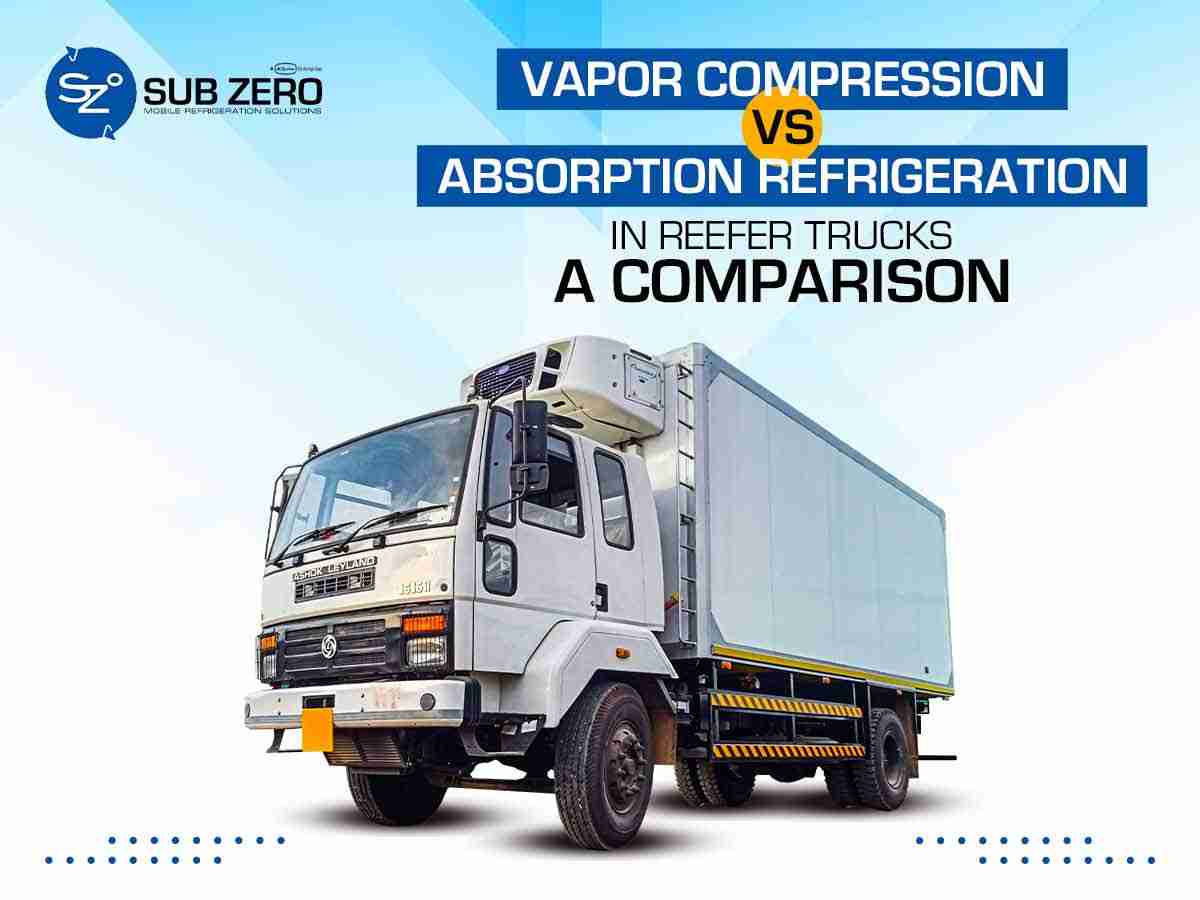
Refrigeration is important for reefer trucks as it helps maintain fresh products throughout shipping. Compare two key refrigeration methods.
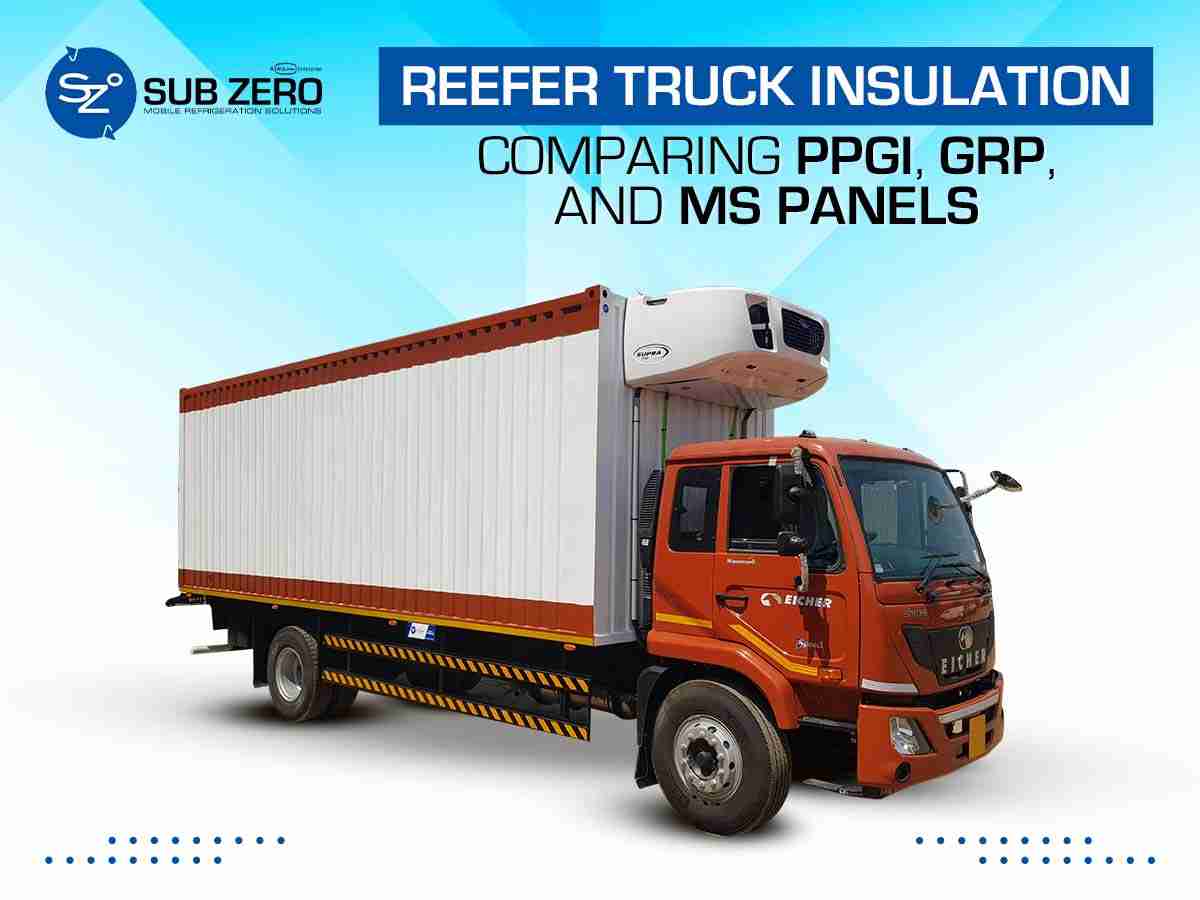
Temperature-sensitive commodities need properly insulated trucks to maintain the cold chain. Compare three major panel types.
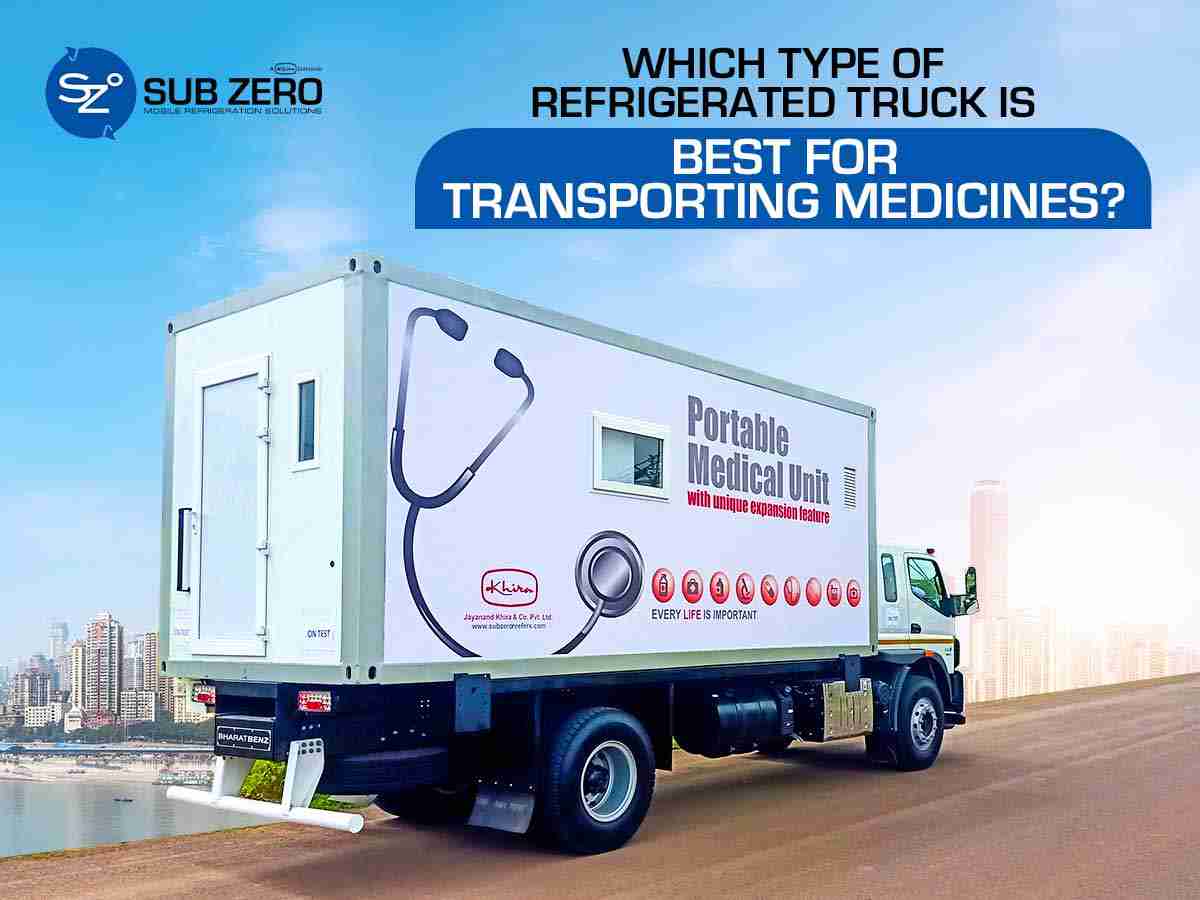
Transporting medicines requires precaution so that they are not degraded in quality. Find the best refrigerated truck type for pharma.
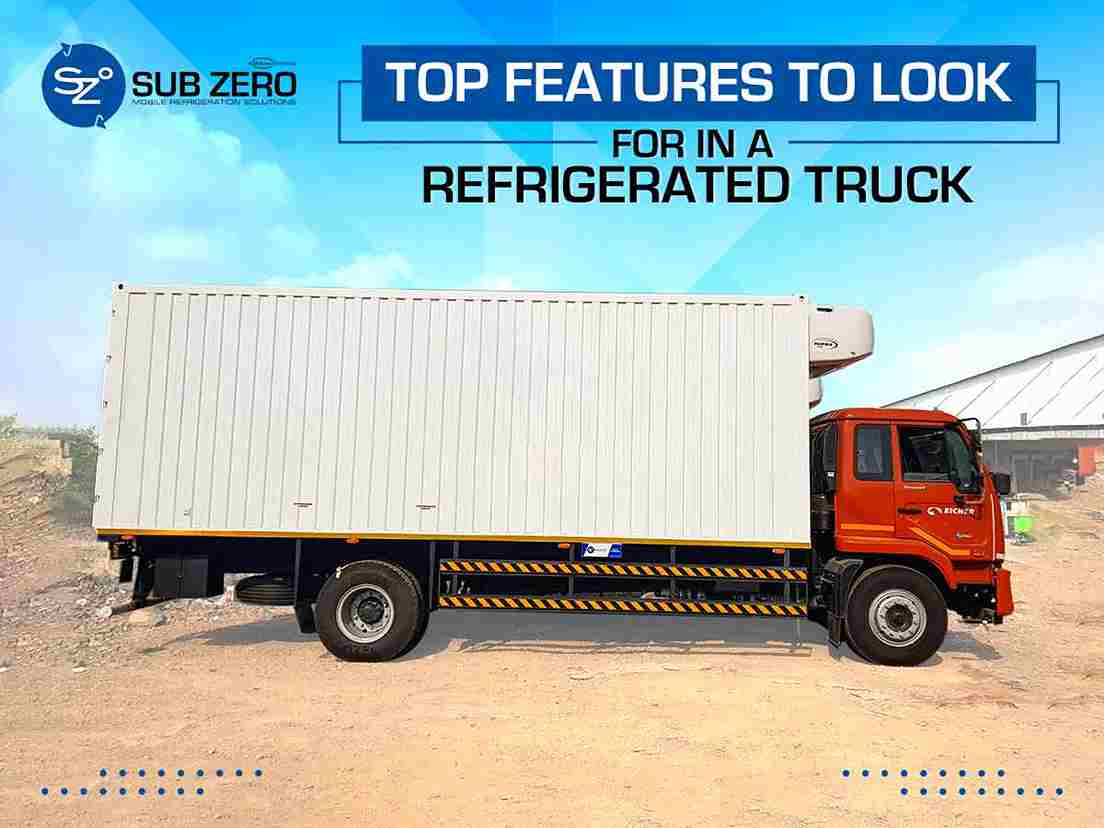
Refrigerated trucks are needed to transport sensitive goods, like food, medicine, and flowers. Know the key features to look for.
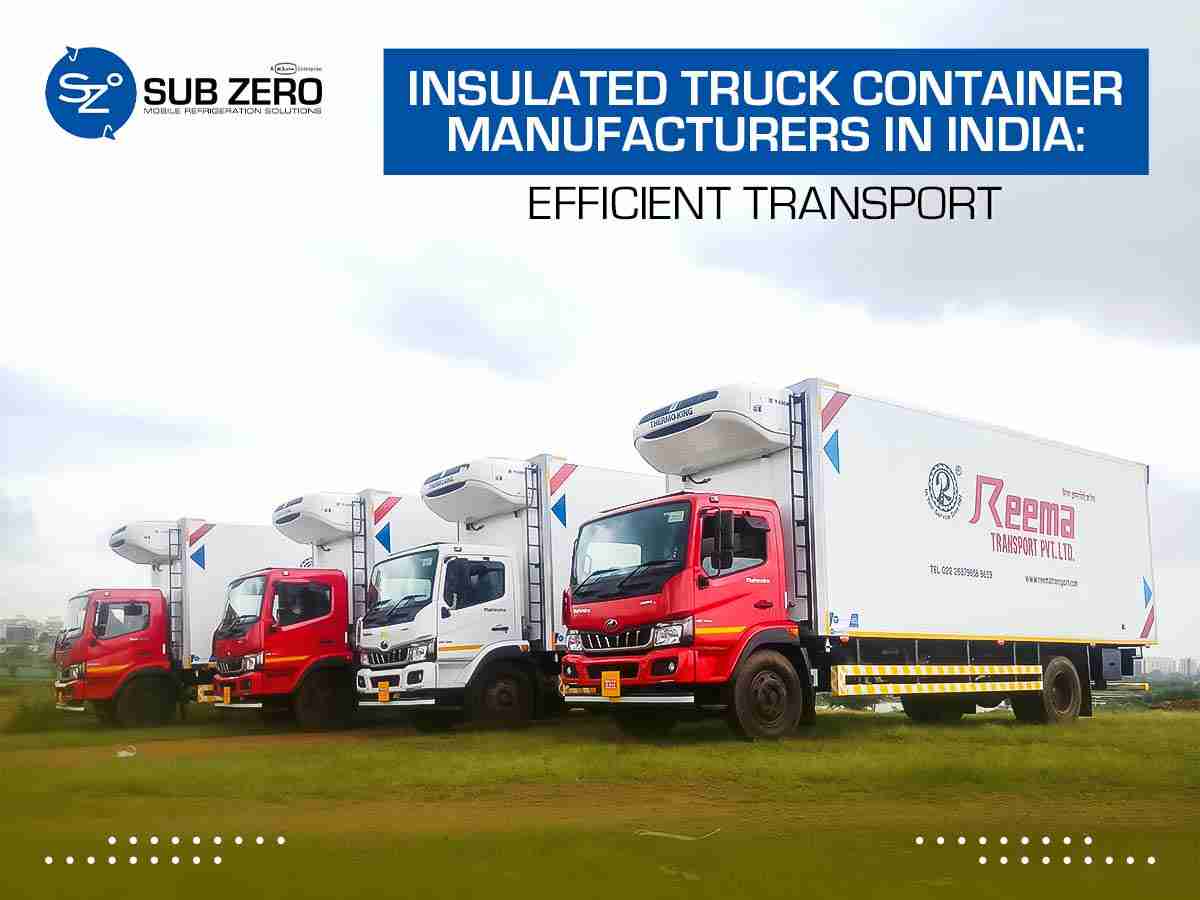
It is no longer an issue to ship temperature-sensitive products, all thanks to insulated truck containers and their manufacturers in India.
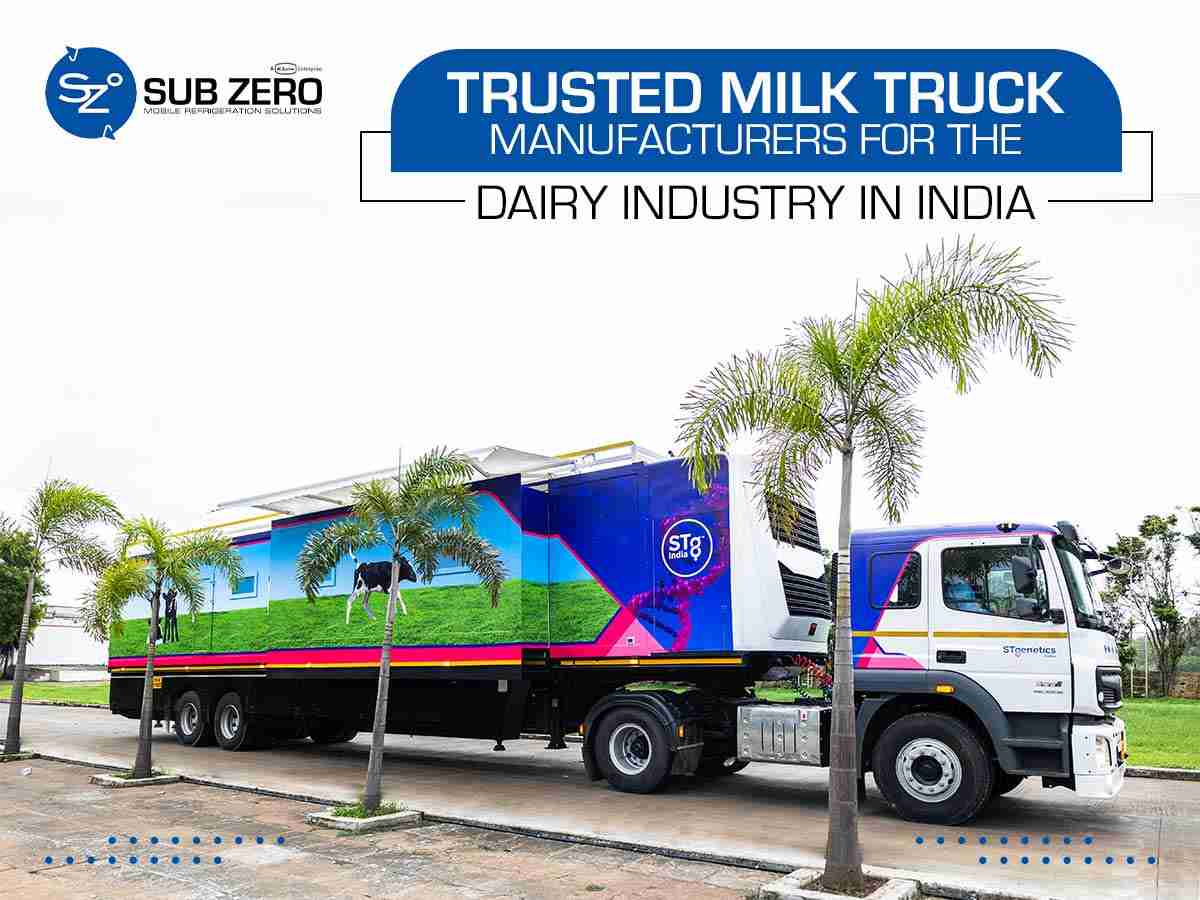
The dairy industry of India is among the largest and most important industries. Reliable milk truck manufacturers are essential.
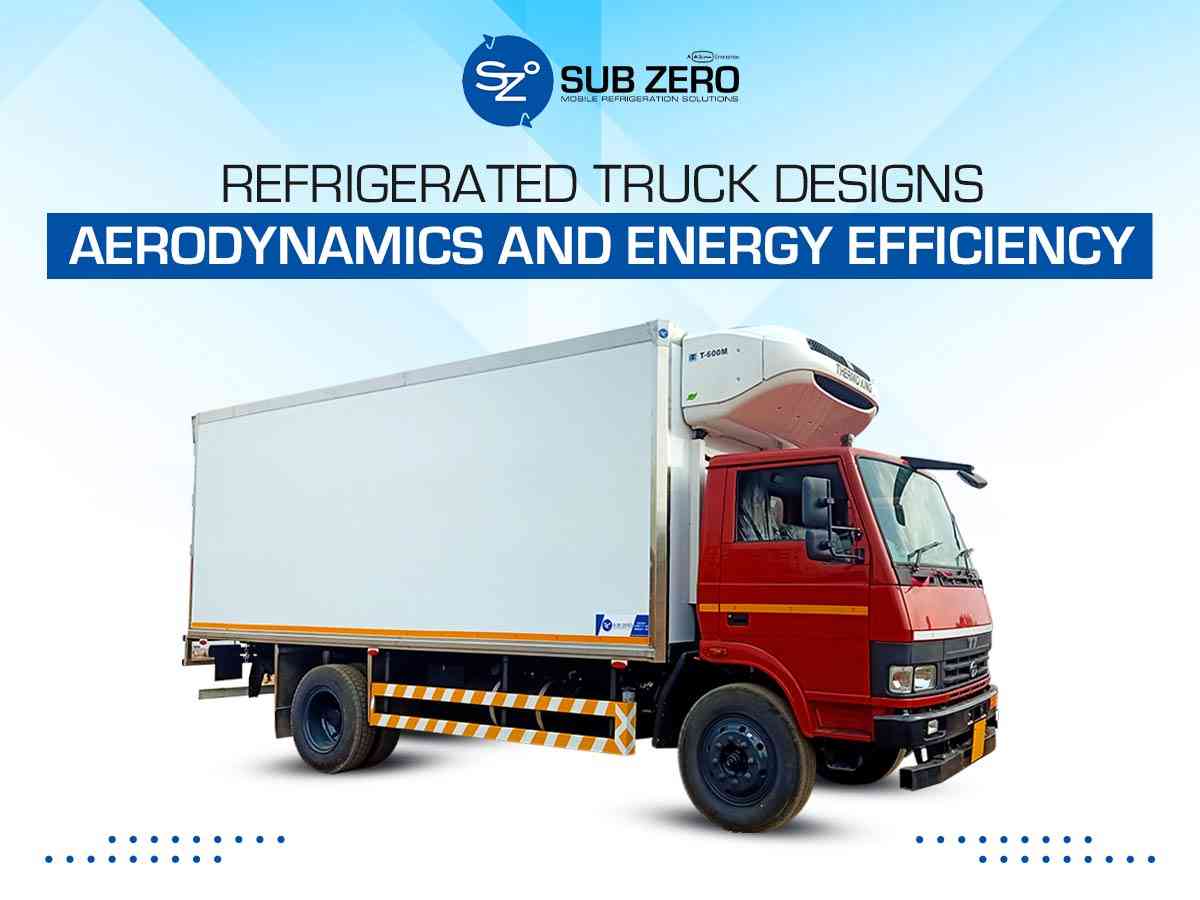
Reefer trucks play a key role in moving goods that can spoil. Aerodynamic design improves energy efficiency significantly.

Refrigerated containers are an important means of preserving perishable goods during transport. PUF body manufacturing is evolving.
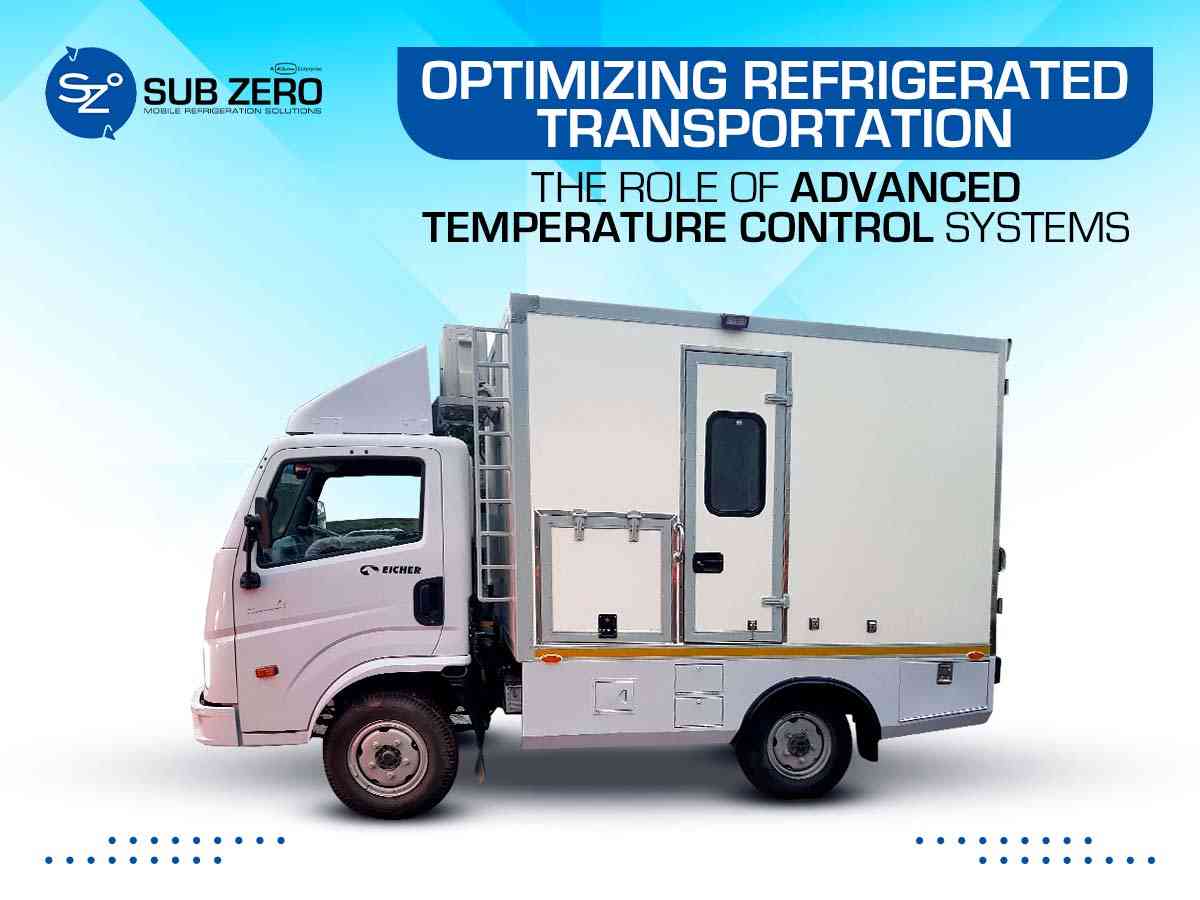
In India, where temperatures can be extreme, refrigerated transportation with advanced temperature control is most important.

Are you new to cold storage logistics? Learn about the key components and functions of reefer truck refrigeration systems.
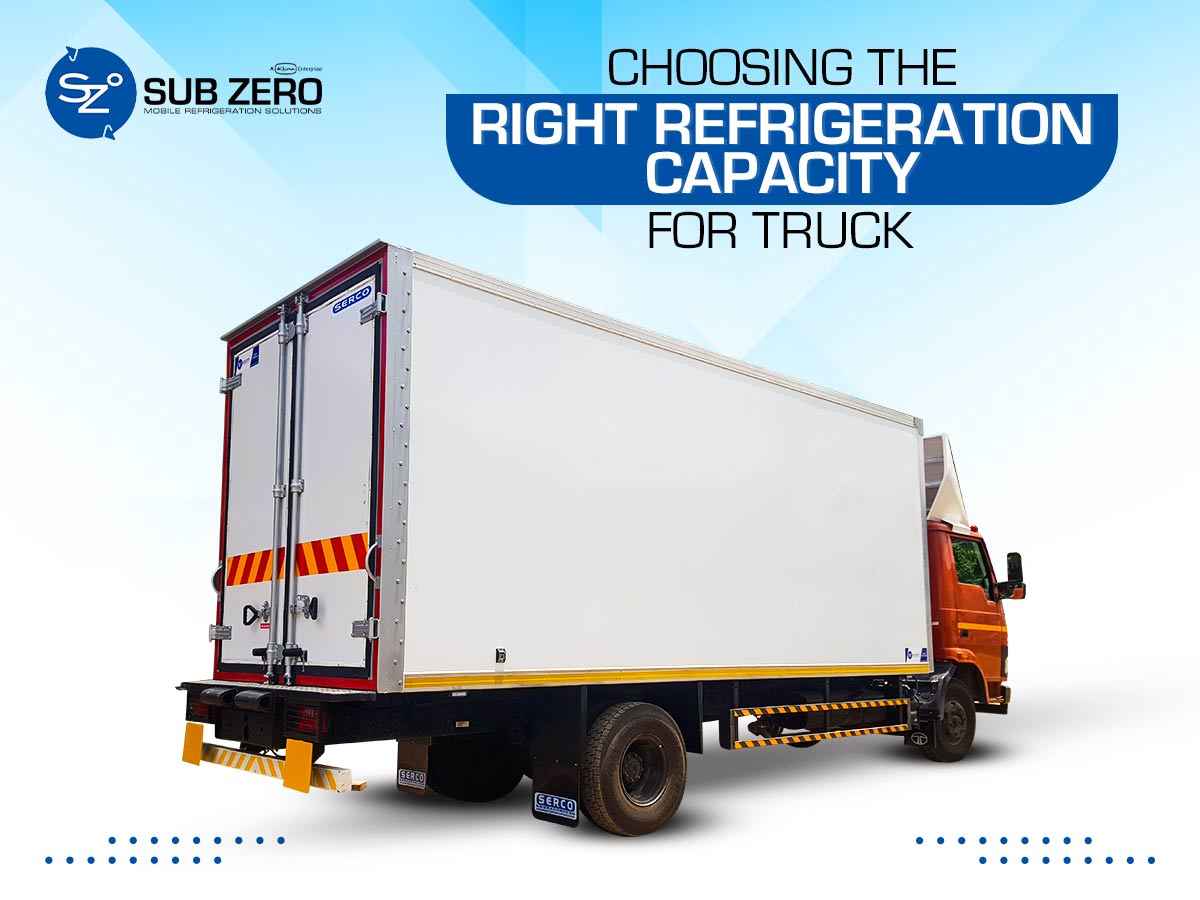
India's concentrated urban population creates logistics challenges for transporting fresh goods, complicated by diverse climates.
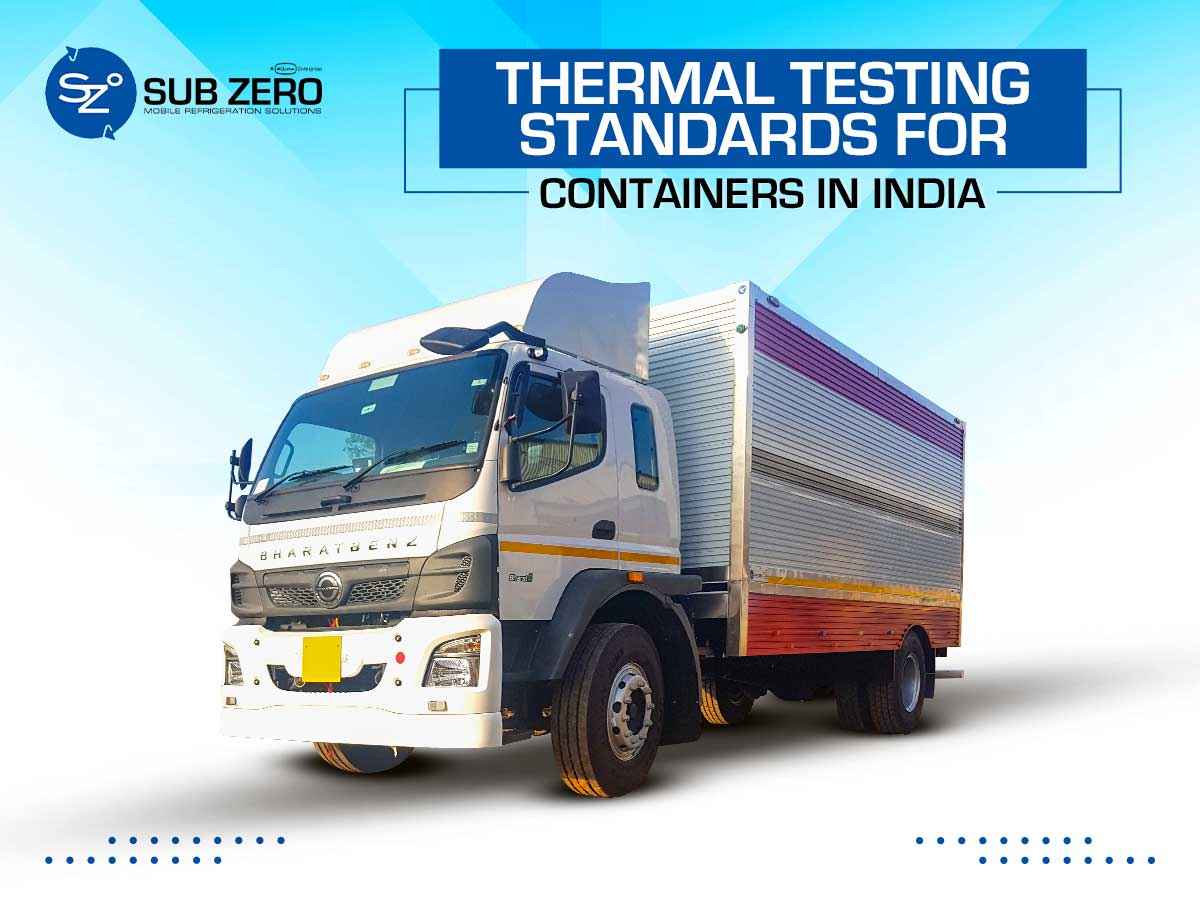
Temperature-sensitive goods transportation requires meeting thermal testing standards, with requirements varying by country.

Refrigerated goods logistics companies invest significantly in durable insulated vans for seamless, long-term transportation.
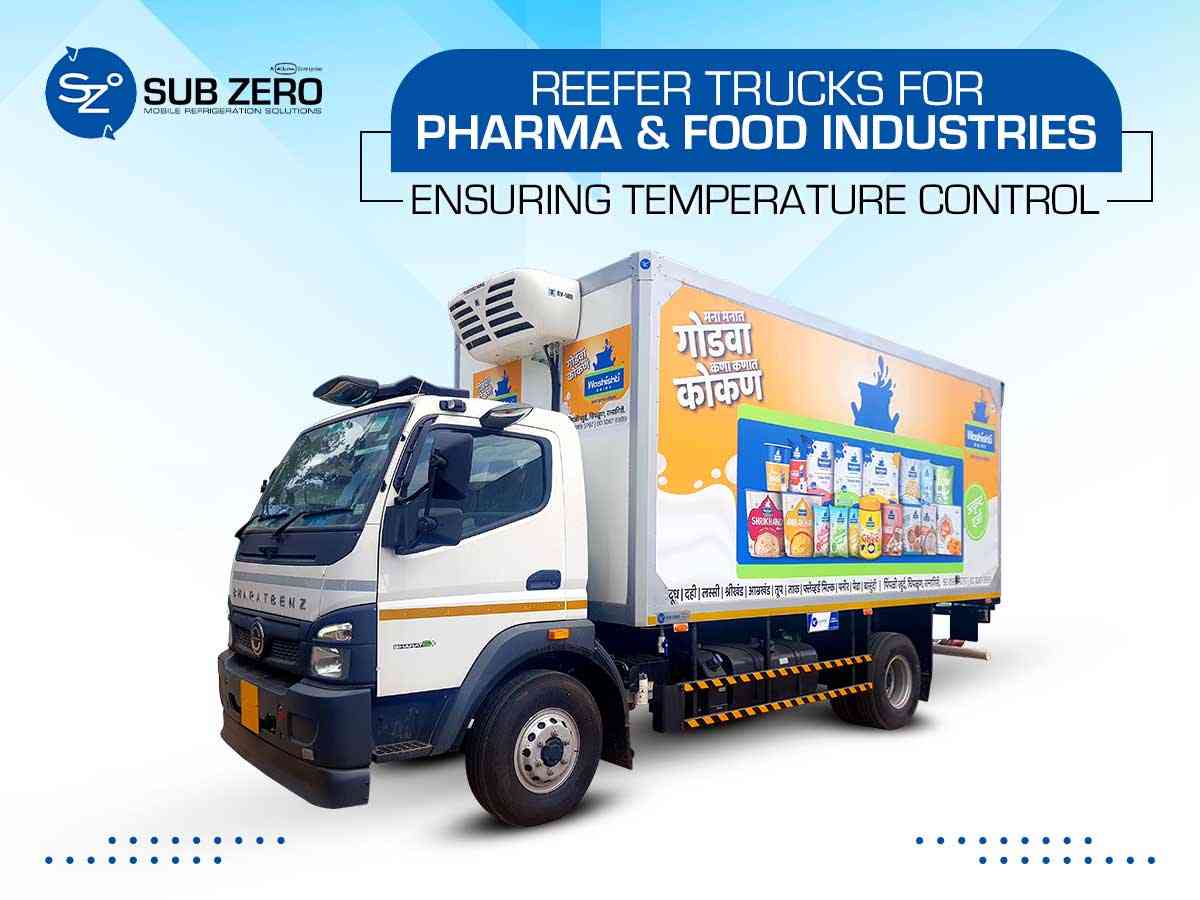
Growing demand for fresh goods drives expansion of reefer truck fleets for temperature-controlled transport across industries.
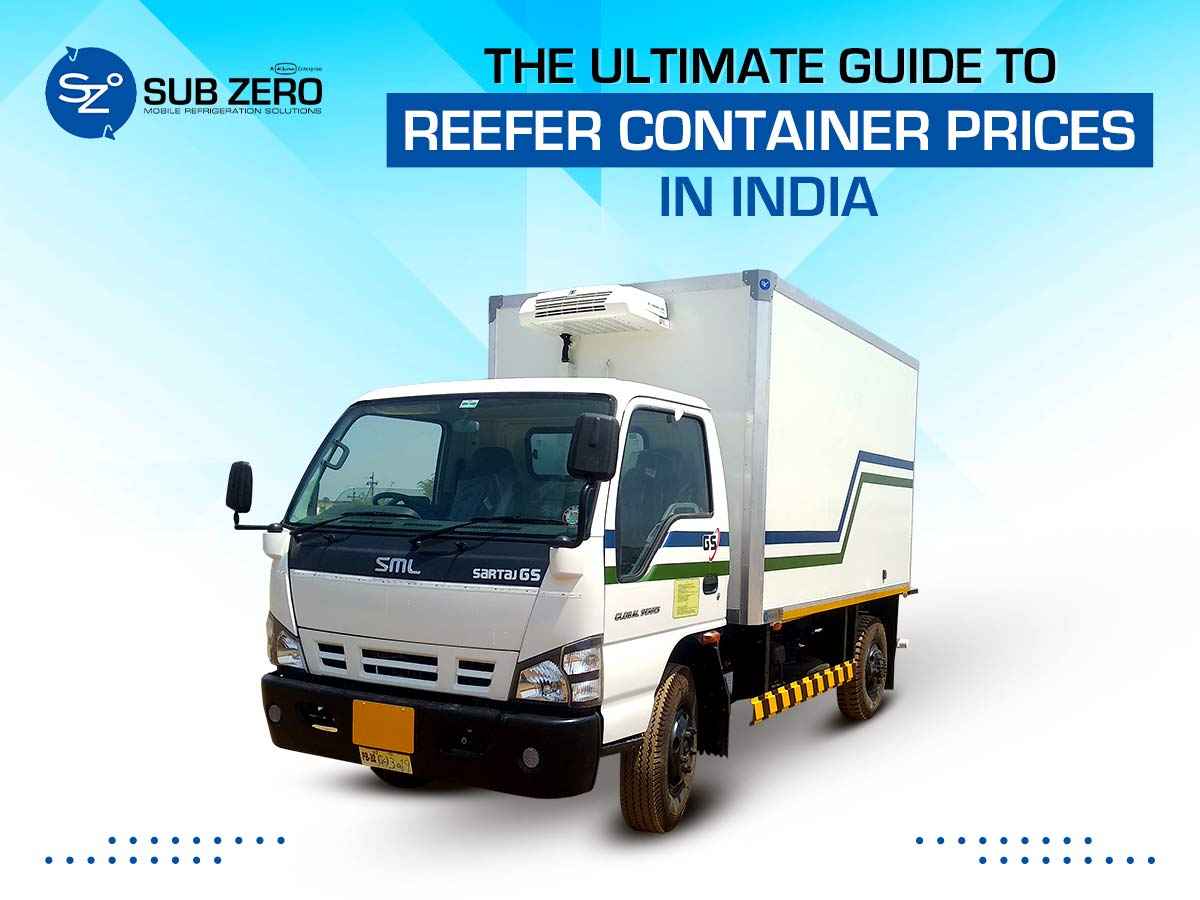
India's 1.4 billion population drives high demand for perishable goods, making temperature-sensitive logistics essential.
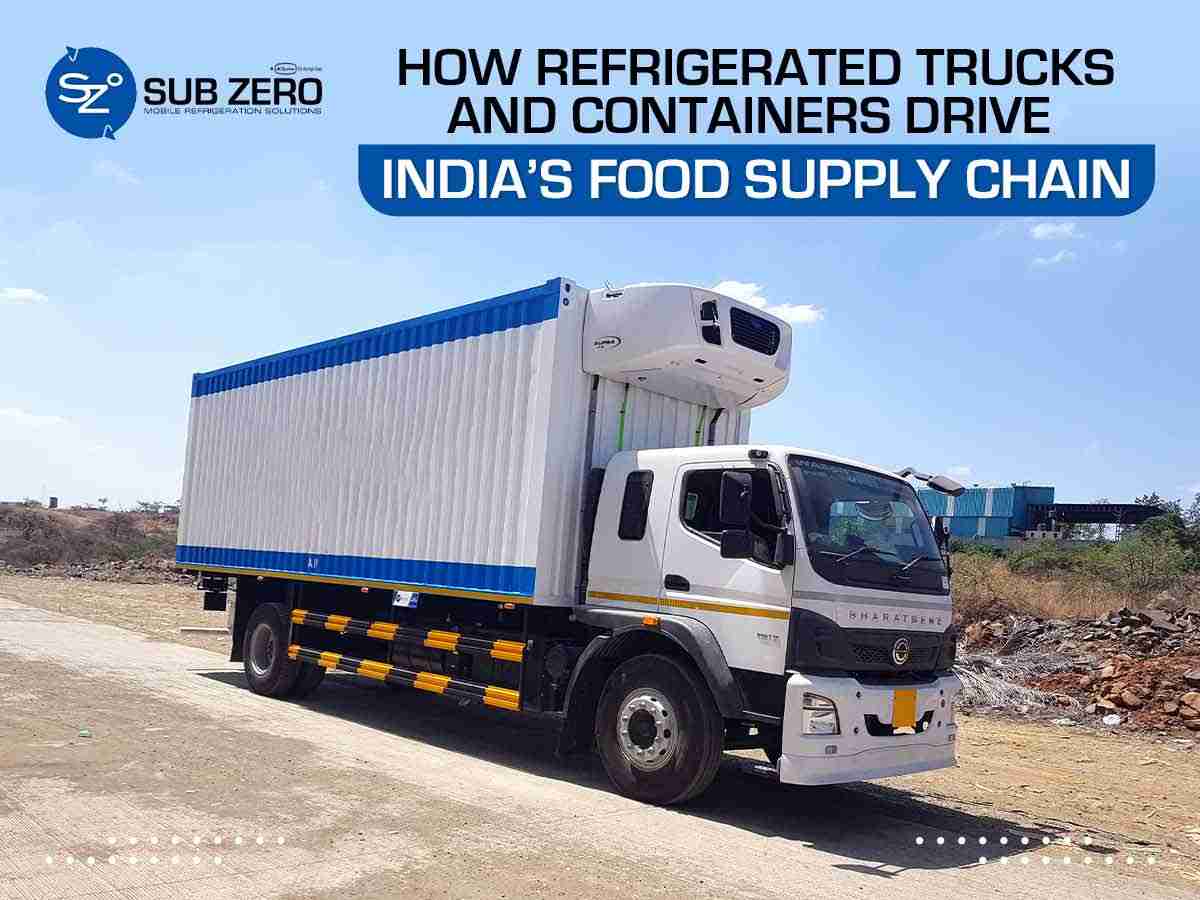
India's food supply chain requires refrigerated trucks for milk products, fresh produce, meat, seafood, and pharmaceuticals.
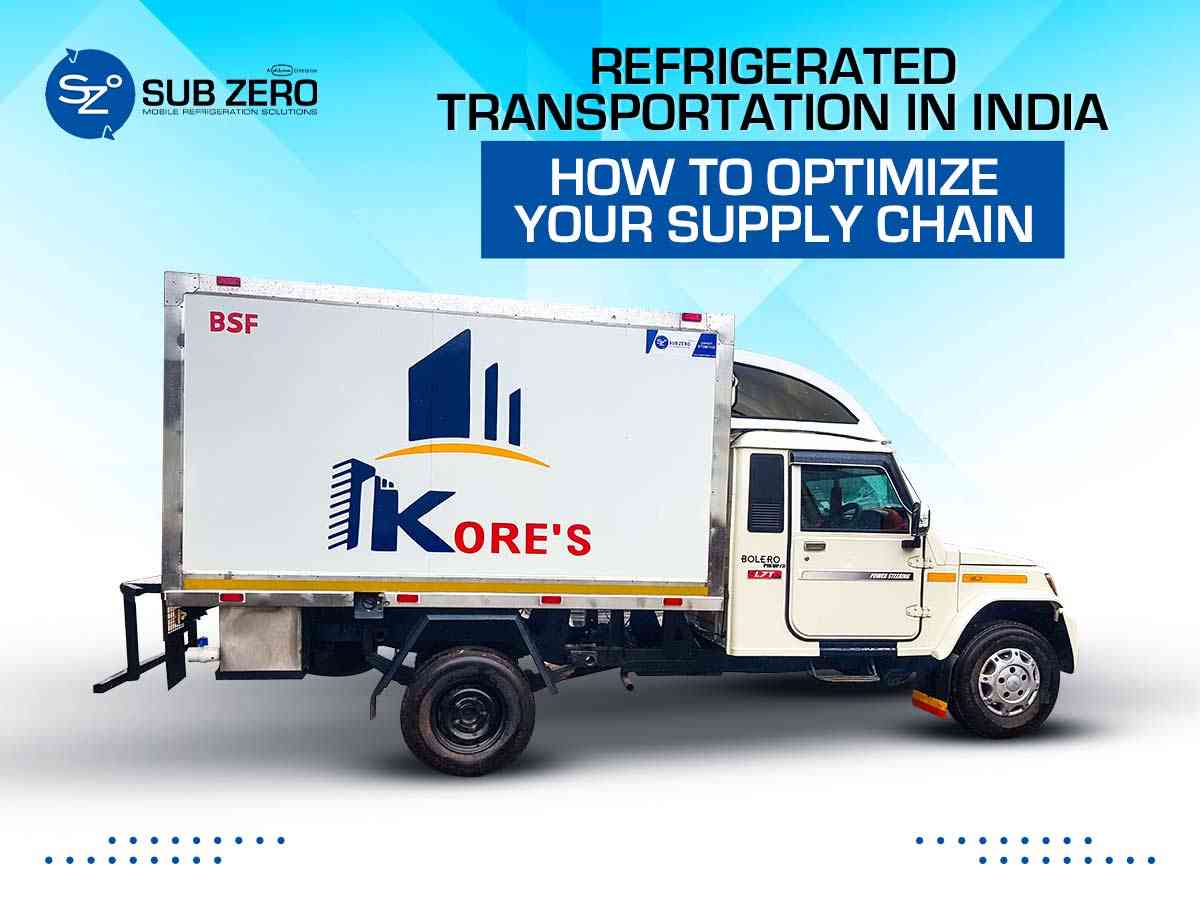
Businesses can optimize refrigerated goods transportation by investing in high-quality refrigerated trucks and customized insulated vans.
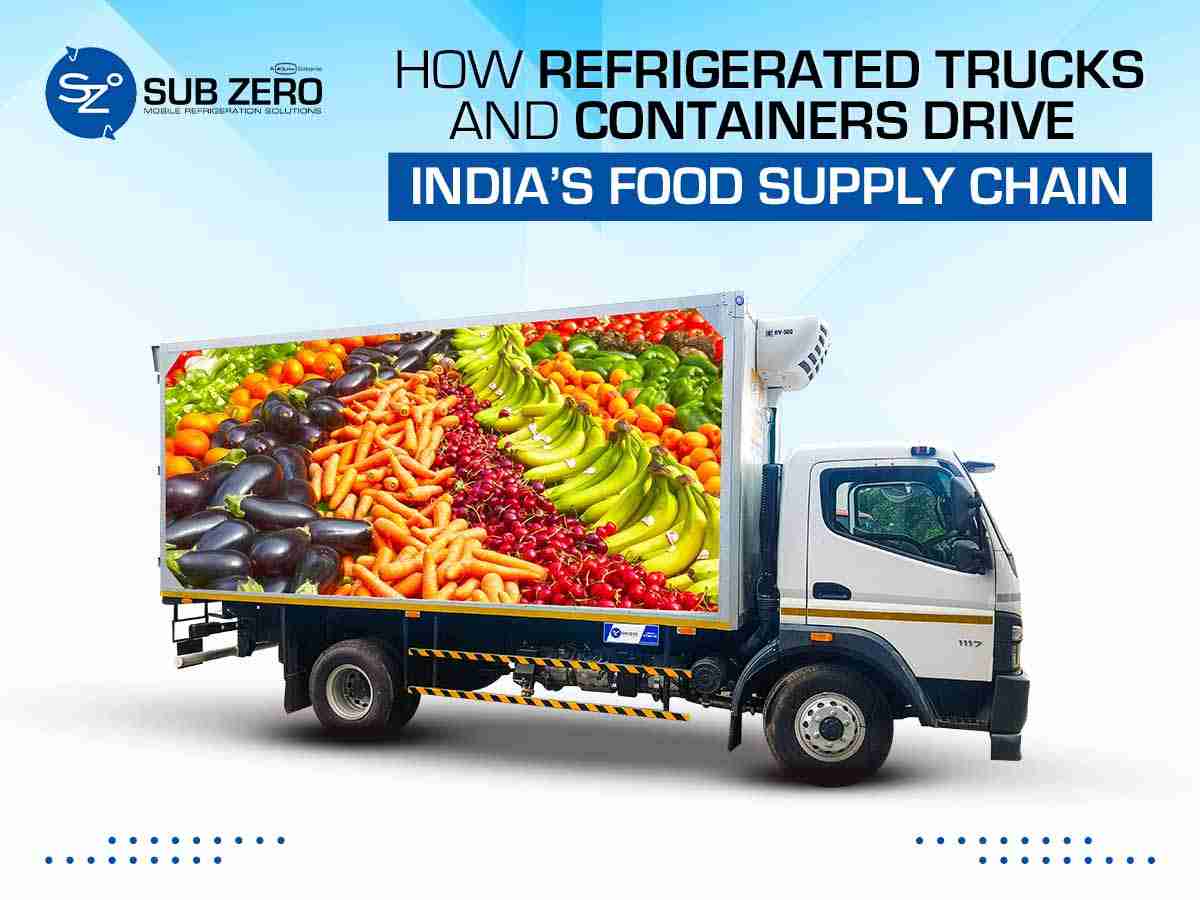
India's vast population requires innovative refrigerated container solutions for maintaining perishable food quality.
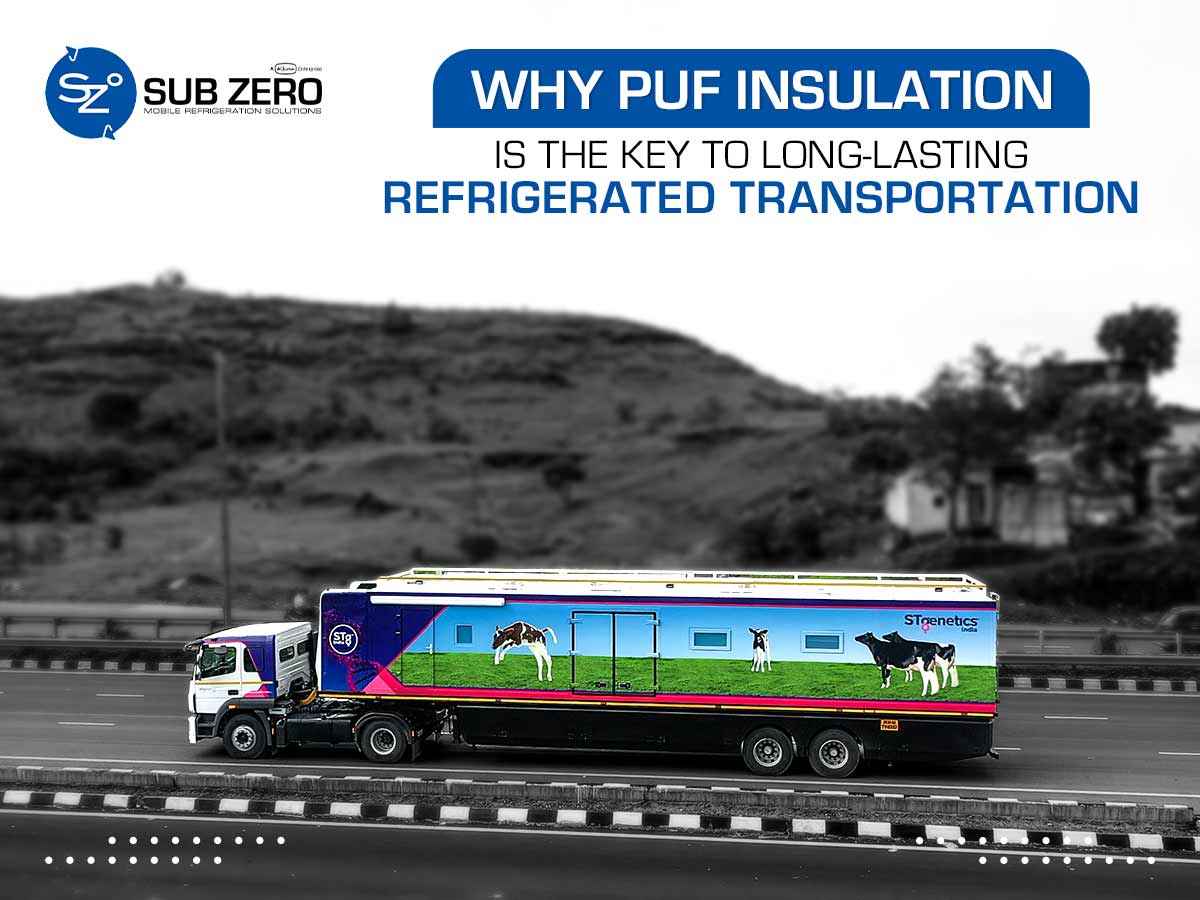
Polyurethane foam insulation revolutionized cold storage logistics, increasing reefer truck durability and thermal performance.

Multi-temperature reefer containers enable cost-effective transport of diverse perishable goods across different temperature zones.
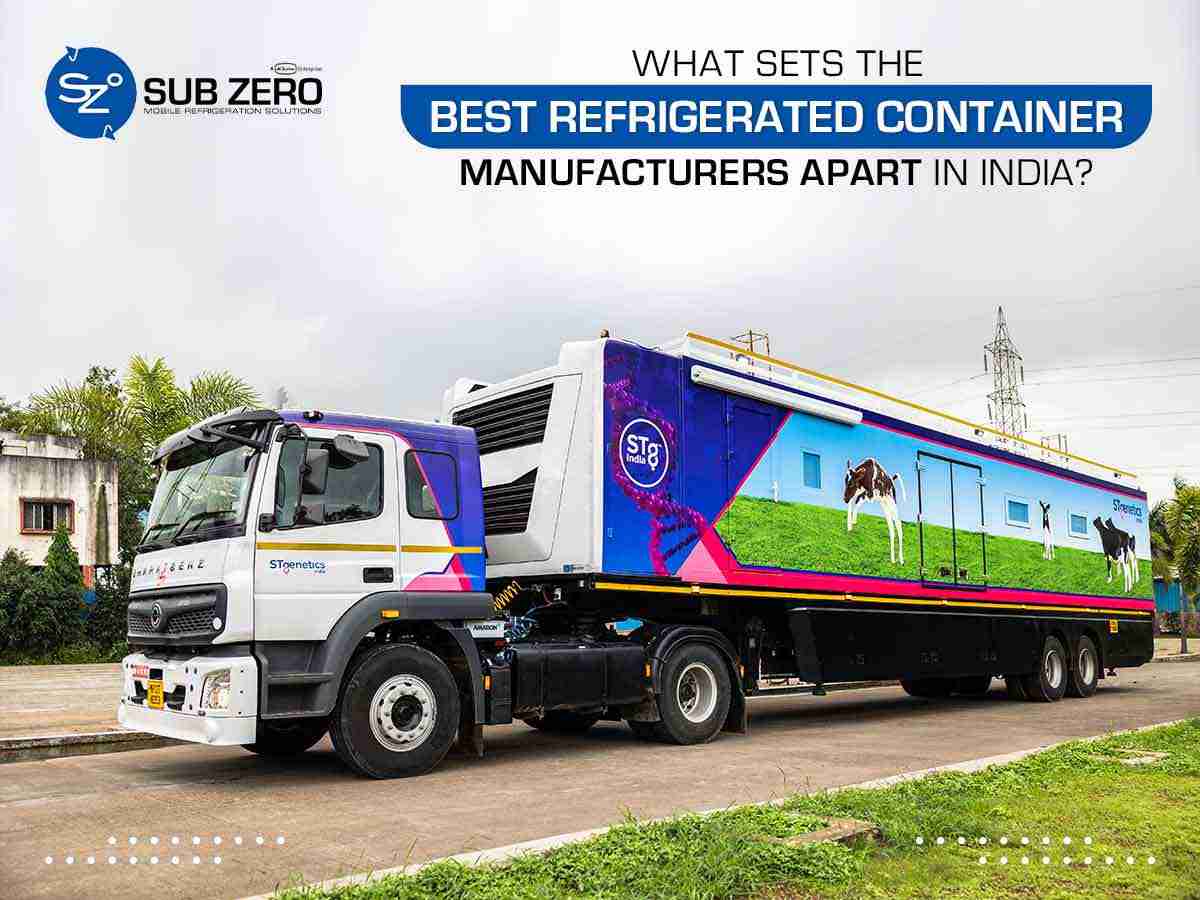
In the world of refrigerated goods logistics, India has seen tremendous growth. Learn what makes the best container makers stand out.
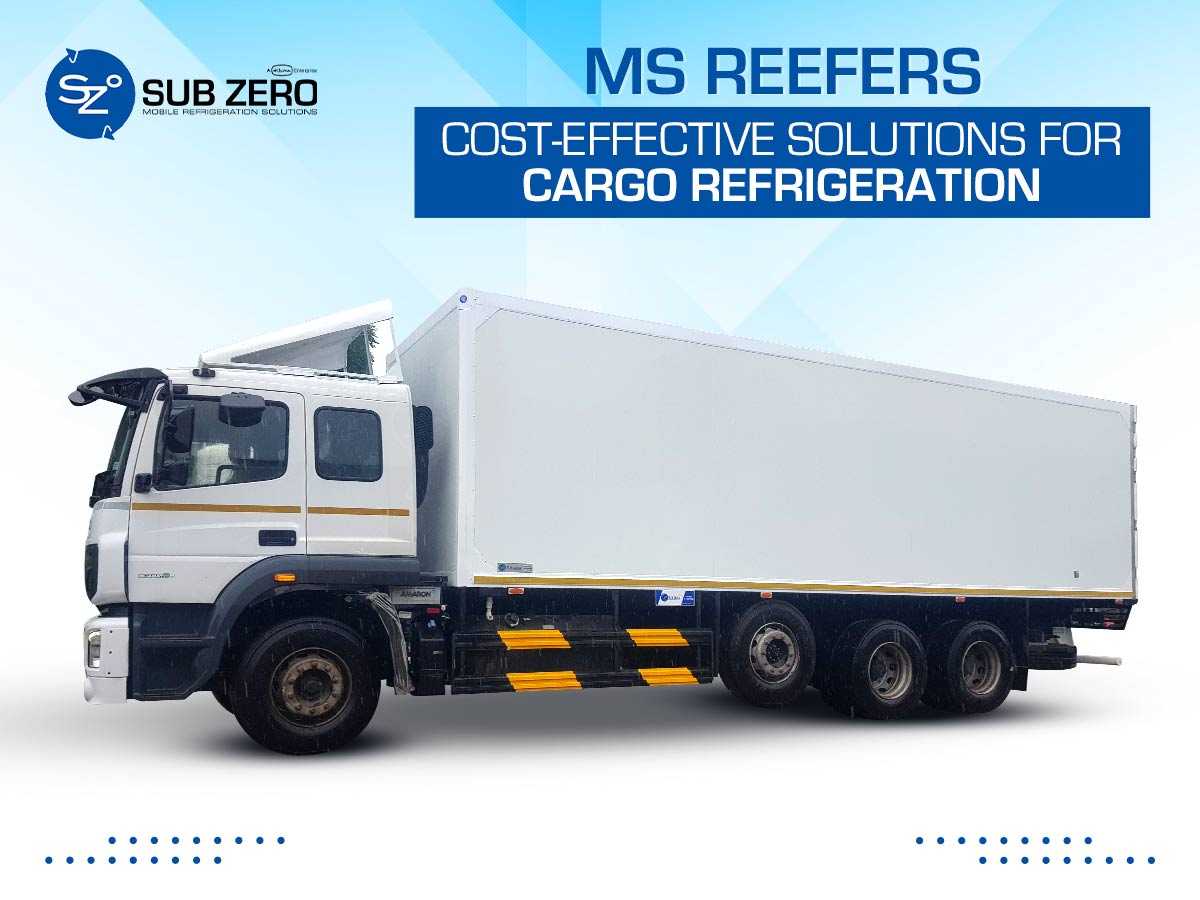
Sub Zero delivers efficient reefer truck capabilities for cold chain logistics operations with cost-effective MS reefer solutions.

India's cold chain industry is one of the fastest-growing sectors, crucial for preserving perishable goods like fruits and vegetables.
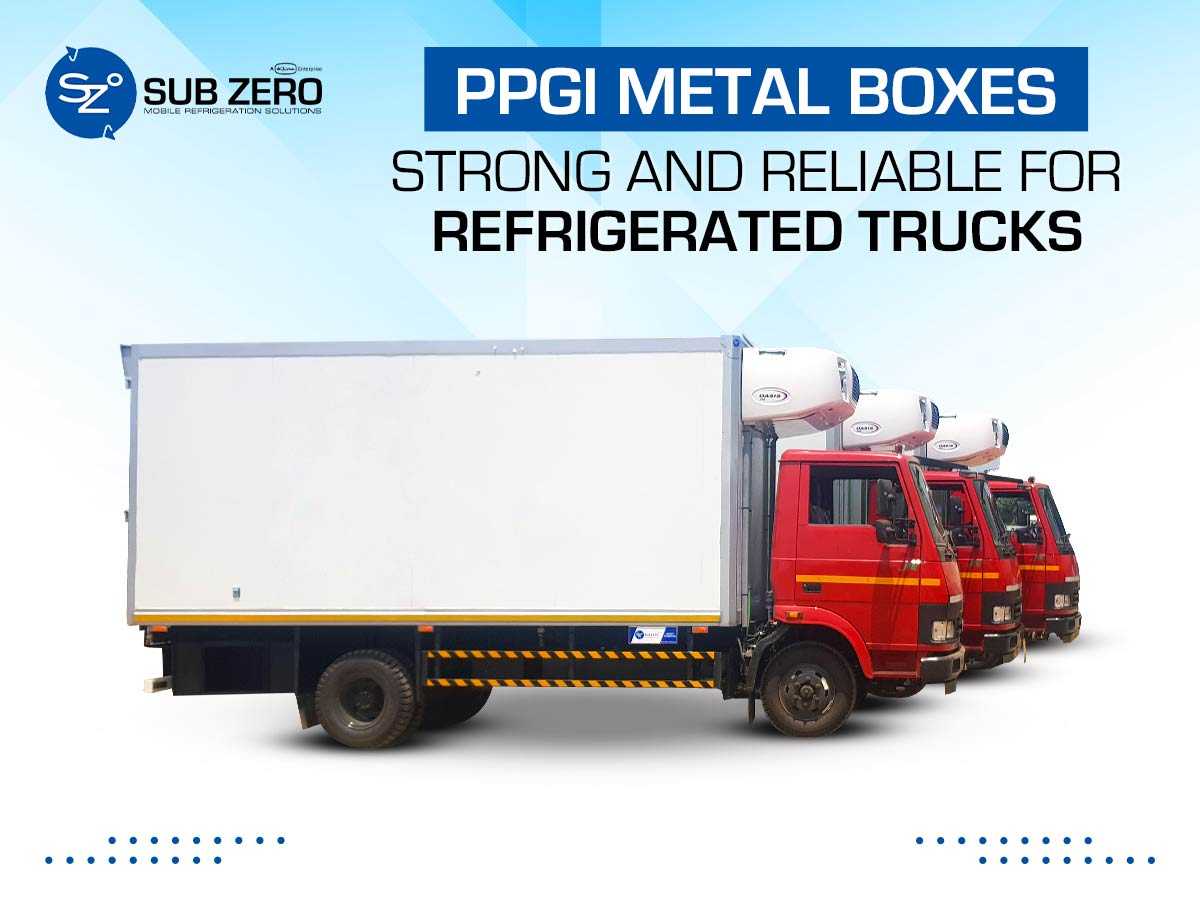
The refrigerated transport market growth drives demand for robust PPGI metal container solutions in the cold chain industry.

Flooring selection is critical for frozen and dairy product transportation using specialized refrigerated trucks.

Sub Zero Reefers is a leading name offering advanced temperature-controlled solutions for Mumbai's industrial sector.
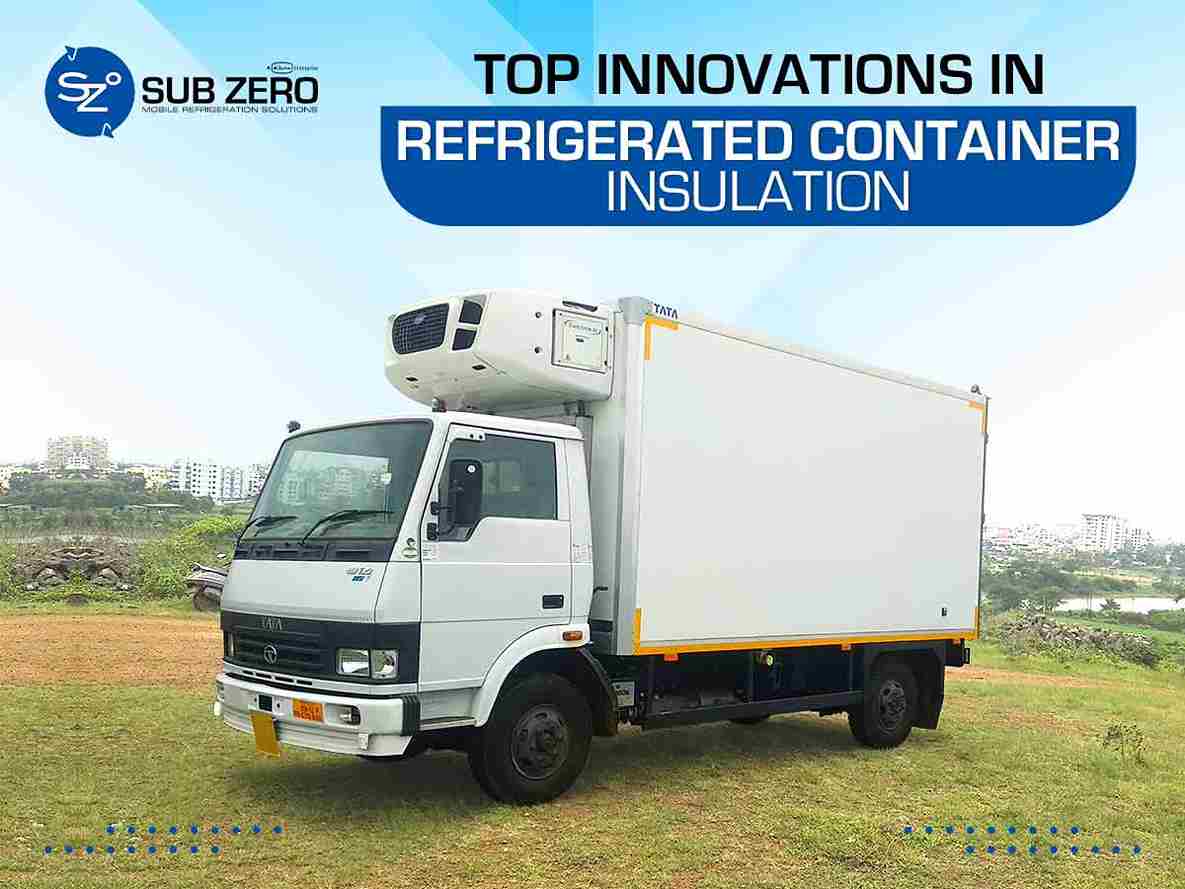
Container insulation advancements are critical for maintaining product freshness in tropical climates during transport.
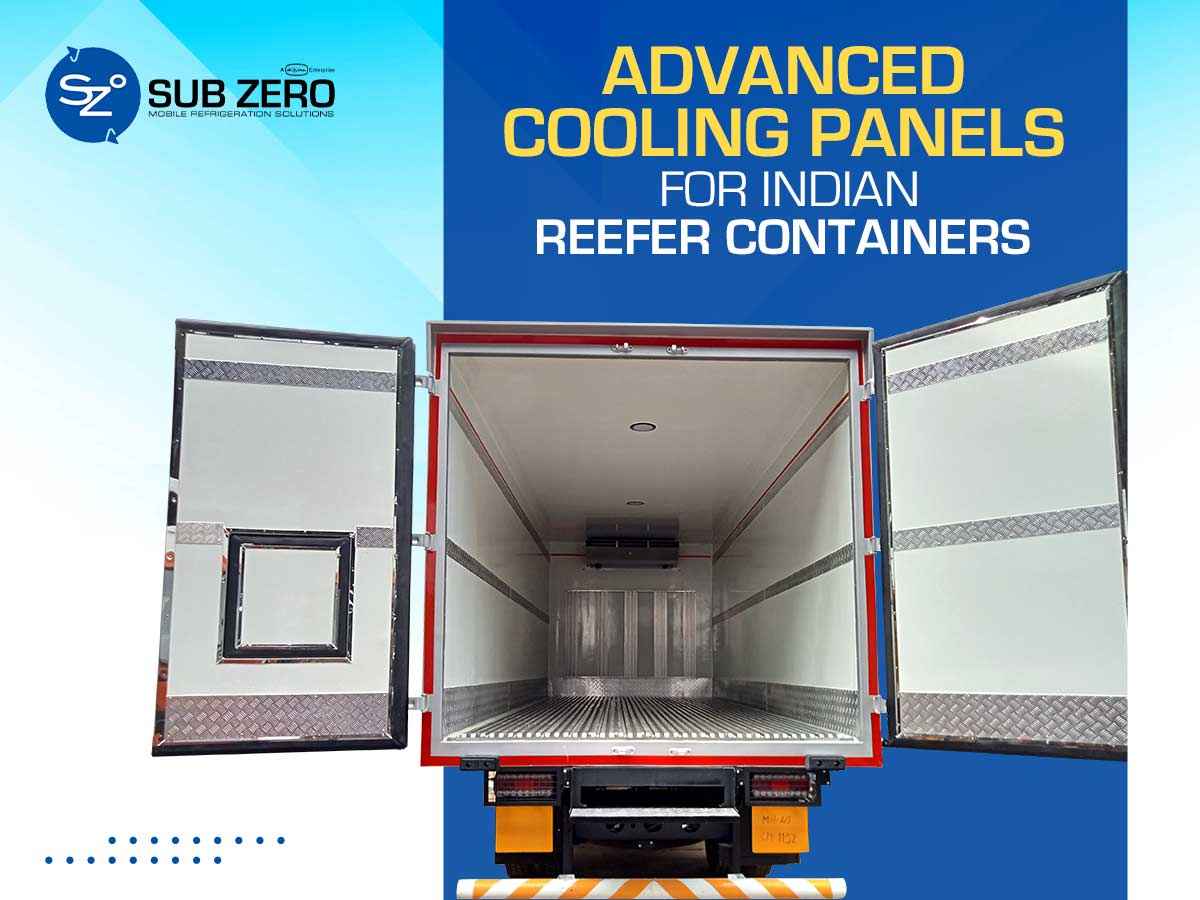
Modern cooling technology is essential for maintaining temperature during pharmaceutical and perishable goods transport.
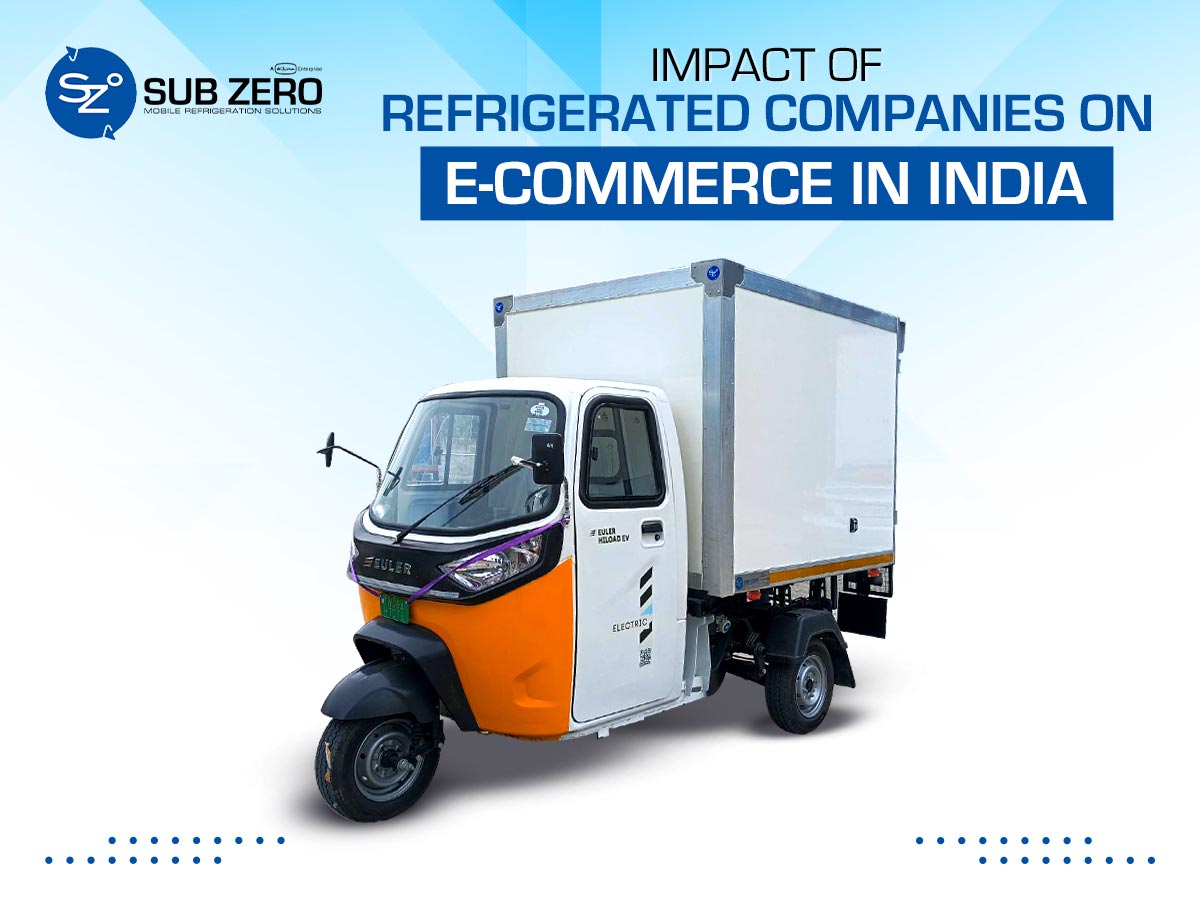
The refrigeration sector plays a key role in supporting online ordering of temperature-sensitive products across India.
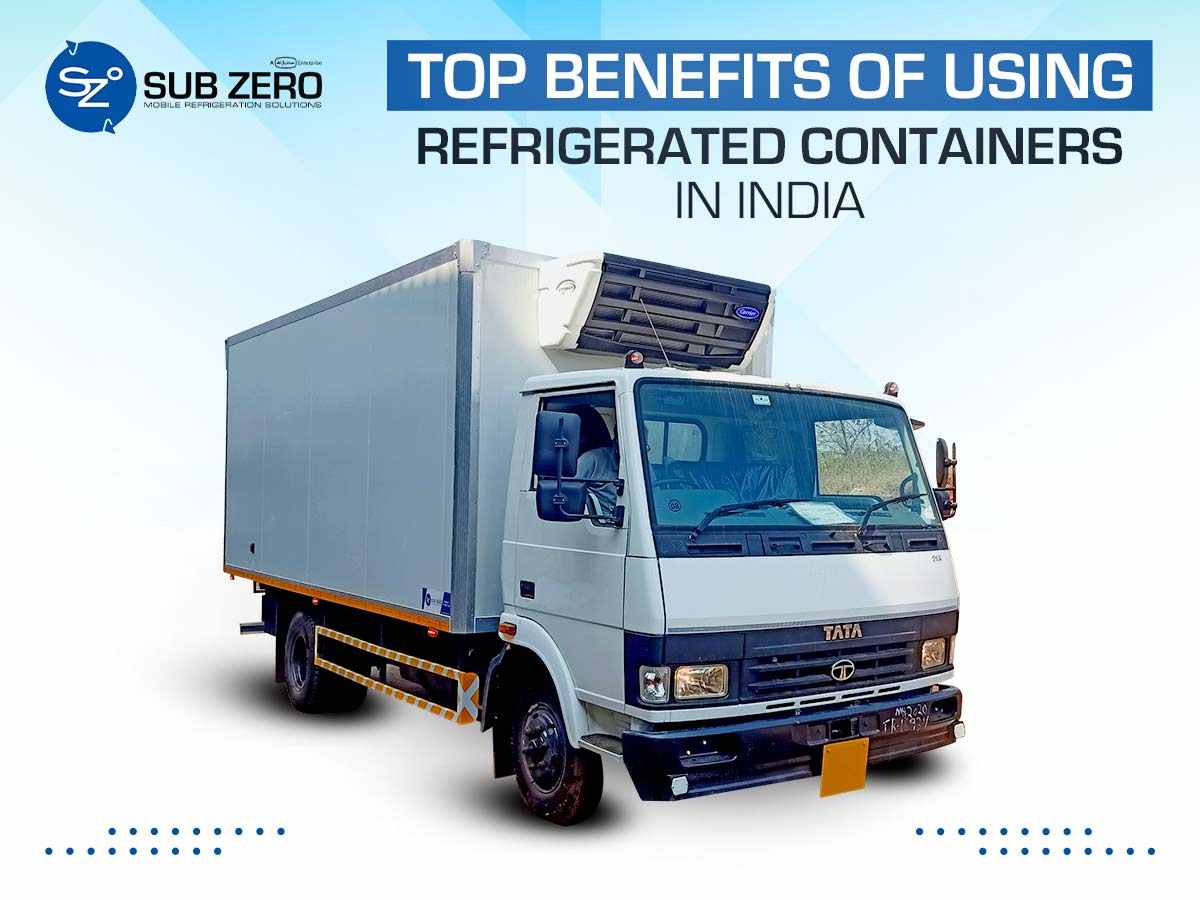
Reefer containers provide cold-chain logistics advantages for protecting perishable goods such as food and pharmaceuticals.
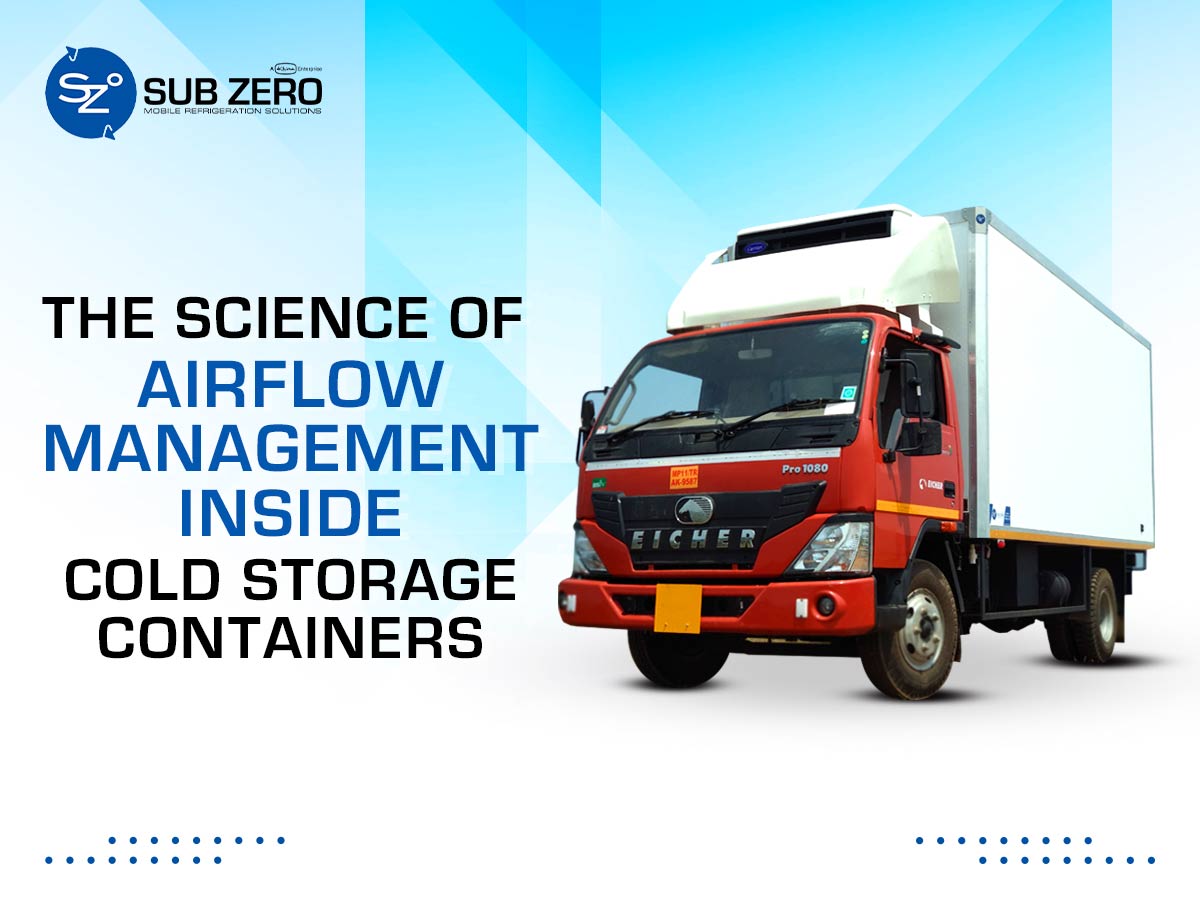
Proper circulation of air contributes to achieving the needed temperature and quality of perishable goods in cold storage.
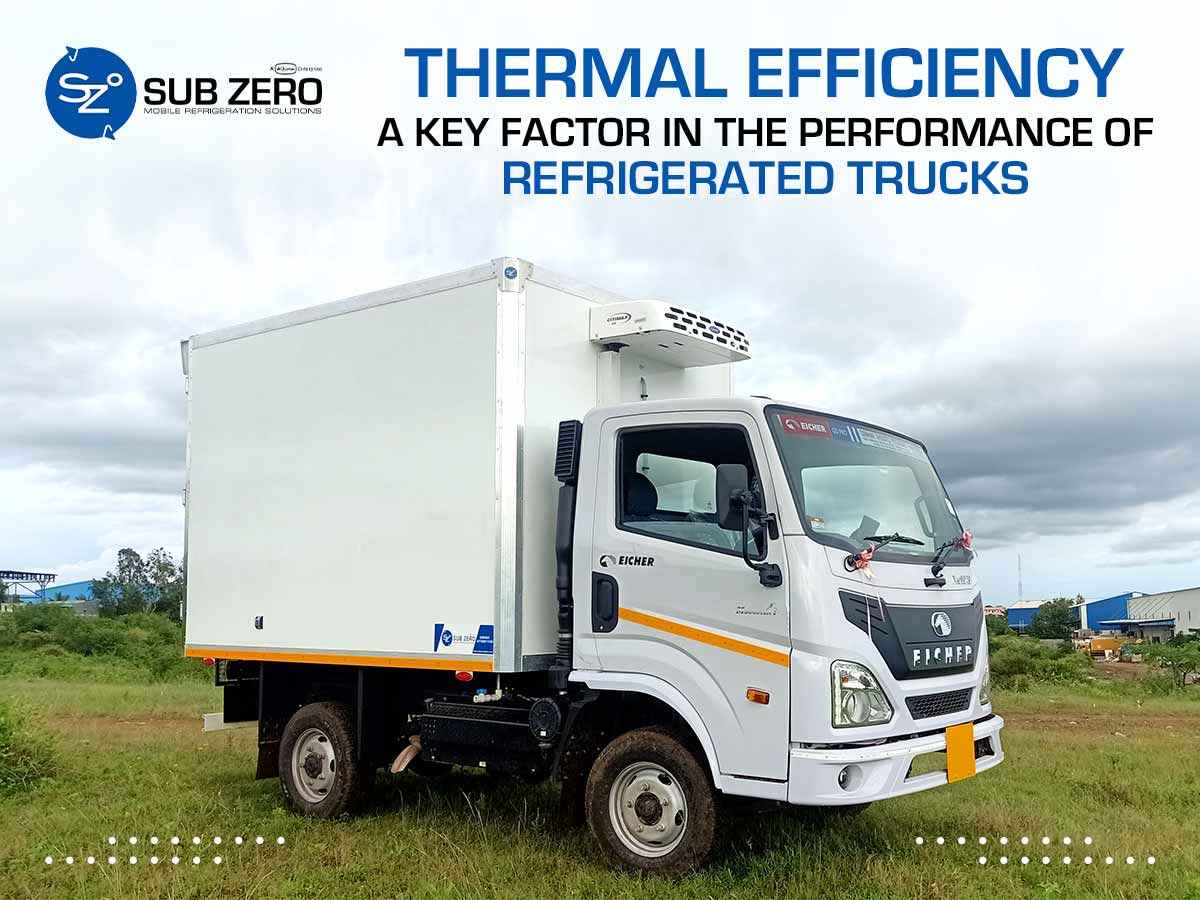
Thermal efficiency determines the overall effectiveness of refrigerated trucks for maintaining constant temperatures during transport.

Innovative multi-compartment systems provide solutions for reliable refrigerated transportation of temperature-sensitive products.

Phase Change Materials (PCMs) enhance conventional cooling techniques in refrigerated containers for better temperature stability.
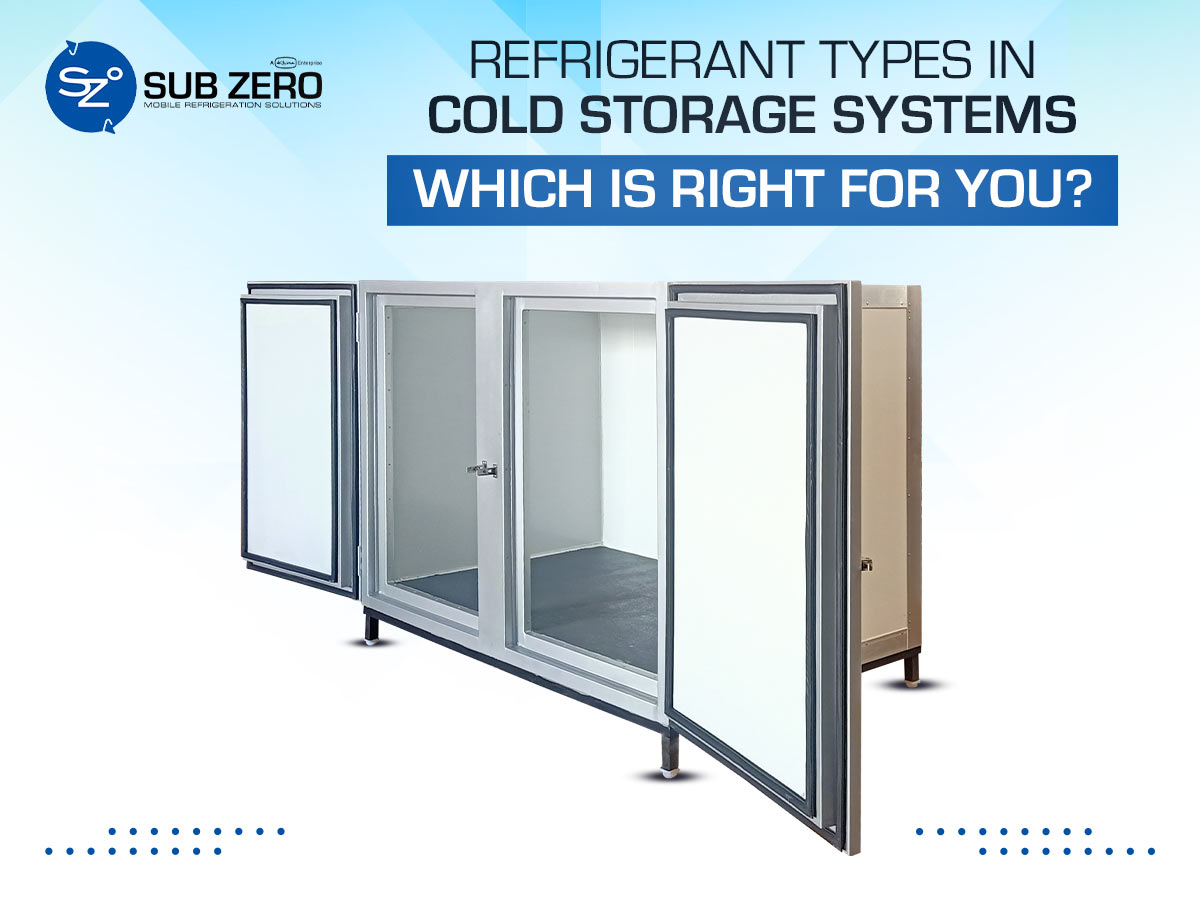
Analyzing common refrigerant options affecting cold storage efficiency, safety, and sustainability performance.
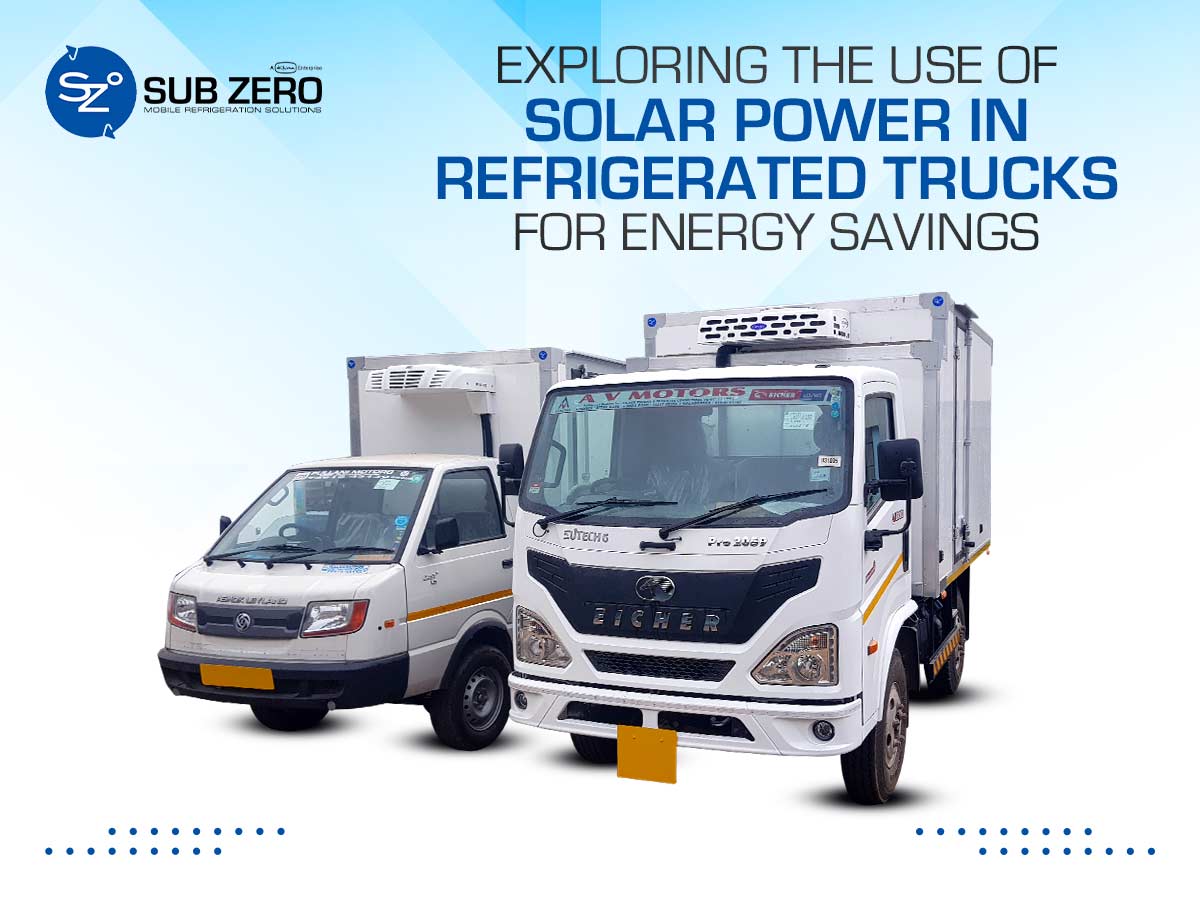
Energy-intensive refrigerated truck operations can achieve potential cost reductions through solar power integration.
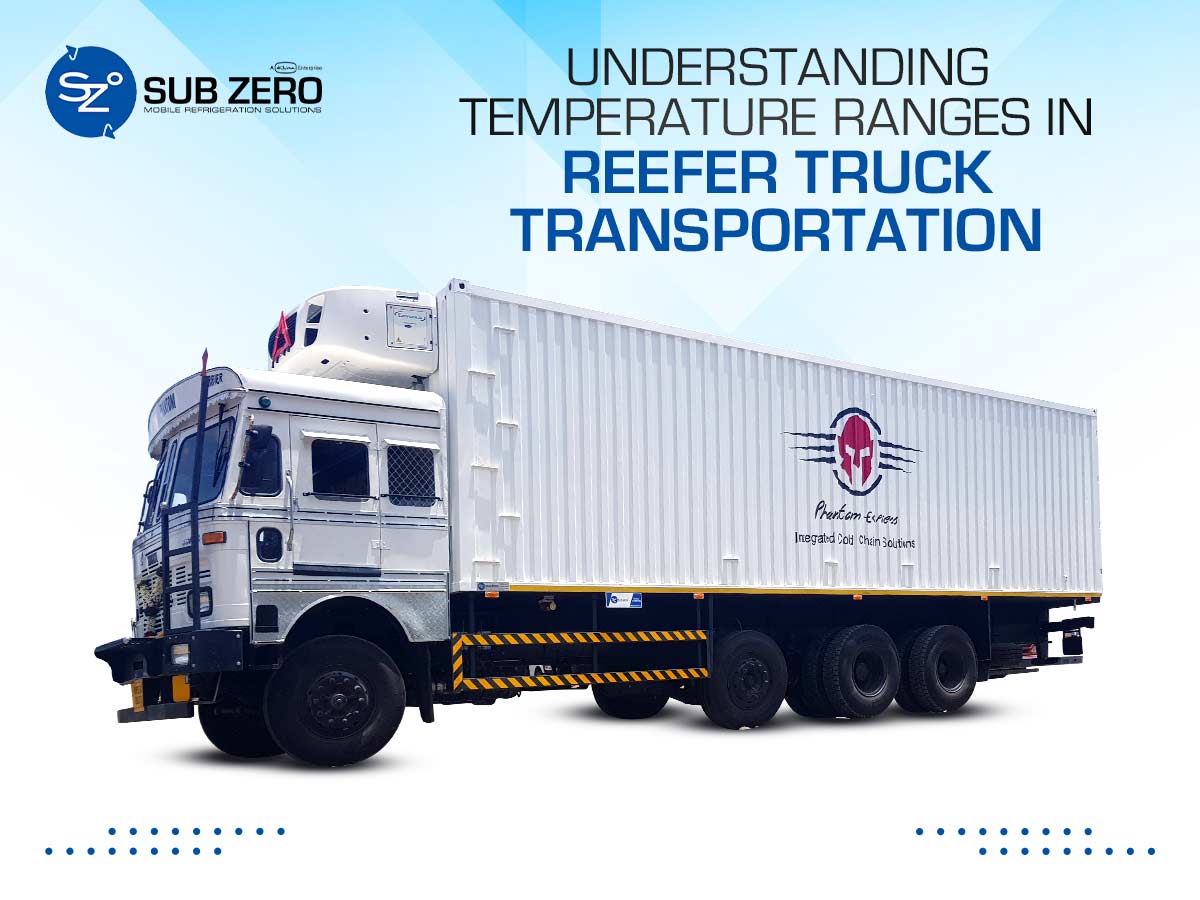
Refrigerated trucks maintain appropriate temperatures for food, plants, and medicine during transport across various conditions.
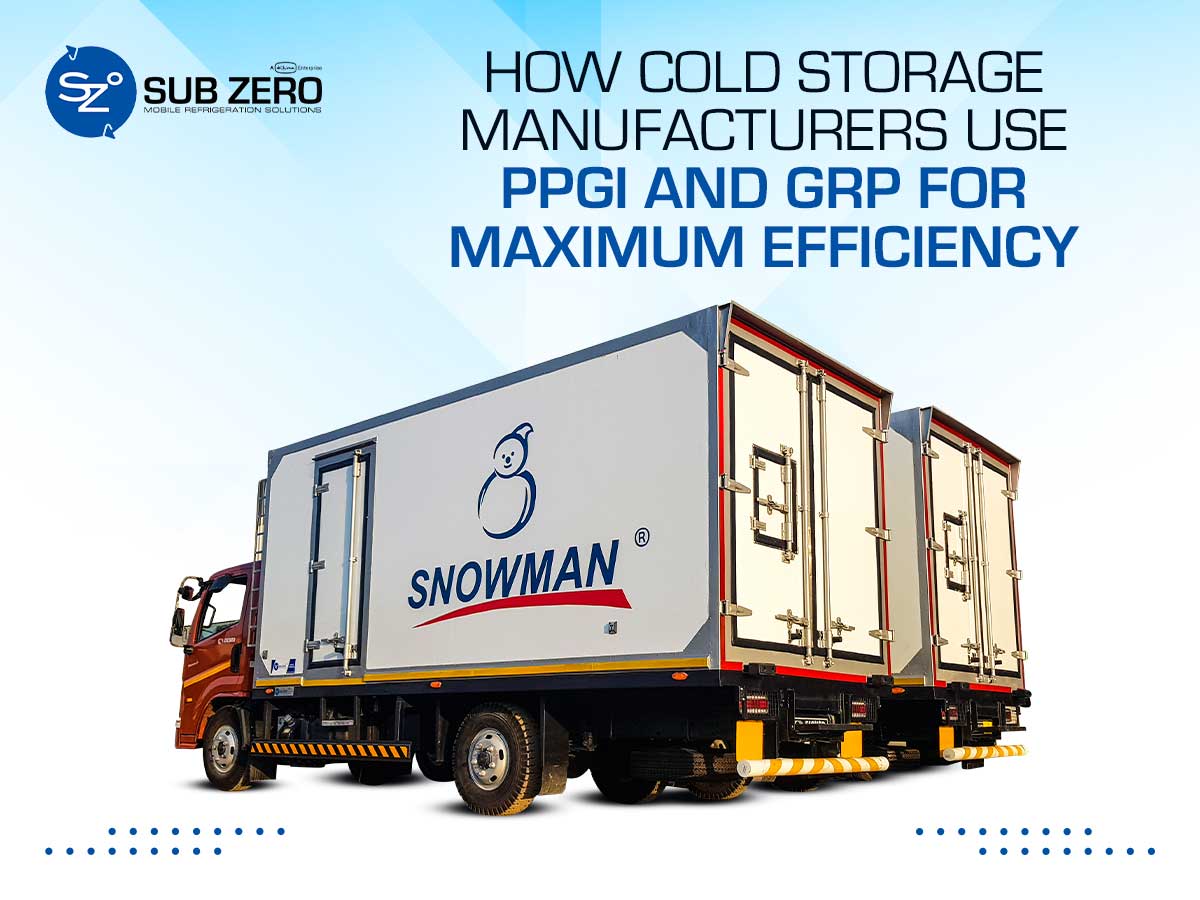
PPGI and GRP materials are game-changing solutions for durable, efficient cold storage systems in refrigerated transport.

Polyurethane foam is essential for maintaining proper temperatures in refrigerated transport vehicles across India.
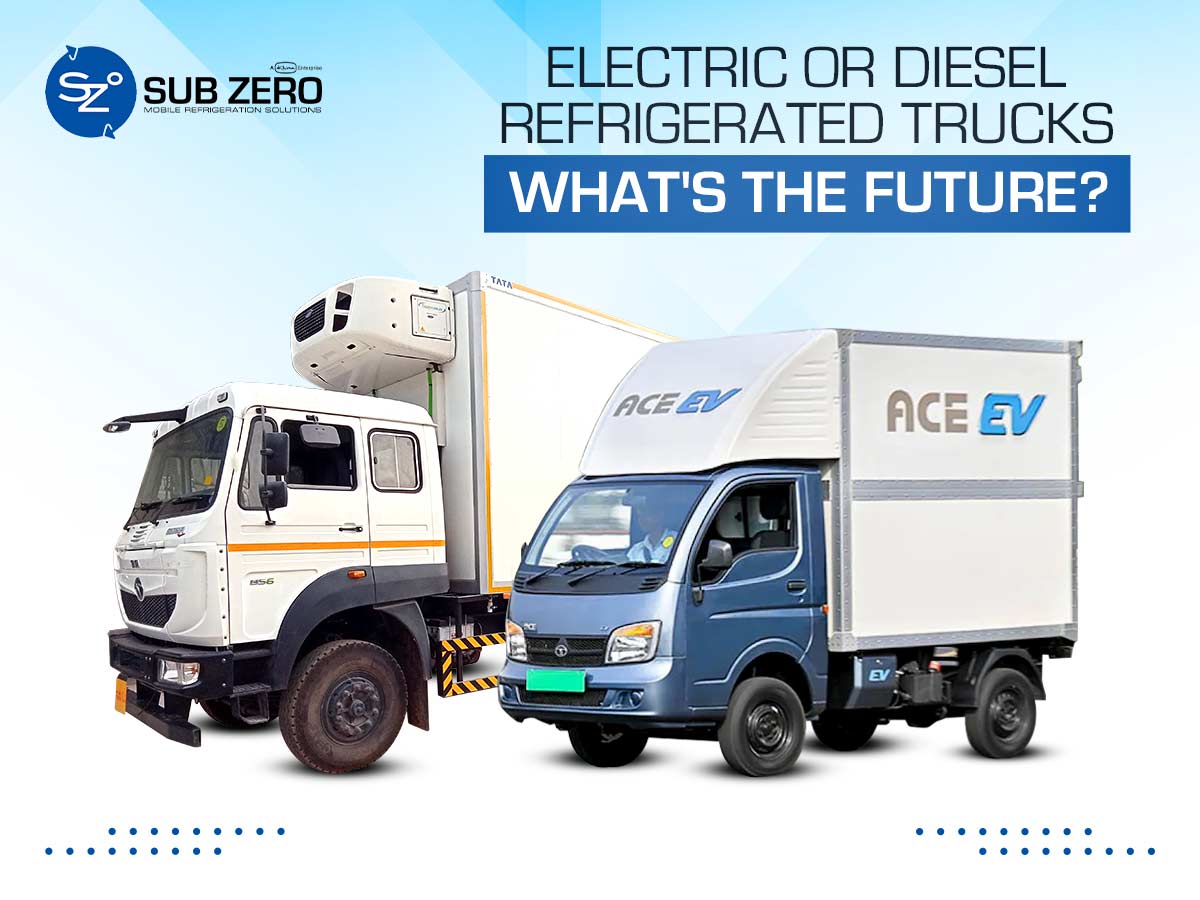
Exploring fuel options for refrigerated trucks amid growing demand in India's temperature-controlled logistics sector.
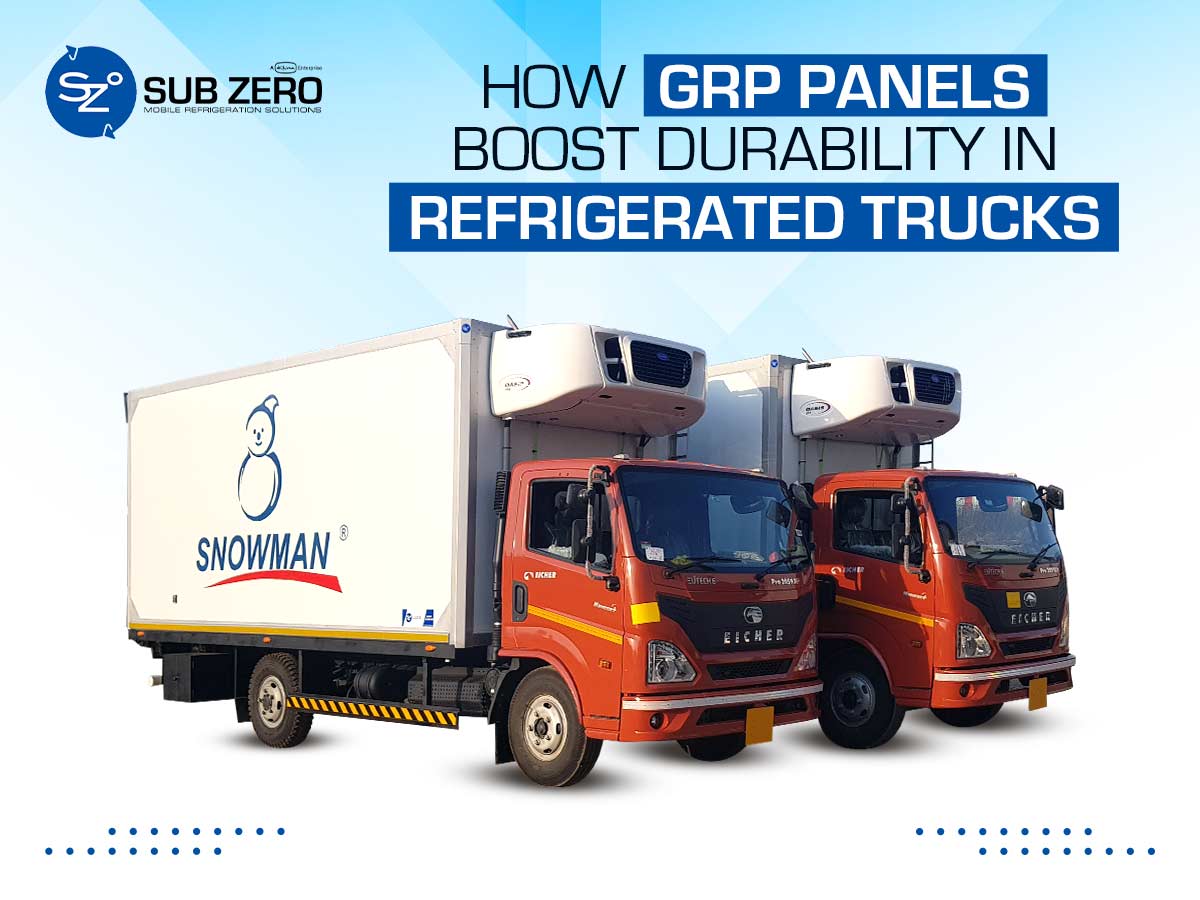
Refrigerated trucks have amazing demand in the marketplace for moving temperature-sensitive goods safely with GRP panels.
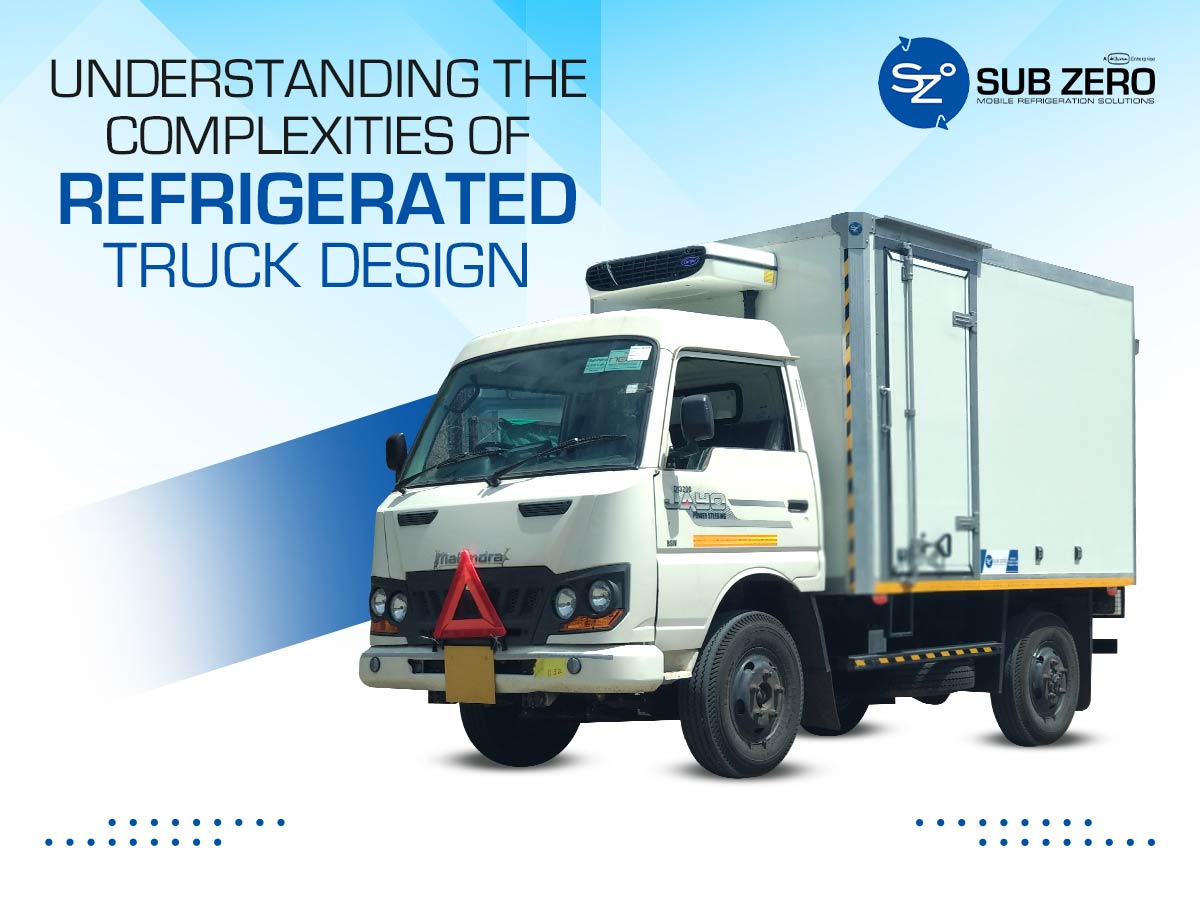
Reefer trucks play an essential role in transporting perishable goods while maintaining quality and safety across long distances.
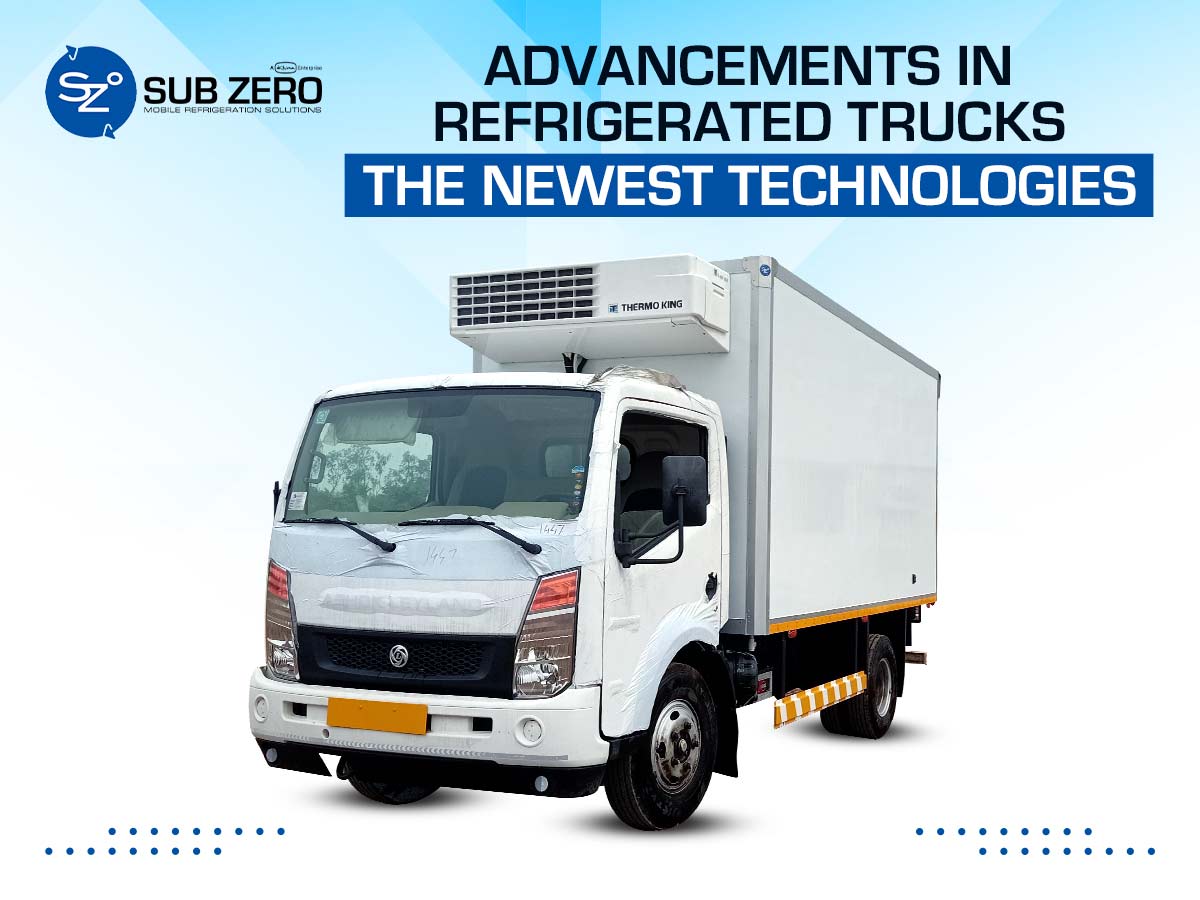
Significant advancements in refrigerated truck technology are transforming transport of food, medicines, and temperature-sensitive products.
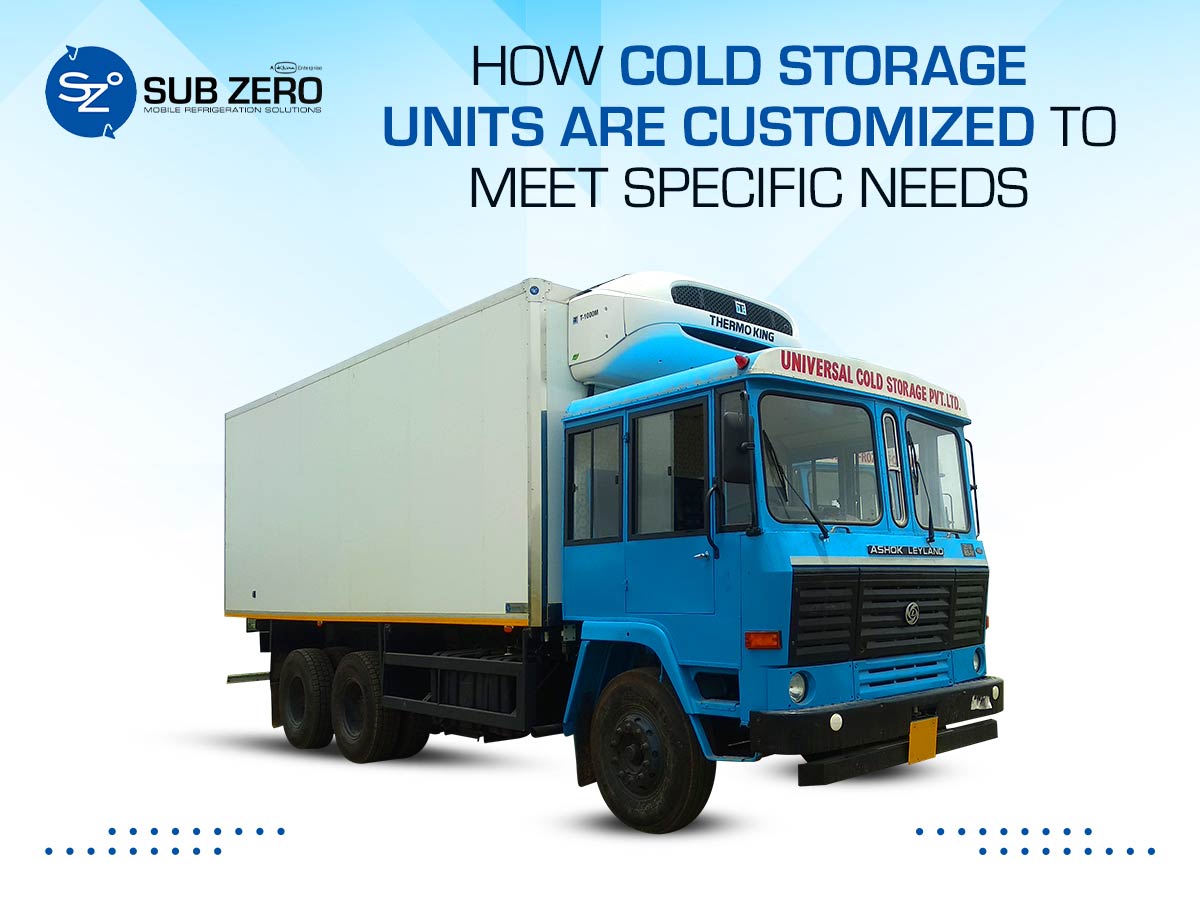
Cold storage manufacturers customize units for different industries requiring specific temperature preservation solutions.
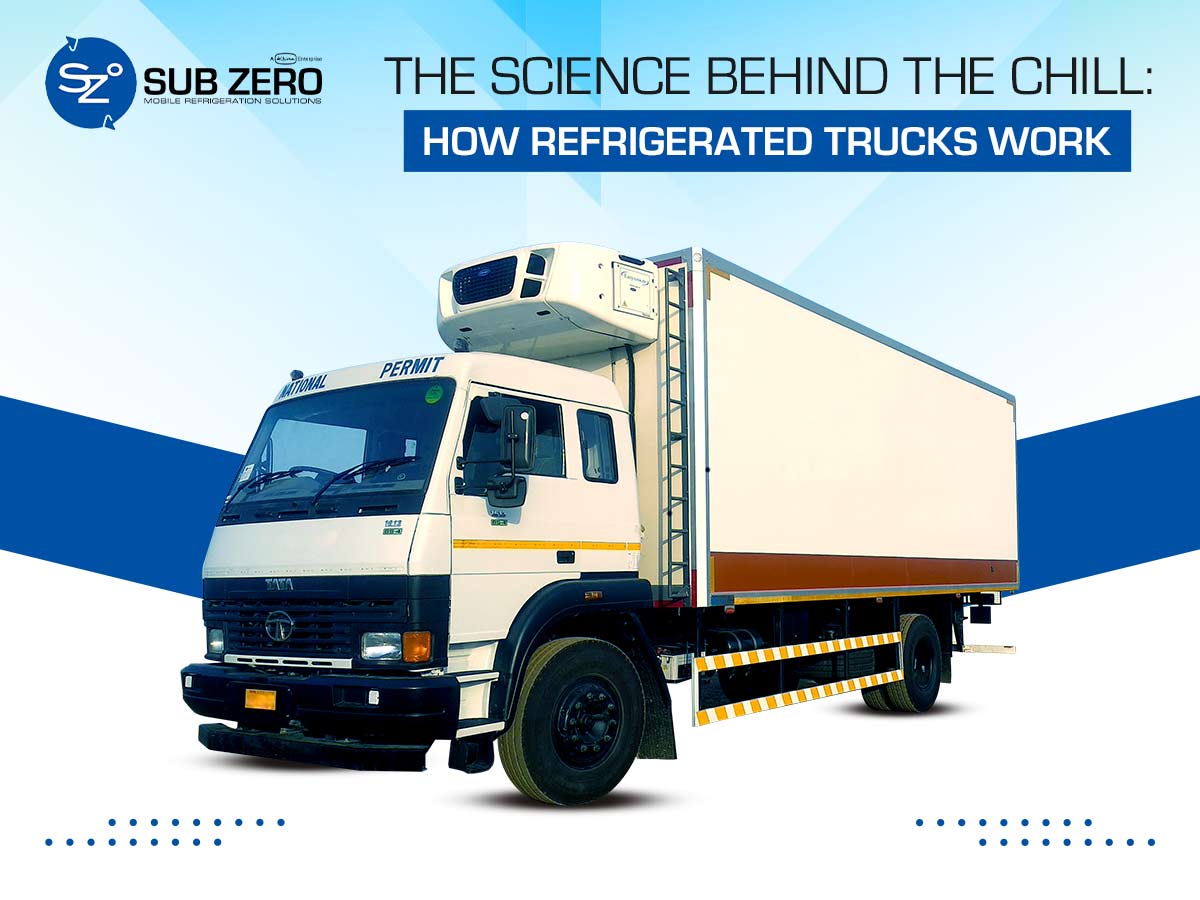
Advanced cooling systems in reefer trucks ensure perishable goods arrive in perfect condition during transit.
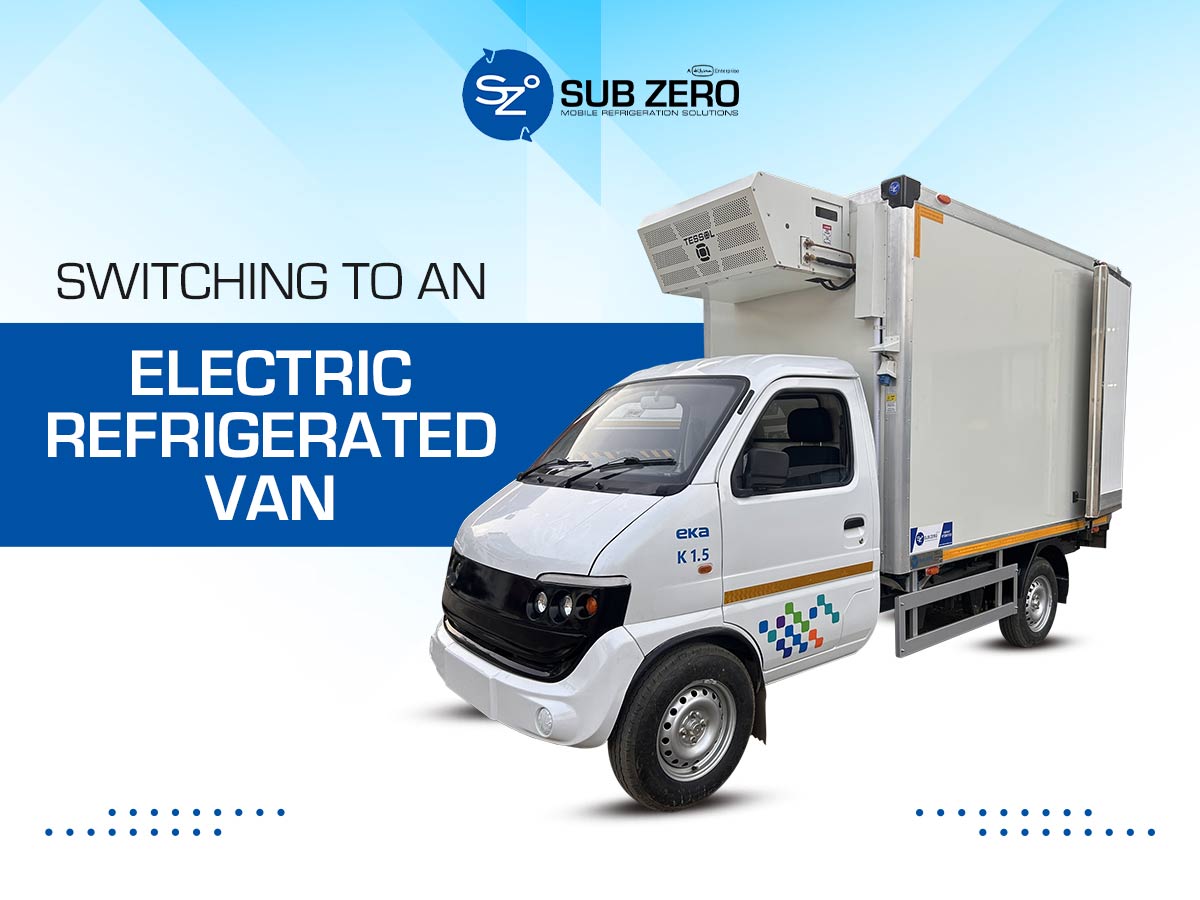
The transition from diesel-powered cooling trucks to electric vans offers sustainability and operational efficiency improvements.
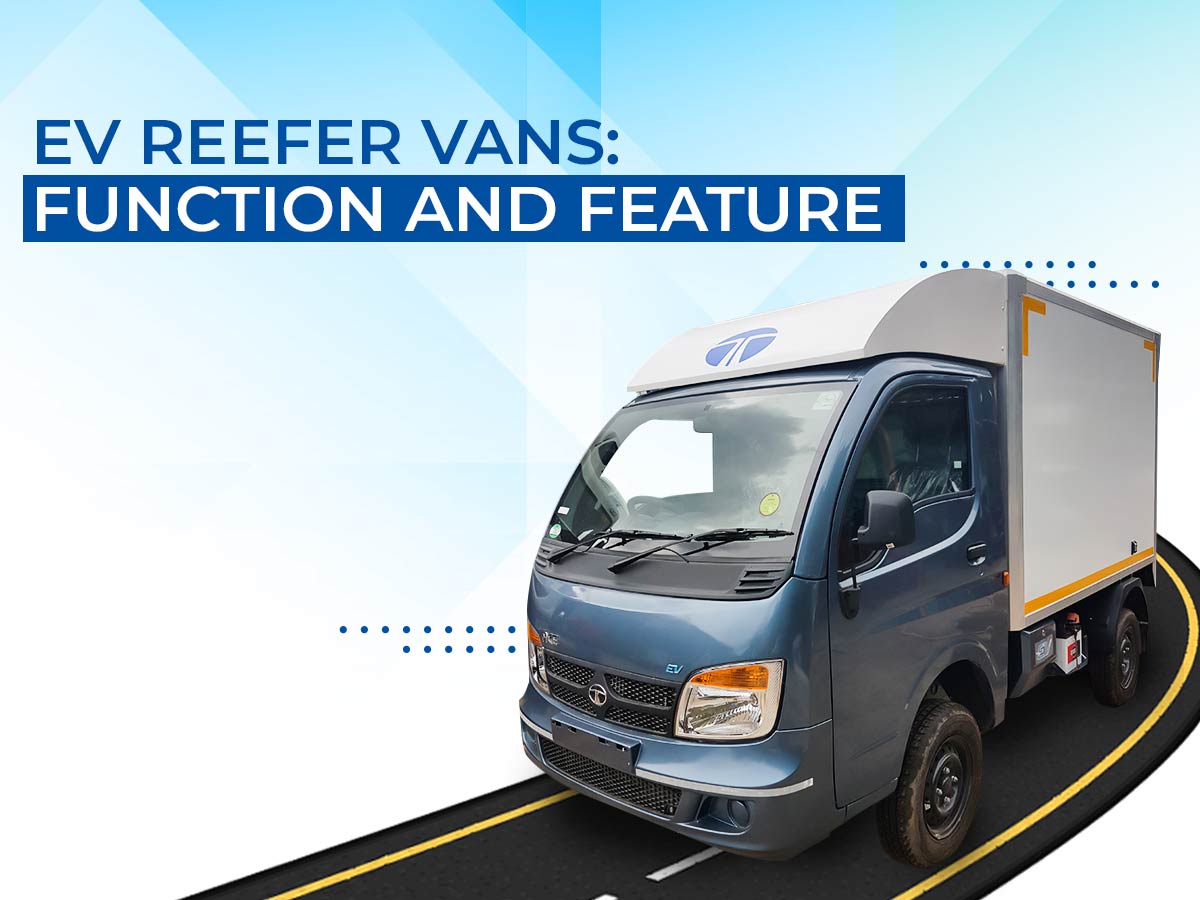
Specialized electric vehicles designed to transport temperature-sensitive products with consistent cooling capabilities.
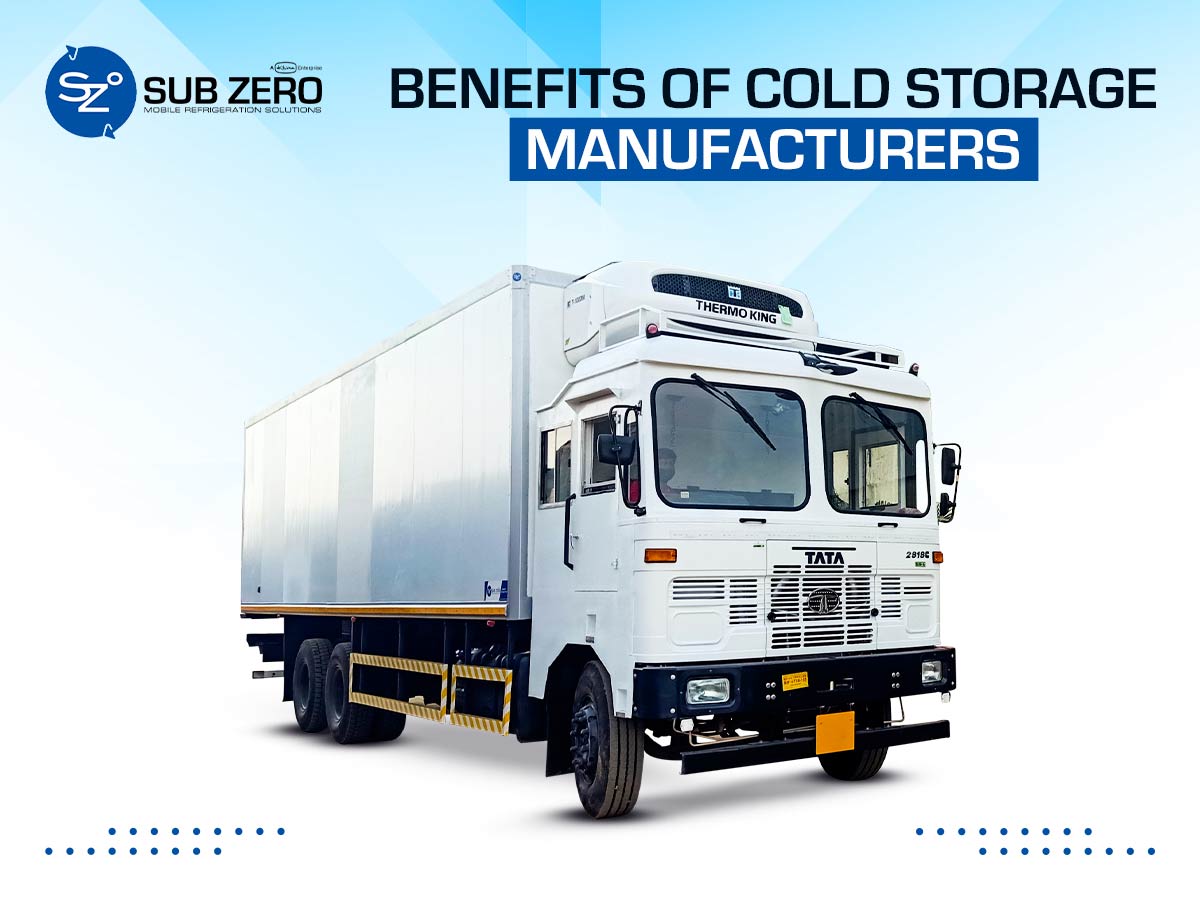
Partnering with dependable cold storage providers ensures perishable goods quality throughout the supply chain.
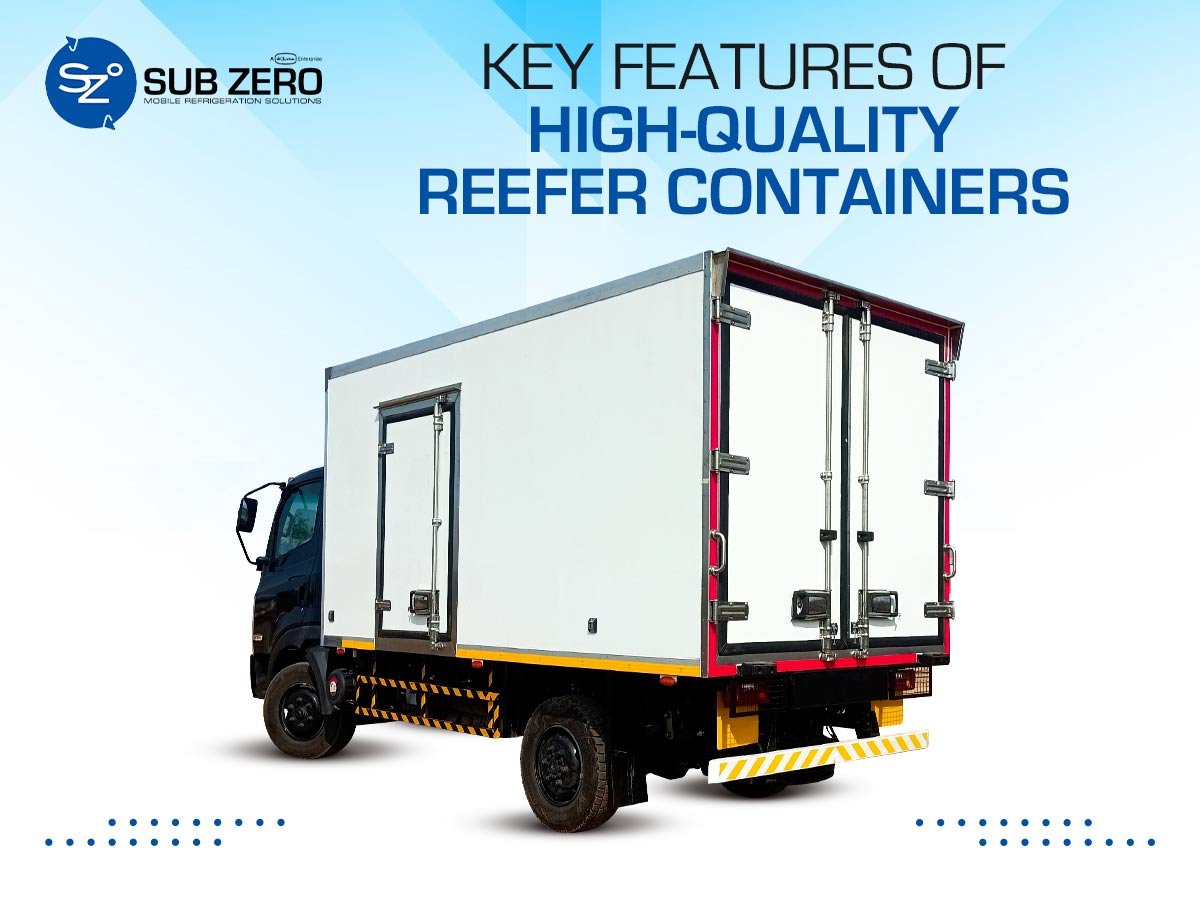
Essential characteristics of reefer containers suited for India's climate when transporting temperature-sensitive goods.
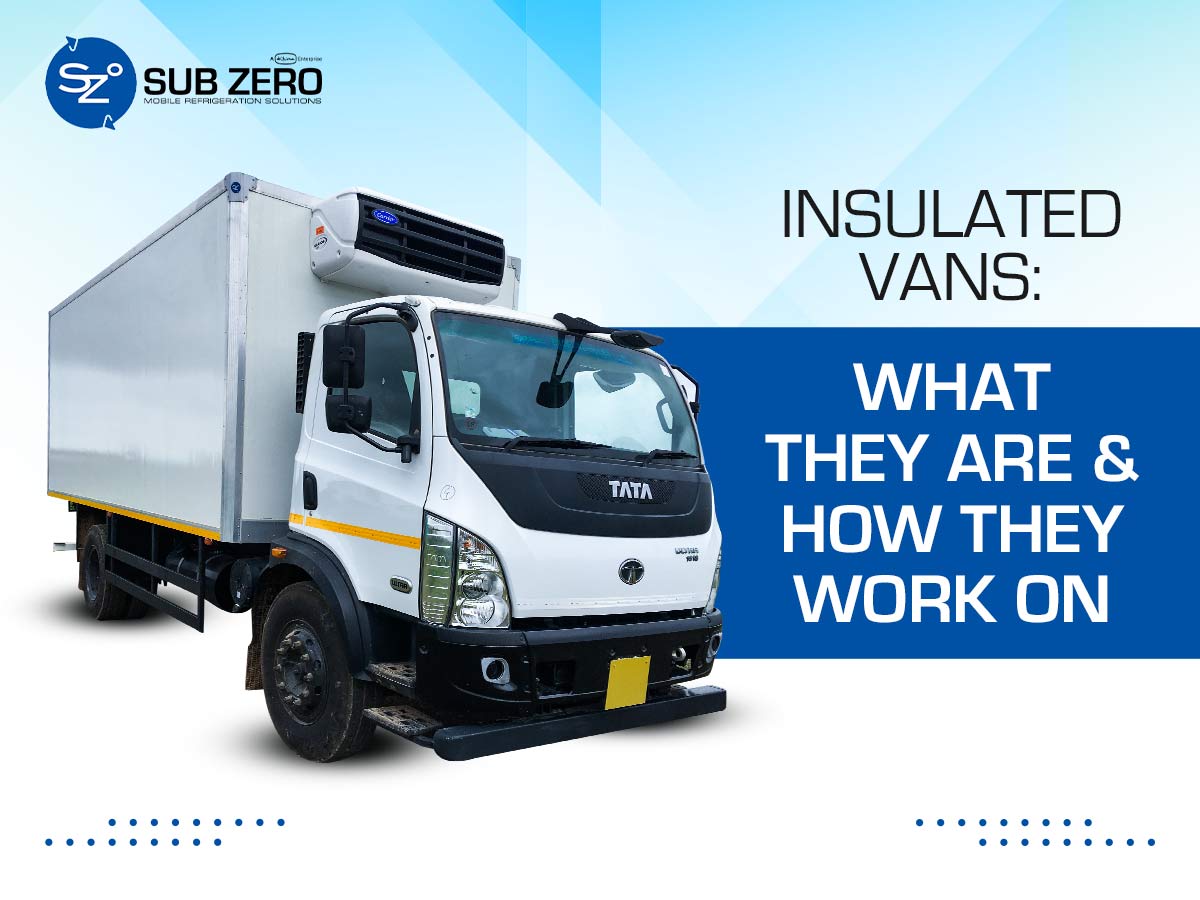
Insulated vans are vital in transportation, especially when moving perishable goods. They stabilize interior temperature effectively.

Refrigerated trucks maintain a cool temperature to keep food and medicine fresh during transport. Learn best practices.

Reefer storage containers are essential in the cold chain logistics industry, designed to transport temperature-sensitive goods.
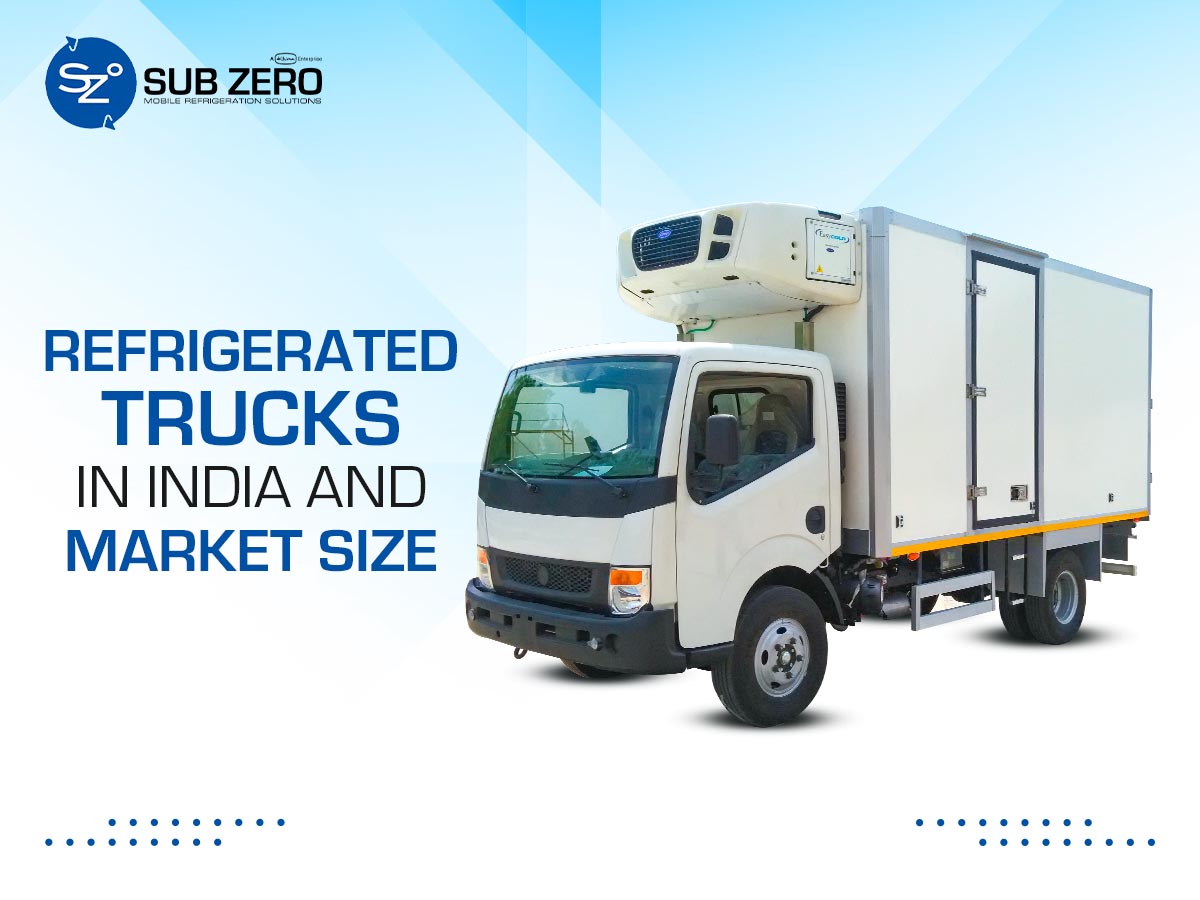
Refrigerated trucks are crucial in transporting perishable goods across India, ensuring products reach their destination fresh.
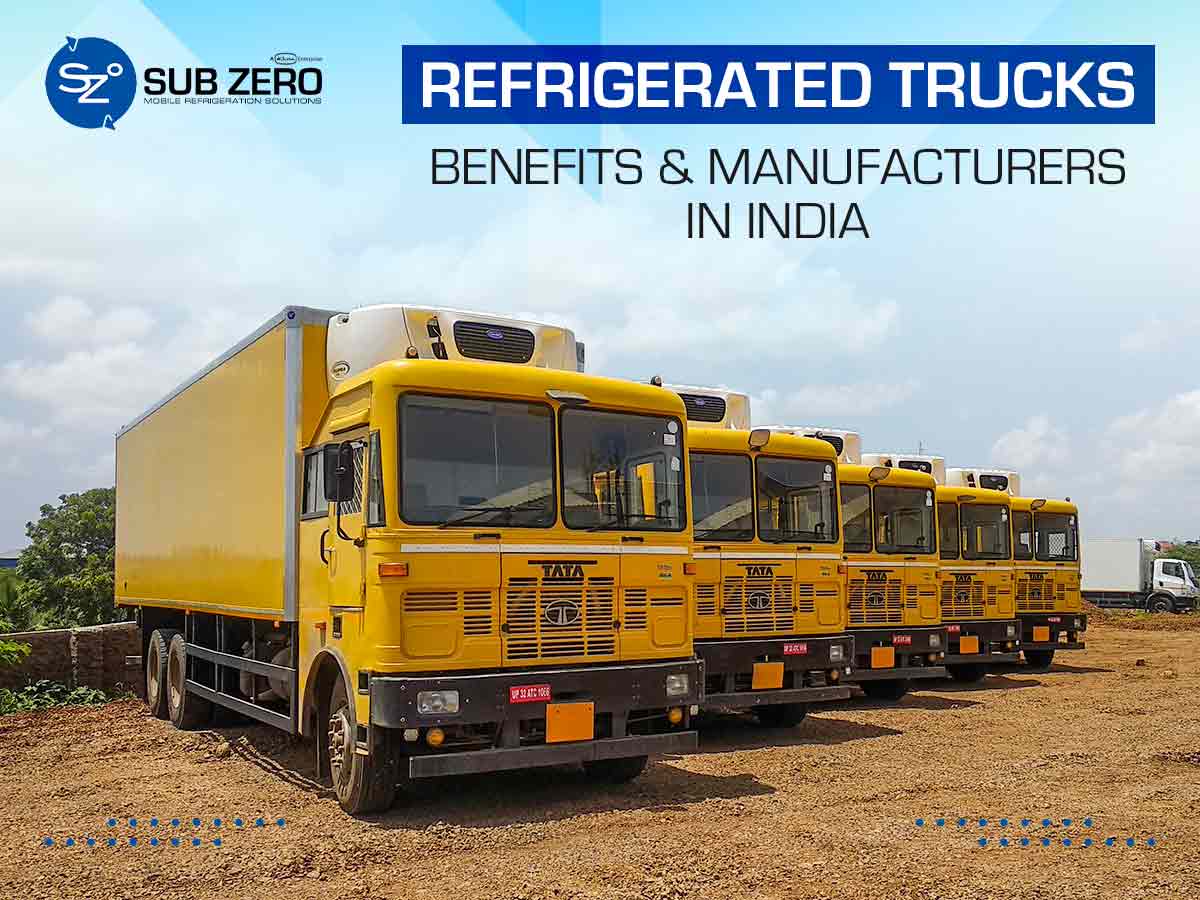
Safe transportation of perishable goods is a top priority. Refrigerated trucks ensure items arrive in perfect condition.
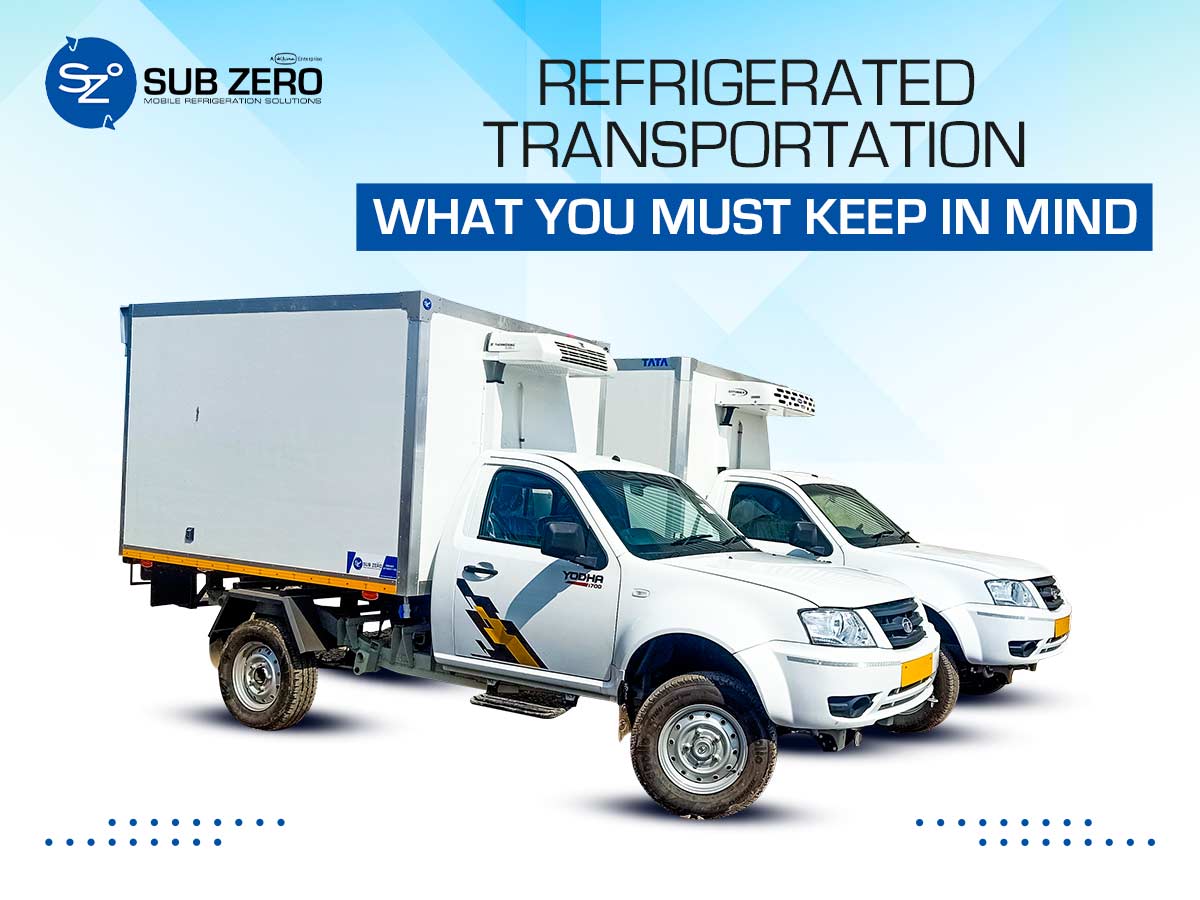
Refrigerated transportation is crucial for many industries in India, ensuring that perishable goods arrive in perfect condition.

Cold storage manufacturers play a crucial role in food, pharmaceuticals, and biotechnology industries. Learn how cold storage works.
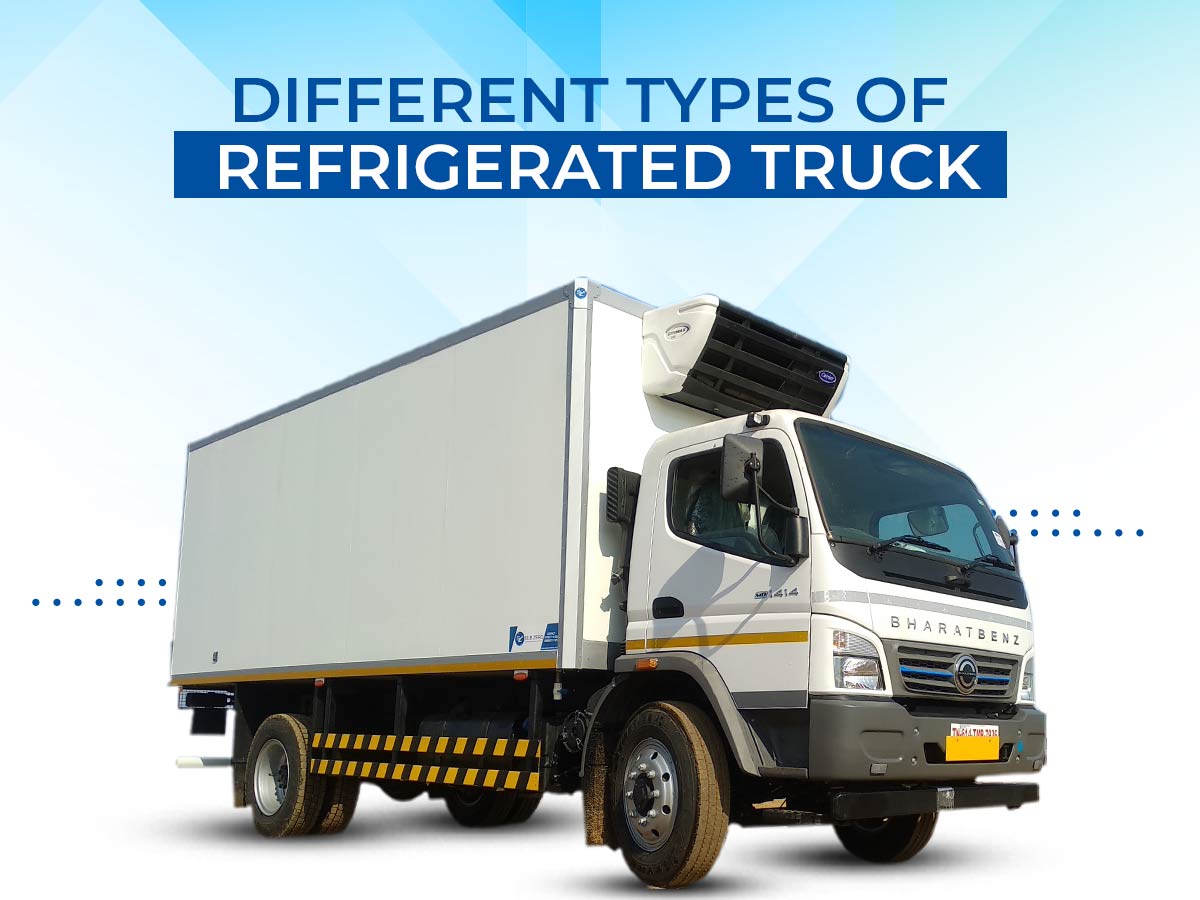
Refrigerated trucks are essential for transporting perishable goods, ensuring food, pharmaceuticals, and other items remain fresh and safe.
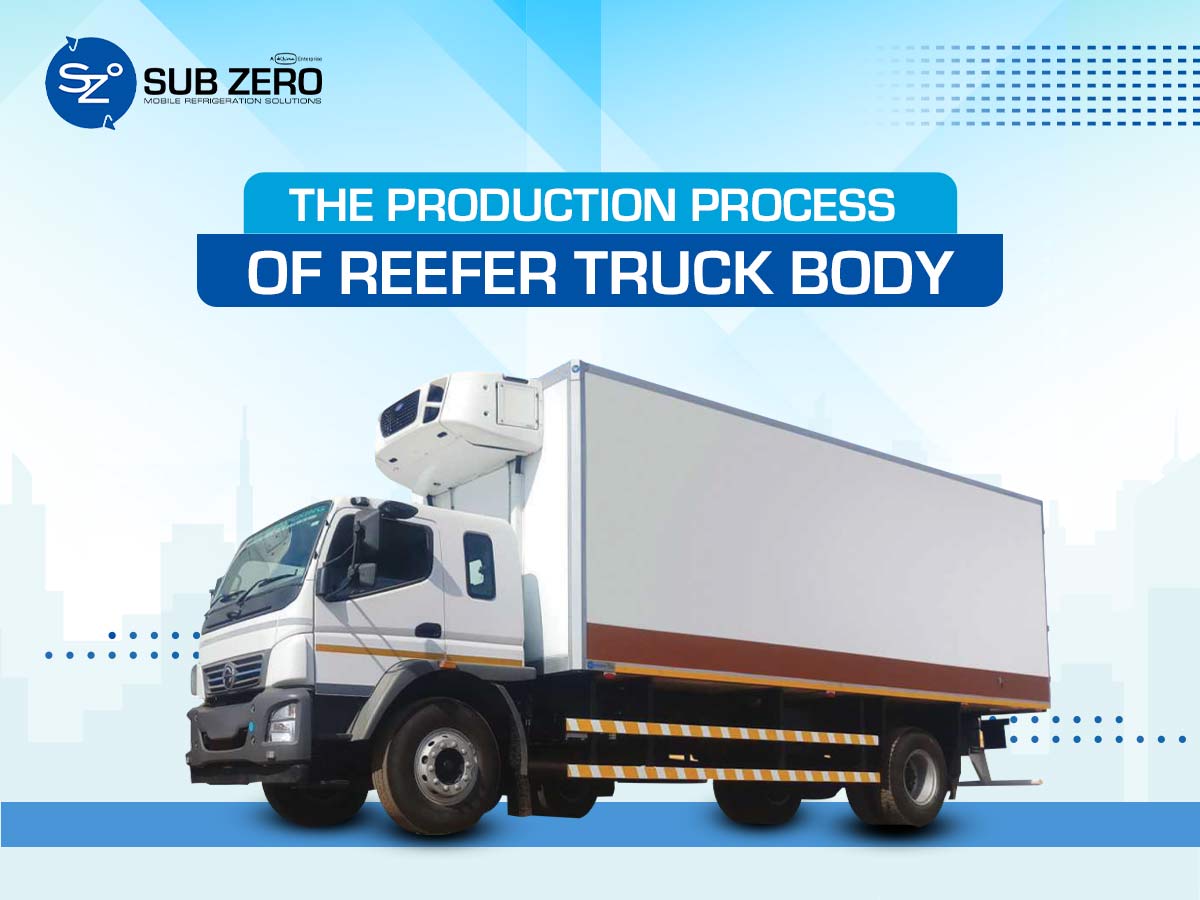
Reefer trucks are crucial in transporting perishable goods while keeping them fresh and safe through specialized body construction.
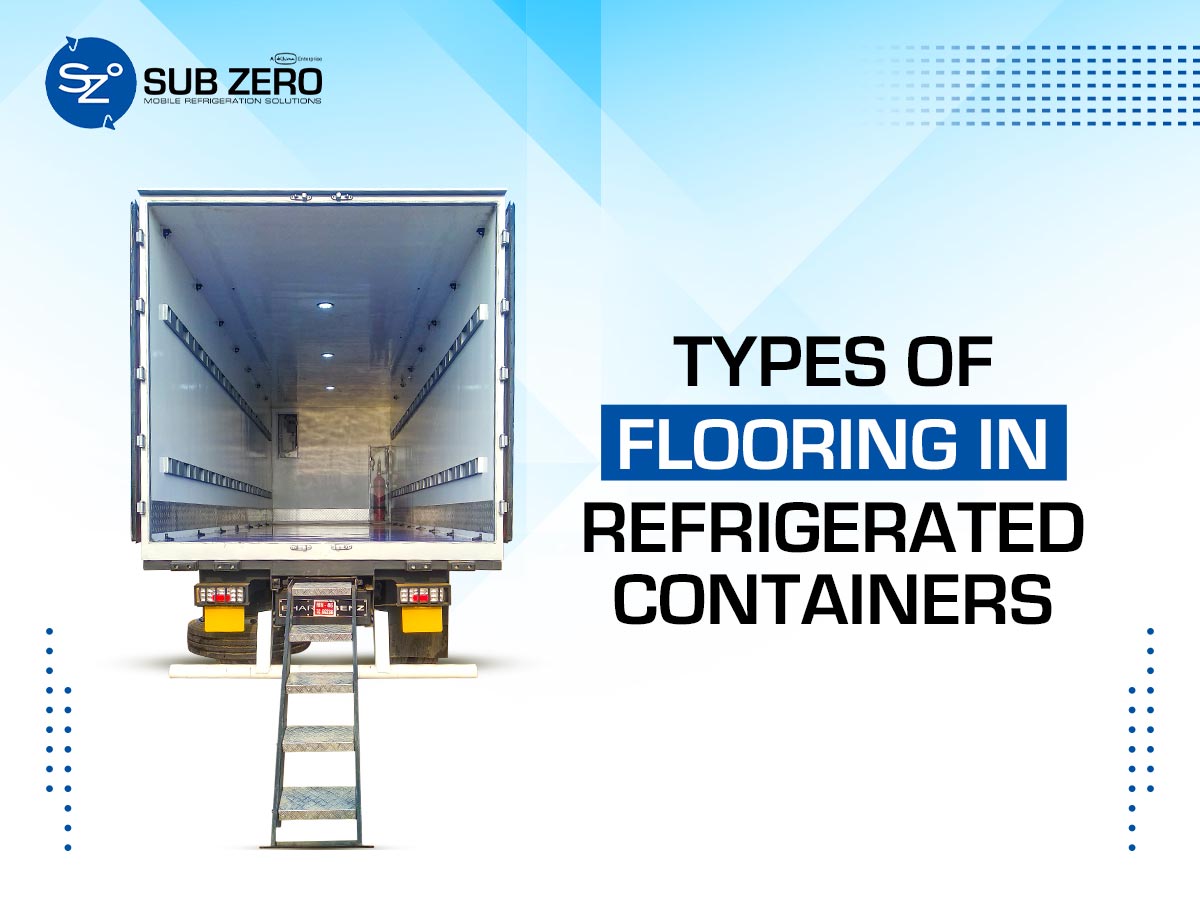
Refrigerated containers are guardians of your perishable goods during long-distance transportation. Flooring choice matters.
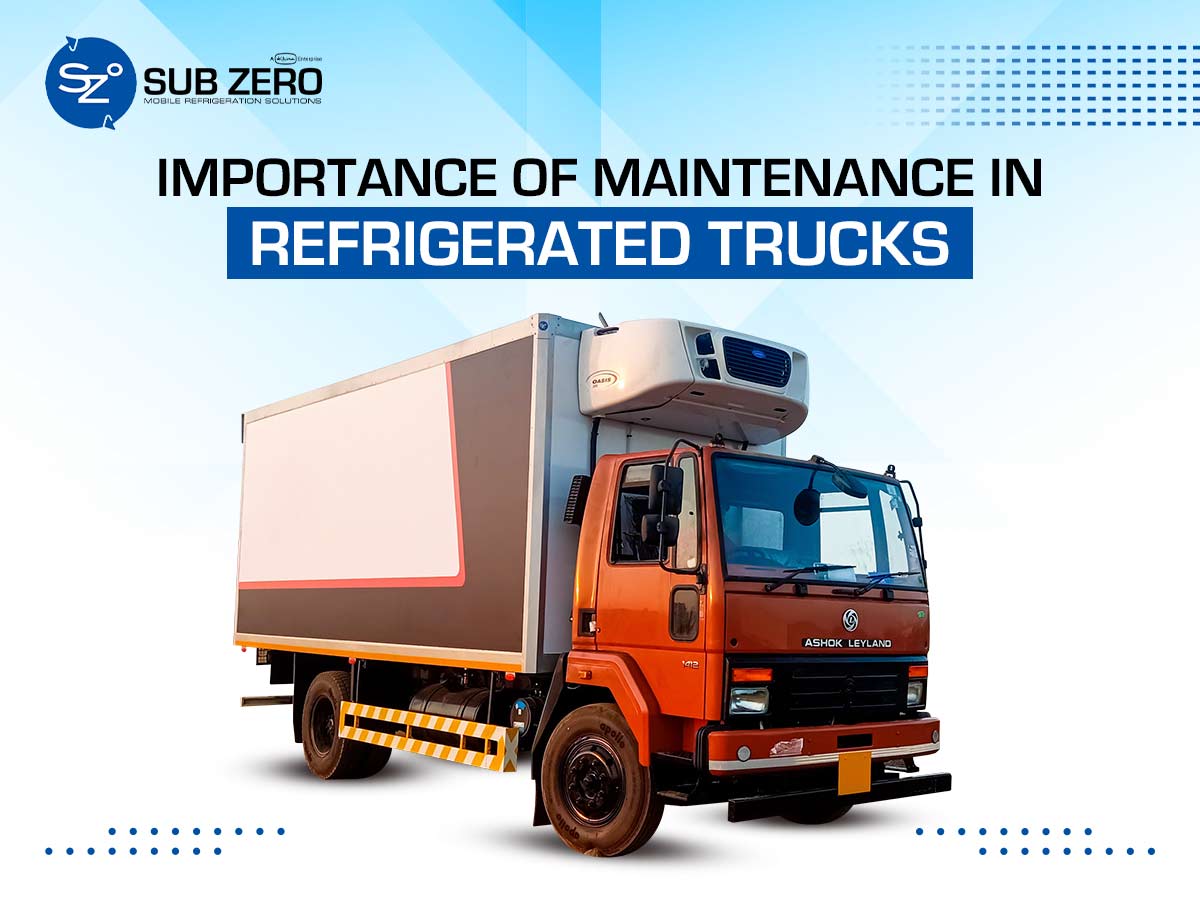
Refrigerated trucks, containers, and insulated vans are essential in cold chain logistics. Proper maintenance ensures optimal conditions.
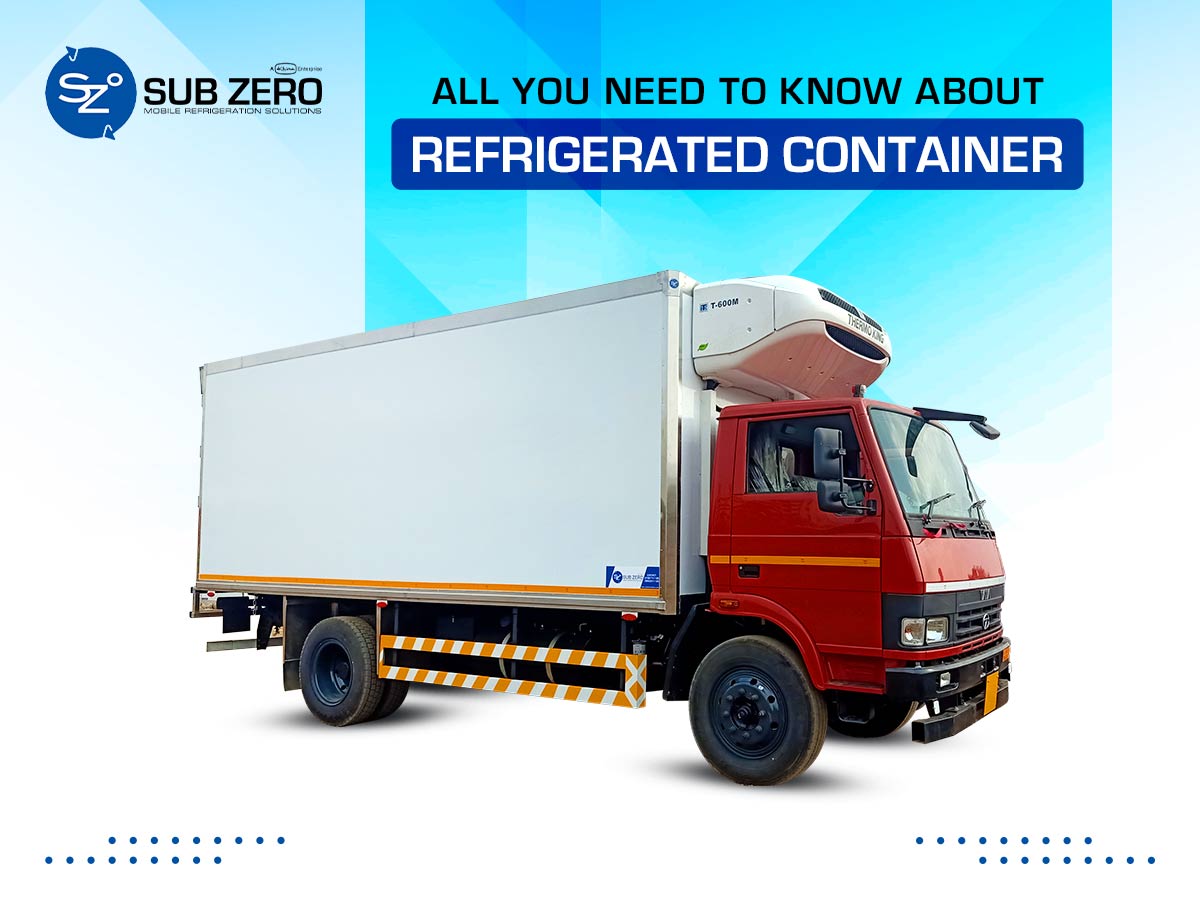
A comprehensive guide covering reefer containers, their manufacturers, availability in India, and essential information.

Refrigerated vans play an important role in India's logistics sector for transporting perishables including fruits, vegetables, and dairy.

The cold chain concept is essential for maintaining proper temperatures during transport of perishable goods and medicines.
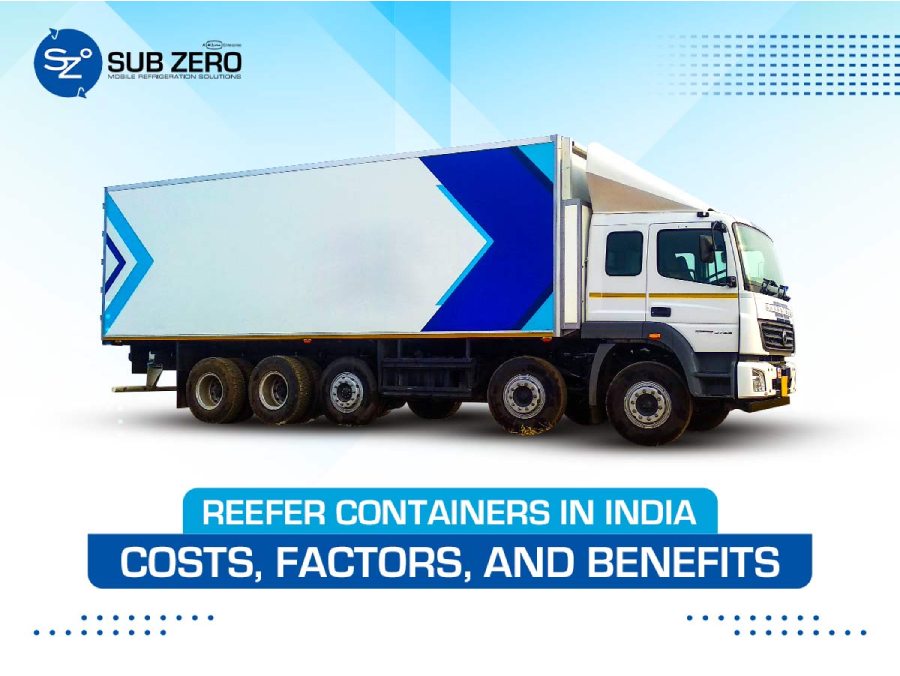
Reefer container specifications, pricing information, and advantages for transporting temperature-sensitive goods in India.
Refrigerated container design, refrigeration units, and their critical role in maintaining quality for food and pharmaceutical products.
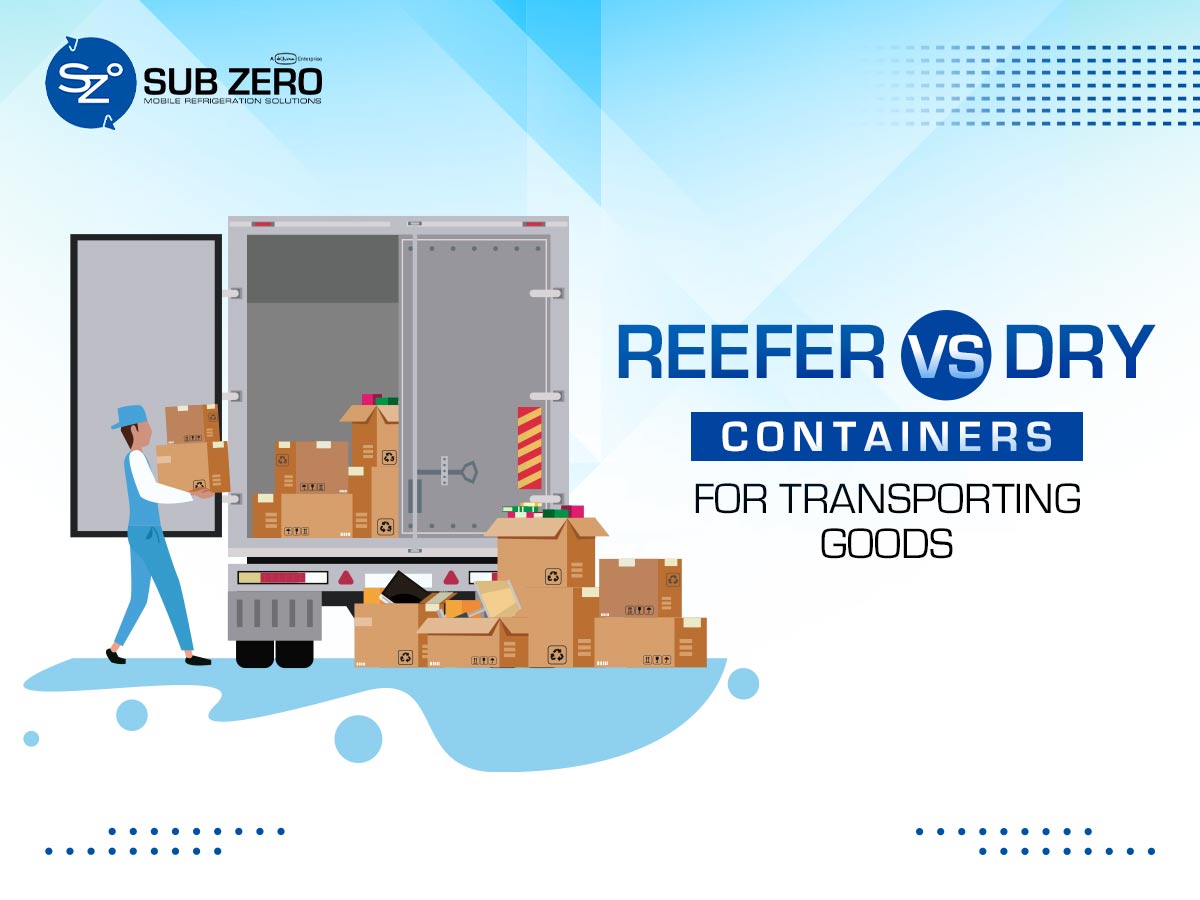
A comparative analysis of reefer and dry truck advantages, helping determine which container type best suits specific cargo needs.
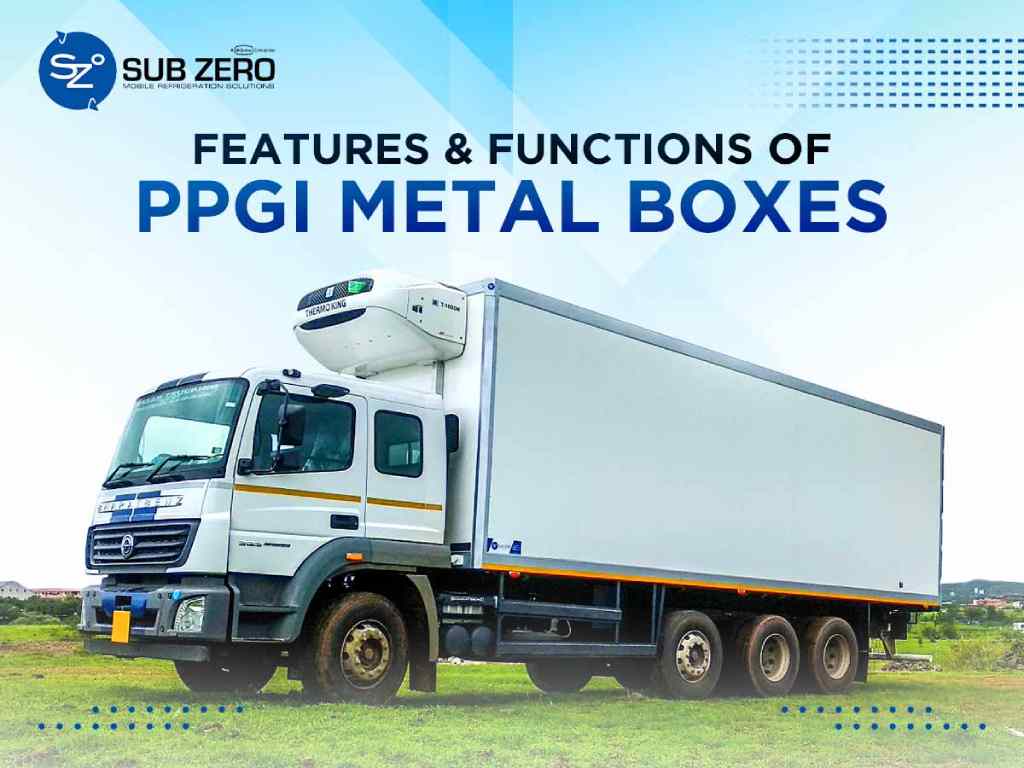
Prepainted galvanized iron container durability, versatility, and applications in refrigerated transportation and construction.
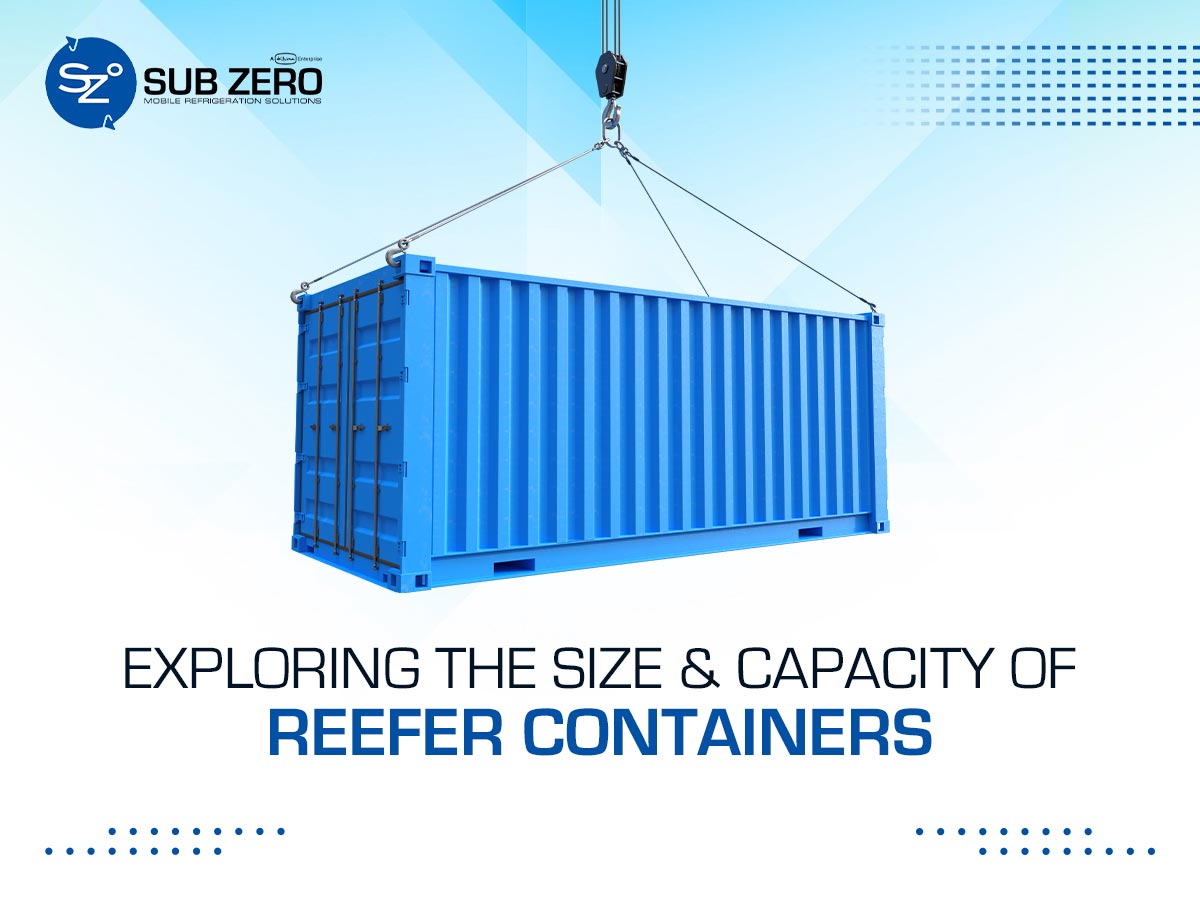
A comprehensive reference covering refrigerated container dimensions, capabilities, and specifications for perishable goods.
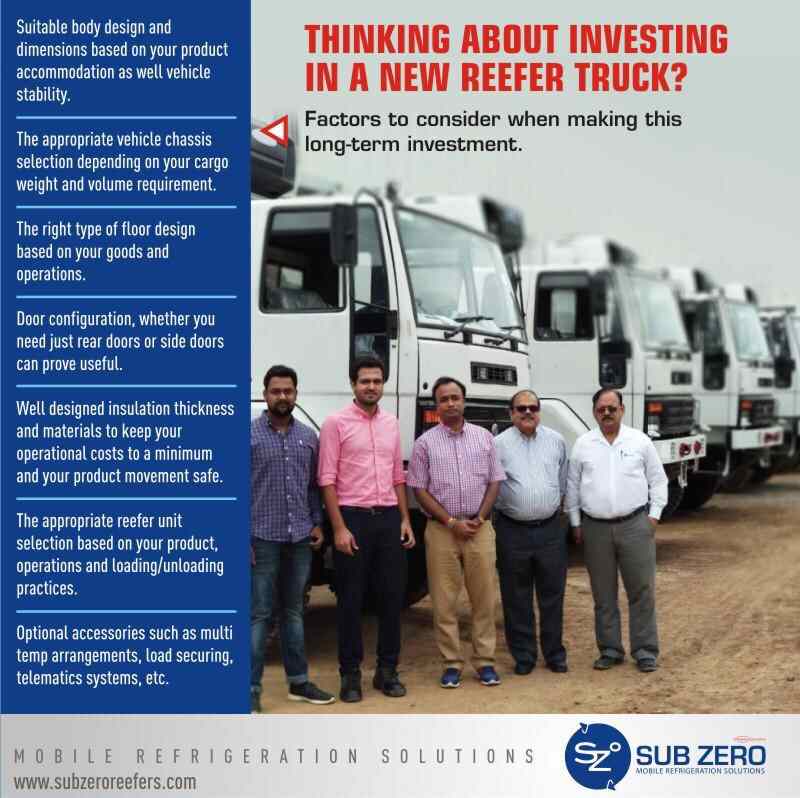
Guidance on purchasing decisions for reefer trucks, including budget considerations, model selection, and quality evaluation.
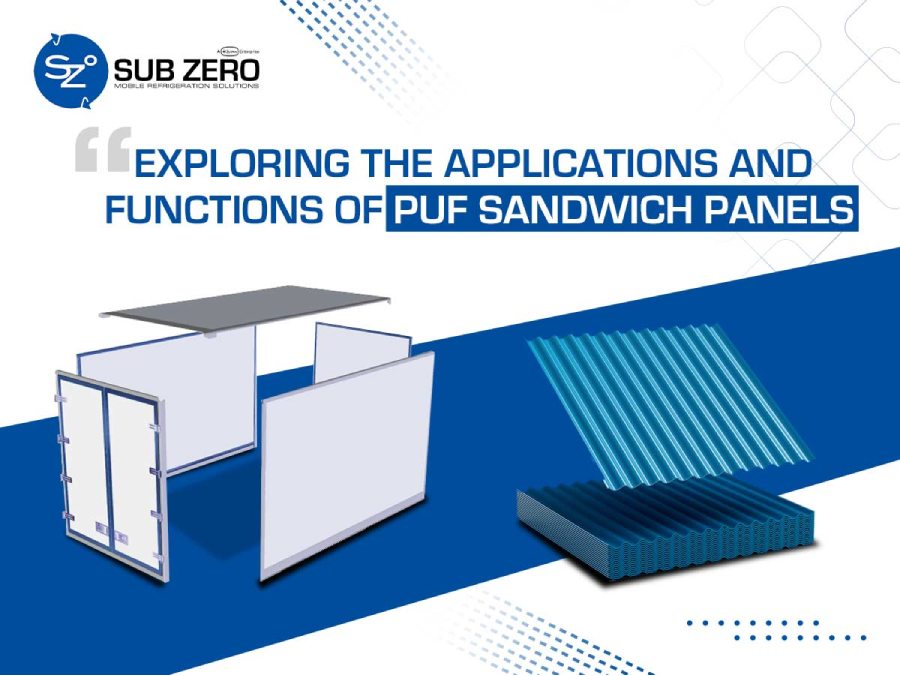
Polyurethane foam sandwich panel innovation across aerospace, automotive, and construction industries for insulation.
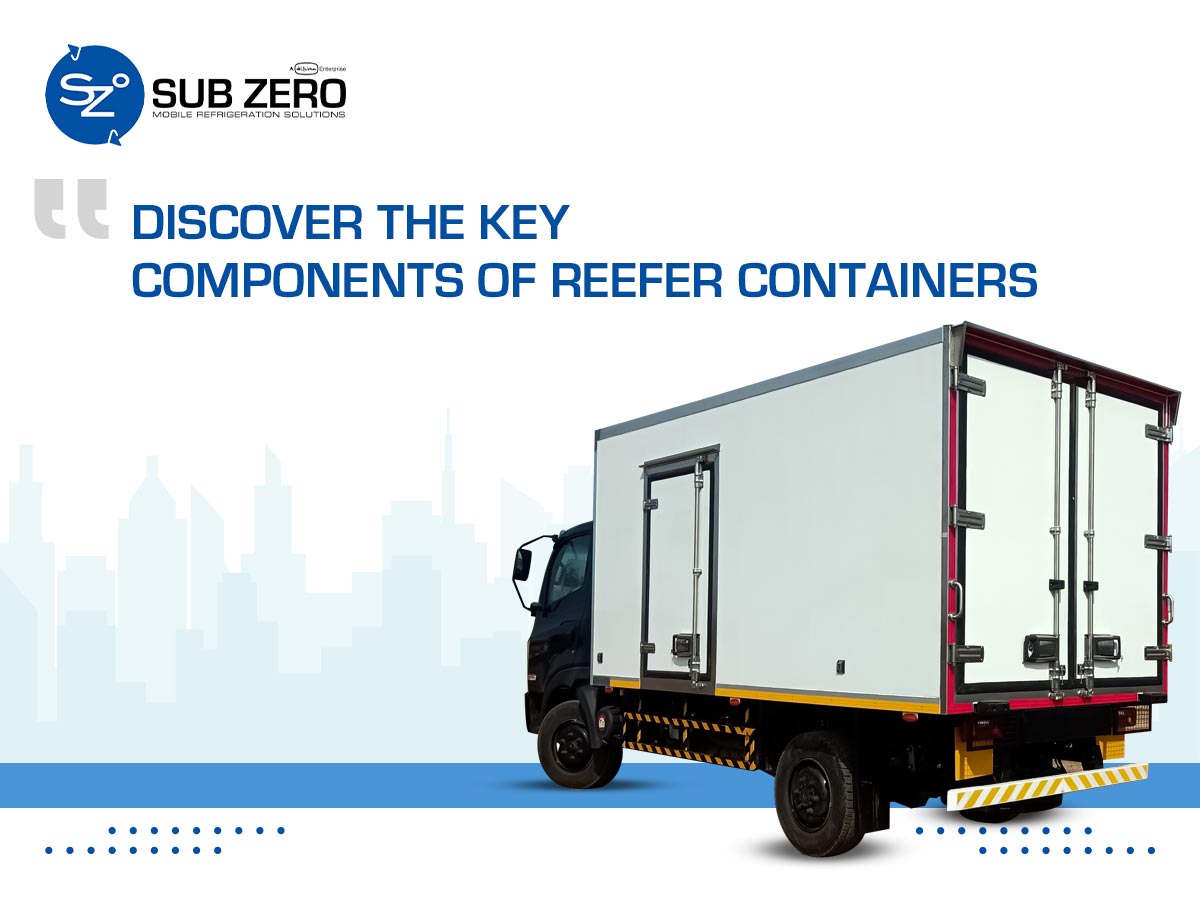
Reefer containers are essential to the global supply chain for delivering perishable goods including fruits, vegetables, and more.
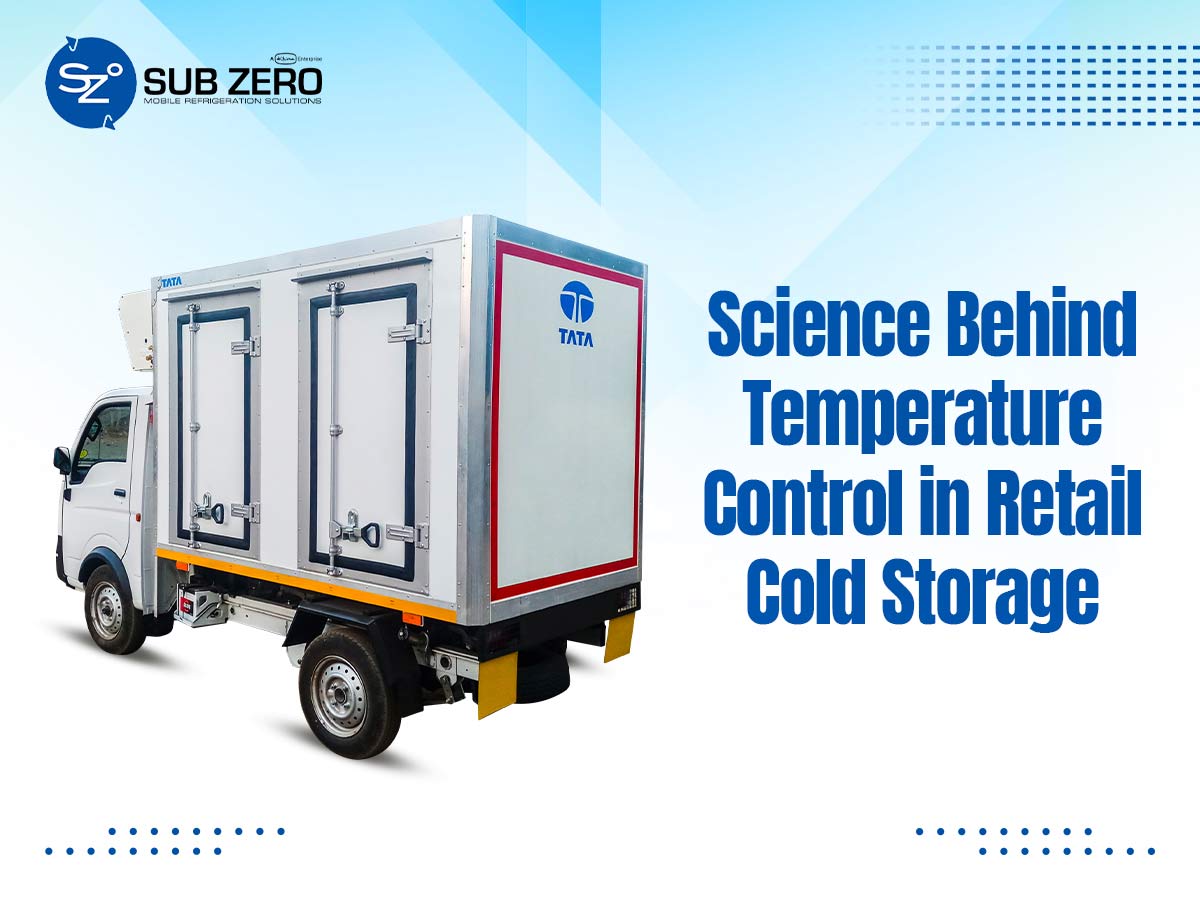
Cold storage systems play a critical role in preserving perishable commodities, including food and medications.

The refrigerated truck industry in India is experiencing notable growth propelled by expanding cold chain logistics.
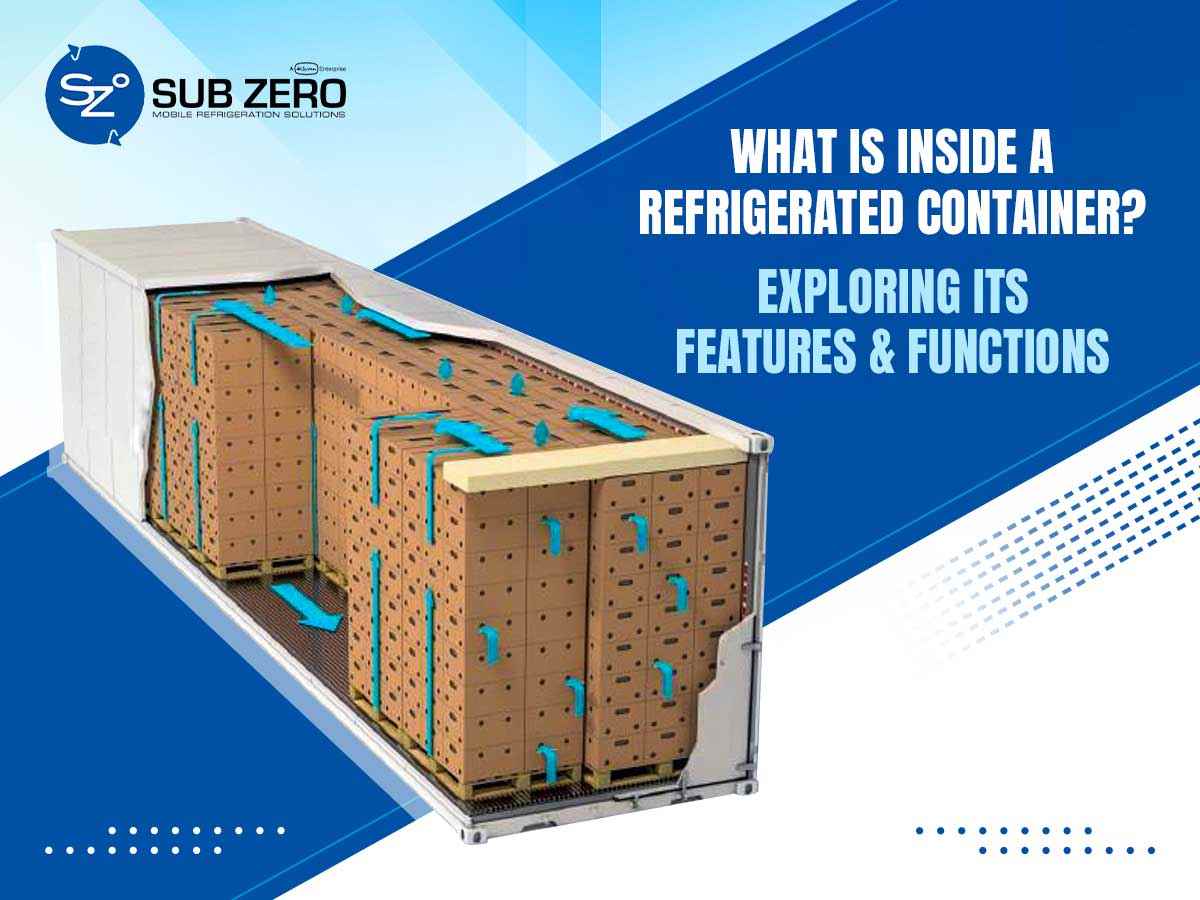
Reefer containers are equipped with microprocessors that digitally record temperature and condition data throughout shipping.
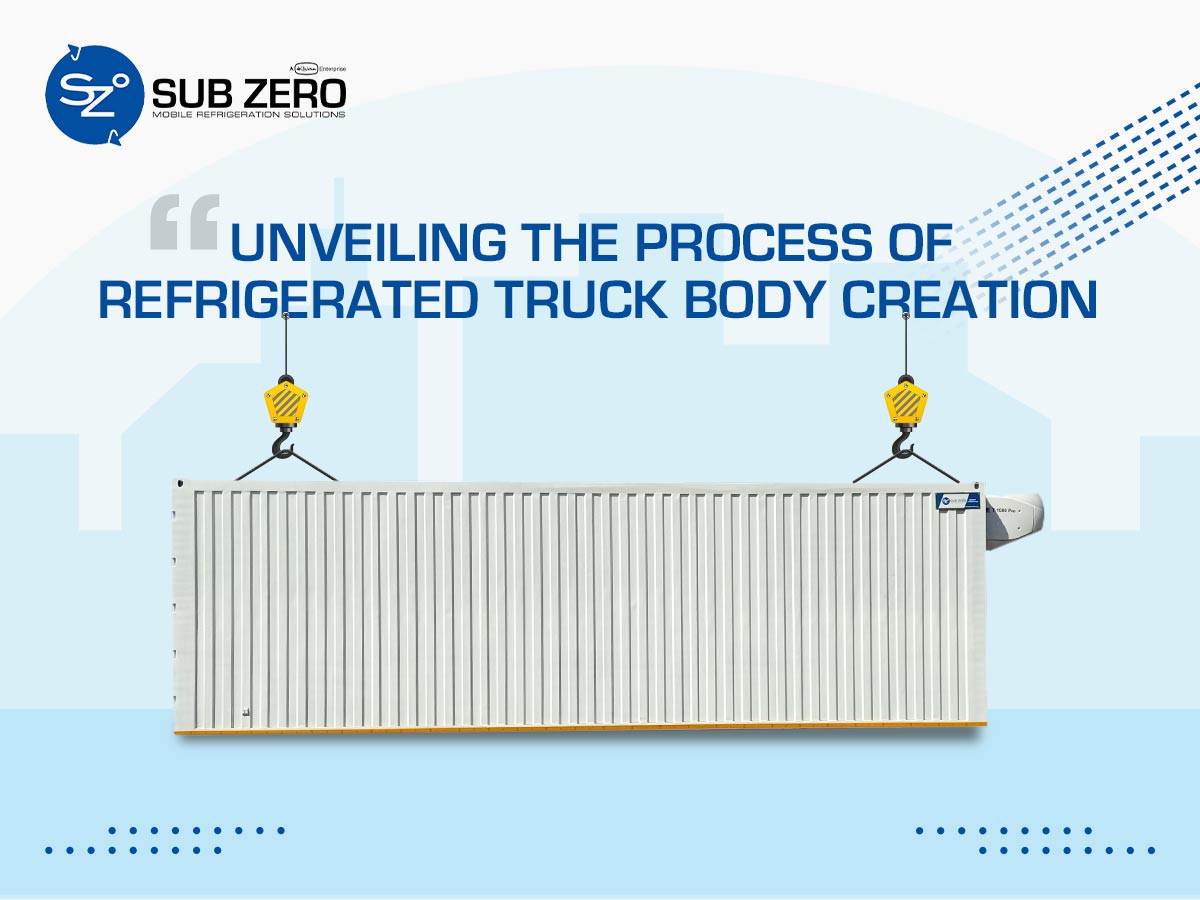
Specialized trucks are needed to protect the quality and safety of perishable goods during transportation.
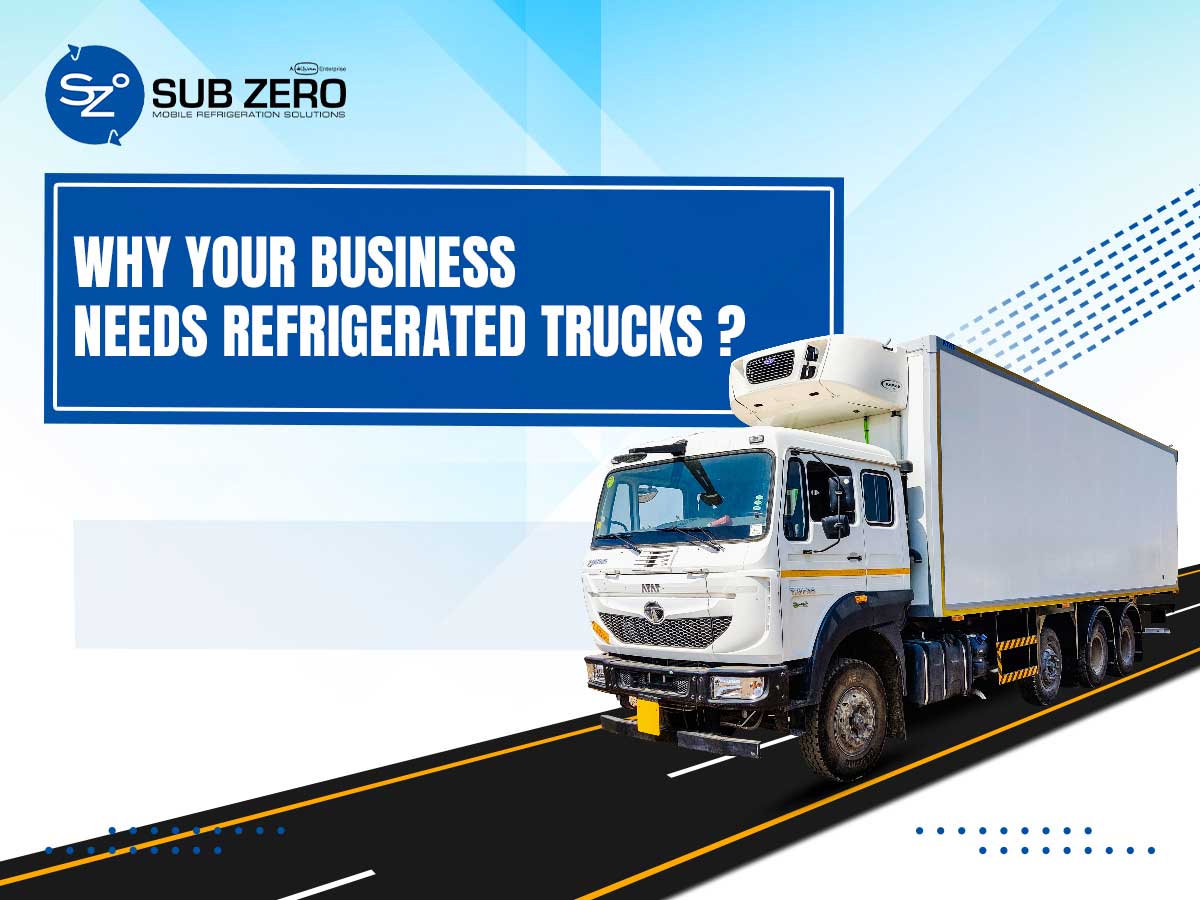
Refrigerated transportation benefits businesses with truck containers designed for optimal cold chain operations.
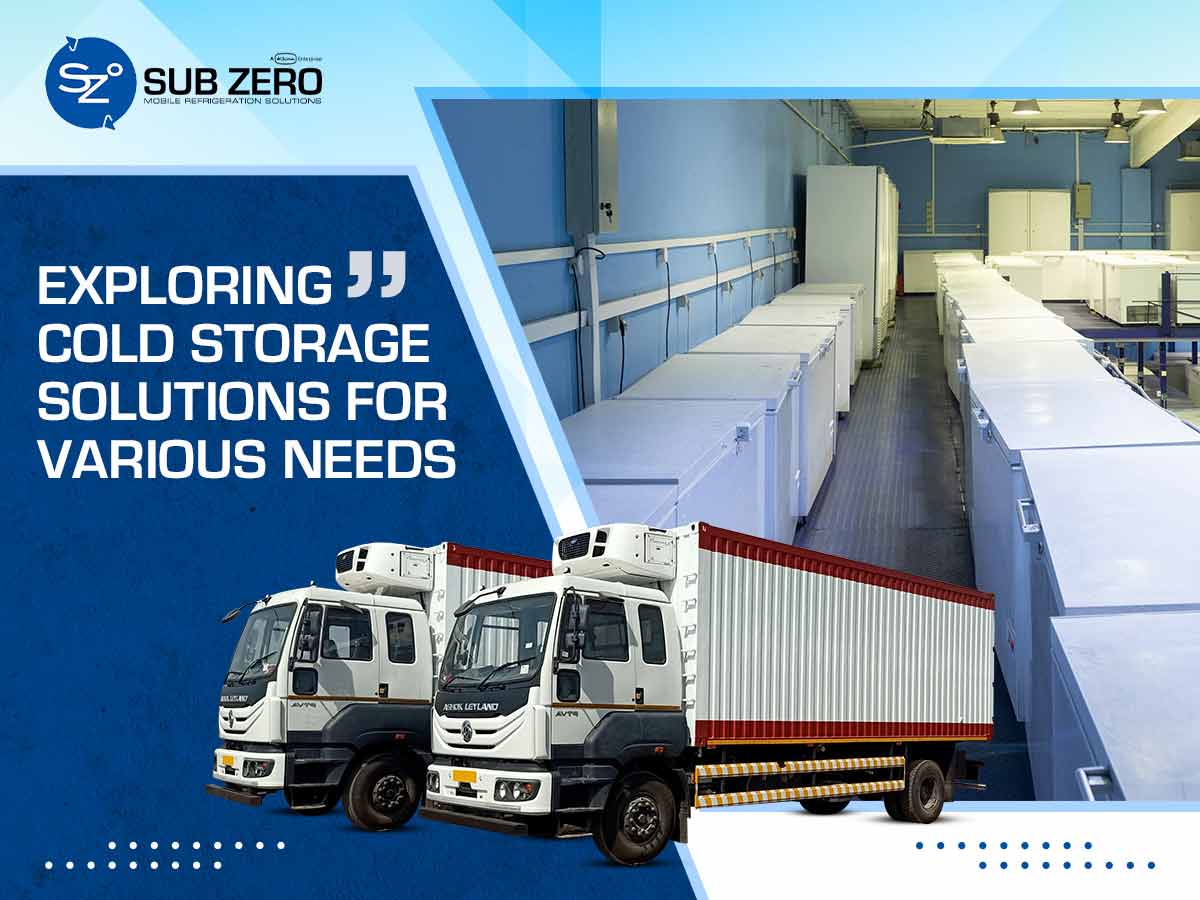
The relevance of refrigerated container systems cannot be overstated given the growing need for perishable goods transport.
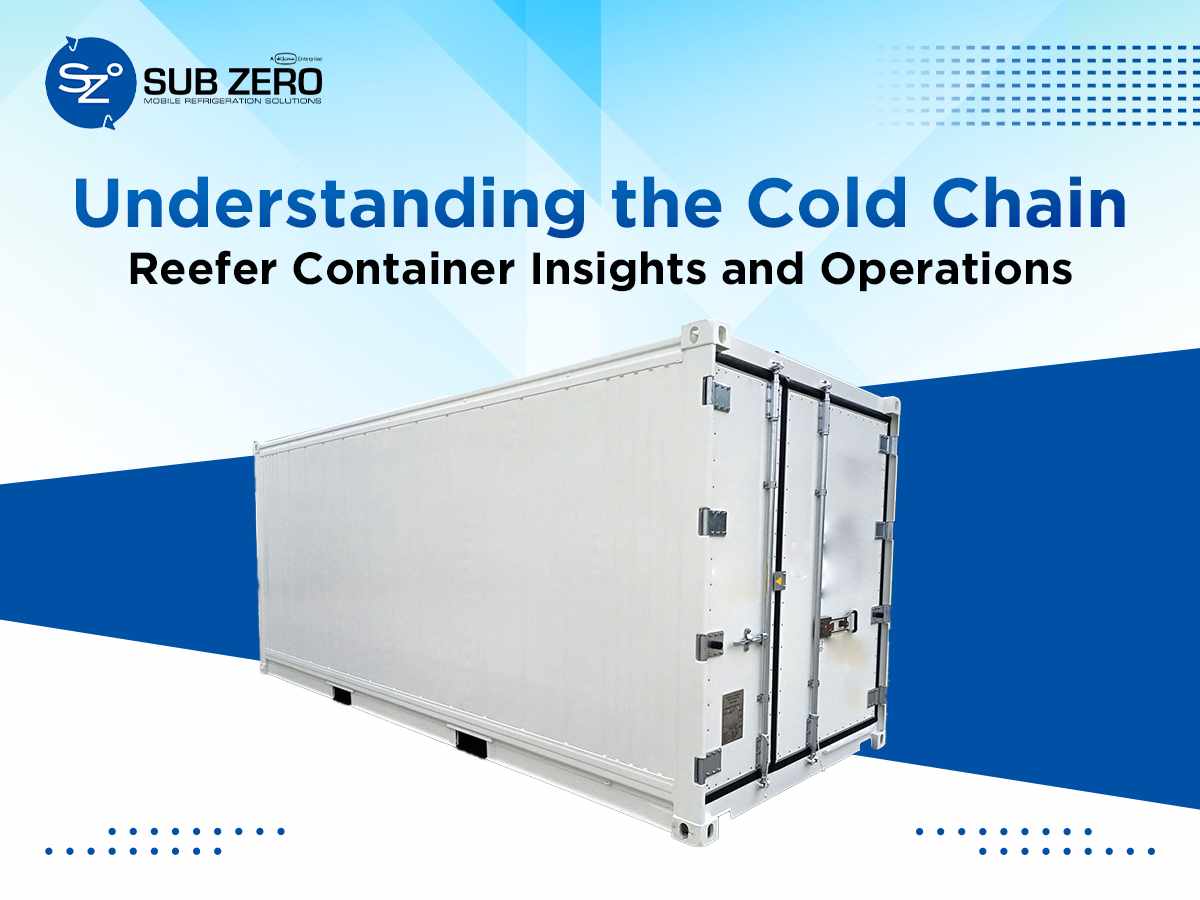
Covering refrigerated container manufacturers and truck operations for temperature-controlled logistics.

Maintaining the temperature of perishable items during transport requires proper container attachment to trucks.
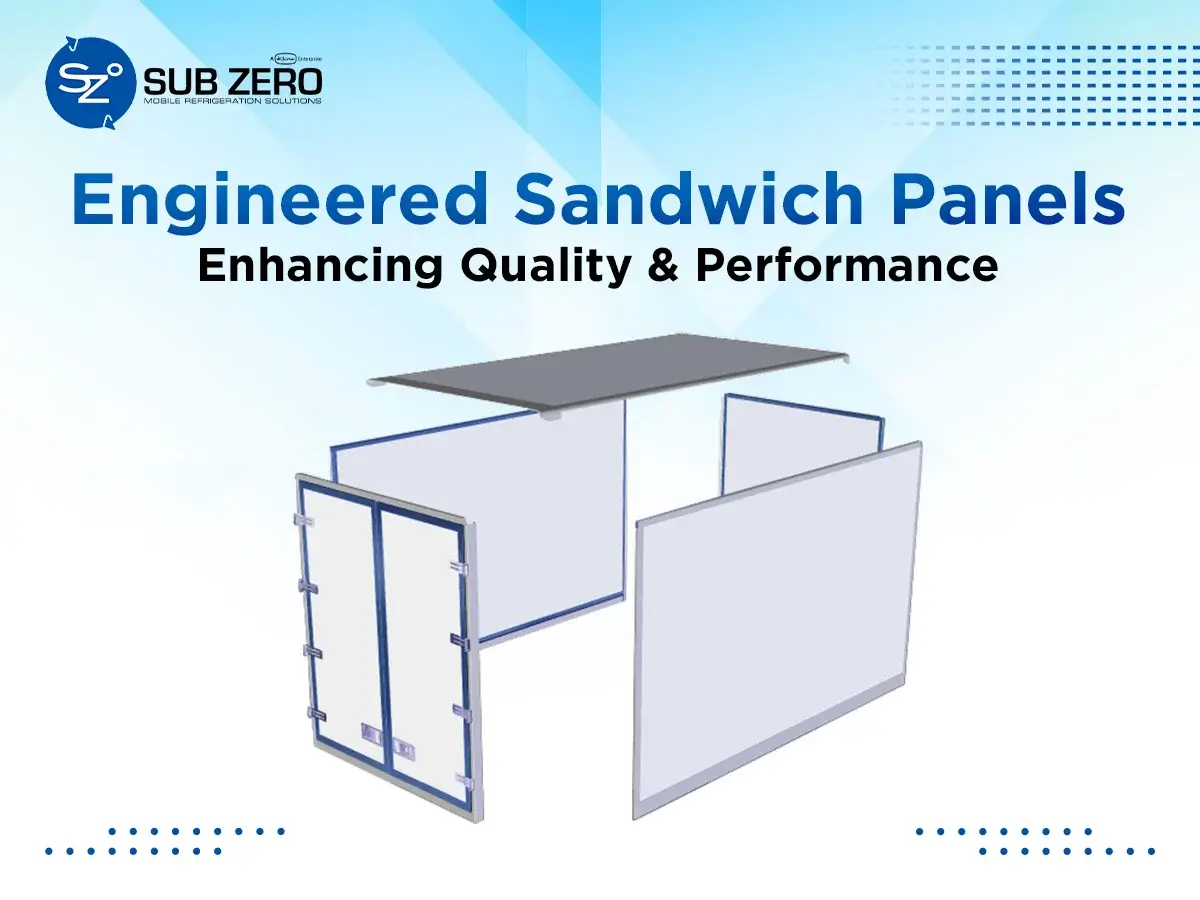
Engineered sandwich panels enhance insulation in product design, emphasizing durability and temperature control.
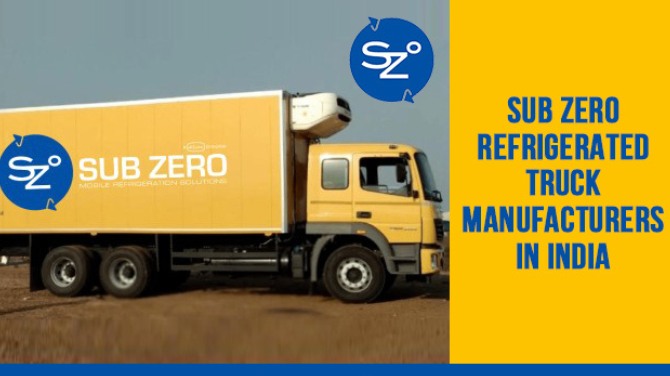
Sub Zero began its journey in 2015 as a division of the renowned commercial vehicle body manufacturing company Jayanand Khira.