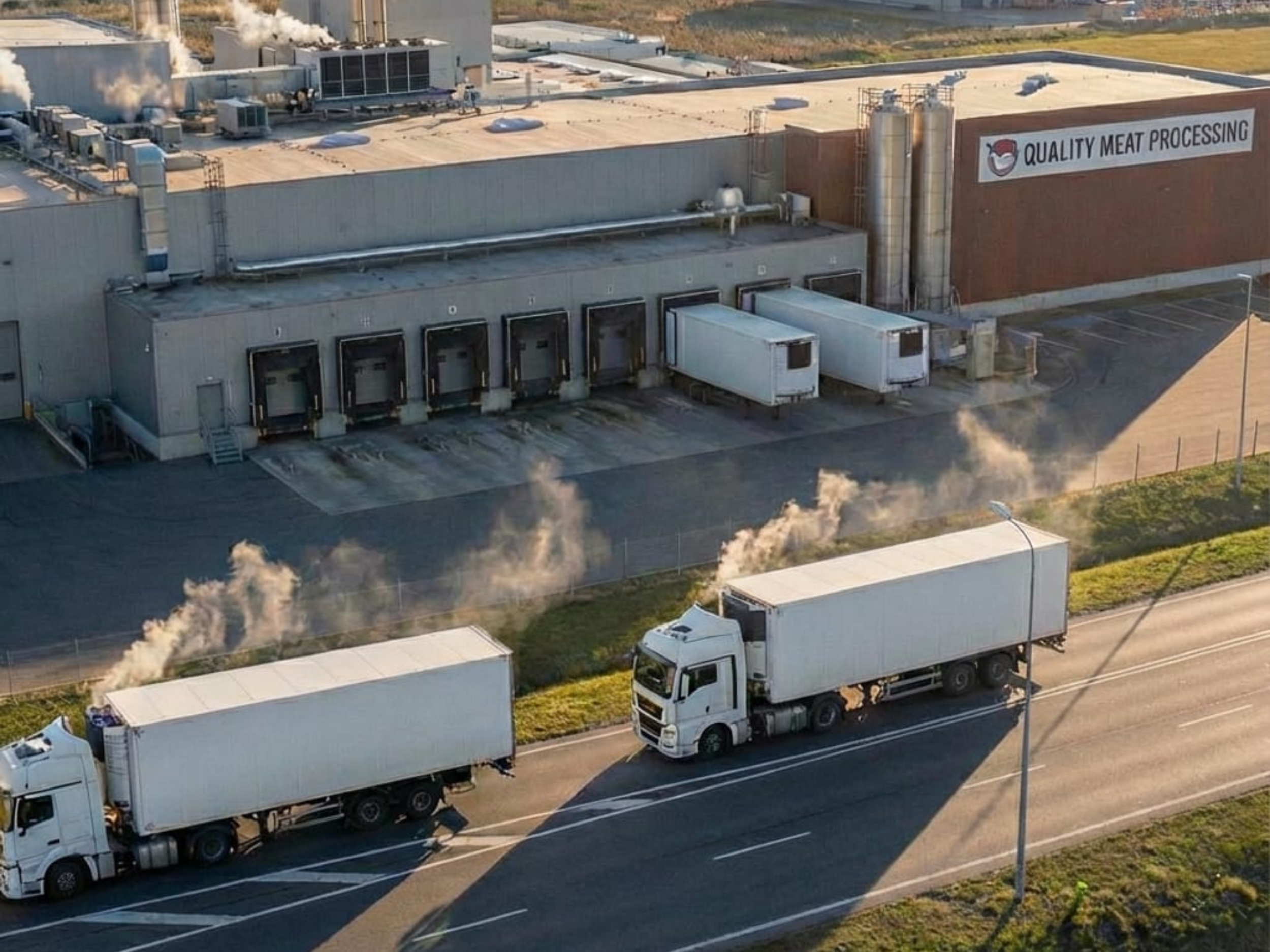
Long before a customer chooses a cut of meat at a store or a chef plates it in a kitchen, its quality is already locked in. Quality is determined at the first point of processing and reinforced at every subsequent stage. Success in meat distribution depends not on speed alone but on consistent temperature control throughout the entire journey.
Cold chain logistics is a comprehensive system of protection rather than traditional transport. It safeguards product integrity, food safety, shelf life, and brand trust at every step from processing facility to end consumer.
For meat producers, exporters, and retailers, the cold chain system is no longer a background operation. It sits at the center of business performance. Customers demand flawless quality, regulators require documented compliance, and markets are increasingly competitive with tighter margins.
Equipment manufacturers play a critical role in this ecosystem, as the cold chain is only as strong as the infrastructure that supports it. Their engineering decisions determine whether shipments arrive as premium products or become costly losses.
Understanding Cold Chain Logistics Components
A robust cold chain for meat distribution is built on six critical stages, each one essential to preserving product quality and safety.
1. Primary Processing and Chilling
Meat is rapidly chilled immediately after processing to slow bacterial growth. This initial temperature control establishes the foundation for long-term quality. Errors at this stage cannot be corrected later in the supply chain, making it one of the most critical points in the entire process.
2. Cold Storage at Processing Facility
After chilling, products are held in temperature-controlled environments before dispatch. Poor insulation or inconsistent cooling at the storage facility increases the risk of spoilage and can compromise entire batches before they even begin their journey.
3. Refrigerated Transport
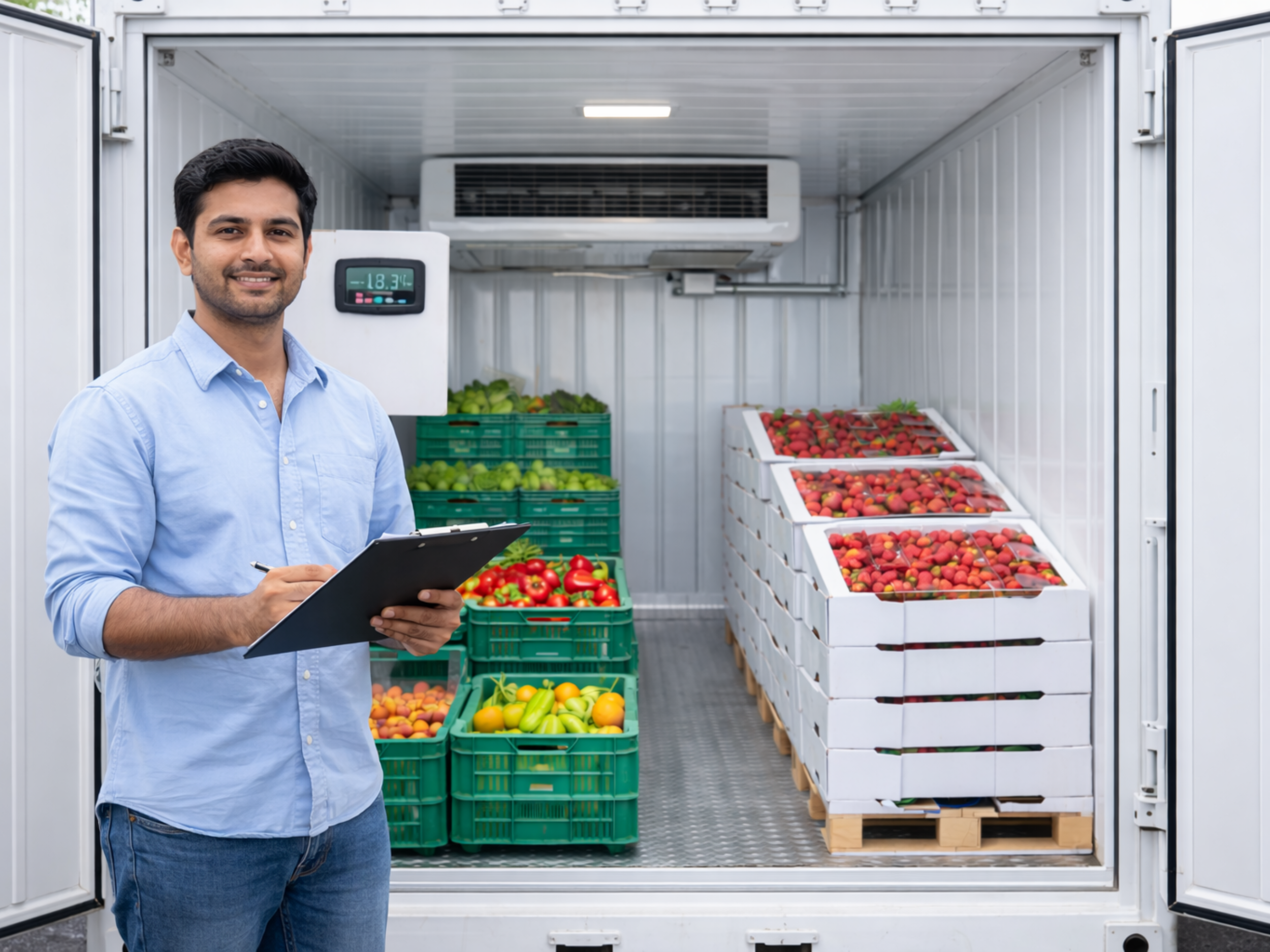
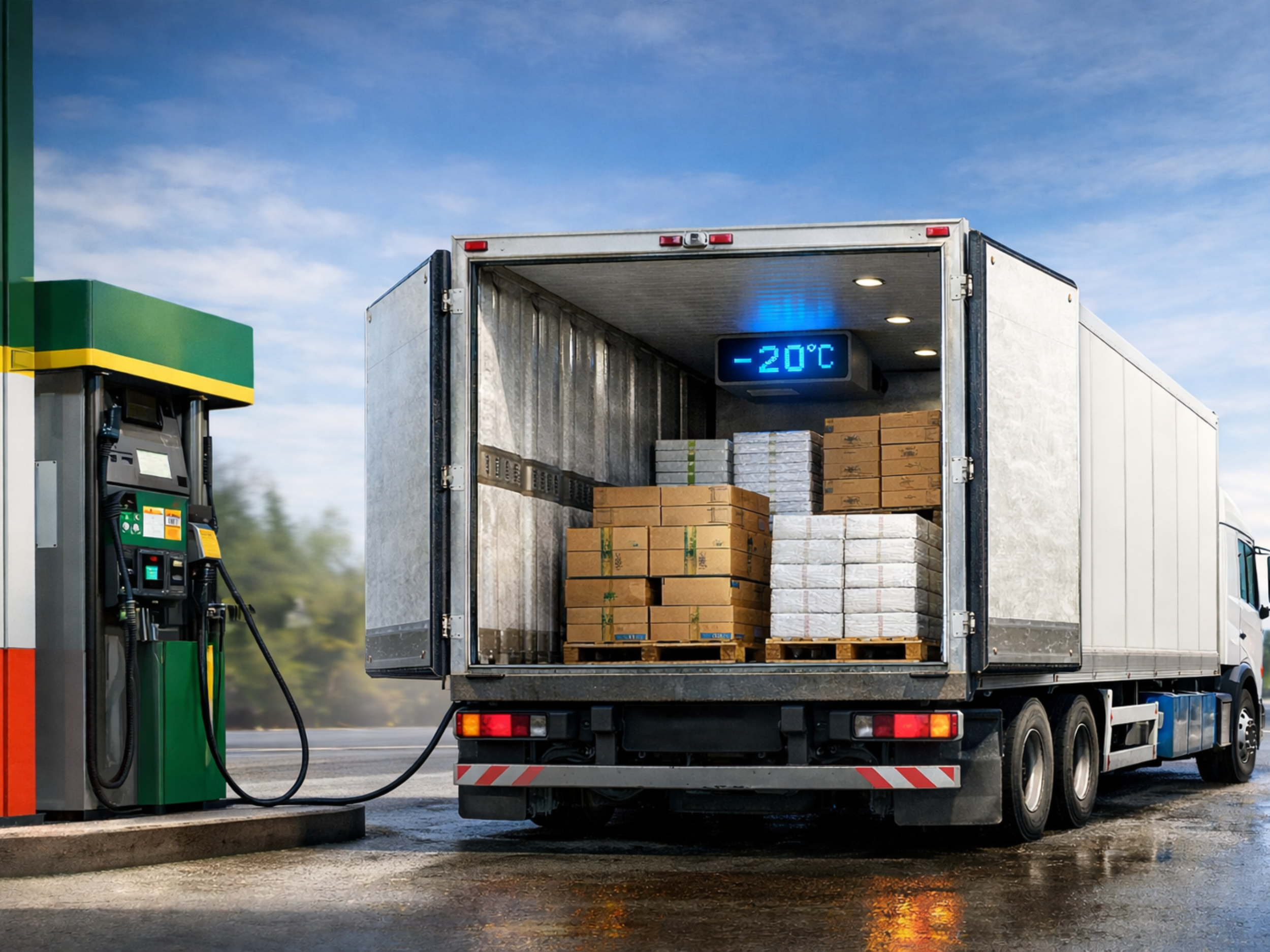
During transit, the temperature must remain stable regardless of external heat, distance, or traffic delays. Equipment must be capable of handling frequent door openings and variable loading conditions while maintaining consistent cooling throughout the cargo area.
4. Distribution Center Handling
Upon arrival at distribution centers, products return to cold storage. Quality is preserved while inventory is sorted and prepared for secondary distribution. Efficient handling at this stage prevents unnecessary exposure and maintains the integrity built up in earlier stages.
5. Last-Mile Cold Chain Delivery
The last mile presents unique challenges. Urban congestion, short delivery windows, and unloading pressures add stress to the cold chain. Even small temperature fluctuations during this final leg can compromise the quality of the product reaching the end consumer.
6. Retail and Food Service Storage
The final quality of meat at the point of sale or service reflects the effectiveness of the entire upstream cold chain management. Every decision made earlier in the process culminates in the product the customer experiences.
Where Cold Chain Systems Break Down
Understanding common failure points is essential for building a resilient cold chain. Even well-designed systems can fail when specific vulnerabilities are not addressed.
Temperature Instability During Transit
Temperature instability occurs when refrigeration units are underpowered, insulation is poor, airflow is uneven, vehicles make frequent stops with repeated door openings, or external temperatures overwhelm inefficient systems. Even minor temperature fluctuations can accelerate bacterial growth and shorten shelf life significantly.
Equipment Reliability Issues
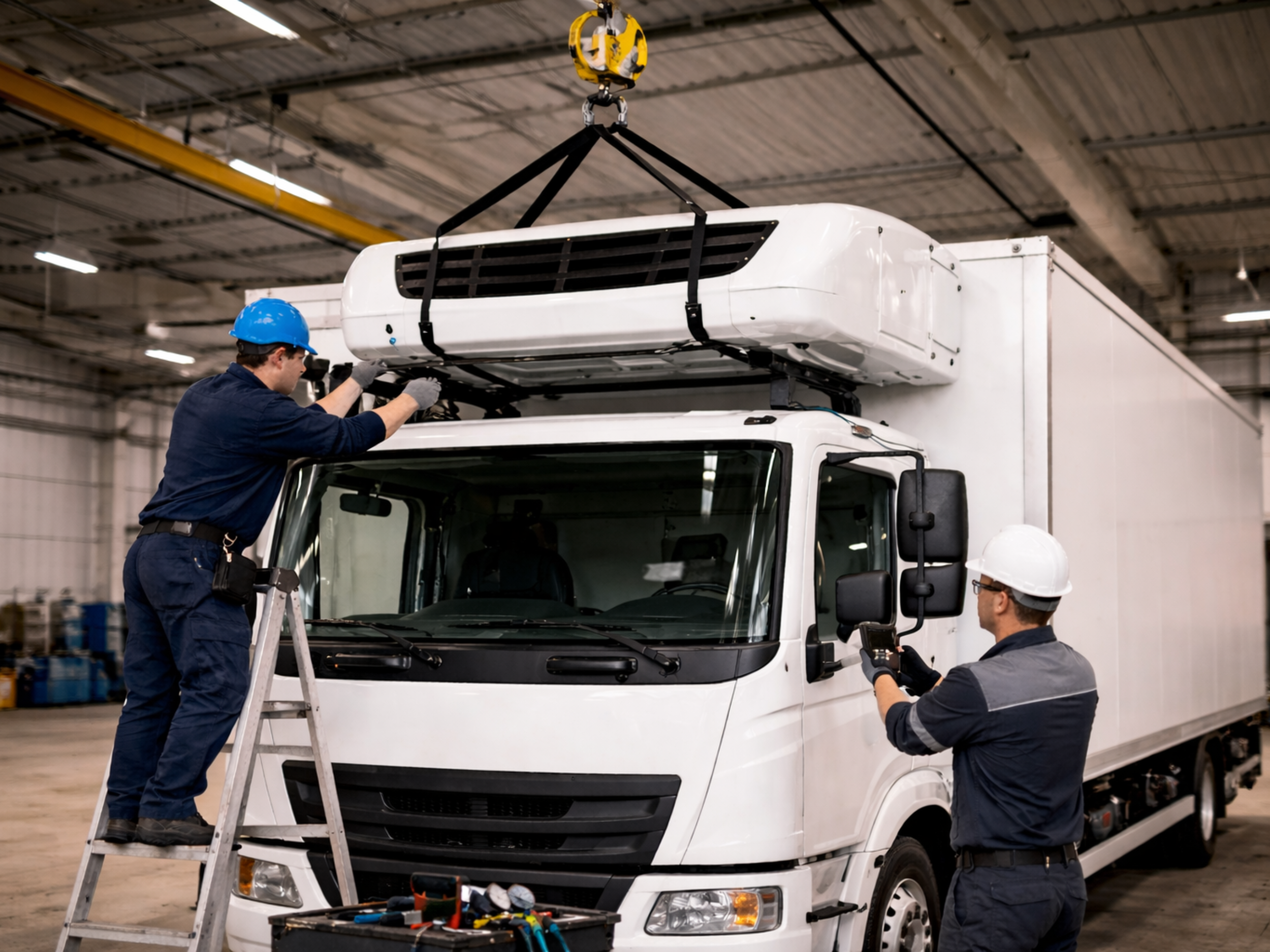
Equipment failures stem from aging components, inadequate maintenance, overworked systems on long-haul routes, and limited access to technical support. A single equipment failure can wipe out entire shipments, resulting in significant financial losses and potential food safety incidents.
Weak Handoffs Between Facilities
Problems arise from improper pre-cooling, delays during loading and unloading, mismatches between storage and transport temperatures, and poor coordination between teams. Each handoff point represents a vulnerability where the cold chain can be broken.
Inconsistent Last-Mile Conditions
Urban congestion, limited unloading windows, high ambient temperatures, and rushed handling during the last mile can undermine even the most stable cold supply chains. The final delivery stage requires the same rigor as every other part of the process.
Limited Visibility and Monitoring
Without real-time temperature monitoring, operators only discover problems after damage has already occurred. This reactive approach prevents proactive decision-making and makes it impossible to intervene before product quality is compromised.
Underestimating System Design
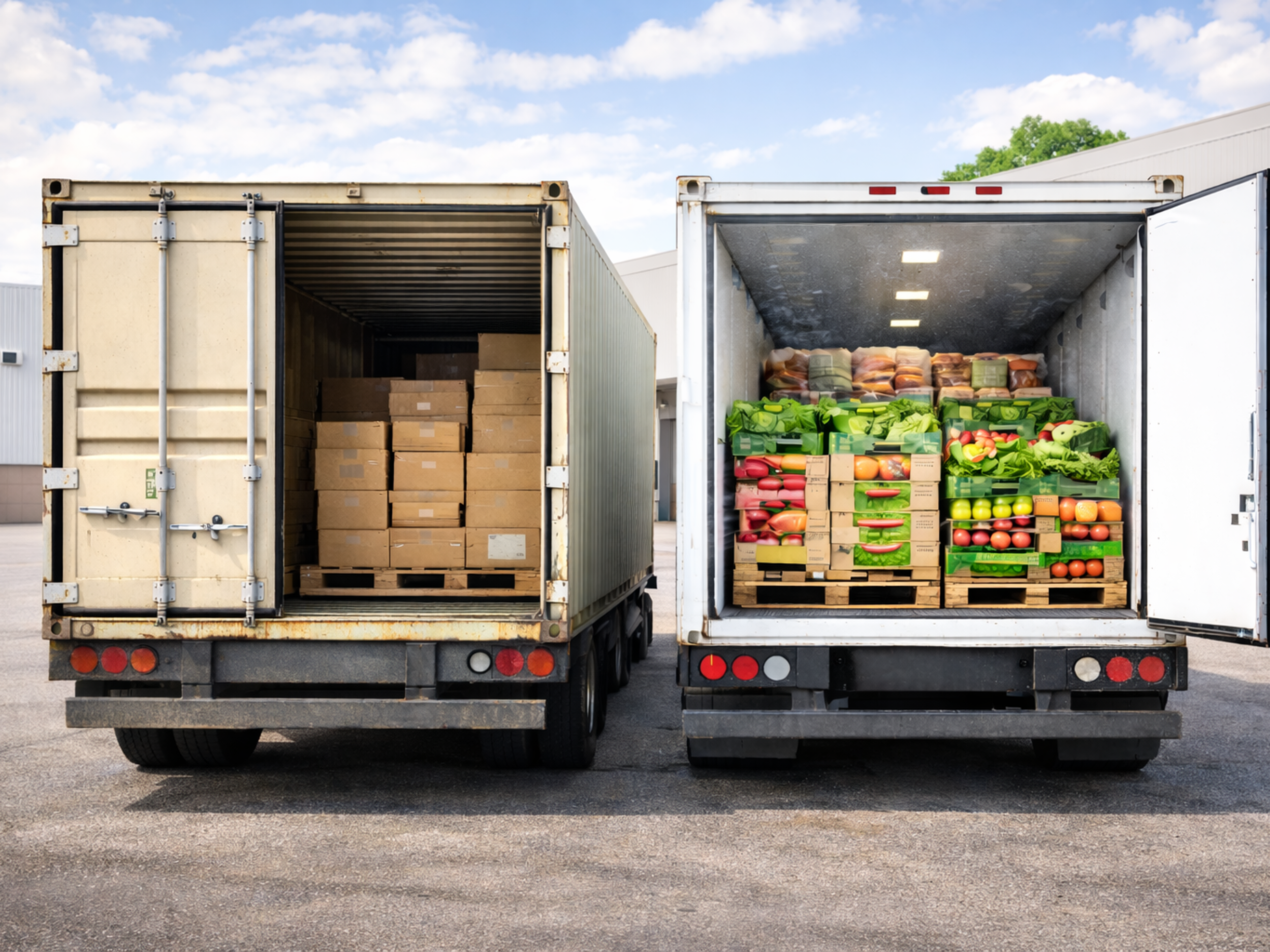
Equipment built only for minimum requirements struggles under heavy usage, long routes, and variable climates. Systems that are not designed with adequate headroom for real-world conditions become the weakest link in the cold chain.
Engineering Excellence and Performance
Refrigeration is not a support function in meat distribution. It is the core infrastructure that holds the entire system together. Leading manufacturers design equipment to perform consistently under the most demanding conditions.
These systems must deliver reliable performance through long driving hours, unpredictable traffic conditions, extreme external temperatures, heavy loading cycles, and frequent door openings. The engineering must account for all of these variables simultaneously.
Reliable systems maintain uniform airflow throughout the cargo space, recover temperature quickly after exposure events such as door openings, and operate efficiently after years of continuous use. This consistency is what separates adequate systems from truly dependable ones.
Over time, this reliability becomes the foundation of effective cold chain supply management. Operations gain predictability in planning, finance teams see reduced losses and lower maintenance costs, and customer relationships strengthen through consistent product quality delivery after delivery.
Conclusion
In meat distribution, success is decided long before the product reaches the shelf. It is shaped by every temperature check, every handoff, and every system working quietly in the background to protect quality and safety.
Reliable cold chain infrastructure reduces waste, protects margins, ensures regulatory compliance, and strengthens brand reputation. The cold chain is not merely a logistics function but a strategic advantage that determines market positioning and long-term business viability.
Organizations that invest in robust cold chain systems today are building the foundation for market leadership tomorrow. From processing to retail, every link in the chain matters, and the quality of the infrastructure supporting that chain makes all the difference.