For most Indian households, the day begins with milk. From the first cup of chai in the morning to breakfast, school tiffins, sweets, curd, coffee, and evening tea, milk is a part of everyday life across generations. It is one of the few food products consumed daily in almost every home, regardless of region, income group, or lifestyle.
But behind every litre of milk that reaches a consumer fresh and safe is a far more complex ecosystem than most people realize. What looks simple on the store shelf involves cattle management, milk collection networks, temperature-controlled transportation, chilling infrastructure, processing systems, and highly coordinated cold chain logistics. India is the world's largest milk producer, contributing more than 24% of global milk production. Demand for packaged milk, dairy-based beverages, paneer, curd, cheese, and value-added dairy products continues to rise across urban and semi-urban markets.
However, profitability in the dairy sector depends on much more than milk production alone. One of the biggest differentiators today is how efficiently businesses manage storage, refrigeration, and dairy transport. Even high-quality milk can lose value quickly without proper cooling and distribution systems in place.
A modern dairy operation is no longer just about cattle and farm output. It is equally about temperature control, spoilage prevention, route efficiency, compliance, and investment in the right cold chain equipment and insulated vehicle infrastructure. Whether you are planning a small dairy setup, a regional collection network, or a large-scale processing unit, understanding the complete capital landscape is essential.
This guide breaks down the real costs involved in building a scalable dairy business in India, with a strong focus on refrigeration infrastructure, bulk milk transport, chilling systems, and long-term cold chain planning.
The New Economics of Dairy: Why Production Alone Is Not Enough
For decades, the success of a dairy business was largely measured by the size of its herd, milk production capacity, and feed efficiency. While these factors remain important, the economics of the dairy industry have changed significantly. Today, producing high-quality milk is only one part of the equation. The real challenge lies in ensuring that the same quality is preserved until the product reaches processors, retailers, or consumers.
As dairy supply chains become more organized and geographically dispersed, profitability is increasingly influenced by how efficiently milk is collected, stored, and transported. Even a well-managed dairy operation can face losses if milk is exposed to temperature fluctuations during transit or storage. This is why investments in cold chain logistics have become just as important as investments in livestock and production infrastructure.
Modern dairy businesses are now evaluating capital allocation through a broader lens. Beyond farm operations, they must consider chilling facilities, cold chain equipment, refrigerated storage, and reliable dairy transport solutions that can maintain product integrity across every stage of the supply chain. Whether milk is being moved through a dedicated milk van for local distribution or through specialized systems designed for bulk milk transport, temperature control directly impacts shelf life, product quality, and customer trust.
This shift is particularly important as dairy brands expand into new markets and diversify into value-added products such as paneer, yoghurt, cheese, and flavoured milk. In these categories, even minor lapses in temperature management can lead to quality issues, product rejection, and reputational damage. As a result, assets such as chilling centres, refrigerated vehicles, and insulated vehicle fleets should no longer be viewed as operational expenses. They are strategic investments that help reduce losses, improve distribution efficiency, and support long-term growth.
In today's dairy landscape, the businesses that scale successfully are not necessarily those producing the most milk. They are the ones that combine strong production capabilities with efficient cold chain logistics, ensuring every litre reaches the market in the best possible condition.
Understanding the Dairy Cold Chain Logistics
Once dairy businesses recognize the importance of preserving milk quality beyond the farm gate, the next question becomes: where should capital actually be invested? Many entrepreneurs assume that cold chain infrastructure begins with refrigerated vehicles. In reality, the dairy cold chain is a connected system that starts at milk collection and continues through storage, transportation, and final delivery. A gap at any stage can affect product quality and profitability.
Understanding how investments are distributed across the cold chain can help businesses prioritize spending and build a more efficient operation.
Collection Stage: Preserving Quality at the Source
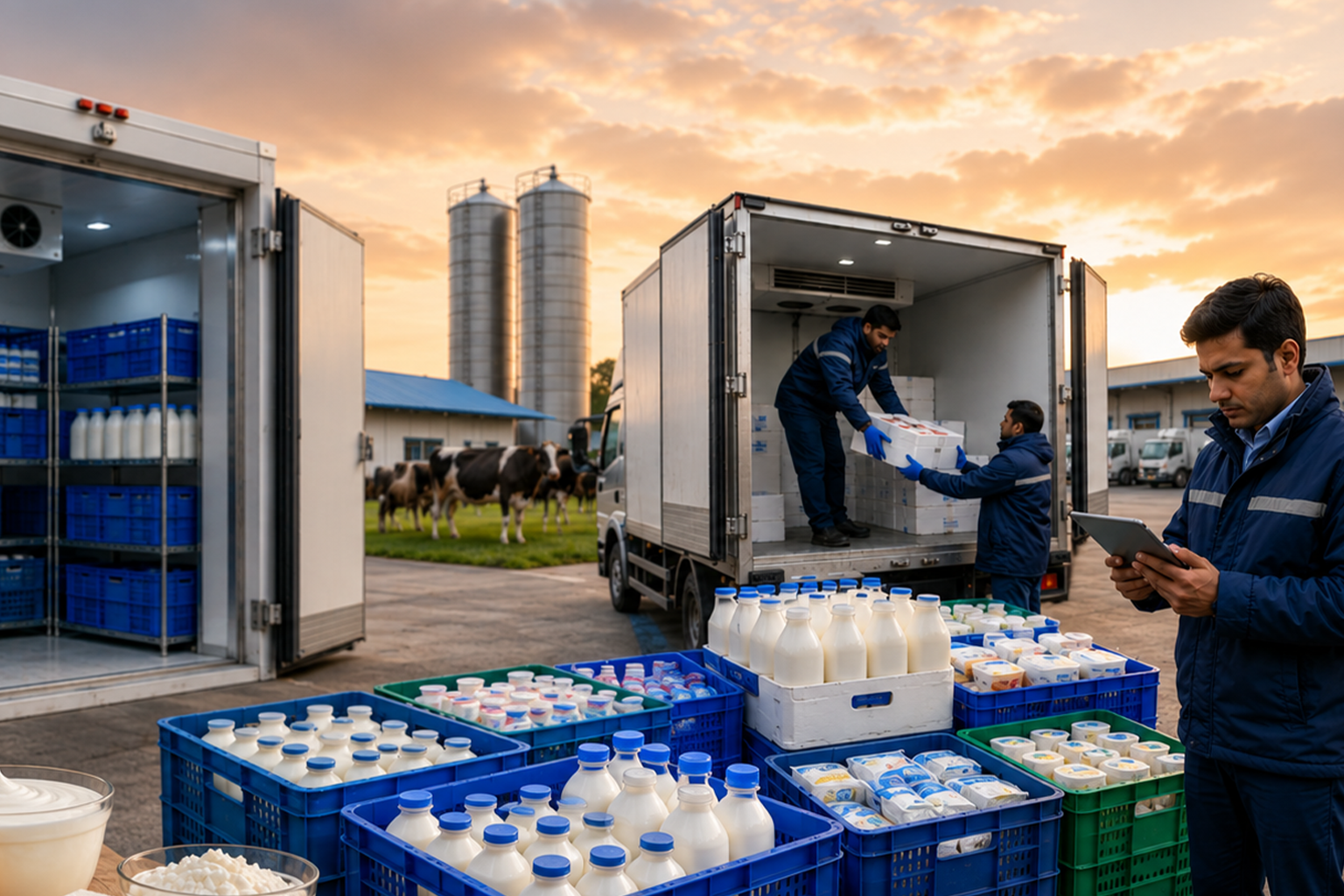
The cold chain begins the moment milk is collected. Since fresh milk is highly perishable, rapid cooling is essential to maintain quality and prevent bacterial growth.
This stage typically involves investments in:
- Village collection centres
- Milk testing equipment
- Bulk milk coolers
While often overlooked, collection infrastructure forms the foundation of a reliable dairy supply chain. Effective cooling at the source helps reduce losses and ensures better product quality throughout the journey.
Storage Stage: Cold Storage Business Cost and What Drives It
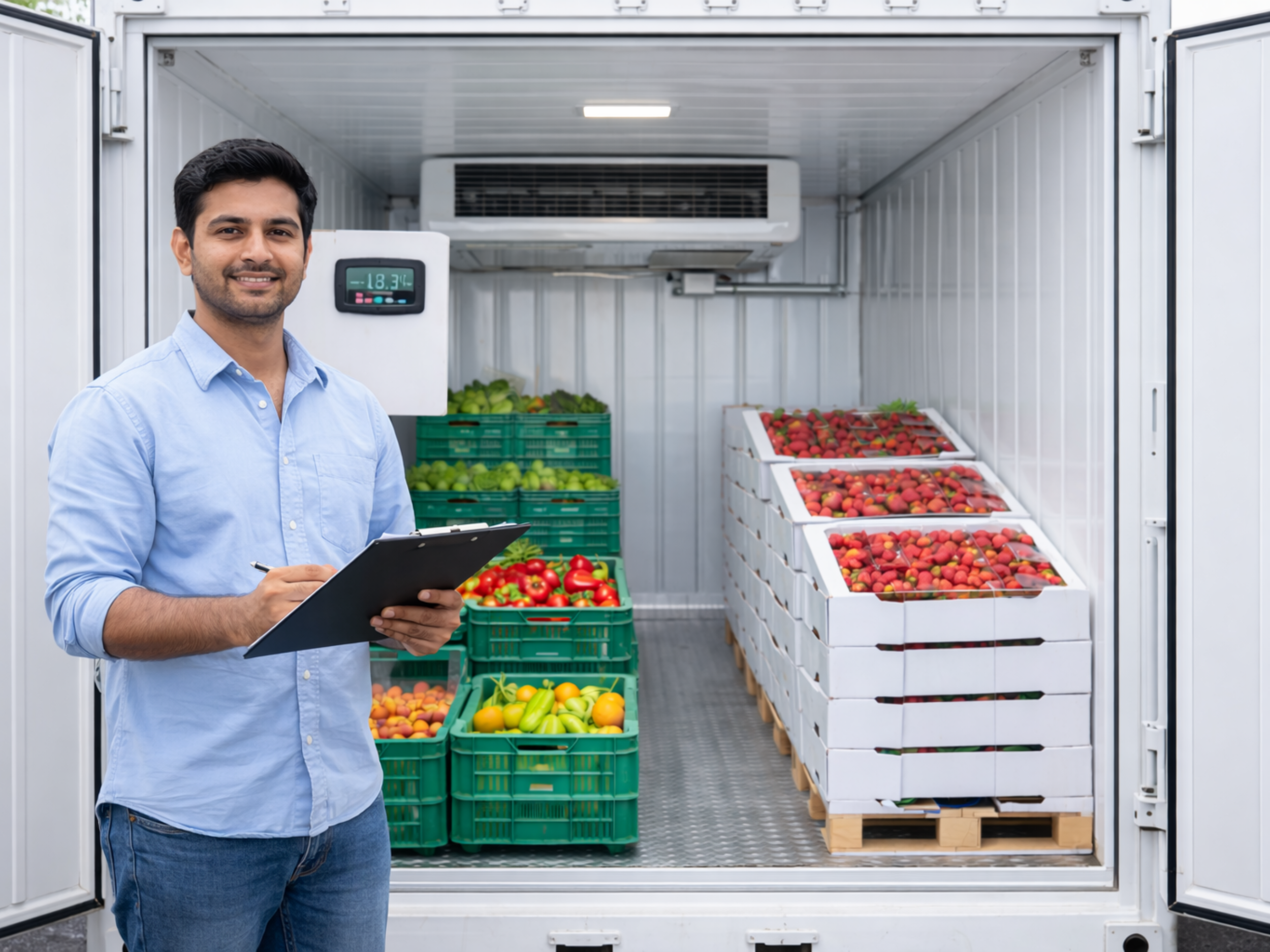
After collection, milk must be stored under controlled conditions until processing or distribution. Chilling centres, cold rooms, and other cold chain equipment help maintain consistent temperatures while providing operational flexibility.
Storage infrastructure also plays a major role in determining overall cold storage business cost and cold storage construction cost. Investing in the right capacity can help businesses manage growth more efficiently while minimizing product losses.
Transportation Stage: Milk Van and Dairy Transport Options
Transportation connects production centres with processors, distributors, retailers, and consumers. The right solution depends on delivery distances, volumes, and temperature requirements.
Common transportation assets include:
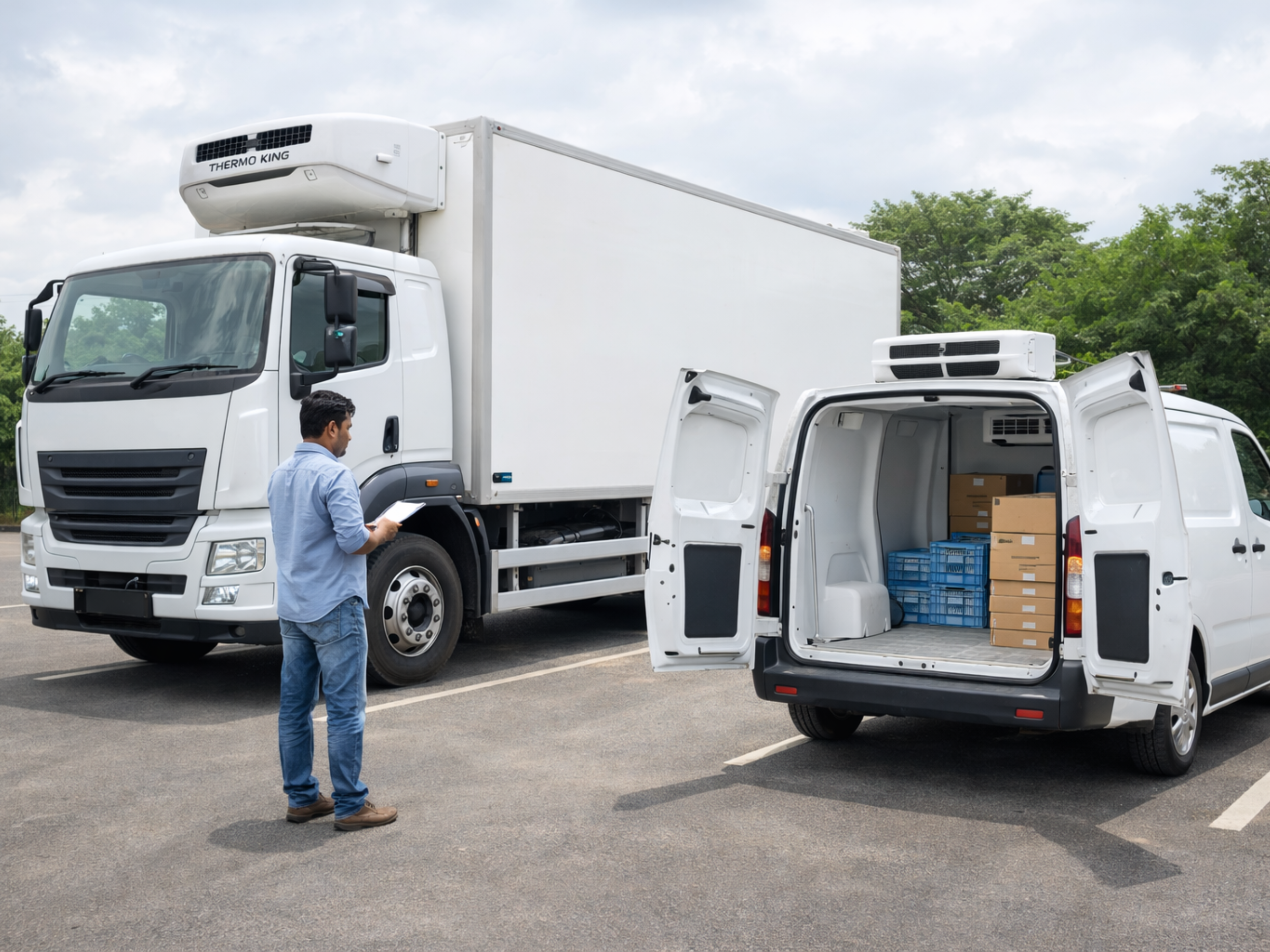
- Milk van fleets for local distribution
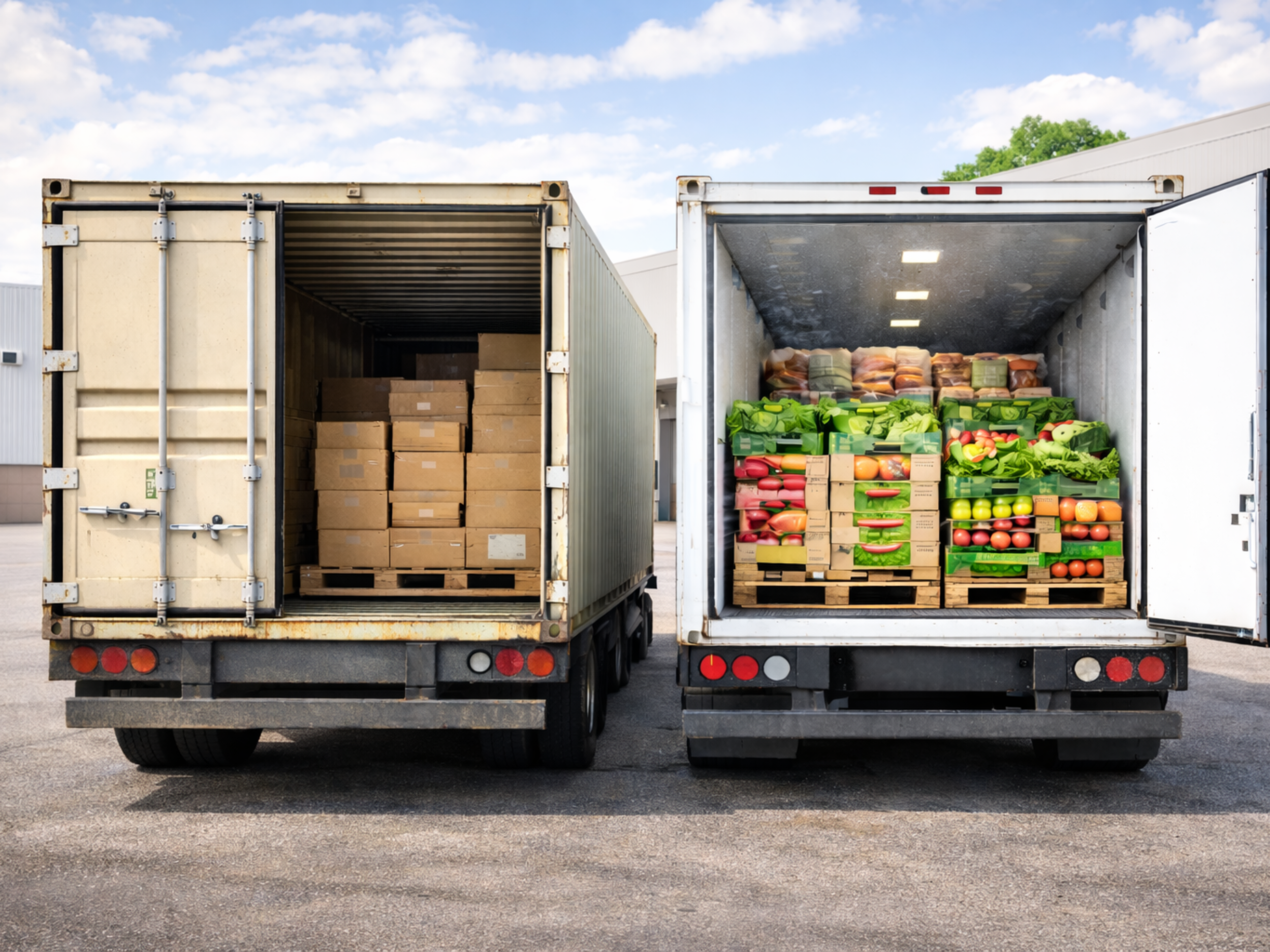
- Insulated vehicle solutions for short-haul routes
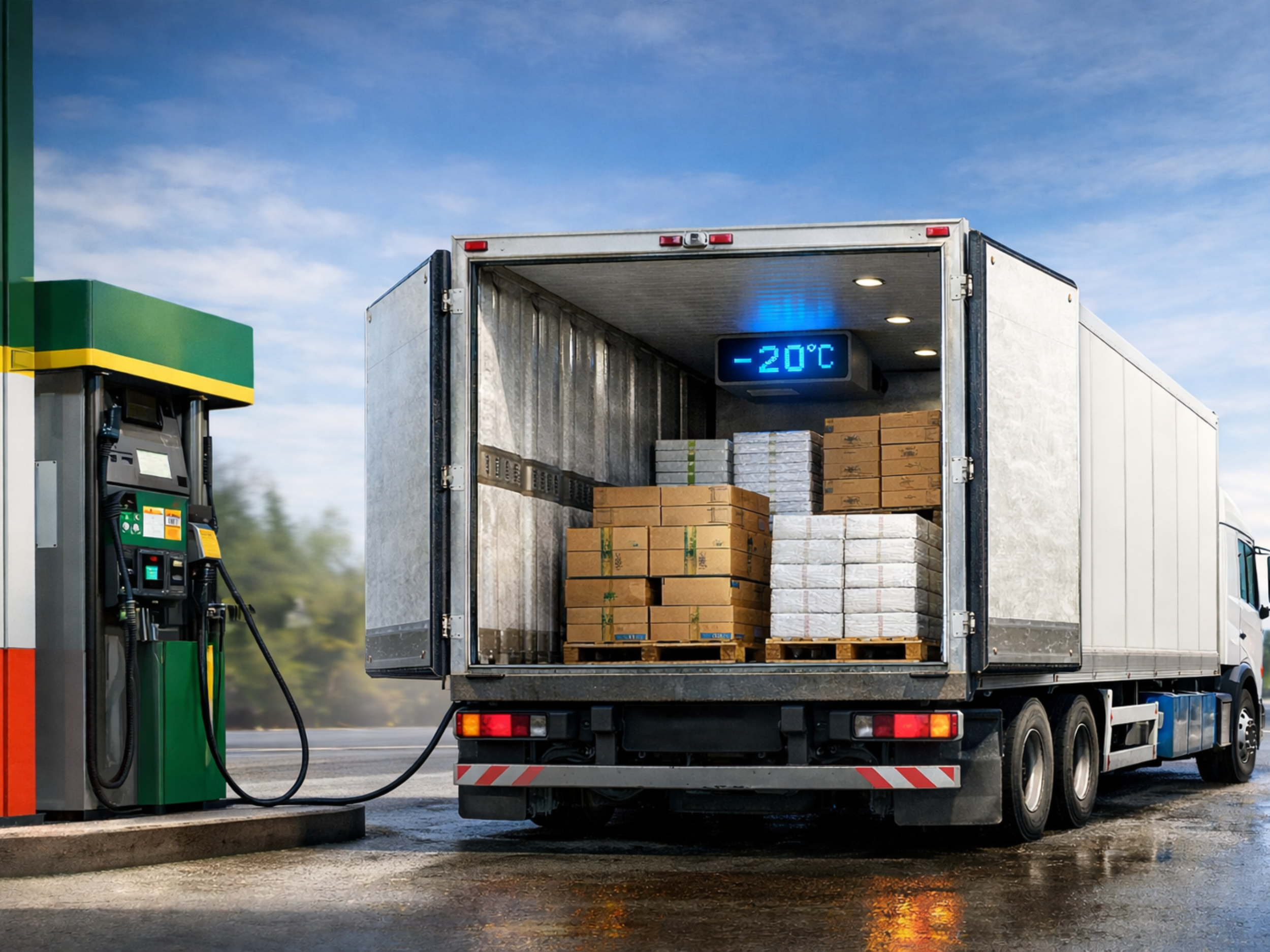
- Refrigerated vehicles for long-distance deliveries
- Tankers for bulk milk transport
As businesses expand, transportation becomes a critical component of cold chain logistics, helping ensure that products reach the market safely and consistently.
A dairy cold chain is only as strong as its weakest link. Strong transportation cannot compensate for poor cooling at the collection stage, and storage infrastructure alone cannot prevent losses caused by inadequate distribution. Businesses that invest across collection, storage, and transportation are better positioned to reduce wastage, maintain quality, and scale sustainably in an increasingly competitive dairy market.
The Highest-Impact Investments for Dairy Transport
Not every investment in a dairy business delivers the same return. While some assets help increase production capacity, others directly influence product quality, operational efficiency, and long-term profitability. For dairy entrepreneurs and processors, the key is to prioritize investments that protect the product throughout its journey from farm to consumer.
The most successful dairy businesses tend to focus on three areas: quality preservation, scalability, and loss reduction.
Investments That Protect Product Quality
In the dairy industry, quality preservation begins long before products reach the consumer. Since milk is highly perishable, investments in chilling infrastructure and reliable cold chain equipment often generate some of the highest returns. Rapid cooling after collection helps maintain freshness, extend shelf life, and reduce the risk of spoilage. Businesses that prioritize temperature control from the outset are also better positioned to meet food safety standards and maintain consistent product quality as they grow.
Investments That Support Scalability
As dairy operations expand, the ability to handle larger volumes efficiently becomes increasingly important. Investments in additional chilling capacity, storage infrastructure, and stronger dairy transport networks can help businesses enter new markets without compromising quality. Similarly, improving capabilities for bulk milk transport allows processors and distributors to move larger quantities more efficiently, supporting growth while keeping logistics costs under control. Scalable infrastructure not only supports expansion but also helps businesses respond more effectively to fluctuations in demand.
Investments That Reduce Operational Losses
One of the fastest ways to improve profitability in dairy is by reducing avoidable losses. Product spoilage, temperature fluctuations, and inefficient transportation can all erode margins over time. Investing in refrigerated transportation, temperature monitoring systems, and a well-designed insulated vehicle fleet can significantly improve product integrity throughout the supply chain. For many growing dairy brands, upgrading from conventional transport to a specialized milk van is often a practical step toward improving delivery reliability and reducing wastage.
Thinking Beyond Upfront Costs
The value of these investments should not be measured solely by their initial price. Whether evaluating a milk van price, expanding storage capacity, or upgrading refrigeration infrastructure, the real consideration is the long-term impact on efficiency, product quality, and profitability. In an increasingly competitive market, businesses that strengthen their cold chain logistics capabilities are often better equipped to reduce losses, build customer trust, and achieve sustainable growth.
Also Read: How Reefer Vans Can Help Dairy & Bakery Brands Maintain Freshness
Capital Planning for Cold Chain Logistics: A Phased Investment Approach
One of the biggest mistakes in the dairy industry is investing too much too soon or delaying critical infrastructure investments until operational challenges arise. The most successful dairy businesses typically expand their infrastructure in phases, aligning investments with production volumes, market demand, and distribution needs.
Phase 1: Establishing the Basics
In the early stages, the priority should be preserving milk quality at the source. Investments in collection systems, milk testing, and essential cold chain equipment help reduce spoilage and create a strong operational foundation. At this stage, reliable cooling infrastructure often delivers greater value than large-scale storage or transportation assets.
Phase 2: Expanding Distribution
As production grows, businesses need to move milk and dairy products more efficiently. Strengthening dairy transport capabilities becomes essential for maintaining quality across a wider distribution network. For many growing dairies, investing in a dedicated milk van or insulated vehicle is a practical step toward supporting regional expansion while maintaining temperature control.
Phase 3: Scaling Storage Capacity
With larger procurement volumes and broader market reach, additional storage infrastructure becomes necessary. Chilling centres and refrigerated storage facilities help improve operational flexibility and reduce supply chain bottlenecks. At this stage, factors such as cold storage business cost and cold storage construction cost become important considerations when planning for long-term growth.
Phase 4: Building an Integrated Cold Chain
As businesses mature, the focus shifts from individual assets to building a connected cold chain logistics network. This includes optimizing storage, transportation, and bulk milk transport systems to improve efficiency and maintain product quality at scale.
The most effective dairy businesses do not build their entire infrastructure at once. Instead, they invest strategically as their operations grow. A phased approach helps deploy capital more efficiently while creating a supply chain that can support long-term expansion and profitability.
Choosing the Right Cold Chain Partner for Long-Term Dairy Growth
Investing in cold chain infrastructure is not just about purchasing equipment or vehicles. It is about choosing solutions that can reliably support the movement of temperature-sensitive products over the long term. Factors such as thermal efficiency, vehicle durability, customization capabilities, after-sales support, and overall lifecycle operating costs often have a greater impact on profitability than the initial purchase price alone.
For dairy businesses, the right cold chain partner should be able to adapt to different operational requirements, whether that involves local milk collection, regional distribution, or large-scale bulk milk transport. As distribution networks grow, infrastructure must be capable of maintaining product quality consistently while supporting evolving business needs.
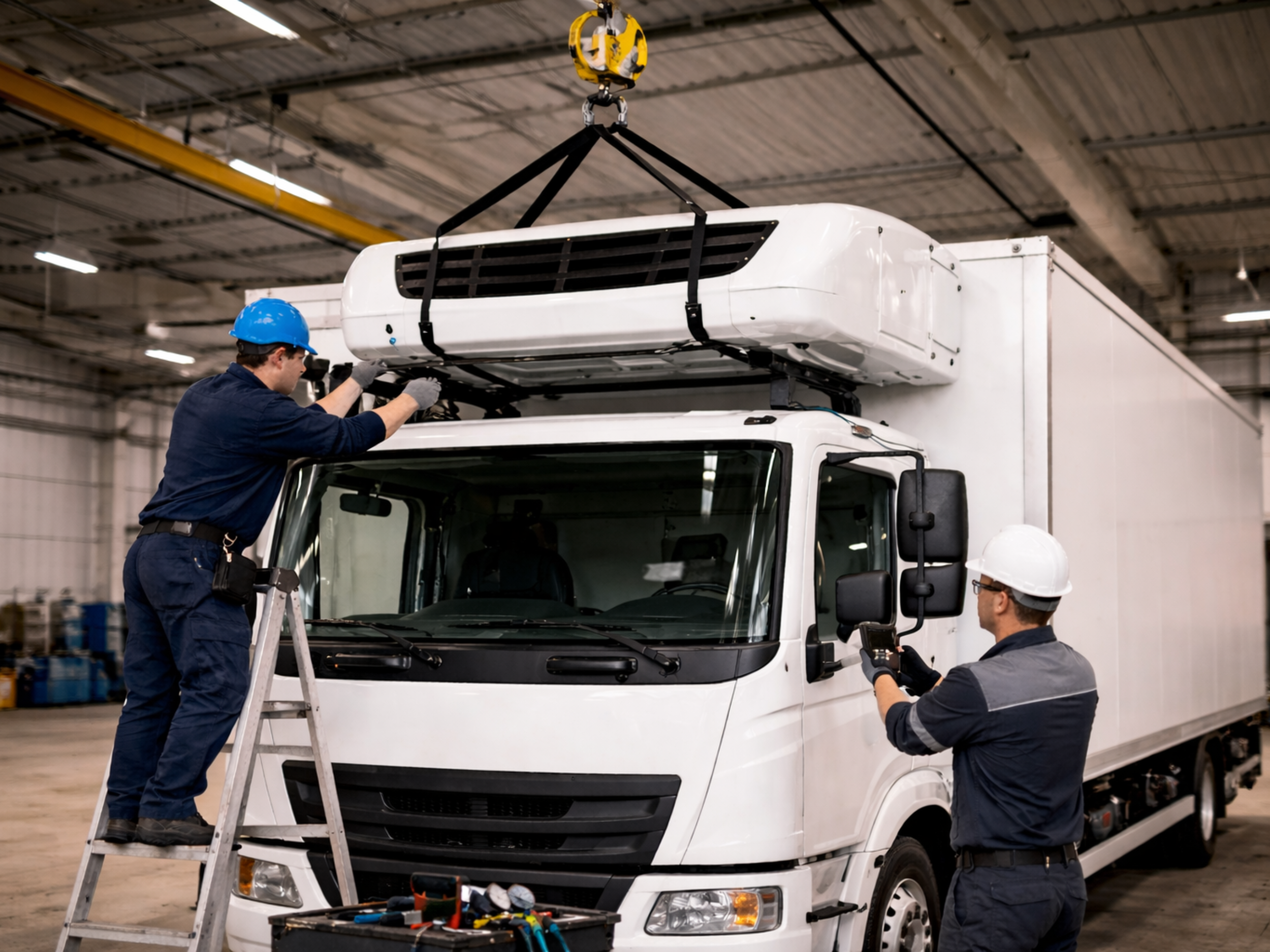
This is where companies such as Sub Zero Reefers have established a strong presence in the market. With specialized solutions for dairy transport, insulated and refrigerated vehicle bodies, and applications designed for temperature-sensitive logistics, Sub Zero focuses on the practical challenges faced by dairy businesses across India. Its approach combines robust thermal performance with customization options that allow operators to select solutions aligned with their route conditions, payload requirements, and growth plans.
Rather than viewing refrigeration and transport as standalone assets, leading dairy businesses increasingly evaluate how well these solutions contribute to overall cold chain logistics efficiency. In that context, investing in high-performance cold chain equipment and reliable insulated vehicle solutions can play a significant role in reducing losses, maintaining product quality, and supporting sustainable business growth.
Conclusion
India's dairy industry is entering a phase where growth is no longer defined by production alone. As consumer expectations rise, distribution networks expand, and food safety standards become more stringent, the ability to preserve product quality throughout the supply chain has become a key differentiator.
For dairy entrepreneurs, processors, and established brands alike, successful expansion requires a balanced approach to capital investment. While livestock, infrastructure, and production capacity remain important, investments in cold chain logistics, storage, and dairy transport are increasingly determining operational efficiency and profitability. The businesses that consistently deliver fresh, high-quality products are often those that have built strong systems for cooling, storage, and distribution from the very beginning.
Whether it involves deploying the right cold chain equipment, strengthening capabilities for bulk milk transport, or investing in an efficient insulated vehicle fleet, every cold chain decision has a direct impact on product quality, customer trust, and long-term growth.
As the dairy sector becomes more organized and competitive, businesses that view cold chain infrastructure as a strategic investment rather than a supporting expense will be better positioned to scale sustainably. In that journey, choosing reliable partners and future-ready solutions can make all the difference in building a resilient dairy supply chain that is prepared for the demands of tomorrow.
Frequently Asked Questions
How much does it cost to start a dairy business in India?
The cost of starting a dairy business in India can range from ₹10 lakh for a small operation to several crores for a large-scale commercial setup. The total dairy farm investment depends on factors such as herd size, land costs, infrastructure, storage facilities, and transportation requirements. Businesses planning for growth should also account for investments in cold chain logistics, cooling systems, and distribution infrastructure from the outset.
What is the price of a milk van in India 2026?
The milk van price in India varies based on vehicle size, insulation specifications, and refrigeration requirements. A basic insulated milk van for local distribution may cost between ₹6 lakh and ₹14 lakh, while refrigerated models designed for longer routes can cost significantly more. The final investment depends on payload capacity, route conditions, and temperature-control requirements.
Is cold chain mandatory for dairy transport in India?
While regulations vary based on the product category and transportation distance, maintaining temperature control is considered essential for preserving milk quality and complying with food safety standards. Effective dairy transport increasingly relies on cold chain logistics to reduce spoilage, maintain freshness, and ensure product safety throughout the supply chain.
What government subsidies are available for dairy cold chain?
Several government initiatives support dairy infrastructure development, including schemes from NABARD, the National Dairy Development Board (NDDB), and the Pradhan Mantri Kisan SAMPADA Yojana (PMKSY). Depending on eligibility, businesses may receive financial assistance for chilling centres, cold chain equipment, refrigerated vehicles, storage facilities, and other cold chain infrastructure projects.
What size milk van is best for a small dairy co-op?
The ideal milk van size depends on daily collection volumes, delivery routes, and future growth plans. Small dairy cooperatives typically begin with compact insulated or refrigerated vehicles that can efficiently serve nearby markets. When selecting a vehicle, businesses should consider payload requirements, route distances, and overall milk van price rather than focusing solely on vehicle size.
How much does a milk chilling centre cost to set up?
The cost of establishing a milk chilling centre can range from ₹15 lakh to over ₹2 crore, depending on storage capacity, automation levels, refrigeration technology, and location. The overall investment is influenced by both the cold storage business cost and the associated cold storage construction cost. Businesses should evaluate future expansion plans and procurement volumes before determining the appropriate facility size.