Introduction
India's cold chain industry is evolving rapidly. Businesses today are transporting larger volumes of frozen foods, pharmaceuticals, dairy products, seafood, and temperature-sensitive goods across longer distances than ever before. As supply chains become more complex and customer expectations around product quality continue to rise, maintaining temperature integrity throughout transit is no longer enough. Durability, operational efficiency, and long-term reliability have become equally important.
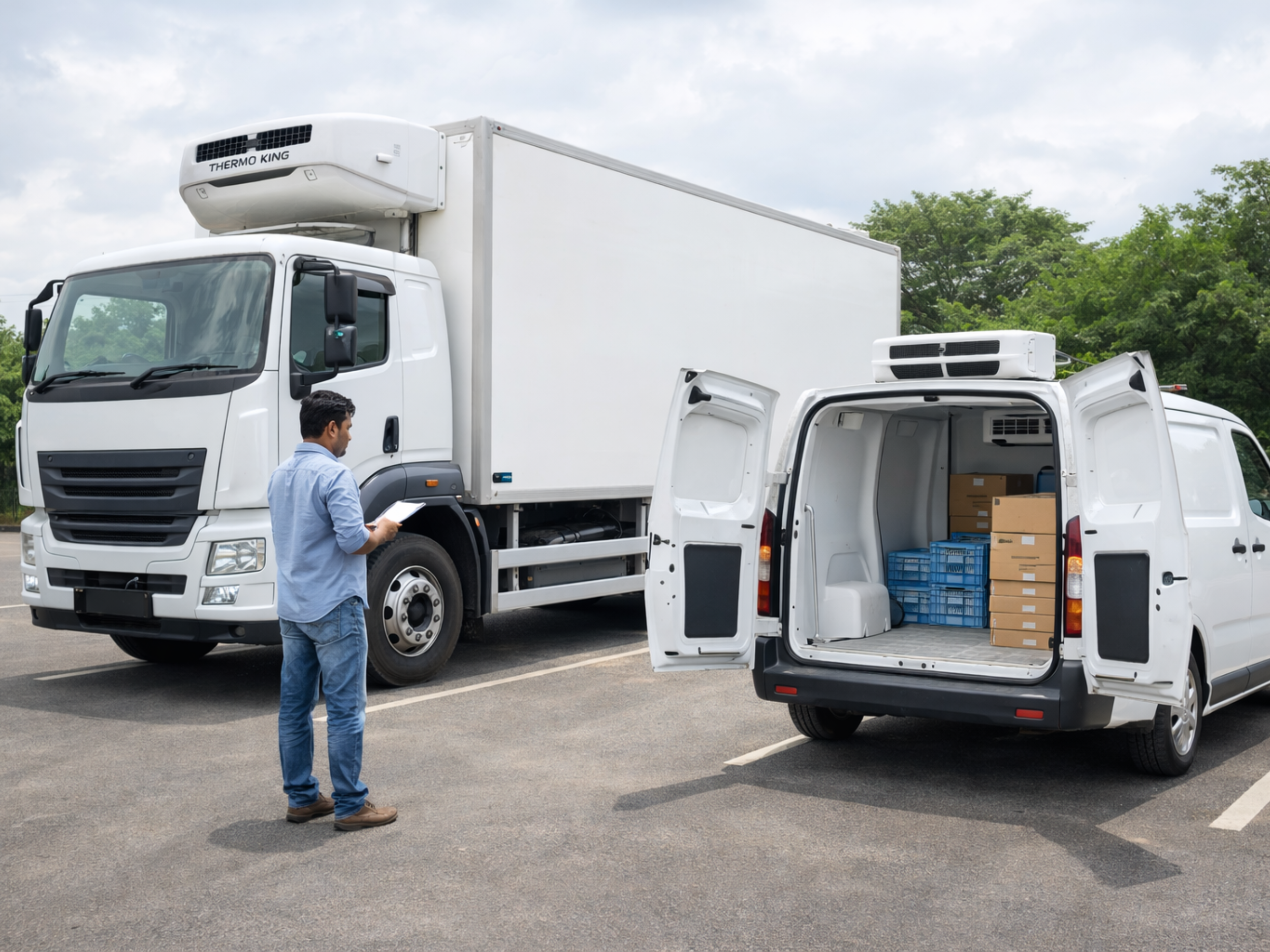
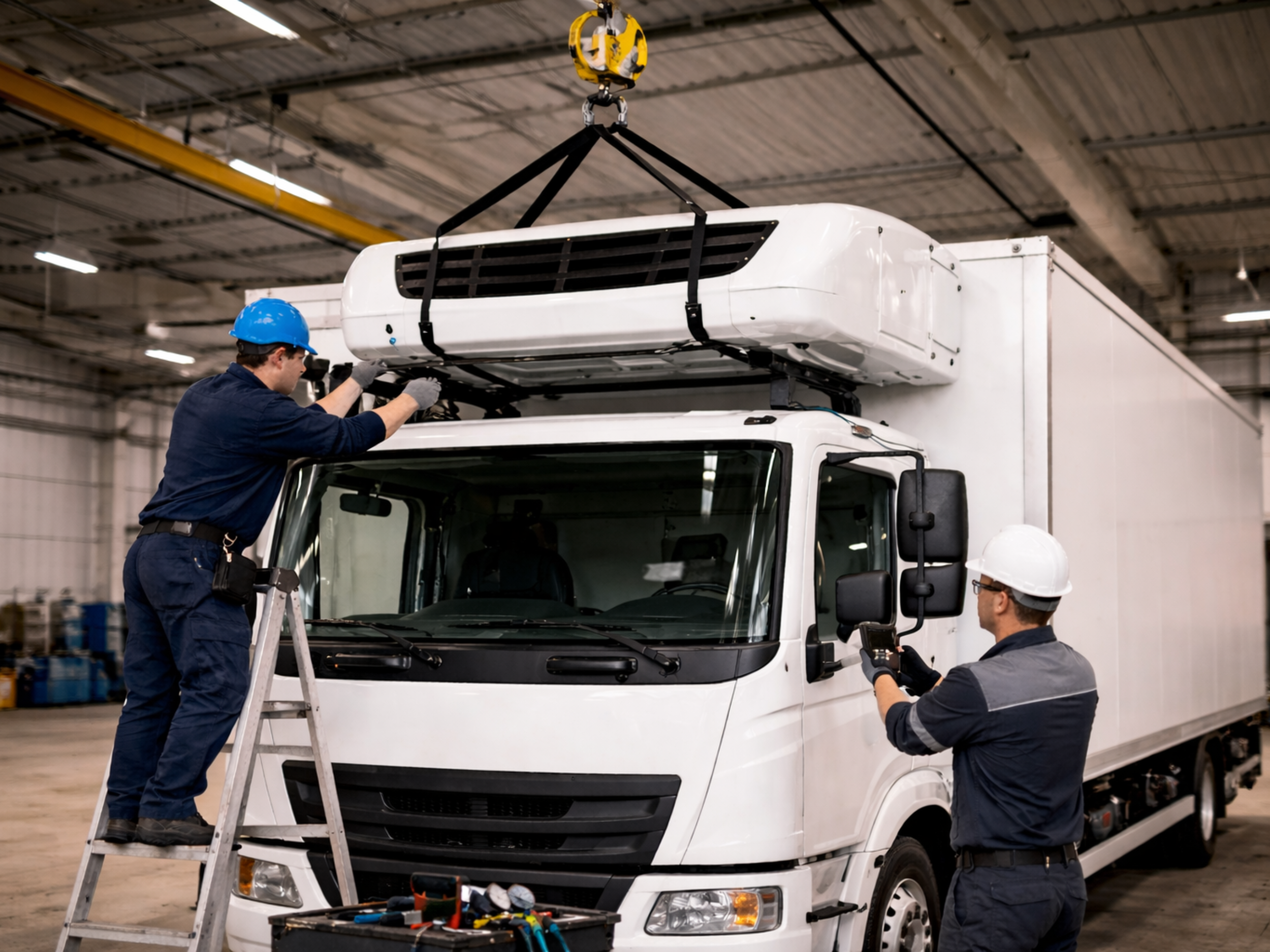
Yet when evaluating a reefer truck or refrigerated truck, many fleet operators still focus heavily on refrigeration units while overlooking a critical component of cold chain performance: the reefer body itself.
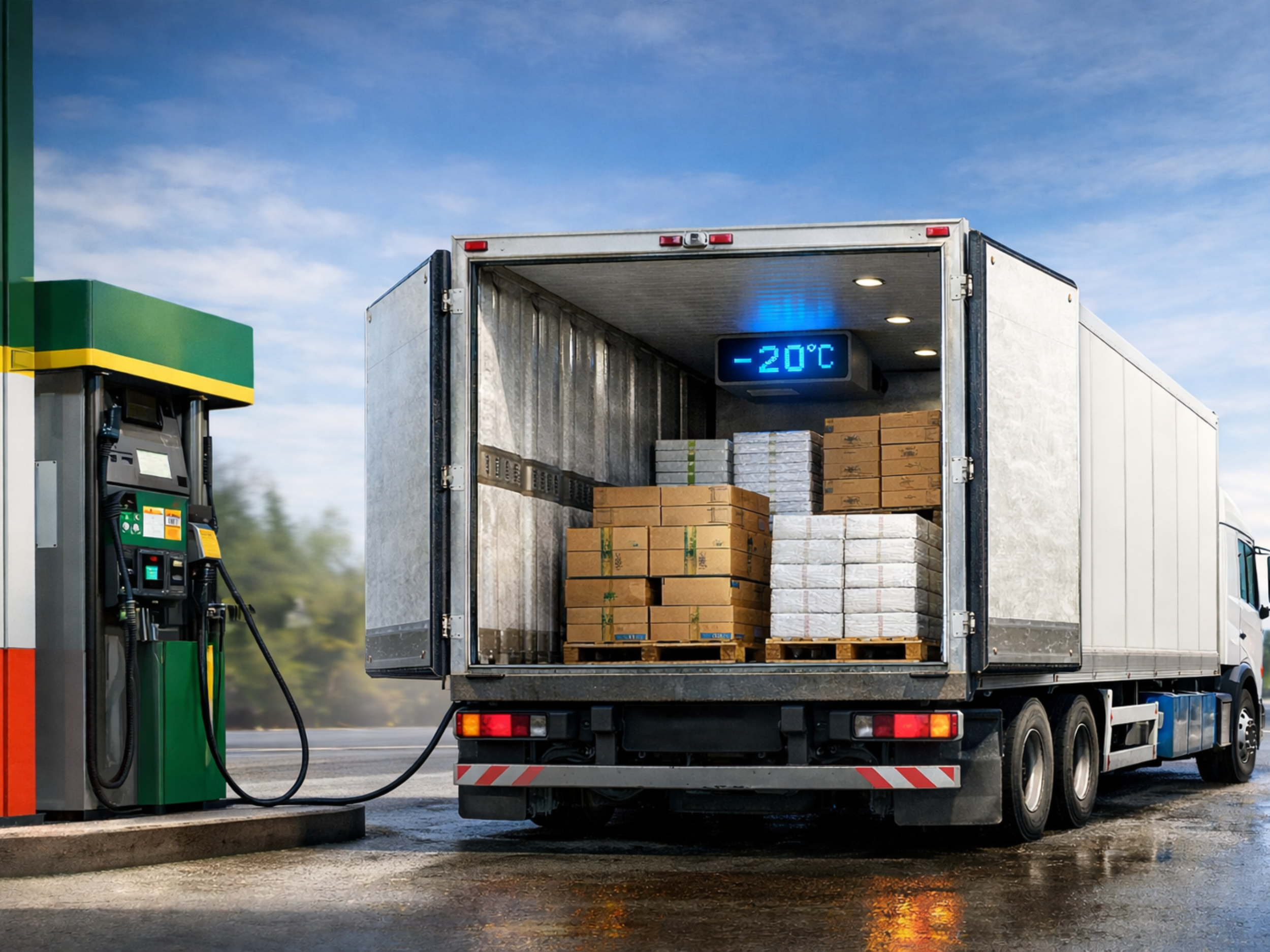
A refrigeration unit can only perform as efficiently as the structure surrounding it. If the reefer body lacks strength, develops thermal leaks, sustains impact damage, or deteriorates over time, it can increase fuel consumption, compromise temperature control, raise maintenance costs, and ultimately affect cargo quality. In a business where even minor temperature fluctuations can lead to product losses, the construction of the reefer body becomes a strategic investment rather than a simple vehicle specification.
Why Traditional Reefer Body Materials Are Being Re-evaluated in Modern Cold Chain Equipment
For years, the cold chain industry has relied on GRP (Glass Reinforced Plastic) and MS (Mild Steel) corrugated constructions for reefer trucks, refrigerated trucks, reefer vans, and other temperature-controlled transport solutions. While both materials have proven their value, the demands of modern cold chain logistics have changed considerably. Businesses today are transporting temperature-sensitive products over longer distances, handling higher cargo volumes, and operating under stricter quality and compliance standards.
As a result, fleet operators are increasingly evaluating reefer body materials not just for insulation performance, but for durability, maintenance requirements, and long-term operational costs. The conversation has shifted from simply buying a reefer vehicle to investing in high-performance cold chain equipment that can support operational efficiency over the long term.
The Rise of GRP Reefer Truck Body Construction
GRP reefer bodies gained popularity because they offered a lightweight, corrosion-resistant alternative to traditional metal constructions. Their compatibility with insulated sandwich panel technology and ability to support efficient temperature control made them a preferred choice for food, dairy, and pharmaceutical transportation.
However, as cold chain operations have become more demanding, some operators have found that GRP bodies can be vulnerable to cracks, impact damage, and wear from repeated loading and unloading. While they continue to be an effective solution for many applications, businesses handling heavy cargo or operating high-utilization reefer truck fleets are increasingly looking for stronger alternatives that offer greater structural resilience alongside thermal efficiency.
The Legacy of MS Corrugated Insulated Truck Bodies
MS corrugated bodies have long been valued for their strength and rugged construction. Their ability to withstand tough operating conditions made them a common choice for commercial transportation, particularly where durability was a priority. However, in temperature-controlled logistics, steel-based insulated truck bodies can present challenges over time.
Exposure to moisture, cleaning processes, and changing temperatures can increase the risk of corrosion and maintenance requirements. While their upfront cost may sometimes appear attractive compared to advanced insulated systems, businesses are increasingly evaluating long-term performance rather than focusing solely on factors such as PUF panel price.
What Modern Fleet Operators Need from a Reefer Vehicle Today
Today's fleet operators expect more from a reefer vehicle than simply maintaining the required temperature. Whether operating a reefer van for urban deliveries or a large reefer box truck for intercity transportation, businesses need bodies that can withstand daily operational stress, protect cargo during long-haul journeys, and deliver consistent performance over years of use.
Durability, thermal efficiency, lower maintenance costs, and maximum vehicle uptime have become key decision-making factors. Rather than evaluating a reefer body solely on upfront cost or insulation capability, businesses are increasingly considering total cost of ownership and long-term reliability. This shift in priorities is driving interest in next-generation cold chain equipment and encouraging refrigerated truck body builders to develop solutions that offer both superior insulation and enhanced structural strength within a single design.
DuoShield vs GRP Reefer Truck Bodies: Looking Beyond Insulation Performance
GRP has long been a popular choice for reefer body construction due to its lightweight nature, corrosion resistance, and compatibility with insulated panel systems. However, as cold chain operations become more demanding, fleet operators are evaluating reefer bodies on more than just insulation performance. Durability, maintenance requirements, and long-term operational efficiency are becoming equally important factors when selecting a reefer truck or reefer vehicle.
Reefer Truck Durability in Real-World Cold Chain Operations
A reefer body is exposed to constant wear from loading and unloading activities, road vibrations, shifting cargo, and varying weather conditions. While GRP performs well in many applications, it can be susceptible to cracks, chips, and surface damage over time, particularly in high-utilization environments.
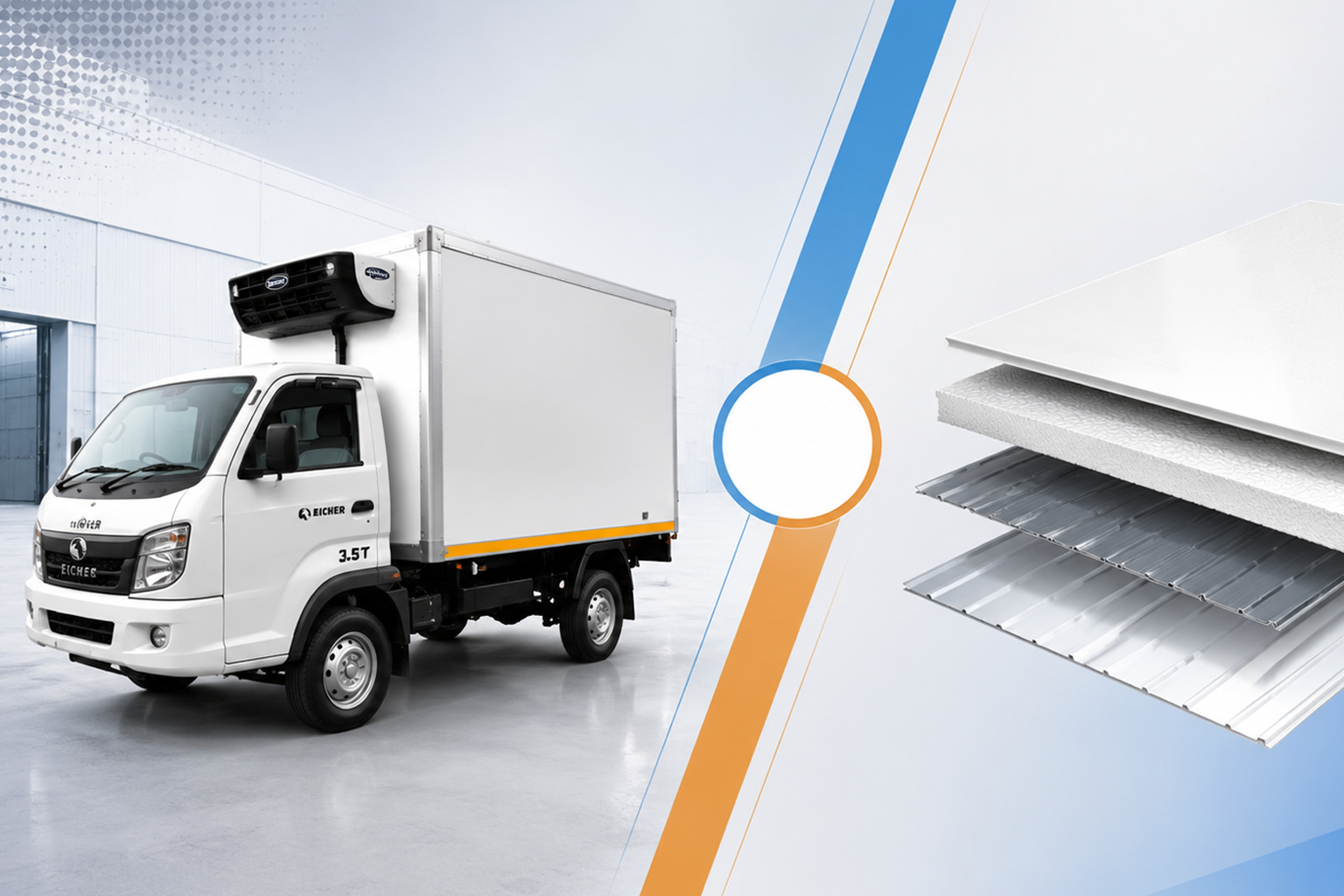
DuoShield is designed to offer greater structural resilience through its dual-metal skin construction. This added strength helps the body withstand daily operational stresses while maintaining its integrity over the long term.
- Better resistance to impacts and dents
- Greater structural stability during transportation
- Reduced risk of damage during loading operations
- Improved durability for heavy-duty applications
For businesses transporting high-value or temperature-sensitive cargo, a stronger reefer body can help reduce repair frequency and improve operational reliability.
Long-Term Value of a DuoShield Reefer Truck Over the Lifecycle
When evaluating a reefer box truck, the upfront cost tells only part of the story. Long-term performance is influenced by factors such as maintenance needs, repair costs, insulation effectiveness, and vehicle uptime.
DuoShield is engineered to protect the insulated sandwich panel structure and maintain thermal performance over years of operation. This helps refrigeration systems work more efficiently while reducing the likelihood of costly repairs.
- Lower maintenance requirements
- Consistent insulation performance
- Reduced downtime
- Longer service life
- Better overall return on investment
As operators increasingly focus on total cost of ownership rather than just acquisition cost, investing in durable, high-performance cold chain equipment is becoming a strategic decision. DuoShield is designed to meet that need by combining reliable insulation with enhanced structural strength.
DuoShield vs MS Corrugated Reefer Truck Bodies: Modern Cold Chain Demands
MS corrugated bodies have been used in commercial transportation for decades because of their strength and familiarity across the industry. However, the requirements of temperature-controlled logistics have evolved significantly. Today's refrigerated trucks and insulated trucks need to do more than withstand tough operating conditions. They must also maintain thermal efficiency, minimize maintenance, and deliver consistent performance over years of service.
How DuoShield Protects Reefer Truck Bodies Against Environmental Wear
Cold chain vehicles operate in challenging environments where exposure to moisture, temperature fluctuations, cleaning chemicals, and daily use is unavoidable. While MS corrugated bodies offer structural strength, they can become vulnerable to corrosion and surface deterioration over time, particularly in demanding applications.
DuoShield addresses these challenges through its dual-metal skin construction and corrosion-resistant materials, helping preserve both the appearance and performance of the reefer body.
- Improved resistance to corrosion and rust
- Better protection against environmental exposure
- Enhanced durability in demanding operating conditions
- Longer-lasting body integrity
This makes DuoShield particularly suitable for businesses looking to maximize the lifespan of their reefer truck fleet.
Greater Reefer Truck Efficiency Across the Full Vehicle Lifecycle
For fleet operators, the true value of a reefer body lies in how it performs over years of operation. A body that requires frequent repairs or loses insulation efficiency can increase operating costs and affect cargo protection.
DuoShield combines a durable outer structure with an insulated sandwich panel core to help maintain thermal performance and reduce maintenance requirements. This contributes to more efficient refrigeration operation and improved reliability throughout the vehicle's lifecycle.
- Consistent temperature retention
- Lower maintenance requirements
- Reduced downtime for repairs
- Improved refrigeration efficiency
- Better long-term return on investment
As the cold chain industry continues to prioritize reliability and lifecycle value, fleet operators are increasingly investing in advanced cold chain equipment that can deliver both durability and operational efficiency. DuoShield is designed to meet these expectations while offering a modern alternative to traditional MS corrugated constructions.
Why DuoShield Reefer Truck Bodies Deliver More Than Just Structural Strength
Once you move past the material comparison between GRP, MS, and DuoShield, the real question becomes more practical. How does it actually perform in day-to-day operations across a reefer truck fleet? In cold chain logistics, performance is measured not just in build quality, but in uptime, maintenance cycles, temperature stability, and total operating cost. This is where DuoShield shifts from being just a structural upgrade to a business-focused solution for modern cold chain equipment.
Reduced Maintenance and Repair Costs
DuoShield helps reduce the kind of recurring repair work that often affects traditional refrigerated trucks and reefer vehicles. Its dual-metal skin construction offers better resistance to dents, impacts, and surface damage that commonly occur during loading and unloading. Over time, this leads to fewer structural repairs and less downtime in workshops. For operators managing multiple reefer box trucks, this also means more predictable maintenance schedules and lower long-term servicing costs.
Better Temperature Stability
Temperature control in cold chain transport depends heavily on the integrity of the body structure. DuoShield helps maintain stable internal conditions by protecting the insulated sandwich panel from damage and reducing chances of thermal leakage. This ensures the refrigeration unit operates under consistent load conditions without overworking. The result is more stable temperature performance, even on long routes or in varying external conditions.
Improved Asset Lifespan
A reefer body is expected to perform for years, often under continuous operational stress. DuoShield is designed to withstand this pressure by maintaining structural integrity over time, even in demanding use cases. By reducing wear on both internal and external surfaces, it helps extend the usable life of the vehicle. This allows businesses to get more value from every reefer truck investment before considering replacement or major overhaul.
Higher Reefer Truck Fleet Reliability
For fleet operators, reliability is about consistency across every trip. DuoShield improves this by reducing the risk of structural failures, insulation loss, and unexpected breakdowns. This is especially important for businesses running scheduled deliveries or time-sensitive logistics, where delays can affect supply chains. A more reliable structure also supports smoother scaling of refrigerated truck operations without frequent interruptions.
Lower Total Cost of Ownership for DuoShield Reefer Truck Fleets
When factors like maintenance, lifespan, efficiency, and downtime are considered together, DuoShield offers a more balanced long-term cost structure. Instead of focusing only on upfront cost or PUF panel price, operators can evaluate the total cost of ownership across the vehicle’s lifecycle. Reduced repairs, better insulation retention, and longer service life all contribute to better ROI from insulated trucks and cold chain fleets over time.
How Reefer Truck Body Design Is Evolving in India's Cold Chain Industry
India’s cold chain industry is expanding rapidly, driven by rising demand from pharmaceuticals, dairy, frozen food, and fresh produce sectors, along with deeper distribution into tier 2 and tier 3 cities. This shift is changing expectations from every reefer vehicle. A reefer truck today is no longer judged only by its ability to maintain temperature in transit, but by how consistently it performs across longer routes, tougher road conditions, and higher utilisation cycles, while still keeping operating costs in check.
At the same time, fleet operators and refrigerated truck body builders are dealing with a clear operational challenge. Traditional construction methods are being pushed by modern logistics demands such as continuous loading cycles, heavier payloads, and faster delivery expectations. Over time, this exposes limitations in conventional GRP and MS structures, particularly in long-term structural strength and insulation consistency.
This is driving interest in newer reefer body designs that combine durability and thermal performance within a single integrated system.
In this context, technologies like DuoShield reflect a broader shift in the industry. Instead of treating strength and insulation as separate priorities, the focus is moving toward unified designs that deliver both effectively. For operators running large fleets of refrigerated trucks or scaling cold chain operations, this approach offers better reliability, reduced maintenance needs, and longer asset life, making reefer body design more aligned with the evolving demands of temperature-sensitive logistics in India.
Conclusion
The reefer body has quietly become one of the most important parts of modern cold chain performance. While refrigeration units often get the most attention, real-world reliability depends just as much on how well the body is built to handle daily stress, maintain insulation integrity, and support consistent operations over time.
As India’s cold chain network expands and expectations from reefer vehicles continue to rise, the limitations of conventional GRP and MS constructions are becoming harder to ignore. Businesses are now looking beyond basic temperature control and focusing on long-term durability, lower maintenance, and better lifecycle value across their reefer truck fleets.
This is where integrated design approaches like DuoShield stand out. By combining structural strength with efficient insulation in a single system, they address the practical challenges faced by modern cold chain equipment operators. The result is not just improved performance on paper, but better reliability on the road, fewer interruptions in operations, and stronger return on investment over time.
For fleet operators and refrigerated truck body builders, the direction is clear. The future of reefer body design will be defined by solutions that balance strength, efficiency, and longevity without compromise.
Frequently Asked Questions
What is a DuoShield reefer box?
A DuoShield reefer box is a temperature-controlled vehicle body built using a dual-metal skin construction system with a high-density insulated sandwich panel core. It is designed to improve structural strength, thermal stability, and long-term durability for modern cold chain transport applications in reefer trucks, reefer vans, and reefer box trucks.
How is DuoShield different from GRP reefer boxes?
GRP reefer boxes are lightweight and corrosion-resistant, but they can be more prone to cracks and surface damage under heavy operational use. DuoShield uses a dual-layer metal skin that offers higher impact resistance, better structural stability, and improved protection for the insulated core, making it more suitable for high-utilization refrigerated trucks and demanding logistics routes.
Is DuoShield stronger than MS corrugated reefer body?
Yes. While MS corrugated bodies are structurally strong, they are more vulnerable to corrosion and long-term wear. DuoShield improves on this by combining strength with corrosion-resistant materials and a protected insulation system, resulting in better durability, lower maintenance needs, and longer service life for cold chain equipment.
What temperature range does DuoShield achieve?
DuoShield itself is a reefer body system, so the temperature range depends on the refrigeration unit and insulation configuration. Typically, it supports chilled applications from +2°C to +8°C and frozen transport down to -18°C to -25°C, with deeper freezing possible in specialized setups used in reefer vehicles and reefer trucks.
Which industries should choose DuoShield over GRP?
DuoShield is best suited for industries that require heavy-duty and consistent cold chain performance, including frozen food, meat and poultry, seafood, dairy, ice cream, pharmaceuticals, and long-distance distribution. It is especially useful for businesses operating high-frequency refrigerated truck fleets or handling temperature-sensitive cargo where downtime and product loss must be minimized.
What is the price of a DuoShield reefer body?
The price of a DuoShield reefer body is not fixed and depends on factors such as vehicle size, panel thickness, insulation requirements, refrigeration unit selection, and customization needs. It is typically evaluated as a total cost of ownership investment rather than just upfront cost, especially when compared with factors like PUF panel price in standard cold chain equipment.