India's logistics sector is being reshaped by a mix of environmental urgency and business pressure. Rising pollution levels, increasing regulatory scrutiny, and a visible shift toward climate-conscious operations are pushing industries to rethink how goods move across the country. At the same time, fleet operators are navigating volatile fuel prices, tighter delivery timelines, and the constant need to improve cost efficiency.
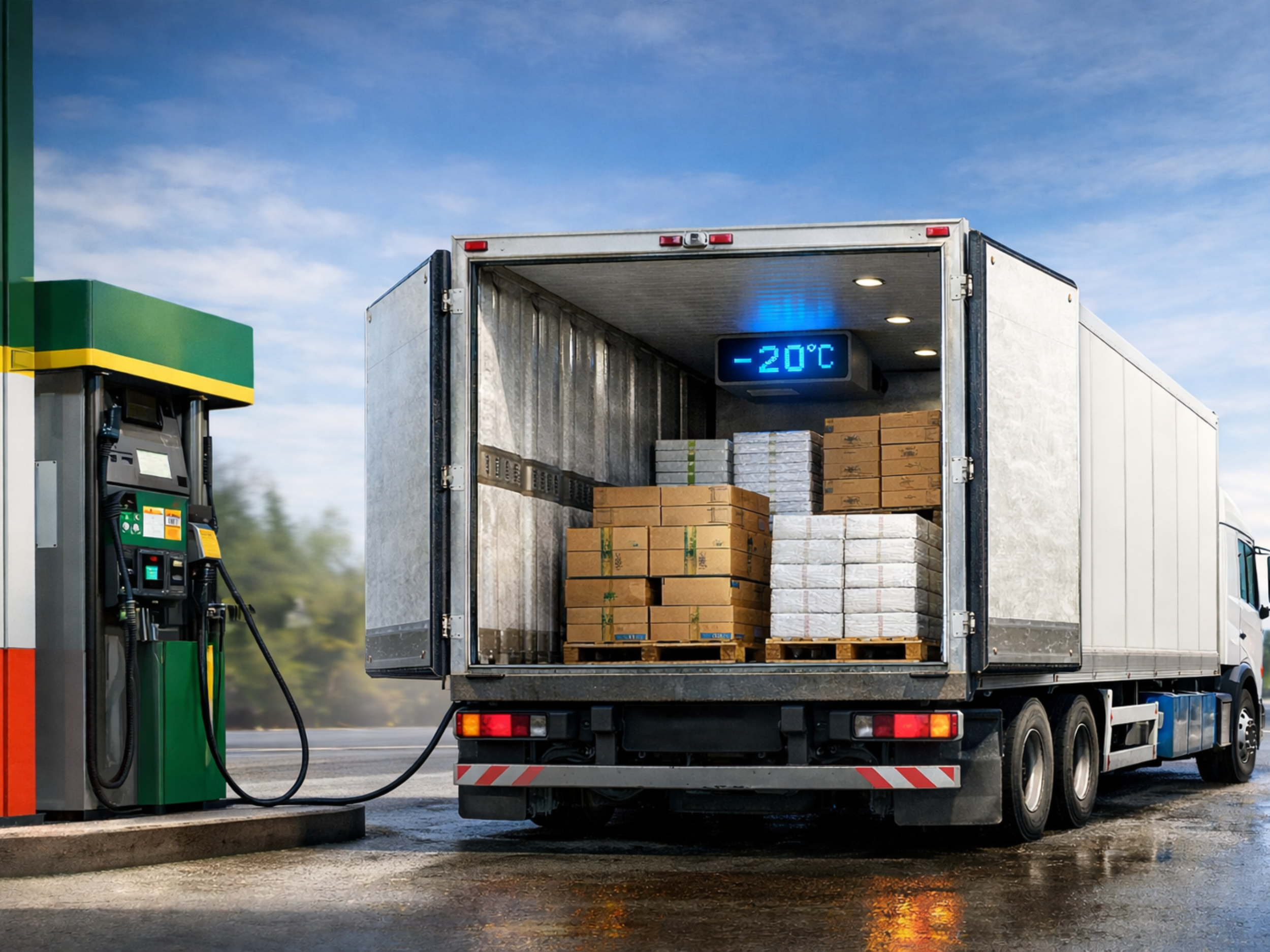
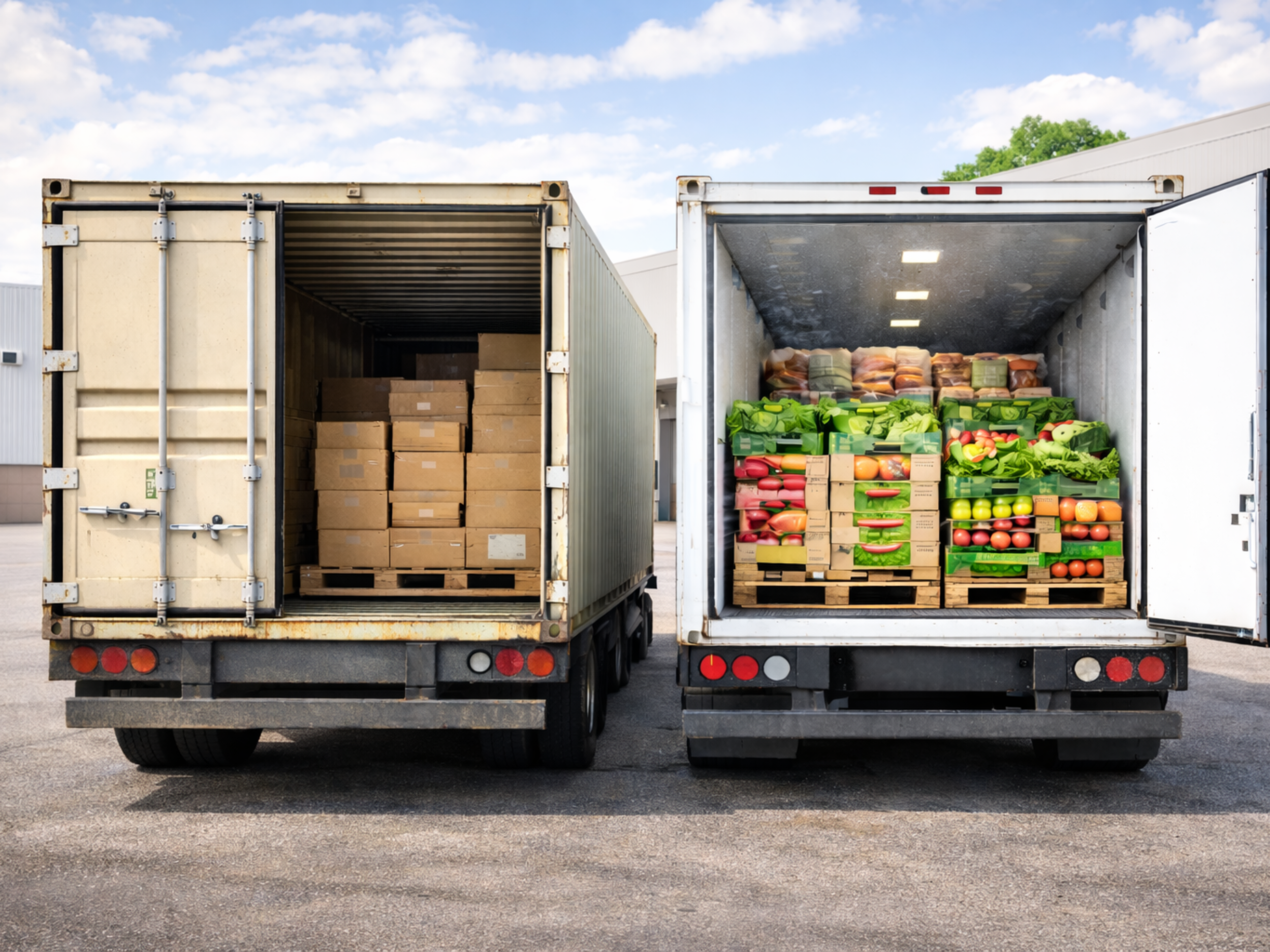
This dual pressure is especially evident in cold chain logistics. Moving temperature-sensitive goods has always been energy-intensive. Traditional diesel-powered reefer van fleets rely on continuous fuel consumption not just for mobility, but also for refrigeration. The result is a system that is expensive to run, difficult to scale sustainably, and increasingly out of sync with both environmental goals and evolving compliance standards.
For years, this made the cold chain one of the slowest segments to transition. Unlike standard cargo movement, electrifying temperature-controlled transport isn't just about replacing the engine. It requires rethinking how energy is generated, stored, and used across both propulsion and cooling.
That shift is now underway.
The rise of electric commercial vehicle adoption, particularly in the light commercial segment, is opening up new possibilities. Platforms in the electric van India category are becoming more robust, while advancements in electric reefer unit technology are addressing one of the biggest historical barriers, which is managing refrigeration without draining vehicle range.
What makes this moment different is that the transition is no longer driven by intent alone. It is being supported by improving economics, policy incentives like the electric vehicle subsidy India frameworks, and a growing push toward building a more sustainable cold chain. For operators, this is not just about reducing emissions. It is about rethinking total cost of ownership, improving fleet predictability, and aligning with a supply chain that is becoming more quality-sensitive and compliance-driven.
In 2026, electric reefers are moving from pilot projects to practical deployment. The conversation is no longer about whether they work, but where they make the most sense and how quickly they can be scaled.
Why Energy Management Is the Real Challenge for Electric Reefer Unit
Electrifying a standard cargo vehicle is relatively straightforward. Electrifying a reefer van is far more complex. The challenge goes beyond replacing a diesel engine with a battery. It lies in how energy is managed across two simultaneous and non-negotiable functions: moving the vehicle and maintaining precise temperature conditions. In cold chain operations, there is very little margin for error. A slight deviation in temperature can compromise the entire payload. This makes energy management not just a technical consideration, but a core operational risk.
Dual Load Problem: Mobility + Cooling
Unlike conventional EVs that use battery power solely for propulsion, a reefer van operates under a continuous dual-load system. The same energy source must support both movement and refrigeration.
The propulsion load fluctuates depending on speed, terrain, and payload. The cooling load, however, is far less flexible. It remains constant and often intensifies in real-world conditions. High ambient temperatures, frequent door openings, and stop-start delivery cycles increase the demand on the refrigeration system.
In traditional diesel setups, this complexity is absorbed by fuel consumption. The engine either powers the refrigeration system directly or supports an independent unit. While inefficient, it ensures predictable performance. In an electric setup, the trade-off becomes more visible. Higher cooling demand directly impacts available driving range. This is why early attempts at electrification in cold chain struggled. Retrofitting conventional systems onto EV platforms did not account for shared energy constraints.
The shift to a purpose-built electric reefer unit changes this equation. These systems are designed to operate within battery limitations, using more efficient compressors and controlled power usage to balance both functions.
New System Designs Making Electric Refrigerated Truck Viable
The industry is now moving toward integrated system design, where vehicles and refrigeration units are engineered to work together rather than as separate components. This shift is making electric refrigerated van deployment more practical in real-world conditions. Several advancements are driving this change.
Dedicated or distributed battery systems are being used in some configurations to separate propulsion from cooling. This reduces the risk of refrigeration impacting vehicle range and improves operational reliability. Thermal efficiency has also improved significantly. Better insulation, tighter sealing, and advanced body construction reduce the cooling load, allowing the system to maintain temperature with less energy. This plays a critical role in improving overall vehicle performance.
Operational strategies are evolving as well. Fleet operators are aligning routes with EV capabilities, focusing on predictable, high-frequency delivery cycles where energy usage can be planned more accurately.
At the same time, modern electric reefer unit systems are becoming more intelligent. They can adjust cooling output in real time based on internal conditions, instead of running at full capacity continuously. This reduces unnecessary power consumption. Charging strategies are also becoming part of the solution. Vehicles can be plugged in during loading or idle periods, maintaining cooling through external power while preserving onboard battery life.
Together, these changes reflect a broader shift toward building a more sustainable cold chain. The focus is no longer just on electrifying the vehicle, but on optimizing how energy is used across the entire operation. In this segment, success depends less on the vehicle alone and more on how effectively energy is managed from start to finish.
India's EV Ecosystem Reaches Maturity for Electric Reefer Unit Adoption (2026)
India's EV ecosystem has moved past early experimentation and is now entering a phase of targeted, use-case-driven adoption. This is especially visible in the light commercial segment, where the electric van India market is seeing the strongest traction. Adoption is not uniform across the country. It is concentrated in urban clusters where delivery routes are predictable, charging access is improving, and fleet operators can closely monitor utilization. E-commerce, FMCG, and quick commerce players are leading this shift, deploying EVs at scale for last-mile and intra-city logistics. These conditions naturally align with cold chain requirements, where deliveries are time-bound, route-defined, and operationally intensive.
At the same time, the availability of reliable OEM platforms is making reefer integration far more practical than it was a few years ago. Manufacturers like Tata Motors, Mahindra Electric, Euler Motors, and Altigreen are building vehicles specifically designed for commercial applications, with better load capacity, improved battery performance, and fleet-friendly service ecosystems. This evolution in platform design is critical because it allows reefer solution providers to build compatible systems without compromising on range or structural integrity.
As a result, the broader electric commercial vehicle India landscape is no longer just enabling cargo movement, but actively supporting specialized applications like temperature-controlled logistics. This growing alignment between vehicle platforms and cold chain requirements is what makes 2026 a turning point for EV reefers in India.
Why Cold Chain Was the Last Segment to Go Electric And What Changed for Electric Reefer Unit
For years, cold chain logistics sat on the edge of India's EV transition without fully participating in it. While segments like last-mile delivery and passenger mobility moved quickly toward electrification, temperature-controlled transport remained heavily dependent on diesel. The reason wasn't resistance to change. It was a combination of technical constraints, operational risk, and the high cost of failure.
Unlike standard cargo movement, cold chain logistics operates within tightly controlled temperature ranges. Whether it is pharmaceuticals, dairy, frozen foods, or specialty chemicals, even a small fluctuation can lead to spoilage, compliance issues, or complete loss of goods. This made operators cautious about adopting a technology that, until recently, struggled with consistency under load.
Key Barriers That Delayed Electric Reefer Unit Adoption in Cold Chain
- Dual energy dependency: A reefer van requires power for both movement and refrigeration. In EVs, this shared energy demand creates a direct trade-off between range and cooling performance.
- Battery limitations (earlier generation): Lower energy density meant compromises on range, payload, or both. This made route planning unpredictable.
- High ambient temperatures: Indian conditions increase refrigeration load, pushing systems beyond what early EV platforms could reliably handle.
- Lack of charging + standby infrastructure: Vehicles often needed to maintain cooling while stationary, without access to external power sources.
- Inefficient retrofitting: Conventional refrigeration systems were not designed for EVs, leading to poor integration and higher energy consumption.
- Operational risk sensitivity: Even minor temperature deviations could result in cargo loss, making fleet operators risk-averse.
How Technology and Policy Are Now Enabling Electric Reefer Unit Deployment
- Purpose-built systems: Modern electric reefer unit solutions are designed for battery efficiency, with variable-speed compressors and optimized power usage.
- Improved thermal efficiency: Better insulation and body design reduce cooling load, improving the viability of an electric refrigerated van.
- Stronger EV platforms: OEMs are now offering reliable options within the electric commercial vehicle India ecosystem, built for real-world logistics needs.
- Policy support: Incentives under electric vehicle subsidy India frameworks and the EMPS 2024 scheme have reduced upfront costs for fleet operators.
- Smarter fleet operations: Businesses are redesigning routes to suit EV strengths, focusing on predictable, high-frequency delivery cycles.
- Shift in mindset: EV reefers are no longer treated as direct diesel replacements, but as part of a more efficient, sustainable cold chain strategy.
These shifts, taken together, have changed the equation. Cold chain electrification is no longer a question of technical feasibility. It is now about strategic adoption, where the right combination of vehicle, refrigeration system, and route planning determines success.
Which Cold Chain Routes Are Ideal for EVs Right Now?
EV adoption in the cold chain is not happening evenly across all route types. It is concentrating first in specific urban and semi-urban corridors where operational patterns are predictable, distances are manageable, and charging or depot-based support is available. These conditions matter because electric refrigerated van operations depend heavily on route stability and controlled energy usage. Unlike diesel-based reefer van fleets that can stretch across long hauls with refuelling flexibility, EV reefers perform best when logistics are structured, repetitive, and tightly scheduled.
This is why certain segments are emerging as early winners. In cities, demand for fresh, temperature-sensitive goods is rising sharply, but the delivery radius is still relatively compact. Pharma distribution within city limits is a strong example, where consistency, compliance, and timely delivery matter more than long-distance reach. Similarly, dairy and fresh produce logistics are naturally suited for EVs because they operate on daily replenishment cycles with fixed supply points. Q-commerce and grocery delivery networks also fit well into this model due to their high-frequency, short-distance routes and dependency on multiple stops per trip. The HoReCa segment adds another layer of compatibility, as restaurants and catering services require reliable, time-bound deliveries within predictable urban clusters.
What ties all these use cases together is not just the type of goods being transported, but the structure of the routes themselves. Most of these operations follow consistent patterns that allow fleet operators to plan energy usage with precision. This reduces uncertainty, which is critical for EV-based cold chain deployment.
Key characteristics of EV-suitable cold chain routes include:
- Daily travel distances typically within 80–150 km range
- Multiple short stops rather than long continuous hauls
- Fixed depot-based loading and unloading cycles
- High-frequency, repeatable delivery schedules
- Strong dependence on urban or peri-urban infrastructure
When these conditions are present, EV reefers operate efficiently without compromising temperature stability or delivery performance. The predictability of these routes also allows better optimisation of charging cycles, refrigeration loads, and turnaround times.
In practical terms, this means EV cold chain is not replacing diesel across the board yet. Instead, it is building strength in controlled environments where efficiency can be measured and managed. Over time, as battery performance improves and charging infrastructure expands, these route clusters will form the backbone of a wider sustainable cold chain network in India.
PM E-DRIVE 2025: What It Means for Electric Reefer Unit Adoption in India
India's EV policy landscape has moved into a more focused phase with the PM E-DRIVE 2025–2026 scheme, which is now shaping commercial vehicle adoption more directly than earlier programs like FAME II or EMPS 2024. For cold chain operators, this shift is important because it changes both the cost structure and the eligibility framework for electric commercial vehicle India deployments, especially in the light and medium-duty segment where electric refrigerated van use cases are growing.
Unlike earlier subsidy structures that broadly supported EV adoption, PM E-DRIVE is more targeted. It prioritizes commercially viable vehicle categories and pushes adoption in logistics-heavy segments like refrigerated transport, where operational efficiency and emissions reduction both matter.
At its core, the scheme focuses on N2 category electric LCVs (Gross Vehicle Weight between 3.5 and 12 tonnes), which includes vehicles commonly used for reefer van applications in intra-city and regional cold chain operations. This makes it particularly relevant for fleet operators handling food, dairy, pharma, and e-commerce deliveries.
Here's how the incentive structure actually works in practice:
- Battery-linked subsidy model: Support is calculated at around ₹5,000 per kWh of battery capacity. This directly reduces the upfront cost of the vehicle based on its energy storage size.
- Capped financial benefit: Subsidies are limited to either 10% of the ex-factory price or a fixed cap (up to around ₹2.7 lakh for N2 LCVs). This ensures predictability but also sets a ceiling on benefits for larger fleets.
- Scrappage-linked eligibility: Vehicles are often tied to scrapping certification of older diesel trucks. This encourages replacement of high-emission fleets rather than incremental additions.
- Strict compliance requirements: Eligibility depends on meeting localization norms and safety standards, including AIS compliance. Advanced battery systems and certified components are key to approval.
- OEM-first reimbursement model: Incentives are routed through manufacturers, not directly to buyers. This means fleet operators benefit at the point of purchase through reduced vehicle pricing, but availability is often first-come, first-served depending on scheme allocation.
For cold chain operators, one important reality remains unchanged. The refrigeration system itself is still not covered under subsidies. This means the efficiency of the electric reefer unit plays a critical role in determining real-world profitability. A poorly optimized cooling system can quickly erode range benefits, especially in smaller battery configurations like 15–20 kWh setups commonly seen in entry-level EV LCVs.
This is where integration becomes more important than just vehicle selection. The success of an EV-based cold chain fleet depends on how well the vehicle platform and refrigeration system work together under real operating conditions.
Operators evaluating options under PM E-DRIVE should verify eligible models and updates directly through the official portal, as allocations and qualifying vehicles are updated periodically. In simple terms, PM E-DRIVE is not just a subsidy scheme. It is a filter for more structured EV adoption in logistics, pushing fleets toward more efficient, compliant, and commercially viable sustainable cold chain systems.
Conclusion
The transition of cold chain logistics to electric is no longer a future-facing idea. It is already unfolding, but in a controlled and highly selective way. What we are seeing in 2026 is not a blanket replacement of diesel fleets, but a gradual restructuring of how temperature-sensitive goods are moved, especially in urban and short-haul networks.
Policy frameworks like PM E-DRIVE 2025, along with earlier initiatives such as FAME II and EMPS 2024 scheme, have created the financial backbone for this shift. At the same time, improvements in electric commercial vehicle India platforms, better-designed electric reefer unit systems, and more efficient battery technologies are addressing the long-standing technical barriers that once held the sector back.
But the real change is happening at an operational level. Fleet operators are no longer looking at EVs as a direct replacement for diesel reefer van fleets. Instead, they are evaluating them based on route design, energy usage, refrigeration efficiency, and total cost over time. This shift in thinking is what is finally making electric refrigerated van adoption practical for real-world cold chain applications.
The future of this space will not be defined by a single breakthrough. It will be defined by how well technology, policy, and operations align. As this alignment strengthens, India's move toward a sustainable cold chain will stop being a transition story and become a new standard for logistics itself.
Frequently Asked Questions
Are electric reefer vans practical for Indian logistics conditions?
Yes, but mainly for short to medium urban routes. With improving battery performance and efficient electric reefer unit systems, EV reefers are becoming reliable for city-based cold chain operations like pharma, dairy, and grocery delivery.
What is the biggest limitation of an electric refrigerated van today?
The main limitation is range under heavy cooling loads. Since both driving and refrigeration depend on the same battery, high temperatures and frequent stops can reduce overall efficiency.
Do EV reefer vans qualify for government subsidies in India?
Yes. Under schemes like PM E-DRIVE 2025 and earlier programs such as EMPS 2024 scheme, subsidies apply to eligible electric commercial vehicle India models. However, refrigeration systems are usually not covered separately.
Which routes are best suited for electric cold chain vehicles?
EV reefers work best in predictable, high-frequency routes such as intra-city deliveries, pharma distribution, dairy supply chains, and quick commerce logistics. These routes typically fall within 80–150 km daily usage patterns.
How is the ROI of an electric reefer van compared to diesel?
While upfront costs can be higher, operating costs are significantly lower due to reduced fuel and maintenance expenses. Over time, especially with subsidies and high utilization, EV reefers can offer better total cost efficiency in urban cold chain operations.