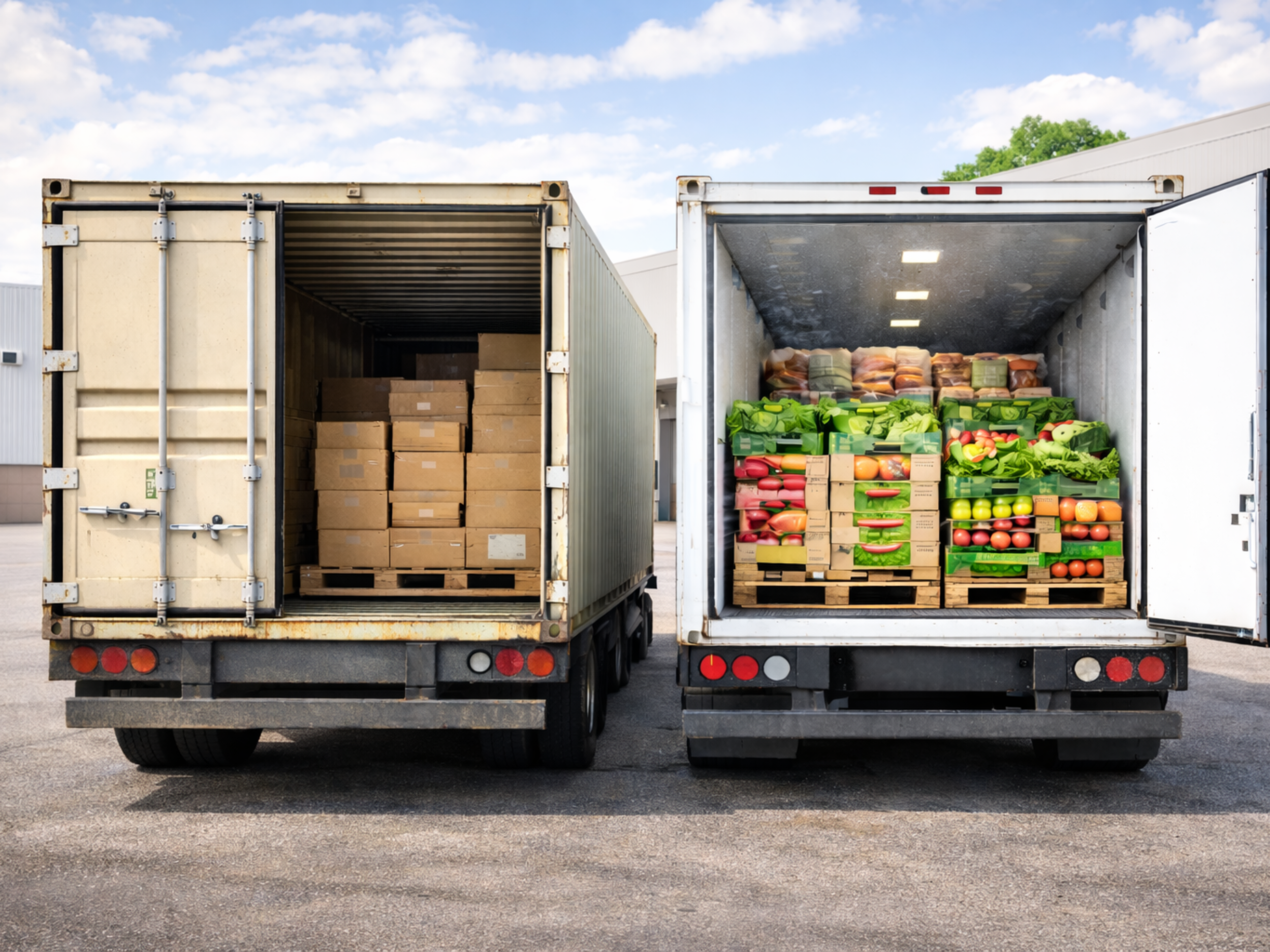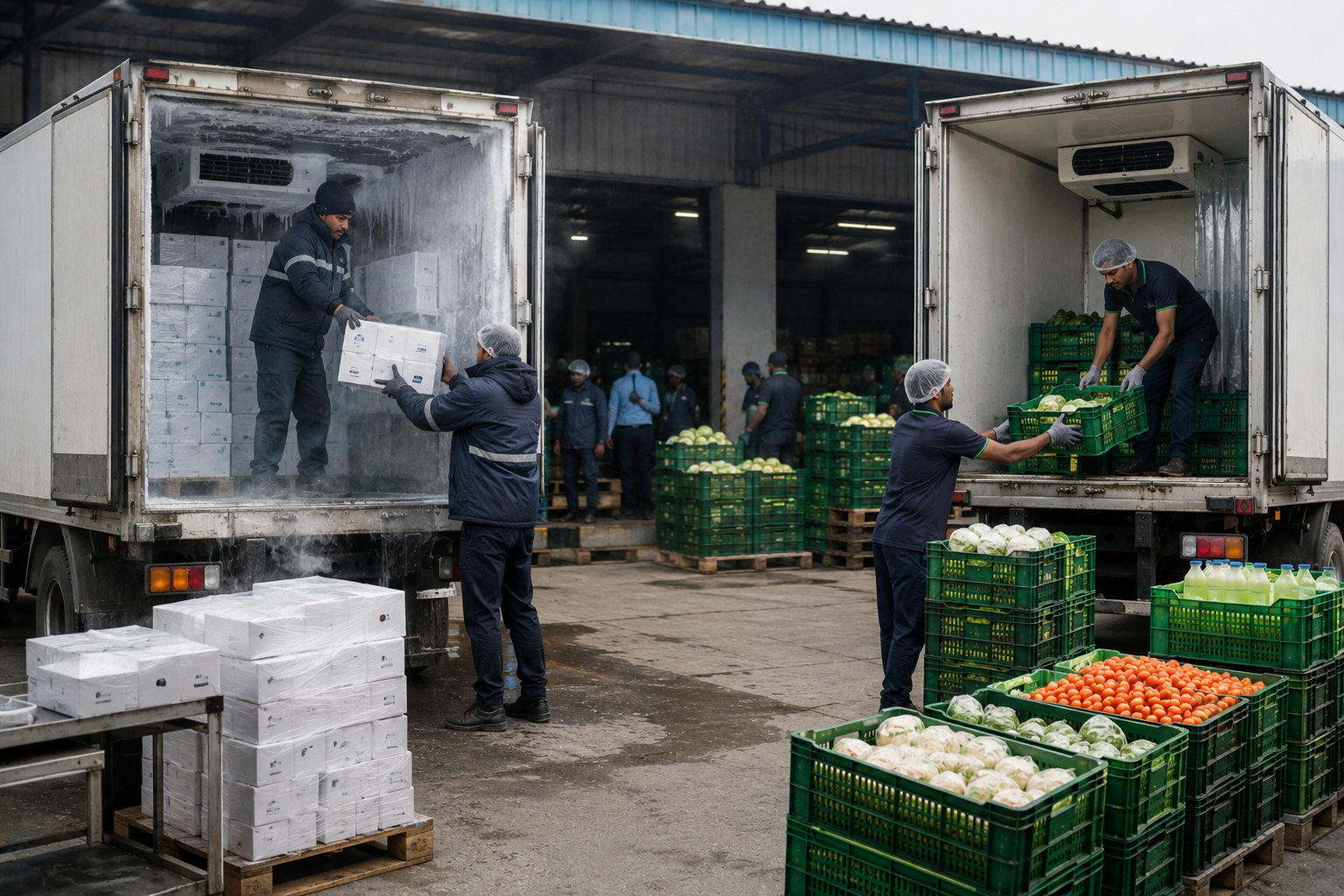
The global supply chain landscape is undergoing a major transformation. Rising consumer expectations, rapid delivery models, stricter food safety regulations, and expanding pharmaceutical distribution networks are pushing businesses to rethink how temperature-sensitive products move across the market. Today, customers expect fresh produce to retain quality over long distances, frozen foods to remain uncompromised during transit, and medicines to reach destinations within tightly controlled temperature conditions. At the same time, industries are facing increasing pressure from fuel costs, compliance requirements, product wastage, and infrastructure challenges. This is where modern cold chain logistics has evolved far beyond refrigerated transportation.
Across industries like food processing, dairy, seafood exports, pharmaceuticals, FMCG, and quick commerce, temperature-controlled logistics now directly impacts product quality, shelf life, customer trust, and business profitability. Even a minor disruption in the cold chain system can result in spoilage, rejected shipments, compliance failures, and financial losses. Yet, despite its growing importance, many businesses still assume frozen and chilled logistics operate similarly.
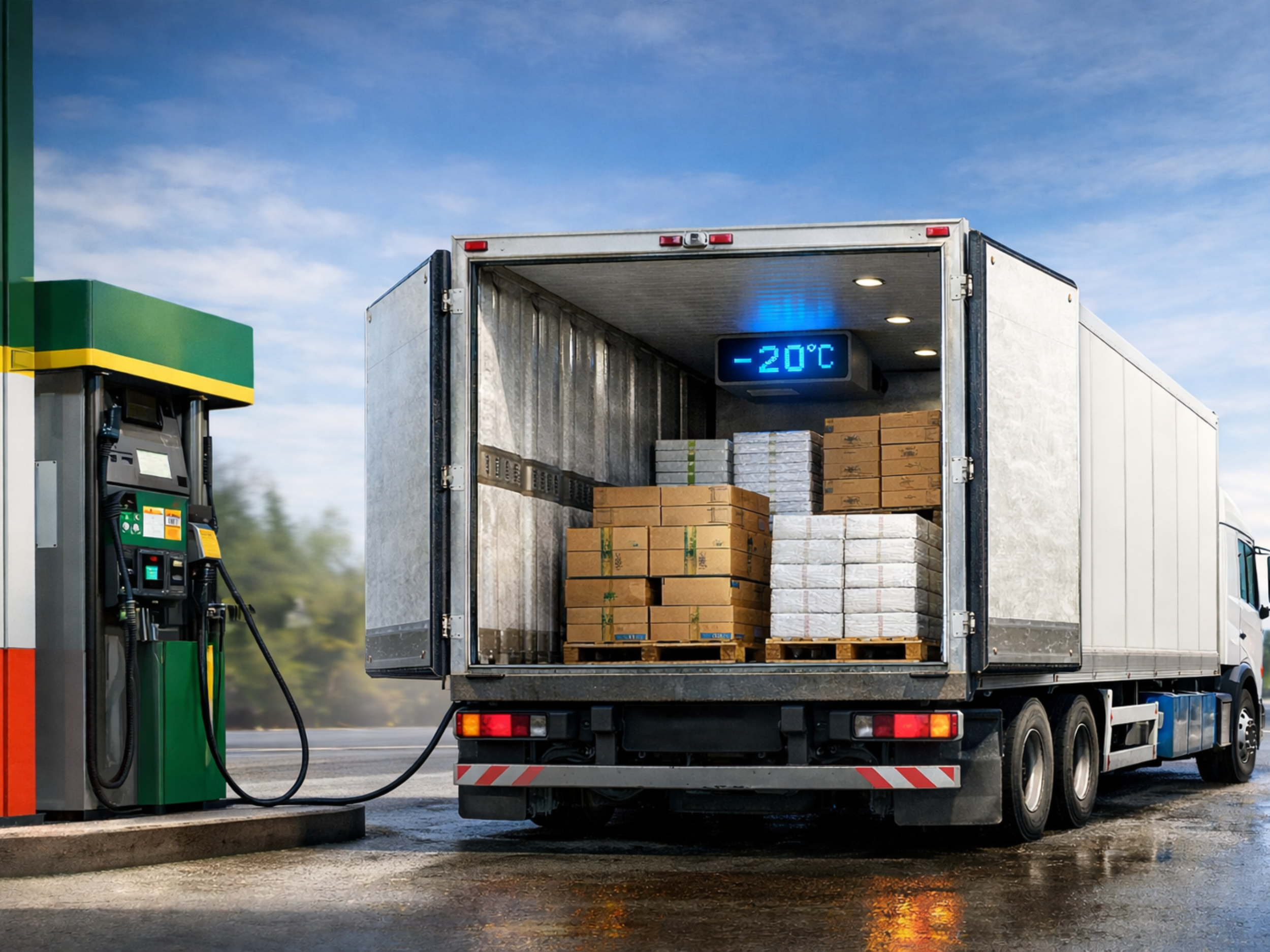
In reality, they are fundamentally different operational models. Transporting frozen seafood at -20°C requires very different infrastructure and vehicle engineering compared to maintaining dairy products or vaccines within a chilled range of 2°C to 8°C. The difference goes beyond temperature settings and extends to refrigeration capacity, insulation design, airflow systems, fuel consumption, humidity management, and overall operational costs. Frozen transportation typically demands stronger refrigeration systems, heavier insulation, and higher energy consumption to maintain stable sub-zero conditions. Chilled logistics, meanwhile, focuses more on freshness preservation, airflow consistency, and accurate cold storage temperature control without freezing the product.
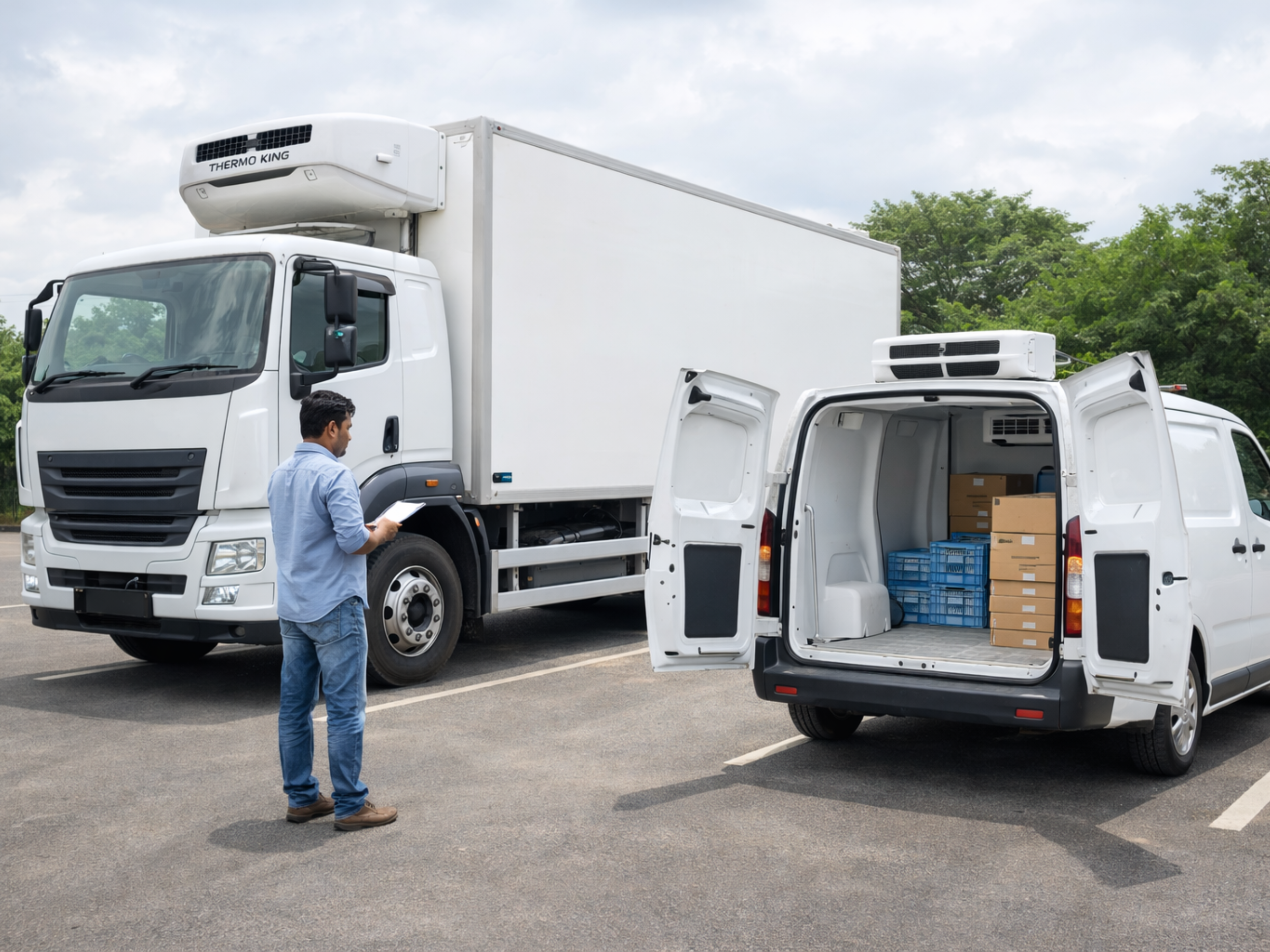
These differences also influence the type of cold chain equipment, warehouse infrastructure, and the configuration of a reefer truck or refrigerated truck used across the supply chain.
As businesses continue scaling temperature-sensitive operations across larger markets and faster delivery timelines, understanding the difference between frozen and chilled logistics is becoming essential for building reliable and cost-efficient cold chain management strategies.
Frozen Cold Chain Logistics System: Built Around Product Preservation Through Deep Freezing
A frozen cold chain is designed to keep products in a completely frozen state throughout transportation, storage, and distribution without any interruption in temperature consistency. Typically operating between -18°C and -25°C, this segment of cold chain logistics is critical for industries where even minor temperature fluctuations can compromise product quality, texture, safety, and shelf life. Sectors such as seafood exports, frozen FMCG products, ice cream manufacturing, meat and poultry processing, and ready-to-eat food distribution rely heavily on frozen logistics to maintain product integrity across long distances and varying climatic conditions.
Unlike chilled transportation, frozen logistics leaves very little room for temperature deviation. If products partially thaw and refreeze during transit, it can lead to microbial risks, texture damage, moisture loss, and significant reduction in shelf life. This makes maintaining a stable cold chain temperature one of the most important operational priorities in frozen transportation. To achieve this, businesses depend on high-performance cold chain equipment, advanced refrigeration systems, heavy-duty insulation panels, airtight vehicle construction, and continuous temperature monitoring technologies. From warehouse storage to the movement of a reefer truck or refrigerated truck, every stage of the cold chain system must work in synchronization to ensure products remain consistently frozen until they reach the end consumer.
Chilled Cold Chain Logistics: Balancing Freshness, Stability, and Shelf Life
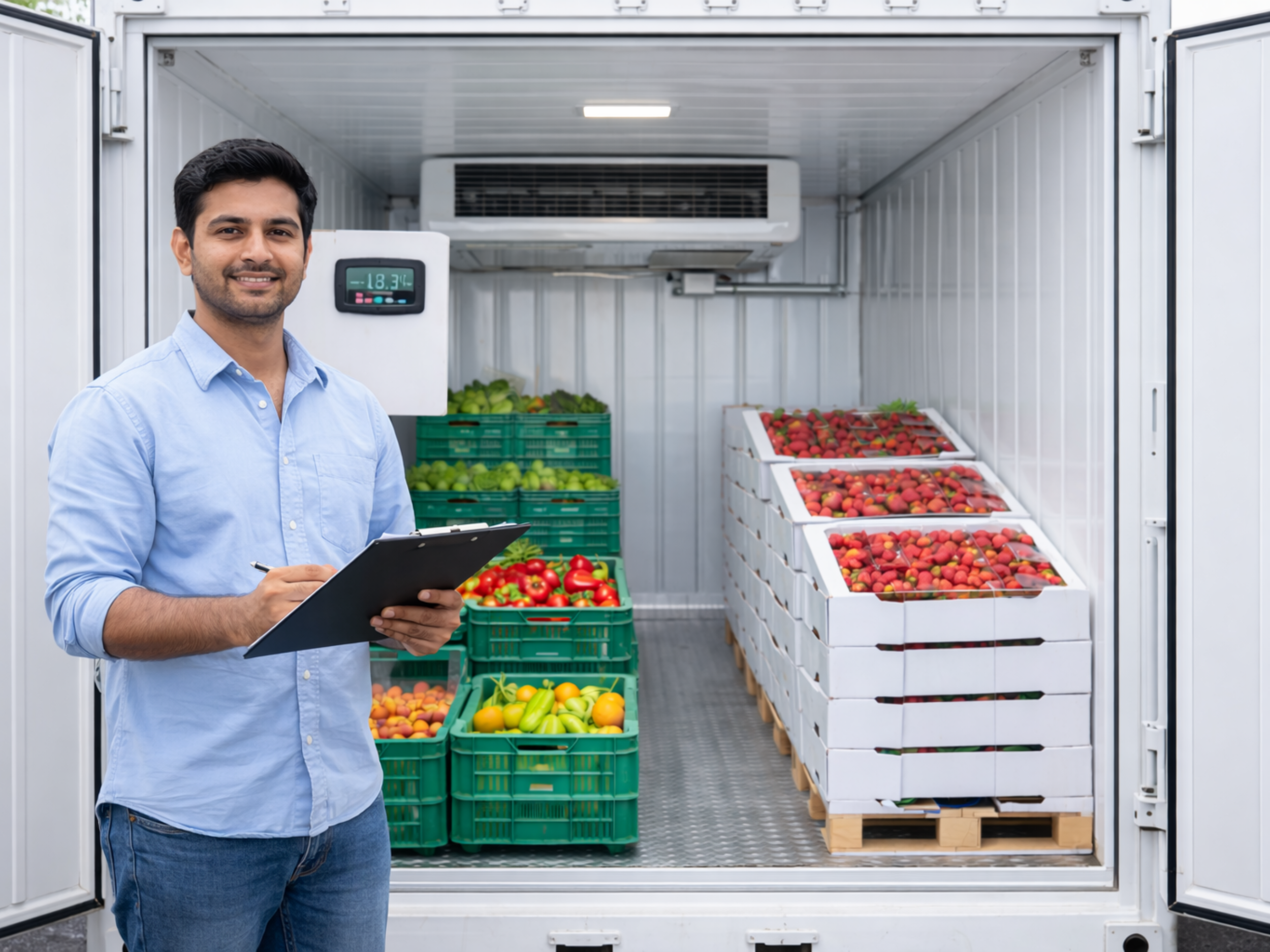
Unlike frozen logistics, chilled transportation is designed to preserve freshness and product quality while keeping goods above freezing temperatures. Most chilled operations function between 0°C and 8°C, depending on the product category and its sensitivity. The goal of a chilled cold chain system is not to freeze the product, but to slow bacterial growth, maintain nutritional value, and extend shelf life without affecting texture or consistency.
Chilled cold chain logistics is widely used across industries such as dairy, fresh produce, beverages, pharmaceuticals, bakery products, floral distribution, and processed foods. Products like milk, fruits, vegetables, vaccines, and ready-to-cook foods require stable cooling conditions throughout transportation and storage to remain safe and consumable.
Unlike frozen transportation, chilled logistics operates within a narrower and more delicate temperature range. Even small fluctuations in cold chain temperature can impact product quality. Higher temperatures can accelerate spoilage, while excessive cooling may unintentionally freeze sensitive products, damaging their texture and usability.
Because of this, chilled transportation depends heavily on:
- Consistent airflow management
- Proper humidity control
- Accurate cold storage temperature maintenance
- Faster loading and unloading cycles
- Real-time monitoring through advanced cold chain equipment
The design of a chilled reefer truck or refrigerated truck also prioritizes airflow balance and temperature stability rather than deep-freezing capability. Many modern vehicles now support multi-temperature compartments, allowing businesses to transport different chilled products simultaneously while maintaining separate cooling zones.
As demand for fresh food delivery, pharmaceuticals, and quick-commerce distribution continues to grow, chilled logistics is becoming an increasingly important part of efficient cold chain management and temperature-sensitive supply chains.
Also Read: Refrigerated Containers vs Cold Logistics: ROI Comparison
Frozen Reefer Trucks: Cold Chain Equipment Built for Extreme Temperature Control
In frozen cold chain logistics, maintaining deep-freeze temperatures is not just about cooling the cargo. It is about protecting products from external heat exposure throughout transit. Frozen transportation vehicles are therefore engineered to create a highly stable thermal environment that can withstand long-distance travel, multiple delivery points, frequent door openings, and harsh external weather conditions.
Unlike chilled vehicles, frozen transportation systems require stronger insulation, more aggressive refrigeration performance, and tighter structural sealing to maintain uninterrupted cold chain temperature conditions. Every component of a frozen reefer truck is designed to minimize temperature fluctuations and preserve product integrity across the entire journey.
Thicker Insulation Panels
Frozen vehicles use high-density insulation panels to reduce heat transfer from the external environment. Since frozen products are highly sensitive to temperature fluctuations, even minor thermal leakage can compromise product quality. Strong insulation also helps reduce refrigeration load and improves overall energy efficiency.
High-Powered Refrigeration Units
Maintaining temperatures below -18°C requires refrigeration systems with significantly higher cooling capacity. These units are designed to operate continuously under demanding conditions while delivering stable cooling performance across long-haul transportation routes.
Rapid Temperature Recovery in Frozen Cold Chain Logistics
During loading, unloading, or multi-stop deliveries, internal temperatures can rise quickly when vehicle doors are opened. Frozen transportation systems therefore require faster pull-down capability to restore the required cold chain temperature within a short time and prevent product thawing.
Airtight Vehicle Construction
Airtight body construction is critical in frozen logistics because uncontrolled air infiltration can destabilize internal temperatures. Door seals, flooring joints, and panel connections are engineered carefully to maintain a tightly controlled cooling environment throughout transportation.
Advanced Cold Chain Equipment: Monitoring and Control Systems
Modern frozen transportation increasingly depends on intelligent cold chain equipment such as IoT-enabled sensors, GPS tracking, and real-time temperature monitoring systems. These technologies help businesses maintain compliance, improve traceability, and reduce the risk of spoilage during transit.
Chilled Reefer Systems: Designed for Stable and Consistent Cooling
Unlike frozen transportation, chilled logistics is not built around extreme cooling. Instead, it focuses on maintaining stable and controlled temperatures that preserve freshness, texture, nutritional value, and product quality without freezing the cargo. Since chilled products are often more sensitive to airflow inconsistencies and humidity fluctuations, the engineering priorities of a refrigerated truck are very different from those of frozen transport vehicles.
In chilled cold chain logistics, the objective is to create a balanced cooling environment where products remain fresh throughout transportation, storage, and delivery. This requires careful control over airflow distribution, moisture levels, and internal temperature consistency across the cargo area.
Balanced Airflow Distribution
Proper airflow management is essential in chilled transportation because uneven cooling can create hotspots inside the vehicle. Modern chilled vehicles are designed to circulate air evenly across the cargo space, ensuring all products maintain a stable cold chain temperature throughout transit.
Humidity Management in Chilled Cold Chain Logistics
Fresh produce, dairy products, and bakery items are highly sensitive to moisture loss and environmental conditions. Chilled vehicles therefore incorporate humidity management systems that help preserve freshness, prevent dehydration, and reduce spoilage during transportation.
Moderate Insulation Requirements
Unlike frozen vehicles, chilled transportation does not require extremely heavy insulation. However, insulation still plays an important role in maintaining stable cold storage temperature conditions while reducing external heat intrusion and refrigeration load.
Multi-Temperature Compartments for Efficient Cold Chain Management
Many modern reefer truck systems now feature compartmentalized temperature zones, allowing businesses to transport different chilled products within the same vehicle. This improves distribution efficiency, especially for retail, FMCG, and quick-commerce operations.
Real-Time Monitoring and Control
Advanced cold chain equipment such as temperature sensors, telematics, and automated monitoring systems help operators track temperature performance continuously. These technologies improve product safety, reduce spoilage risks, and support better cold chain management across temperature-sensitive supply chains.
Why Frozen Cold Chain Logistics Demands Greater Capital Investment
While both frozen and chilled transportation operate within the broader ecosystem of cold chain logistics, the cost structure between the two is significantly different. Frozen logistics demands far greater investment because maintaining deep-freeze conditions requires stronger infrastructure, higher refrigeration output, and more energy-intensive operations across the entire cold chain system.
From vehicle engineering and fuel consumption to warehouse infrastructure and maintenance, frozen transportation involves higher operational complexity at almost every stage. For businesses planning large-scale temperature-controlled distribution, understanding these cost differences is essential for building efficient and sustainable cold chain management strategies.
Higher Vehicle Investment in Frozen Cold Chain Systems
Frozen transportation requires specialized vehicles equipped with stronger insulation panels, high-capacity refrigeration systems, and advanced cold chain equipment capable of maintaining temperatures below -18°C consistently. A frozen reefer truck typically costs more than a chilled refrigerated truck because of the additional engineering required to prevent thermal leakage and maintain stable sub-zero conditions.
Beyond transportation, frozen cold chain storage infrastructure also demands larger capital investment in deep freezer warehouses, blast freezing systems, backup power solutions, and high-performance refrigeration plants.
Increased Fuel and Energy Consumption
Maintaining deep-freeze conditions requires refrigeration systems to operate continuously at higher cooling loads. This leads to greater fuel consumption, especially in regions with high ambient temperatures where refrigeration units work harder to maintain the required cold chain temperature.
Frozen logistics operations also involve longer pre-cooling cycles, increased compressor usage, and continuous refrigeration during loading and unloading activities. As a result, operating costs in frozen transportation are considerably higher compared to chilled logistics systems.
Higher Maintenance and Operational Costs
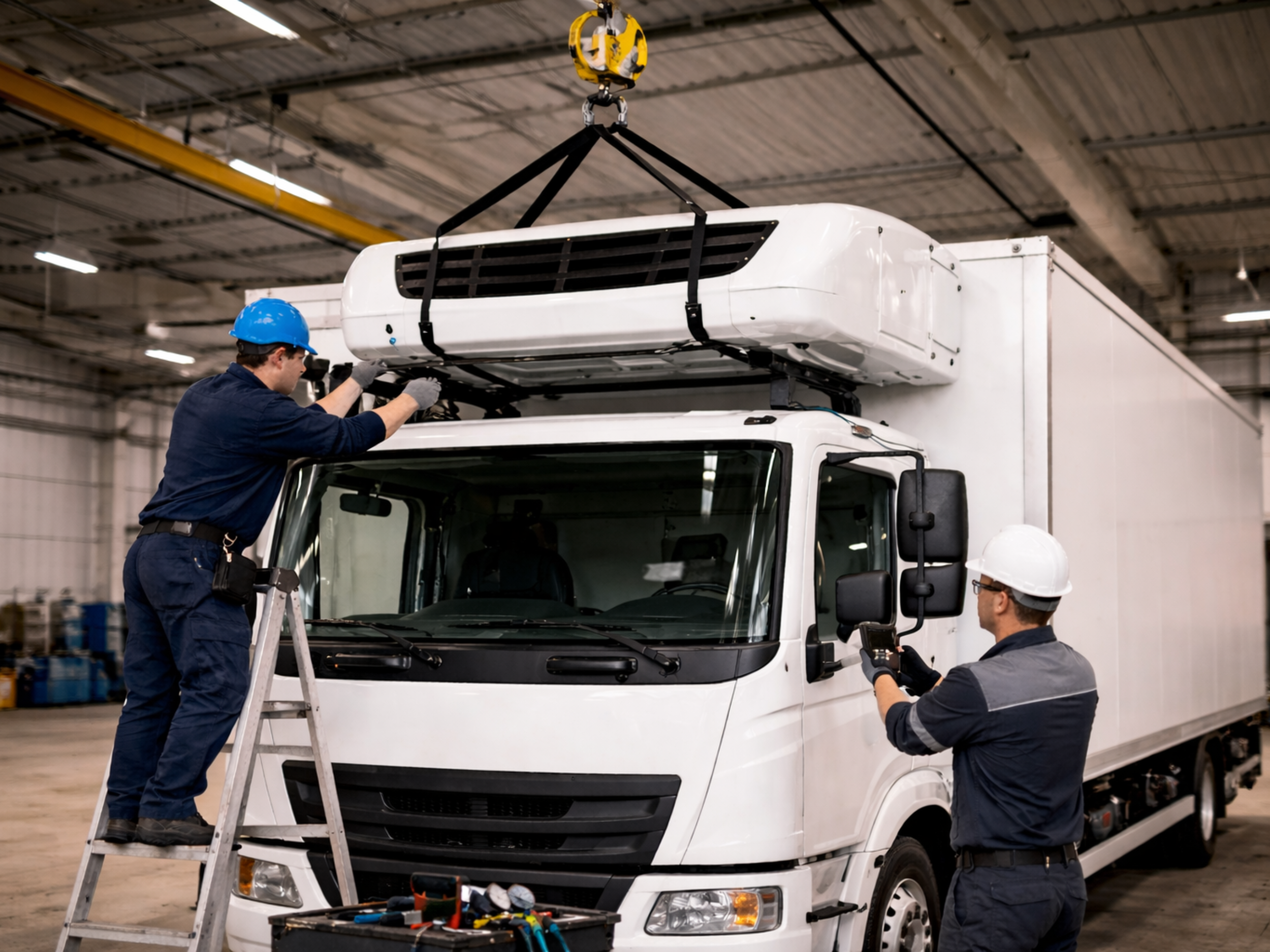
Frozen transportation systems experience greater mechanical stress due to intensive refrigeration cycles and continuous low-temperature operation. Components such as compressors, insulation systems, evaporators, and cooling units undergo higher wear and tear over time.
To maintain efficiency and compliance, businesses must invest in regular servicing, temperature monitoring systems, and preventive maintenance of critical cold chain equipment. While chilled logistics also requires maintenance, frozen operations generally involve higher lifecycle costs because of the demanding nature of deep-freeze transportation.
Smart Cold Chain Management Using Technology to Build the Right Logistics Strategy
As temperature-sensitive supply chains become more complex, businesses are increasingly relying on technology-driven cold chain management systems to improve efficiency, reduce spoilage, and maintain stable cold chain temperature conditions across transportation and storage. Modern cold chain logistics is no longer limited to refrigeration alone. It now depends heavily on data, automation, and real-time monitoring to improve operational control and decision-making.
To strengthen performance across the cold chain system, businesses are adopting technologies such as:
- AI-powered route optimization
- Smart temperature sensors
- Predictive maintenance systems
- Remote refrigeration diagnostics
- Automated fleet analytics
- Real-time monitoring dashboards
These technologies help companies improve delivery efficiency, reduce downtime, optimize fuel usage, and maintain better visibility across temperature-controlled operations.
At the same time, selecting the right cold chain model remains equally important. The ideal transportation strategy depends on factors such as product sensitivity, distribution distance, shelf life, and regulatory requirements.
Typically, frozen logistics is more suitable for:
- Frozen FMCG products
- Meat and seafood transportation
- Export-oriented distribution
- Long-term product preservation
Meanwhile, chilled logistics works better for:
- Fresh produce distribution
- Dairy transportation
- Pharmaceutical supply chains
- Urban and quick-commerce deliveries
Businesses that combine the right transportation strategy with advanced cold chain equipment and intelligent monitoring systems are better positioned to reduce wastage, improve product quality, and build more efficient long-term supply chains.
Conclusion
As industries continue to scale temperature-sensitive distribution networks, the difference between frozen and chilled transportation is becoming far more important than simply maintaining different temperature ranges. Each model comes with its own operational demands, infrastructure requirements, vehicle engineering standards, energy consumption patterns, and compliance challenges.
Frozen logistics requires stronger insulation, higher refrigeration performance, and tighter temperature control to preserve products in deep-freeze conditions. Chilled logistics, on the other hand, focuses more on freshness retention, airflow consistency, humidity management, and stable cold storage temperature maintenance. Understanding these distinctions is essential for businesses looking to build efficient, reliable, and cost-effective cold chain logistics operations.
At the same time, advancements in automation, monitoring systems, and intelligent cold chain management technologies are reshaping how modern supply chains operate. Businesses that invest in the right combination of infrastructure, vehicles, and cold chain equipment are better positioned to reduce spoilage, improve operational efficiency, and maintain product quality across every stage of the cold chain system.
As demand for temperature-controlled transportation continues to grow across food, pharmaceutical, FMCG, and retail sectors, the focus is steadily shifting toward smarter and more resilient logistics solutions. With specialized reefer truck and refrigerated truck solutions designed for evolving industry needs, Sub Zero continues to support businesses in building dependable and future-ready cold chain transportation networks.
Frequently Asked Questions
What is the main difference between frozen and chilled cold chain logistics?
Frozen cold chain logistics maintains products at sub-zero temperatures, typically below -18°C, to preserve them in a completely frozen state. Chilled logistics operates between 0°C and 8°C to maintain freshness and slow spoilage without freezing the product. Both systems require different vehicle engineering, refrigeration capacity, and storage infrastructure.
Why do frozen reefer trucks consume more energy than chilled vehicles?
A frozen reefer truck requires stronger refrigeration systems to maintain deep-freeze conditions continuously, especially during long-distance transportation and frequent door openings. This increases compressor load, fuel consumption, and overall energy usage compared to chilled transportation systems.
How important is temperature monitoring in a cold chain system?
Temperature monitoring is one of the most critical parts of any cold chain system. Even minor fluctuations in cold chain temperature can lead to spoilage, reduced shelf life, regulatory non-compliance, and product rejection. Real-time monitoring systems help businesses maintain product quality and improve operational reliability.
What industries depend heavily on chilled cold chain logistics?
Industries such as dairy, pharmaceuticals, fresh produce, beverages, bakery products, and quick-commerce food delivery rely heavily on chilled cold chain logistics. These products require stable cooling environments and accurate cold storage temperature control to maintain freshness and safety.
How does technology improve modern cold chain management?
Advanced cold chain management technologies such as IoT sensors, predictive maintenance systems, AI-based route optimization, and remote refrigeration monitoring help businesses improve efficiency, reduce spoilage, optimize fuel consumption, and maintain better visibility across temperature-controlled supply chains.