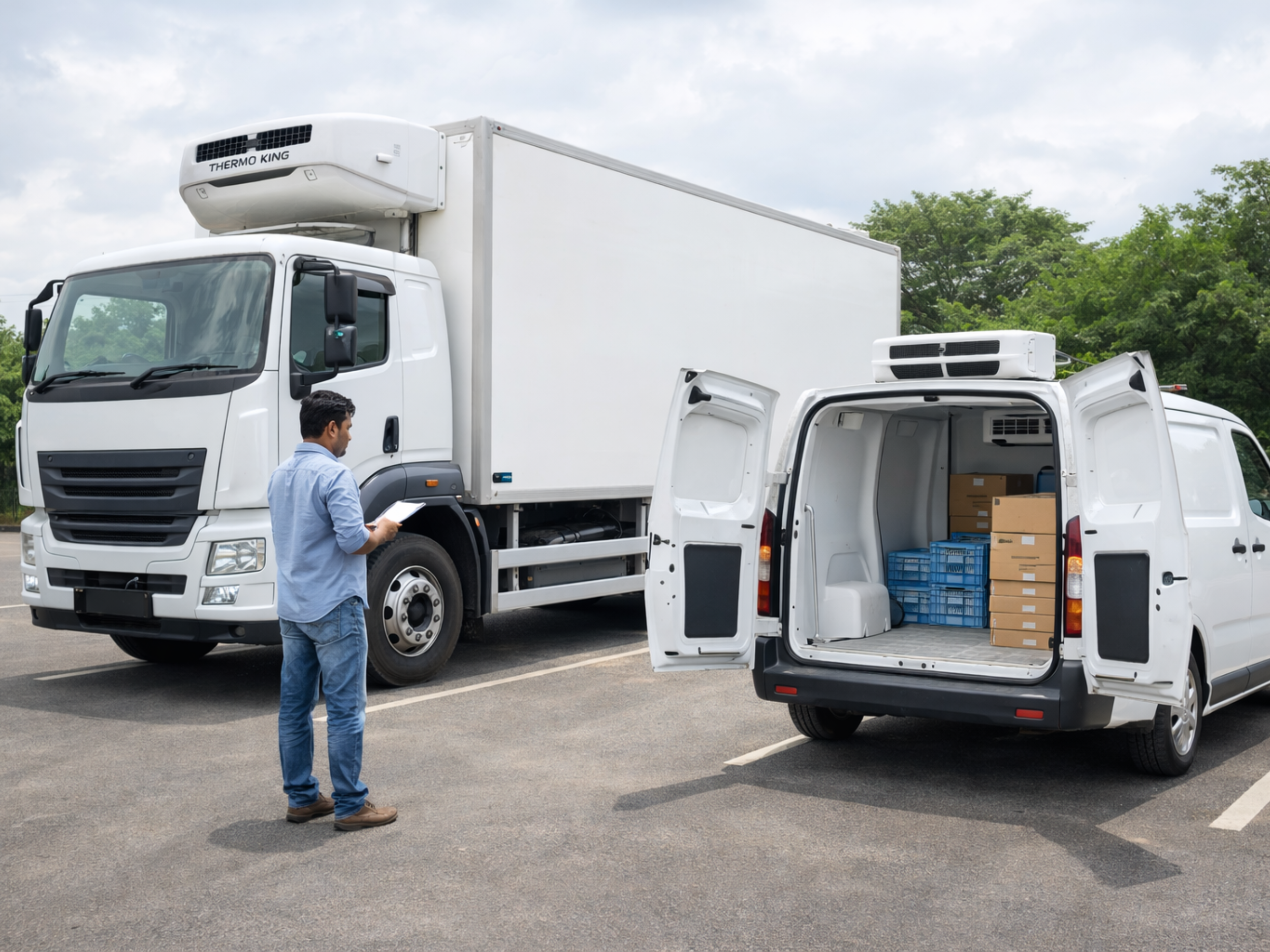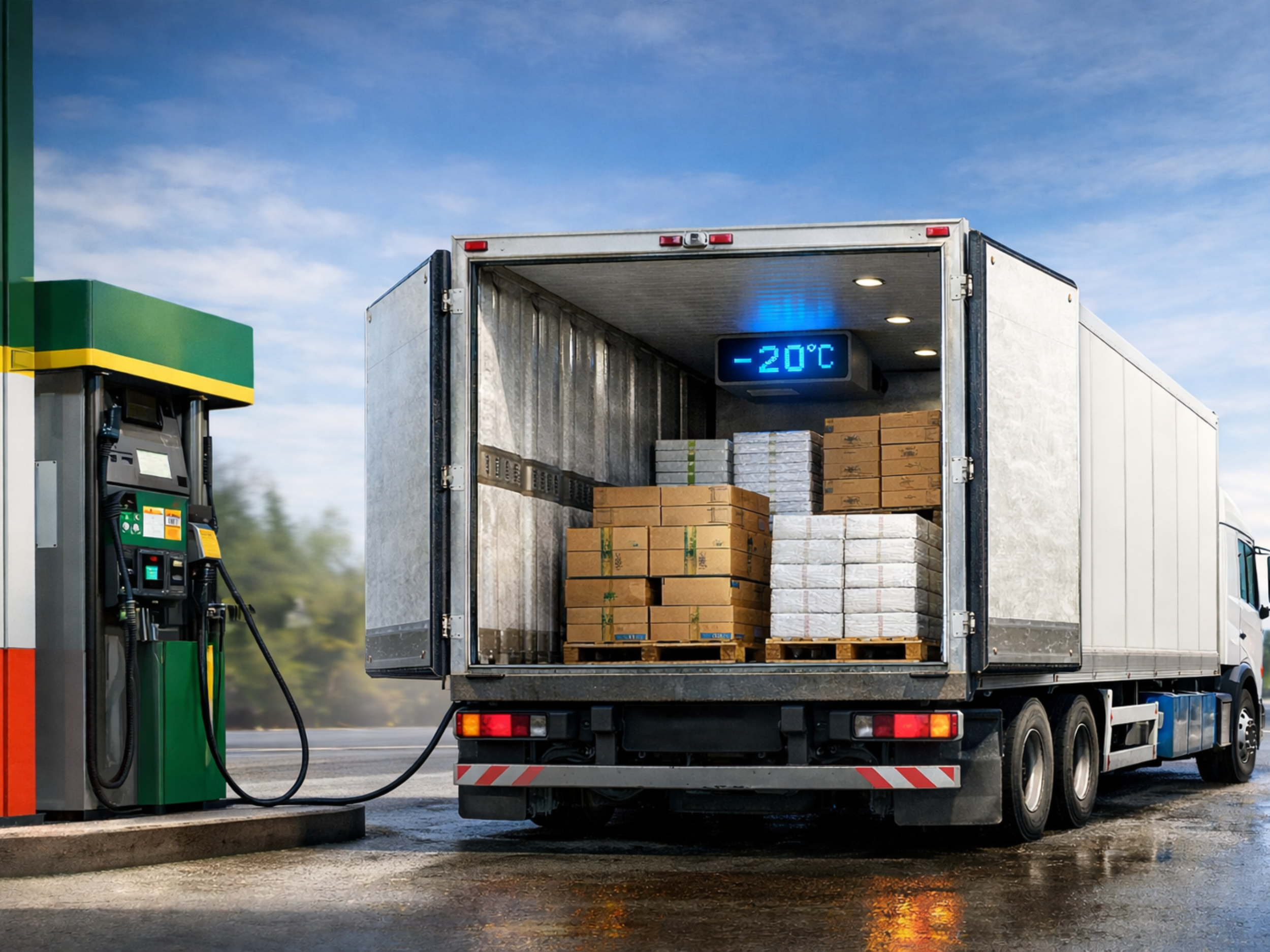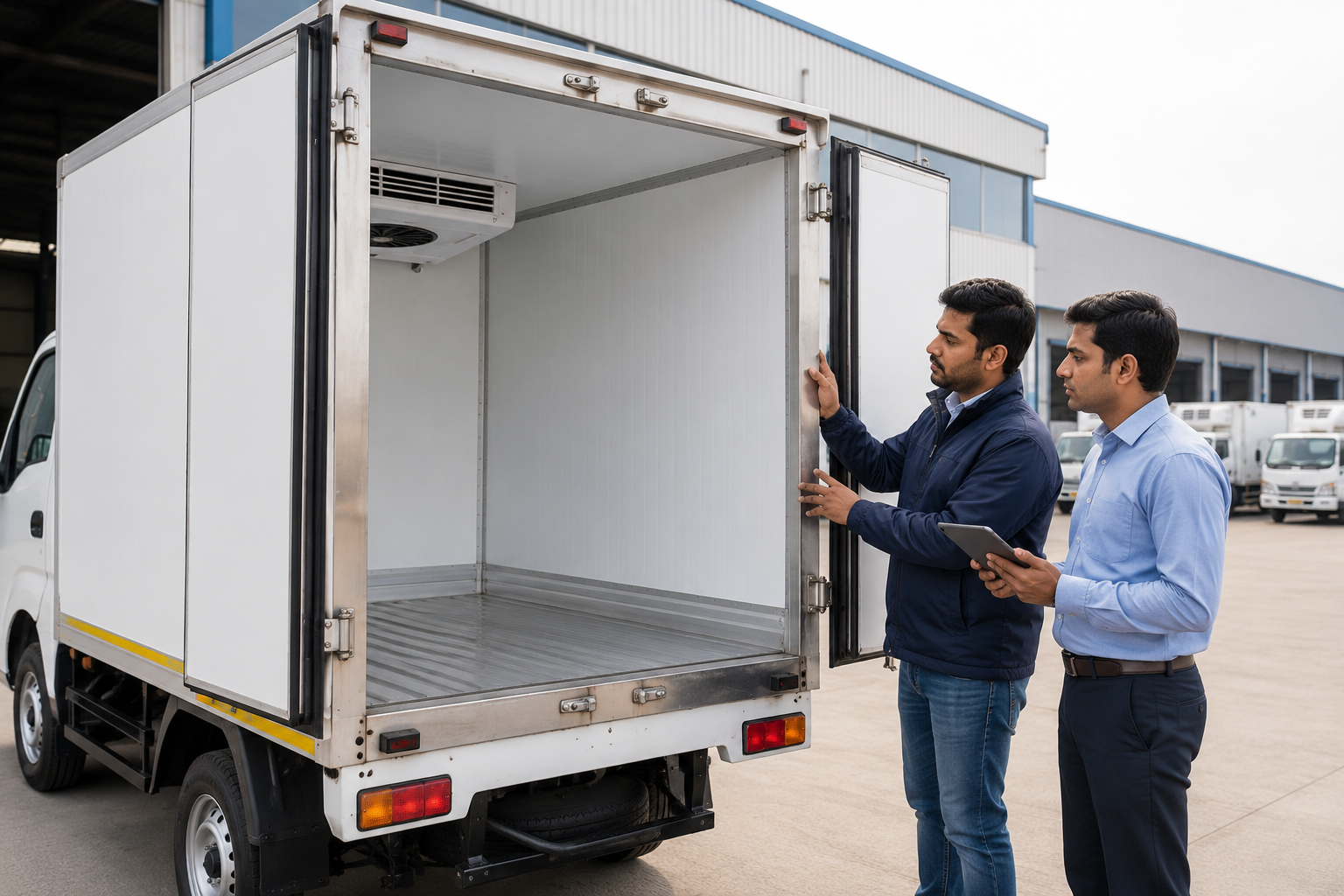
Temperature-sensitive logistics has become far more demanding than it was a decade ago. Businesses today are transporting products across longer distances, tighter delivery timelines, and harsher operating conditions while still being expected to maintain precise temperature control throughout the journey. Whether it is frozen foods, pharmaceuticals, dairy, or quick commerce deliveries, there is very little room for error in modern cold chain operations.
Industries such as pharmaceuticals, dairy, frozen foods, seafood, and quick commerce are operating under stricter temperature compliance standards and rising operational costs. Even minor temperature fluctuations during transit can lead to product spoilage, financial losses, and supply chain disruptions. This is pushing businesses to invest in smarter and more efficient cold chain equipment. At the same time, traditional metal-bodied refrigerated systems are showing limitations in areas like weight, insulation retention, corrosion resistance, and maintenance costs. As a result, the industry is steadily shifting toward advanced composite body solutions like the GRP reefer van.
Built using durable GRP panel technology and high-performance insulation systems, these refrigerated bodies offer significant advantages in weight reduction, thermal performance, durability, and operating efficiency. The growing demand for GRP sheet-based refrigerated structures reflects a larger industry focus on building more reliable and cost-effective cold chain operations.
Why GRP Panels Are Becoming the Standard in Reefer Van Manufacturing
The refrigerated transport industry is steadily moving toward materials that offer better efficiency, durability, and long-term operational value. As cold chain logistics becomes more demanding, fleet operators are looking beyond conventional vehicle body construction and focusing on solutions that improve performance across every stage of transportation. This is where the GRP panel has gained significant importance.
Used extensively in modern GRP reefer van manufacturing, these panels combine lightweight construction with high insulation efficiency and structural durability. Compared to traditional metal-based systems, GRP-based insulated bodies are better suited for the operational challenges of modern cold chain transportation.
Lightweight GRP Panel Structure Improves Reefer Van Payload Efficiency
Vehicle weight plays a major role in refrigerated logistics efficiency. Heavier refrigerated bodies reduce payload capacity and increase fuel consumption, which directly impacts operating costs over time. One of the biggest advantages of a GRP panel is that it offers strong structural integrity while remaining significantly lighter than traditional metal-bodied alternatives.
This lightweight construction allows a reefer truck to carry more payload without putting excessive strain on the chassis, suspension, or tyres. The reduced body weight also improves fuel efficiency and vehicle handling, especially in long-distance transportation and urban delivery operations. For businesses managing large cold chain fleets, even small improvements in fuel consumption and payload optimization can create substantial long-term savings.
Better Thermal Insulation Performance
Maintaining stable temperatures is one of the most critical requirements in any refrigerated truck operation. Poor insulation can lead to thermal leakage, forcing refrigeration units to work harder and consume more energy to maintain cooling conditions. The combination of a durable GRP sheet surface and high-performance insulation materials creates a strong thermal barrier that improves temperature retention inside the vehicle body. This helps maintain consistent cooling conditions even during long transit hours or in extreme weather conditions.
Better insulation performance also reduces compressor workload, lowers energy consumption, and improves overall refrigeration efficiency. For industries transporting pharmaceuticals, dairy, frozen foods, seafood, or vaccines, this level of thermal consistency is essential for maintaining product safety and regulatory compliance.
GRP Panel Corrosion Resistance Extends Reefer Van Lifespan
Cold chain vehicles operate in challenging environments where exposure to moisture, humidity, road contaminants, and fluctuating weather conditions is constant. Traditional metal-bodied refrigerated structures often face corrosion issues over time, leading to structural deterioration and higher maintenance requirements.
A major advantage of the GRP reefer van is its resistance to rust and environmental wear. GRP materials are non-corrosive and highly durable, making them better suited for long-term refrigerated transport applications. This durability helps maintain the structural integrity of the vehicle body even under intensive operating conditions. As a result, fleet operators benefit from lower maintenance costs, fewer repair requirements, improved vehicle uptime, and a longer operational lifespan for their refrigerated assets.
GRP Panels Reduce Long-Term Reefer Van Operating Costs
Modern cold chain businesses are increasingly evaluating refrigerated vehicles based on lifecycle value rather than only upfront acquisition costs. A well-designed insulated vehicle built using advanced GRP panel technology can significantly reduce operational expenses over time.
The lightweight structure helps improve fuel efficiency, while better insulation reduces refrigeration load and energy consumption. At the same time, corrosion resistance and structural durability help minimize maintenance and repair costs. Together, these factors contribute to lower overall operating expenses and better return on investment. For businesses operating large fleets or high-frequency delivery networks, these long-term savings can have a major impact on profitability and operational efficiency.
Better Suitability for Modern Cold Chain Operations
Cold chain logistics today involves a wide range of transportation requirements, from urban last-mile deliveries to long-distance intercity distribution. Refrigerated vehicles are expected to perform consistently across varying environmental and operational conditions while maintaining strict temperature control standards.
GRP-based refrigerated structures are particularly well-suited for these evolving demands because they combine lightweight mobility, thermal efficiency, and structural strength within a single system. Their ability to support efficient cooling performance while reducing operating costs makes them increasingly valuable in modern refrigerated transportation. As industries continue investing in advanced cold chain equipment, the demand for high-performance GRP sheet-based refrigerated solutions is expected to grow across India's expanding cold chain infrastructure.
How PUF Insulation Enhances GRP Reefer Van Thermal Performance
The performance of a GRP reefer van depends not only on the outer body structure but also on the quality of insulation used within the panels. In refrigerated transportation, insulation is what helps maintain stable internal temperatures and prevents external heat from entering the cargo area. This is where polyurethane foam, commonly known as PUF, plays a critical role.
Most modern refrigerated bodies combine durable GRP panel construction with high-density PUF insulation to create an efficient thermal barrier. The insulation layer is placed between the inner and outer GRP sheet surfaces, helping the vehicle maintain cooling conditions for longer durations while reducing pressure on the refrigeration system. For industries transporting pharmaceuticals, frozen foods, dairy products, seafood, or other temperature-sensitive cargo, consistent thermal performance is essential to prevent spoilage and maintain product integrity.
A well-insulated insulated vehicle offers several operational advantages, including:
- Lower thermal leakage during transportation
- Reduced compressor workload and energy consumption
- Faster cooling retention inside the cargo area
- Better temperature consistency across long routes
- Improved fuel efficiency for the refrigeration unit
- Reduced risk of product damage caused by temperature fluctuations
The quality and density of insulation also directly affect long-term operating costs. Poor insulation forces the refrigeration unit to work continuously, increasing fuel consumption, maintenance requirements, and overall operational expenses. This is one reason why businesses carefully evaluate factors such as insulation thickness, density, and even puf panel price before investing in refrigerated transportation solutions.
As cold chain logistics becomes more performance-driven, high-quality PUF insulation is no longer viewed as an optional feature. It has become a key component in improving refrigeration efficiency, reducing operating costs, and ensuring reliable temperature-controlled transportation.
Also Read: How Reefer Van Help Dairy & Bakery Brands Maintain Freshness
How GRP Reefer Vans Reduce Long-Term Cold Chain Costs
For many businesses, the decision to invest in a GRP reefer van is no longer based only on upfront vehicle cost. Cold chain operators today are looking at the bigger financial picture, including fuel efficiency, maintenance expenses, refrigeration performance, and long-term durability. In temperature-controlled logistics, even small operational inefficiencies can increase costs significantly over time.
This is where GRP-based refrigerated structures offer a strong advantage. Their lightweight construction, thermal efficiency, and corrosion resistance help businesses reduce recurring operational expenses while improving overall fleet performance.
Lower Maintenance and Repair Costs
Traditional refrigerated bodies made from metal are more vulnerable to rust, corrosion, dents, and structural wear, especially in humid and high-usage operating conditions. Over time, this can lead to expensive repairs, body deterioration, and increased vehicle downtime.
A GRP reefer van, on the other hand, is built using corrosion-resistant GRP panel technology that performs better under demanding cold chain conditions. The material is highly resistant to moisture and environmental exposure, which helps preserve structural integrity for longer periods. This reduces the frequency of repairs and maintenance interventions while improving vehicle uptime. For fleet operators managing multiple refrigerated vehicles, lower maintenance requirements can create significant long-term cost savings.
GRP Sheet Construction Improves Reefer Van Fuel Efficiency
Vehicle weight directly impacts fuel consumption in refrigerated transportation. Heavier body structures require more energy to move and place additional load on the engine and refrigeration system. Because a GRP sheet-based refrigerated body is lighter than conventional alternatives, the vehicle can operate more efficiently while carrying higher payloads. The reduced weight improves mileage and lowers fuel consumption during both long-distance and city-based deliveries.
In addition, better insulation performance reduces refrigeration load, meaning the cooling unit does not need to work continuously to maintain internal temperatures. Together, these efficiencies help businesses reduce day-to-day operating costs substantially.
Improved Refrigeration Efficiency
One of the hidden costs in cold chain logistics comes from inefficient cooling performance. Poorly insulated refrigerated bodies allow thermal leakage, which forces compressors to run longer and consume more fuel or energy. A properly designed insulated vehicle using high-quality GRP panel construction and PUF insulation offers stronger thermal retention. This helps maintain stable temperatures with lower refrigeration effort.
As a result, operators benefit from:
- Lower refrigeration energy consumption
- Reduced compressor strain
- Better temperature consistency
- Lower chances of cargo spoilage
- Improved refrigeration unit lifespan
These factors not only reduce operational expenses but also improve reliability across temperature-sensitive transportation routes.
GRP Reefer Van Durability Extends Operational Lifespan
Durability plays a major role in determining the overall value of any reefer truck investment. Vehicles that deteriorate quickly often require higher repair expenditure or earlier replacement, increasing long-term capital costs.
GRP-based refrigerated bodies are designed to withstand continuous loading cycles, changing weather conditions, moisture exposure, and intensive operational usage. Their resistance to corrosion and structural fatigue helps extend vehicle lifespan significantly compared to conventional refrigerated body structures. For businesses, this means better return on investment, improved asset utilization, and reduced replacement pressure over time.
Better ROI: GRP Reefer Van vs Traditional Refrigerated Truck
When evaluating factors like refrigerated truck price, reefer container price, or even PUF panel price, businesses often focus heavily on initial acquisition cost. However, long-term operational performance is equally important in determining the true value of a refrigerated transport investment.
A high-quality GRP reefer van helps reduce fuel costs, maintenance expenses, refrigeration load, and downtime simultaneously. Over years of operation, these savings can outweigh the difference in initial purchase cost and deliver stronger overall profitability.
As cold chain logistics becomes increasingly competitive, businesses are prioritizing refrigerated solutions that combine performance, durability, and long-term cost efficiency rather than focusing only on short-term pricing.
GRP Reefer Vans: Built for Efficient, Scalable Cold Chain Transport
Refrigerated transportation is becoming more demanding as cold chain networks expand and delivery timelines get tighter. Businesses today are not just focused on keeping products cold, but on doing it consistently, efficiently, and at a sustainable operating cost. This shift is being driven by stricter temperature compliance requirements, rising fuel prices, and the growing need for reliable last-mile and long-haul cold chain connectivity. It is especially critical for industries like pharmaceuticals, dairy, frozen foods, seafood, and processed foods, where even minor temperature deviations can impact product quality, safety, and regulatory compliance.
In this context, the GRP reefer van offers a more balanced and practical approach to modern cold chain requirements. Its lightweight construction improves fuel efficiency and allows better payload utilization, which directly impacts per-trip profitability. At the same time, the insulated GRP panel structure, supported by high-performance GRP sheet layering, helps maintain stable internal temperatures even during long transit hours or frequent loading and unloading cycles. This reduces thermal leakage and ensures more consistent cooling performance across varying external conditions.
Another important advantage lies in how it reduces strain on the refrigeration system. Better insulation means the compressor does not have to work continuously to maintain temperature, which helps lower energy consumption and reduces long-term maintenance requirements. Over time, this combination of efficiency, durability, and thermal stability makes the GRP-based insulated vehicle a strong fit for businesses aiming to build more reliable, cost-efficient, and scalable cold chain operations.
Conclusion
Cold chain logistics is moving toward solutions that can balance performance with long-term efficiency. Businesses are no longer looking at refrigerated transport in isolation, but as a core part of operational cost, product safety, and supply chain reliability. In this shift, the GRP reefer van stands out for its ability to combine lightweight construction, strong insulation, and consistent thermal performance in real-world conditions.
As demand for more dependable and cost-efficient refrigerated transport continues to grow, the focus is clearly moving toward smarter materials and better-designed systems. For businesses exploring advanced cold chain equipment, solutions like these are helping set a more stable and efficient standard for temperature-controlled logistics.
For more insights and engineered cold chain solutions, Sub Zero Reefers continues to work with businesses building reliable refrigerated transport systems.
Frequently Asked Questions
What is a GRP reefer van?
A GRP reefer van is a refrigerated vehicle body made using Glass Reinforced Plastic (GRP) panels with insulated cores like PUF. It is designed to maintain controlled temperatures during transport while being lightweight, durable, and energy efficient.
Why is GRP used in refrigerated vehicles?
GRP is used because it is lightweight, corrosion-resistant, and structurally strong. It also works well with insulation materials, helping improve temperature retention and reducing the overall load on the refrigeration system.
How does a GRP reefer van improve fuel efficiency?
Its lightweight structure reduces the overall vehicle weight, which lowers fuel consumption. Better insulation also reduces refrigeration load, meaning the cooling unit uses less energy to maintain stable temperatures.
Is a GRP reefer van better than a metal-bodied refrigerated truck?
In many cases, yes. GRP bodies offer better corrosion resistance, improved insulation performance, and lower maintenance needs compared to traditional metal-bodied refrigerated trucks, especially in long-term use.
What industries benefit most from GRP reefer vans?
Industries like pharmaceuticals, dairy, frozen foods, seafood, and processed foods benefit the most, as they require strict temperature control and reliable cold chain transport to maintain product quality.