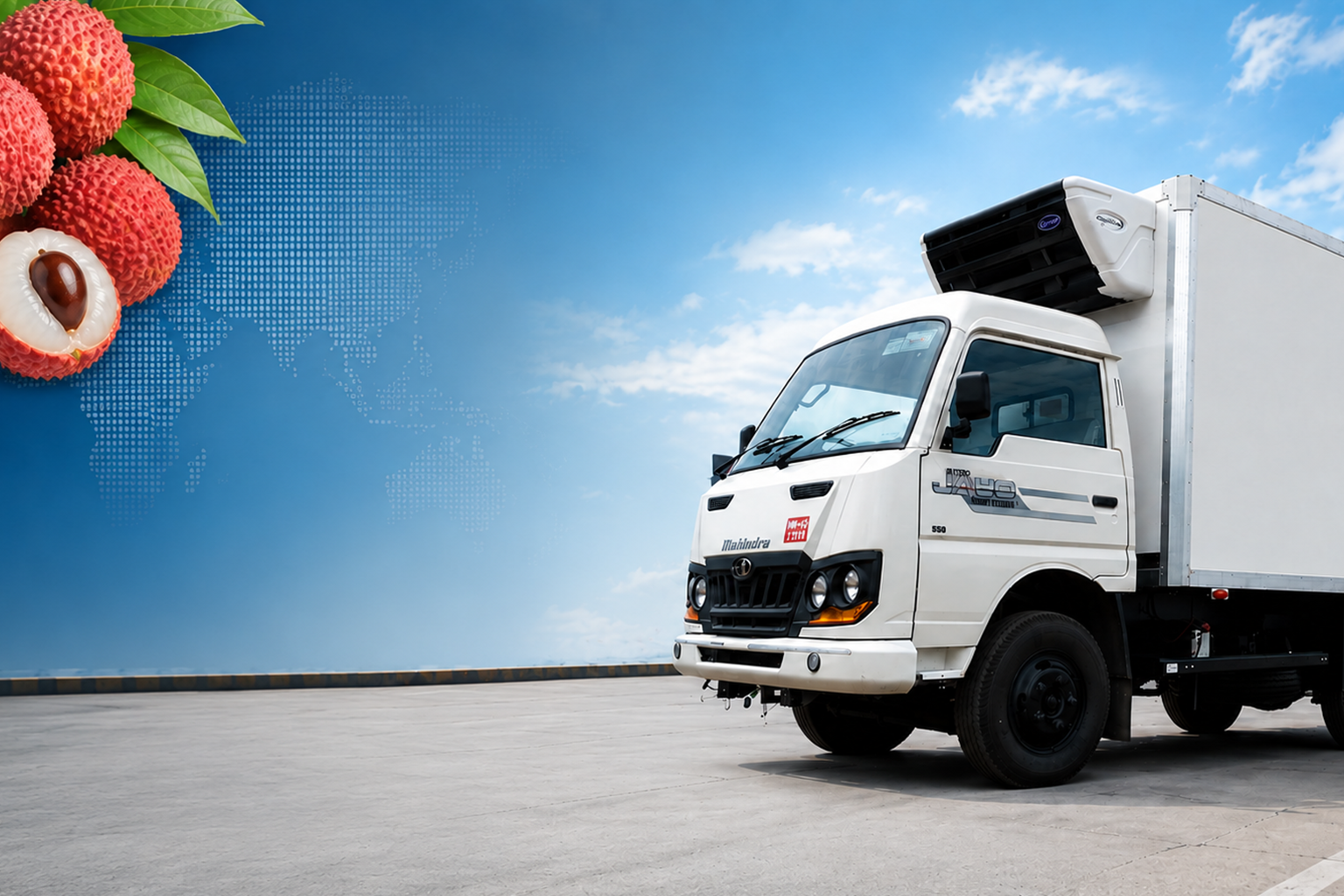
Summer in India is incomplete without seasonal fruits. Mangoes may dominate the conversation, but litchi, also spelled as Lychee, holds a special place every year for its refreshing sweetness, juicy texture, and cooling effect during unbearable summer heat. As temperatures rise across the country, the demand for fresh litchi surges not just in domestic markets, but also across international export destinations where Indian litchi is highly valued for its taste and quality.
But behind every box of fresh litchi reaching supermarkets, airports, or export hubs lies a race against time.
Lychee is one of the most delicate fruits in the fresh produce industry. Its outer skin starts browning quickly, moisture loss begins within hours, and exposure to heat can rapidly reduce shelf life. During peak litchi season India, exporters and logistics operators move massive volumes across states and international markets, making temperature-controlled fruit transport absolutely critical.
Unlike many fruits that can survive moderate transit delays, litchi requires a tightly managed cold chain from farm to destination. Even small fluctuations in temperature or humidity can affect freshness, appearance, export acceptance, and overall commercial value. For exporters, distributors, and supply chain operators, selecting the right reefer van, insulation system, and cold chain logistics setup is no longer just an operational decision. It directly impacts spoilage reduction, shelf life, and profitability.
This guide explores the ideal transport conditions for litchi export, the importance of refrigerated movement, and how modern reefer vehicle solutions are helping improve fruit and vegetable transportation during India's demanding summer season.
Why Litchi Transport Requires Extreme Temperature Control
India is one of the world's largest producers of litchi, with Bihar leading production, particularly the Muzaffarpur region. But despite strong demand in international markets, litchi remains one of the most difficult fruits to transport. Its outer skin dehydrates rapidly. Even slight exposure to heat can lead to browning, moisture loss, and microbial spoilage. That makes temperature-controlled fruit transport essential immediately after harvest.
72-Hour Window — Litchi's Shelf Life Without Cold Chain
Lychee has an extremely short post-harvest life compared to most commercial fruits. Once harvested, the fruit immediately starts losing moisture, and its outer red skin begins turning brown if it is exposed to heat or dry conditions. In many cases, visible quality deterioration starts within 48 to 72 hours when there is no proper refrigeration involved.
This short shelf-life window creates major challenges for exporters and distributors handling large-scale fruit transport across cities, airports, and ports. Delays during loading, poor storage conditions, or inconsistent cooling can quickly impact the fruit's freshness, texture, and export value. This is why a temperature-controlled reefer truck and uninterrupted cold chain logistics are critical from the moment the fruit leaves the farm.
How Summer Heat and Humidity Affect Litchi Quality During Transit
The biggest challenge during litchi season India is the harsh summer climate. Harvesting and transportation usually take place during June and July, when temperatures across major producing regions can cross 40°C. Under such conditions, litchi becomes highly vulnerable to dehydration, fungal growth, and skin damage.
High humidity combined with external heat can also create condensation inside transport vehicles if airflow is not managed properly. This excess moisture accelerates spoilage and reduces shelf life during long-distance movement. For exporters managing sensitive fruit and vegetable transportation, maintaining stable cooling, proper air circulation, and humidity control inside a refrigerated truck becomes essential to preserve quality throughout transit.
Also Read: Frozen vs Chilled Cold Chain Logistics: Cost, Vehicle & System Differences
How Temperature Impacts Litchi Freshness During Refrigerated Truck Transit
Temperature management is one of the most important factors in successful litchi exports. Unlike many fruits that can tolerate minor fluctuations during transit, litchi reacts very quickly to heat exposure and inconsistent storage conditions. Even short periods outside the recommended temperature range can lead to browning, moisture loss, reduced sweetness, and faster spoilage.
For exporters handling long-distance fruit transport, maintaining a stable cold chain is essential from the farm level all the way to airports, ports, and distribution centers. This is where advanced reefer truck systems and reliable cold chain logistics play a critical role in preserving freshness and extending shelf life.
2–5°C — The Ideal Holding Range for Freshness
Lychee is best transported and stored between 2°C and 5°C. This temperature range helps slow down the fruit's natural respiration process and minimizes rapid deterioration after harvesting. Maintaining this stable cooling environment also helps retain the fruit's texture, color, juiciness, and overall export quality.
When temperatures rise above the recommended range, the fruit begins losing moisture much faster, which causes skin browning and reduced market value. Extremely low temperatures, on the other hand, can also damage the fruit and affect pulp quality. This balance is why exporters increasingly depend on calibrated refrigerated van systems and insulated reefer vehicle bodies designed specifically for sensitive product movement. For long-haul fruit and vegetable transportation, consistency matters more than aggressive cooling. Sudden temperature fluctuations during loading, unloading, or route delays can significantly reduce shelf life.
Humidity Control: Why 90–95% RH Matters
Along with temperature, humidity control is equally important during lychee transportation. The fruit naturally loses water through its skin, and low humidity conditions can quickly lead to dehydration, shriveling, and surface cracking. To maintain freshness, litchi requires a relative humidity level of around 90–95% during transit. Proper humidity balance helps:
- Reduce moisture loss
- Preserve skin texture and color
- Maintain pulp freshness
- Prevent premature drying
However, excessive humidity can also create problems. If airflow inside the reefer van is poor, condensation may develop around the cargo, increasing the risk of fungal growth and spoilage. This is why modern cold chain logistics systems focus not only on refrigeration but also on airflow engineering and moisture management.
For exporters moving large quantities during peak litchi season India, maintaining both temperature and humidity stability is essential for reducing losses and meeting export quality standards.
What Type of Reefer Body Works Best for Litchi?
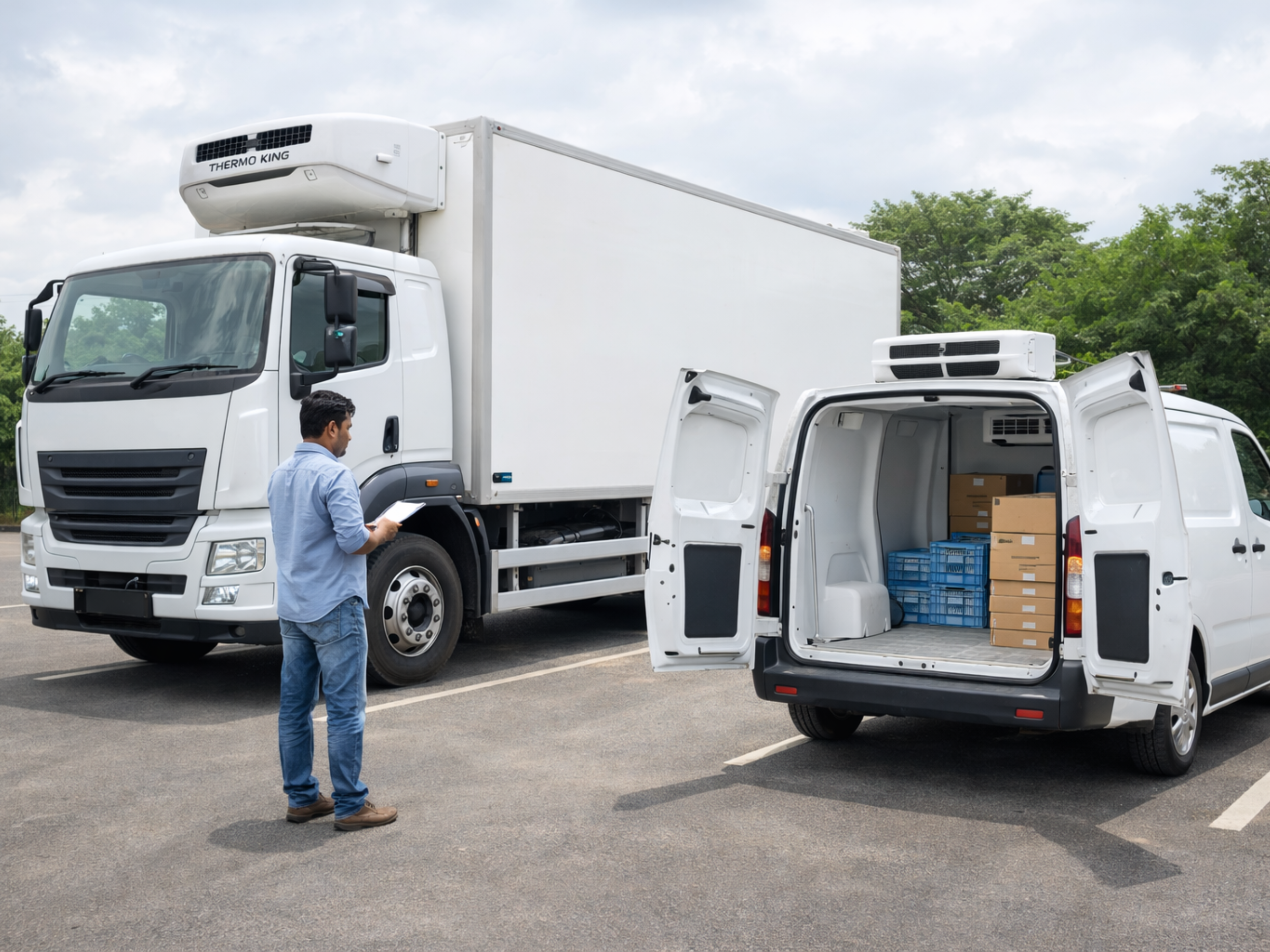
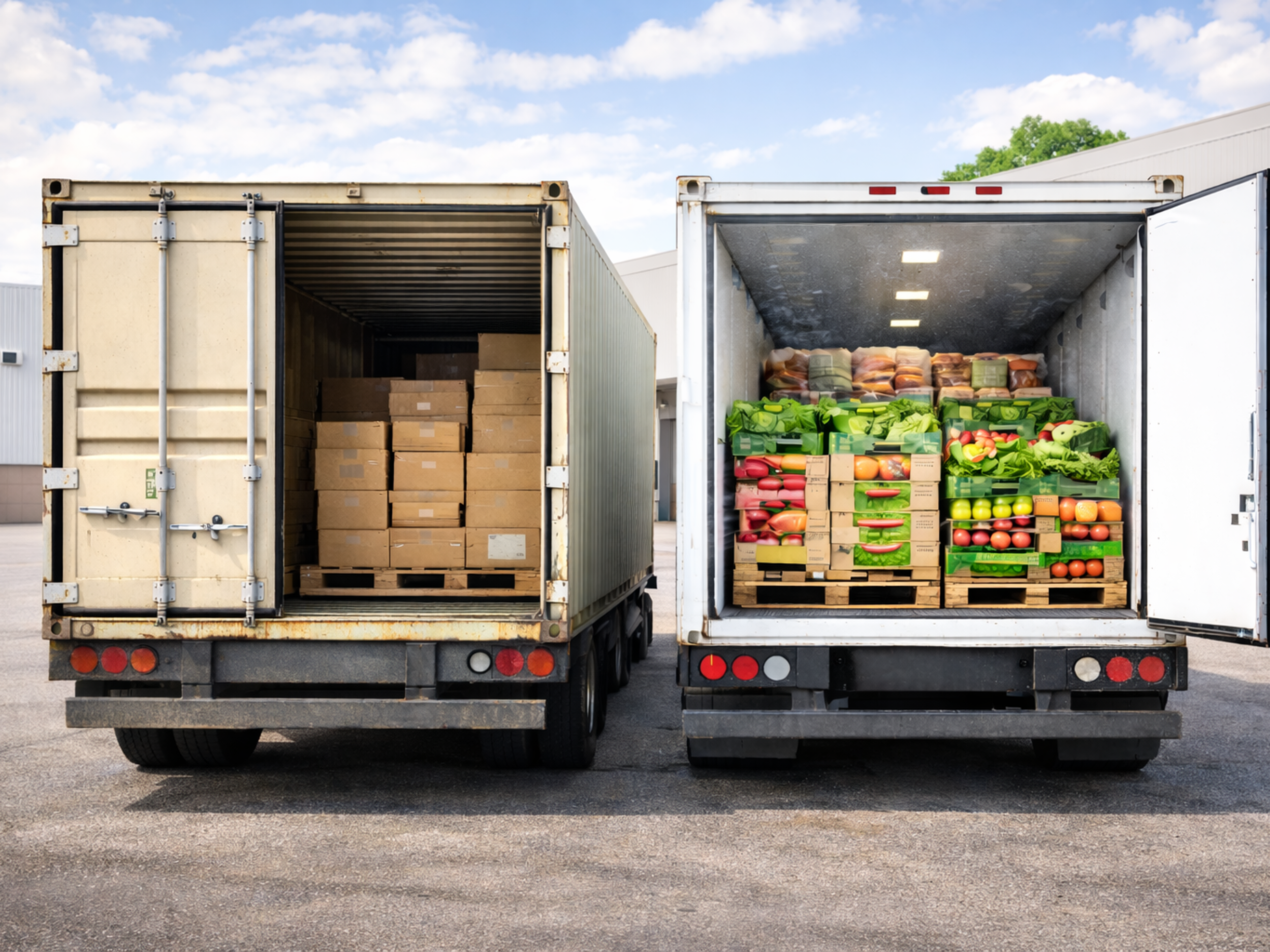
Choosing the right reefer body makes a big difference in how well litchi survives transit, especially during peak litchi season India when temperatures are extreme and turnaround times are tight. Since litchi is highly sensitive to heat and dehydration, the transport body needs to do more than just cool the cargo. It has to maintain stable conditions, prevent heat ingress, and ensure uniform airflow throughout the load. For this kind of fruit transport, GRP (Glass Reinforced Plastic) reefer bodies are widely preferred because they offer strong insulation without adding excessive vehicle weight. This helps maintain energy efficiency while keeping internal temperatures stable even during long-distance movement in hot conditions. Their corrosion resistance and hygienic surface also make them suitable for repetitive use in fruit and vegetable transportation, where cleanliness and freshness standards are strict.
Equally important is how air moves inside the vehicle. A well-designed reefer truck or reefer van should ensure uniform cooling across all sections of the cargo space. Poor airflow can create hot spots, leading to uneven ripening, moisture loss, or localized spoilage. Modern refrigerated truck designs address this with structured airflow channels and better insulation layering, ensuring that every crate receives consistent cooling from loading point to delivery.
How Litchi Travels from Orchards to Global Markets
Lychee or Litchi export is less about long-distance transport and more about how quickly and consistently the fruit moves through each stage of handling. From the moment it is harvested, every minute matters. Any break in temperature control during sorting, packing, loading, or transit can shorten shelf life and impact export quality. This is why a tightly managed cold chain logistics system is the backbone of successful litchi movement from farms to international markets.
Pre-Cooling at Muzaffarpur
Muzaffarpur acts as the primary hub for India's litchi production, and pre-cooling here is the first critical step after harvest. Once the fruit is picked, it is quickly sorted and moved into pre-cooling units to remove field heat. This step stabilizes the internal temperature of the fruit before it enters long-haul transport. Without pre-cooling, even the best reefer truck cannot fully protect litchi from early spoilage, because the heat trapped inside the fruit continues to accelerate deterioration during transit.
Packaging and Loading for Export Readiness
After pre-cooling, the fruit is carefully packed into ventilated crates designed to minimize pressure damage and allow proper airflow. Loading is done in a way that avoids overstacking or blocking air circulation, since uneven cooling inside a refrigerated truck can lead to localized spoilage. At this stage, timing is critical. Delays between packing and dispatch can quickly undo the benefits of pre-cooling, especially during peak litchi season India when ambient temperatures are already high.
APEDA Compliance for Lychee Export
For international shipments, exporters must also meet APEDA guidelines that govern hygiene, traceability, packaging, and temperature control. These standards ensure that Indian litchi meets the quality expectations of global buyers and reduces the risk of rejection at destination ports. Maintaining compliance is not just about documentation. It depends heavily on the consistency of cold chain logistics throughout the journey. A reliable reefer vehicle system helps exporters maintain stable conditions, preserve freshness, and meet export requirements without compromise.
Conclusion
Litchi export is a time-sensitive chain where everything depends on precision. From the moment the fruit is harvested, the clock starts ticking. Temperature shifts, delays in handling, or weak insulation at any stage can quietly reduce shelf life and affect how the fruit finally arrives in international markets.
What makes it even more demanding is the environment it moves through. Peak summer conditions, long transit routes, and multiple handling points leave very little room for error. This is where structured cold chain logistics, controlled pre-cooling, and reliable reefer truck systems become essential rather than optional. When temperature, humidity, and airflow are kept stable, litchi retains its natural colour, texture, and freshness much longer.
As India continues to expand its presence in global fresh produce markets, the need for dependable fruit transport systems will only grow stronger. Exporters who invest in consistency across the cold chain are the ones who manage to reduce wastage and meet international quality expectations with confidence.
In this ecosystem, companies like Sub Zero Reefers play a practical role by building GRP-based refrigeration solutions designed for sensitive cargo like litchi and other perishables. Their focus on insulation performance and transport reliability fits directly into the needs of modern cold chain logistics, where maintaining product integrity is the real priority from farm to destination.
Frequently Asked Questions
1. What temperature is required to transport litchi/lychee?
Litchi should be transported at a temperature between 2°C and 5°C with a relative humidity level of 90–95%. Maintaining these conditions helps preserve freshness, minimize browning, and extend shelf life during transit.
2. How long does litchi last in a refrigerated truck?
When transported in a properly maintained refrigerated truck with consistent temperature control, litchi can retain its quality for approximately 5 to 7 days. However, factors such as pre-cooling, handling practices, and humidity management also influence its shelf life.
3. What type of reefer truck is best for litchi export?
A GRP-insulated reefer truck with efficient airflow design and reliable temperature control is generally considered the best option for litchi export. It helps maintain uniform cooling throughout the cargo area and protects the fruit from external heat during long-distance transportation.
4. What APEDA requirements apply to the litchi cold chain?
APEDA requires exporters to follow standards related to temperature management, hygiene, packaging, traceability, and phytosanitary compliance. Maintaining an uninterrupted cold chain from harvest to shipment is essential to meet export quality requirements and minimize the risk of rejection in international markets.
5. Can a standard insulated van transport litchi in summer?
A standard insulated van may offer short-term protection from external heat, but it cannot actively maintain the low temperatures required for litchi transport. During summer, especially over long distances, a reefer van or refrigerated truck is the safer option for preserving fruit quality and reducing spoilage.
6. Which states export litchi in India and what cold chain do they use?
Bihar, West Bengal, Uttar Pradesh, Jharkhand, and Assam are among the major litchi-producing and exporting states in India. Exporters in these regions typically use a combination of pre-cooling facilities, refrigerated storage, reefer trucks, and airport or port-based cold chain infrastructure to maintain product quality throughout the export journey.