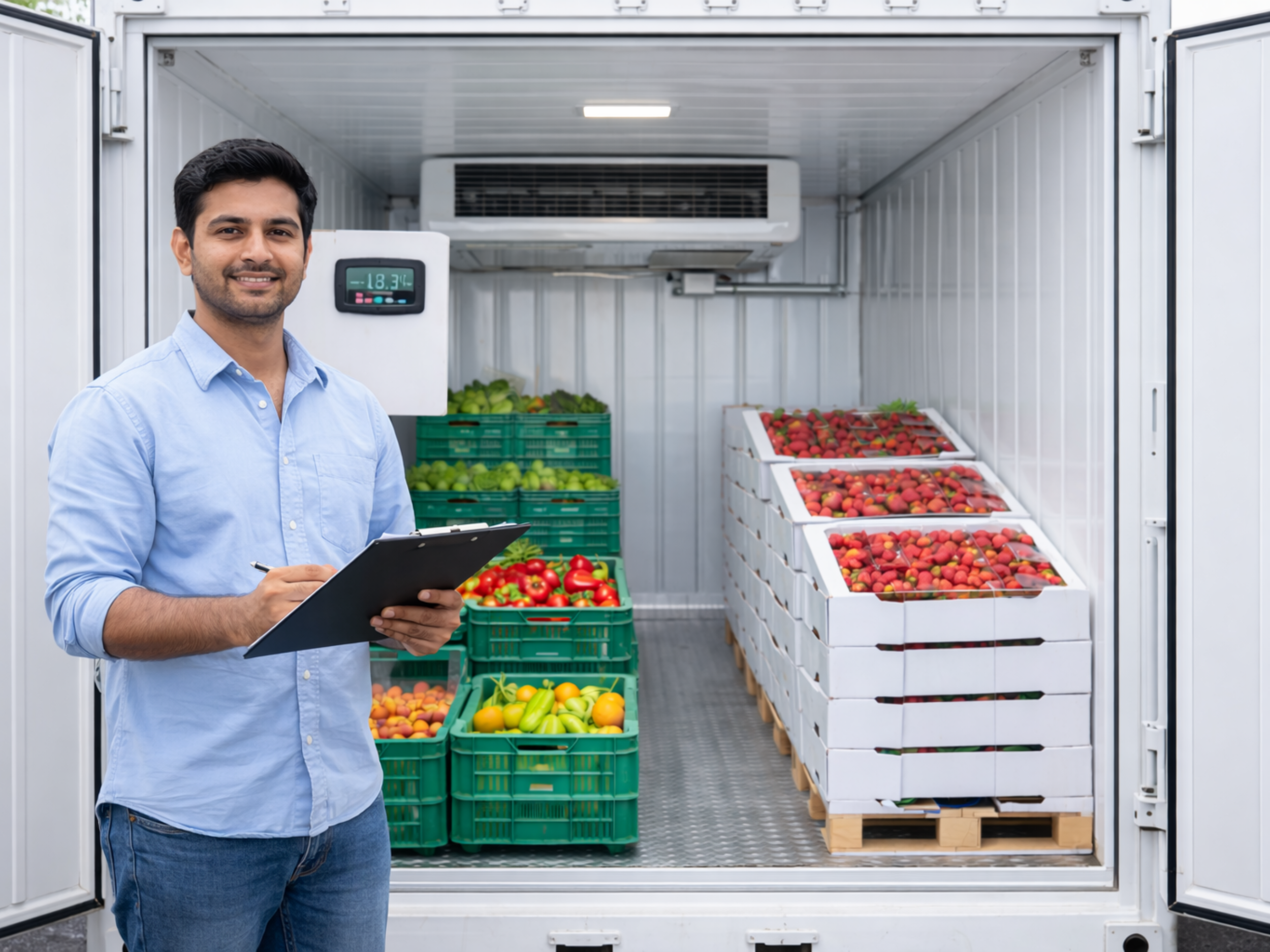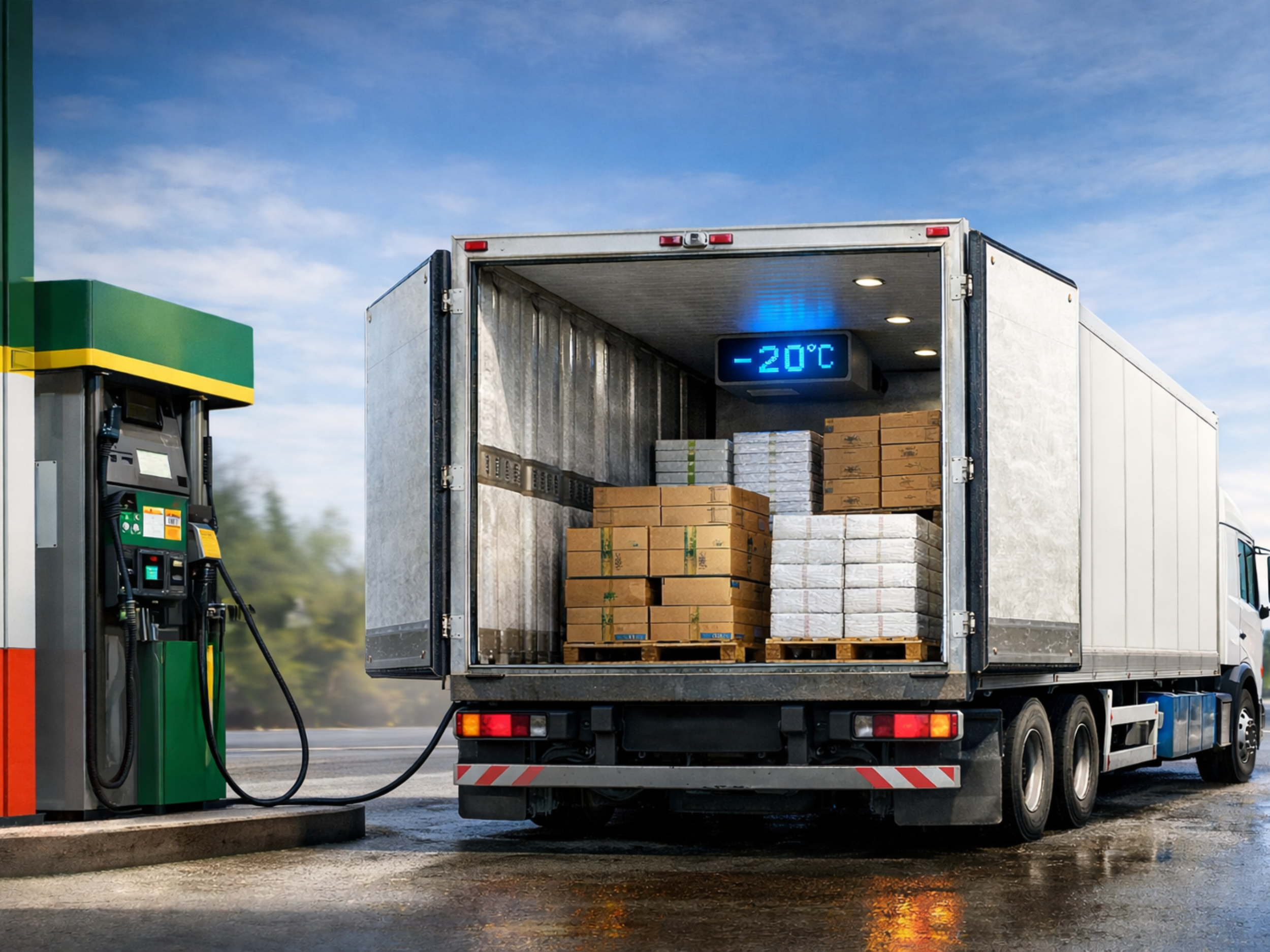
For a vegetable trader, one of the biggest fears during monsoon vegetable transport isn't a delayed delivery. It's opening the truck doors after hours on the road and discovering that a portion of the load has already begun to deteriorate.
A shipment of tomatoes that left the farm firm and market-ready may arrive bruised and softened. Leafy greens can wilt long before reaching retail shelves. Excess moisture can trigger fungal growth in onions, while traffic delays caused by flooded roads can reduce the shelf life of an entire consignment. By the time the product reaches the market, quality issues often translate directly into lower prices, rejected loads, and lost revenue.
The challenge is that vegetable spoilage during monsoon rarely stems from a single factor. It is usually the result of multiple risks working together: high humidity, temperature fluctuations, poor ventilation, water ingress, and unexpected transit delays. Even a few hours outside the recommended temperature range can significantly affect the freshness and market value of produce.
This is why modern vegetable transport is no longer just about moving goods from one location to another. It is about preserving quality throughout the journey. From proper packaging and pre-cooling practices to the use of a refrigerated truck, reefer van, or specialized insulated vehicle, every step plays a role in protecting the cargo.
As India's agricultural supply chains become more sophisticated, reliable cold chain logistics and advanced cold chain equipment are helping farmers, traders, and distributors reduce spoilage and improve profitability. Whether it's maintaining optimal conditions for tomato cold storage, managing moisture risks associated with onion cold storage, or ensuring efficient fruit and vegetable transportation, the right transport strategy can make the difference between profit and loss during the rainy season.
In this article, we'll examine the unique challenges of monsoon transportation, recommended temperature conditions for key vegetables, and how temperature-controlled solutions help protect produce from farm to market.
Why Monsoon Is the Most Challenging Season for Vegetable Transport
Monsoon is one of the toughest seasons for agricultural logistics. While rainfall supports crop growth, it also creates significant challenges once produce leaves the farm. Excess humidity, fluctuating temperatures, and longer transit times can quickly affect quality, freshness, and shelf life.
For businesses involved in fruit and vegetable transportation, protecting produce during monsoon requires more than efficient movement. It requires careful temperature management, proper packaging, and reliable transport solutions.
Heat and Humidity
Monsoon conditions create the perfect environment for spoilage. High humidity levels can lead to condensation on vegetables, encouraging the growth of mould, fungi, and bacteria. Tomatoes are especially vulnerable. Without proper temperature control, they can soften quickly, lose firmness, and become unsuitable for sale. This is why effective tomato cold storage and temperature-controlled transport are essential.
Leafy greens such as spinach, coriander, and lettuce can wilt rapidly when exposed to excess moisture. Even onions can suffer from fungal growth and sprouting if humidity is not managed properly, making proper onion cold storage practices critical. To maintain product quality, many businesses rely on a refrigerated truck or reefer van that can provide consistent conditions throughout the journey.
Transit Delays
Heavy rainfall often leads to traffic congestion, flooded roads, and unexpected route disruptions. As a result, transportation times can increase significantly. For fresh vegetables, every additional hour on the road increases the risk of quality deterioration. Delays can accelerate ripening, increase moisture loss, and shorten shelf life before the produce even reaches the market. This is where strong cold chain logistics becomes essential. A well-maintained cold chain helps preserve freshness even when transit conditions are less than ideal.
Contamination Risks That Threaten Monsoon Vegetable Transport
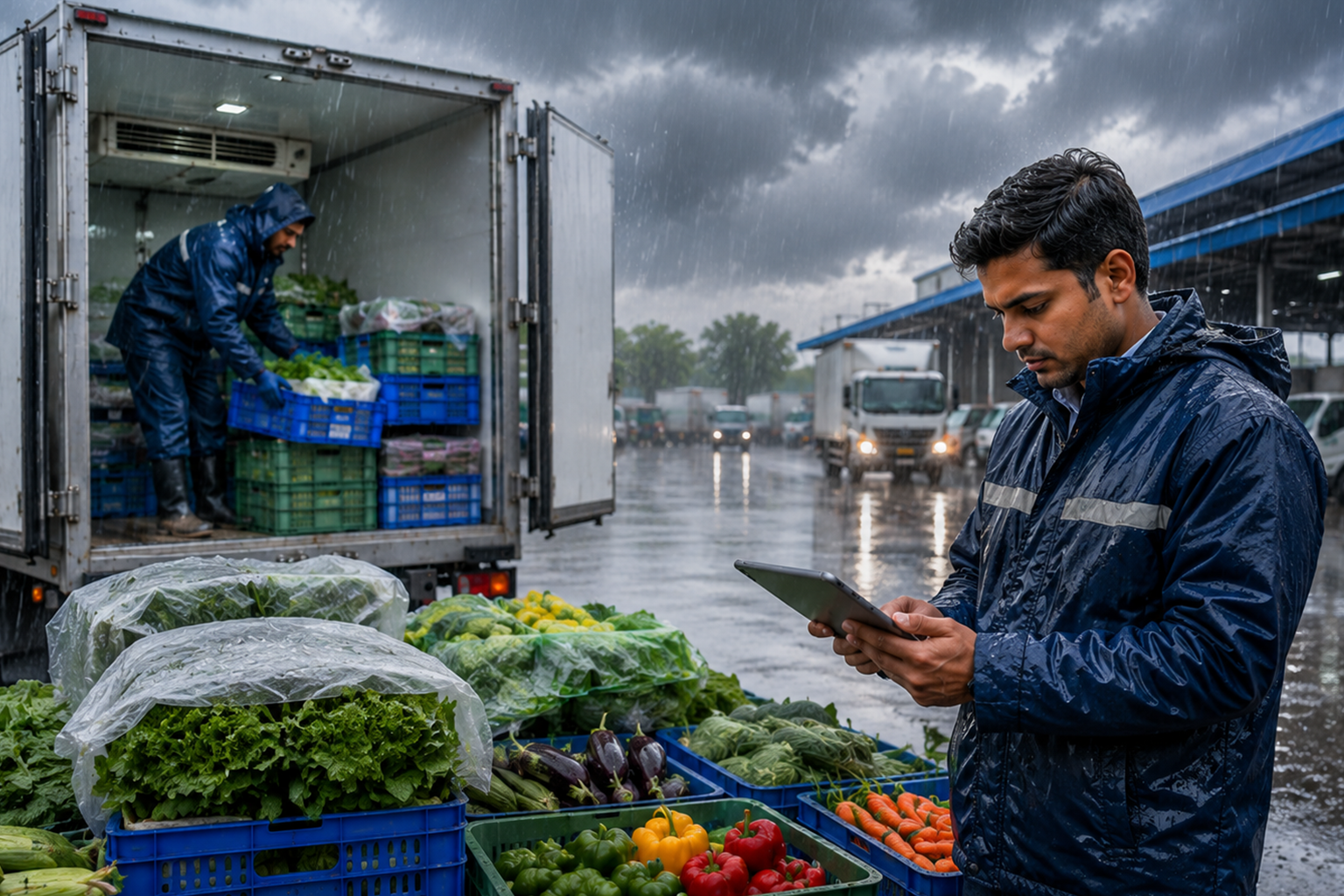
Monsoon also increases the likelihood of contamination. Rainwater exposure during loading and unloading, damp packaging, and excess moisture inside cargo compartments can create conditions that promote microbial growth. Damaged or bruised vegetables are particularly susceptible, allowing bacteria and fungi to spread more easily through a shipment. Modern cold chain equipment helps manage temperature, airflow, and moisture levels, reducing spoilage and preserving produce quality throughout transit.
In today's supply chain, transporting vegetables is about more than simply getting them from one location to another. It is about ensuring they arrive fresh, safe, and market-ready.
Solutions such as a fresh produce truck, reefer van, or insulated vehicle help maintain consistent conditions despite unpredictable monsoon weather. For businesses involved in vegetables transport, temperature-controlled logistics can mean the difference between a profitable delivery and a costly loss.
How Monsoon Conditions Disrupt Cold Chain Logistics in Vegetables Transport
A cold chain is only as strong as its weakest link. During monsoon, maintaining consistent temperature and humidity levels becomes significantly more challenging. Even when produce starts its journey under ideal conditions, exposure to moisture, fluctuating temperatures, and delays can compromise quality before it reaches the destination.
For businesses relying on cold chain logistics, understanding these risks is essential to minimizing spoilage and maintaining freshness.
Moisture Build-Up
Monsoon air carries high levels of humidity. When warm, moist air enters a transport compartment, it can create condensation on vegetables, packaging, and interior surfaces. This excess moisture speeds up deterioration and creates favorable conditions for mould and fungal growth. Vegetables such as tomatoes, leafy greens, and capsicum are particularly susceptible to damage when exposed to prolonged moisture during fruit and vegetable transportation.
Temperature Fluctuations
Maintaining a consistent temperature becomes more difficult during monsoon, especially when vehicles encounter traffic delays or frequent loading and unloading stops. Every time cargo doors are opened, warm and humid air can enter the compartment. These temperature fluctuations place stress on fresh produce, accelerating ripening and reducing shelf life. A properly designed reefer van or refrigerated truck helps minimize these variations and keeps produce within its recommended temperature range throughout transit.
Rapid Spoilage
High humidity combined with unstable temperatures creates ideal conditions for bacterial and fungal activity. Once spoilage begins, it can spread quickly across a shipment, especially in tightly packed loads. This is a major concern for businesses involved in vegetables transport, as even small quality issues can lead to lower market value or rejected consignments. Reliable cold chain equipment plays a critical role in slowing microbial growth and preserving produce quality from farm to market. By maintaining stable conditions, businesses can significantly reduce losses during the rainy season.
Insulated Van vs Reefer Van for Monsoon Vegetable Transport
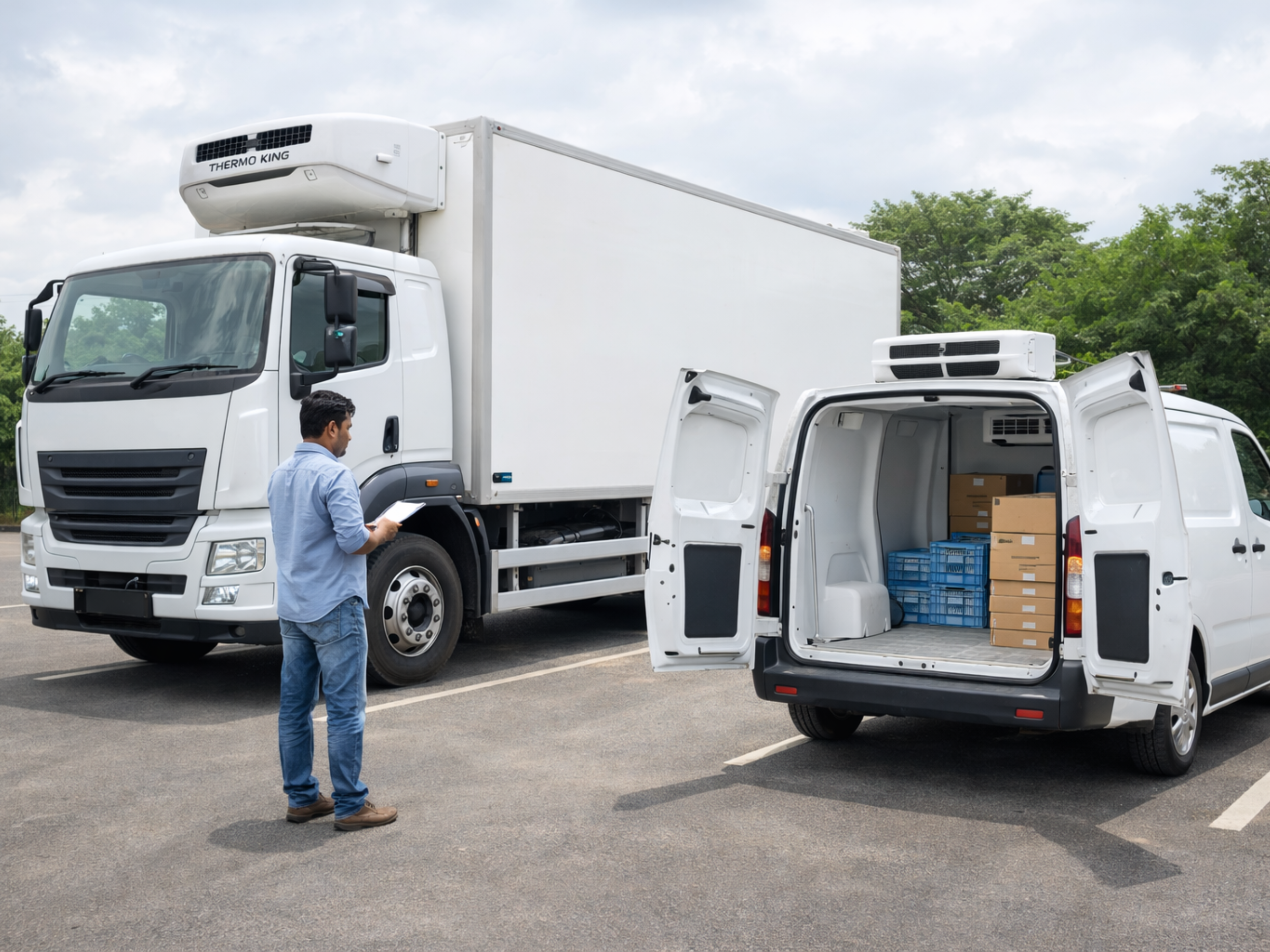
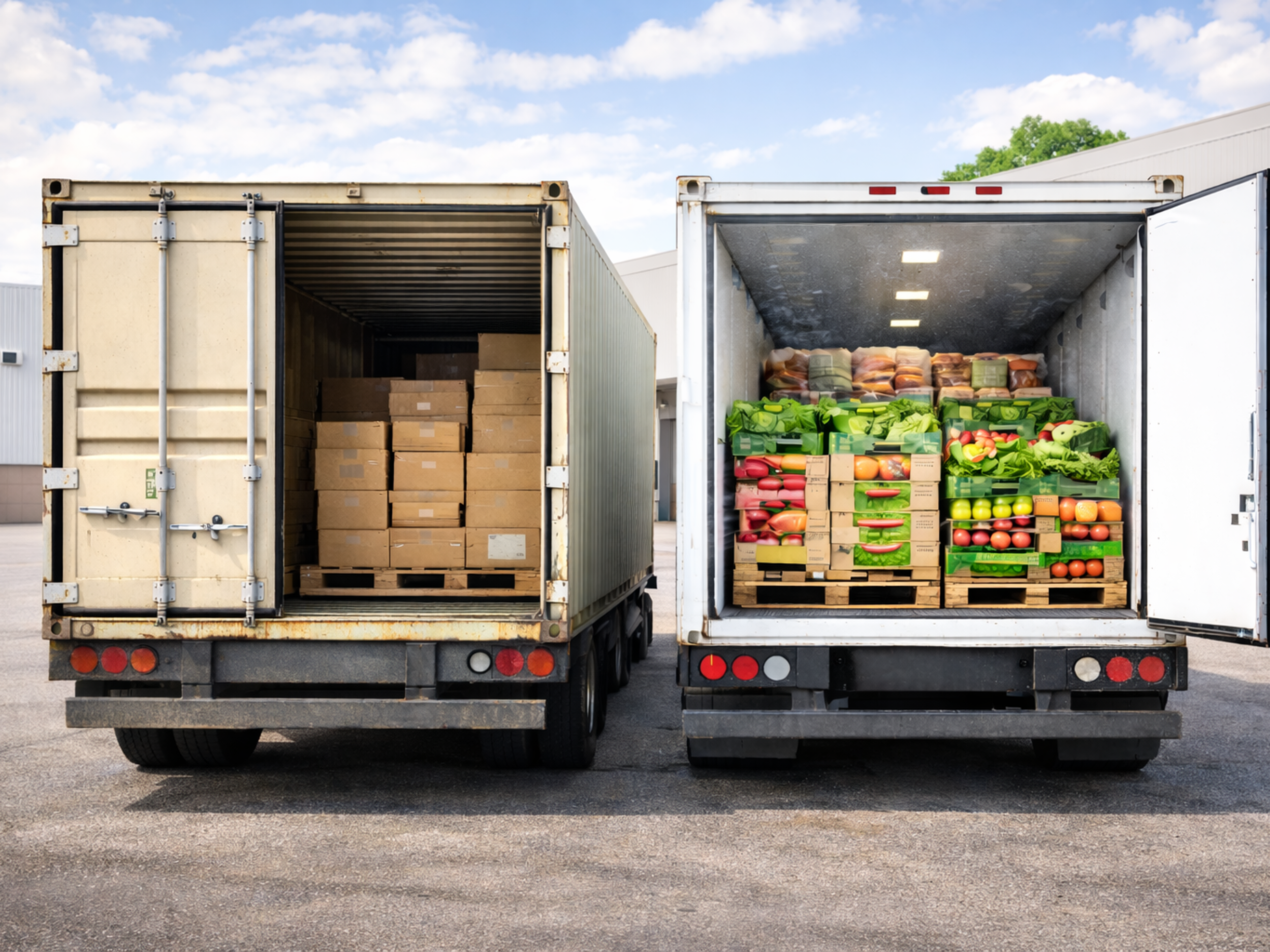
Choosing the right vehicle is one of the most important decisions in monsoon vegetables transport. While both an insulated vehicle and a reefer van are designed to protect cargo from external weather conditions, they serve different purposes. An insulated vehicle slows down the transfer of heat from the outside environment, helping preserve the temperature of pre-cooled produce for shorter durations. A reefer van, on the other hand, uses active refrigeration to maintain a set temperature throughout the journey. During monsoon, when traffic delays, fluctuating temperatures, and high humidity can compromise product quality, selecting the appropriate transport solution can significantly reduce spoilage and protect profitability.
An insulated vehicle may be suitable when:
- Transportation distances are relatively short.
- Produce has been properly pre-cooled before loading.
- Delivery routes have predictable transit times.
- The vegetables being transported are less sensitive to temperature fluctuations.
- The primary goal is protection from rain, humidity, and external heat.
A reefer van is often the better choice when:
- Transporting highly perishable vegetables such as leafy greens, cauliflower, or tomatoes.
- Deliveries involve long distances or intercity routes.
- Monsoon-related delays are common and difficult to predict.
- Consistent temperature control is required throughout transit.
- Businesses need to maintain strict quality standards across the supply chain.
The benefits of active cooling during monsoon include:
- Maintaining stable temperatures despite changing weather conditions.
- Reducing the risk of premature ripening and spoilage.
- Protecting produce from humidity-related damage.
- Extending shelf life and improving market value.
- Supporting reliable cold chain logistics from farm to destination.
For businesses involved in fruit and vegetable transportation, the choice often comes down to the value of the cargo and the risks associated with the route. While an insulated vehicle can be effective for certain applications, a reefer van or refrigerated truck provides an added layer of protection that becomes particularly valuable during the unpredictable monsoon season.
Packaging Best Practices for Monsoon Transport
Packaging plays a critical role in protecting vegetables during monsoon transport. Even with reliable cold chain logistics, poor packaging can expose produce to excess moisture, contamination, and physical damage during transit. The goal is not only to keep vegetables secure but also to maintain proper airflow and prevent water accumulation inside the load. Using sturdy, ventilated plastic crates instead of traditional sacks or poorly ventilated containers helps reduce bruising and allows moisture to escape. It is also important to remove damaged, overripe, or diseased produce before packing, as spoilage can spread quickly in humid conditions.
Some key packaging practices include:
- Using ventilated crates to promote airflow and reduce moisture build-up.
- Avoiding overstacking, which can crush delicate vegetables and restrict air circulation.
- Using moisture-resistant packaging materials wherever possible.
- Pre-cooling produce before loading to help maintain freshness during transit.
- Keeping produce off wet surfaces during loading and unloading operations.
- Minimizing handling to reduce bruising and physical damage.
When these practices are combined with suitable cold chain equipment and transportation through a fresh produce truck, reefer van, or refrigerated truck, businesses can significantly reduce spoilage and ensure vegetables reach the market in the best possible condition despite challenging monsoon weather.
How to Protect Produce Value with Reliable Monsoon Vegetable Transport
The impact of poor transport practices during monsoon extends far beyond a few damaged vegetables. When produce is exposed to excess humidity, temperature fluctuations, or prolonged transit delays, its quality begins to deteriorate long before it reaches the market. Tomatoes may soften and lose firmness, leafy greens can wilt, and onions may become vulnerable to sprouting or fungal growth. These issues often lead to lower selling prices, rejected consignments, increased wastage, and reduced shelf life for retailers.
For businesses involved in vegetable transport and fruit and vegetable transportation, such losses can quickly add up, affecting both profitability and customer trust. Investing in reliable cold chain logistics, appropriate cold chain equipment, and the right transport solution—whether a reefer van, refrigerated truck, or insulated vehicle—helps minimize these risks and ensures produce arrives fresh, market-ready, and capable of delivering maximum value across the supply chain.
Conclusion
Monsoon may be an unavoidable part of the agricultural cycle, but the losses associated with it don't have to be. From excess humidity and temperature fluctuations to transit delays and contamination risks, the rainy season places immense pressure on the fresh produce supply chain. Protecting vegetables during this period requires a combination of proper packaging, suitable transport conditions, and reliable cold chain logistics that can maintain quality from farm to market.
As consumer expectations rise and supply chains become more demanding, temperature-controlled transportation is no longer just an operational advantage—it is a necessity. Whether it's safeguarding tomatoes from premature ripening, preventing moisture-related damage in onions, or preserving the freshness of leafy greens, the right approach can significantly reduce spoilage and improve profitability.
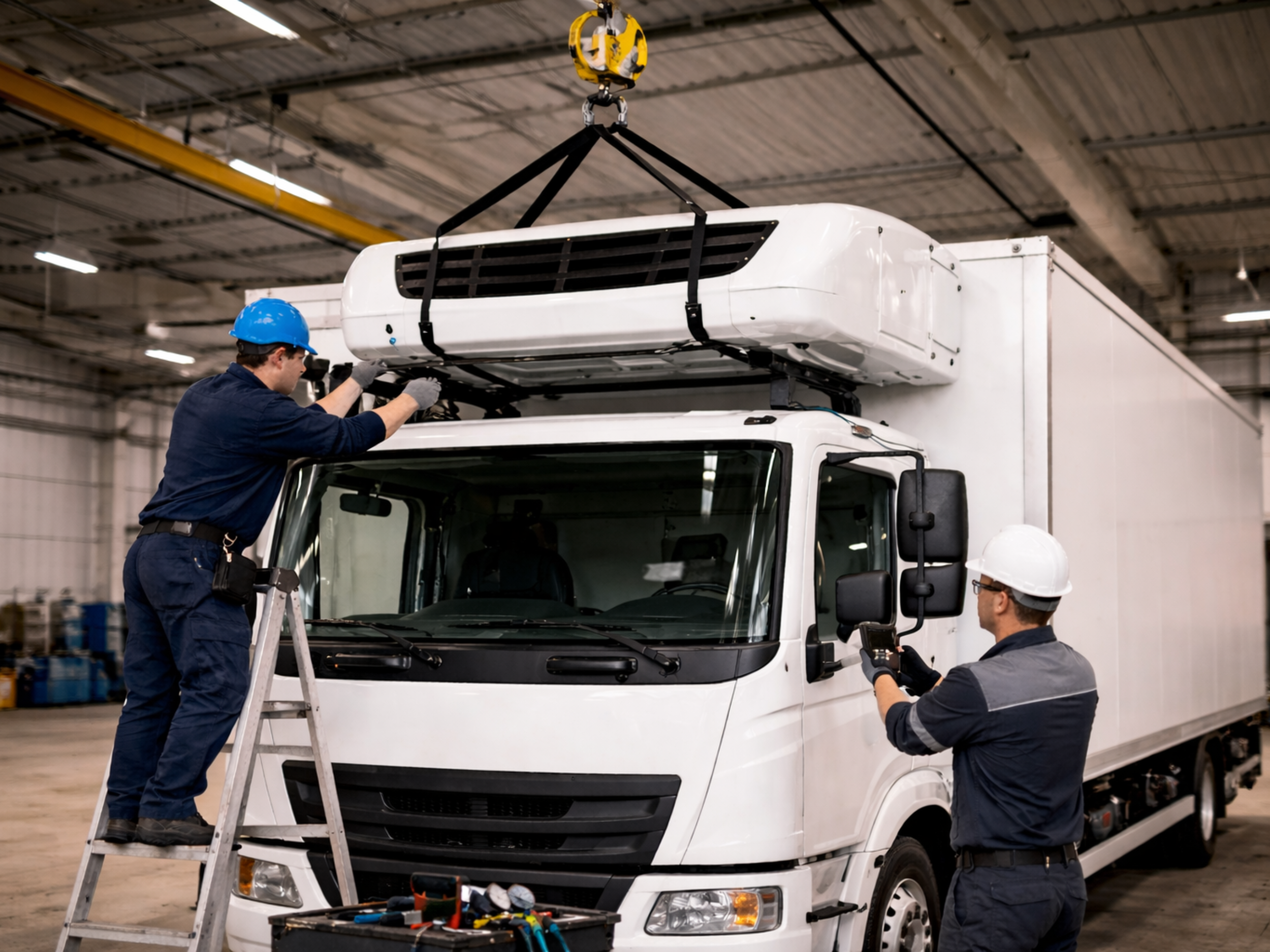
For businesses involved in fruit and vegetable transportation, investing in dependable transport infrastructure is one of the most effective ways to protect produce value during monsoon. Solutions like insulated and refrigerated transport play a crucial role in keeping the cold chain intact, even in challenging weather conditions. As a trusted manufacturer of reefer bodies and temperature-controlled transport solutions, Sub Zero continues to support farmers, fleet operators, distributors, and logistics providers in building more resilient and efficient cold chain networks across India.
Frequently Asked Questions
What temperature is best for transporting vegetables in monsoon?
There is no single temperature that works for all vegetables, but most fresh produce performs best in a controlled range between 0°C and 12°C depending on the type. Leafy greens and cauliflower need colder conditions (0–4°C), while tomatoes and cucumbers require slightly warmer ranges. Maintaining stable conditions using proper cold chain logistics is more important than focusing on one fixed temperature.
Do I need a refrigerated van for vegetable transport in the rainy season?
It depends on distance, produce type, and transit time. For short local deliveries, an insulated setup may be enough. However, for longer routes or highly perishable produce, a reefer van or refrigerated truck is strongly recommended. Monsoon delays and humidity make temperature-controlled transport far more reliable for preserving quality.
How do I prevent tomatoes from spoiling during monsoon transport?
Tomatoes spoil quickly when exposed to heat and humidity. The best approach is to combine proper tomato cold storage before dispatch with controlled transport conditions between 10°C and 12°C. Avoid stacking damage, minimize delays, and use ventilated packaging along with a temperature-controlled vehicle for better shelf life.
What is the best way to transport onions during monsoon?
Onions are sensitive mainly to moisture rather than temperature. While onion cold storage is used for long-term preservation, transport conditions should focus on ventilation and dryness. Using breathable packaging and an insulated vehicle helps prevent sprouting, fungal growth, and moisture buildup during transit.
Does humidity damage vegetables during transport?
Yes, high humidity is one of the biggest risks during monsoon transport. It leads to condensation, which encourages microbial growth, softening, and decay. Leafy greens, tomatoes, and capsicum are especially vulnerable. Proper airflow, packaging, and controlled environments through cold chain equipment help reduce this damage significantly.
What type of reefer van is best for mixed vegetable transport?
For mixed loads, a multi-temperature capable reefer van is ideal, especially when transporting vegetables with different storage needs. The vehicle should maintain stable cooling, good airflow distribution, and humidity control. This ensures that both high-moisture and temperature-sensitive vegetables remain fresh throughout the journey under a single vegetables transport operation.