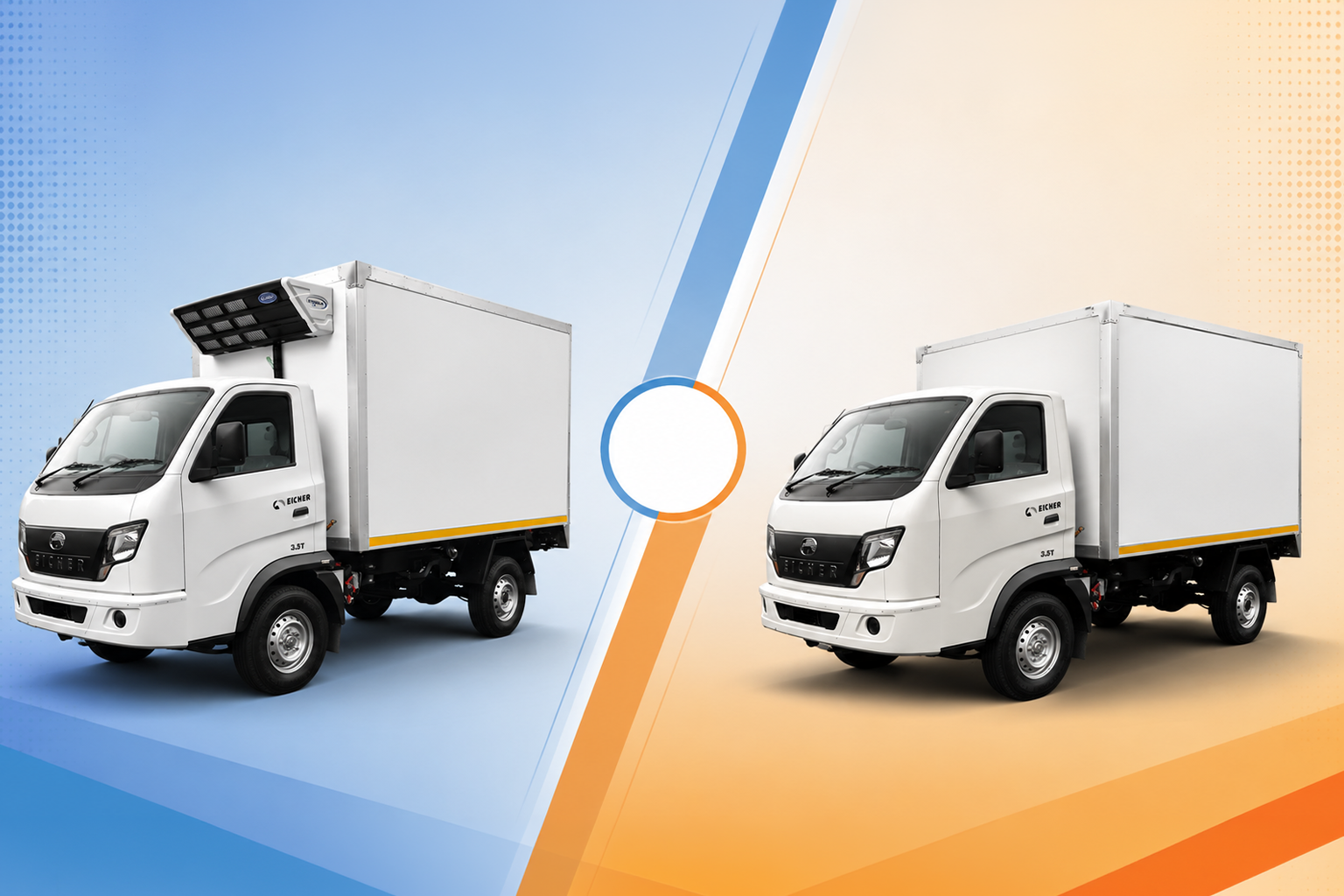
Choosing between a reefer truck and an insulated van is one of the most important decisions for any cold chain business. Both options help transport temperature-sensitive goods, but their cost structure, operating efficiency, and suitability for different routes can vary significantly.
In 2026, fleet operators are under increasing pressure to control capital expenditure while still protecting product quality. That is why a clear comparison of upfront cost, maintenance cost, fuel efficiency, and payload capability matters more than ever.
Why the Reefer Truck vs Insulated Van Decision Matters
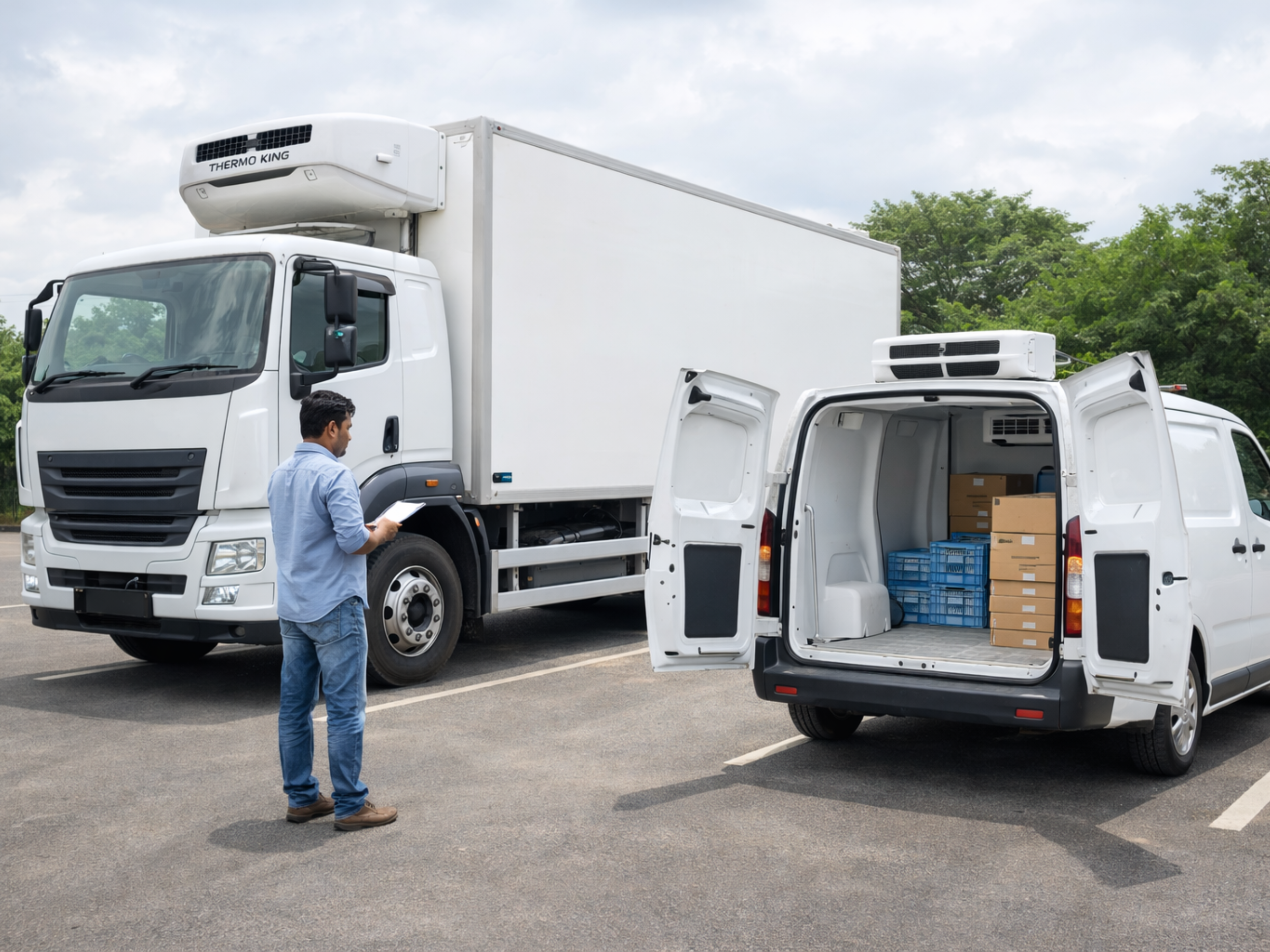
A reefer truck is designed for long-haul and high-volume cold transport. It usually comes with a refrigeration unit, insulated body, and stronger structural setup for continuous operation. An insulated van, on the other hand, is often preferred for smaller loads, urban deliveries, and short-distance distribution.
The right choice depends on route length, temperature range, cargo volume, and how often the vehicle is used. A lower upfront cost does not always mean lower total cost over time.
Upfront Cost: Which One Costs More to Buy?
In general, a reefer truck has a higher initial investment than an insulated van. This is because it involves a larger body, a more powerful refrigeration system, and stronger thermal insulation to support heavier loads and longer journeys.
An insulated van is usually more affordable at the purchase stage, especially for small businesses or last-mile operations. It is often the preferred choice when the requirement is moderate cargo volume and shorter delivery cycles.
Quick Cost Snapshot
- Insulated van: Lower upfront cost, suitable for smaller fleets and short routes
- Reefer truck: Higher acquisition cost, better for large payloads and long-distance cold chain operations
Operating Cost: Fuel, Maintenance, and Refrigeration Load
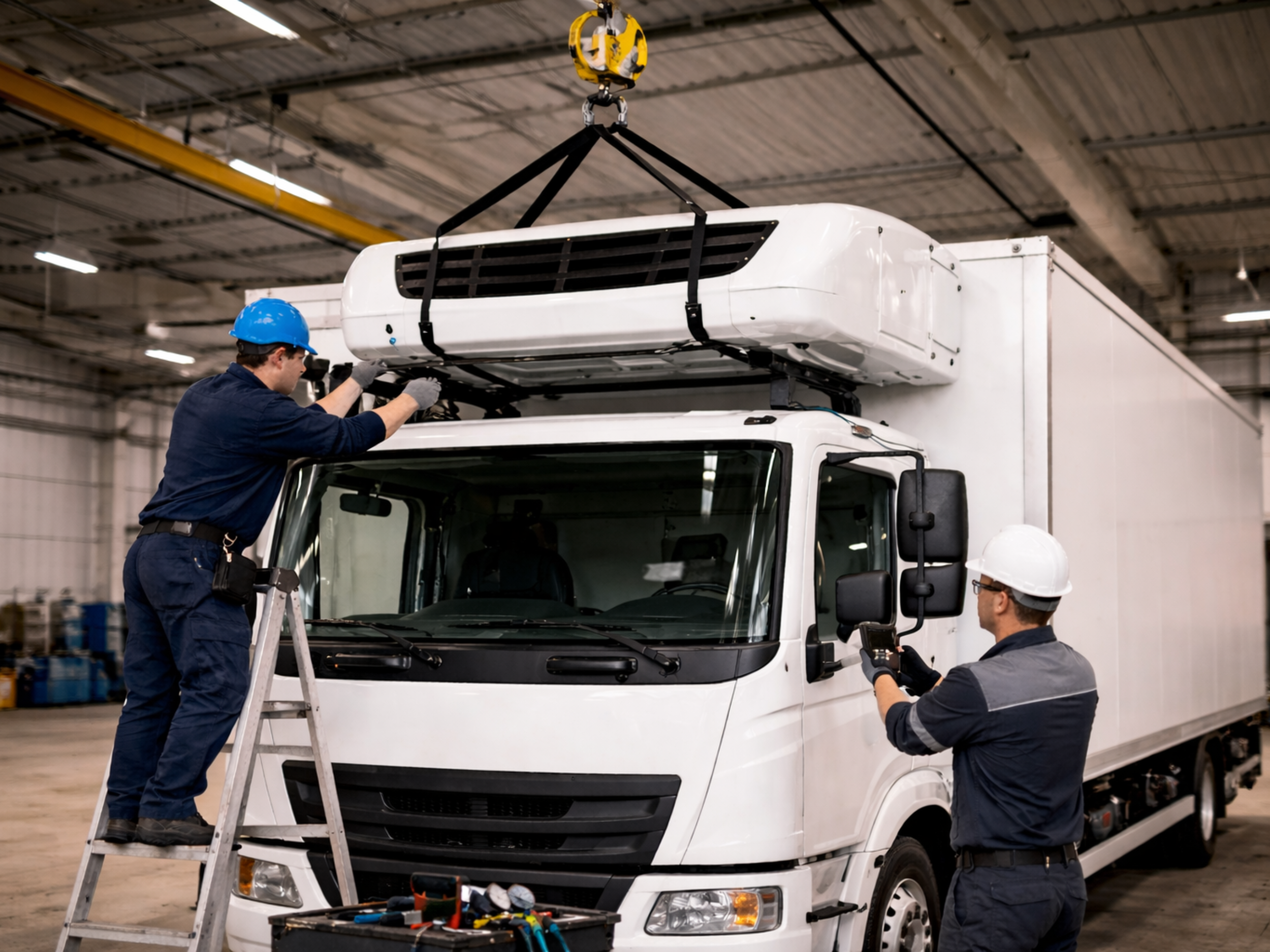
Running costs are where the comparison becomes more practical. Reefer trucks may cost more to buy, but they can be more efficient when used consistently for larger deliveries. Their refrigeration systems are built for heavier-duty use and often offer better performance over longer routes.
Insulated vans may have lower operating costs for local trips, but they can become less cost-effective when used for frequent long-distance movement or when they need to run refrigeration more intensely due to poor insulation or thermal leakage.
Key operating factors include:
- Fuel consumption
- Refrigeration unit wear and tear
- Maintenance frequency
- Downtime during repairs
- Product losses from temperature deviation
Payload and Route Suitability
Route type is one of the biggest reasons businesses choose one over the other. Insulated vans are commonly used for urban and regional deliveries where loads are smaller and routes are more frequent. They are ideal for dairy, fresh produce, medicines, and city-based distribution.
Reefer trucks make more sense for intercity transport, higher payloads, and longer periods on the road. If a business is moving larger volumes of frozen or chilled goods across multiple regions, the reefer truck tends to provide better scalability.
Which One Offers Better Long-Term Value?
When evaluating long-term value, businesses should look at total cost of ownership rather than initial purchase price alone. A reefer truck may cost more initially, but it can deliver better productivity, greater cargo capacity, and lower risk of quality loss over time.
For businesses with lighter daily loads and shorter delivery distances, an insulated van often provides a more balanced cost structure. It offers flexibility, easier maneuverability, and a lower entry cost.
Final Takeaway
If your operation involves high-volume and long-distance cold transport, a reefer truck is usually the stronger investment. If your priority is lower upfront cost, city deliveries, and smaller load sizes, an insulated van is often the smarter option.
The best choice is the one that matches your route profile, temperature requirements, and business growth plans rather than just the purchase price.
Frequently Asked Questions
Which is more expensive: a reefer truck or an insulated van?
A reefer truck is generally more expensive upfront because it includes a heavier refrigeration setup and larger insulated body built for long-distance and high-volume cold transport.
Is an insulated van cheaper to run?
It can be, especially for short routes and smaller loads. However, long-distance or high-frequency operation may increase the total cost if refrigeration demand stays high.
When should a business choose a reefer truck?
Choose a reefer truck when the business needs higher payload capacity, longer routes, frequent multi-stop operations, or stricter temperature control across large distances.
When is an insulated van a better fit?
An insulated van is usually better for urban deliveries, smaller payloads, lower budgets, and short-haul temperature-sensitive transport.