Superior Thermal Efficiency Means Lower Operating Costs
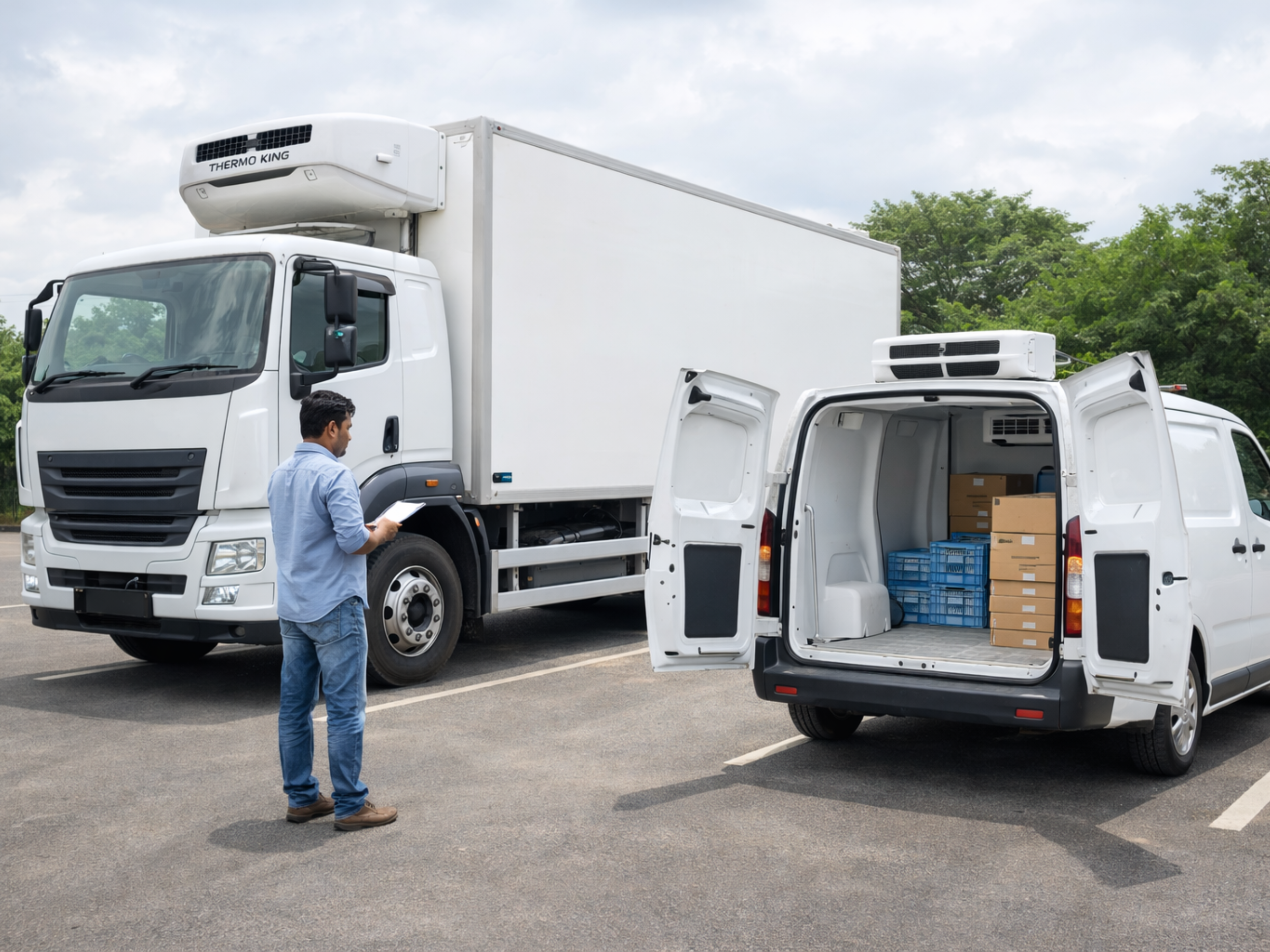
A factory-engineered refrigerated truck delivers superior thermal efficiency because every component is purpose-built to work as a unified system.
High-performance insulation is integrated into the body structure: Insulation panels are engineered and bonded during manufacturing, reducing thermal bridges and heat ingress. This allows the reefer refrigerated truck to retain cold air for longer periods.
Uniform airflow is designed, not improvised: Air circulation patterns are planned to ensure even cooling from front to rear. This prevents hot spots that are common in retrofitted vehicles, especially during partial loads or frequent door openings.
Faster pull-down times reduce energy usage: A Refrigerated Reefer Truck reaches target temperature faster after loading. Shorter pull-down cycles mean the refrigeration unit runs less aggressively, lowering fuel or electrical consumption.
Reduced compressor runtime lowers wear and tear: Because the cargo box holds temperature more efficiently, the compressor cycles less frequently. This extends the life of refrigeration components and reduces maintenance costs.
Better performance in extreme ambient conditions: Whether operating in high heat or humidity, a purpose-built refrigerated box truck maintains temperature stability without overloading the refrigeration system.
Cost Impact Over The Vehicle Lifecycle
The lifecycle cost advantages of a purpose-built refrigerated reefer truck are significant and measurable. Lower fuel or power consumption per trip reduces daily operating expenses. Fewer refrigeration-related breakdowns mean less unplanned downtime. Reduced maintenance and spare part replacement keeps service costs predictable. And less product loss due to temperature deviation protects revenue that would otherwise be written off.
Where Retrofitted Vehicles Start to Lose Money
The cost impact of retrofitted vehicles often builds quietly over time. Because refrigeration systems are added to a structure not designed to retain cold efficiently, the unit has to run longer to compensate for heat ingress and uneven airflow. This leads to higher fuel or power consumption and slower temperature recovery after door openings. Over extended routes and daily loading cycles, these inefficiencies become consistent cost drivers rather than one-off issues.
As refrigeration components work under continuous strain, wear and tear accelerates. Compressors, fans, and seals degrade faster, increasing the likelihood of breakdowns and unplanned downtime. Maintenance becomes reactive rather than scheduled, disrupting delivery timelines and adding hidden costs. In comparison, a purpose-built refrigerated reefer truck maintains thermal stability with less mechanical effort, resulting in more predictable performance and lower long-term operating risk.
Refrigeration as a System, Not an Add-On
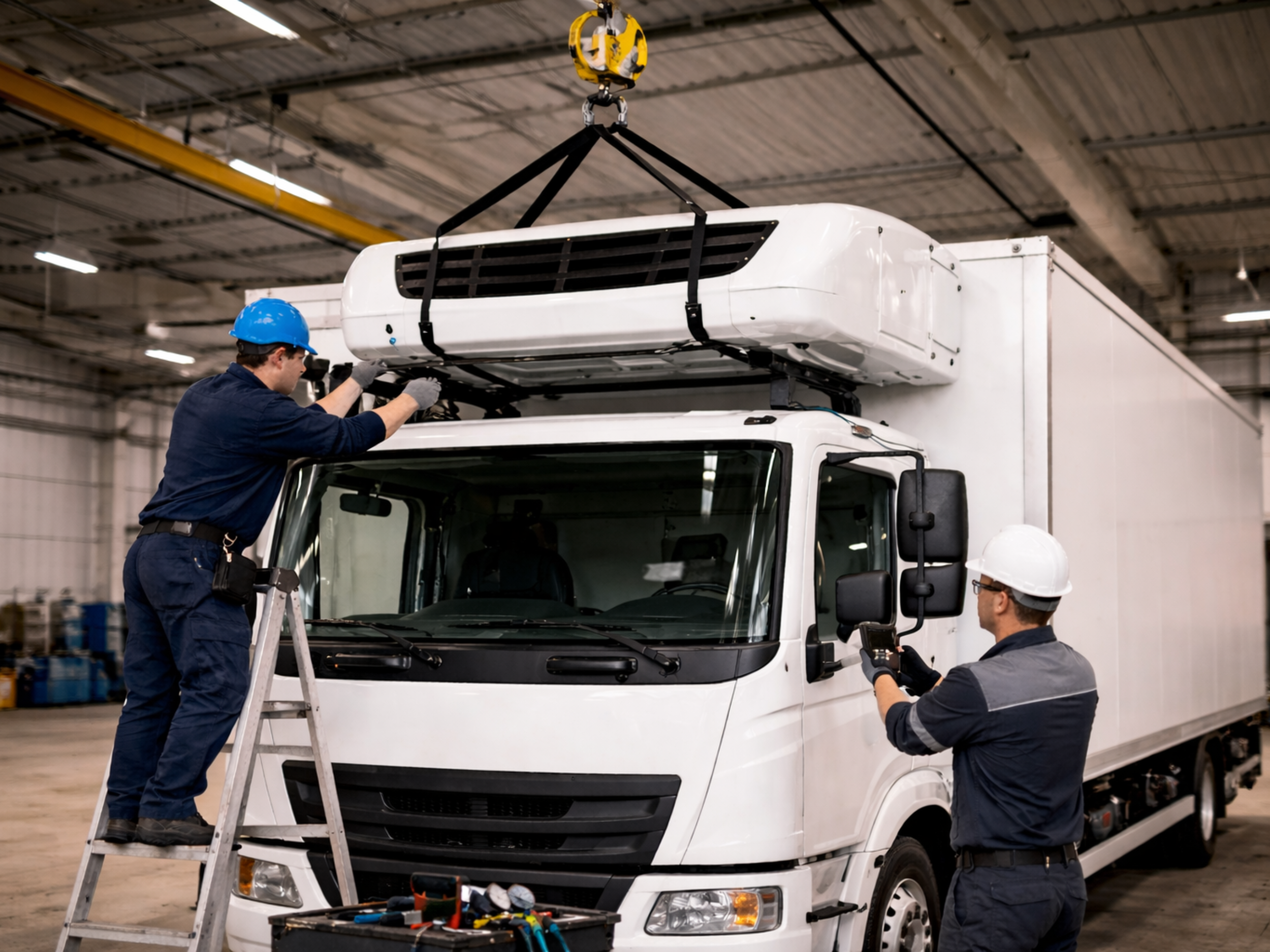
A purpose-built Refrigerated Reefer Truck is engineered as a complete thermal system, not a standard vehicle with refrigeration added later. Every element of the cargo body is designed to work together, ensuring temperature stability is maintained consistently throughout the journey.
In a factory-engineered Refrigerated Reefer Truck, insulation is integrated into the vehicle's structure rather than layered onto it. Wall panels, flooring, ceilings, and door seals are designed to eliminate thermal bridges and minimise heat ingress. Airflow paths are planned to ensure uniform circulation, preventing hot or cold spots that can compromise sensitive cargo.
This integrated design approach delivers three critical advantages. Thermal balance is maintained across the entire cargo space, even during frequent door openings or partial loading. The refrigeration unit operates efficiently, reaching and holding target temperatures without excessive cycling. And structural integrity supports insulation longevity, reducing performance degradation over time.
By contrast, retrofitted solutions often treat refrigeration as an accessory rather than a system. Insulation panels and cooling units are added after the vehicle is built, leading to inconsistencies in airflow, insulation thickness, and structural support. Over time, these gaps force the system to work harder to compensate.
For temperature-sensitive goods, system-level engineering is not optional. A reefer refrigerated truck designed as a single, integrated unit offers predictable performance, lower energy demand, and stronger protection for high-value cargo. This design philosophy is a key reason why purpose-built reefers deliver superior reliability and ROI compared to retrofit-based solutions.
Why Purpose-Built Reefers Deliver Stronger Long-Term ROI
When return on investment is evaluated beyond upfront acquisition cost, the advantage of purpose-built reefers becomes clear. A factory-engineered Refrigerated Reefer Truck is designed to perform reliably over years of continuous operation, not just to meet immediate transport needs. Its value lies in how consistently it protects cargo, controls operating costs, and reduces risk across the vehicle's entire lifecycle.
Thermal efficiency plays a central role, but it is only one part of the equation. Better insulation integrity and airflow design reduce spoilage and temperature deviations, protecting revenue that would otherwise be lost through rejected loads or claims. At the same time, predictable refrigeration performance limits mechanical strain, lowering maintenance frequency and extending component life. These savings may seem incremental in isolation, but they compound significantly over time.
Equally important is regulatory readiness. Purpose-built reefers are easier to certify, audit, and standardise, reducing compliance friction as food safety and pharmaceutical transport regulations become more stringent. This operational confidence allows businesses to scale without constantly adapting vehicles to new requirements.
From an asset perspective, a refrigerated container truck built for cold chain applications retains higher resale value and depreciates more slowly than modified alternatives. Buyers trust factory-built systems because performance parameters are known and consistent, strengthening exit economics when fleets are renewed.
Taken together, these factors shift the role of a reefer vehicle from a necessary expense to a long-term business asset. While retrofitting may address short-term capacity gaps, purpose-built reefers deliver sustained financial clarity, making them the stronger ROI choice for businesses focused on reliability, compliance, and long-term growth.
Conclusion
The real difference between a purpose-built refrigerated reefer truck and a retrofitted solution is not visible on day one. It reveals itself over time through lower operating costs, stronger temperature control, fewer disruptions, and greater confidence in every delivery.
At Sub Zero Reefers, this philosophy drives every build. Each vehicle is engineered as a complete thermal system, designed to protect cargo, reduce operational strain, and deliver measurable ROI over time.