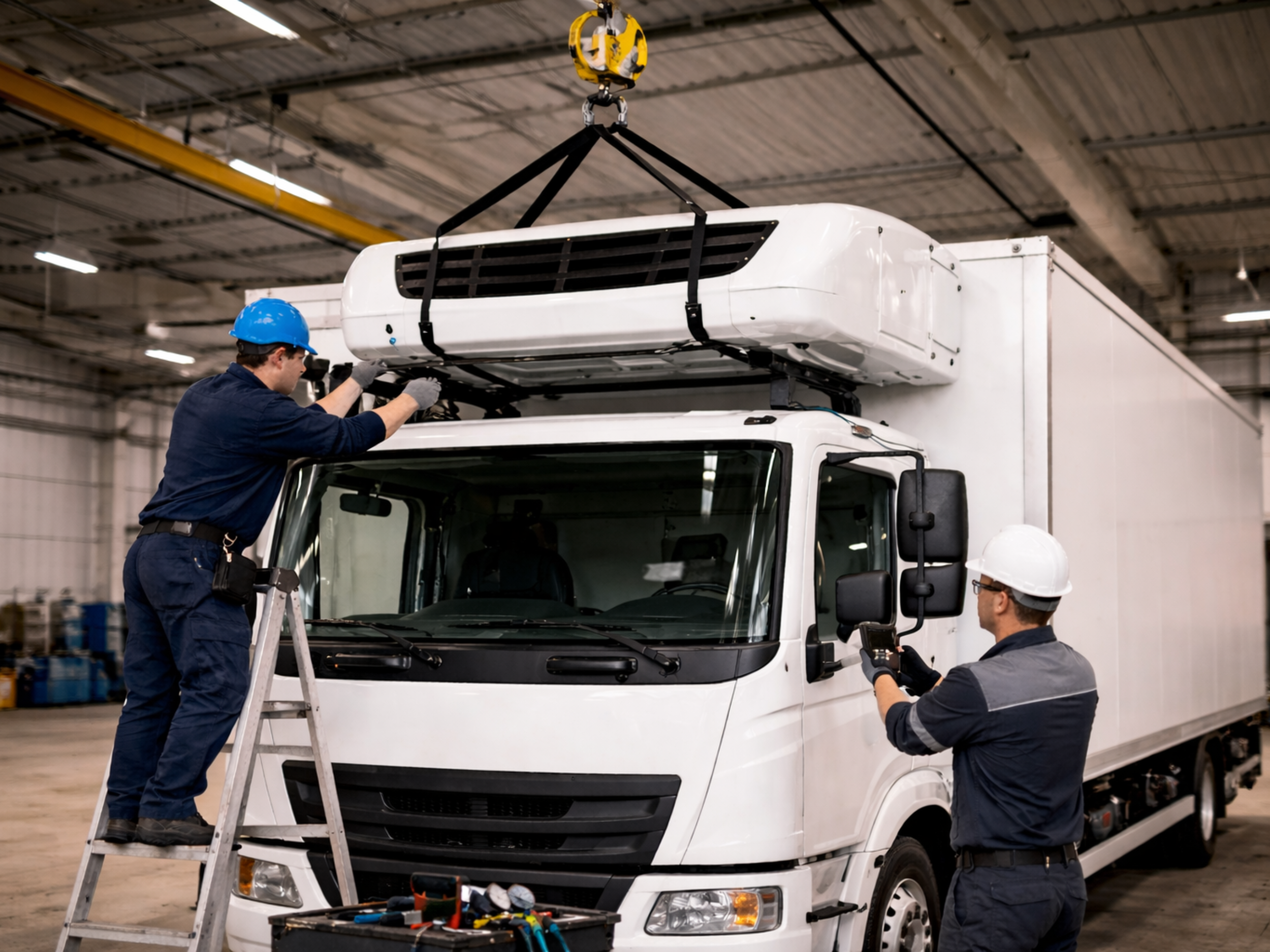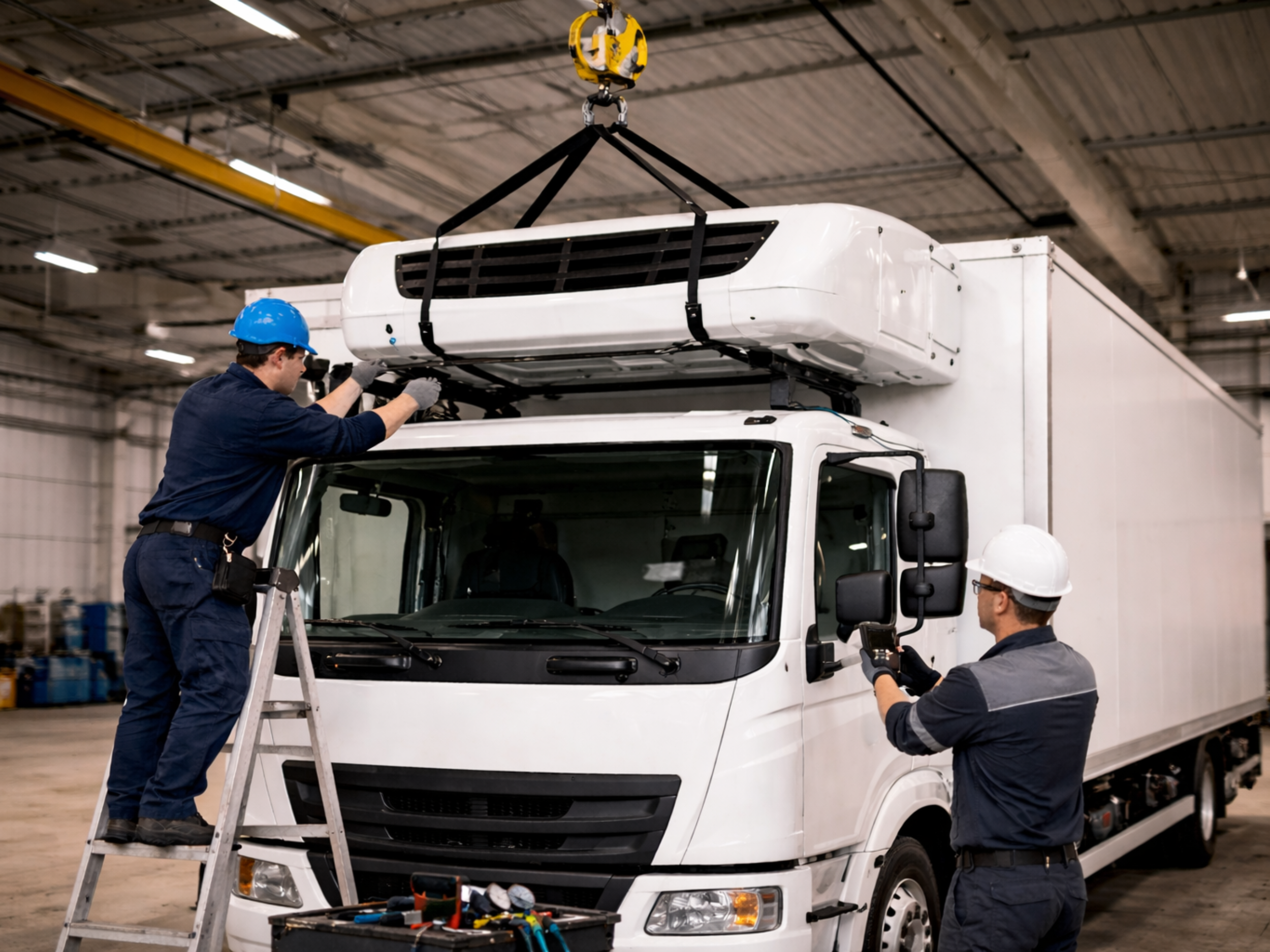
Why Customization Is Critical in Refrigerated Transport
Different cargo types, routes, and operating conditions demand tailored solutions. A dairy truck serving urban routes faces distinct challenges compared to long-haul frozen food transport across states. Temperature ranges, door frequencies, payload weight, route duration, and driver behavior all affect performance, making standardized builds inadequate for modern cold chain logistics.
Modern requirements include cargo-specific insulation, route-specific cooling strategies, and vehicle-specific structural design.
The Compliance Challenge Behind Custom Builds
Every refrigerated truck must meet multiple regulatory frameworks:
- Temperature control regulations
- Structural and load safety norms
- Food and pharma transport standards
- Vehicle homologation requirements
The critical risk emerges when customization occurs without structured engineering. Reducing insulation thickness, altering airflow patterns, or modifying layouts without validation compromises both performance and compliance.
How Leading Refrigerated Truck Manufacturers Do It Right
1. Customization Begins With the Cargo, Not the Vehicle
Reputable manufacturers start by understanding product temperature ranges, sensitivity to fluctuations, loading frequency, and shelf-life risks. This cargo-first approach ensures compliance is built into design rather than added afterward.
2. Modular Engineering, Not Ad-Hoc Modifications
Leading manufacturers employ modular systems including engineered insulation panels, pre-tested airflow configurations, and standardized door/sealing systems. This allows customization without complete redesigns while maintaining compliance across small refrigerated trucks and large container trucks alike.
3. Insulation Is Engineered, Not Improvised
High-density, purpose-built insulation panels must maintain thermal integrity, resist moisture ingress, and withstand vibration and road stress. Professional manufacturers never alter insulation casually — thickness, composition, and joint sealing are engineered to meet both performance and regulatory requirements.
4. Airflow Design Is Non-Negotiable
Internal customization often involves shelving, pallet configuration, and multi-compartment layouts, but airflow must remain uniform. Manufacturers validate airflow paths to eliminate hot spots, prevent cold trapping, and ensure consistent temperatures throughout the vehicle.
5. Vehicle-Specific Customization Matters
Suspension, vibration, and door cycles affect thermal performance differently across vehicle types. Professional customization includes floor strength, door design, and structural reinforcements — always within tested parameters.
Customization Without Compromising Repairs & Downtime
Compliance extends beyond delivery. Manufacturers design for local repairability, modular panel replacement, and minimal downtime — critical for high-usage environments where vehicles must remain serviceable throughout their lifecycles.
Industry-Specific Customization in Practice
Dairy & Ice Cream: Tight temperature tolerance, frequent door openings, zero fluctuation margin.
Pharma: Regulatory documentation, stable internal environments, sealed interiors.
Frozen Food & Seafood: Long-haul durability, sub-zero stability, moisture-resistant interiors.
What Businesses Should Look for Before Choosing a Customized Refrigerated Truck
Before finalizing a purchase, evaluate whether customization is engineered or improvised, whether insulation and airflow are validated, whether the build remains compliant throughout its lifecycle, and whether it can be repaired locally without performance loss.
Final Thoughts
Customization is not inherently problematic — poor engineering is. When refrigerated trucks are designed with discipline, tested systems, and real-world understanding, customization becomes a competitive advantage rather than a liability. Performance is ultimately proven on the road rather than in documentation.