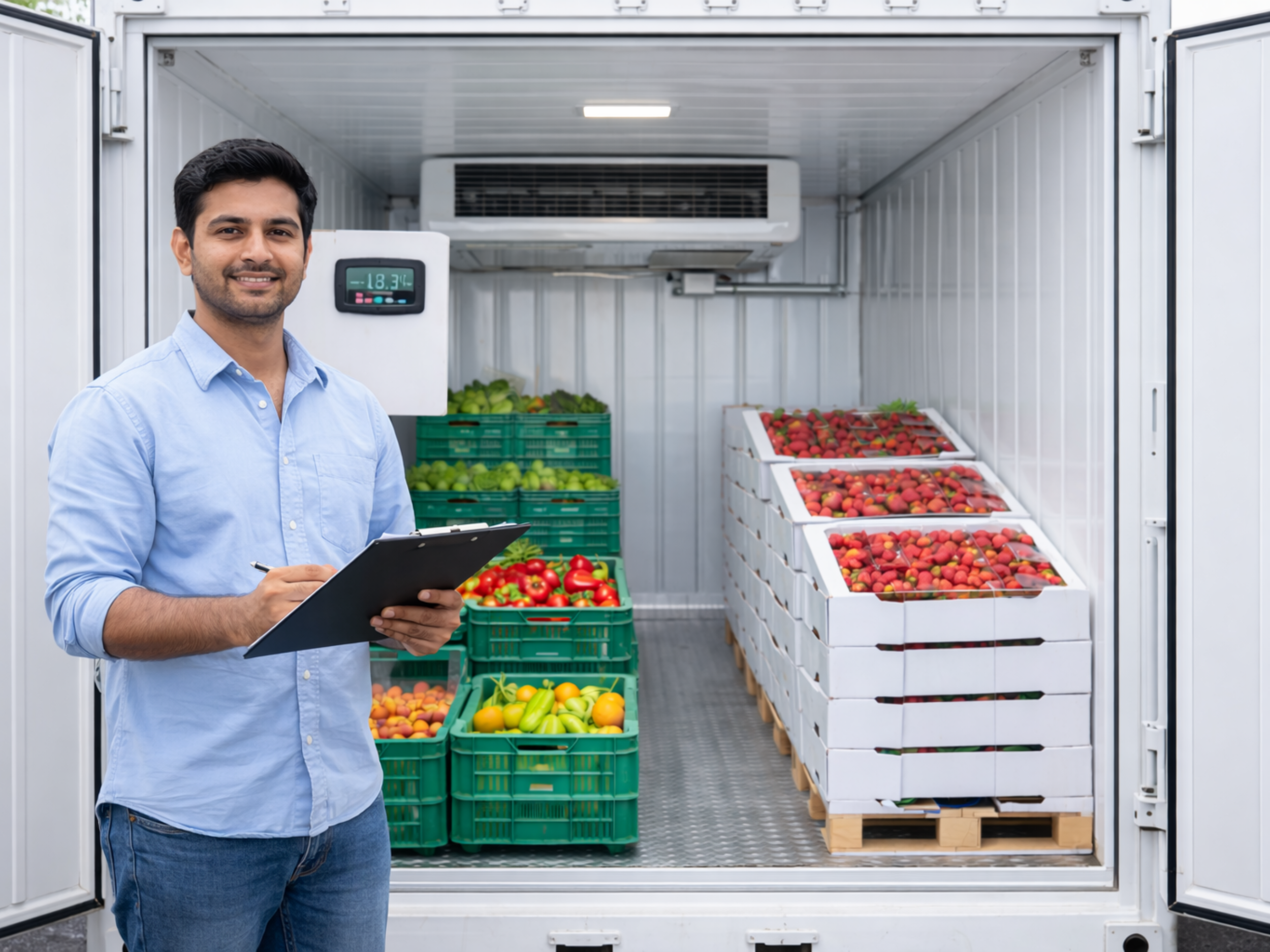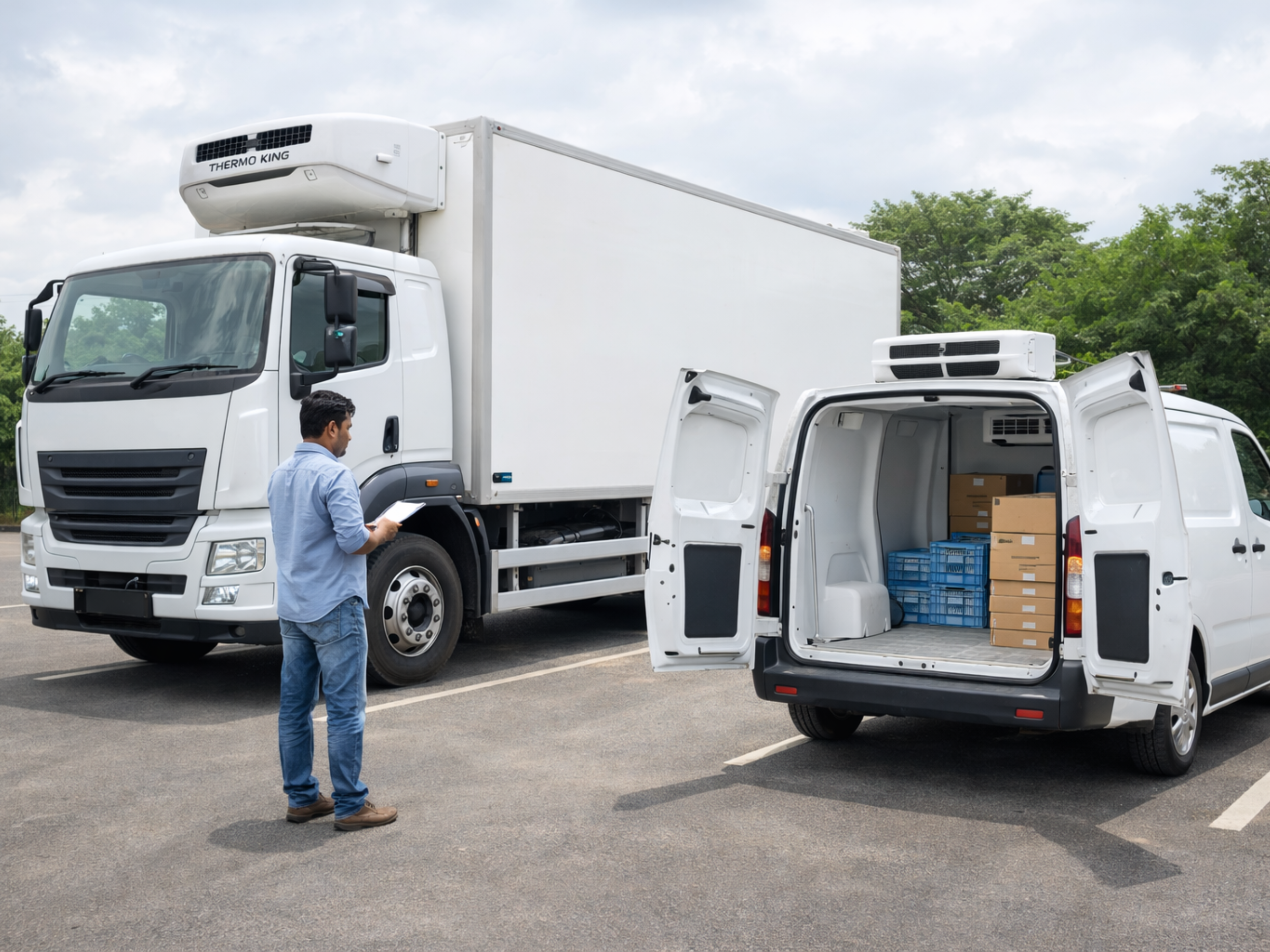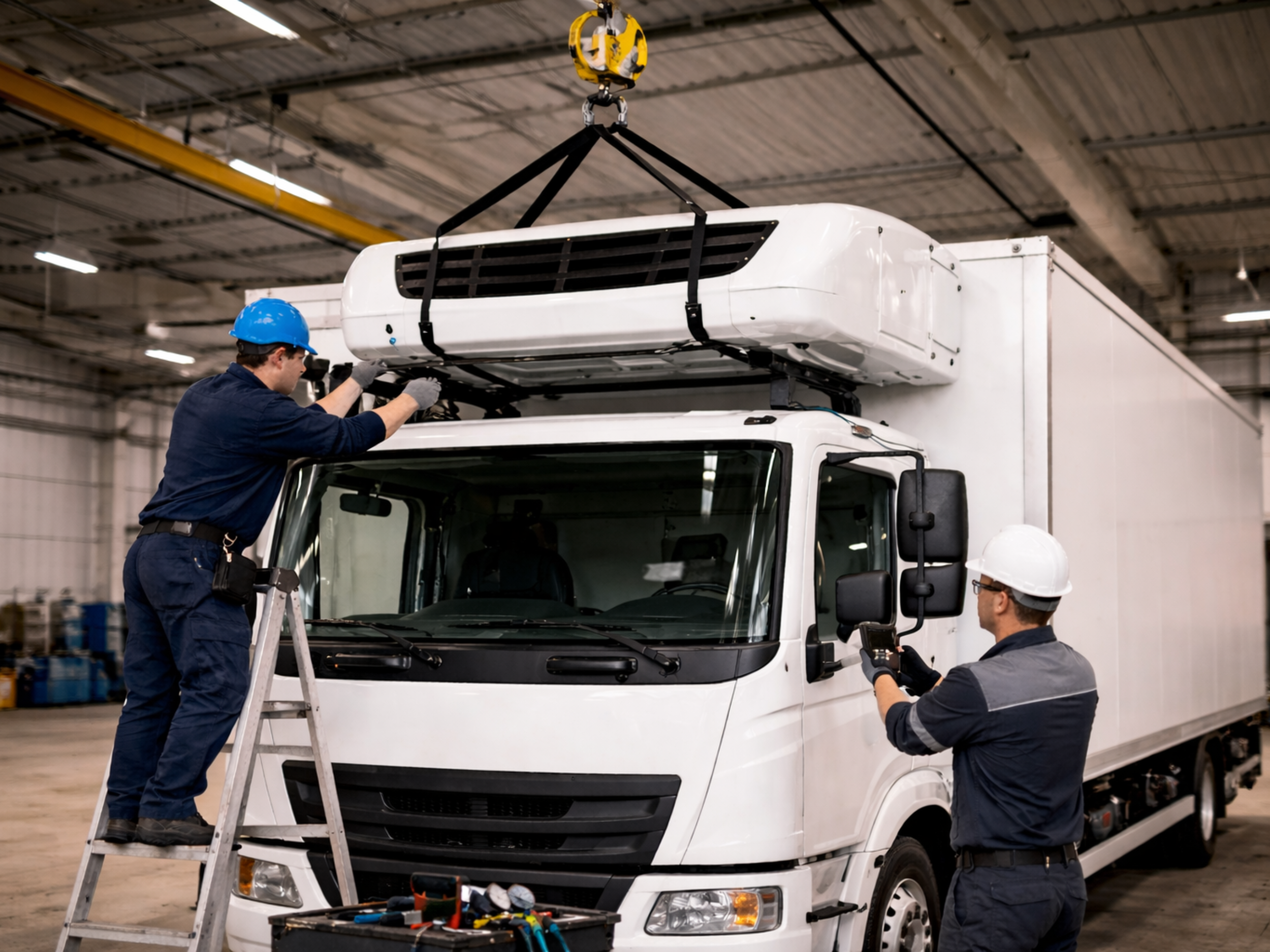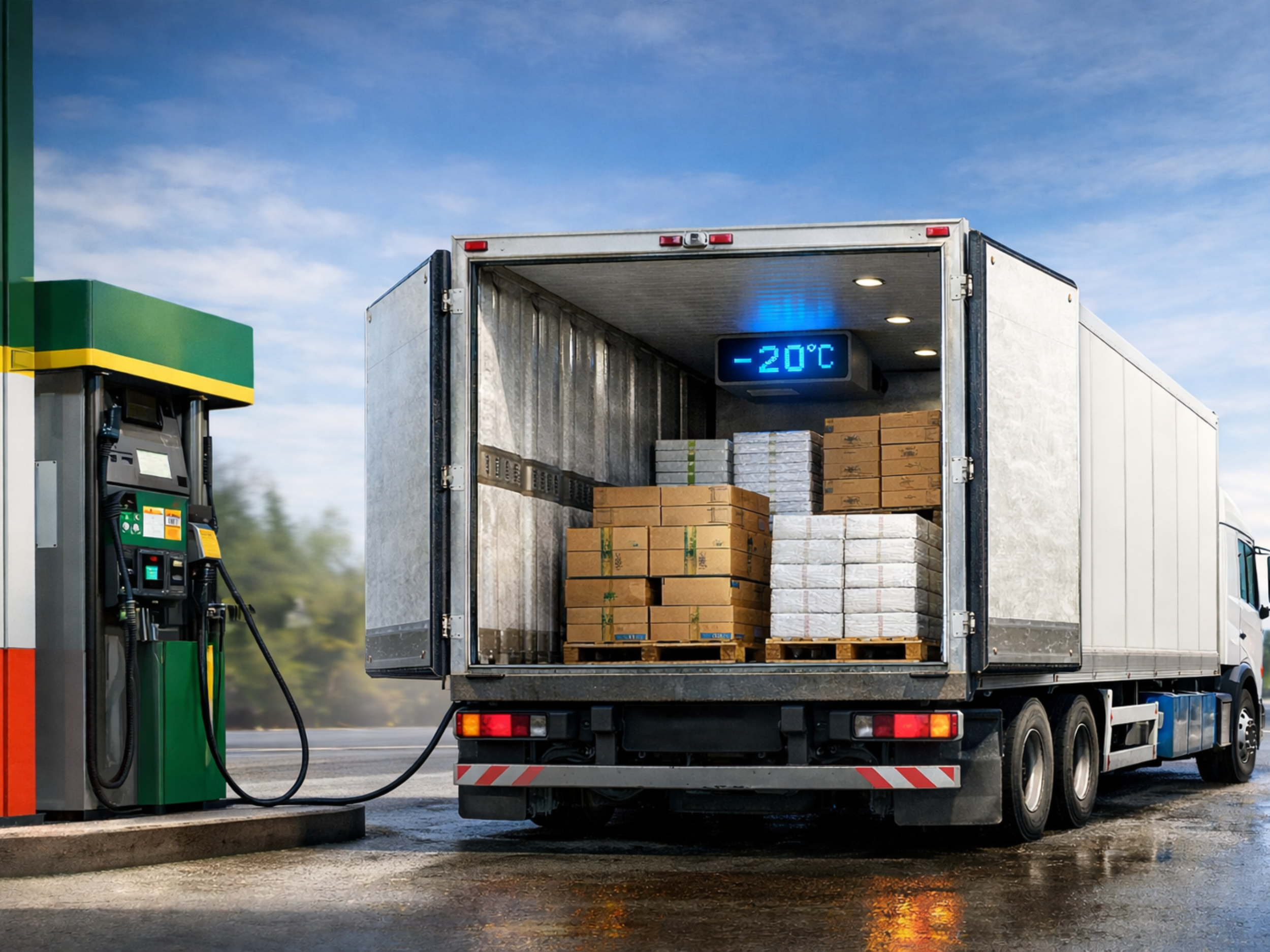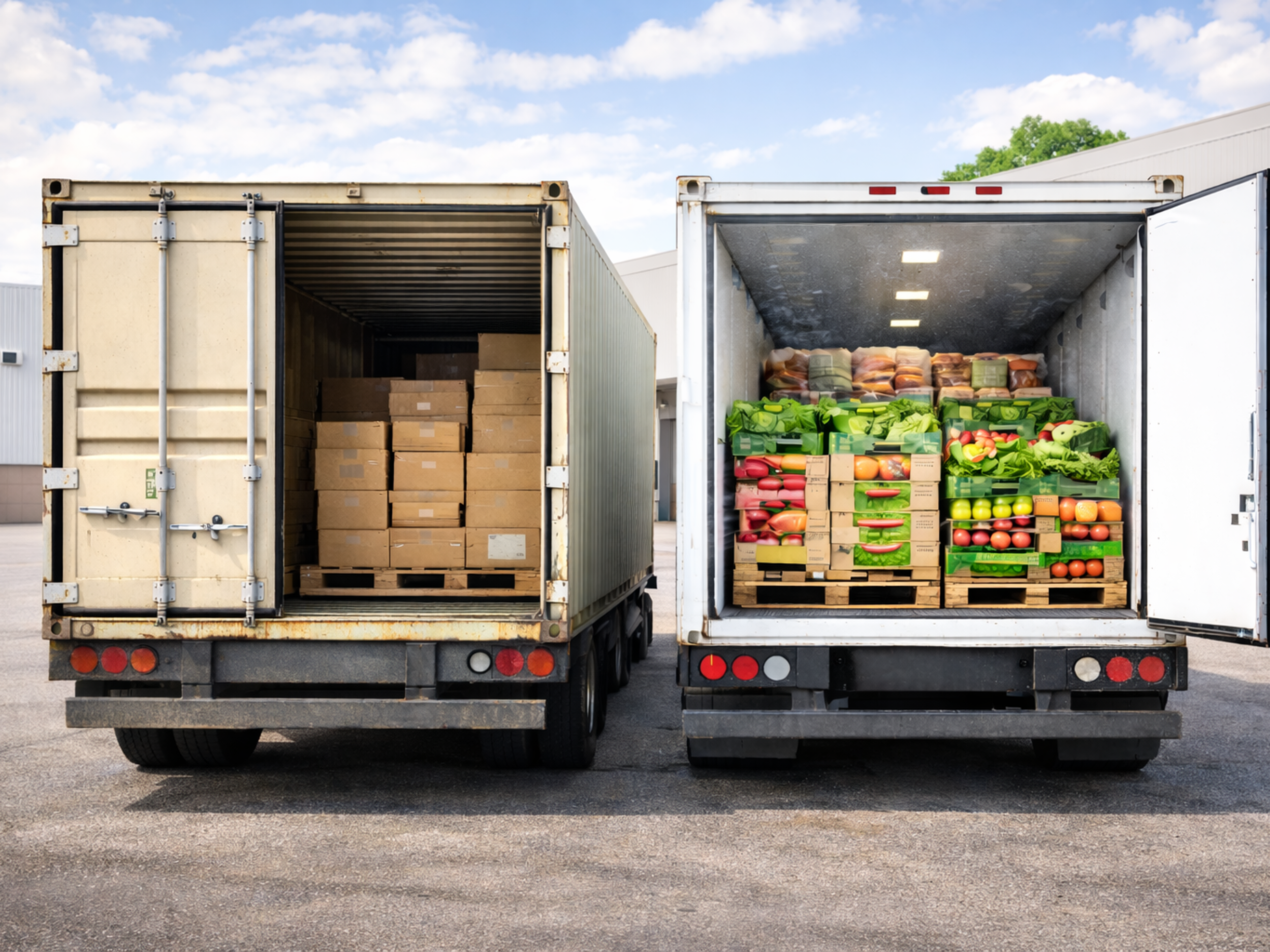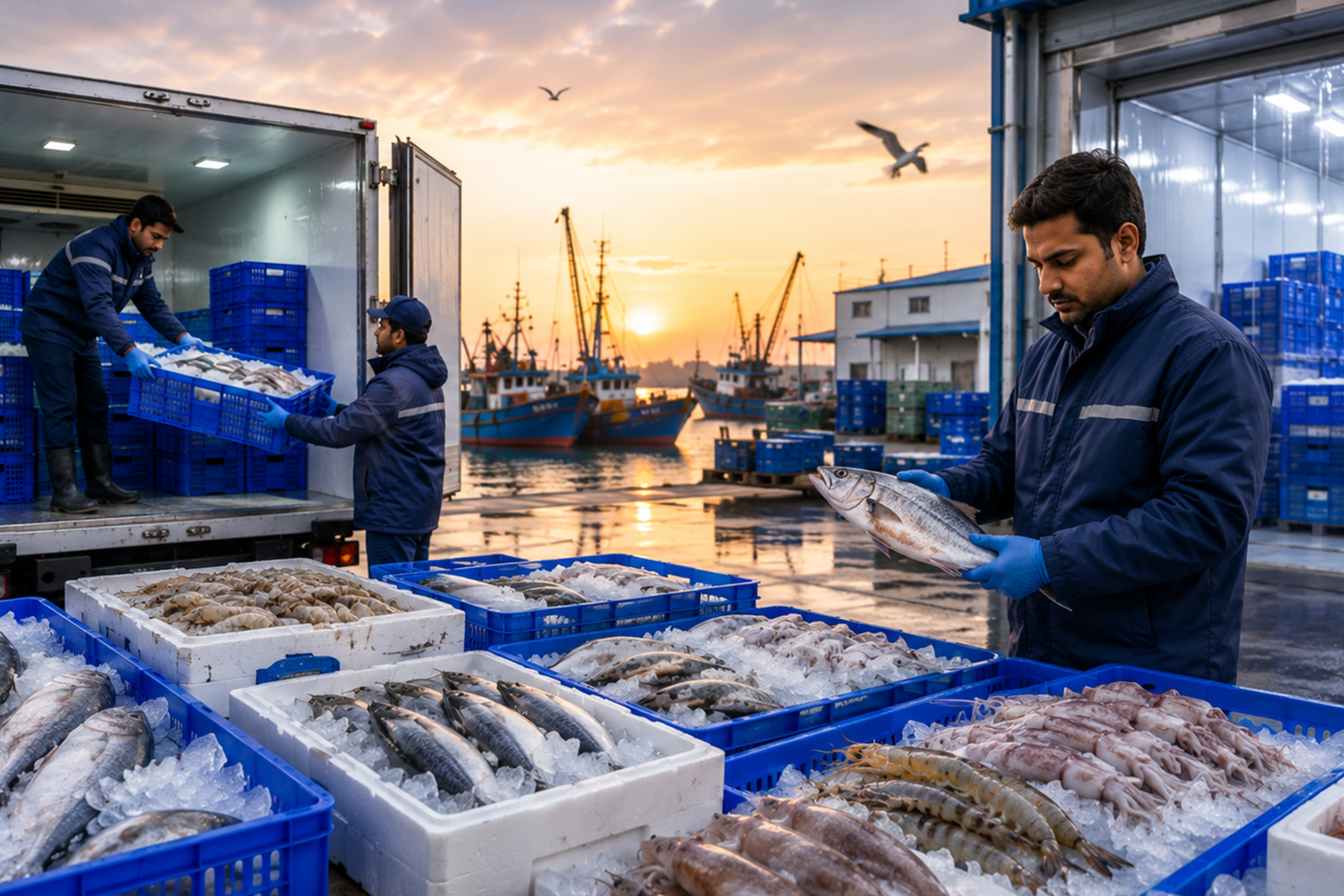
A truck loaded with freshly harvested fish leaves the coast before sunrise. By the time it reaches a wholesale market hundreds of kilometres away, even a small temperature fluctuation can mean the difference between premium-grade seafood and a rejected shipment. For seafood businesses, profitability is often determined not just by how much product they sell, but by how effectively they preserve quality from harvest to delivery. This challenge becomes even more critical as domestic demand grows and shrimp export India continues to expand. Buyers today expect freshness, traceability, and strict temperature compliance throughout the supply chain. As a result, investments in cold chain logistics, temperature-controlled storage, and reliable seafood transport systems are becoming essential for businesses of every size.
However, building an efficient cold chain involves much more than purchasing a reefer truck or setting up a cold room. Business owners must account for cold storage construction cost, transportation infrastructure, refrigeration systems, and other critical cold chain equipment that keeps seafood safe and market-ready. Understanding these costs is key to evaluating the true economics of a modern cold storage business and creating a supply chain that can support long-term growth.
Why Cold Chain Logistics Investment Is Critical for Seafood Business Success
Seafood is one of the most perishable food products in the world. From the moment fish or shrimp is harvested, product quality begins to decline if the right temperature is not maintained. Even short delays in cooling, storage, or transportation can lead to spoilage, reduced shelf life, and financial losses.
For seafood businesses, maintaining freshness is not just about quality. It directly impacts profitability, customer satisfaction, and market access. Whether supplying domestic buyers or participating in shrimp export India operations, an uninterrupted cold chain is essential at every stage, from harvesting and processing to storage and distribution. As seafood supply chains become more complex, investments in cold chain logistics, refrigeration systems, and reliable seafood transport infrastructure are becoming increasingly important.
Post-Harvest Loss: 30-40% Without Proper Cold Chain
A significant portion of seafood losses occurs after harvest due to poor temperature control. Industry estimates suggest that post-harvest losses can reach 30–40% in some regions because of inadequate storage facilities, insufficient icing, transportation delays, and improper handling practices.
When seafood is exposed to higher temperatures, it can quickly lose freshness, texture, and market value. Common challenges include:
- Delays between harvesting and cooling
- Lack of cold storage facilities
- Inadequate ice supply
- Transportation in non-insulated vehicles
- Temperature fluctuations during transit
These issues often result in lower selling prices, shorter shelf life, and increased wastage. Investing in the right fish transport vehicle, storage infrastructure, and cold chain equipment can significantly reduce losses and improve overall profitability.
Why MPEDA Exports Demand a Verified Cold Chain Logistics System
For businesses involved in exports, maintaining a verified cold chain is critical. MPEDA and international buyers require seafood products to be handled and transported under controlled temperatures to ensure food safety and quality.
This is especially important as shrimp export India continues to grow and global buyers demand stricter compliance standards. From processing plants and cold stores to ports and shipping containers, seafood must remain within prescribed temperature ranges throughout the supply chain.
Failure to maintain the cold chain can lead to:
- Shipment rejection
- Quality claims
- Financial losses
- Damage to exporter reputation
As a result, exporters invest heavily in seafood logistics, refrigerated storage, monitoring systems, and reefer truck fleets to ensure product integrity. In today's export market, a reliable cold chain is not just a compliance requirement but a key factor in business success.
How Much Does Seafood Cold Chain Logistics Really Cost to Set Up?
The total cold storage business cost depends on several factors, including the scale of operations, the type of seafood being handled, storage requirements, and whether the business serves domestic or export markets. While no two projects are identical, understanding the major investment components can help owners plan their capital expenditure more effectively.
Cold Storage / Fish Holding Room: Cost per Tonne Capacity
Cold storage is often the largest infrastructure investment in a seafood operation. The final cold storage construction cost depends on the facility's capacity, insulation quality, refrigeration technology, and temperature requirements.
A small fish holding room with a capacity of 10 to 20 tonnes may require an investment of approximately ₹15–30 lakhs. Medium-sized facilities designed to store around 50 tonnes can cost between ₹40–80 lakhs, while large commercial cold stores exceeding 100 tonnes often require investments ranging from ₹1 crore to ₹3 crore or more.
Businesses planning long-term growth should consider future storage needs during the design stage, as expanding an existing cold store can be significantly more expensive than building adequate capacity from the outset.
Ice Plant Investment for Seafood Cold Chain Operations
Ice remains one of the most important tools for maintaining seafood quality immediately after harvest. Many fisheries and seafood processors install dedicated ice plants to ensure a consistent supply throughout the year.
A small ice plant producing one to two tonnes of ice per day typically requires an investment of ₹10–20 lakhs. For businesses handling larger volumes, a five-tonne-per-day plant may cost between ₹25–50 lakhs. Large-scale operations producing more than ten tonnes of ice daily often invest upwards of ₹50 lakhs and can exceed ₹1 crore depending on the technology and automation involved.
Insulated or Refrigerated Fish Transport Vehicle: Price Range
Transportation is a critical part of the seafood cold chain. The choice between insulated and refrigerated vehicles depends largely on route length, product type, and delivery frequency.
An insulated fish transport vehicle body can generally cost between ₹4–10 lakhs, making it suitable for short-distance distribution. Businesses transporting seafood over longer distances often opt for refrigerated vehicles, where investment levels can range from ₹10–18 lakhs for smaller vans to ₹35 lakhs or more for larger reefer truck configurations.
The overall cost depends on factors such as insulation thickness, refrigeration unit capacity, vehicle size, and operating temperature requirements.
IQF Freezer Investment for Export-Oriented Cold Storage Business
For companies targeting export markets, Individual Quick Freezing (IQF) technology is often a necessary investment. IQF systems rapidly freeze seafood products, helping preserve texture, appearance, and quality throughout storage and transportation.
Smaller IQF installations typically start at around ₹1 crore and can reach ₹3 crore. Medium-capacity systems often require investments between ₹3–8 crore, while large export-oriented processing facilities may invest ₹10 crore or more in advanced freezing infrastructure and associated cold chain equipment. Although the upfront investment is substantial, IQF technology plays a crucial role in meeting international quality standards and supporting the growing shrimp export India market.
Also Read: Reefer Truck ROI for Seafood Businesses: Buy vs Lease Guide
Cold Chain Logistics Investment by Seafood Business Size
The investment required for a seafood cold chain setup is not a fixed number. It shifts significantly based on scale, target market, and how integrated the operations are. A local fish distributor, a regional processor, and an export-oriented seafood business all operate on very different cost structures, even if they handle similar products. Instead of looking at individual assets in isolation, it makes more sense to understand how the entire setup changes with business size.
Cold Chain Setup for Small-Scale Fish Distribution
At the entry level, most seafood businesses focus on local supply chains where speed matters more than large-scale storage or processing. These setups typically serve nearby markets, retail shops, or small vendors.
Investment at this stage usually stays within ₹10–25 lakhs. The infrastructure is relatively simple and often includes basic icing systems, a small chilled storage unit, and insulated transportation for short-distance deliveries. A basic fish transport vehicle is often sufficient, as most deliveries happen within a limited geographic radius.
The focus here is not heavy infrastructure but maintaining freshness during quick movement from landing centres to market.
Mid-Size Seafood Processing Business
As operations expand, the business starts handling higher volumes, longer distribution routes, and more structured buyers such as hotels, supermarkets, and wholesalers. At this stage, cold chain requirements become more formal and consistent.
Investment typically falls between ₹25 lakhs and ₹2 crore. Businesses at this level usually require dedicated cold rooms, ice production units, refrigerated storage, and better-organised seafood logistics systems. Transportation often shifts from basic insulated vehicles to temperature-controlled solutions depending on delivery distances. This is also where integration of cold chain equipment becomes critical, since consistency and compliance begin to matter as much as speed.
Export-Oriented Seafood Business
At the highest level, seafood businesses operate within global supply chains where quality standards are strict and non-negotiable. These setups cater to international buyers, large processors, and institutional contracts.
Investment here usually starts from ₹2 crore and can go beyond ₹10 crore depending on scale and automation. Infrastructure typically includes large cold storage facilities, advanced freezing systems like IQF, export-grade packaging units, and fully integrated cold chain logistics networks.
Refrigerated transport becomes highly specialised, often involving multi-temperature systems and fleet-level reefer truck operations designed to maintain strict temperature compliance across long distances and export routes.
At this stage, the cold chain is not just infrastructure. It becomes a core part of business credibility and market access.
Choosing the Right Cold Chain Logistics Partner for Seafood Transport
In the seafood industry, transportation is more than just moving products from one location to another. It is a critical link that determines whether seafood reaches the market in peak condition or suffers quality loss along the way. This makes the choice of vehicle and body manufacturer an important investment decision.
Solutions such as those offered by SubZero are designed to support the demanding requirements of seafood transport by combining high-performance insulation, durable construction, and temperature-controlled capabilities suited for fresh fish, frozen seafood, and export cargo. For business owners, the focus should not be solely on the purchase price of a vehicle. Factors such as thermal efficiency, hygiene standards, refrigeration performance, durability under daily operations, after-sales support, and long-term operating costs have a direct impact on product quality, compliance, and profitability.
In a sector where maintaining the cold chain is non-negotiable, investing in the right transportation infrastructure can deliver returns far beyond the initial cost.
Conclusion
The seafood industry operates on narrow margins where product quality directly influences profitability. Whether serving local markets or participating in the growing shrimp export India sector, businesses cannot afford gaps in their cold chain. From storage facilities and ice plants to transportation and freezing systems, every investment plays a role in protecting product value, reducing wastage, and meeting buyer expectations.
While the upfront cold storage business cost may seem significant, the long-term benefits often outweigh the initial expenditure. A well-planned cold chain can help businesses minimize post-harvest losses, improve operational efficiency, access premium markets, and build stronger customer trust. As regulations tighten and quality standards continue to evolve, investing in reliable cold chain logistics is becoming less of an option and more of a business necessity.
For seafood businesses evaluating their next phase of growth, transportation remains one of the most critical links in the cold chain. Choosing the right fish transport vehicle or reefer truck can make a meaningful difference in maintaining product integrity from source to destination. Companies like Sub Zero Reefers are helping bridge this gap by providing temperature-controlled transport solutions tailored to the needs of India's food and fisheries sector, supporting businesses as they build more resilient and efficient cold chains for the future.
Frequently Asked Questions
How much does it cost to set up a seafood cold chain in India?
The cost can range from ₹10–25 lakhs for a small-scale operation to ₹10 crore or more for an export-oriented seafood business. The final investment depends on storage capacity, transportation, refrigeration systems, and processing infrastructure.
What is the price of a fish transport van in India?
An insulated fish transport vehicle typically costs between ₹4–10 lakhs for the body, while refrigerated vans can range from ₹10–18 lakhs or more. Larger reefer truck setups may cost upwards of ₹35 lakhs.
What PMMSY subsidy is available for seafood cold chain assets?
Under PMMSY, eligible businesses can receive subsidies ranging from 40% to 60% for assets such as cold storage facilities, ice plants, refrigerated vehicles, and other cold chain equipment.
How much does a fish cold storage room cost per tonne?
The cold storage construction cost for fish storage generally ranges from ₹1–2 lakhs per tonne of capacity, depending on insulation quality, refrigeration systems, and facility specifications.
Is MPEDA certification required for seafood export cold chain?
Exporters must comply with MPEDA guidelines and maintain a verified cold chain to meet quality and temperature-control requirements. Proper cold chain logistics is essential for seafood export compliance.
What is the best insulated van for transporting fresh fish?
The ideal fish transport vehicle depends on the distance and product type. For local deliveries, insulated vans are often sufficient, while refrigerated vehicles are better suited for long-distance seafood transport.