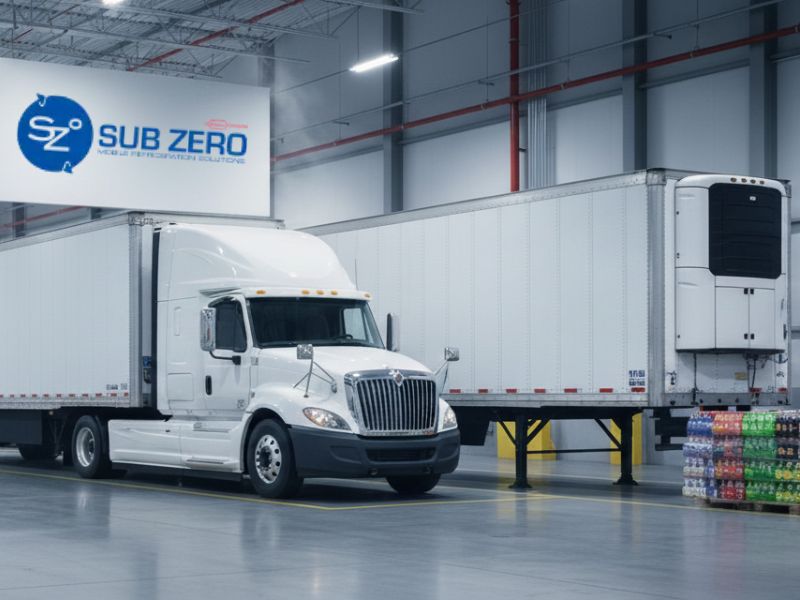
Fresh beverages don’t get much time to wait around. Once milk is collected from a dairy farm or a batch of juice is bottled at the plant, the product quality begins to change every hour. Beverages are sensitive to heat, microbial activity and physical handling. Even a small temperature variation on the road can accelerate spoilage, alter taste or reduce shelf life. That’s why cold chain logistics for beverages becomes the deciding factor between a product that reaches the shelf fresh and one that gets rejected on arrival.
Across India, this pressure has grown fast. Consumers today buy more packaged milk, flavoured beverages, juices and premium drinks than ever before. They expect longer freshness and consistent taste every time they open the bottle or pack. To meet these expectations, manufacturers and retailers can’t depend on ordinary transport. They need reliable cold chain logistics for beverages, dairy transport, beverage transportation and liquor transportation that keeps every degree in check from the very first kilometre to the last.
Whether it’s bulk milk transport, milk tanker companies handling large volumes, or last mile delivery of packaged drinks, standards are tougher than they used to be. The responsibility has shifted from just delivering the goods to protecting the product throughout the journey. Dairy transport companies like Sub Zero Reefers have shaped their operations around that mindset, focusing on quality and consistency rather than just kilometres travelled.
This blog takes a closer look at how temperature controlled logistics is transforming the fresh beverage industry, the challenges supply chain teams face on the ground, and the solutions that help brands keep their products safely moving across India.
Hidden Pressures in Cold Chain Logistics for Beverages
Most conversations around cold chain supply focus on cold chain logistics for beverages. But for fresh beverages, there’s much more at risk below the surface. Small, easily ignored factors can quietly chip away at freshness, consistency, and profitability.
Beyond spoilage, factors like condensation, vibration, and humidity can impact beverage transportation and liquor transportation. Even minor temperature spikes in dairy transport can accelerate bacterial growth, while delicate packaging on premium drinks can warp or labels peel.
People expecting last mile delivery adds another layer of complexity. Traffic, road conditions, and multiple drop-offs can compromise temperature controlled logistics, especially for bulk milk transport or fresh juices. Fragmented supply chains, with multiple carriers following inconsistent protocols, create gaps in hygiene, handling, and monitoring. This is why leading dairy transport companies like Sub Zero Reefers standardise practices across the entire journey.
Along with that, regulatory expectations are also rising. Traceability for milk transport, beverage transportation, and liquor transportation isn’t just compliance, it protects consumer trust. Even a small lapse in temperature logging can lead to a rejected consignment.
Cold Chain Logistics for Beverages Isn’t What It Used to Be
The cold chain conversation has expanded far beyond dairy. The beverage industry now includes a mix of clean-label drinks, live-culture products and premium spirits, each with very different logistics needs. Cold chain isn’t just about keeping things cool anymore. It’s about adapting systems to protect flavour, texture, packaging and consistency across every kilometre of temperature controlled logistics, whether it’s long-haul movement or last mile delivery.
Cold-pressed and fruit-based beverages
These drinks are made without preservatives and react fast to environmental changes. If the cold chain slips, separation or fermentation starts almost instantly. They need a transport approach built around stability rather than just speed. In beverage transportation, the goal is to protect the product’s natural profile, not just get it from point A to B.
Ready-to-drink coffee and tea
The flavour compounds in these beverages are delicate. Heat or prolonged vibration can flatten the taste or alter the texture. This category needs thoughtful handling during last mile delivery, where delays and unpredictable stops can affect quality the most. True success here is consistency in every bottle, regardless of distance.
Kombucha and probiotic beverages
These products are alive and still fermenting when shipped. Changes in temperature can increase internal pressure and compromise packaging. For logistics teams, this is less about simply chilling and more about controlled cooling. It shows why dairy transport companies aren’t the only ones that need strict standards, modern beverages demand the same discipline.
Craft beer and premium liquor
With these products, presentation is as important as taste. Humidity, condensation and vibration can damage packaging or labels, and temperature changes can affect carbonation and flavour. This is where liquor transportation needs careful execution because the value of the cargo involves both product and brand perception.
Health and fortified sports drinks
These beverages contain active ingredients and added nutrients that degrade when exposed to heat. The drink may still look fine, but its nutrition and performance claims weaken quietly. A stable cold chain protects credibility. It’s why operators who specialise in beverage transportation are becoming strategic supply chain partners instead of just carriers.
Technology is Redefining Temperature Controlled Logistics for Beverages
For fresh beverage brands, reliability is everything. It’s not enough for a shipment to simply travel in a refrigerated vehicle anymore. Manufacturers and retailers want real proof that products stayed protected every second of the journey. Technology is the only way to guarantee transparency and control and it’s becoming the new benchmark for temperature controlled logistics, beverage transportation, liquor transportation and dairy transport in India.
Smart cold chain systems allow logistics teams to stop guessing and start knowing.
What best-in-class tech looks like in Cold Chain Logistics for Beverages?
- Live temperature tracking inside every vehicle: Every degree of cooling is monitored in real time, with data accessible to both the logistics team and the customer. This eliminates uncertainty and makes milk transport, juice distribution and alcohol movement safer and more predictable.
- Instant alerts when something goes wrong: If temperature, routing or handling deviates even slightly, automated notifications trigger immediate corrective action. A truck never travels blind, and brands never wait until delivery to learn something went wrong.
- Intelligent route optimisation: Time matters in bulk milk transport, fresh beverages and premium alcoholic products. Technology calculates the fastest and safest route every single time, reducing spoilage risk and ensuring faster shelf replenishment.
- Digital compliance and traceability: Electronic trip reports and temperature logs protect both food safety and brand reputation. When the cold chain is digitally recorded end-to-end, audits become easier and retailers trust more confidently.
This is Where Sub Zero Sets Apart
Many logistics providers treat technology as an add-on. At Sub Zero Reefers, we build it into the truck. Because we manufacture our own refrigerated vehicles, every reefer unit is designed to support seamless integration of monitoring systems from day one.
We don’t sell telematics, we manufacture our own refrigerated and our trucks are built to be equipped with whatever system our customers prefer. That means logistics teams get reliable temperature tracking and trip data without dealing with retrofits or compatibility issues.
Whether the vehicle is used for beverage transportation, liquor transportation, milk transport or bulk milk transport, the advantage stays the same. Purpose-built reefer trucks preserve product temperature with accuracy. Accuracy builds trust. And trust is what the cold chain runs on.
Conclusion: Why Cold Chain Logistics for Beverages Matters
When the cold chain logistics for beverages runs right, it does more than preserve beverages. It strengthens the business behind them. Consistent cooling and disciplined handling lead to fresher products on the shelf, fewer rejected consignments, better retailer relationships and sharper planning accuracy across the supply chain. Whether it’s beverage transportation, liquor transportation, milk transport, or bulk milk transport, brands that get cold chain right can expand into new cities with confidence because quality stays stable no matter how far the product travels.
That’s the real advantage of working with logistics experts who treat temperature controlled logistics as a responsibility and not a checkbox. If reliability, visibility and consistency matter to your operations, Sub Zero Reefers is ready to support you. We’ll help you move smarter, protect product integrity at every stage and make every delivery feel as dependable as the last. Connect with our cold chain team to explore the best refrigerated transport solution for your business.
Frequently Asked Questions
- What is the cold chain logistics system for fresh food?
It’s the temperature-controlled supply chain that keeps fresh food safe and high-quality from farm to shelf. Cold chain logistics uses refrigerated transport, warehousing and monitoring to prevent spoilage. - What are the 7 C’s of logistics?
Customer, Cost, Convenience, Competition, Communication, Coordination and Control. These principles help cold chain logistics and supply chains run smoothly and efficiently. - What is cold chain logistics?
It’s the end-to-end movement and storage of temperature-sensitive goods using refrigerated warehousing and reefer transport. Cold chain logistics ensures product safety, freshness and regulatory compliance. - What is the supply chain of a beverage company?
It includes sourcing ingredients, production, packaging, warehousing, distribution and retail delivery. Beverage supply chains rely on efficient logistics and temperature-safe transport for consistent product quality. - What is the cold beverage supply chain?
It’s a specialized beverage supply chain that uses cold chain logistics and reefer transportation to maintain product temperature from bottling to retail. The goal is to preserve taste, carbonation and shelf life.
