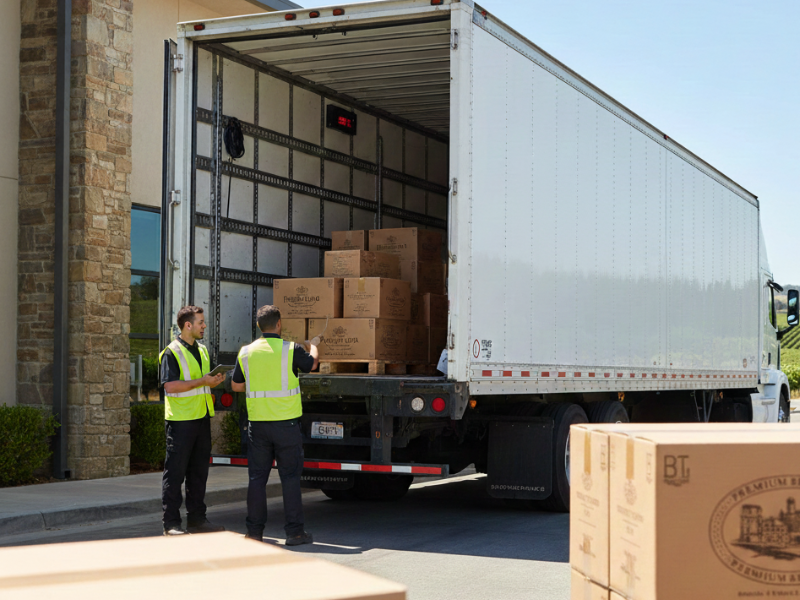
When a bottle of wine finally reaches your table, it’s easy to overlook the long and sensitive journey it has taken through refrigerated trucks for wine transport. From vineyards in Nashik or Sula to retailers and restaurants across India, wine travels hundreds of kilometres and every stage of that journey affects its quality. Even a short exposure to heat can spoil the aroma, alter the flavor, and reduce its shelf life.
That’s why temperature control isn’t a luxury for wineries, it’s a necessity. Wine is highly temperature-sensitive. Once bottled, it needs to be stored and transported within a narrow wine storage temperature range of around 12°C to 18°C. Anything above or below can cause irreversible damage, leading to oxidation or cork failure. This is why refrigerated trucks for wine transport are critical to maintaining freshness.
To maintain this precision, wineries depend on refrigerated logistics companies, who specialize in temperature controlled vehicles and cold chain transportation. These advanced temperature controlled trucks create a stable, climate-regulated environment throughout the journey, preventing any sudden temperature spikes or dips.
This level of control forms the backbone of the cold chain supply chain, a connected network of warehouses, trucks, and monitoring systems designed to keep sensitive goods like wine, dairy, and pharmaceuticals at their ideal conditions from origin to delivery.
In this blog, we’ll explore how temperature controlled trucks protect wine quality, the challenges in cold chain delivery service, and how innovation in refrigerated transport is helping wineries offer better wine delivery service and wine online delivery experiences for customers.
What Makes Wine Transport So Challenging?
Transporting wine might sound straightforward, but in reality, it’s one of the most demanding areas of cold chain transportation. Unlike other beverages, wine is incredibly sensitive to its environment. A minor shift in temperature or vibration can affect the taste, aroma, and even the visual appearance of the bottle. For logistics teams, maintaining this delicate balance through every stage of the cold chain supply chain is where the real challenge lies.
Let’s look at the main factors that make wine transport so complex:
- Temperature Fluctuations
Temperature stability is the single biggest challenge in wine logistics. India’s climate can vary dramatically, from the cooler vineyards of Nashik to the scorching plains of Rajasthan or coastal humidity in Chennai. When wines move across these regions, they face constant exposure to external heat.Without temperature controlled vehicles, even a few hours in the wrong environment can cause the wine to expand, push the cork out slightly, or develop off-flavors. That’s why a strong cold delivery service that maintains consistent wine storage temperature is essential. - Route and Time Sensitivity
Wine delivery is often time-bound. Retailers and restaurants depend on prompt schedules, especially during festivals or special events. Traffic jams, long border checks, or inefficient route planning can increase the risk of the cargo staying on the road too long.Efficient cold chain shipping companies now use GPS tracking, route optimization software, and automated alerts to keep journeys short and predictable. These digital tools help ensure every shipment stays within the right temperature window from pickup to drop-off. - Packaging and Handling Risks
Even with temperature controlled trucks, poor packaging or rough handling can still cause damage. Bottles are fragile and react to vibration, which can affect wine quality over time. Humidity also matters, too little dries out corks, while too much ruins labels. Wineries use shock-proof crates and humidity-controlled wraps, while professional refrigerated logistics companies ensure proper care during loading and unloading. - Last Mile Gaps
The last mile delivery stage is often the weak link in wine transport. While long routes are tightly managed, city drops can expose wines to heat or delays. A dependable cold delivery service with smaller temperature controlled vehicles keeps bottles protected through final distribution to restaurants, stores, or wine online delivery customers.
From Cellar to Shelf: How Refrigerated Trucks for Wine Transport Keep Quality Intact
Moving wine from vineyard to shelf isn’t as simple as loading a few crates onto a truck. Behind every smooth pour is a carefully engineered cold chain transportation system that protects wine quality from start to finish. This system ensures that the wine’s flavor, aroma, and chemical balance stay intact, no matter how far it travels or how hot the outside temperature gets.
At its core, the cold chain supply chain for wine is a continuous, temperature-controlled journey involving several critical steps:
- Storage at the Winery
Once bottled, wines are kept in climate controlled wine storage rooms or specialized cellars where the environment is carefully maintained between 12°C and 18°C. This stage is where wineries monitor humidity, light exposure, and vibration, all factors that can impact wine quality. Before shipping, many wineries use automated systems that log temperature data, ensuring each batch leaves under perfect conditions. - Pre-Cooling Before Transport
This is one of the most overlooked but crucial steps in cold chain shipping. Before loading, wines are pre-cooled to match the internal temperature of the temperature controlled vehicles. This prevents thermal shock, a sudden change in temperature that can cause condensation inside the bottle or push the cork slightly out of place. Proper pre-cooling helps maintain consistent wine storage temperature and prevents early spoilage, especially during long-distance hauls. - Temperature Controlled Trucks
Once loaded, wines travel in temperature controlled trucks with advanced cooling and insulation systems. These fleets use real-time sensors and GPS tracking to monitor temperatures and ensure stable conditions throughout the route. Uniform airflow keeps every bottle evenly cooled, a level of precision that sets trusted refrigerated logistics companies apart from regular transporters. - Last Mile Delivery
The final leg of transport is often the trickiest. Even with perfect long-haul conditions, delays or manual handling can expose wine to heat. A reliable cold delivery service with smaller temperature controlled trucks ensures wines stay at the ideal wine storage temperature right up to the retailer, restaurant, or customer ordering through wine online delivery platforms.
Why Partnering with Experts in Refrigerated Trucks for Wine Transport Matters
Partnering with a reliable cold chain shipping company gives wineries far more than just transportation, it gives them consistency, control, and peace of mind. An experienced provider ensures temperature integrity from pickup to delivery, preventing exposure that could compromise flavor or quality. This not only reduces product loss but also minimizes costly returns and customer complaints.
Reliable partners use smart route planning, real-time tracking, and optimized scheduling to keep deliveries on time while maintaining perfect wine storage temperature throughout. They also understand the strict compliance requirements around alcohol transport, ensuring that every shipment meets safety and regulatory standards. Most importantly, a strong cold delivery service can scale effortlessly during seasonal peaks or festive surges, offering flexible capacity without sacrificing quality. In short, a trusted cold chain partner protects your wine, your reputation, and your bottom line.
Conclusion: The Role of Refrigerated Trucks for Wine Transport in Quality Preservation
From vineyards to customers’ tables, wine’s journey is a delicate balance of timing, temperature, and trust. Even the finest vintage can lose its value if exposed to heat, vibration, or poor handling during transport. That’s why precision-driven cold chain transportation is no longer optional, it’s essential.
Wineries today need logistics partners who understand that they’re not just moving bottles, but preserving craftsmanship, heritage, and brand reputation. Sub Zero Reefers makes that possible through advanced temperature controlled vehicles. These vehicles can also be equipped with real-time monitoring if required.
If you’re a winery, distributor, or retailer looking to maintain quality from the cellar to the customer, choose a partner that treats your wine with the same care you do.
Partner with Sub Zero Reefers, where every bottle arrives as perfect as it left the vineyard.
Frequently Asked Questions
- How to transport chilled wine?
Chilled wine should be moved in temperature controlled trucks that maintain a steady range of 12°C–18°C, preventing heat exposure and oxidation during transit. - How long can a refrigerated truck run?
A refrigerated truck can operate continuously for 24–48 hours or longer, depending on fuel supply, insulation quality, and refrigeration capacity. - What is a refrigerated transport?
Refrigerated transport refers to using temperature controlled vehicles designed to move perishable goods like wine, dairy, or pharmaceuticals while maintaining consistent cold conditions throughout the journey.
