Introduction
When businesses think about investing in cold chain management, the conversation often begins with the price tag. How much does a reefer truck cost? What's the investment needed to build a cold storage facility? How expensive is the refrigeration unit?
These are valid questions, but they don't tell the full story.
The real cost of a cold chain system isn't defined by what you spend on day one. It's defined by what it takes to keep that system running efficiently every single day. Fuel prices fluctuate. Refrigeration units require regular maintenance. Electricity powers cold storage facilities around the clock. Vehicles need servicing, drivers need training, and technology is needed to monitor temperatures in real time. Together, these recurring expenses shape the true cost of operating a reliable cold chain.
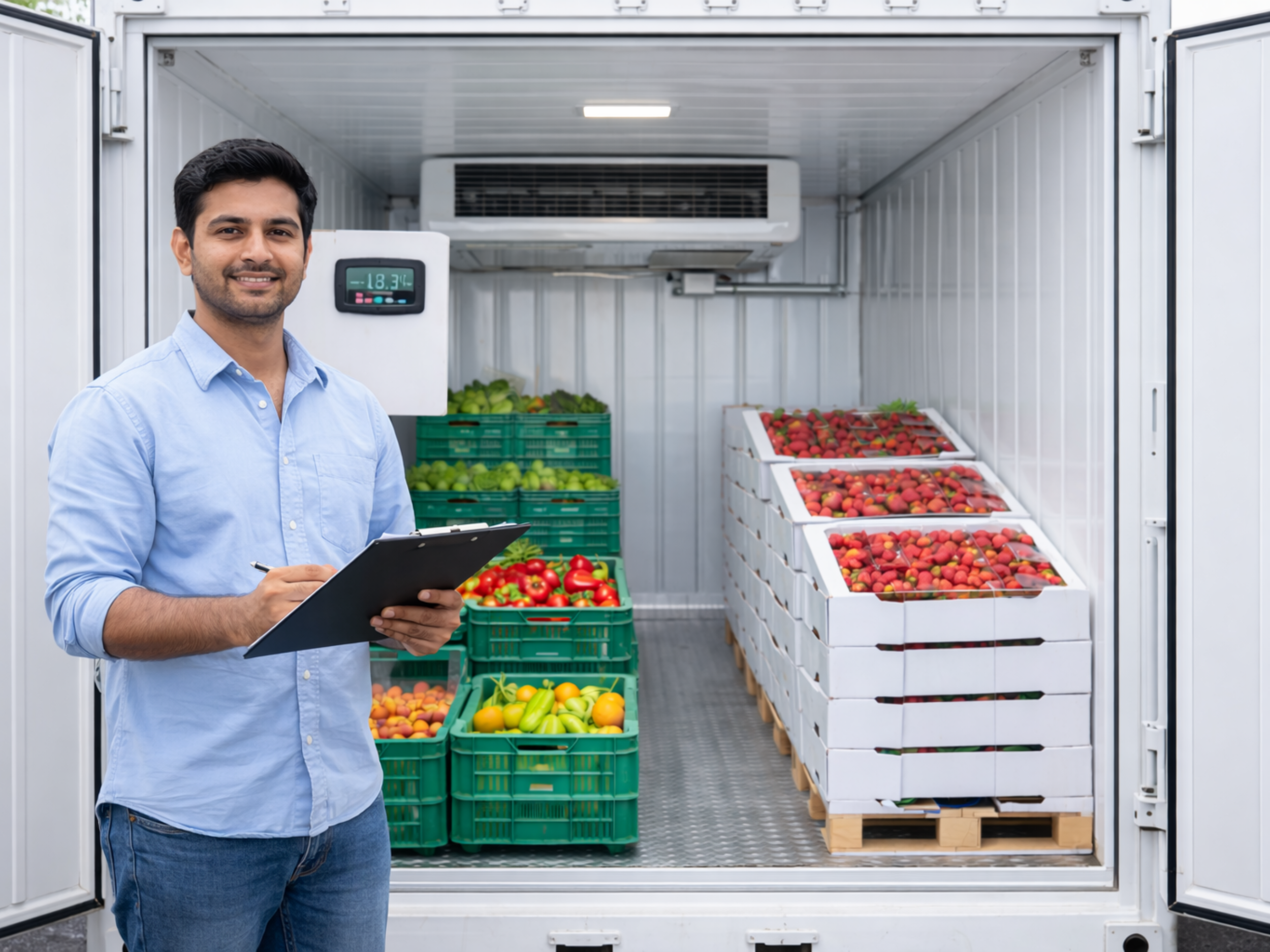
This matters because cold chain logistics leaves very little room for error. A slight temperature variation during transit can reduce the shelf life of fresh produce, compromise the quality of dairy products, or render temperature-sensitive pharmaceuticals and cold chain vaccines unusable. In these industries, operational efficiency isn't just about controlling costs. It's about protecting products, meeting regulatory standards, and maintaining customer trust.
As India's cold chain infrastructure continues to expand, businesses are also changing the way they evaluate investments. Instead of looking only at the upfront cost of a refrigerated truck or a warehouse, they're taking a broader view of the monthly expenses that determine long-term profitability. Understanding where these costs come from and how they can be managed has become just as important as choosing the right equipment.
In this article, we'll break down the key factors that influence the monthly cost of cold chain management in India, explain why these expenses matter, and explore how businesses can budget more effectively without compromising on performance or product quality.
The Five Cost Layers Every Cold Chain Management Business Should Budget For
When businesses estimate the cost of cold chain management, they often focus on the most visible expenses like buying a vehicle or setting up storage. In reality, the monthly budget is built from several interconnected cost layers that influence operational efficiency, product safety, and long-term profitability. Looking at these costs individually helps identify where investments create value and where inefficiencies quietly increase operational spending.
1. Infrastructure Costs: The Foundation of Your Cold Chain System
Every cold chain system starts with infrastructure. This includes the upfront investment in reefer trucks, refrigerated warehouses, insulation, refrigeration units, and other cold chain equipment. While these are capital expenses, the quality of the infrastructure determines maintenance needs, operating efficiency, and lifecycle costs for years to come.
2. Operating Costs: Keeping Cold Chain Logistics Moving
Once operations begin, recurring expenses become the largest part of the monthly budget. Fuel, driver salaries, refrigeration unit operation, vehicle servicing, tolls, and route planning all contribute to the day-to-day cost of cold chain logistics. Managing these expenses effectively is essential for maintaining both delivery schedules and healthy profit margins.
3. Product Preservation Costs in Cold Chain Management
The purpose of a cold chain is not simply to move products but to preserve their quality throughout transit. Investments in temperature monitoring, proper airflow, insulation performance, and handling practices help reduce spoilage and product rejection. These costs are often viewed as operational expenses, but they directly protect inventory value and customer trust.
4. Compliance Costs: Meeting Industry Standards with Cold Chain Equipment
Industries such as pharmaceuticals, healthcare, and food distribution operate under strict regulatory requirements. Whether transporting temperature-sensitive medicines or supporting the cold chain vaccine network, businesses must invest in compliant cold chain equipment, temperature validation, documentation, monitoring systems, and regular audits. These measures help ensure product safety while reducing regulatory and financial risks.
5. Growth Costs: Scaling Cold Chain Management Sustainably
As businesses expand, so do the costs of scaling operations. Fleet additions, larger warehouses, advanced monitoring technologies, skilled manpower, and software systems become necessary to support increasing demand. Planning for these investments allows companies to grow their cold chain management operations without compromising efficiency or service quality.
Also Read: Frozen vs Chilled Cold Chain Logistics: Cost, Vehicle & System Differences
Monthly Budget for Cold Chain Logistics in India
There is no one-size-fits-all budget for cold chain management. A company's monthly expenses depend on its fleet size, delivery radius, product category, storage requirements, and operational complexity. A business transporting dairy products within one city will have very different cost considerations than a pharmaceutical distributor operating across multiple states. Understanding how budgets evolve as operations grow helps businesses allocate resources more effectively and avoid unexpected expenses.
1. Startup Operations: Building a Cost-Efficient Foundation
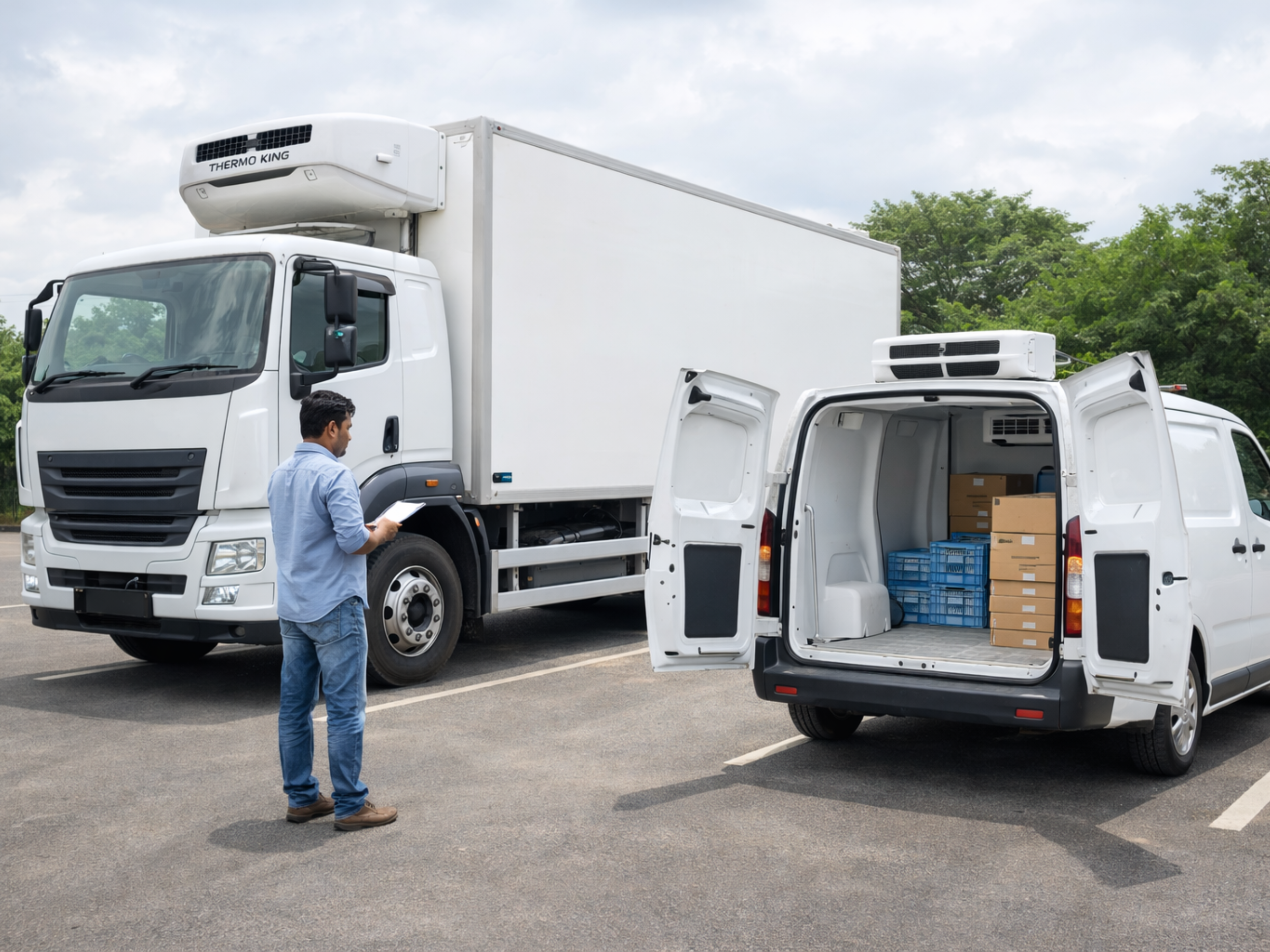
Businesses operating with one or two reefer trucks typically focus on controlling essential expenses while establishing reliable operations. Monthly budgets are largely driven by vehicle financing, fuel, refrigeration unit maintenance, driver salaries, insurance, and routine servicing. At this stage, investing in dependable infrastructure and preventive maintenance can reduce costly breakdowns and create a strong foundation for future growth.
2. Operating Costs for Growing Cold Chain Fleets
As businesses expand to multiple refrigerated trucks and serve larger territories, operational costs become more complex. Alongside higher fuel and maintenance expenses, companies often invest in route optimization, fleet management software, additional drivers, and warehouse support. The challenge shifts from simply managing costs to improving efficiency across every delivery while maintaining consistent temperature control.
3. Enterprise Operations: Managing Scale Across the Cold Chain System
Large-scale cold chain logistics operations require significantly higher monthly budgets to support extensive distribution networks, multiple warehouses, and diverse product categories. Expenses extend beyond transportation to include advanced temperature monitoring, IoT-enabled cold chain equipment, compliance management, dedicated operations teams, and predictive maintenance programs. At this level, budgeting is less about individual costs and more about optimizing the performance of the entire cold chain system while ensuring reliability at scale.
How Better Engineering Reduces Cold Chain Management Costs
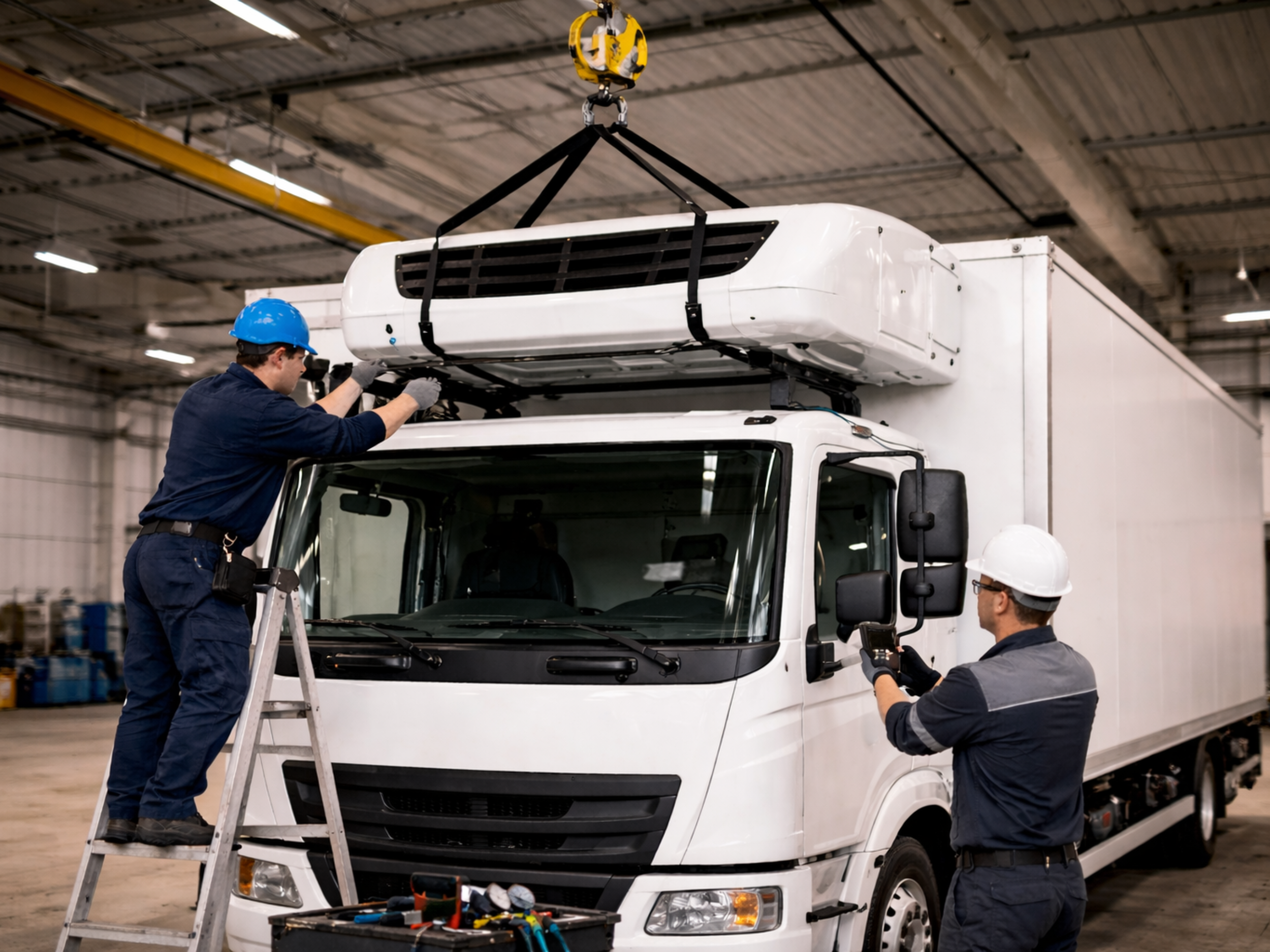
While fuel prices and labour costs are largely outside a business's control, the engineering of a reefer truck is not. The quality of the vehicle plays a significant role in determining how much a business spends every month on operating its cold chain management system. A well-designed refrigerated truck can improve thermal efficiency, reduce the workload on the refrigeration unit, lower maintenance requirements, and minimize product losses over its lifetime. In other words, engineering decisions made at the time of purchase continue to influence operating costs long after the vehicle is on the road. Some of the key design elements that contribute to lower lifecycle costs include:
- High-performance insulation that minimizes thermal loss and helps maintain stable temperatures with lower energy consumption.
- Optimized airflow design that ensures uniform cooling throughout the cargo area, reducing temperature variations and protecting product quality.
- Durable body construction using robust, corrosion-resistant materials that reduce repair frequency and extend the vehicle's service life.
- Efficient refrigeration system integration that allows the reefer unit to perform optimally without unnecessary strain, improving fuel efficiency and reliability.
- Smart monitoring and preventive maintenance systems that detect issues early, reduce unexpected breakdowns, and improve fleet uptime.
Rather than evaluating a refrigerated vehicle solely on its purchase price, businesses should consider its total cost of ownership. Investing in better engineering often translates into lower monthly operating expenses, fewer disruptions, and a more reliable cold chain logistics operation over the long term.
Conclusion
Managing the cost of cold chain management is about much more than controlling monthly expenses. It requires understanding where money is being spent, identifying the factors that influence operational efficiency, and making investments that deliver long-term value. From fleet selection and fuel consumption to cold chain equipment, storage infrastructure, and technology, every component plays a role in determining the overall cost and reliability of a cold chain system.
As India's demand for temperature-controlled transportation continues to grow across food, pharmaceuticals, healthcare, and retail, businesses that take a strategic approach to budgeting will be better equipped to scale without compromising product quality or compliance. Looking beyond upfront costs and focusing on lifecycle performance can help reduce operational risks, improve asset utilization, and build a more resilient cold chain logistics network.
For businesses planning to expand or optimize their cold chain operations, choosing reliable infrastructure is an important part of that strategy. Sub Zero Reefers designs insulated and refrigerated transport solutions that support consistent temperature control, operational efficiency, and long-term performance, helping businesses build a cold chain that's engineered for both reliability and sustainable growth.
Frequently Asked Questions
What factors affect the monthly cost of cold chain management in India?
The monthly cost of cold chain management depends on several factors, including fleet size, fuel prices, refrigeration unit maintenance, driver salaries, electricity consumption, warehouse costs, route distances, temperature monitoring systems, and compliance requirements. Businesses with larger distribution networks or temperature-sensitive products typically incur higher operating costs.
How can businesses reduce cold chain logistics costs without compromising product quality?
Businesses can lower cold chain logistics costs by investing in energy-efficient refrigerated trucks, preventive maintenance, route optimization, high-quality insulation, real-time temperature monitoring, and trained personnel. Choosing well-engineered cold chain equipment also helps reduce fuel consumption, maintenance expenses, and product spoilage over the long term.
Is buying a high-quality reefer truck more cost-effective than choosing a lower-priced option?
While premium reefer trucks may have a higher upfront cost, they often deliver lower total cost of ownership. Better insulation, durable construction, efficient refrigeration systems, and lower maintenance requirements can significantly reduce monthly operating expenses and improve fleet reliability over time.
Which industries rely the most on cold chain management?
Cold chain management is essential for industries that transport temperature-sensitive products, including food and beverage, dairy, seafood, meat, fresh fruits and vegetables, pharmaceuticals, biotechnology, healthcare, chemicals, and cold chain vaccine distribution. Maintaining the correct temperature helps preserve product quality, safety, and regulatory compliance.
Why is total cost of ownership important when investing in cold chain equipment?
The purchase price is only one part of the investment. The total cost of ownership includes fuel efficiency, maintenance, refrigeration performance, equipment lifespan, repair costs, downtime, and product loss due to temperature fluctuations. Evaluating these long-term costs helps businesses make more profitable and sustainable investment decisions.