Introduction
Most FMCG fleet managers think about their truck bodies in one of two ways: open flatbeds or reefer vans. The open flatbed is fine until the rains come or temperatures hit 44°C. The reefer van solves that, but it carries a refrigeration unit you're running and maintaining every single day, for cargo that doesn't need sub-zero or even chilled conditions.
There is a third option, and it's the one that gets skipped over most often.
The dry freight box is a fully enclosed, insulated vehicle body without a refrigeration unit. It was built precisely for this gap. It protects ambient cargo from heat, humidity, and the road. It doesn't refrigerate. And for a large proportion of India's FMCG cargo, that's exactly what the specification should be.
Understanding when a dry freight box is the right call, and when it isn't, can directly affect your fleet's operating cost, payload efficiency, and product quality.
What Is a Dry Freight Body?
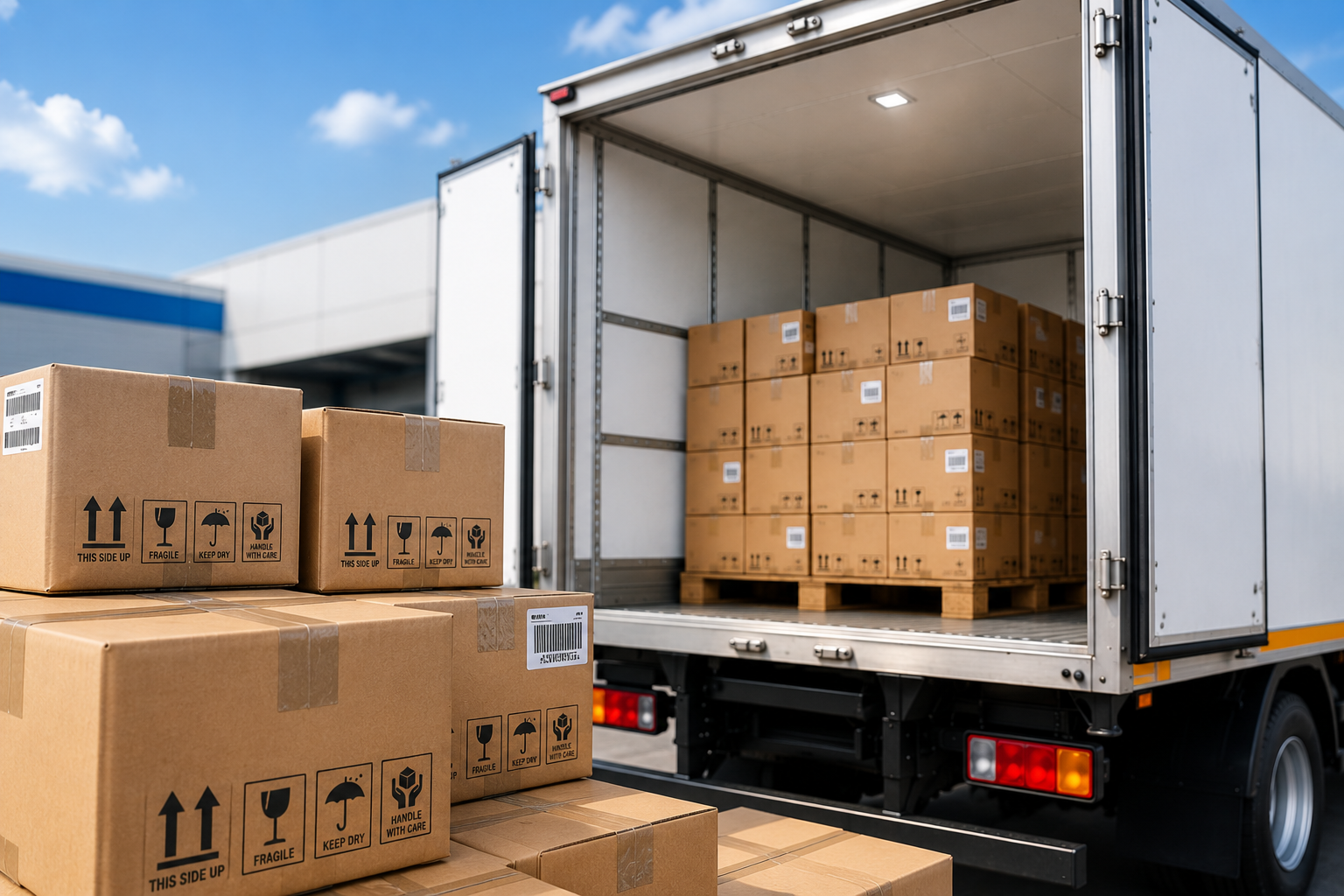
A dry freight body is an insulated cargo enclosure mounted on a truck or van chassis. The panels, typically GRP (glass-reinforced plastic) composite or metal skin over insulation foam, keep external heat from radiating into the cargo space. There is no refrigeration unit, no compressor, no evaporator, no electrical draw.
What it does:
- Blocks radiant heat transfer through the body panels
- Maintains a stable internal temperature above ambient, typically several degrees lower than the external environment
- Protects cargo from direct sunlight, rain, and dust
- Reduces condensation exposure during humidity swings
- Provides a sealed, enclosed environment with food-grade interior surfaces
What it doesn't do:
- It does not actively cool the cargo space
- It cannot maintain specific low-temperature zones (chilled or frozen)
- It is not a substitute for a refrigerated truck when the cargo genuinely requires temperature control below ambient
This distinction matters. The dry freight box is not a cheaper reefer van. It is a different category of insulated vehicle built for a different category of cargo.
The FMCG Cargo That Belongs in a Dry Cargo Truck
The Indian FMCG sector moves an enormous volume of products that are ambient by nature. Packaged, processed, and stable at room temperature, but sensitive enough to suffer in an open dry cargo truck body on a 44°C day in May.
These products don't need refrigeration. They need protection.
Packaged Foods and Snacks
Biscuits, namkeen, chips, instant noodles, breakfast cereals, packaged spices, condiments, and sauces. These products have long shelf lives, but heat and moisture can degrade packaging integrity, accelerate fat oxidation in oily snacks, and cause moisture-sensitive products to clump or soften. In an open flatbed, a consignment moving across Rajasthan in summer takes a beating. In a dry freight box, it arrives in shelf-ready condition.
Beverages
Bottled water, carbonated soft drinks, packaged juices, energy drinks, and sports drinks are ambient products. They do not require refrigeration during transit to a distribution hub or a retail point. What they need is protection from crushing, contamination, and extreme heat that can affect carbonation stability or packaging integrity.
Personal Care and Household Products
Shampoos, soaps, detergents, sanitisers, lotions, and household cleaners are ambient FMCG categories. Their sensitivity is not to temperature per se but to direct sunlight (UV degradation), humidity ingress, and physical damage. An enclosed insulated vehicle body addresses all three without the complexity of a cold chain logistics vehicle.
Confectionery and Chocolates
This is a nuanced category. Chocolates are ambient products at cooler temperatures. They melt above approximately 30°C. In the Maharashtra summer or in transit to Rajasthan and Uttar Pradesh, an unprotected open truck is a problem. A dry freight box handles this well, provided the ambient load temperature is managed. For routes into the hottest northern and western zones during summer, the dry freight box is the first line of protection before you consider a chilled reefer vehicle for high-value confectionery loads.
Health and Nutrition Products
Protein supplements, health drinks, nutraceuticals, OTC vitamins, and packaged wellness products are typically ambient. They don't require cold chain equipment but are sensitive to heat and moisture.
Paper and Hygiene FMCG
Tissue paper, diapers, sanitary products, and similar categories are ambient but moisture-sensitive. An open truck in monsoon season is genuinely damaging. A dry freight box provides protection at a fraction of the cost of a reefer vehicle.
For all of these categories, the question isn't whether they need a cold. They don't. The question is whether they need protection from India's climate during transit. They do.
Dry Freight Truck vs Reefer Van: The Practical Comparison
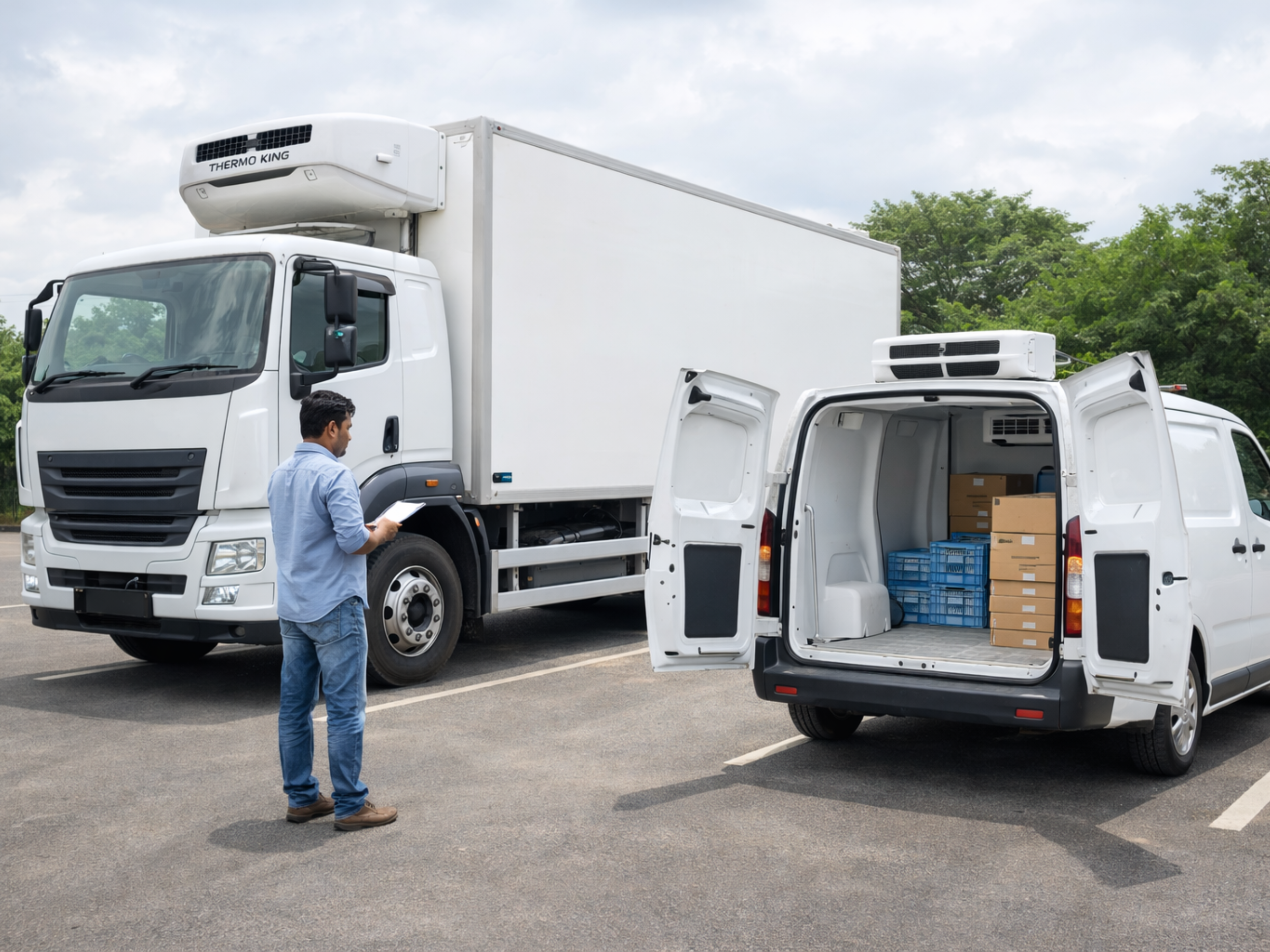
This is the comparison most fleet procurement teams run incorrectly, because they frame it as "insulated body with refrigeration" versus "no protection at all." The right framing is simpler: do you need active cooling, or do you need insulation?
Purchase Cost
A dry freight truck body costs significantly less than a comparable reefer body. The refrigeration unit on a reefer vehicle (a Carrier, Thermoking, or similar) adds substantial cost at the outset. That cost is not trivial.
Operating Cost
A refrigeration unit runs on diesel or draws from the chassis engine. Every kilometre your reefer van runs, the refrigeration unit is consuming fuel. For ambient cargo, that fuel burn is pure overhead. A dry freight truck has no running cost beyond the chassis itself.
Maintenance
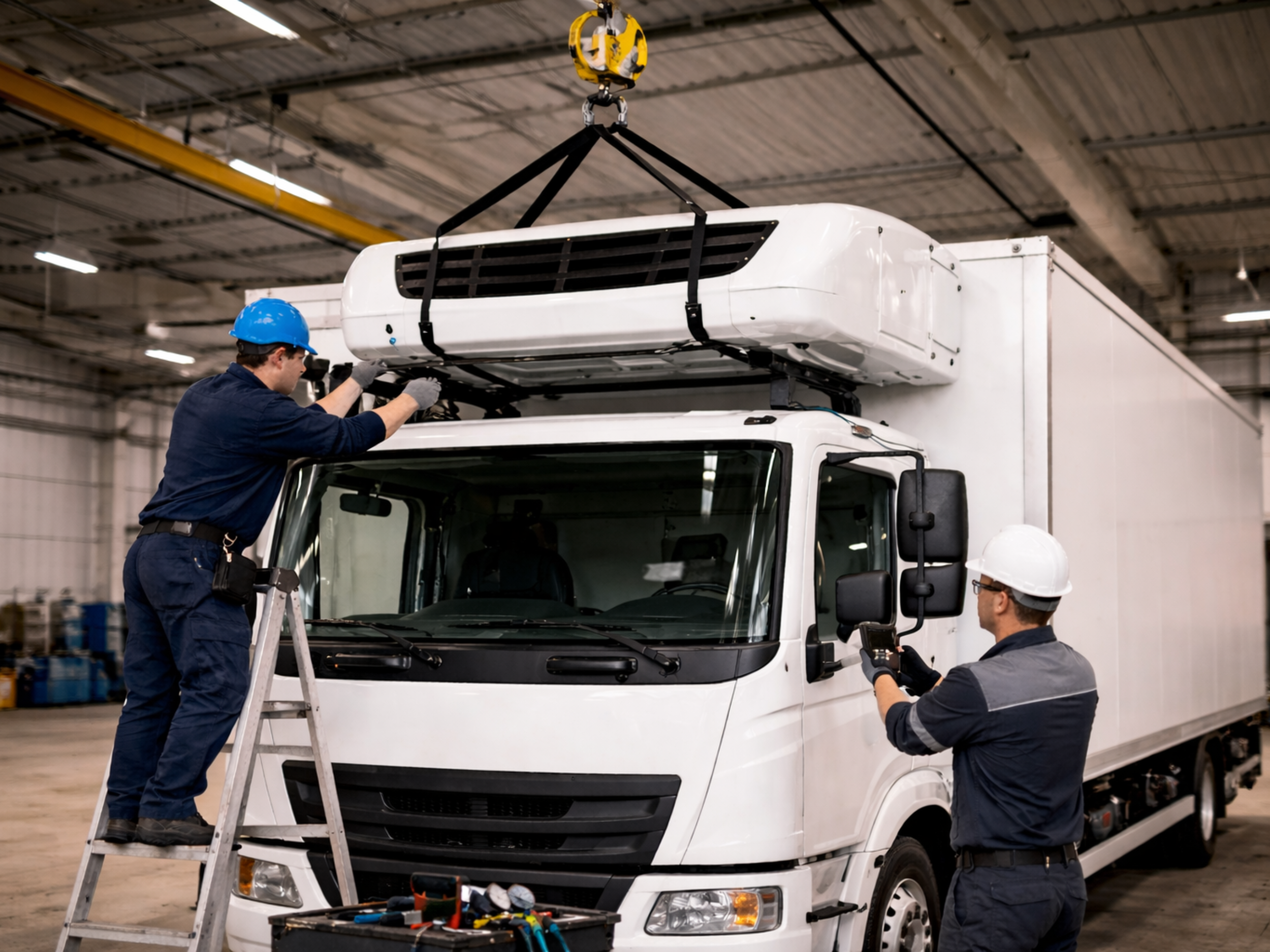
Refrigeration units are mechanical systems with compressors, evaporators, condensers, and refrigerant circuits. They require periodic service, gas top-ups, evaporator cleaning, and component replacement. A dry freight body has no moving parts beyond the doors. Maintenance is body-level: panel integrity, seals, door hinges.
Payload
A refrigeration unit adds weight. That weight reduces your usable payload on the same chassis. A dry freight body, particularly a GRP composite body that is lighter than metal-skin construction, maximises payload within the vehicle's permissible load limits. For high-volume FMCG distribution where load density matters, this is a meaningful difference.
Driver and Operational Complexity
A reefer van requires the driver or loading supervisor to set and monitor the refrigeration temperature, check that the unit is running correctly, and log temperature data for compliance purposes. A dry freight box requires none of this. Simpler vehicle, simpler operation.
Downtime Risk
A refrigeration unit breakdown mid-route is a cargo risk for perishable goods. For a reefer van carrying dairy or meat, a broken-down unit is an emergency. A dry freight box has no refrigeration unit to break down. The cargo risk profile is lower.
In practice, for any fleet carrying ambient FMCG cargo, operating a full reefer van is an overcapitalisation. You are paying for refrigeration infrastructure you don't need, running fuel costs that don't contribute to cargo protection, and adding maintenance complexity that doesn't serve the product.
Also Read: DuoShield Reefer Truck Body: A Complete Guide to Modern Cold Chain Equipment Design
When Cold Chain Logistics Is the Better Choice
Honest specification requires naming the limits. A dry freight box is not suitable for:
- Fresh produce and dairy: Milk, curd, paneer, cut vegetables, and fresh fruit require active chilling. Ambient temperatures in Indian summers will spoil these products within hours without cold chain logistics support.
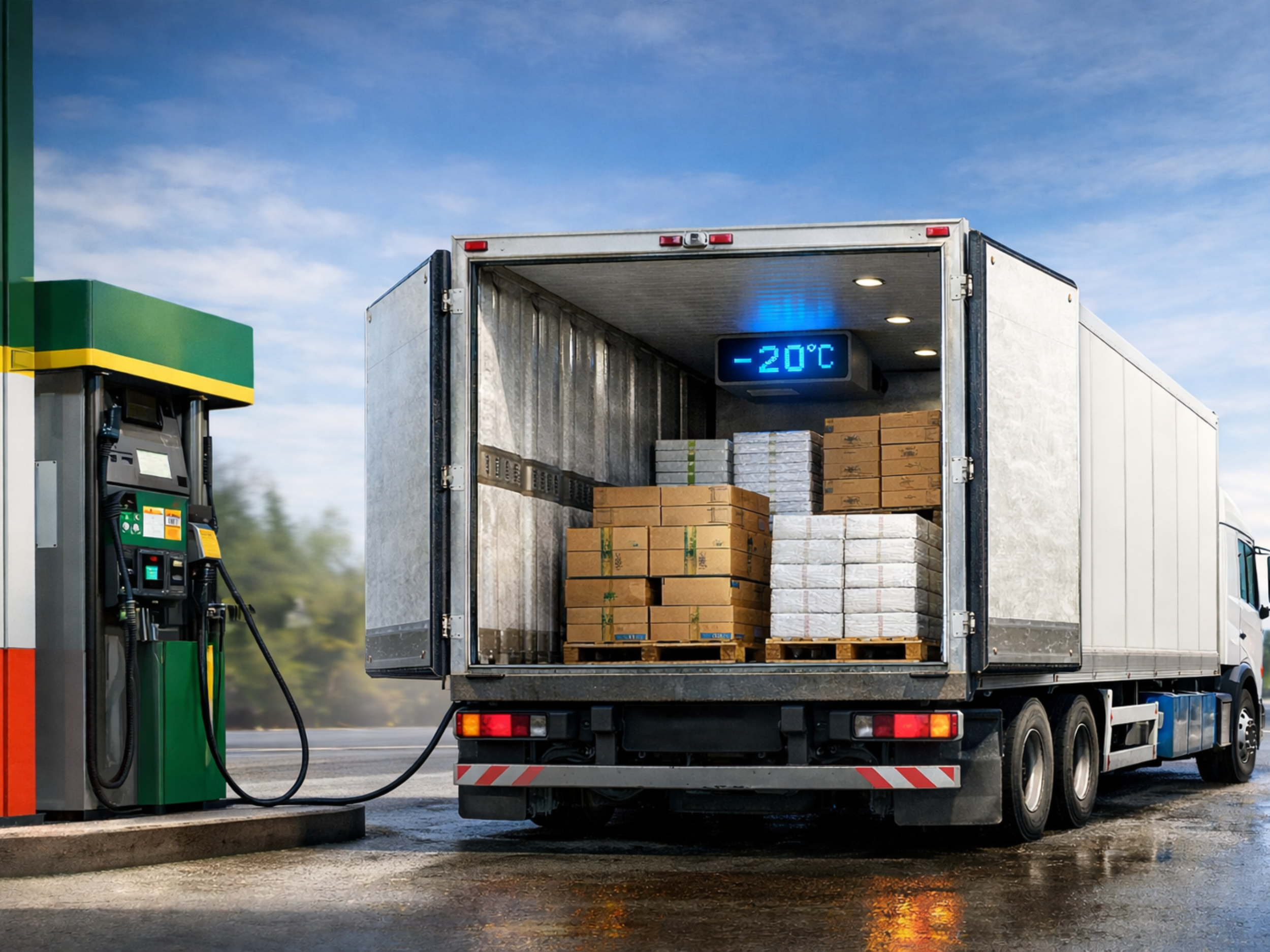
- Frozen goods: Ice cream, frozen meat, frozen snacks, and any product requiring sub-zero transit needs a reefer vehicle with a refrigeration unit capable of maintaining −18°C or colder.
- Pharmaceutical temperature control: Vaccines, insulin, biologics, and GDP-compliant pharmaceutical products require documented temperature control. A dry freight box is not validated cold chain equipment for pharma.
- Chocolates on premium long-haul routes in peak summer: High-value confectionery moving across northern India in June requires a chilled refrigerated truck, not just insulation. The dry freight box protects up to a point; it does not actively maintain 18 to 22°C in a 44°C ambient environment.
The boundary is clear, if your product has a regulatory or product-quality requirement for a specific temperature range below ambient, you need a refrigerated truck or reefer van. If your product is ambient and the requirement is protection from India's climate, a dry freight box is the right specification.
What to Look for in a Dry Freight Body
Not all dry freight bodies are built the same. These are the technical points that determine whether the body actually performs.
Panel Construction and Insulation Core
The body panels are the product. GRP (glass-reinforced plastic) composite panels with a PUF (polyurethane foam) or RPUF (rigid polyurethane foam) core deliver better thermal resistance, are lighter than MS (mild steel) bodies, and are corrosion-free. A GRP composite dry freight body manufactured via vacuum-press technology produces a denser, more consistent insulation layer with fewer voids. Fewer voids means better thermal performance and longer body life.
For FMCG distribution, GRP composite dry freight bodies are the right specification. They are lighter than metal-skin bodies, which means higher payload. They do not rust, which matters in monsoon conditions and in high-humidity coastal regions like Mumbai, Chennai, and Kochi.
Insulation Thickness
More insulation thickness equals better thermal resistance. The right thickness depends on your route and ambient temperatures. A distributor running urban last-mile routes in Pune needs less insulation depth than a fleet running cross-country between Mumbai and Hyderabad in peak summer. Specify thickness for your actual operating conditions, not a generic standard.
Interior Lining
Food-grade interiors, typically food-safe GRP or aluminium composite liners, are required for any FMCG cargo. Smooth, non-porous surfaces are easier to clean, don't harbour bacteria, and are compliant with FSSAI guidelines for food transport vehicles. Check that the manufacturer specifies a food-grade interior as standard, not as an upgrade.
Door Seal Quality
The thermal seal at the rear door is the single weakest point in any insulated vehicle body. Door seals degrade with use, allowing heat ingress and moisture entry. A well-engineered door seal system, multi-layer, compressible, with even contact across the full door frame, is non-negotiable. Inspect this during commissioning and check it periodically through the vehicle's operational life.
Flooring
A GRP or aluminium floor that is flush with the door threshold allows pallets and trolleys to be loaded without lip-catch damage to goods. Non-slip floor surfaces reduce load shift during transit. For FMCG, where you may be loading and unloading at multiple points on a distribution route, loading ergonomics matter.
Chassis Fit
The body must be specified for the chassis it's mounted on. Dry freight bodies are available for a wide range of chassis, from small last-mile vehicles (Tata Ace, Mahindra Jeeto, Piaggio Ape-class) to larger intermediate trucks. The body-to-chassis weight ratio affects the vehicle's payload and handling. Work with a manufacturer who specifies bodies for the chassis, not a generic body that happens to fit.
Conclusion
Choosing the right vehicle body isn't about opting for the most advanced solution. It's about choosing the one that matches your cargo requirements. For a large share of FMCG products, active refrigeration adds cost without adding value. What these goods need is reliable protection from heat, humidity, dust, and rough road conditions, all of which a well-built dry freight box is designed to provide.
By matching the vehicle to the product, fleet operators can lower operating costs, maximise payload, simplify maintenance, and deliver goods in better condition. As distribution networks expand and efficiency becomes a bigger priority, investing in the right insulated transport solution can have a measurable impact on both logistics performance and profitability. Manufacturers like Sub Zero build engineered dry freight bodies that combine durable construction, high-quality insulation, and application-specific designs, helping FMCG businesses move ambient cargo safely and efficiently across diverse operating conditions.
Frequently Asked Questions
What is a dry freight body?
A dry freight body is an enclosed insulated truck body designed for transporting ambient cargo that does not require refrigeration. It protects goods from heat, rain, dust, and humidity without using a refrigeration unit.
What products can be transported in a dry freight truck?
Dry freight trucks are suitable for packaged foods, beverages, personal care products, paper goods, textiles, electronics, and other FMCG products that need protection from weather but do not require active cooling.
What is the difference between a dry freight body and a refrigerated truck?
A dry freight body uses insulation to reduce heat transfer, while a refrigerated truck actively cools the cargo using a refrigeration unit. Temperature sensitive products require refrigerated transport, whereas ambient goods are often better suited to dry freight bodies.
When should I choose cold chain logistics instead of a dry freight body?
Cold chain logistics is essential when transporting dairy products, fresh produce, frozen foods, pharmaceuticals, vaccines, and other goods that must remain within a controlled temperature range throughout transit.
What factors should I consider when selecting a dry freight body?
Consider insulation quality, panel construction, body weight, door seals, flooring, food grade interiors, and compatibility with the vehicle chassis to ensure reliable performance and maximum payload.
Can an insulated vehicle replace a reefer vehicle?
An insulated vehicle can replace a reefer vehicle only for ambient cargo that does not require active cooling. Products that require chilled or frozen temperatures must always be transported using a refrigerated truck or reefer vehicle.