Introduction
India is one of the world's largest producers of fruits, supplying both domestic and international markets with everything from bananas and mangoes to papayas, grapes, and guavas. As consumer demand for fresh produce continues to grow year-round and exports expand to new markets, fruit transport has become a critical link between farms, distributors, retailers, and end consumers. Even the highest-quality harvest can lose its value if it is exposed to excessive heat, poor handling, or inconsistent temperatures during transit.
Unlike packaged goods, fresh fruits remain biologically active after harvest. They continue to respire, release moisture, and, in some cases, produce ethylene gas that accelerates ripening. Without proper temperature control and ventilation, these natural processes can lead to spoilage, weight loss, reduced shelf life, and significant financial losses. This is why modern fruit and vegetable transportation relies on more than just moving goods from one location to another. It requires a carefully managed system that preserves freshness throughout the journey.
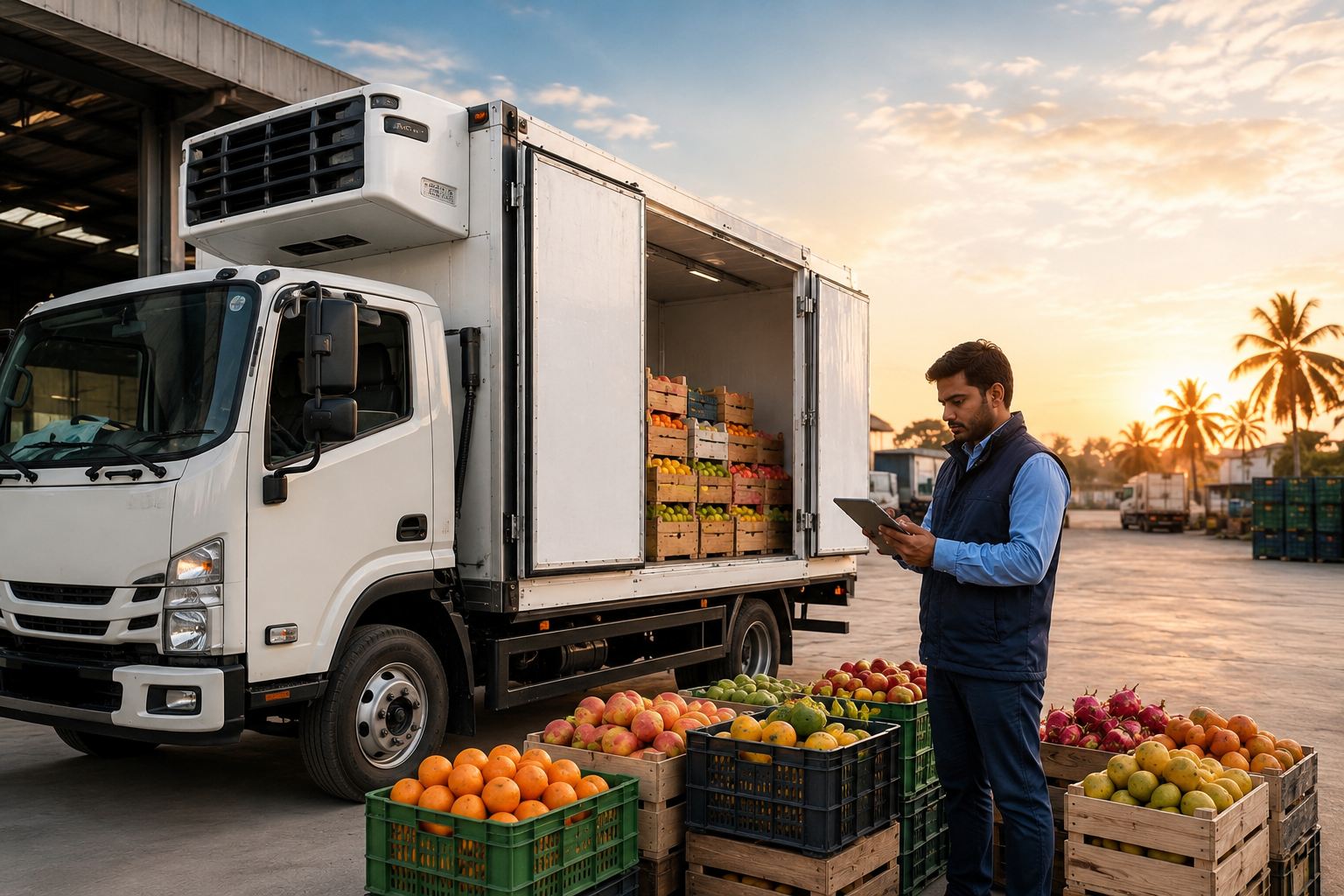
This is where cold chain logistics plays a vital role. By maintaining the right storage and transportation conditions from harvest to delivery, businesses can minimise wastage, extend product shelf life, and ensure fruits reach their destination in market-ready condition. At the heart of this system is the reefer truck, engineered to provide precise temperature control, consistent airflow, and reliable insulation for transporting perishable produce across varying distances and climates.
In this guide, we explore the best practices for transporting fresh fruits, recommended temperature ranges for different produce, packaging considerations, and how choosing the right refrigerated transport solution can help businesses protect product quality while improving operational efficiency.
Why Cold Chain Is Critical for Fruit Transport Using a Reefer Truck
Fresh fruits are highly sensitive commodities that begin to deteriorate the moment they are harvested, which makes controlled fruit transport essential in modern supply chains. Unlike processed goods, fruits continue to respire after harvest, consuming oxygen and releasing heat, moisture, and gases like ethylene that speed up ripening. If this natural activity is not managed properly, it leads to faster spoilage, loss of firmness, colour changes, and reduced shelf life. Temperature plays a decisive role here, excess heat during fruit and vegetable transportation can accelerate ripening within hours, while inconsistent cooling during transit can permanently damage product quality.
At the same time, poor humidity control causes dehydration, leading to weight loss and shrinkage, which directly impacts profitability for growers and distributors. This is why modern cold chain logistics is critical for preserving freshness across the entire journey from farm to market. A well-maintained reefer truck ensures that temperature remains stable throughout transit, slowing down respiration and protecting texture, taste, and appearance. Without this controlled environment, even short-distance movement in a regular vehicle or refrigerated truck can result in significant losses, especially for sensitive produce handled through a fresh produce truck network across varying climates and geographies.
How a Reefer Truck Protects Fresh Produce During Transit
Once fruits are harvested and packed, the next critical stage is transport. This is where quality is either preserved or lost. A well-designed reefer truck becomes the backbone of reliable fruit transport, ensuring that temperature, airflow, and humidity remain stable from origin to destination. Unlike conventional vehicles, it creates a controlled environment that actively slows down spoilage and protects freshness throughout the journey.
What a Reefer Truck Actually Does
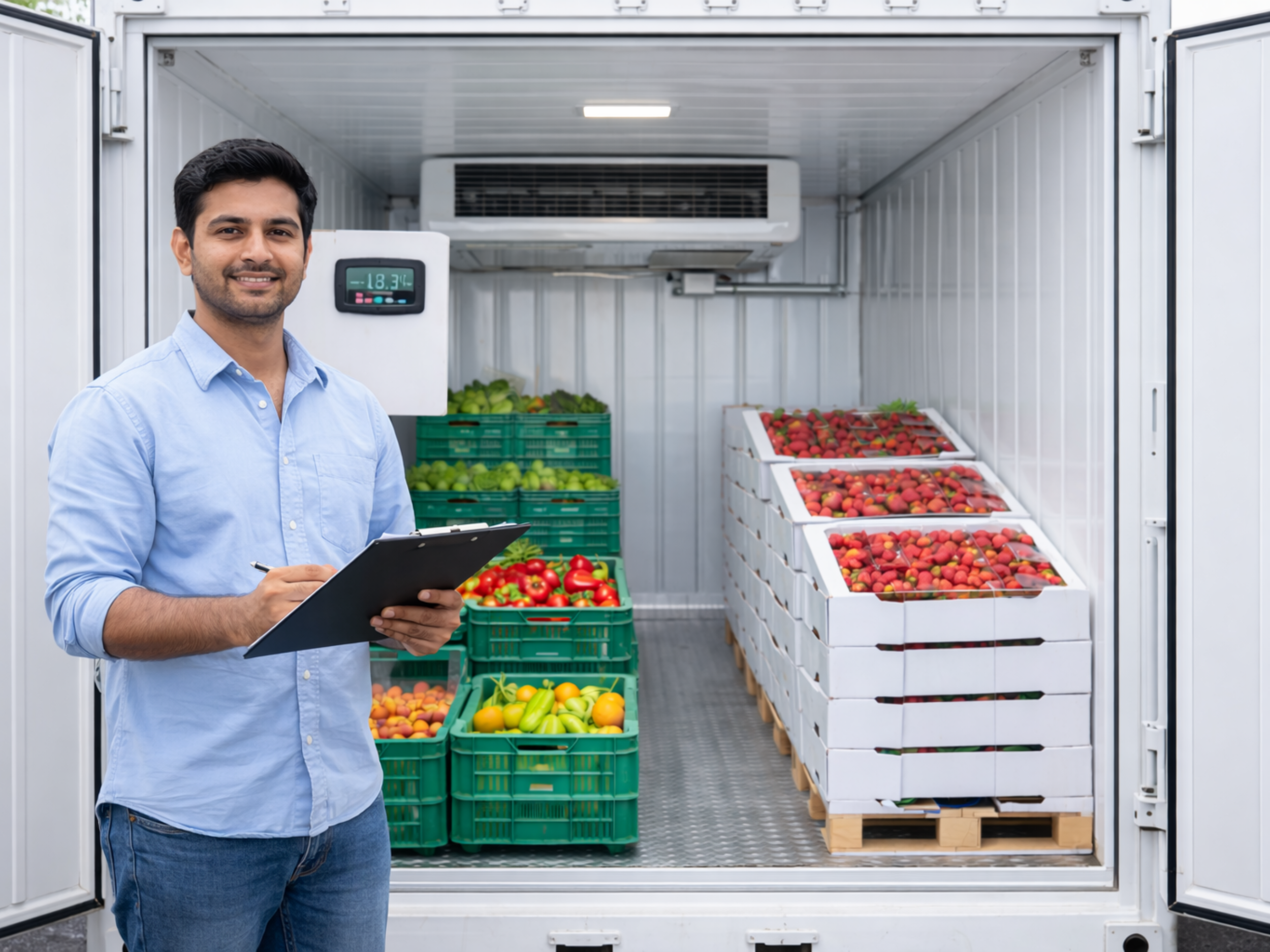
A reefer truck is a temperature-controlled vehicle designed specifically for perishable goods like fruits, vegetables, dairy, and pharmaceuticals. It uses a built-in refrigeration system to maintain a set temperature range, regardless of external weather conditions. For fruit and vegetable transportation, this means produce can travel across cities or states without losing freshness, texture, or nutritional value.
Reefer Truck vs Insulated Truck
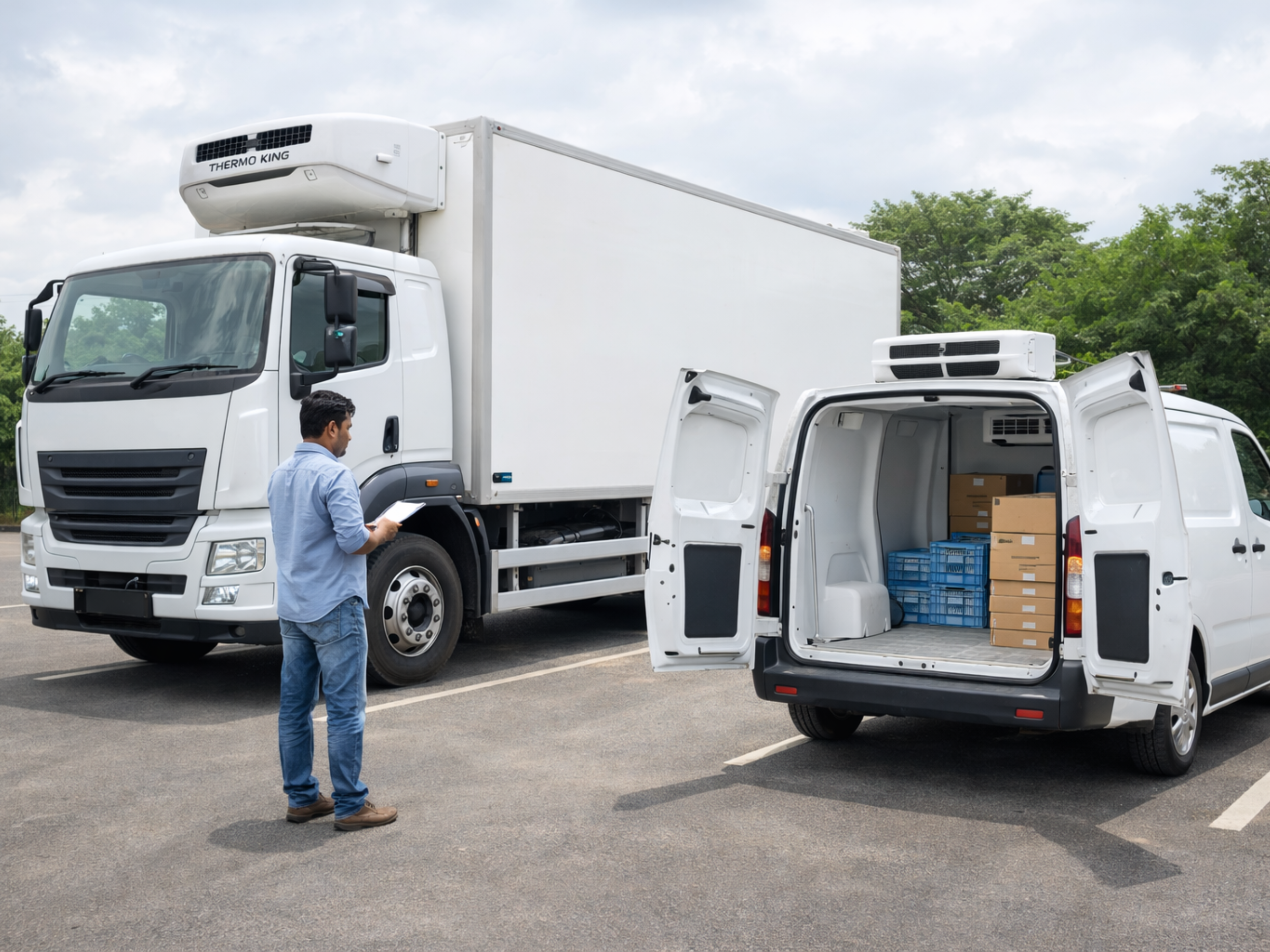
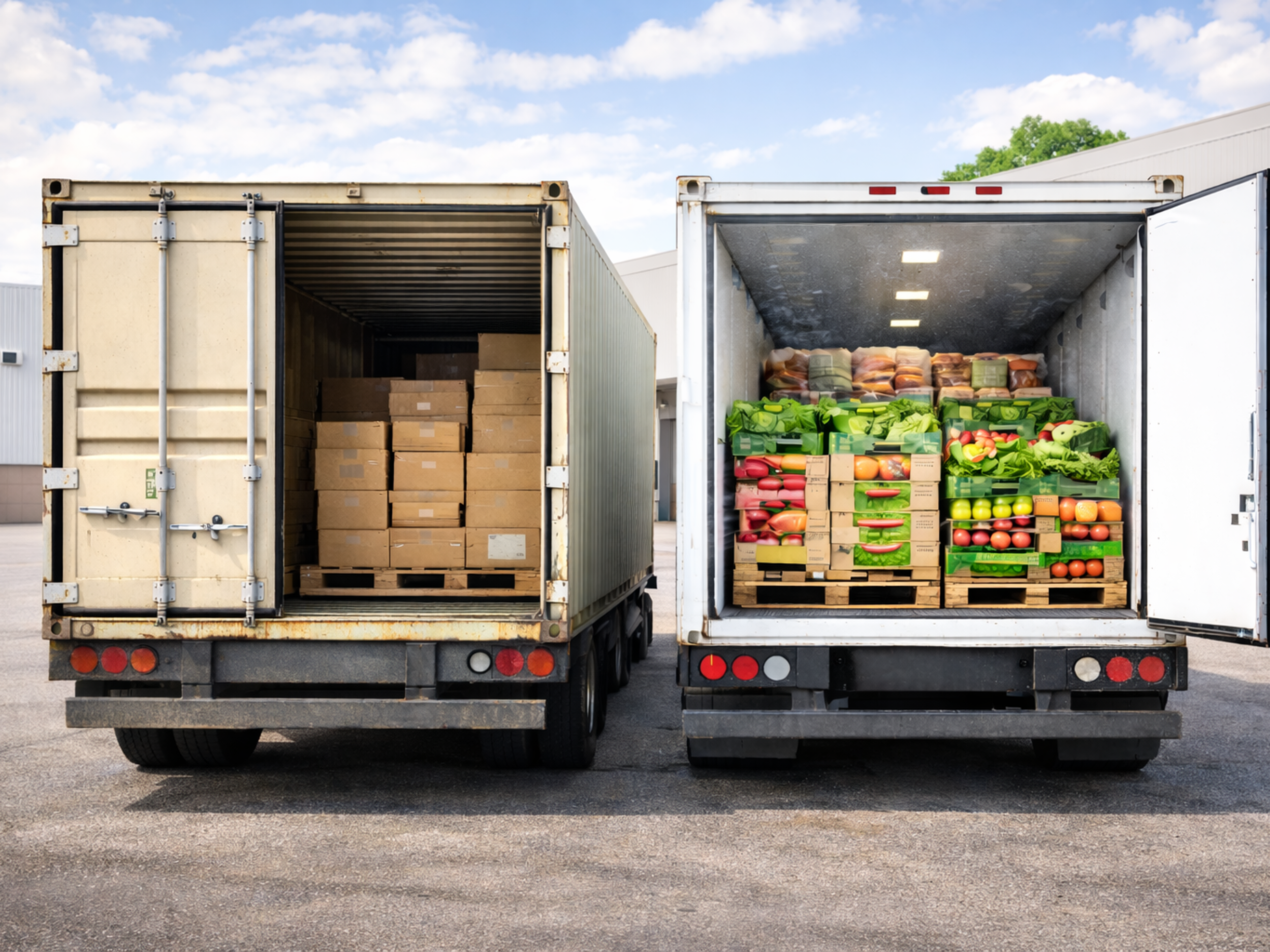
An insulated truck only slows down heat exchange between the outside environment and the cargo area, but it does not actively cool the load. A refrigerated truck, on the other hand, actively regulates internal temperature using a cooling unit. This difference is crucial for perishable goods, where even small temperature shifts can impact quality. While insulated vehicles may work for short hauls, long-distance fruit transport depends on active refrigeration to maintain consistency.
Continuous Temperature Control for Stability
One of the most important functions of a reefer van or larger reefer unit is maintaining continuous temperature control throughout the journey. The system automatically adjusts cooling to offset external heat, frequent door openings, or load variations. This stability ensures fruits do not experience temperature shocks, which can trigger premature ripening or spoilage, especially in sensitive produce moved via a fresh produce truck network.
Air Circulation That Reaches Every Layer of the Load
Proper airflow inside a reefer truck is just as important as temperature. Uniform circulation ensures that cold air reaches all parts of the cargo, preventing hot spots or uneven cooling. Fruits stacked at different heights or positions inside the vehicle receive consistent conditions, reducing the risk of partial spoilage during transit. This is especially important for bulk shipments where dense packing is common.
Humidity Management to Preserve Freshness
Fresh fruits lose moisture naturally, but uncontrolled humidity levels can accelerate dehydration or encourage mould growth. Advanced refrigerated truck systems help maintain balanced humidity, ensuring fruits retain their natural weight, texture, and appearance. This balance is critical for high-value shipments where even slight quality degradation can affect market pricing.
Long-Distance Transportation Without Quality Loss
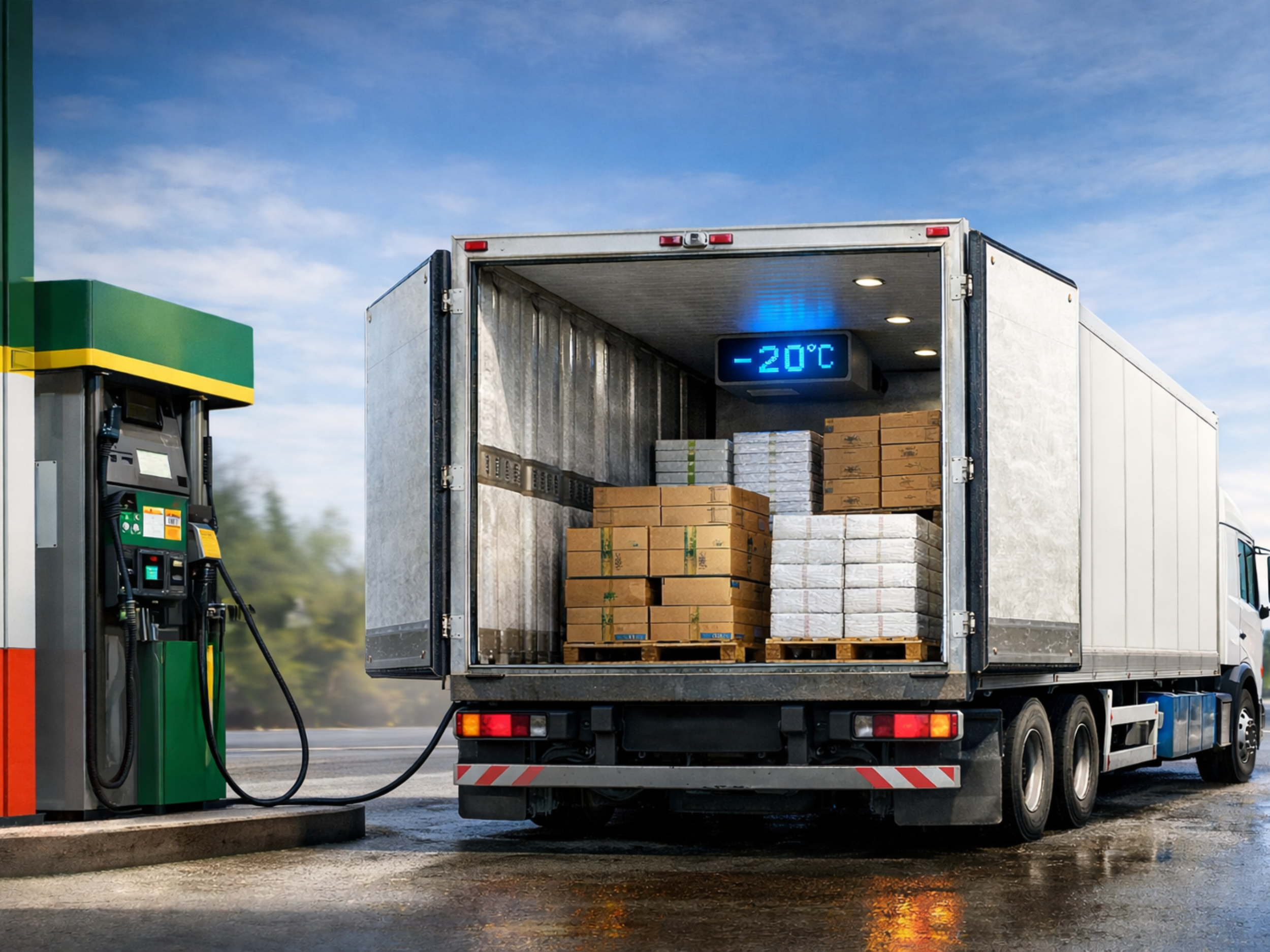
Modern cold chain logistics relies heavily on reefer-enabled vehicles to move produce across long distances and varied climates. Whether it is intercity distribution or export-linked movement to ports, a reefer truck ensures that fruits remain in a stable environment throughout the journey. This makes large-scale fruit transport possible without compromising freshness, even in hot and humid conditions typical in many regions.
Also Read: Vegetable Transport Vehicle Specs: A Complete Guide
Packaging Best Practices for Fruit and Vegetable Transportation
Before fruits even enter a reefer truck, packaging decides how well they will survive the journey. Cold chain control can only do so much if the produce is poorly packed, crushed, or unable to breathe properly. Good packaging works hand in hand with cold chain logistics, helping maintain airflow, reduce mechanical damage, and preserve quality during every stage of fruit transport.
Why Packaging Matters More Than Most People Think
Packaging is not just about holding fruit together. It directly affects how air circulates, how much moisture is retained, and how well the produce withstands movement during transit. In fruit and vegetable transportation, weak or non-ventilated packaging can trap heat and speed up spoilage, even inside a refrigerated truck. Proper packaging ensures the cooling system can actually reach the product effectively.
Ventilated Crates for Better Airflow
Ventilated plastic crates are widely used in modern fruit transport because they allow cold air to move freely around the produce. This prevents heat pockets from forming inside stacked loads. For sensitive produce moved in a reefer van or larger fresh produce truck, airflow-friendly packaging ensures uniform cooling from top to bottom.
Stackability Without Pressure Damage
Fruits like mangoes, bananas, and papayas bruise easily under pressure. Packaging must be strong enough to stack efficiently without crushing the produce at the bottom. Proper stacking design also improves space utilization inside a reefer truck, allowing stable loading patterns that prevent shifting during transit.
Moisture Control and Product Protection
Excess moisture inside packaging can lead to mould growth, while very dry conditions can cause dehydration. Balanced packaging materials help regulate internal humidity, which is crucial during long-haul fruit and vegetable transportation. When paired with controlled conditions inside a refrigerated truck, this helps maintain freshness for longer durations.
Standardization for Efficient Cold Chain Handling
Standard-sized crates and cartons make loading and unloading faster and more consistent. This reduces the time doors stay open, helping maintain temperature stability inside the reefer truck. Standardization also improves handling efficiency across warehouses, distribution centres, and retail supply chains, making the entire cold chain logistics process smoother and more reliable.
Common Mistakes That Damage Fresh Produce During Transport
Even with a well-equipped reefer truck and a strong cold chain logistics setup, fruit quality can still drop sharply if basic handling errors creep in during operations. Most losses in fruit transport don't happen because the system is missing, but because it is not followed correctly at critical touchpoints like loading, routing, and unloading. Small mistakes build up quickly, leading to bruising, premature ripening, moisture loss, or even complete spoilage by the time the shipment reaches its destination. The issue becomes more serious in long-distance fruit and vegetable transportation, where multiple handling stages increase the risk of temperature breaks and physical damage. Some of the most common errors include:
- Skipping pre-cooling before loading: Fruits loaded without pre-cooling carry field heat into the refrigerated truck, forcing the cooling system to work harder and slowing down temperature stabilization.
- Overloading or improper stacking: Tight or uneven stacking blocks airflow inside the reefer van, creating hot spots that lead to uneven ripening and decay.
- Frequent door opening during transit: Every opening allows warm air to enter, breaking temperature consistency and weakening the efficiency of cold chain logistics.
- Mixing incompatible produce: Ethylene-producing fruits like bananas can accelerate ripening in nearby produce if not separated properly in fruit transport shipments.
- Poor packaging choices: Non-ventilated or weak packaging traps heat and causes bruising, especially in dense loads inside a fresh produce truck.
- Ignoring route planning and delays: Extended transit times without proper temperature monitoring increase spoilage risk, particularly in hot and humid conditions.
Avoiding these mistakes is often the difference between delivering premium-quality produce and dealing with avoidable wastage, especially in high-volume fruit and vegetable transportation operations.
Choosing the Right Reefer Box for Fruit Transport
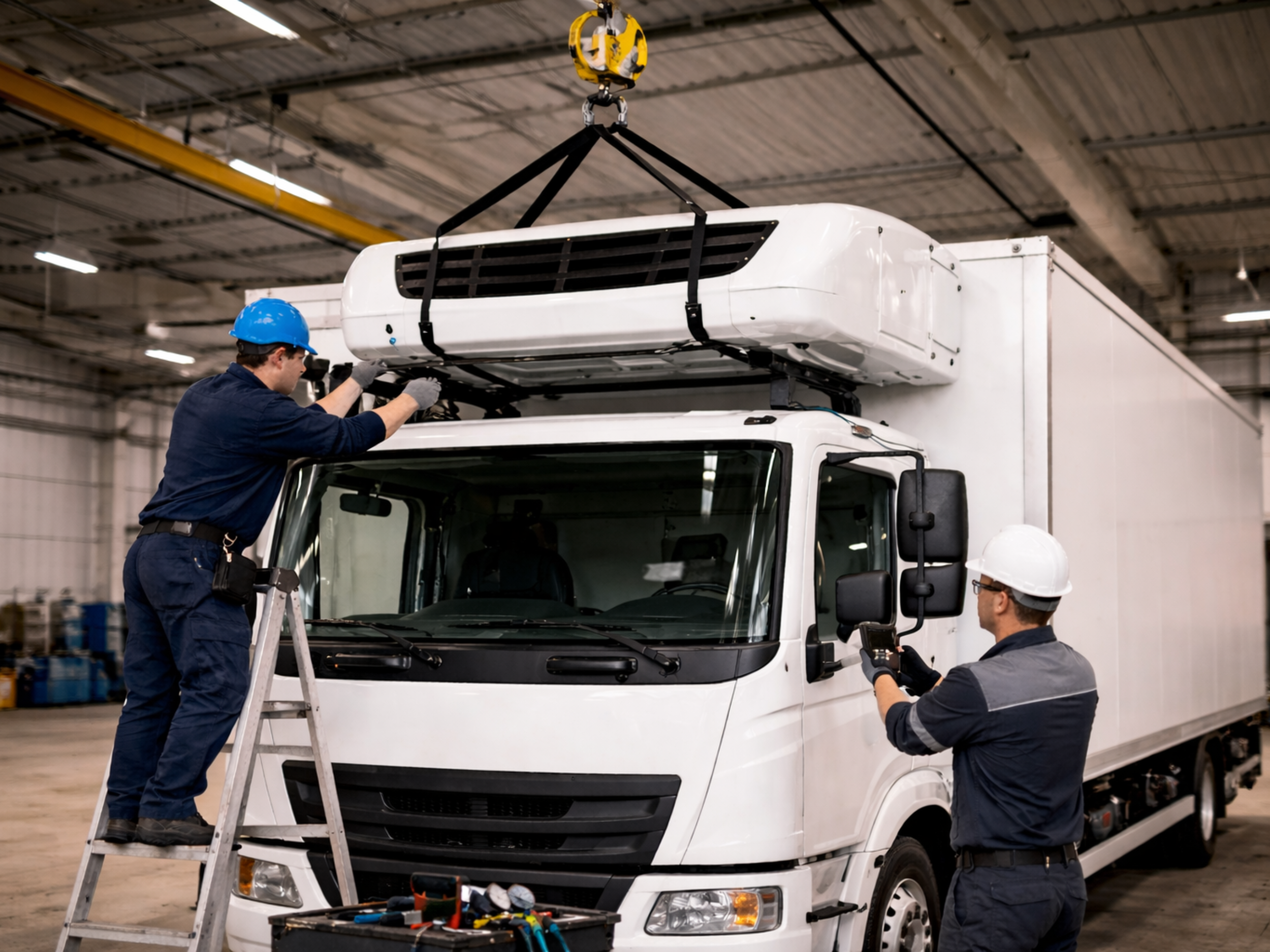
The performance of a reefer truck is not just about the cooling unit, but also the quality of the reefer body itself. For efficient fruit transport, the reefer box plays a key role in maintaining stable temperatures, reducing heat ingress, and ensuring uniform airflow throughout the cargo space. A well-designed body helps protect delicate produce during fruit and vegetable transportation, especially when trucks move through varying climates and long distances.
Materials like GRP (Glass Reinforced Plastic) are widely preferred because they offer high insulation, are lightweight, and resist moisture absorption, which helps maintain efficiency inside the refrigerated truck. The design of the box, including proper sealing, floor structure, and ventilation pathways, directly impacts how well the cold chain logistics system performs in real-world conditions. When these elements are optimized, a reefer van can consistently maintain product quality, reduce spoilage, and ensure fruits reach the market in fresh, sale-ready condition.
Conclusion
Efficient fruit transport is ultimately about consistency. From harvest to delivery, every stage has a direct impact on freshness, shelf life, and market value. Temperature control, airflow management, and proper packaging all work together to keep produce stable during fruit and vegetable transportation, but none of it holds up without a reliable cold chain logistics system in place. A well-maintained reefer truck helps reduce post-harvest losses by slowing down natural ripening, controlling moisture loss, and protecting fruits from external heat stress during transit. When these elements are aligned, even long-distance movement in a refrigerated truck or reefer van can maintain near-harvest quality.
For businesses handling fresh produce at scale, the focus is shifting from just transportation to building dependable cold chains that preserve value at every step. This is where thoughtful vehicle design and insulation make a real difference in everyday operations.
To explore how specialized reefer solutions are being built for demanding fruit transport needs, Sub Zero Reefer's approach to temperature-controlled mobility offers a useful reference point for exporters, distributors, and cold chain operators working to improve reliability across their supply network.
Frequently Asked Questions
1. What temperature should jackfruit be transported at?
For safe fruit transport, jackfruit should ideally be kept between 12 to 15°C inside a reefer truck. This range slows down respiration and helps maintain texture and freshness during fruit and vegetable transportation.
2. How long does jackfruit last in a reefer truck?
In proper cold chain logistics, jackfruit can typically last 7 to 14 days depending on maturity at harvest and handling. A well maintained refrigerated truck helps extend shelf life by reducing heat exposure and moisture loss.
3. What is the best reefer van for transporting tropical fruits?
The best reefer van for tropical fruit transport is one with stable temperature control, strong insulation like GRP bodies, and uniform airflow. This ensures sensitive produce stays fresh during fruit and vegetable transportation without temperature fluctuations.
4. Does monsoon humidity affect fruit transport quality?
Yes, high humidity during monsoon can impact fruit transport quality. Without proper cold chain logistics, excess moisture can lead to fungal growth and faster spoilage even inside a reefer truck.
5. Can jackfruit and banana be transported in the same reefer?
Yes, but only under controlled conditions in a reefer truck. Since both are ethylene producing fruits used in banana transport, they must be properly separated with adequate airflow to prevent uneven ripening during fruit and vegetable transportation.
6. What temperature is required for guava transport?
For optimal fruit transport, guava should be kept at 5 to 8°C in a refrigerated truck. This helps maintain firmness, reduces moisture loss, and ensures better shelf life during cold chain logistics.