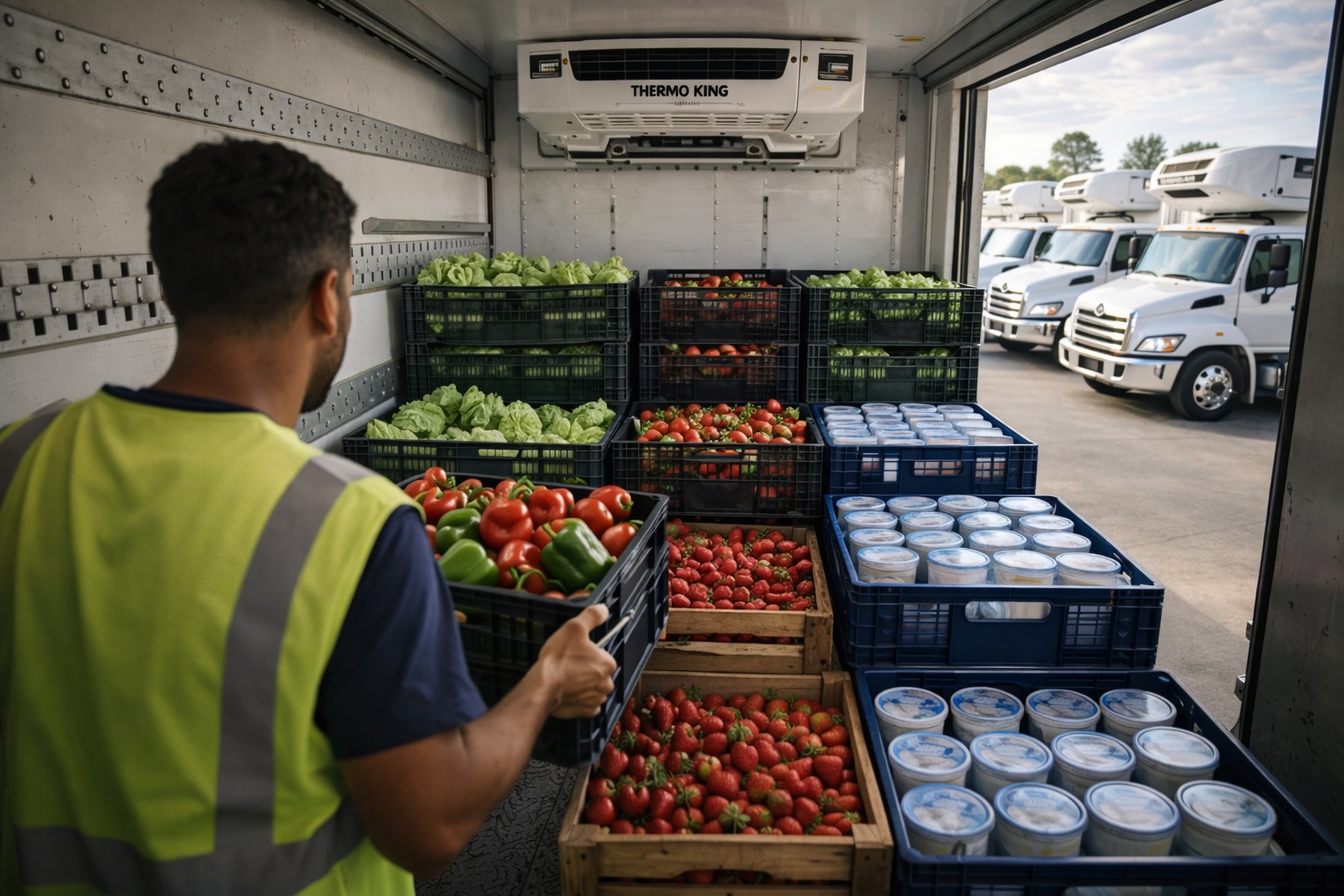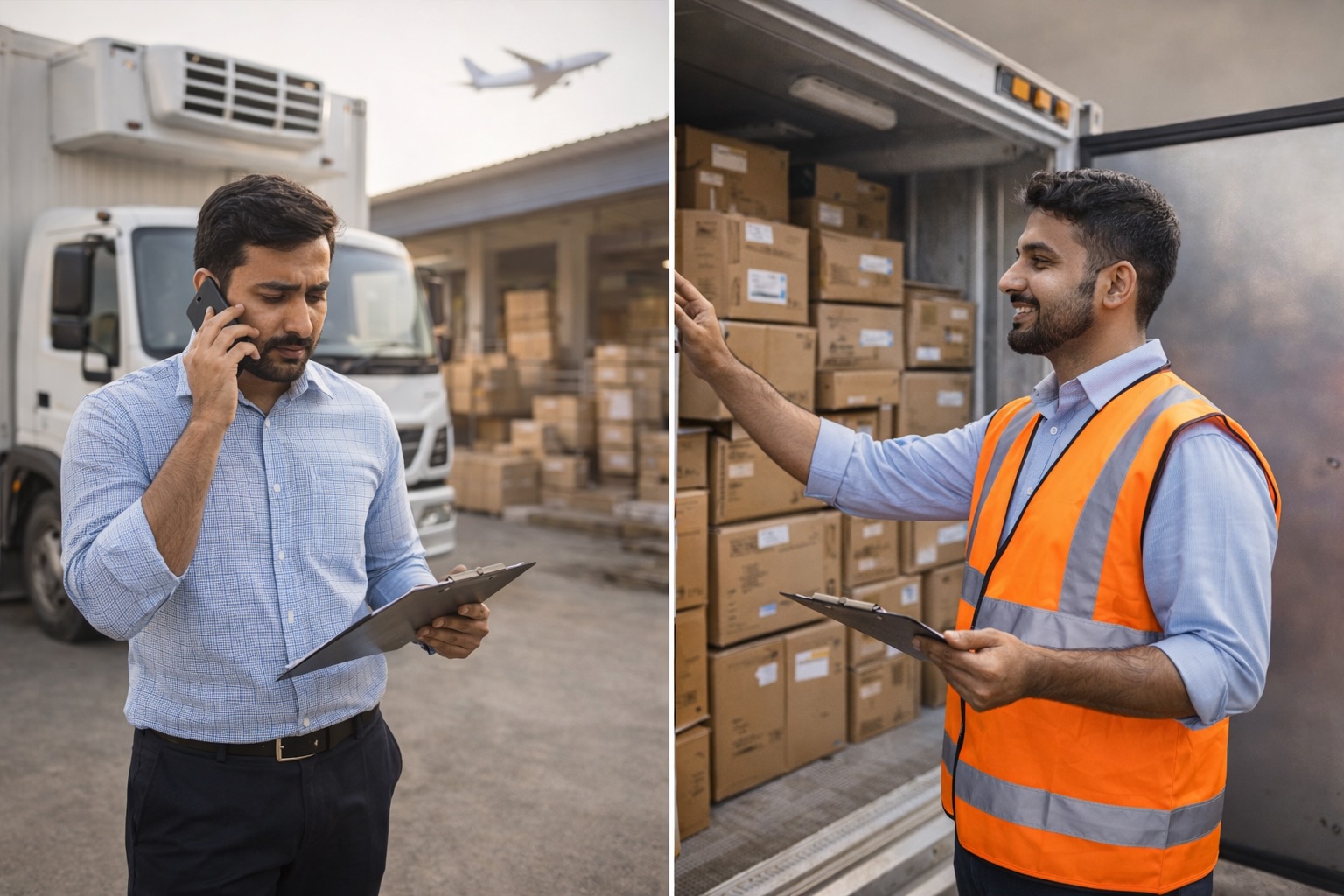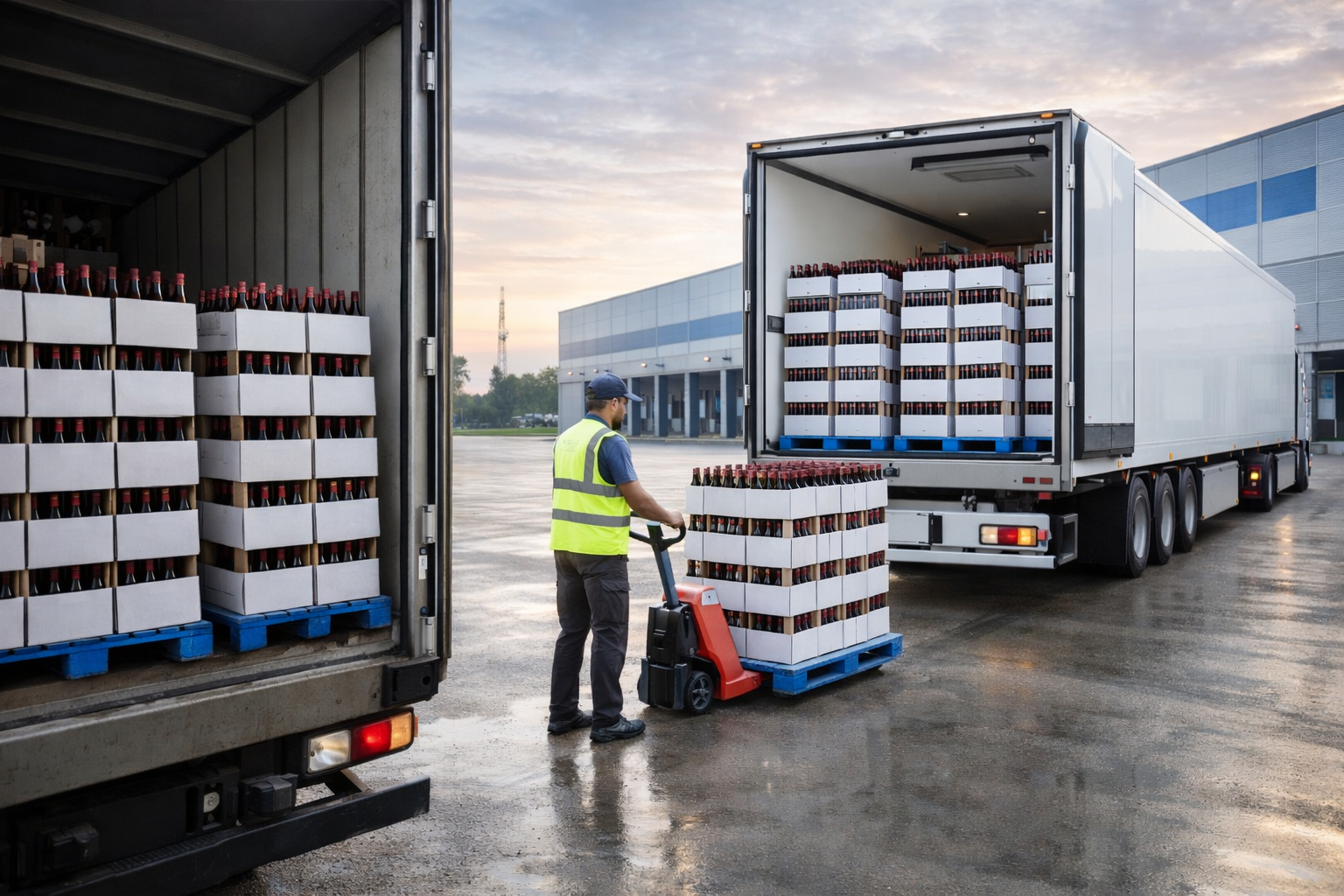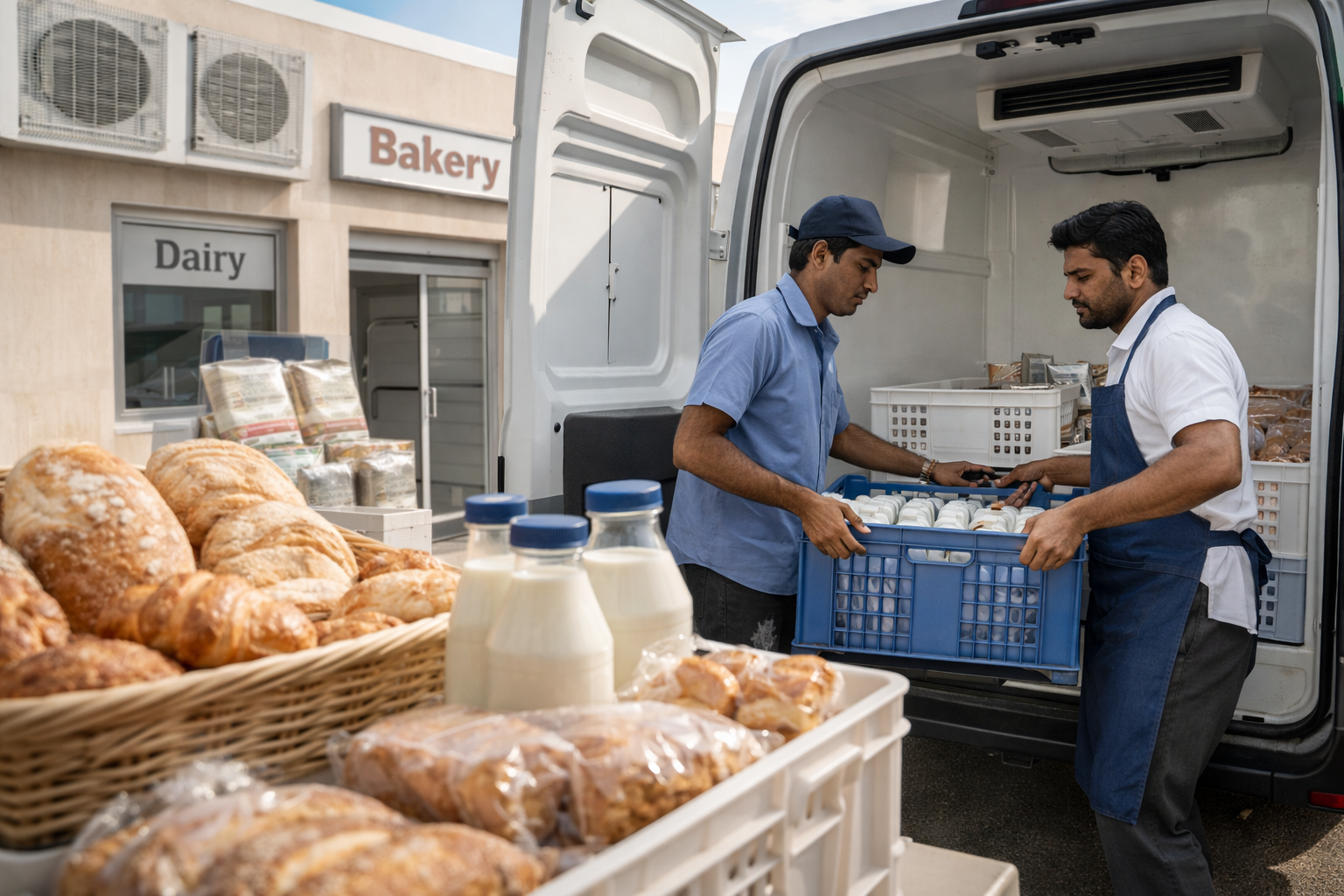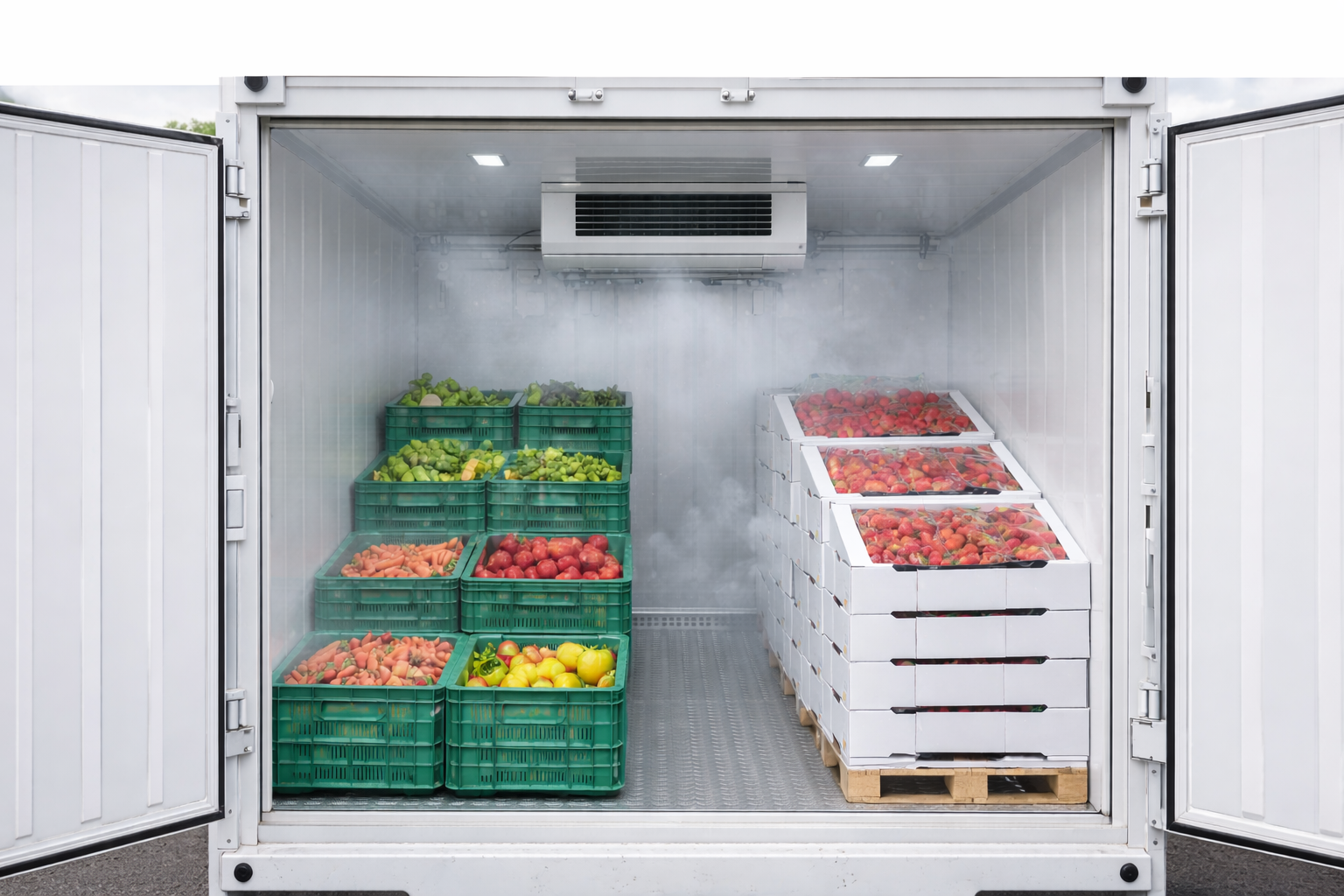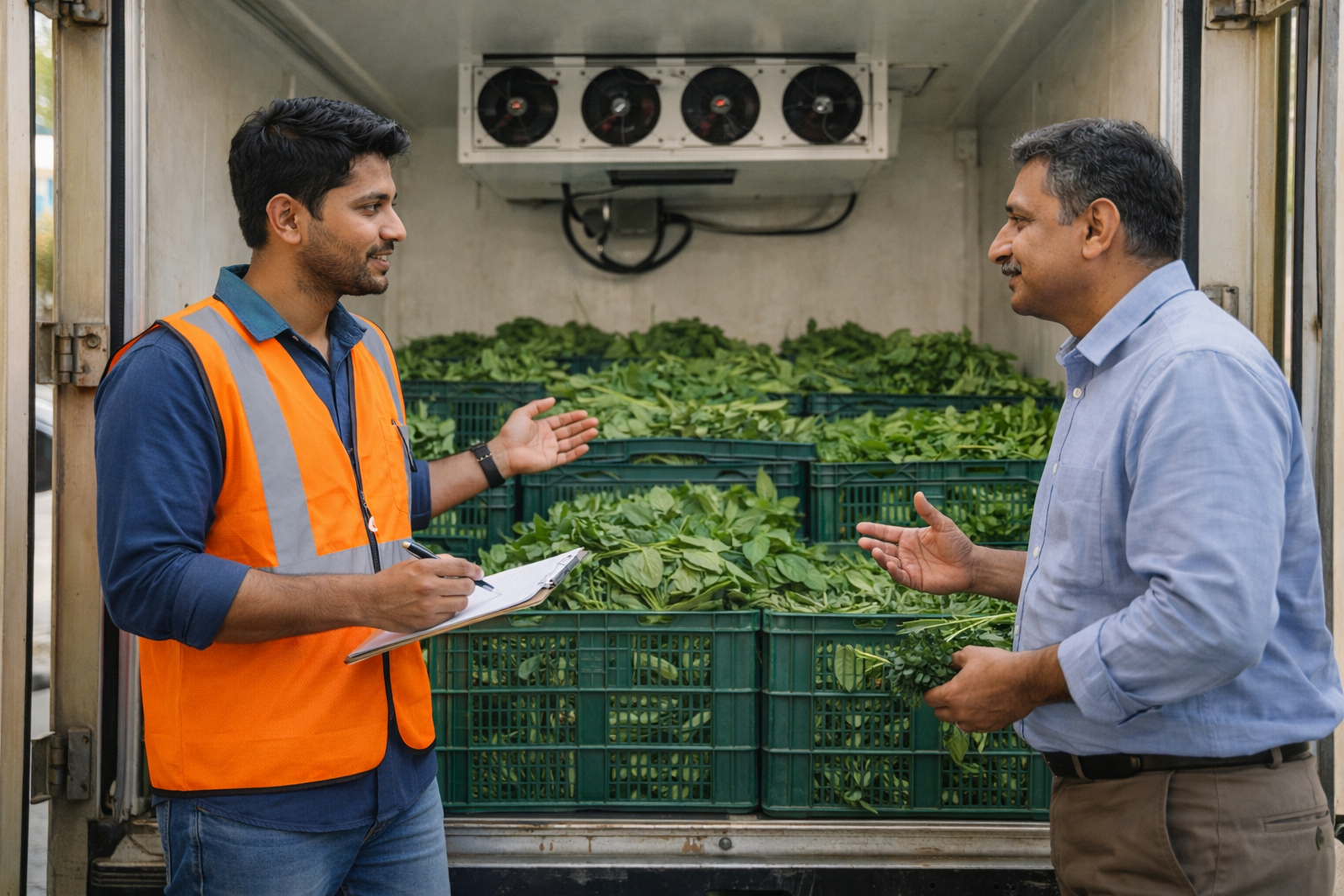
There is a number that rarely makes headlines but shapes the economics of almost every farmer, trader, and logistics operator in India: ₹92,000 crore. That is the estimated annual value of food that spoils before it reaches the consumer through vegetable transport vehicles. A significant share of it is fresh produce like spinach, leafy greens, tomatoes, cauliflower, coriander. The shelf life of these commodities is measured not in days but in hours. Palak wilts. Methi turns. And once that happens, no amount of cold storage at the destination end recovers the loss.
Most conversations about this problem orbit around infrastructure, the lack of cold storage, inadequate rural road connectivity, or fragmented mandis. All of that is real. But there is a quieter failure happening much earlier in the chain, one that is harder to see and easier to fix: the wrong vehicle body specification for the cargo it is carrying.
This piece is not about cold chain infrastructure policy. It is about the engineering decisions inside a vegetable transport vehicle that determine whether palak arrives at a Mumbai retailer at 8°C or at 22°C and why, for most operators running vegetables transport routes today, the choice of insulation spec is the single highest-return procurement decision they can make.
Thermal Challenges in Vegetable Transport Vehicles
Fresh vegetables and leafy greens are not the same cargo as frozen meat or pharmaceutical products. They do not require sub-zero temperatures. What they require is something arguably harder to maintain consistently: a narrow, stable band between 2°C and 8°C, sustained across multiple delivery stops, in ambient temperatures that frequently touch 40°C on Indian summer afternoons.
Every time a van door opens at a delivery point, warm ambient air floods the cargo space. Every gap in a door seal, every underperforming wall panel, and every millimetre of inadequate insulation thickness works against that temperature band. The refrigeration unit can compensate for some of this, but it cannot compensate for a structurally poor box. It will simply run longer, consume more fuel, and eventually fail sooner under the load.
Palak specifically has a respiration rate that accelerates with temperature. At 20°C, spinach metabolises heat at roughly three times the rate it does at 5°C. This is called the heat of respiration, a largely invisible contributor to cargo temperature that most vehicle specifications do not account for. A properly specced reefer van for palak transport needs insulation thick enough and airtight enough to handle both external heat gain and internal heat generation simultaneously.
Insulation Standards for Vegetable Transport Vehicle
When a fleet operator asks about insulation, the conversation usually stops at "how thick is the foam?" The answer matters, but it is one variable in a system. Here is how to think about the full specification:
-
Panel Construction and Thermal Conductivity
The insulation core in a quality insulated truck body for vegetable transport is typically high-density polyurethane (PUF) foam, injected at a density of 40–42 kg/m³. Lower densities compress over time, creating voids that act as thermal bridges. The skin material affects both the structural integrity of the panel and its resistance to moisture ingress, which degrades insulation performance over years of use.
For palak transport and other high-respiration leafy cargo, Sub Zero's GRP reefer bodies offer a distinct advantage: GRP does not conduct heat the way metal does, reducing thermal bridging at panel edges and corners. In a van operating on 12–15 stop urban delivery routes, this matters, each stop is a heat event, and the body's passive thermal resistance is what determines recovery time between stops.
-
Insulation Thickness by Route Profile
A standard fresh produce truck operating in North India between May and July faces a very different thermal challenge than one running night routes in a hill station. Insulation thickness should be calculated against the maximum ambient temperature in the operating corridor, not an average. For routes in Gujarat, Rajasthan, or the Deccan plateau where summer ambient can reach 44–46°C, a minimum 75mm panel thickness is the appropriate specification for maintaining a 2–8°C cargo zone. Operators running thinner panels to reduce upfront cost are making a 5-year TCO decision they have not fully cost.
-
Door Seal Engineering
The rear door assembly is where most fresh vegetable van insulation failures actually occur. Magnetic seals are standard; what distinguishes a well-engineered body is the seal compression design, how much force the door exerts on the gasket, and how that force is maintained as the body flexes on rough roads over years of service. A 3mm gap in a rear door seal can raise internal temperature by 4–6°C over a 4-hour route. For spinach and leafy greens, that difference is the gap between saleable and unsaleable cargo.
-
Internal Drainage and Hygiene
This is a spec point almost never discussed in procurement conversations, but it is operationally significant for fresh vegetable delivery. Produce generates condensate. If the floor of the van has no drainage channel or a poorly sloped floor, pooled water accelerates bacterial growth and contaminates subsequent loads. FSSAI's current guidelines for temperature-controlled transport implicitly require vehicles to be cleanable to food-contact standards. A floor design that makes daily sanitation practical is not a luxury feature, it is a compliance requirement.
Also Read: How Refrigerated Truck Capacity Impacts Distribution Speed
Why Vegetable Transport Vehicle Struggle in City Routes
Most cold chain logistics conversations fixate on long-haul: the 400 km overnight run from a distribution hub to a regional warehouse, where the refrigeration unit runs uninterrupted and the doors stay shut for hours. That route is relatively forgiving. The physics are on your side.
The harder problem is the one that happens every morning across every Indian city. The 60–80 km urban distribution runs with 12–15 stops, starting before dawn and finishing around noon as temperatures climb. Each stop is a controlled heat event. The rear doors open, warm air rushes in, the refrigerated truck scrambles to recover, and then the doors open again at the next stop before it has fully done so. By stop eight, the internal temperature of a poorly specced van has drifted well outside the acceptable range for leafy produce. The driver has no way of knowing. The retailer receiving the fresh vegetable delivery has no way of knowing either — not until the wilting starts a few hours later.
This route profile exposes a specification mismatch that most fleet operators do not catch at the time of purchase. A reefer van engineered for long-haul prioritises sustained thermal retention over time. An urban last-mile body needs something different: fast recovery after door-open events, even temperature distribution across a partially loaded cargo space, and a refrigeration unit sized for cycling rather than sustained run. These are genuinely different engineering problems, and speccing a long-haul insulated truck for a city distribution route means paying for performance you will never use while lacking the performance you actually need.
There is also the mixed-cargo reality. A vegetable transport vehicle supplying organised retail in a metro is rarely moving a single commodity. The same van carries palak, tomatoes, and cucumbers, each with a different optimal temperature range. Running the entire box at the lowest required temperature to protect the most sensitive cargo means compromising quality on everything else, and burning more fuel doing it. Segmented temperature zones within a single fresh produce truck are not a premium feature for large operators. For anyone running vegetables transport on city routes, they are the specification that makes the economics work.
Conclusion
India's fresh produce supply chain will not be fixed by cold storage alone, or by agricultural policy alone, or by better roads alone. Each of those things matters. But the vehicle body — the moving, operating, daily-use insulated truck that connects farm to fork — is where the chain is most vulnerable, and where a well-made engineering decision has the most immediate impact on spoilage rates.
The operators who treat cold chain logistics as a vehicle spec problem to be engineered, rather than a price line to be minimised, are the ones building supply chains that actually work. For palak transport, that engineering window is narrow. Physics does not negotiate.
If you are specifying a vegetable transport vehicle for city distribution routes or evaluating your current reefer body against the demands of your actual route profile, Sub Zero's team works through that spec with you before any purchase order is signed. Seventy-five years of building refrigerated truck bodies across India's most demanding supply chains means the questions we ask tend to be the ones that prevent the problems you have not encountered yet.
Reach out at subzeroreefers.com or speak directly with our fleet advisory team.
Frequently Asked Questions
Q1. What is the ideal temperature range for transporting palak and leafy vegetables?
Palak and most leafy greens should be transported between 2°C and 8°C. Within this range, the respiration rate slows significantly, extending shelf life and reducing wilting. The priority is not just reaching this temperature at the start of the journey but holding it consistently across every delivery stop.
Q2. What is the difference between a refrigerated truck and an insulated truck for vegetable transport?
A refrigerated truck uses an active cooling unit to maintain a set temperature; an insulated truck relies on the thermal resistance of its body panels alone, without mechanical refrigeration. For urban vegetable distribution routes running longer than two hours in summer conditions, active refrigeration is necessary. In both cases, insulation quality determines how hard the system has to work, a poorly built box raises operating costs regardless of what is cooling it.
Q3. How does insulation thickness affect fresh produce transit loss?
Thinner panels allow more heat in per hour, which means the refrigeration unit runs harder, recovers more slowly after door openings, and loses ground faster as ambient temperatures climb. For routes operating above 40°C ambient, 75mm panel thickness is the minimum appropriate specification for fresh produce. Operators running thinner panels pay the difference in spoilage and fuel, not in the purchase price.
Q4. Why do most cold chain failures in vegetable transport happen at the rear door?
Panel insulation degrades slowly and predictably; rear door seals fail faster and less visibly, losing compression force as the body flexes on rough roads over time. A 3mm gap along a rear door seal can raise internal temperature by 4 to 6°C over a four-hour delivery run. Regular door seal inspection is one of the lowest-cost, highest-return maintenance practices in fresh produce logistics.
Q5. What should fleet operators look for when buying a reefer van for city vegetable distribution?
The non-negotiable specs are PUF foam density of at least 40 kg/m³, insulation thickness calculated against peak ambient temperatures on the route, rear door seals with compression-force maintenance design, and a refrigeration unit sized for frequent cycling rather than sustained run. Beyond the spec sheet, confirm that the body warranty is independent of the refrigeration unit warranty. A van with no local service network will cost more to operate over five years than a slightly more expensive vehicle that has one.