Introduction
Every temperature-sensitive shipment carries more than just cargo. It carries compliance obligations, customer trust, brand reputation, and in many cases, products that cannot afford even a brief deviation from the required temperature range. A single equipment failure or poorly designed vehicle can result in rejected consignments, regulatory issues, and losses that far exceed the cost of the transport itself.
That is why purchasing a reefer truck today is no longer a straightforward fleet expansion decision. It is a long-term investment in operational reliability. While specifications like payload capacity and cooling range remain important, they tell only part of the story. The overall performance of a reefer vehicle depends on how effectively its insulation, refrigeration system, body construction, airflow, structural integrity, and monitoring technologies work together under real-world operating conditions.
As businesses across food processing, pharmaceuticals, dairy, seafood, retail, and healthcare continue to strengthen their cold chain system, the expectations from a modern refrigerated truck have evolved significantly. Buyers are now looking beyond upfront costs to evaluate lifecycle performance, energy efficiency, maintenance requirements, regulatory compliance, and long-term return on investment.
This guide breaks down the key specifications, technical considerations, and buying factors that matter in 2026, helping fleet owners, logistics providers, and business decision-makers choose the right solution for reliable, future-ready cold chain transportation.
The Three Systems That Define a Reefer Truck's Performance
A reefer truck is often evaluated based on individual specifications such as cooling capacity, payload, or insulation thickness. While these parameters are important, they don't tell the complete story. The overall performance of a temperature-controlled vehicle depends on how multiple systems work together to maintain consistent temperatures under varying operating conditions.
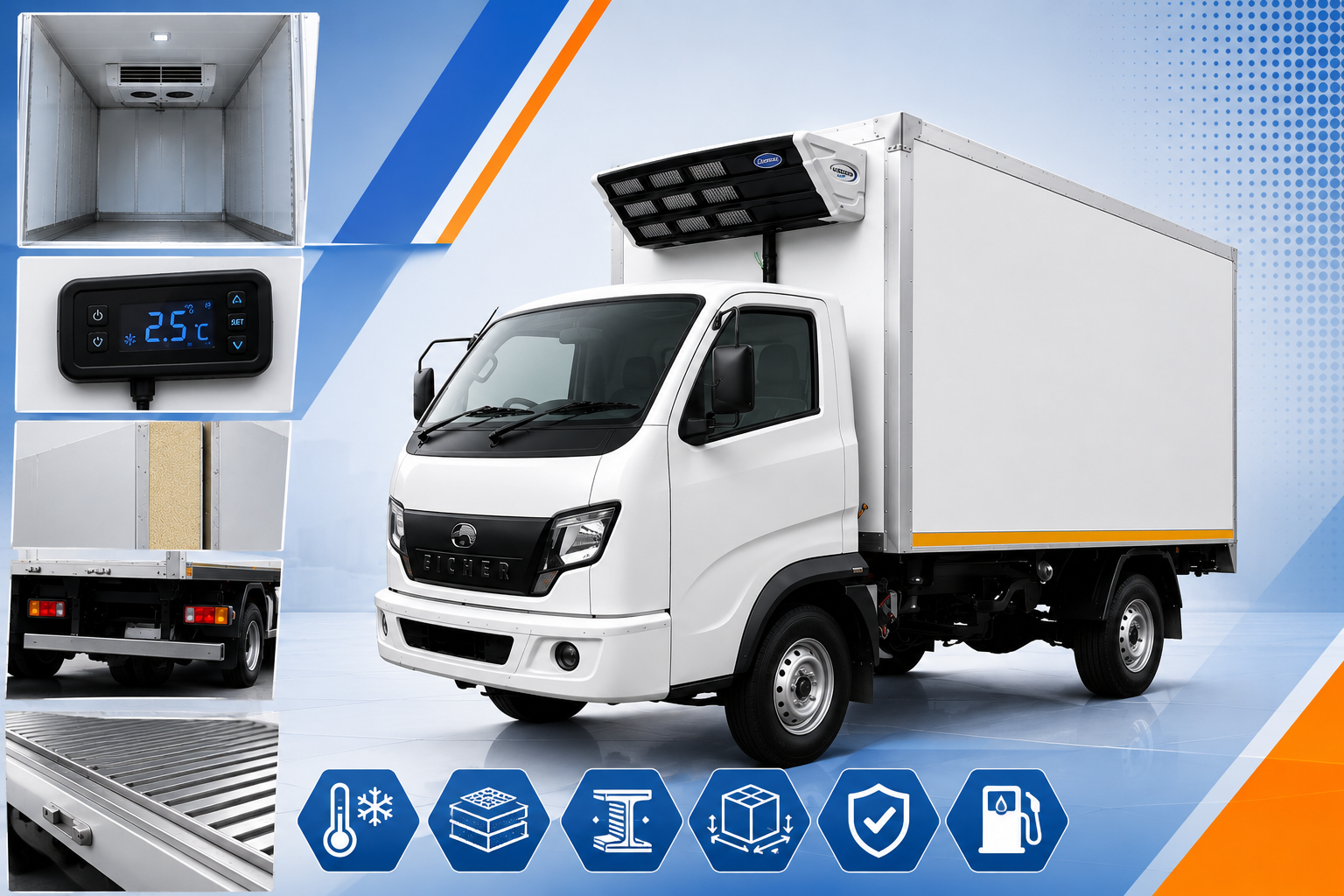
Before assessing technical specifications in detail, it helps to understand the three core systems that determine the efficiency, reliability, and lifespan of a reefer truck. Each plays a distinct role, but none can perform effectively in isolation. A high-performing refrigeration unit, for instance, cannot compensate for poor insulation, just as a well-built insulated body cannot deliver results without proper airflow or a compatible vehicle platform.
Thermal Envelope
The thermal envelope forms the protective barrier that minimizes heat transfer between the cargo compartment and the external environment. It includes the insulation material, wall and roof panels, floor construction, and door sealing systems. A well-engineered thermal envelope helps retain the desired temperature for longer periods, reduces the workload on the refrigeration unit, improves energy efficiency, and safeguards temperature-sensitive cargo throughout the journey.
Refrigeration System
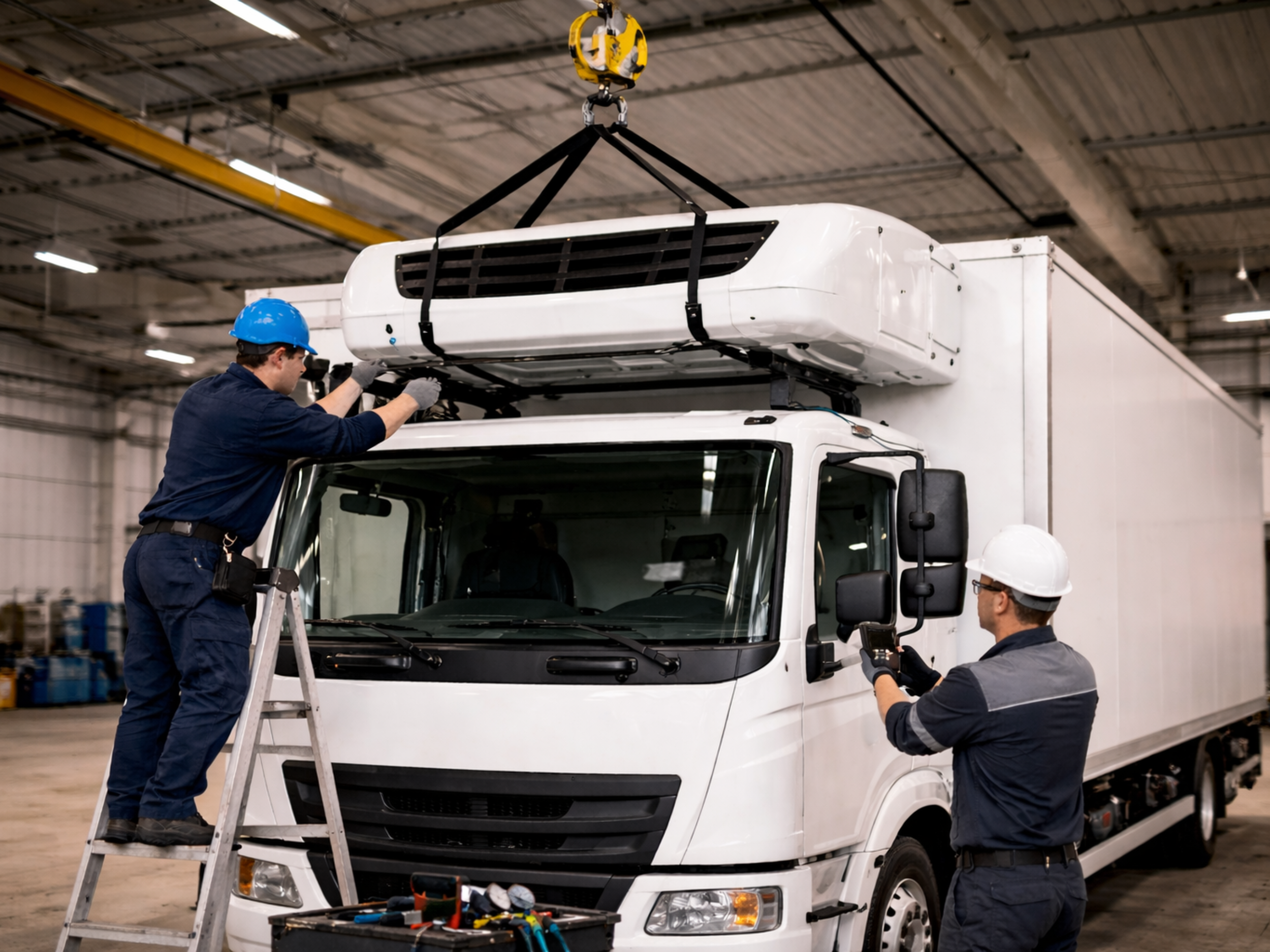
The refrigeration system is responsible for actively maintaining the required temperature inside the cargo area. It comprises key components such as the compressor, condenser, evaporator, and air circulation system, all of which work together to remove heat and distribute cooled air evenly. Selecting the right refrigeration system ensures faster pull-down times, stable temperature control, and dependable performance across different ambient conditions and transportation requirements.
Vehicle Platform
The vehicle platform provides the structural foundation that supports the insulated body and refrigeration unit. Factors such as chassis compatibility, payload capacity, suspension, axle configuration, and weight distribution directly influence the vehicle's operational efficiency, durability, and safety. Choosing the right platform ensures that the vehicle can carry the required load without compromising stability, fuel efficiency, or long-term performance.
How to Evaluate an Insulated Vehicle for Cold Chain Logistics
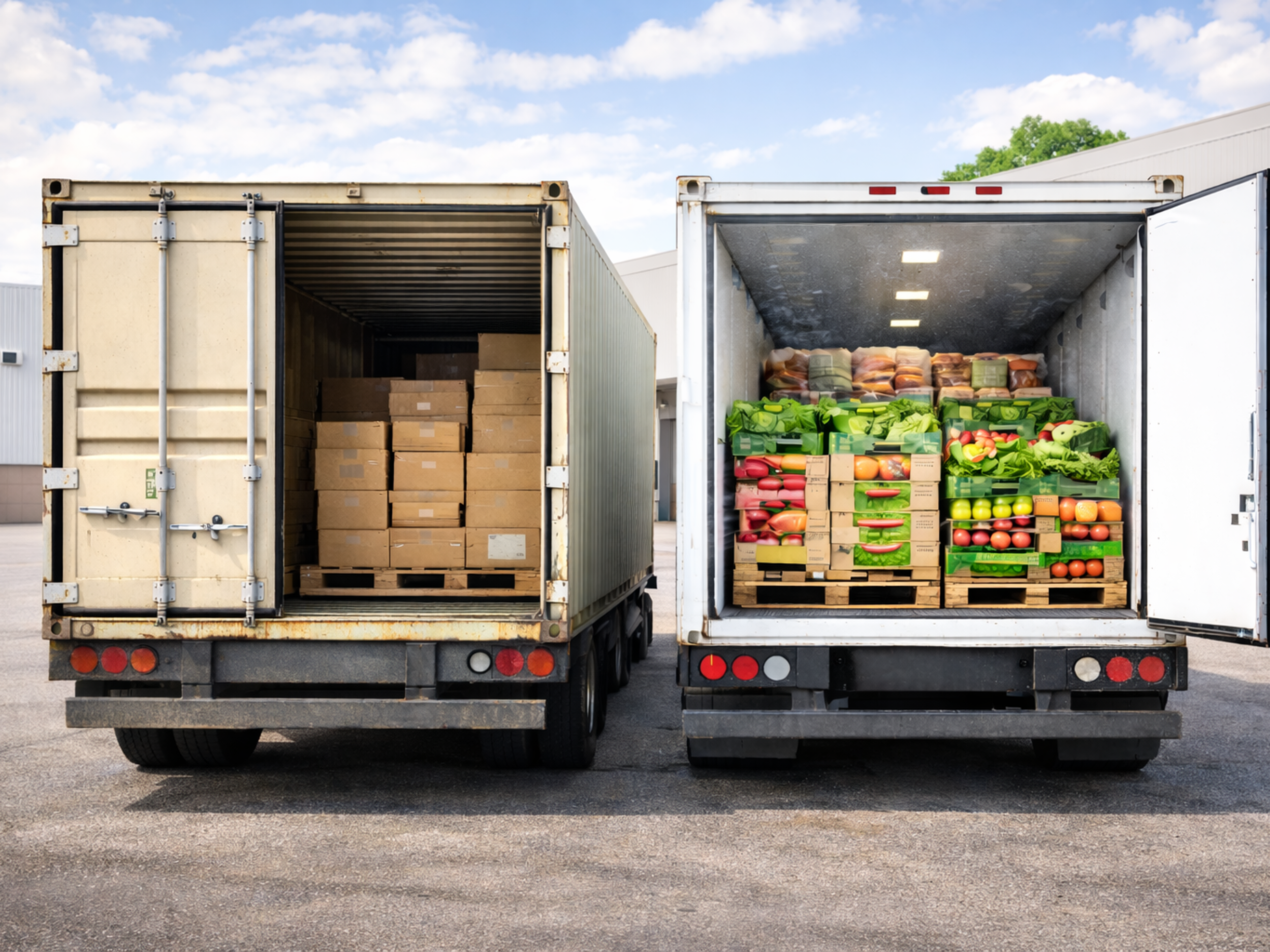
The performance of any reefer truck is built around the quality of its insulated body. While refrigeration units often receive the most attention during the buying process, they can only perform as efficiently as the insulation surrounding them. A well-designed insulated vehicle minimizes heat transfer, helping maintain a stable internal temperature regardless of external weather conditions. This reduces the workload on the refrigeration unit, lowers fuel consumption, and ensures consistent cargo protection across every journey.
On the other hand, poor insulation allows heat to seep into the cargo compartment, forcing the compressor to run more frequently and for longer durations. Over time, this leads to higher operating costs, increased wear on refrigeration components, and a greater risk of temperature deviations that can compromise sensitive cargo.
When evaluating the insulated body of a refrigerated truck, buyers should look beyond the advertised insulation thickness and assess the engineering and construction quality that determines long-term performance.
Key factors to evaluate include:
- PUF (Polyurethane Foam) Density: High-density polyurethane foam offers superior thermal insulation, helping the reefer vehicle retain its internal temperature more effectively while reducing energy consumption.
- Injection Process: Uniform foam injection eliminates air pockets and voids within the panels, ensuring consistent insulation across the entire cargo body and preventing weak spots.
- Thermal Bridges: Areas where heat can travel through metal reinforcements or poorly designed joints are known as thermal bridges. A well-engineered body minimizes these points to maintain consistent cooling efficiency.
- Protection Against Water Ingress: Moisture penetrating the insulation can significantly reduce its thermal performance over time. Proper sealing and weather-resistant construction help preserve insulation integrity and extend the vehicle's service life.
- Panel Construction: The design and manufacturing quality of wall, roof, and floor panels directly influence insulation performance, structural durability, and resistance to everyday operational stresses.
- Body Material Selection: Materials such as GRP (Glass Reinforced Plastic), PPGI (Pre-Painted Galvanized Iron), and stainless steel each offer distinct advantages. GRP provides excellent insulation and corrosion resistance, PPGI balances durability with cost-effectiveness, while stainless steel is preferred for applications requiring the highest standards of hygiene, such as pharmaceutical and food transportation.
- Structural Rigidity: A robust body structure withstands road vibrations, repeated loading cycles, and varying weather conditions without compromising insulation performance or panel integrity. Greater structural rigidity also contributes to the longevity of the reefer container body and reduces maintenance requirements.
Ultimately, the insulated body is more than just an enclosure for temperature-controlled cargo. It is the foundation of an efficient cold chain system, influencing everything from refrigeration performance and fuel efficiency to equipment lifespan and product quality. Investing in a well-engineered body ensures that the cold chain equipment operates at its full potential while delivering reliable performance over years of service.
Also Read: How Refrigerated Truck Capacity Impacts Distribution Speed
Optimising a Reefer Truck for Different Cargo Requirements
Every temperature-sensitive product has unique transportation needs, which means a reefer truck cannot be designed with a one-size-fits-all approach. The right combination of temperature settings, airflow design, insulation, and interior configuration ensures that cargo remains stable throughout the journey. A well-designed reefer vehicle not only protects product quality but also improves energy efficiency, reduces spoilage risks, and strengthens the overall cold chain system.
Key factors to consider include:
Cargo-Specific Temperature Requirements
Different products require different temperature ranges to maintain quality and safety:
- Fresh fruits and vegetables: Usually require temperatures between +2°C and +10°C.
- Dairy products: Typically transported between +2°C and +4°C.
- Frozen foods and meat: Require temperatures of -18°C or below.
- Ice cream: Often needs temperatures as low as -25°C.
- Pharmaceuticals and vaccines: Require strict temperature control, generally between +2°C and +8°C.
Airflow and Temperature Uniformity
Maintaining the right temperature is only effective when cooled air reaches every part of the cargo area. Features such as ceiling air ducts, proper air return paths, and optimized cargo spacing help prevent temperature variations inside the reefer container and ensure consistent cooling.
Door Design and Interior Configuration
Frequent door openings during loading and unloading can impact temperature stability. High-quality door seals, efficient closing mechanisms, and practical interior layouts help reduce heat loss and improve refrigeration efficiency.
Depending on operational needs, buyers should also evaluate:
- Multi-temperature compartments for transporting different cargo types.
- Hygienic, easy-to-clean flooring for food and pharmaceutical applications.
- Load securing systems that prevent cargo movement while maintaining airflow.
- Proper drainage systems to manage moisture and cleaning requirements.
A well-engineered refrigerated truck is not just about achieving the desired temperature. It is about creating a controlled environment where insulation, airflow, and cargo handling work together to maintain product integrity. Choosing the right configuration ensures better performance from your cold chain equipment while improving reliability and operational efficiency.
Choosing the Right Reefer Truck Solution for Your Business Needs
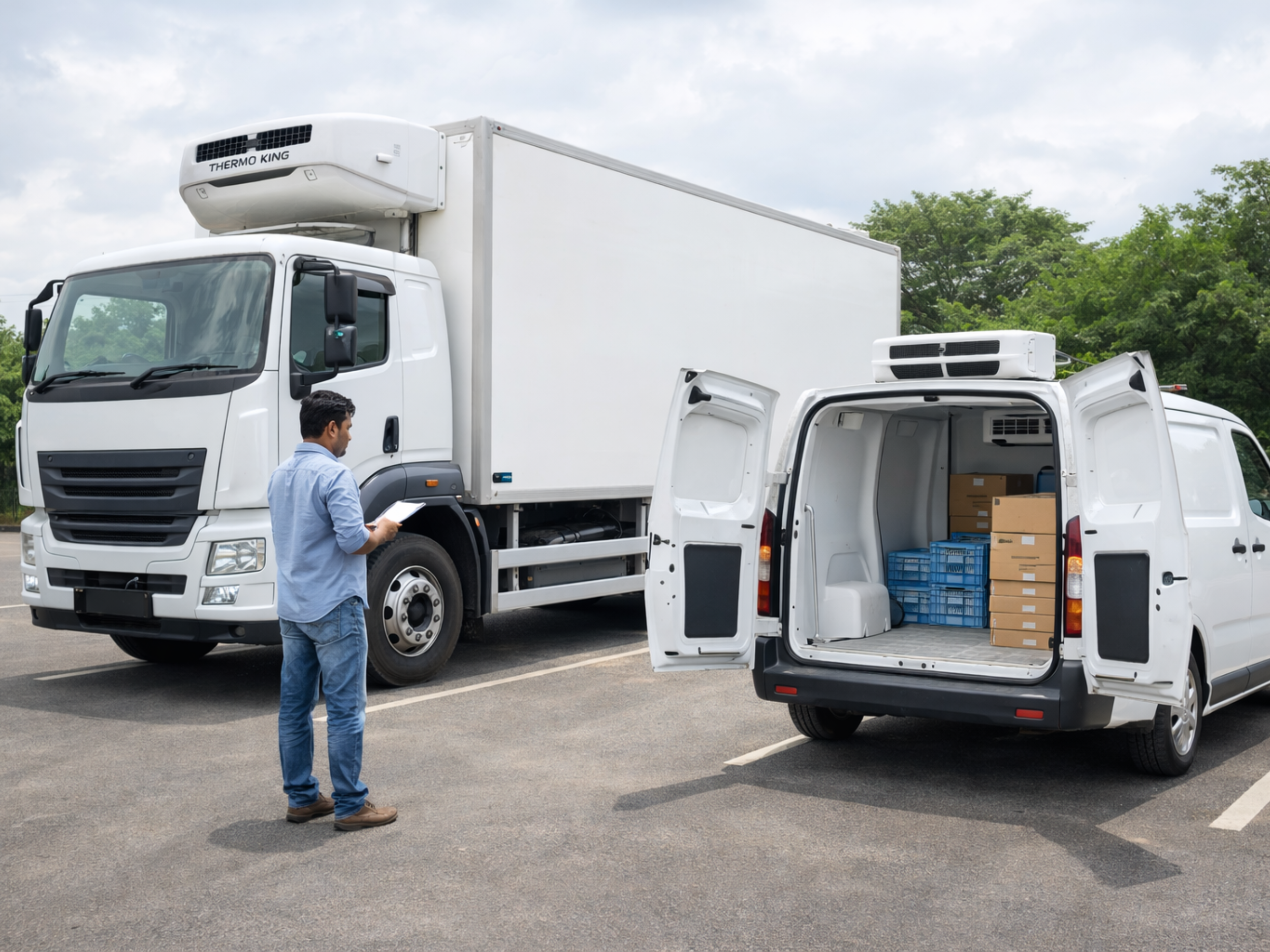
Selecting the right temperature-controlled vehicle depends on factors such as cargo type, delivery distance, route conditions, and operational requirements. A reefer truck and a reefer van serve different purposes, and choosing the right option ensures better efficiency and long-term value.
A reefer van is ideal for urban distribution, last-mile deliveries, and applications that require frequent stops, such as pharmaceuticals, retail, and quick commerce. Its compact design allows easier navigation while keeping operating costs lower.
A refrigerated truck, on the other hand, is better suited for bulk transportation, interstate logistics, and industries like dairy, seafood, FMCG, and frozen foods. With higher payload capacity and stronger cooling capabilities, it supports larger-scale cold chain system operations.
| Factor | Reefer Van | Reefer Truck |
|---|---|---|
| Best suited for | Last mile and city delivery | Long distance and bulk transport |
| Payload capacity | Lower | Higher |
| Common applications | Pharmacy, retail, e-commerce | Dairy, seafood, FMCG, frozen goods |
| Route stability | Short distance operations | Regional and interstate movement |
Beyond choosing the vehicle type, buyers should evaluate the technical specifications and support offered by the manufacturer. Important factors include:
- Quality of insulation and insulated vehicle construction
- Refrigeration capacity and temperature control performance
- Durability and maintenance requirements of the reefer container body
- Availability of service support and spare parts
- Compliance with food safety and pharmaceutical requirements
- Long-term operating costs beyond the initial reefer container price or refrigerated van price
The right reefer vehicle is not just an investment in transportation. It is an investment in maintaining product quality, reducing losses, and building a dependable cold chain equipment ecosystem that performs consistently over time.
Conclusion
A reefer truck is more than a temperature-controlled transport vehicle. It is a critical link between production, storage, and the final point of delivery. The right combination of insulation, refrigeration technology, vehicle design, and monitoring systems determines how effectively a business can protect sensitive cargo and maintain consistency across its supply chain.
As cold chain requirements continue to become more complex, buyers need to look beyond upfront costs and evaluate the long-term performance, reliability, and service support of their investment. Whether it is a compact reefer van for last-mile distribution or a heavy-duty refrigerated truck for large-scale logistics, the ideal solution is one that aligns with operational needs while delivering efficiency and dependability.
At Sub Zero Reefers, we understand that every business has unique transportation challenges. With expertise in designing and manufacturing customised temperature-controlled solutions, Sub Zero works closely with businesses to develop reefer vehicles that meet specific cargo requirements, operating conditions, and industry standards.
Choosing the right cold chain equipment today can help businesses build a more reliable, efficient, and future-ready supply chain for tomorrow.
Frequently Asked Questions
What sizes do reefer trucks come in India?
Reefer trucks in India are available in various sizes, from compact reefer vans for urban deliveries to large refrigerated trucks designed for interstate transport and bulk cold chain logistics.
What is the payload capacity of a 3 tonne reefer van?
A 3 tonne reefer van generally offers a payload capacity of around 2 to 2.5 tonnes, depending on the chassis, insulation, refrigeration unit, and body configuration.
Can one reefer truck carry frozen and chilled cargo at the same time?
Yes. Multi temperature reefer trucks use separate compartments with independent temperature zones, allowing frozen and chilled products to be transported together while maintaining their required temperatures.
What affects the price of a reefer container?
The reefer container price depends on factors such as body dimensions, insulation quality, refrigeration system, construction materials, temperature range, and customization requirements.
What is the difference between a reefer van and a refrigerated truck?
A reefer van is designed for last mile and urban deliveries, while a refrigerated truck offers greater payload capacity and is better suited for regional and long distance cold chain transportation.
How do I choose the right reefer truck for my business?
Consider your cargo type, temperature requirements, insulation quality, refrigeration performance, payload capacity, service support, and long term operating costs before selecting a reefer truck.