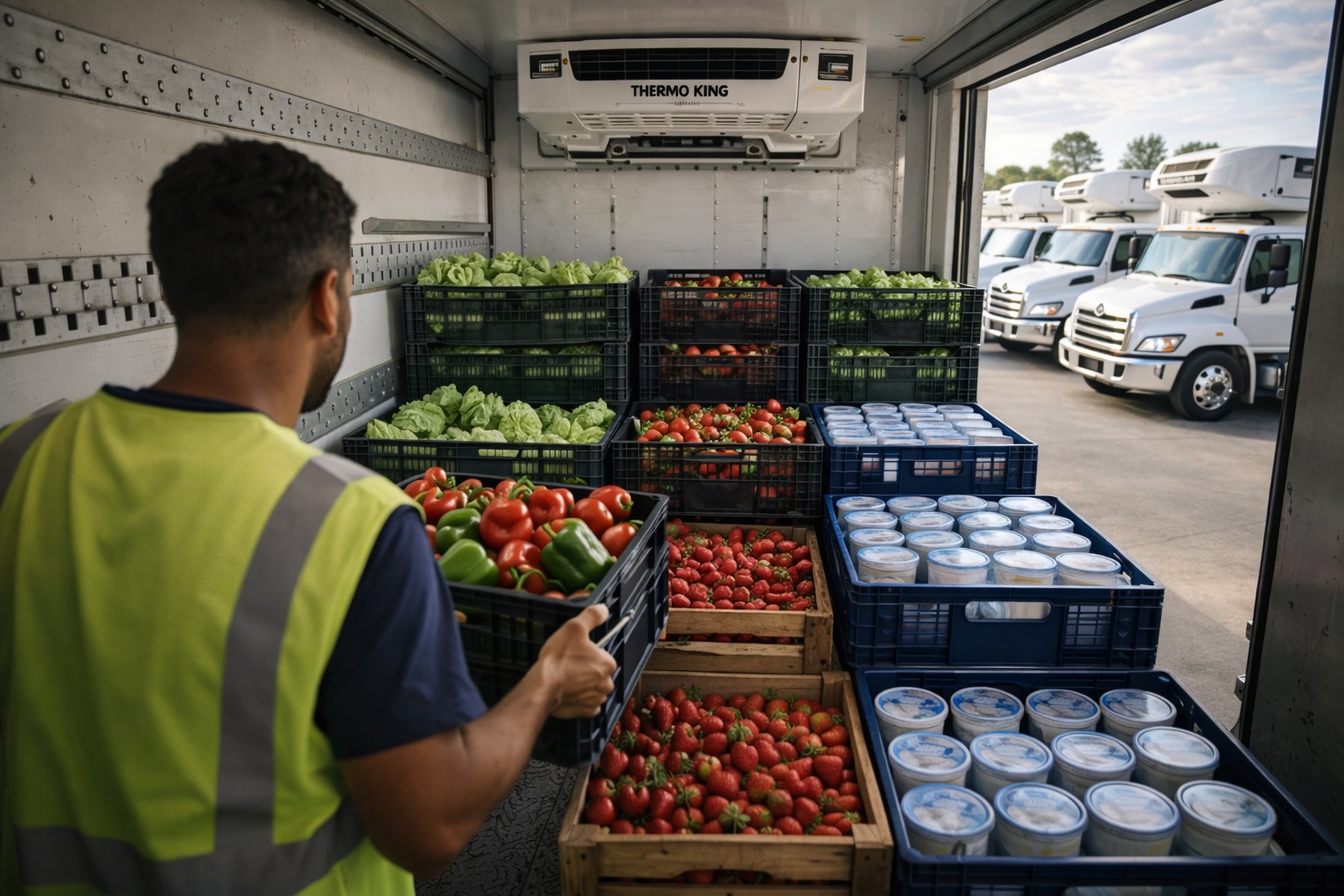
Refrigerated truck and cold chain logistics runs on a simple but demanding promise: products must arrive fresh, safe, and exactly when they are needed. From fresh produce and dairy to seafood, frozen foods, and life-saving pharmaceuticals, these goods have very little room for delay. Even a short disruption in transit can affect quality, shelf life, and ultimately the value of the shipment.
Because of this, distribution speed is not just an operational metric in cold logistics. It directly impacts product integrity, inventory turnover, and customer trust. Businesses that move temperature-sensitive goods depend on systems that can deliver quickly while maintaining strict temperature control throughout the journey.
Most conversations around cold chain efficiency focus on refrigeration technology. Temperature control, insulation, and cooling systems are often seen as the primary factors that protect perishable cargo. Yet another equally important factor often sits in the background: the capacity of a Refrigerated Truck.
The size of the vehicle, the configuration of the refrigerated truck box, airflow patterns inside a refrigerated truck, and whether the operation uses a refrigerated box truck, refrigerated container truck, or small refrigerated truck all influence how efficiently goods move through the supply chain. When the capacity of a refrigerated truck/van aligns with the volume of goods being transported and the structure of the distribution network, deliveries become faster, routes become more efficient, and temperature stability becomes easier to maintain.
Why Truck Capacity Is a Strategic Decision in Cold Chains
In cold chain logistics, choosing the right truck capacity is not just a transportation choice. It directly affects how quickly and safely temperature-sensitive goods move through the supply chain. Perishable cargo such as fresh food, dairy, seafood, and pharmaceuticals must stay within strict temperature ranges during transit. If deliveries slow down or temperatures fluctuate inside a refrigerated truck, product quality and shelf life can quickly be affected. This is where the size and configuration of the refrigerated truck box become critical.
Truck capacity influences how much cargo can be moved in one trip, how efficiently vehicles can be loaded, and how smoothly delivery routes operate. For instance, using a small refrigerated truck for high-volume shipments often requires multiple trips, slowing down distribution. At the same time, deploying a large refrigerated container truck for short urban routes can reduce maneuverability and delay deliveries.
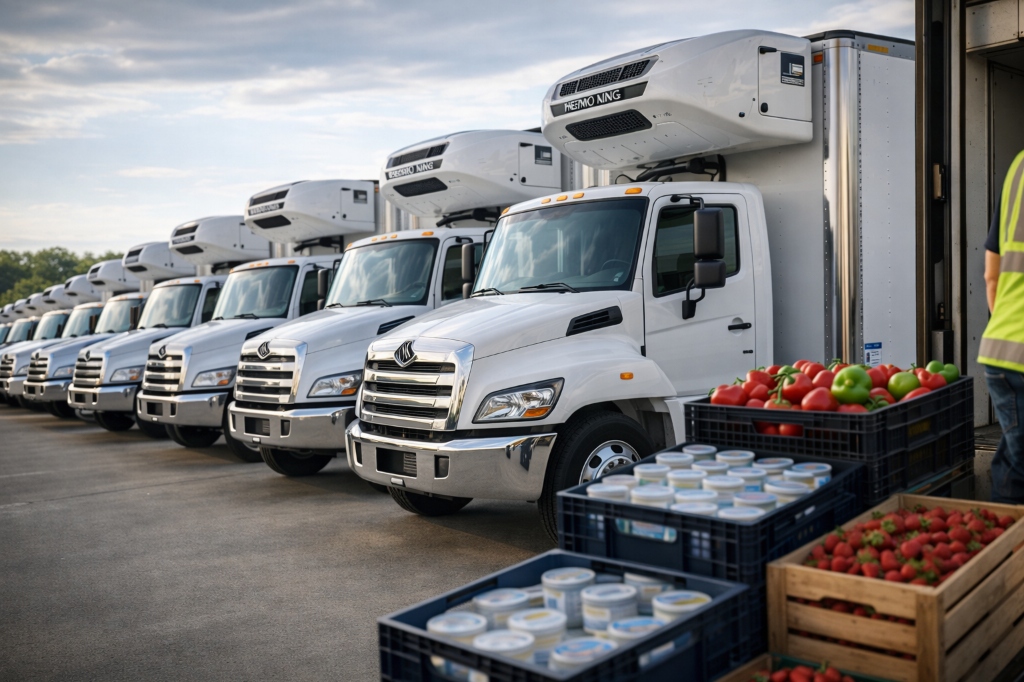
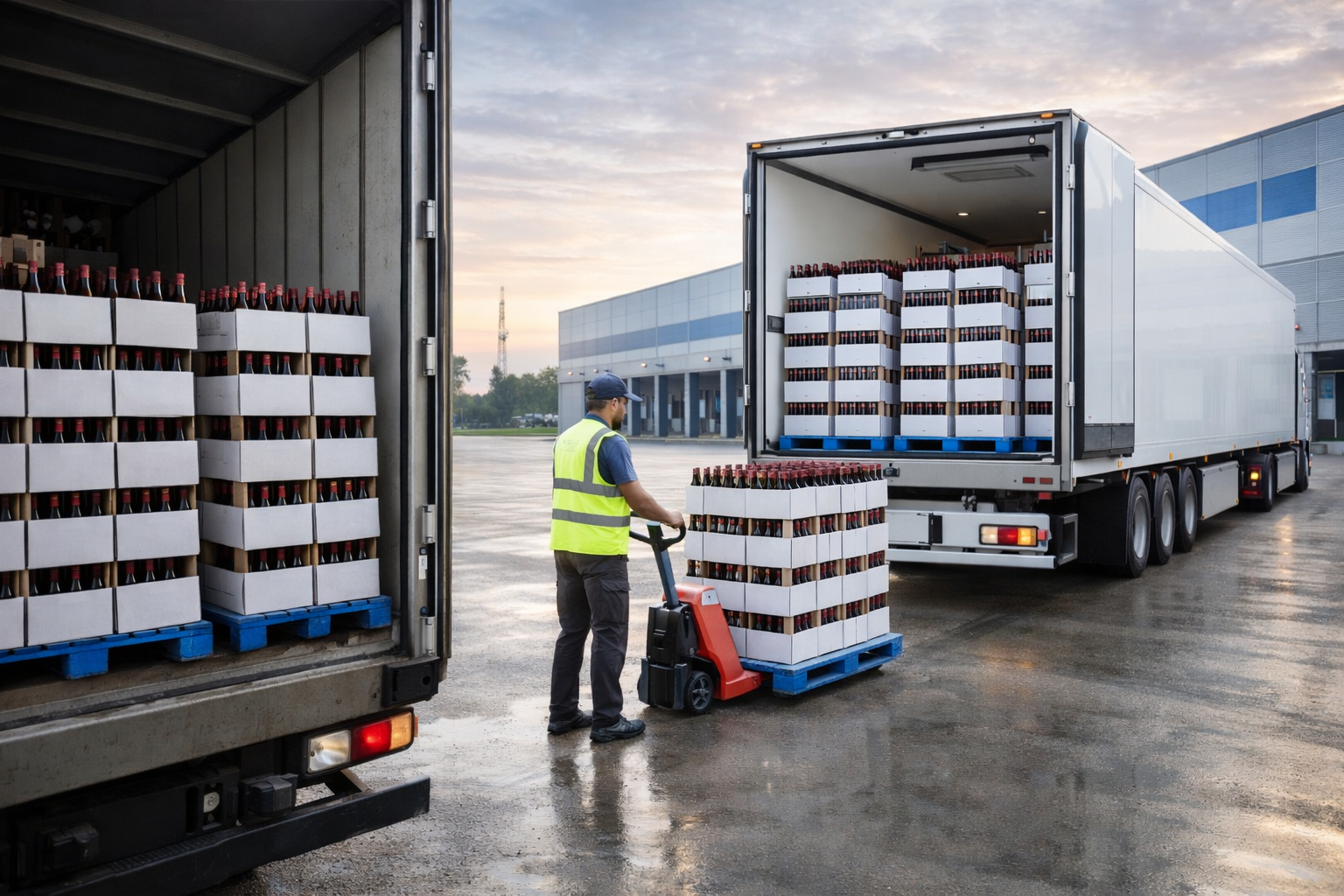
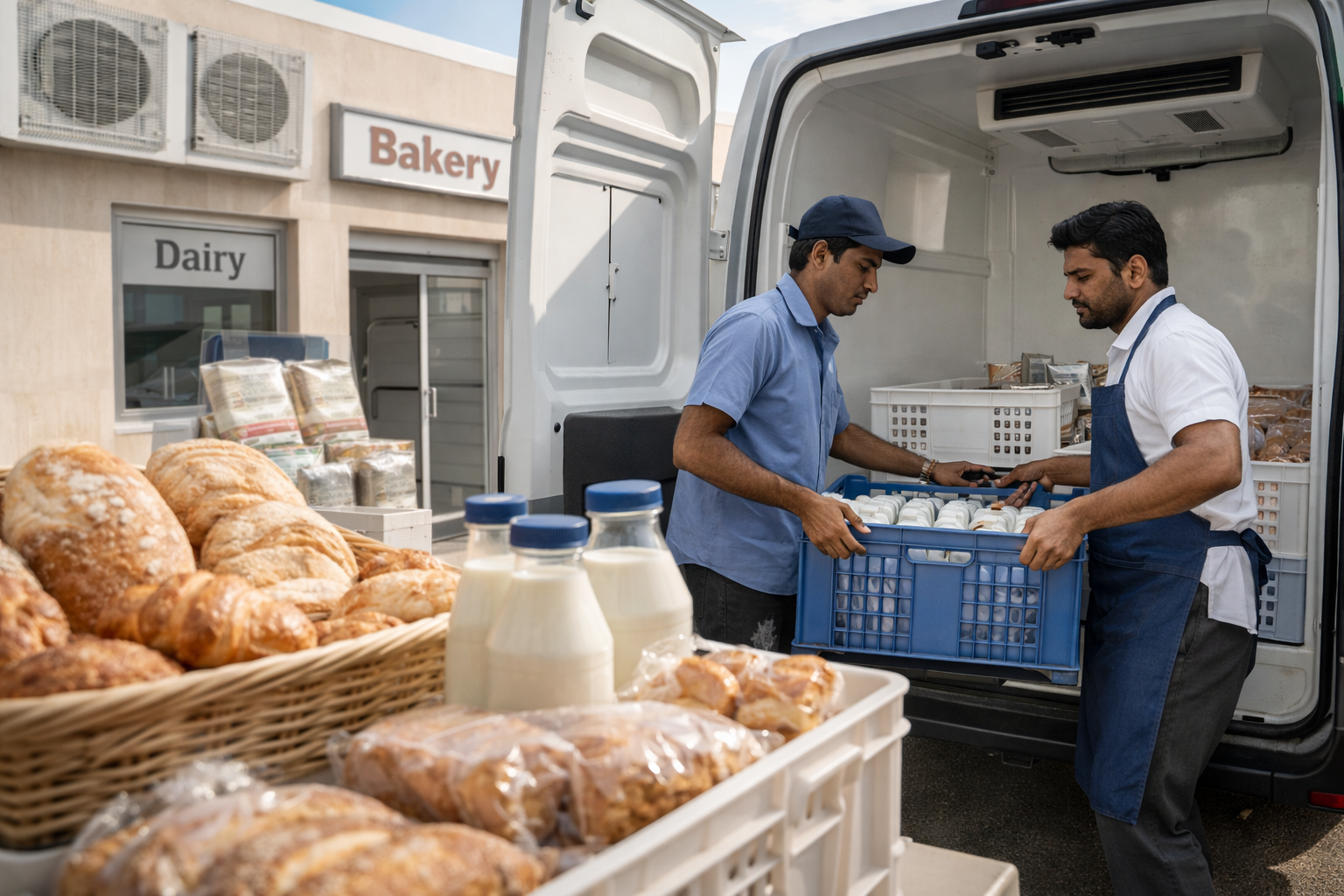
Many cold chain operations solve this by using a mix of vehicles. Refrigerated container trucks handle bulk transport, refrigerated box trucks manage regional distribution, and refrigerated truck/vans or small refrigerated trucks support last-mile deliveries. When truck capacity is aligned with the distribution network, goods move faster while maintaining cold chain integrity.
The 5 Capacity Bottlenecks Slowing Cold Chain Logistics
Even with advanced refrigeration systems and well-planned logistics networks, many cold chains still experience delays. When vehicle size, cargo volume, and delivery routes are not properly aligned, inefficiencies begin to appear across the supply chain.
Bottleneck 1: Underutilised Space in a Refrigerated Truck
One of the most common inefficiencies in cold logistics is underutilised cargo space. When the refrigerated truck box is not loaded strategically, businesses end up transporting less cargo than the vehicle is capable of carrying. This often happens due to poor pallet planning, inconsistent shipment sizes, or inadequate coordination between warehouse and dispatch teams. As a result, companies may need to schedule additional trips to move the same volume of goods, leading to longer distribution cycles and slower delivery timelines.
Bottleneck 2: Poor Airflow Inside Refrigerated Truck Boxes
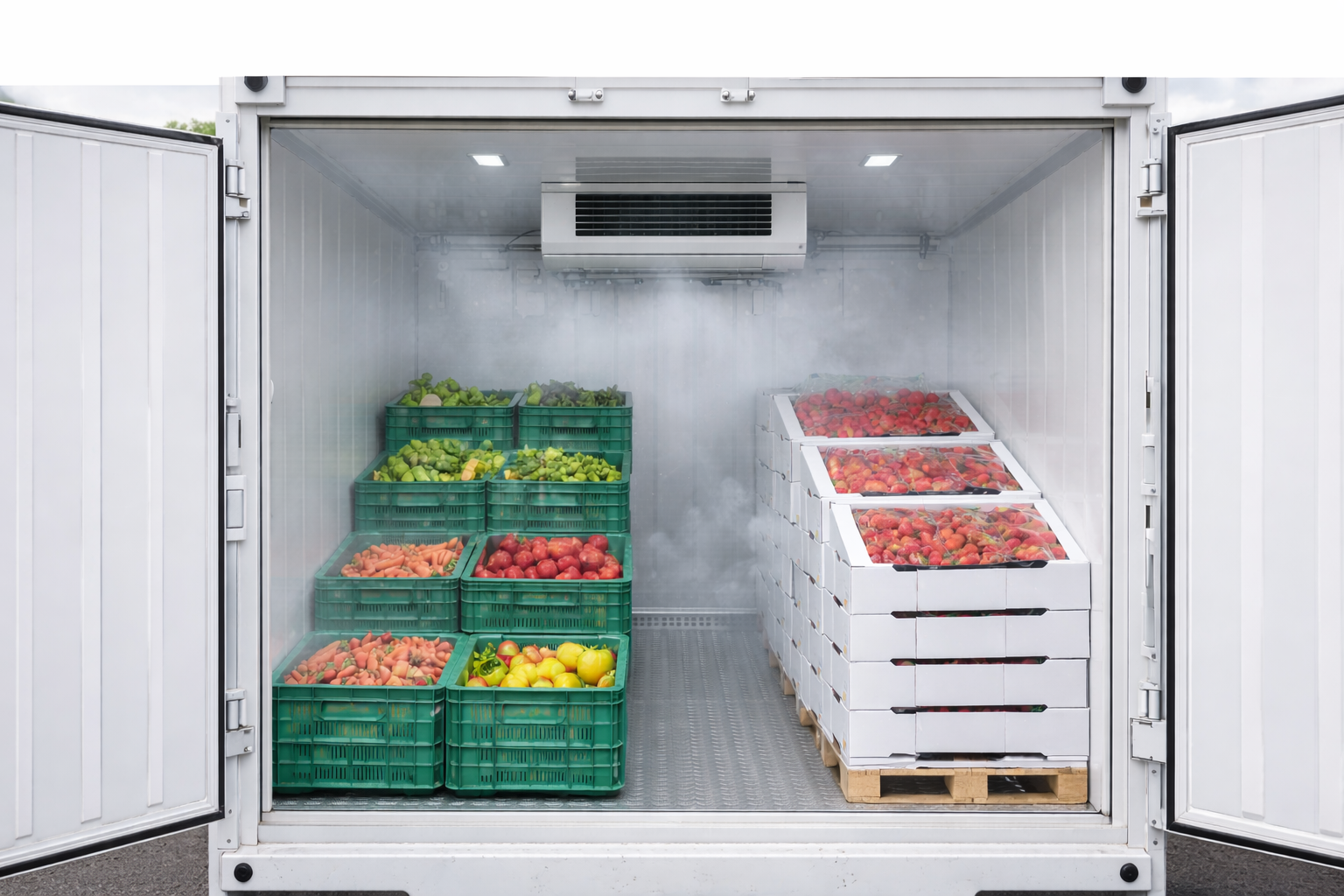
Airflow management inside a refrigerated truck is critical for maintaining stable temperatures during transit. If products are stacked incorrectly or cargo blocks ventilation channels, cold air cannot circulate evenly throughout the refrigerated truck box. This leads to temperature variations across the cargo area. In such situations, drivers and logistics teams may need to adjust cargo placement or pause deliveries to stabilise temperatures, which slows down the distribution process.
Bottleneck 3: Oversized Trucks in Urban Delivery Routes
While large vehicles such as a refrigerated container truck are ideal for bulk transportation, they are not always suited for dense urban environments. City routes often involve narrow roads, traffic congestion, strict delivery windows, and limited parking space. Using an oversized Refrigerated Truck in such conditions can reduce mobility and slow down deliveries. In contrast, a refrigerated truck/van is often better suited for last-mile logistics, allowing faster turnaround times.
Bottleneck 4: Insufficient Capacity for High-Volume Shipments
The opposite challenge occurs when businesses rely too heavily on smaller vehicles. When a small refrigerated truck is used to transport large shipment volumes, multiple vehicles or repeated trips may be required to move the same cargo. This increases transit cycles and extends delivery timelines across the distribution network. In such cases, larger refrigerated container trucks provide the capacity needed to transport higher volumes efficiently.
Bottleneck 5: Lack of Fleet Diversity
Many cold chain operations rely on a single type of Refrigerated Truck for all deliveries. While this approach simplifies fleet management, it often limits distribution efficiency. Different stages of the supply chain require different vehicle capacities. Bulk transportation typically requires large refrigerated container trucks, while last-mile deliveries benefit from smaller, more agile vehicles. A balanced fleet approach allows businesses to move goods more efficiently.
How Modern Cold Chains Solve These Bottlenecks
To overcome these operational challenges, modern cold chain networks are adopting more strategic fleet planning and better vehicle design. Instead of relying on a single vehicle type, logistics providers increasingly use a mix of vehicles that match different stages of distribution. High-volume transport between production facilities and regional hubs is often handled by a refrigerated container truck, while mid-sized vehicles support regional deliveries and smaller vehicles manage last-mile routes in dense urban areas.
Just as important is the design inside a refrigerated truck, where proper insulation, airflow, and organised cargo space help maintain stable temperatures while maximising usable capacity. Manufacturers like Sub Zero Reefers are responding to these evolving needs by building reliable Refrigerated Truck solutions that balance cooling performance with efficient storage design. This allows businesses to move temperature-sensitive goods faster while maintaining the strict conditions required for cold chain logistics.
Conclusion
In cold chain logistics, distribution speed depends on more than refrigeration technology alone. The capacity, design, and operational use of a Refrigerated Truck play a major role in how efficiently temperature-sensitive goods move through the supply chain. When truck capacity aligns with shipment volumes, route conditions, and delivery frequency, businesses can reduce unnecessary trips, maintain stable temperatures inside a refrigerated truck, and ensure faster, more reliable distribution.
Addressing common bottlenecks such as poor cargo utilisation, airflow limitations, and mismatched vehicle sizes allows companies to build a more responsive and resilient cold chain. For businesses looking to strengthen their cold logistics infrastructure, partnering with experienced manufacturers makes a significant difference. Sub Zero Reefers provides engineered refrigerated transport solutions designed for durability, efficient cooling, and optimised cargo space.
Frequently Asked Questions
For multi-city cold distribution, medium to large Refrigerated Truck configurations are typically the most effective. They offer enough cargo capacity for bulk transport between cities while still maintaining operational efficiency on highways and regional routes.
Larger capacity can improve efficiency when transporting high volumes over long distances because it reduces the number of trips required. However, the vehicle size must align with route conditions and delivery frequency to avoid operational delays.
Yes, overloading can restrict airflow inside a refrigerated truck, making it harder for cold air to circulate evenly. This can create temperature variations and reduce the effectiveness of the refrigeration system, potentially affecting product quality.