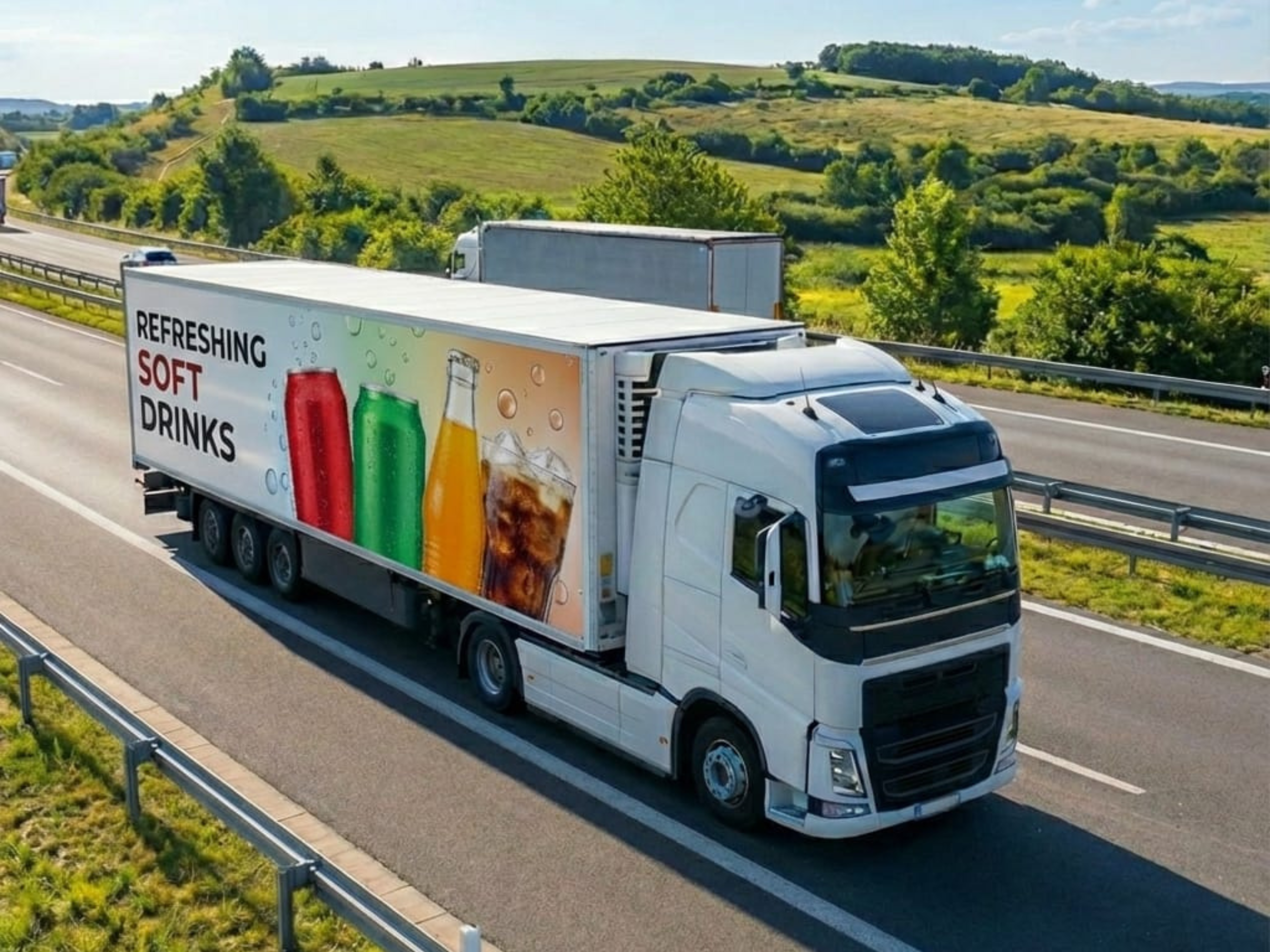
In the beverage industry, maintaining product consistency is critical. A craft beer must taste exactly as the brewer intended, fine wine should preserve its bouquet and body, and soft drinks need the right carbonation and flavor. Even small temperature fluctuations during transport can impact taste, shelf life, and customer satisfaction. This is where cold chain management for beverage distribution plays a crucial role. It ensures that beverages are stored, transported, and delivered under strictly controlled conditions from the production facility to the point of sale.
For companies offering beverage delivery or drink delivery services, a reliable cold chain logistics system is essential. Without it, products risk spoilage, returns, and potential damage to brand reputation.
Leading refrigerated manufacturing companies specialized in creating solutions for alcohol beverage delivery and broader drink delivery, ensuring every shipment maintains optimal conditions. By combining advanced temperature control, smart monitoring systems, and purpose-built vehicles, these companies help beverage producers and distributors maintain product quality consistently.
Well-executed cold chain logistics provides more than protection for the product. It also improves operational efficiency, reduces waste, and enhances customer satisfaction. Whether it’s a beer delivery service supplying bars and pubs, a wine distributor serving retail outlets, or a broader beverage distribution network, precise temperature control throughout the supply chain ensures every bottle, can, or carton reaches its destination in perfect condition.
Hidden Challenges in Beverage Cold Chain Management
While most conversations around cold chain logistics focus on temperature control and delivery schedules, there are several subtle challenges that can significantly impact beverage distribution quality and efficiency.
Interaction Between Packaging and Temperature
The type of packaging used affects how beverages respond to temperature changes. Glass, for example, retains cold but is fragile and sensitive to thermal shock. Cans may handle fluctuations better but are prone to deformation under pressure. Advanced cold chain management considers these interactions, optimizing storage and transport conditions to preserve both the container and the product inside.
Microclimate Variations in Vehicles
Even in refrigerated trucks, not every corner maintains exactly the same temperature. Variations, often just a few degrees, can influence carbonation in beer or the bouquet of wine. Leading refrigerated logistics companies use compartmentalized storage and airflow optimization to address these microclimate differences, ensuring consistent quality for beer and wine delivery.
Cumulative Transit Stress in Cold Chain Management for Beverage Distribution
Products rarely travel directly from the producer to the retailer. Multiple handlings, loading and unloading, and transfers between warehouses can cumulatively stress the beverages, subtly affecting flavor or shelf life. Sophisticated cold chain logistics strategies aim to minimize handling points and monitor conditions across the entire journey, not just in transport.
Seasonal and Regional Temperature Surprises
Extreme seasonal temperatures, regional climate variations, or even sudden weather changes can impact alcohol beverage delivery. A shipment of chilled beverages crossing multiple climate zones can experience unseen stress without careful route planning and temperature monitoring. Predictive analytics in modern drink delivery services helps anticipate these challenges, reducing risk.
By addressing these lesser-discussed issues, beverage distributors can maintain higher product quality, reduce losses, and improve customer satisfaction beyond what standard temperature controls achieve.
Innovations in Cold Chain Management for Beverage Distribution
Most discussions around cold chain innovation focus on temperature sensors or energy efficiency. While these are important, there are several under-the-radar advancements that are quietly transforming beverage distribution.
Adaptive Cooling Zones
Instead of treating a truck or storage unit as a single temperature chamber, adaptive cooling zones allow different beverages to travel in the same vehicle at different optimal temperatures. A beer delivery service can maintain a crisp 2–4°C for lagers, while a wine distributor keeps reds slightly warmer to preserve flavor. This modular approach reduces the need for multiple vehicles and maximizes efficiency.
Data-Driven Shelf Life Prediction
Using machine learning and historical transport data, modern cold chain management systems can predict the remaining shelf life of products in transit. This helps alcohol beverage delivery services make smarter routing and inventory decisions, ensuring that high-value products reach retailers at peak quality.
Dynamic Packaging Solutions in Cold Chain Management for Beverage Distribution
Innovations in packaging are making a big difference. Thermal wraps, phase-change materials, and shock-absorbing crates aren’t just about insulation—they actively respond to temperature changes and vibrations during transit. This is especially valuable for drink delivery services handling fragile glass bottles or mixed loads of alcohol and soft drinks.
Remote Diagnostics and Maintenance
Refrigerated vehicles are now equipped with remote diagnostic tools that can detect potential failures before they happen. Early alerts for compressor issues or coolant inefficiencies prevent downtime that could spoil shipments. For beer and wine delivery, this translates into fewer delays and less waste.
Real-Time Route Adaptation in Cold Chain Management for Beverage Distribution
Modern refrigerated logistics companies integrate live traffic, weather, and climate data into routing software. This allows beverage distribution networks to adjust delivery paths dynamically, minimizing exposure to heat or extreme conditions, and ensuring products arrive on time and in perfect condition.
By looking beyond the obvious and adopting these innovations, beverage distributors not only protect product quality but also reduce operational costs, minimize waste, and improve customer satisfaction in ways that many competitors overlook.
Strategic Advantages of Cold Chain Management for Beverage Suppliers and Retailers
Beyond maintaining product quality, modern cold chain management can be a powerful tool for business intelligence in beverage distribution. Instead of just thinking about keeping drinks cold, forward-thinking distributors and suppliers leverage data from refrigerated transport to make smarter operational decisions.
Actionable Insights from Every Shipment
Every shipment carries valuable data: temperature trends, transit times, handling patterns, and delivery efficiency. By analyzing this data, alcohol distributors and wine distributors can identify recurring bottlenecks, optimize routes, and anticipate potential quality risks before they happen. Even small insights can significantly reduce waste and improve customer satisfaction.
Predictive Maintenance for Logistics Assets
Modern refrigerated logistics companies use connected vehicles and IoT-enabled systems that not only track shipments but also monitor the health of the refrigeration units. Predictive maintenance ensures trucks and cooling equipment remain fully operational, preventing costly delays and safeguarding sensitive beverages. For beer and wine delivery services, this reduces downtime and ensures uninterrupted service.
Strategic Planning for Seasonal Demand
Beverage consumption patterns fluctuate seasonally or during events. Data collected from the cold chain allows drink delivery services to plan inventory, adjust delivery schedules, and allocate resources more effectively. This strategic planning reduces overstock, prevents spoilage, and allows suppliers to meet customer demand more precisely.
Enhancing Partner and Retailer Confidence
Suppliers who can demonstrate real-time temperature control and data-driven delivery insights earn more trust from retailers and on-trade partners. With alcohol beverage delivery or beverage distribution, this transparency differentiates a supplier in competitive markets, turning reliable cold chain logistics into a marketing advantage.
By approaching cold chain logistics as both a quality assurance tool and a source of actionable business intelligence, beverage distributors can transform operational efficiency, reduce hidden losses, and gain a competitive edge that goes far beyond simply keeping products cold.
Also read: How Wineries Use Refrigerated Trucks for Wine Transport
Next-Gen Strategies in Cold Chain Management for Beverage Distribution
Cold chain management has traditionally been seen as a technical challenge, keeping beverages cold from production to delivery. But the real innovation today lies in subtle, data-driven improvements and operational refinements that transform how beer and wine delivery, alcohol beverage delivery, and broader drink delivery networks function. Modern solutions focus on maintaining product quality while enhancing efficiency and predictability.
One of the less-discussed advances is the use of adaptive cooling zones within refrigerated vehicles. Instead of treating a truck as a single cold space, different compartments maintain slightly different temperatures tailored for various products. A beer delivery service can preserve the crispness of lagers, while reds in a wine distributor’s shipment stay slightly warmer to protect their delicate flavors. Similarly, innovations in packaging help beverages withstand temperature shifts and handle stress without compromising quality.
Beyond the vehicle itself, predictive analytics now allow distributors to anticipate seasonal demand, traffic patterns, and regional climate variations. This enables beverage distribution networks to reroute shipments dynamically, optimize delivery schedules, and reduce exposure to temperature fluctuations. Remote diagnostics and IoT-enabled monitoring also prevent equipment failures, ensuring that refrigerated companies can maintain uninterrupted service.
These innovations are subtle but powerful. By focusing on compartmentalized cooling, adaptive packaging, predictive routing, and proactive maintenance, beverage suppliers and distributors can not only preserve product quality but also reduce waste, increase operational efficiency, and build trust with retailers and customers alike. In a market where consistency defines reputation, these nuanced innovations set forward-thinking alcohol distributors and drink delivery services apart from the competition.
Conclusion
The future of beverage distribution will be shaped by the companies that treat the cold chain as more than a temperature requirement. When cold chain logistics becomes a source of insight, efficiency, and smarter decision making, every delivery turns into an opportunity to improve how the business runs. This mindset matters for everything from beer and wine delivery to high volume alcohol beverage delivery and everyday drink delivery services.
The brands that invest in precision cooling, intelligent monitoring, and data-backed planning aren’t just protecting product quality. They are building reliability into their operations, strengthening retailer confidence, and carving out space as partners who understand what consistency really means. In a market where one bad batch can undo years of goodwill, a dependable cold chain becomes more than a support function. It becomes the backbone of long-term growth, stronger margins, and customer loyalty that lasts.
If you’re ready to strengthen your cold chain with equipment built for accuracy, durability, and real-world demands, explore how Sub Zero Reefers supports leading beverage brands with purpose-built refrigerated solutions.
Frequently Asked Questions
Why is cold chain management important for beverages?
It protects taste, freshness, and product stability throughout distribution. A reliable cold chain also reduces spoilage, customer complaints, and financial losses.
What are the main components of a cold chain system for beverages?
It includes temperature controlled storage, insulated transport, monitoring tools, and trained handling. Together, these ensure beverages stay within safe temperature limits from start to finish.
How can I ensure my beverage distribution maintains an effective cold chain?
Use reliable cooling equipment, real time monitoring, and well trained staff. Regular audits and preventive maintenance keep the system consistent and reduce risks.
What temperature range is optimal for storing beverages?
Most beverages perform best between 2°C to 7°C, depending on product type. Beer and wine often have more specific temperature needs to preserve their flavour and quality.
