Fuel efficiency discussions in cold chain logistics often focus on engine performance, route optimisation, or refrigeration technology. Yet one critical factor consistently shapes energy consumption long before a vehicle hits the road: how well the refrigerated truck is insulated.
Every kilometre a refrigerated truck transport vehicle travels involves a continuous battle against external heat. The quality of insulation determines whether the refrigeration unit works in short, controlled cycles or runs almost continuously to maintain set temperatures. This distinction has a direct impact on fuel usage, emissions, and long-term operating costs.
For fleet operators managing a reefer refrigerated truck, insulation is not a structural afterthought. It is an energy-management system embedded into the vehicle body. Inadequate insulation leads to higher compressor loads, increased fuel burn, and greater stress on refrigeration components. Over time, this translates into rising costs, inconsistent temperature control, and reduced asset life.
As cold chain networks expand across diverse climates and delivery models in refrigerated truck India, insulation performance has become a decisive factor in achieving both economic and operational efficiency.
The Direct Link Between Insulation and Fuel Consumption
Fuel consumption in a refrigerated truck is not driven only by distance travelled or load weight. It is largely determined by how much thermal stress the refrigeration system must counter during transit. Insulation quality sits at the centre of this equation.
At its core, insulation controls the rate of heat transfer between the external environment and the cargo compartment. The higher the heat ingress, the harder the refrigeration unit must work, and the more fuel or electrical energy it consumes.
Heat Ingress and Compressor Load
In refrigerated truck transport, external temperatures, solar radiation, road heat, and engine heat continuously act on the vehicle body. Poor or ageing insulation allows this heat to penetrate faster, forcing the refrigeration compressor to run longer and more frequently.
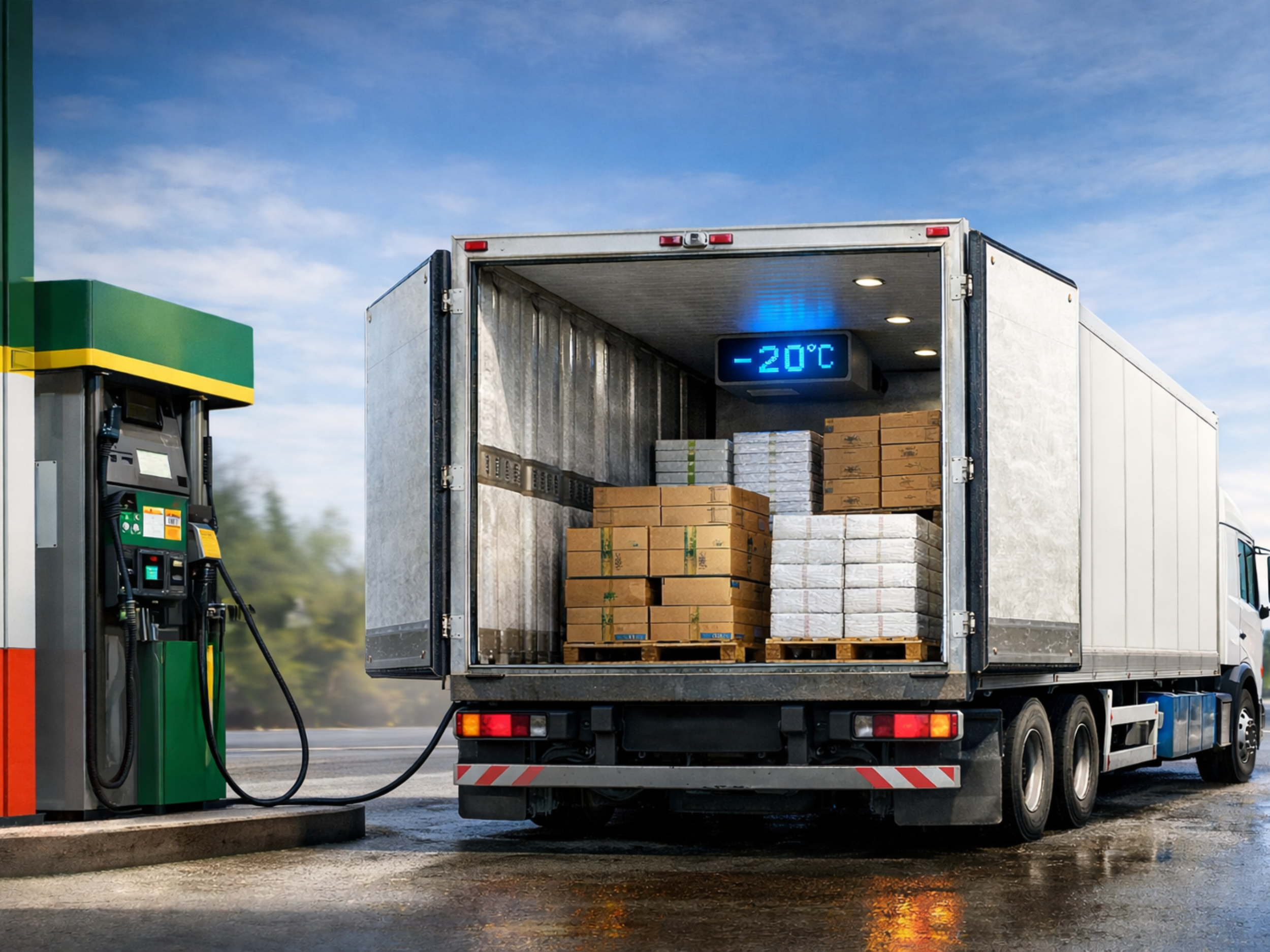
Each compressor cycle draws power from the engine or battery. Over extended routes, especially in hot climates typical of refrigerated truck India, this additional runtime significantly increases fuel consumption. Even small inefficiencies in insulation can translate into substantial fuel losses over the vehicle's operational life.
Fuel Burn During Idling and Traffic Conditions
Fuel inefficiency linked to insulation becomes more pronounced during idling, congestion, and stop-and-go delivery cycles. In urban distribution scenarios involving a small refrigerated truck or refrigerated truck/van, doors are opened frequently and vehicles spend long periods stationary.
High-quality insulation slows down temperature rise during these interruptions. This reduces the need for aggressive cooling recovery once doors are closed, helping limit fuel spikes that typically occur after repeated loading and unloading.
Impact on Refrigeration Unit Efficiency
A reefer refrigerated truck with effective insulation allows the refrigeration unit to operate within optimal performance ranges. When insulation is weak, refrigeration systems are forced to run at higher capacities for longer durations, leading to:
- Increased fuel or energy consumption
- Faster wear of compressors and auxiliary components
- Reduced system efficiency over time
In contrast, well-insulated trucks experience smoother refrigeration cycles, lower peak loads, and improved energy efficiency per trip.
Electric Refrigerated Trucks and Energy Drain
In an electric refrigerated truck, insulation plays an even more decisive role. Since both propulsion and refrigeration draw from the same energy source, poor insulation directly reduces driving range and operational flexibility.
Superior insulation minimises cooling losses, preserving battery charge and extending route viability. For electric fleets, insulation quality can be the difference between a profitable delivery run and an unplanned recharge stop.
Cumulative Cost Impact Over Vehicle Life
Fuel losses caused by substandard insulation are often incremental and easy to overlook on a daily basis. However, when assessed across thousands of operating hours, these losses compound into a major cost factor.
For refrigerated container trucks operating on long-haul routes, insulation-driven fuel inefficiency can significantly increase total cost of ownership. This makes insulation not just an engineering concern, but a strategic financial consideration.
The Indian Operating Context: Why Insulation Matters More
Operating a refrigerated truck in India presents a very different reality compared to temperate or highly regulated cold chain markets. Climatic conditions, infrastructure variability, and delivery patterns collectively place far greater stress on insulation performance.
High Ambient Temperatures and Heat Exposure
Large parts of India experience consistently high ambient temperatures for most of the year. In many regions, daytime temperatures regularly exceed 35 degrees Celsius, with road surface temperatures climbing even higher. For a refrigerated truck, this creates continuous thermal pressure on the vehicle body.
Inadequate insulation allows rapid heat ingress, forcing the refrigeration system to operate almost continuously. Well-engineered insulation slows this heat transfer, stabilising internal temperatures and significantly reducing fuel or energy demand, especially on long-haul routes.
Extended Transit Times and Infrastructure Constraints
Unlike controlled highway networks elsewhere, Indian logistics routes often involve traffic congestion, variable road quality, and delays at checkpoints or loading bays.
For refrigerated truck transport, this means vehicles remain on the road and idling for longer periods than planned. During these delays, insulation quality determines how well the cargo temperature is maintained without excessive fuel burn. Strong insulation reduces reliance on constant compressor operation, preserving fuel efficiency even when transit timelines stretch unpredictably.
Urban Distribution and Frequent Door Openings
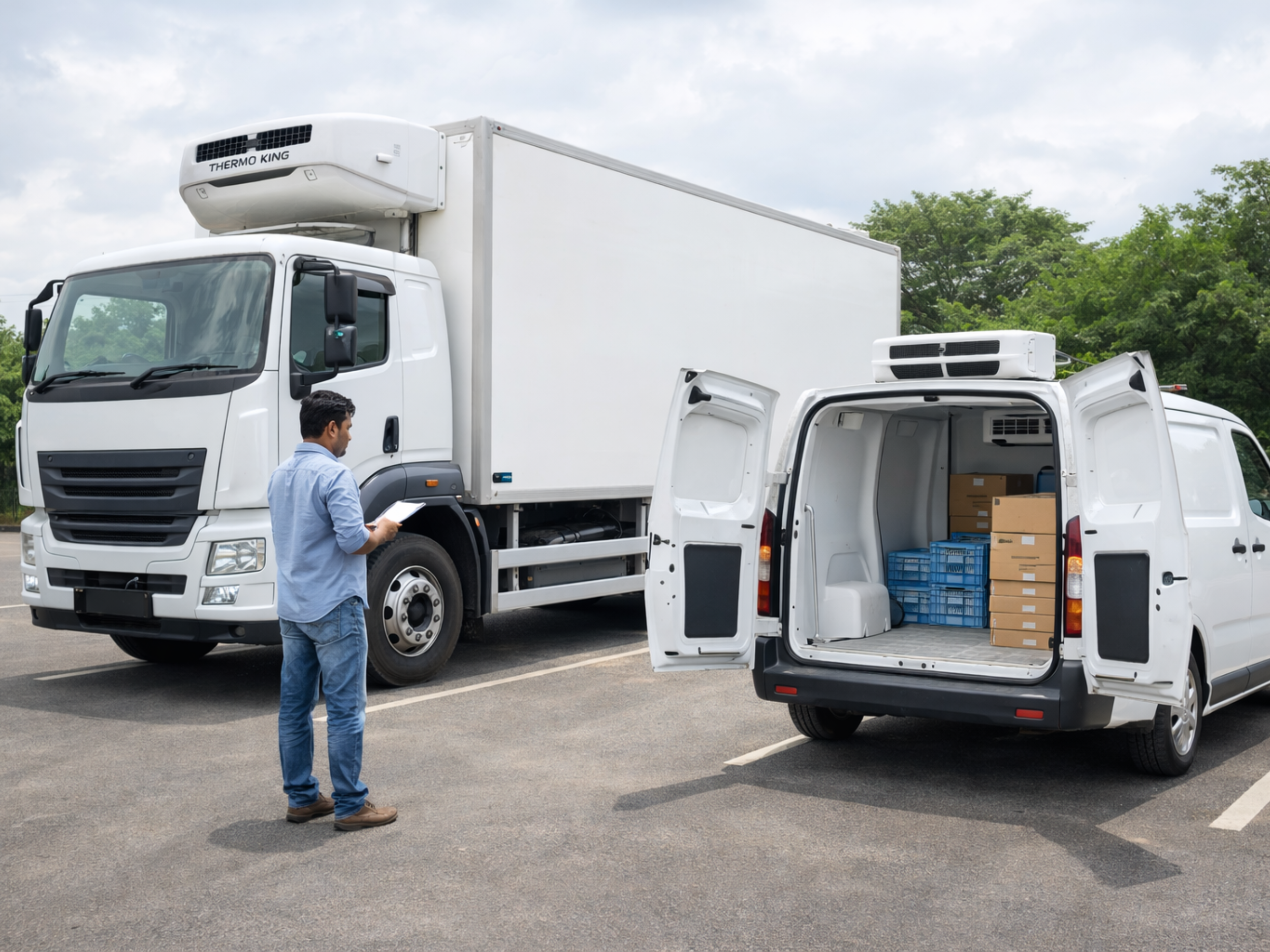
Urban and last-mile deliveries are a major part of cold chain operations in India. A small refrigerated truck or refrigerated truck/van may make dozens of stops in a single route, with repeated door openings that introduce warm air into the cargo area.
In such conditions, insulation must do more than retain cold air. It must enable fast temperature recovery without aggressive refrigeration cycles. Poor insulation causes sharp temperature fluctuations and fuel spikes, while high-performance insulation dampens these effects and maintains consistency.
Diverse Cargo Sensitivities and Compliance Needs
India's cold chain supports pharmaceuticals, vaccines, dairy, frozen foods, seafood, and fresh produce. Many of these require strict temperature control with narrow tolerance limits.
For a reefer refrigerated truck, insulation failures can result not only in higher fuel costs but also in cargo spoilage, regulatory non-compliance, and financial loss. In a market where margins are already tight, insulation quality directly impacts risk exposure.
Rising Fuel Costs and Energy Transition
Fuel price volatility is a persistent challenge for Indian fleet operators. As logistics companies explore alternatives such as the electric refrigerated truck, insulation becomes even more critical.
In electric systems, every inefficiency in insulation directly reduces driving range and delivery capacity. Superior insulation helps maximise battery utilisation, making electric cold transport more commercially viable in Indian conditions.
Long-Term Durability Under Harsh Use
Indian refrigerated vehicles often operate under heavy-duty conditions with minimal downtime. Insulation that degrades due to moisture absorption, panel gaps, or structural fatigue quickly loses effectiveness.
High-quality insulation systems designed for durability help maintain consistent performance over years of operation, reducing lifetime fuel consumption and lowering total cost of ownership for refrigerated container truck fleets.
Making the Right Insulation Choice for Refrigerated Trucks
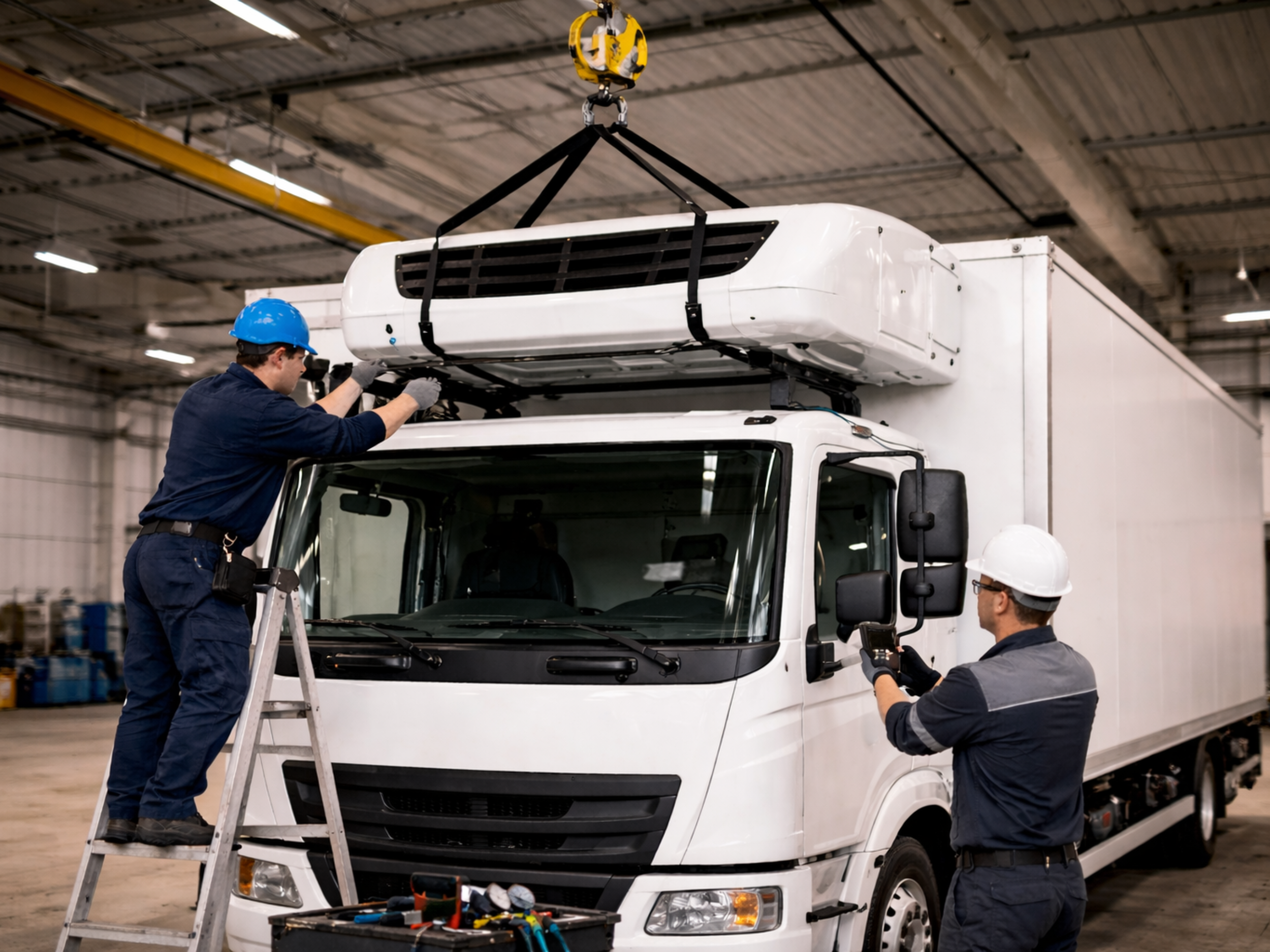
Choosing the right insulated refrigerated truck involves assessing insulation as a functional system rather than a structural add-on. Insulation quality directly affects how efficiently the refrigeration unit maintains set temperatures, how often the compressor cycles, and how much fuel or electrical energy is consumed over each trip. In long-haul applications such as a refrigerated container truck, effective insulation limits continuous heat ingress and stabilises cooling performance over extended durations.
For urban distribution using a small refrigerated truck or refrigerated truck/van, insulation must support rapid temperature recovery after frequent door openings without causing sharp fuel spikes. In the Indian operating environment, where high ambient temperatures and traffic delays are common, durable insulation becomes essential for maintaining temperature compliance, reducing operating costs, and extending the overall service life of the vehicle.
Conclusion
Insulation is one of the most influential yet underappreciated factors shaping the fuel efficiency of a refrigerated truck. By controlling heat ingress, insulation directly determines how hard the refrigeration system must work, how much fuel or energy is consumed, and how consistently cargo temperatures are maintained. Across long-haul operations, urban distribution, and emerging electric refrigerated truck deployments, high-quality insulation reduces operating costs while improving reliability and compliance.
In the Indian cold chain context, where high ambient temperatures, traffic delays, and rising fuel prices are constant challenges, insulation is not merely a construction detail but a strategic performance investment. Refrigerated transport solutions built with engineered insulation, such as those developed by Sub Zero Reefers, enable fleets to operate more efficiently, sustainably, and predictably over the full lifecycle of the vehicle.