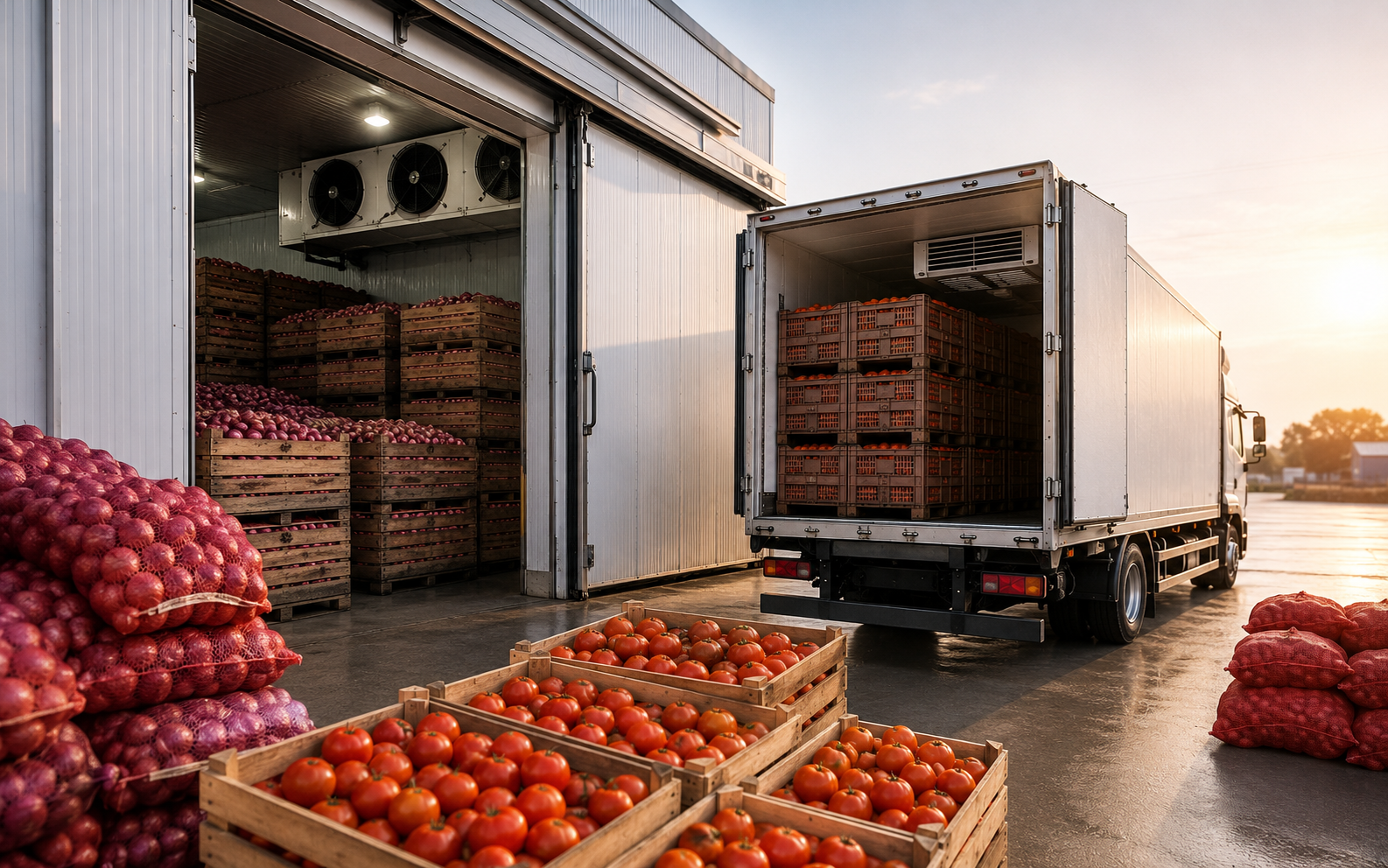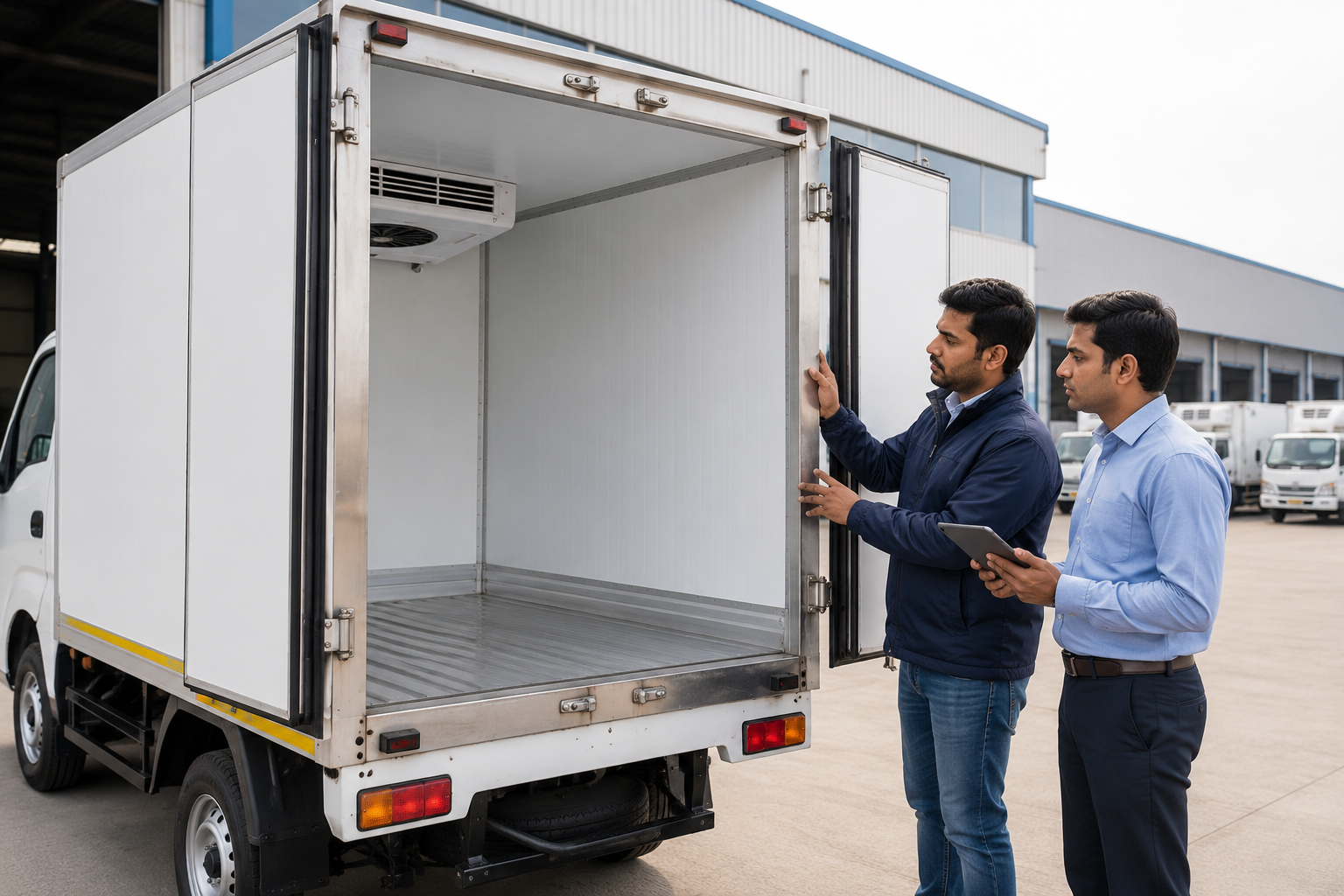
India wastes roughly ₹90,000 crore worth of food every year, according to the UNEP Food Waste Index Report 2024. Most of that loss does not happen in warehouses. It happens in transit, on vehicles that were either unrefrigerated or poorly insulated.
If you are looking to buy a reefer container, you are probably already asking the practical questions. What body material should I go with? GRP, PPGI, or MS corrugated? How thick does the insulation need to be for the cargo I am carrying? What size fits my vehicle and my load volumes? And does the spec I am looking at actually comply with FSSAI requirements, or will I be scrambling for documentation at a checkpoint?
Those are exactly the right questions. Most buyers evaluating a reefer container are looking at four things: the body material, because it directly affects weight, durability, and insulation performance; the insulation grade, because it determines whether the vehicle holds temperature in a 42°C Indian summer; the size, because it has to fit the chassis and the cargo; and the temperature range, because a body specced for chilled cargo will not serve you if you are running frozen.
Here is where it gets complicated. A quote for what looks like the same reefer container can vary by 40 to 60 percent between suppliers. That gap is not random. Some of it is a real engineering difference. But a lot of it is how the quote is framed, and that framing is where most buying decisions go wrong.
A supplier who bundles the refrigeration unit into the headline number looks cheaper than one who quotes the body alone, until you separate the components. A supplier quoting a steel body at a lower upfront cost looks better on paper than one quoting GRP, until you factor in the weight penalty on payload and what corrosion does to that body on Indian roads over five years. And the most common mistake: speccing for today's cargo instead of the vehicle's full lifecycle. A refrigerated truck body you buy today will likely still be in service seven to ten years from now. Getting the spec wrong at purchase is expensive, and it is usually not fixable.
This guide breaks down every cost variable so you can read a quote clearly, ask the right questions, and evaluate reefer container price against what you are actually getting.
What Does GRP Reefer Container Price in India Actually Include?
A GRP reefer container is made up of several components that work together to maintain a controlled temperature. As a result, its price cannot be determined by the size of the body or the refrigeration unit alone. The insulation specification, flooring, doors, refrigeration capacity, chassis and even monitoring technology can all change the final quotation.
This is also why two reefers with similar dimensions can have noticeably different prices. To understand whether a quotation represents good value, buyers need to look beyond the headline figure and understand what they are actually paying for.
Reefer Container Price Components
The major cost components include:
Insulated GRP Body
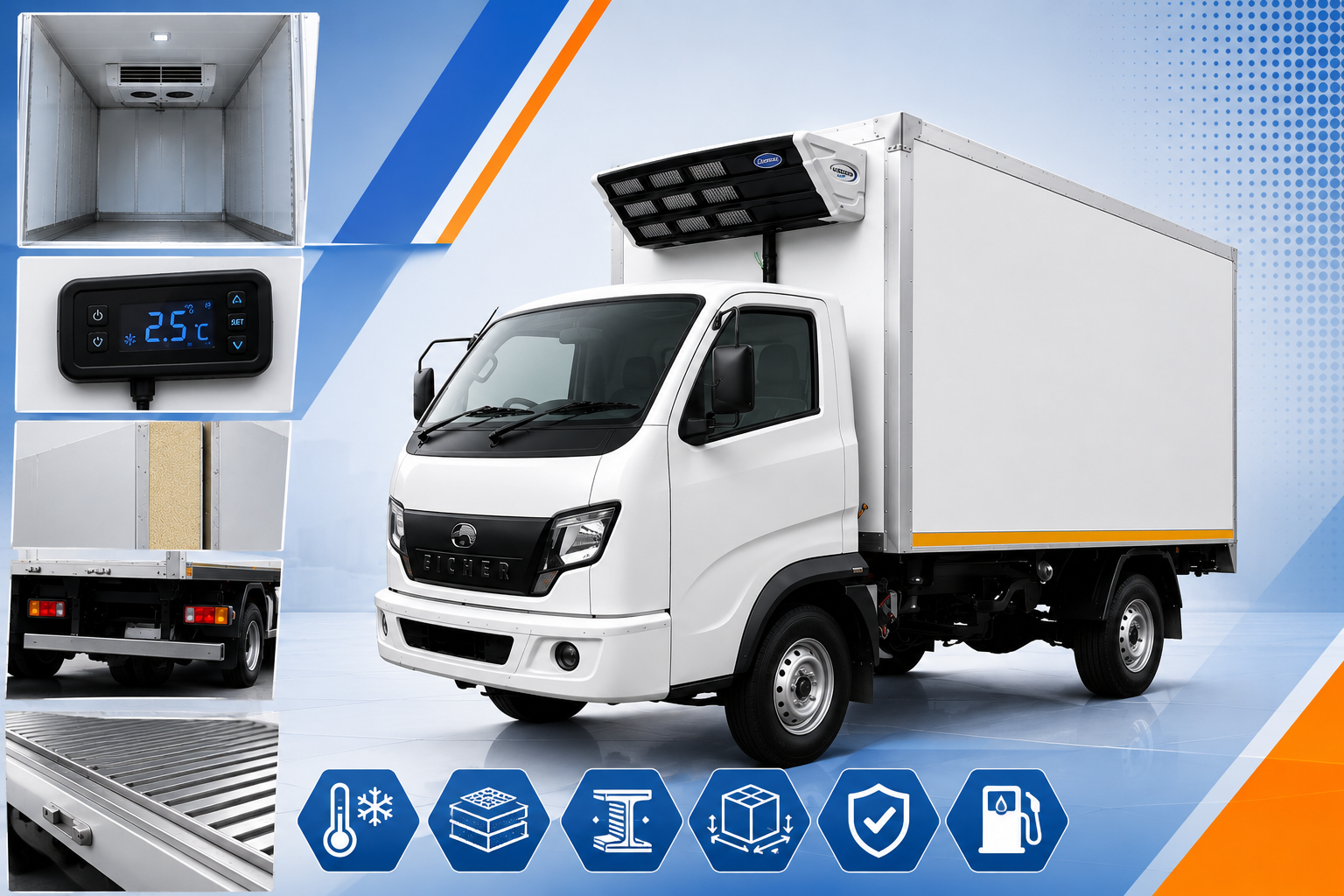
The insulated body forms the thermal enclosure of the reefer. It typically consists of GRP panels, an insulation core, structural reinforcement, internal lining and sealed joints. The price depends on the body dimensions, panel construction, insulation thickness and material quality. While GRP offers durability and corrosion resistance, not all GRP panels have the same specifications. Panel strength, bonding, surface finish and joint construction can all influence performance and cost.
The insulation is particularly important because it limits heat entering the cargo compartment. Better thermal performance can reduce the load on the refrigeration system and help maintain a more stable internal temperature. Once the body establishes the thermal barrier, the next major cost consideration is the equipment responsible for maintaining that temperature.
Refrigeration System
The refrigeration unit is one of the biggest contributors to the overall reefer cost. Its required capacity depends on the body size, target temperature, ambient conditions, cargo temperature, insulation and frequency of door openings.
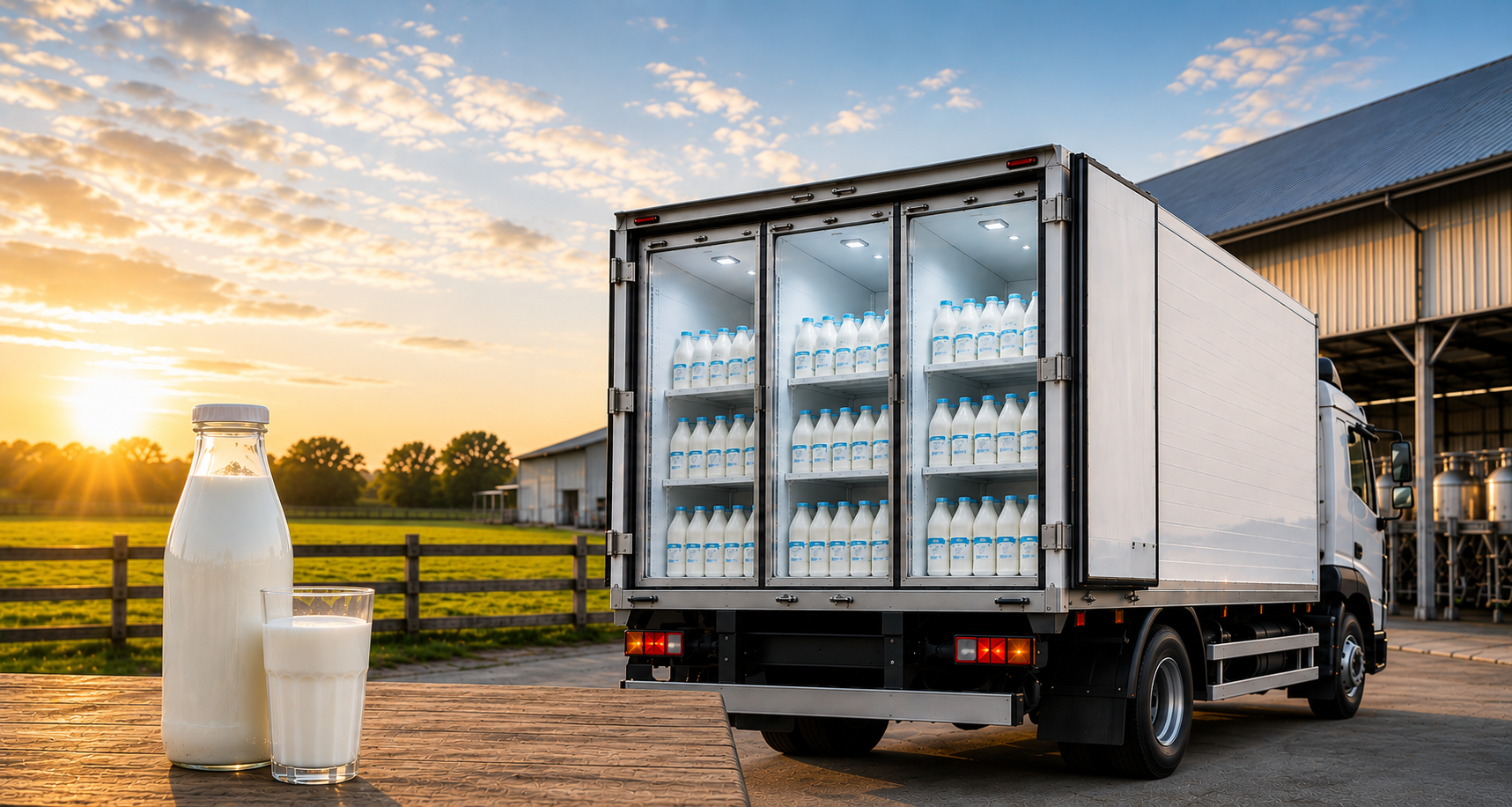
A vehicle carrying chilled dairy products may have very different requirements from one transporting frozen goods. Similarly, a city-delivery reefer truck with frequent door openings can experience a higher cooling load than a vehicle operating on a direct long-distance route.
The refrigeration unit must therefore be matched to the application. An undersized system can struggle to maintain temperature, while an unnecessarily large unit can increase capital and operating costs. But refrigeration performance also depends on how effectively cold air moves through the cargo compartment, which brings flooring into the cost equation.
Flooring
Reefer flooring needs to support cargo while withstanding repeated loading, moisture and cleaning. Its design can also influence how refrigerated air circulates inside the body.
Specialised aluminium flooring, for example, can create air channels that help distribute cold air beneath the cargo. Heavy-duty flooring may also be required for palletised or high-load applications.
The flooring specification can therefore affect both durability and thermal performance, making it an important part of the overall cold chain equipment cost. The next consideration is access. Every time the refrigerated compartment is opened, it becomes harder for the system to maintain its set temperature.
Doors and Access Configuration
Every door opening allows warmer ambient air to enter the refrigerated compartment, increasing the cooling load. The number, size and configuration of doors can therefore influence both the price and performance of the reefer. A long-haul vehicle may only require rear access, while a reefer van used for urban distribution may benefit from additional side doors for faster loading and delivery.
Door insulation and sealing are equally important. Poor seals can allow continuous heat infiltration, forcing the refrigeration system to work harder to maintain the required temperature. Beyond the refrigerated body itself, the chassis on which it is mounted also plays a role in determining the final vehicle cost.
Vehicle Integration
The refrigerated body must be matched to a suitable chassis. The chassis affects body dimensions, payload, gross vehicle weight and the overall vehicle configuration. This distinction matters when comparing reefer truck price, because a quotation may refer only to the refrigerated body or to the complete vehicle, including the chassis and installation.
Buyers should confirm whether the quoted price includes:
- GRP insulated body
- Refrigeration unit
- Body mounting
- Chassis
- Electrical integration
- Monitoring equipment
- Additional accessories
The final configuration must also provide sufficient payload after accounting for the weight of the insulated body and refrigeration equipment. For many modern applications, however, refrigeration is only one part of the system. Digital monitoring and custom technology can also add to the initial investment.
Additional Technology and Customisation
Modern cold chain management increasingly involves more than refrigeration. Depending on the application, a reefer may include GPS tracking, temperature sensors, data logging, door sensors and remote monitoring. These systems allow operators to monitor temperature conditions and identify issues such as temperature excursions or excessive door openings.
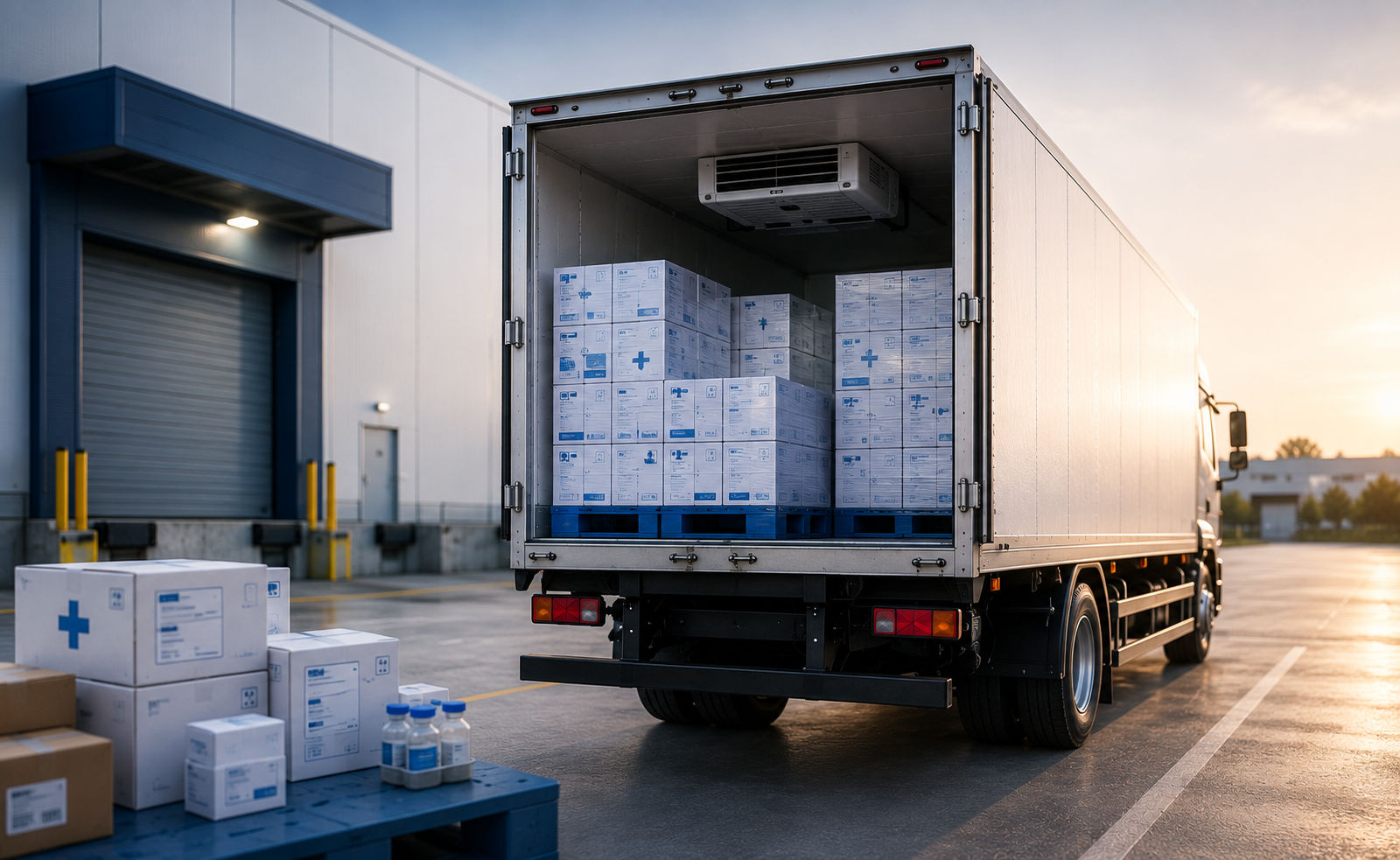
For pharmaceutical applications, particularly those involving a cold chain vaccine, monitoring and data logging can be especially important. For fleet operators, connected temperature controlled vehicles can also provide greater visibility across multiple routes.
Key Factors That Affect Reefer Container Price in India 2026
Once the basic components of a GRP reefer are understood, the next step is to look at what actually causes the price to move up or down. The difference is rarely driven by a single component. Body size, insulation, refrigeration capacity, flooring, operating temperature and vehicle configuration all influence the final specification.
For buyers, understanding these factors is useful because it helps separate a genuinely lower-cost configuration from one that simply offers fewer features or lower specifications.
Reefer Body Size and Cubic Capacity
The dimensions of the refrigerated body directly affect the amount of GRP, insulation and structural material required. A larger body also needs greater refrigeration capacity to manage its internal heat load.
A compact reefer van for urban deliveries will therefore have very different cost requirements from a larger reefer truck designed for long-distance transportation. Body size should ultimately be based on cargo volume, payload and route requirements rather than maximum available space.
Insulation Material and Thickness
Insulation determines how effectively the reefer prevents external heat from entering the cargo compartment. Its specification depends on the required temperature range, ambient conditions, body dimensions and application.
Thicker or higher-performance insulation can increase the initial cost, but it may also reduce the refrigeration load and energy consumption during operation. The objective is to select insulation that delivers the required thermal performance without adding unnecessary weight or cost.
GRP Panel Quality and Construction
GRP is not a single standardised specification. Panel thickness, reinforcement, resin system, bonding quality, surface finish and joint construction can vary between manufacturers and configurations.
These differences can affect durability, moisture resistance, maintenance and thermal performance. When comparing prices, buyers should therefore look at the complete panel specification rather than assuming that two bodies labelled as GRP reefers are equivalent.
Refrigeration Capacity and Technology
The refrigeration system must be selected according to the actual cooling load rather than body size alone. Ambient temperature, cargo temperature at loading, insulation, door openings and the desired setpoint all influence the required capacity.
An undersized unit may struggle to maintain temperature under demanding conditions, while an oversized system can increase upfront and operating costs. The right refrigeration system should be matched to the cargo, route and operating conditions.
Temperature Range
The required operating temperature can significantly change the reefer specification. Chilled dairy and fresh produce may require positive-temperature control, while frozen foods need substantially lower operating temperatures.
Pharmaceutical transportation can have even tighter requirements around temperature stability and monitoring. A cold chain vaccine application, for example, may require additional sensors, alarms and data logging, increasing the overall vehicle cost.
Flooring and Airflow Design
Reefer flooring has to withstand the physical demands of loading while also supporting effective air circulation. Heavy-duty flooring may be necessary for palletised cargo, while specialised aluminium flooring can provide channels for refrigerated air movement.
The right flooring therefore contributes to both durability and temperature uniformity. This makes it an important consideration when evaluating the overall cost of cold chain equipment.
Door Configuration and Thermal Leakage
The number and placement of doors can affect both the price and cooling requirements of a refrigerated body. Additional access points can make loading and unloading more efficient but also increase the potential for heat infiltration.
Door insulation and sealing are particularly important for vehicles making frequent deliveries. A well-designed door system helps minimise unnecessary heat gain and reduces the additional workload placed on the refrigeration unit.
Single-Temperature vs Multi-Temperature Configuration
A single-temperature reefer is generally simpler and less expensive because the entire cargo compartment operates at one setpoint. Multi-temperature systems use partitions and specialised refrigeration and airflow arrangements to maintain different zones.
The additional equipment increases the initial investment, but it can be worthwhile for businesses transporting products with different temperature requirements. It can also improve vehicle utilisation by allowing multiple types of cargo to travel in the same vehicle.
Chassis and Payload
The chassis determines how large a refrigerated body can be mounted and how much cargo the vehicle can legally and practically carry. A heavier body or larger refrigeration system can also reduce the available payload.
This makes chassis selection an important part of the overall temperature controlled vehicles equation. The goal is to balance body size, refrigeration equipment, payload and vehicle operating requirements without overloading the platform.
Monitoring, Telematics and Digital Systems
Modern cold chain management increasingly relies on real-time visibility rather than relying only on the refrigeration unit's display. Temperature sensors, GPS tracking, data logging, door sensors and remote alerts can provide a continuous view of vehicle and cargo conditions.
These systems add to the initial cost but can help identify temperature excursions, unauthorised door openings and equipment issues. For businesses operating larger fleets, they can also provide valuable data for improving cold chain logistics.
Also Read: How GRP Panels Boost Durability in Refrigerated Trucks
Why Two GRP Reefer Container With the Same Dimensions Can Have Different Prices
Two GRP reefers can have identical external dimensions and still carry very different price tags because dimensions are only one part of the specification. Consider two hypothetical reefers built for the same vehicle platform and with the same body length and width.
Reefer A uses standard insulation, basic flooring and a conventional single-temperature refrigeration system. It is designed for straightforward chilled transportation where the cargo is already at the required temperature before loading. It does not include remote monitoring, advanced airflow management or multiple temperature zones. This keeps the initial investment lower and can be suitable for less demanding cold chain logistics applications.
Reefer B, on the other hand, uses higher-performance insulation to reduce heat transfer, specialised airflow flooring for more consistent cold-air circulation and a higher-capacity refrigeration system designed to handle greater cooling loads. It may also have a multi-temperature configuration, allowing different cargo zones to operate at different setpoints, along with GPS and real-time temperature monitoring. These additions increase the upfront price but provide greater control, visibility and flexibility for demanding cold chain management applications.
The key takeaway is that reefer price is determined by specification, not dimensions alone. A lower-priced reefer may be perfectly suitable for one application but inadequate for another. Buyers should therefore compare insulation, refrigeration capacity, flooring, temperature range, monitoring and intended use before deciding which quotation offers better value.
Also Read: How Cold Storage Manufacturers Use PPGI and GRP for Maximum Efficiency
Conclusion
The price of a GRP reefer container in 2026 is shaped by far more than its size or the material used for its outer body. Insulation, refrigeration capacity, flooring, door configuration, temperature range, chassis, payload and monitoring technology all influence the final cost. More importantly, these specifications determine how reliably the vehicle can protect temperature-sensitive cargo throughout its journey.
For businesses investing in cold chain equipment or expanding their cold chain logistics operations, the lowest upfront quotation should not be the only consideration. A reefer with better thermal performance, suitable refrigeration capacity and the right monitoring systems may have a higher initial cost but deliver better efficiency, reliability and cargo protection over its operating life.
The right approach is to start with the application, understand the required temperature conditions and then build the reefer specification around those needs. Whether it is a reefer truck, reefer van, or specialised pharmaceutical vehicle, the objective should be to choose a refrigerated system that delivers consistent temperature control without paying for specifications the operation does not need.
For businesses evaluating their next refrigerated vehicle, Sub Zero Reefers offers configurations designed around different cargo, vehicle and operating requirements. Explore the range and specifications at Sub Zero Reefers to understand what may fit your application.
Frequently Asked Questions
1. What is the GRP reefer container price in India in 2026?
GRP reefer container price in India depends on the body size, insulation specification, refrigeration unit, flooring and overall configuration. Indicative ranges vary significantly — entry-level configurations for small vans differ substantially from long-haul truck bodies with multi-temperature zones. A customised quotation based on your chassis, cargo type and temperature requirement is needed for an accurate 2026 price.
2. What factors affect the cost of a GRP reefer van?
Key factors that affect GRP reefer van cost include body dimensions, GRP panel specification and construction quality, insulation thickness and material grade, refrigeration unit capacity and technology, flooring type, door configuration and sealing, operating temperature range, chassis selection and any monitoring or telematics systems fitted to the vehicle.
3. Is a GRP reefer box more expensive than MS corrugated?
GRP reefer boxes typically carry a higher upfront cost than MS corrugated or PPGI bodies. However, GRP offers significant advantages in corrosion resistance, insulation performance and weight that reduce operating costs over the vehicle's lifecycle. For most refrigerated transport applications on Indian roads, GRP's durability makes it the more cost-effective choice over five to ten years.
4. How much does insulation thickness affect GRP reefer price?
Thicker or higher-performance insulation generally increases the initial price of a GRP reefer. However, better insulation reduces heat transfer into the cargo compartment, which lowers the load on the refrigeration system and can reduce fuel and energy consumption during operation. The right insulation specification should be matched to the required temperature range, ambient conditions and intended route.
5. What is the price difference between domestic and imported refrigeration units?
Imported refrigeration units generally cost more than domestically sourced units due to import duties, logistics costs and brand premiums. The actual price difference depends on the unit's cooling capacity, technology level and specifications. The refrigeration unit should be matched to the actual cooling load of the application rather than selected on price alone, as an undersized unit can fail to maintain the required temperature under demanding Indian conditions.
6. What is the total price of a GRP reefer fitted on Tata 407?
The total GRP reefer price for a Tata 407 depends on the insulated body dimensions, insulation specification, refrigeration unit capacity, flooring and additional features such as monitoring or multi-temperature configuration. The Tata 407 platform typically requires a smaller body and lower-capacity refrigeration system compared to larger platforms such as the Eicher 10.90 or Tata 709. The chassis and complete vehicle configuration should be confirmed when comparing total reefer truck prices.
7. How does GRP reefer container price compare to PPGI or MS corrugated?
GRP reefer containers typically have a higher upfront price than PPGI or MS corrugated bodies. The difference reflects GRP's superior corrosion resistance, lighter weight, better insulation compatibility and longer operational life on Indian roads. MS corrugated bodies may appear cheaper at purchase but are more susceptible to rust and damage over time, which can increase maintenance costs and reduce payload efficiency. For most refrigerated transport applications in India, GRP delivers better total cost of ownership over the vehicle's operating life.