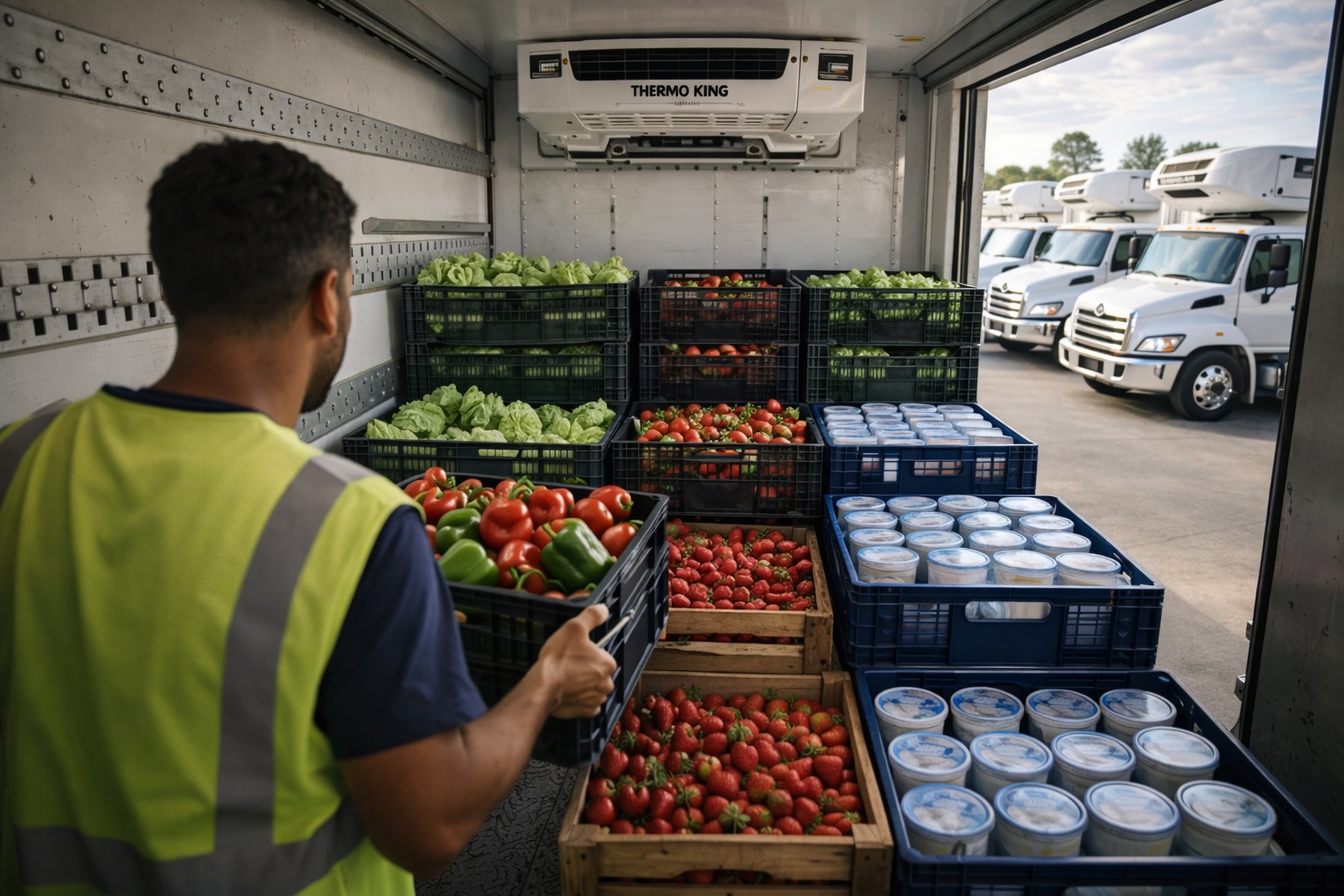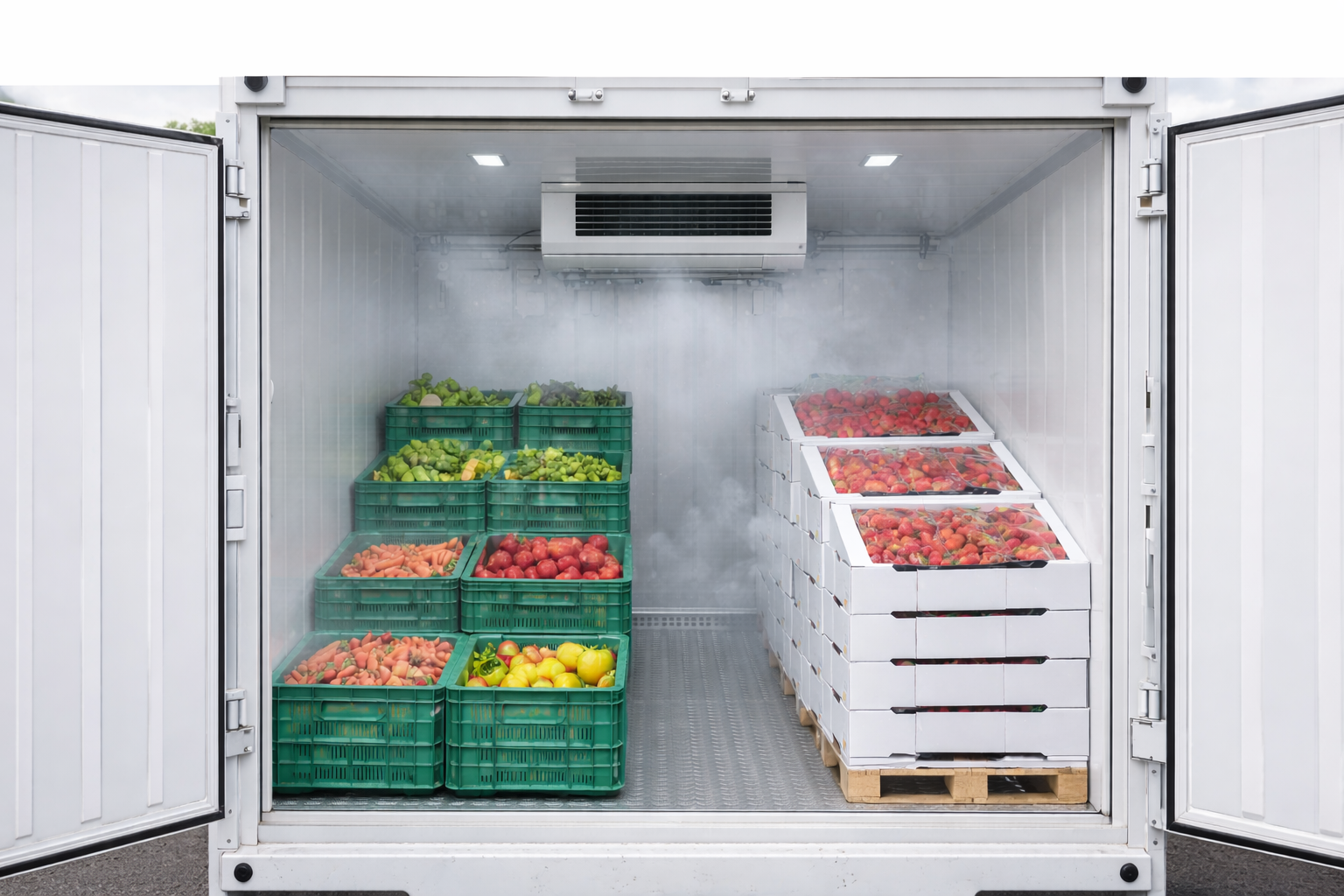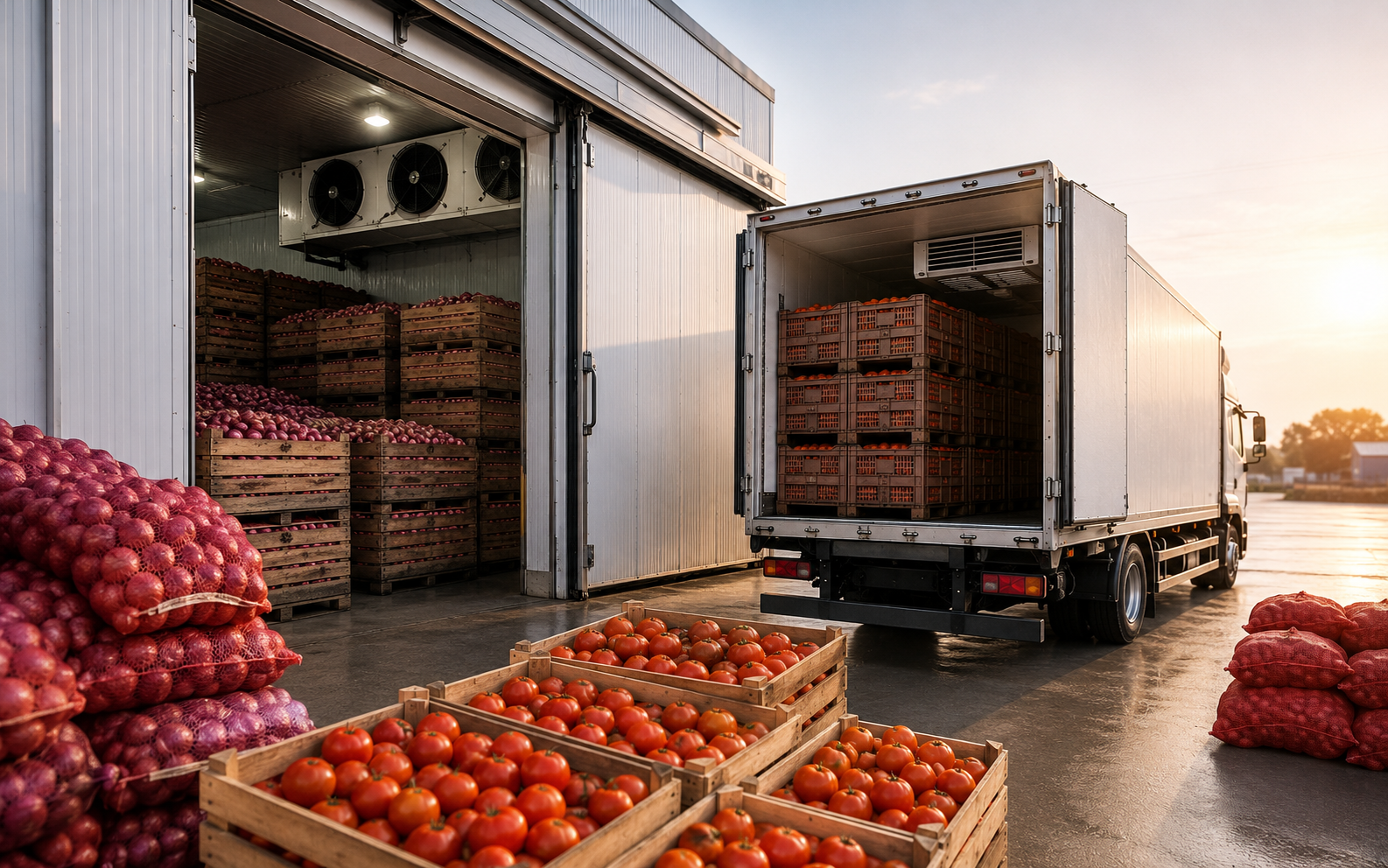
India is among the world's largest producers of onions and tomatoes, supplying millions of tonnes every year to domestic markets as well as export destinations. These two vegetables are staples in almost every Indian household and form a critical part of the country's agricultural economy. However, despite high production volumes, maintaining consistent availability and quality remains a persistent challenge.
Unlike grains, onions and tomatoes are highly susceptible to post-harvest losses. Tomatoes have a short shelf life and can deteriorate rapidly if exposed to high temperatures or rough handling during transportation. Onions, while comparatively more durable, are vulnerable to moisture, sprouting, fungal growth, and improper ventilation during storage. Seasonal harvests often create periods of oversupply, leading to price crashes at the farm gate, only to be followed by shortages and sharp price spikes a few months later. Much of this volatility can be traced back to inadequate storage and inefficient transportation infrastructure.
India's agricultural supply chains are becoming more organised. As consumer demand for fresh produce grows, investments in temperature-controlled infrastructure are now essential. Modern cold chain logistics help bridge the gap between farms and markets by preserving product quality throughout storage and transportation. From farmers and aggregators to wholesalers, retailers, food processors, and exporters, every stakeholder benefits when produce remains fresh for longer and reaches its destination with minimal losses.
For entrepreneurs and businesses exploring opportunities in the cold storage business, understanding both infrastructure investment and transportation costs is essential. Setting up a cold storage facility involves far more than building an insulated warehouse. Refrigeration technology, energy consumption, storage capacity, location, and daily operating expenses all shape the overall cold storage business cost and long-term profitability. Similarly, choosing the right transportation solution, whether for local distribution or interstate movement, plays a crucial role in maintaining product quality and reducing spoilage.
This article explores the investment required for onion cold storage and tomato cold storage, the factors influencing cold storage construction cost, and the role of reefer truck and refrigerated truck solutions in building an efficient cold chain for fresh vegetables. By understanding these elements, businesses can make informed investment decisions while creating a more reliable and profitable supply chain.
Onion Cold Storage in India: Why Proper Storage Reduces Post-Harvest Losses
Onions may appear to be one of the hardiest vegetables in the supply chain, but they are highly susceptible to quality deterioration when stored under unsuitable conditions. Every year, India loses substantial quantities of onions due to poor storage infrastructure, inadequate ventilation, and inefficient transportation. These losses not only reduce farmers' incomes but also contribute to supply shortages and price volatility in the market.
Unlike highly perishable vegetables that require continuous refrigeration, onion cold storage is centred around creating the right storage environment rather than simply maintaining low temperatures. Proper ventilation, humidity control, and airflow are essential to prevent moisture accumulation, sprouting, and fungal growth. Depending on the onion variety and intended storage duration, facilities may use either scientifically designed ventilated storage structures or refrigerated storage maintained at approximately 0°C to 2°C.
A well-designed onion cold storage facility should focus on:
- Adequate ventilation to remove excess heat and moisture
- Controlled humidity to minimise fungal growth
- Uniform air circulation throughout the storage area
- Proper temperature management based on storage duration
- Moisture control to preserve bulb quality
- Hygienic handling and stacking practices to reduce physical damage
When these conditions are not maintained, businesses often experience:
- Sprouting during storage
- Rotting caused by excess moisture
- Weight loss due to dehydration
- Fungal infections that spread rapidly through stored produce
- Decline in market value because of poor appearance and reduced shelf life
Investing in modern storage infrastructure offers benefits beyond simply reducing spoilage. It enables businesses to:
- Extend the shelf life of harvested onions
- Reduce post-harvest losses and improve inventory utilisation
- Maintain consistent quality throughout the storage period
- Stabilise market supply during off-season demand
- Improve profitability by reducing waste
- Support interstate distribution through reliable cold chain logistics
Ultimately, the effectiveness of an onion cold storage facility depends on its overall design rather than refrigeration alone. When efficient storage is paired with dependable transportation using a reefer truck or refrigerated truck, businesses can maintain product quality from the farm to wholesale markets, retailers, and end consumers.
Cold Storage Business Cost: Key Factors That Determine Your Total Investment
Setting up a cold storage business is a long-term infrastructure investment that goes well beyond installing refrigeration equipment. The total cold storage business cost depends on the scale of operations, the type of commodities being stored, the desired storage temperature, and the level of automation built into the facility. A warehouse designed for fresh vegetables like onions and tomatoes has different technical requirements from one intended for frozen foods or pharmaceuticals, which directly influences both capital expenditure and operating costs.
For investors, understanding where the money goes is just as important as estimating the overall budget. Every component, from land acquisition to refrigeration systems, plays a role in determining construction costs, operating efficiency, and long-term returns. While the exact investment varies from project to project, the following factors account for the largest share of the overall cost.
1. Land Acquisition and Location: The First Cold Storage Business Cost Factor
The first and often one of the largest investments is the land itself. Land prices vary significantly depending on the region, connectivity, and proximity to agricultural belts or major distribution hubs. While land in remote areas may be less expensive, choosing a strategic location can reduce transportation costs and improve supply chain efficiency over the long run.
Businesses typically prefer locations that offer:
- Easy access to farms and collection centres
- Good highway connectivity for faster distribution
- Reliable electricity and water supply
- Sufficient space for future expansion
- Proximity to wholesale markets, food processing units, or logistics hubs
Selecting the right location not only influences the initial investment but also impacts the operational efficiency and profitability of the cold storage business.
2. Civil Construction: A Major Component of Cold Storage Construction Cost
The structural design of the warehouse represents a significant portion of the overall investment. Unlike conventional warehouses, cold storage facilities require specialised construction that can withstand continuous temperature-controlled operations while preventing heat transfer from the outside environment.
Construction costs generally include:
- Foundation and structural framework
- Insulated walls and roofing
- Vapour barriers and moisture protection
- Heavy-duty insulated flooring
- Loading docks and dock shelters
- Drainage and ventilation systems
High-quality construction improves thermal efficiency, lowers energy consumption, and extends the lifespan of the facility, making it an essential factor when estimating the overall cold storage construction cost.
3. Refrigeration Equipment: The Largest Cold Storage Construction Cost Item
The refrigeration system is the core of every cold storage facility and typically represents one of the largest capital expenses. The choice of refrigeration equipment depends on the storage temperature, warehouse size, and the type of products being stored.
A complete refrigeration system generally consists of:
- Compressors
- Condensers
- Evaporators
- Expansion valves
- Refrigerant piping
- Temperature control systems
Choosing energy-efficient refrigeration equipment may involve a higher upfront investment, but it can significantly reduce electricity consumption and maintenance costs throughout the facility's operational life.
4. Insulation Panels: How PUF Quality Affects Cold Storage Construction Cost
Efficient insulation is critical for maintaining stable internal temperatures while reducing the workload on refrigeration equipment. Poor insulation leads to greater heat infiltration, causing compressors to operate more frequently and increasing electricity costs.
Modern cold storage facilities typically use high-density polyurethane (PUF) insulated sandwich panels because they offer:
- Excellent thermal insulation
- Lower energy consumption
- Improved structural strength
- Better moisture resistance
- Longer service life
Although premium insulation materials increase the initial project cost, they deliver substantial savings in energy consumption over the lifetime of the facility.
5. Electrical Infrastructure and Backup Systems
Cold storage facilities operate continuously, making a reliable electrical infrastructure indispensable. Even brief power interruptions can compromise stored produce, making backup systems a critical investment rather than an optional expense.
Electrical infrastructure typically includes:
- Transformers and distribution panels
- Power control systems
- Backup diesel generators
- UPS systems for monitoring equipment
- Internal wiring and safety systems
- Lighting and emergency power arrangements
A robust electrical setup ensures uninterrupted refrigeration and protects valuable inventory from temperature fluctuations during power outages.
6. Automation and Monitoring: Ongoing Cold Storage Business Operating Costs
Beyond construction and equipment, businesses must account for recurring operational expenses that determine long-term profitability. Modern cold storage facilities increasingly rely on automation to improve operational accuracy, minimise manual intervention, and ensure consistent storage conditions.
Operational costs generally include:
- Electricity consumption
- Labour and staffing
- Preventive maintenance
- Refrigeration servicing
- Insurance
- Temperature and humidity monitoring systems
- Warehouse management software
- Compliance and regulatory inspections
While automation and digital monitoring increase the initial investment, they help reduce human error, optimize energy usage, and provide real-time visibility into warehouse operations.
Cold Storage Construction Cost Factors That Affect Pricing
After understanding the overall cold storage business cost, the next step is evaluating the cold storage construction cost. Building a cold storage facility involves far more than constructing a warehouse. It requires specialised engineering, insulated building materials, refrigeration systems, and utility infrastructure that can support uninterrupted temperature-controlled operations. The final construction cost depends on the intended storage application, capacity, and the level of technology integrated into the facility.
For anyone planning to invest in a cold storage business, understanding these cost drivers is essential for estimating capital expenditure and ensuring long-term operational efficiency.
How Storage Capacity Drives Cold Storage Construction Cost
The size of the facility has the biggest influence on cold storage construction cost. A 500 MT warehouse requires considerably less construction material, refrigeration capacity, and electrical infrastructure than a 5,000 MT facility. Although larger facilities involve higher upfront investment, they often reduce storage costs per tonne and improve the overall profitability of a cold storage business.
How Temperature Requirements Affect Cold Storage Construction Cost
Different commodities require different storage conditions, and this directly affects construction costs. Facilities built for onion cold storage or tomato cold storage generally require moderate temperature control compared to frozen food warehouses, which need more powerful refrigeration systems, thicker insulation, and higher energy consumption.
How Insulation Quality Influences Cold Storage Construction Cost
High-performance insulation is one of the most important components of any cold storage facility. Premium polyurethane insulated panels minimise heat transfer, improve thermal efficiency, and reduce electricity consumption. While better insulation increases the initial cold storage construction cost, it lowers operating expenses throughout the life of the facility.
Automation and Monitoring Systems: A Modern Cold Storage Business Cost
Modern cold storage facilities increasingly incorporate digital technologies such as remote temperature monitoring, humidity sensors, automated alerts, and warehouse management software. These systems improve inventory management, reduce manual intervention, and help maintain product quality, making them valuable investments for businesses relying on efficient cold chain logistics.
Ultimately, every project has different technical requirements, which is why there is no fixed cold storage construction cost. A well-designed facility that balances quality construction, energy-efficient systems, and strategic location can deliver stronger long-term returns while supporting a reliable cold chain logistics network.
Why Reefer Truck Transport Is Critical to Cold Chain Logistics for Vegetables
The efficiency of any agricultural supply chain depends not only on how produce is stored but also on how it is transported. Onions and tomatoes may leave the warehouse in excellent condition, but poor transportation practices can quickly compromise their quality before they reach wholesalers, retailers, or consumers. Factors such as long transit times, exposure to fluctuating temperatures, rough handling, and unsuitable vehicles contribute to spoilage, weight loss, and reduced market value. This is why transportation should be viewed as an integral part of cold chain logistics, rather than simply a distribution expense.
The overall cost of vegetables transport varies depending on several operational and logistical factors, including:
- Distance and delivery route: Longer transport routes increase fuel consumption, toll charges, driver costs, and vehicle maintenance expenses. Efficient route planning can help reduce transit time while improving delivery efficiency.
- Type of transport vehicle: The choice of vehicle has a direct impact on product quality. While onions are often transported in conventional trucks for shorter distances, highly perishable vegetables such as tomatoes benefit from a reefer truck or refrigerated truck, which maintains consistent temperatures throughout the journey and reduces spoilage.
- Seasonal demand: Freight rates fluctuate throughout the year. Peak harvest periods, festival seasons, and rising fuel prices all push transportation costs higher. For businesses managing large volumes, advance logistics planning is essential.
- Loading and handling practices: Improper stacking, overloading, or poor packaging can lead to bruising, crushing, and restricted airflow inside the vehicle. Using ventilated crates, proper palletisation, and scientific loading methods helps protect produce and minimise losses during transit.
- Delivery frequency and shipment size: Businesses transporting smaller loads more frequently may incur higher logistics costs than those optimising full-load shipments. Consolidating deliveries where possible can improve vehicle utilisation and reduce the overall cost of transportation.
An efficient transportation strategy ensures that the investment made in onion cold storage or tomato cold storage is not lost once the produce leaves the warehouse. By combining well-planned cold chain logistics with the right reefer truck or refrigerated truck, businesses can preserve freshness, reduce post-harvest losses, and deliver higher-quality produce to the market while improving long-term profitability.
Conclusion
The future of India's fresh produce supply chain depends on more than increasing agricultural output. Reducing post-harvest losses, improving product quality, and ensuring consistent availability require equal attention to storage infrastructure and transportation. Whether you're evaluating an investment in onion cold storage, estimating cold storage construction cost, or strengthening cold chain logistics, every decision contributes to the efficiency and profitability of the entire supply chain.
As demand for fresh vegetables continues to grow across retail, food processing, exports, and quick commerce, businesses that invest in well-planned storage facilities and reliable refrigerated transportation will be better equipped to meet market expectations while minimising waste.
At Sub Zero Reefers, we believe that an efficient cold chain starts with dependable transport infrastructure. By engineering insulated reefer truck and refrigerated truck bodies designed for Indian operating conditions, we support businesses in maintaining product quality from storage to the final delivery point, helping strengthen a more resilient and efficient cold chain ecosystem.
Frequently Asked Questions
1. What is the cost of cold storage for onion in India?
The cost of setting up an onion cold storage facility depends on factors such as storage capacity, location, insulation quality, refrigeration systems, and automation. Small facilities require a lower investment, while large commercial projects involve significantly higher capital expenditure. Cold storage construction cost typically ranges based on per-tonne capacity requirements.
2. What temperature is required for onion storage?
For long-term refrigerated storage, onions are generally stored between 0°C and 2°C with proper ventilation and humidity control. However, storage conditions may vary depending on the onion variety and the intended storage duration.
3. How much does a tomato cold storage cost to set up?
The cold storage construction cost for a tomato cold storage facility varies based on its capacity, construction materials, refrigeration equipment, and level of automation. Businesses should also account for recurring operating costs such as electricity, maintenance, and labour.
4. What is the correct temperature to transport tomatoes?
Tomatoes are typically transported at temperatures between 10°C and 13°C, depending on their stage of ripeness. Maintaining a consistent temperature in a reefer truck helps preserve freshness and reduce spoilage during transit.
5. Are government subsidies available for vegetable cold storage?
Yes. The Government of India and several state governments offer financial assistance and subsidy schemes for cold storage projects through agencies such as the National Horticulture Board (NHB), Mission for Integrated Development of Horticulture (MIDH), and other agricultural infrastructure initiatives. Eligibility and benefits vary by scheme and location.
6. What reefer truck is best for transporting onion and tomato together?
A well-insulated reefer truck with an efficient refrigeration unit is ideal for transporting onions and tomatoes together, provided the temperature and loading conditions are suitable for both commodities. Choosing the right insulated truck body also helps maintain consistent temperatures and minimise product damage during transit.