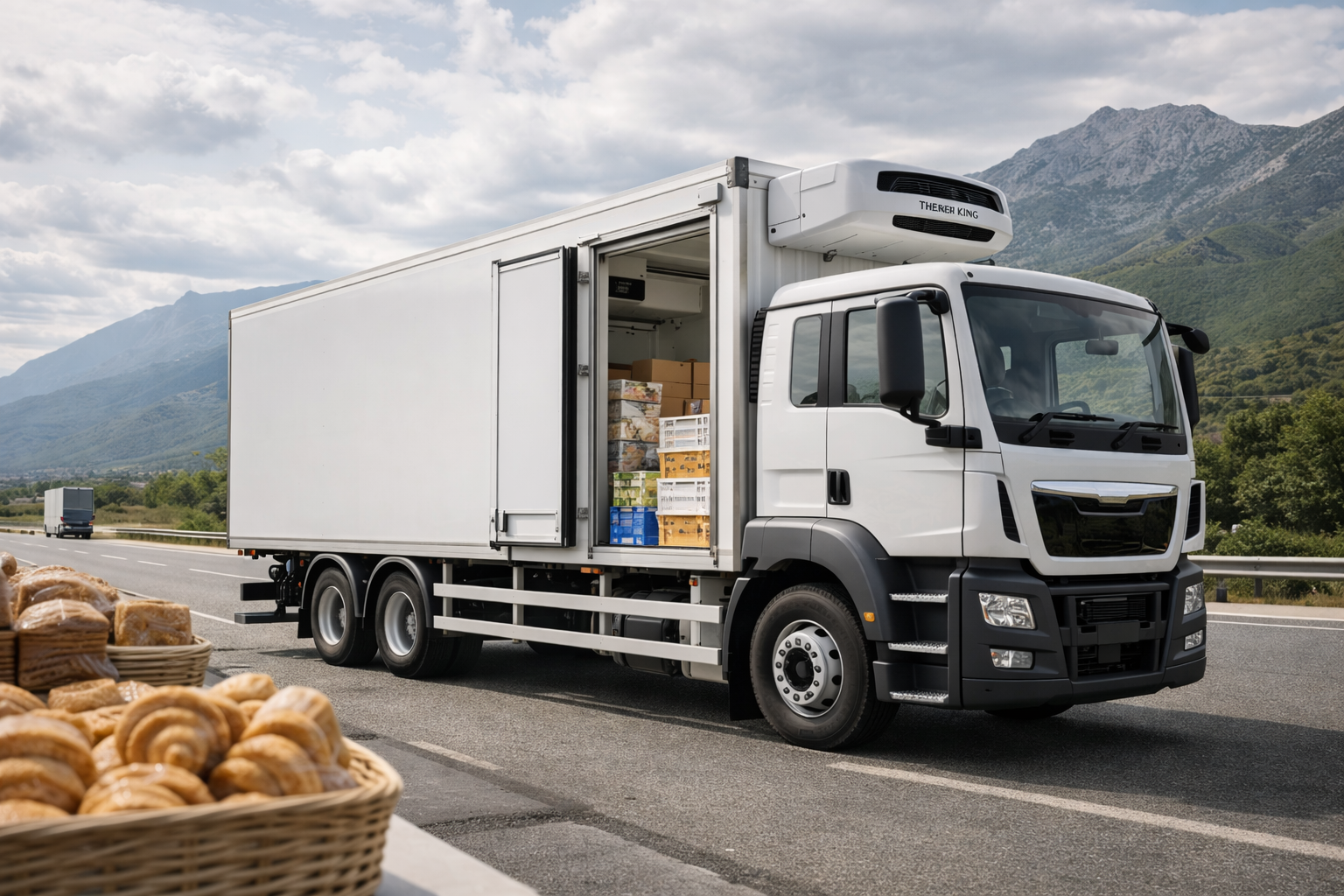
The Engineering Gap Between Short-Haul and Long-Distance Refrigerated Transport
Short-haul cold transport operates within controlled limits. Long-distance refrigerated logistics does not offer that luxury.
When a refrigerated vehicle travels across cities or states, it is exposed to a constantly changing operating environment.
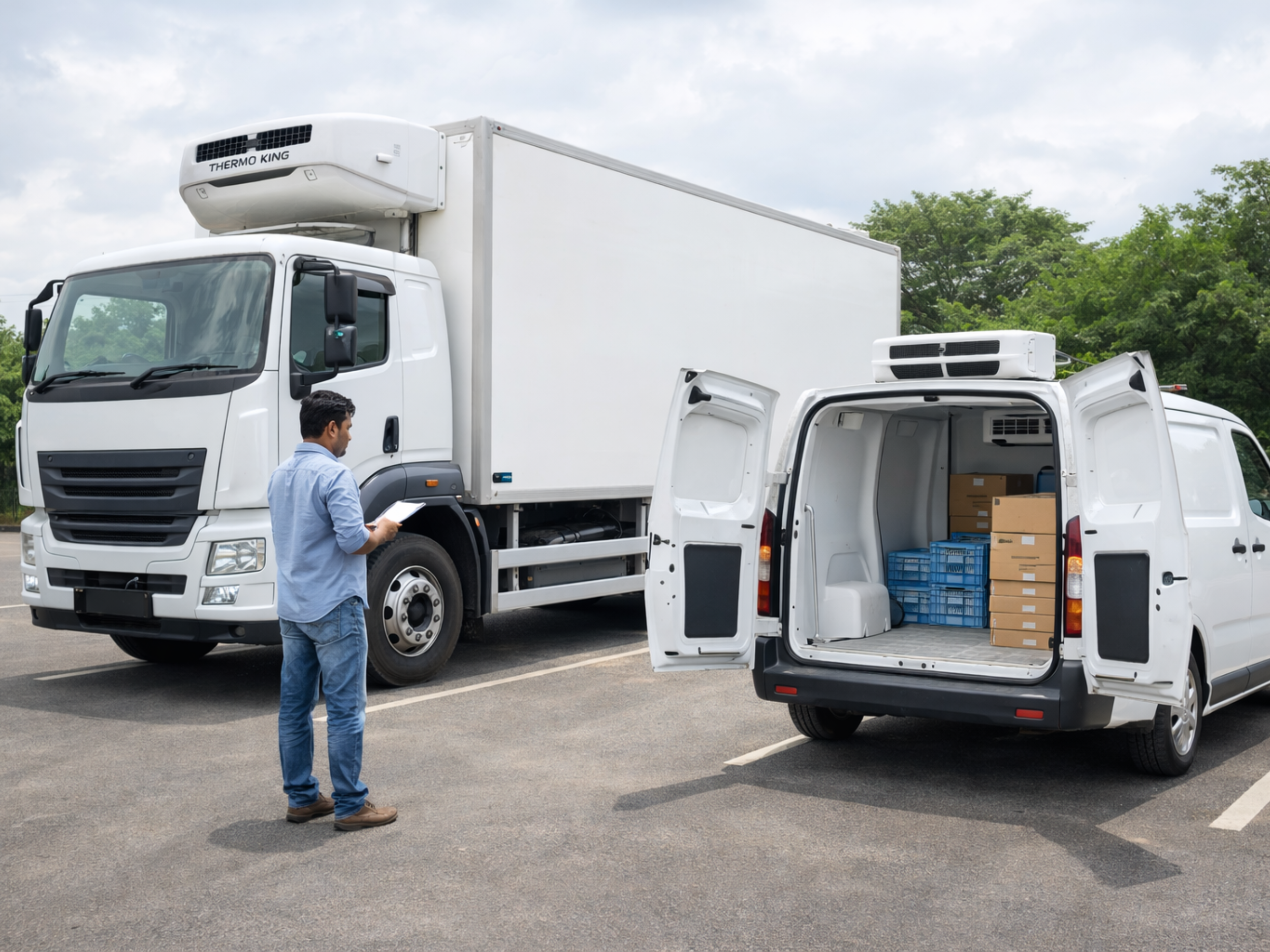
A refrigerated box truck designed for city distribution may maintain acceptable temperatures during brief delivery windows, but deployed over long distances, limitations surface.
The challenge is even more pronounced in a refrigerated container truck, where larger cargo volumes demand uniform airflow from front to rear.
These challenges highlight: long-distance cold transport is a fundamentally different operational requirement.
Product-Specific Requirements Matter More Than Most Businesses Realise
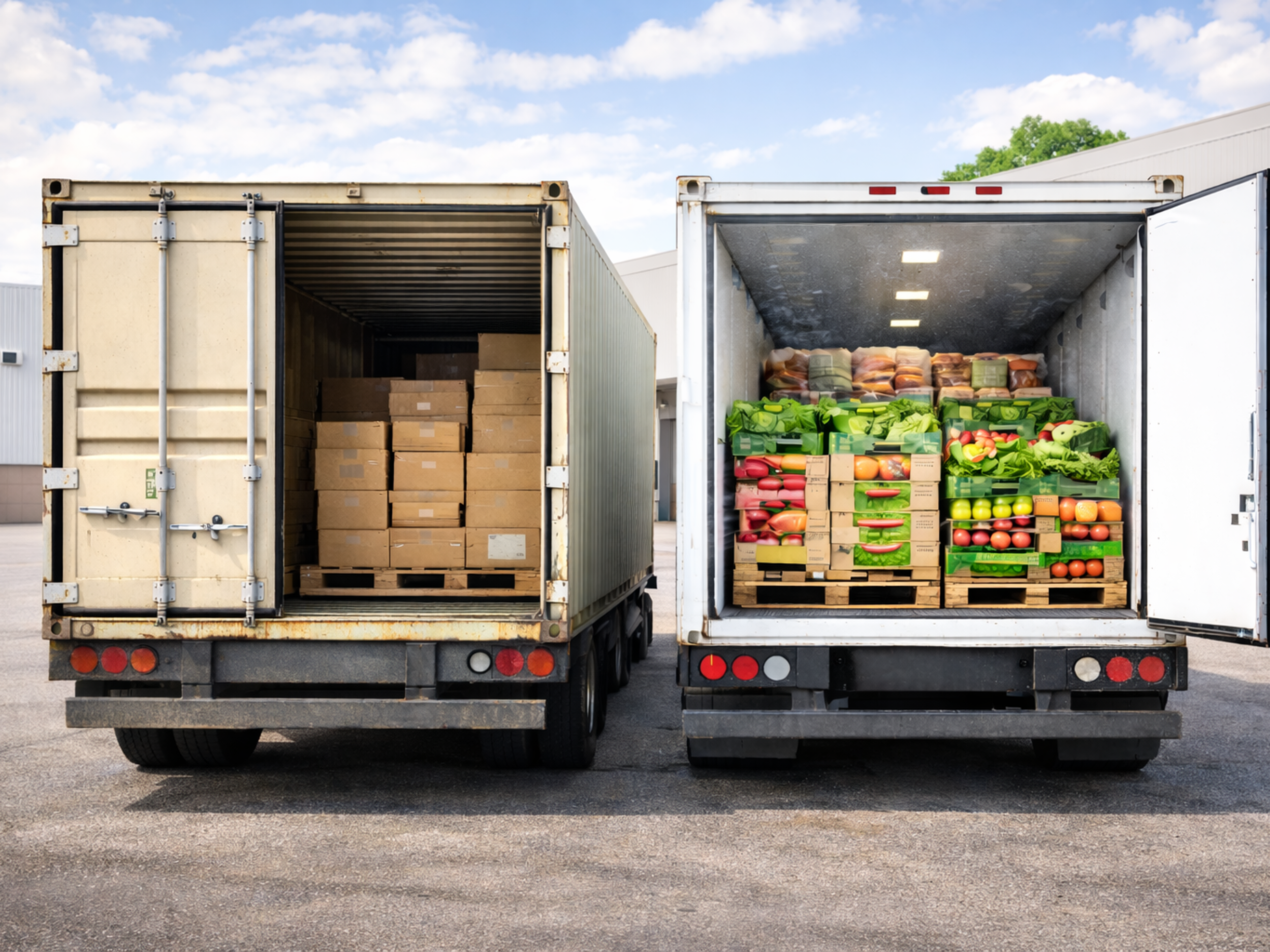
Different products respond differently to cold environments.
Key capabilities to look for:
- Custom internal configurations
- Adjustable airflow systems
- Partitioning options for mixed loads
- Hygienic, easy-to-clean interiors
How Should Refrigerated Trucks Be Engineered for India's Long-Haul Conditions?
High ambient temperatures, heavy dust exposure, unpredictable traffic congestion, and widely varying road conditions.
Extended idle periods present another challenge.
Imported or generic refrigerated designs frequently fail under these conditions.
Businesses should prioritise refrigerated vehicles specifically engineered for India's operating realities.
Conclusion
Selecting the right long-distance Refrigerated Truck is a strategic decision. Sub Zero Reefers offers long-haul refrigerated solutions engineered for reliability, efficiency, and product-specific requirements.
Frequently Asked Questions
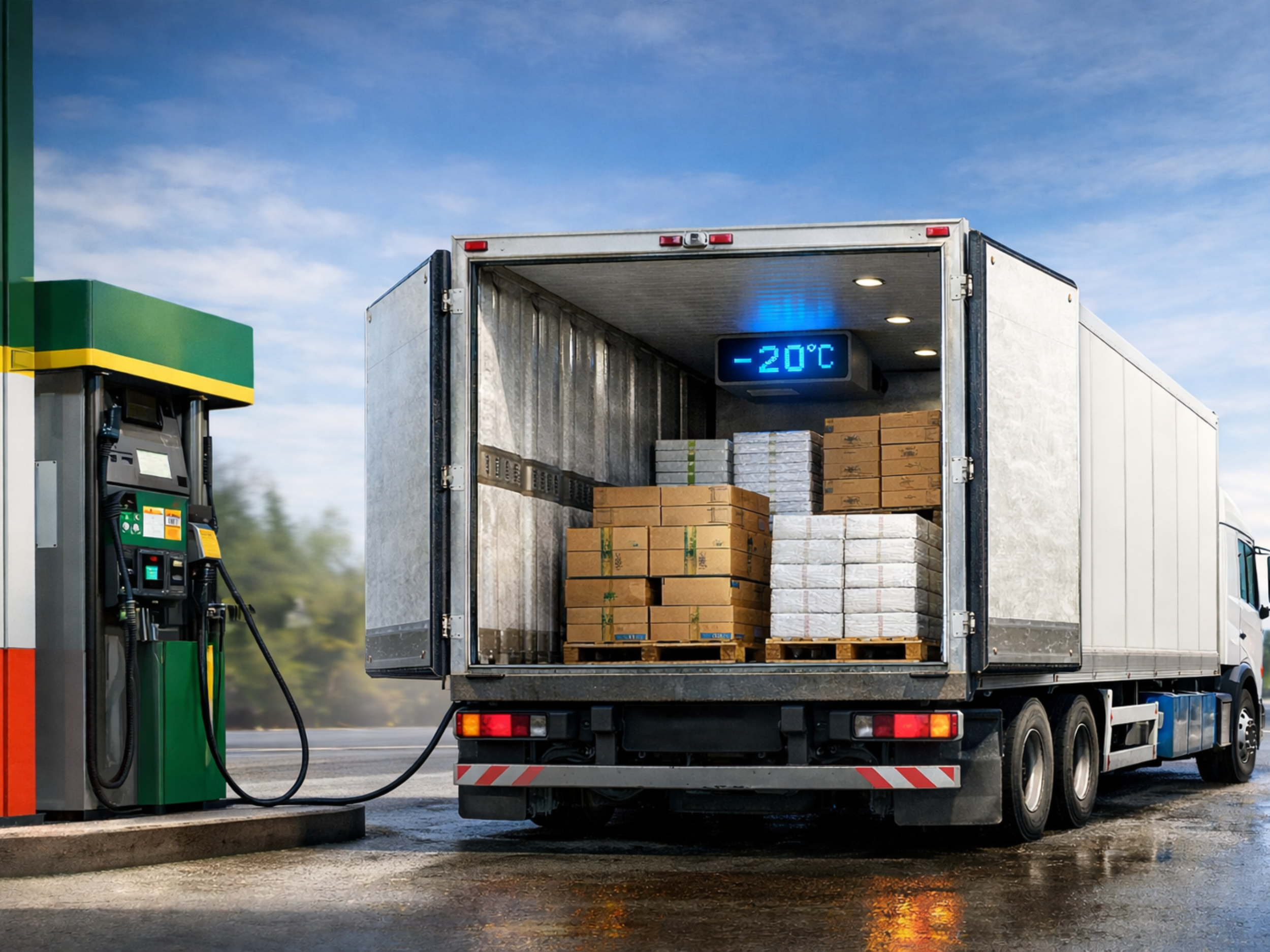
The proper temperature depends on the type of cargo. For perishable foods, typically 0°C to 5°C, while frozen goods require below -18°C. Pharmaceuticals may need 2°C to 8°C.
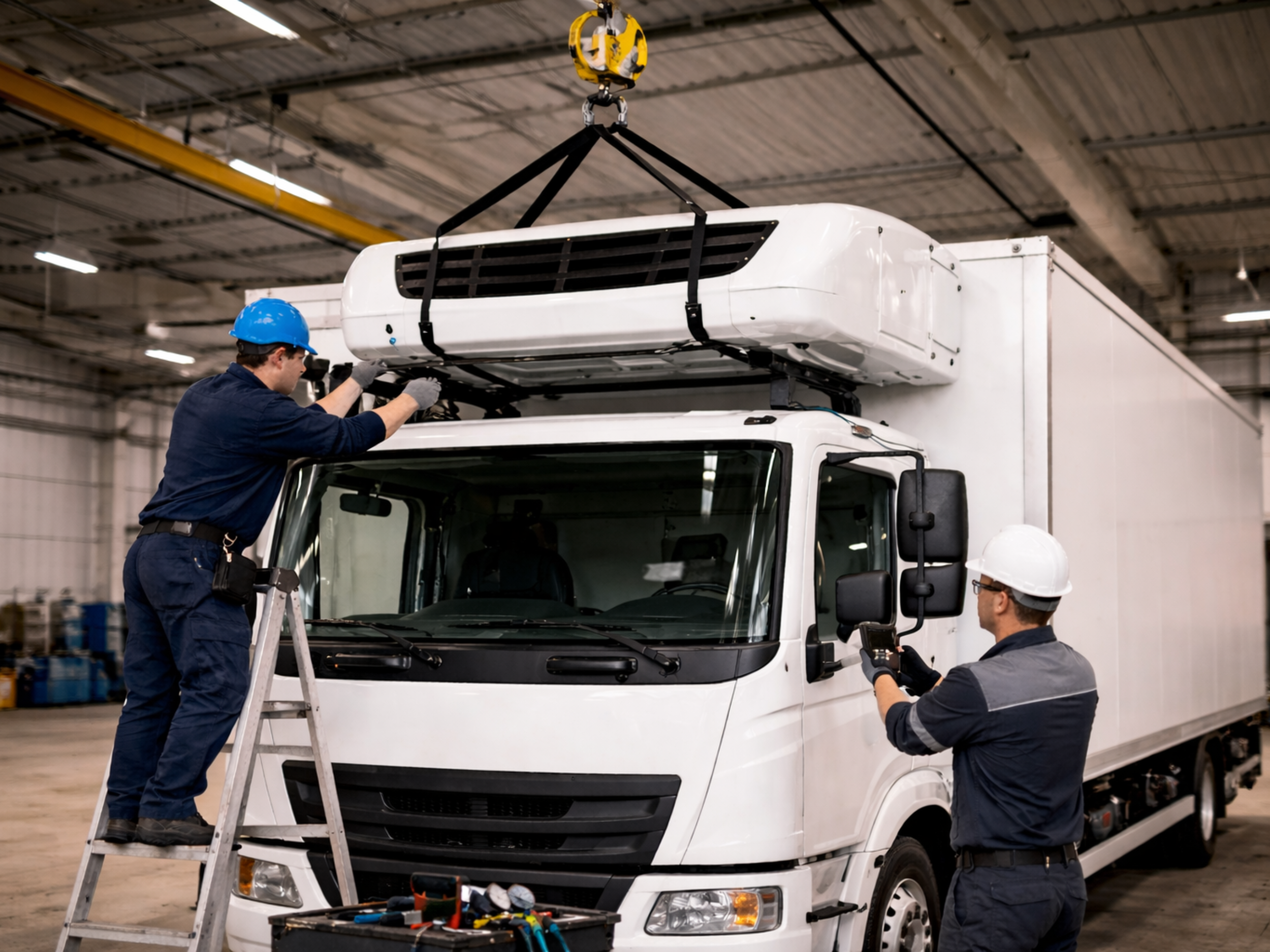
A refrigerated truck uses a refrigeration unit to circulate coolant and maintain cold air inside the cargo area. Insulated walls, floors, and ceilings help retain the set temperature.
Businesses should prioritize consistent temperature control, insulation quality, and reliable refrigeration units designed for their cargo type.