Why India's Climate Demands Refrigerated Truck for Wine Transport
Unlike many traditional wine-producing regions that benefit from temperate climates, India faces prolonged and intense heat for a significant part of the year. In several states, highway temperatures cross 45°C during peak summer. Even outside extreme months, ambient heat combined with high humidity creates challenging transit conditions. When shipments move across long inter-state routes, delays caused by traffic congestion, toll queues, or urban bottlenecks further extend exposure time.
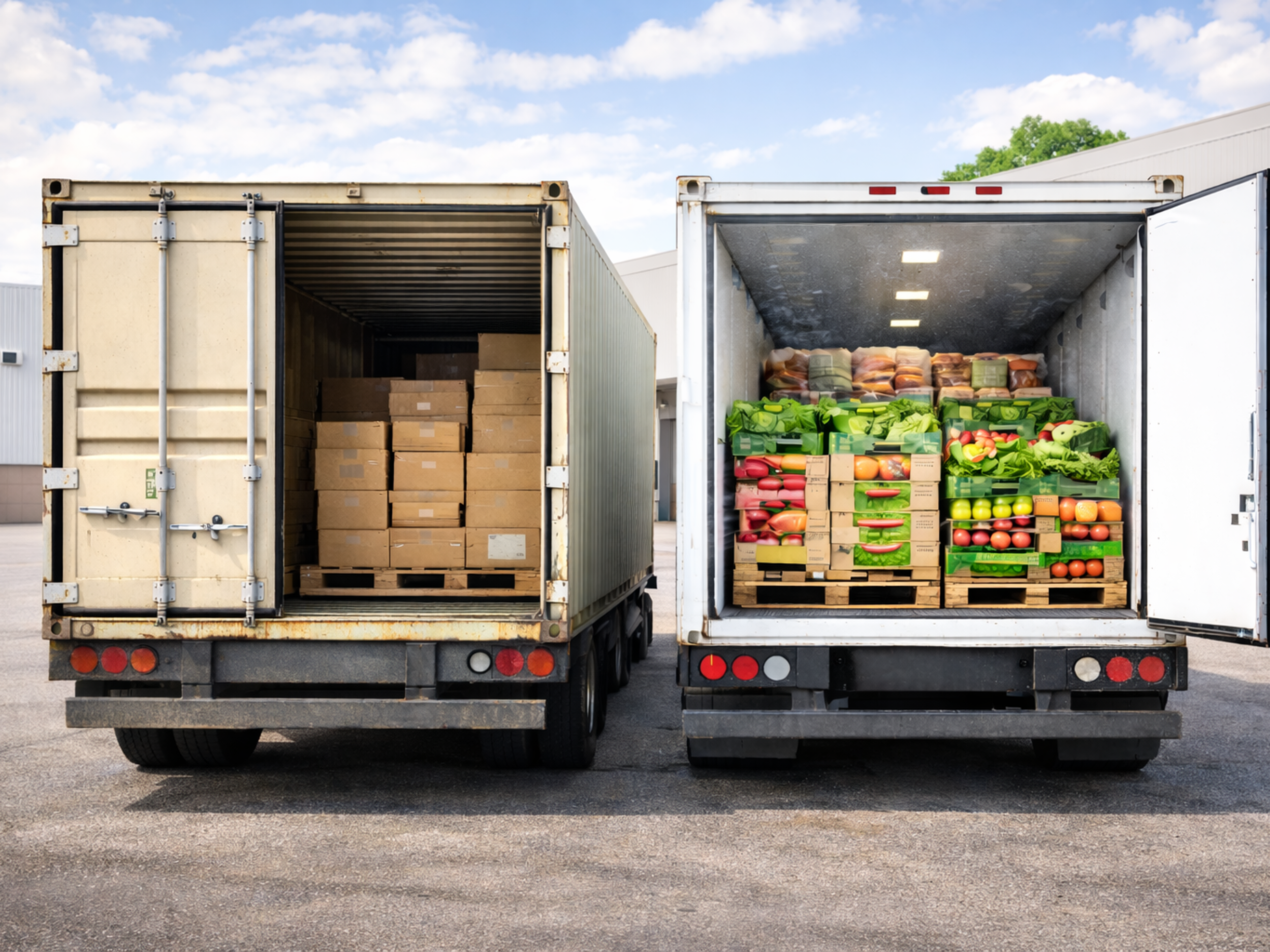
In a standard dry freight vehicle, there is no insulation to buffer external heat and no mechanism to regulate internal air temperature. Glass bottles packed tightly in cartons absorb surrounding heat and retain it. Over hours of transit, the cargo space can turn into a heat chamber. Repeated loading and unloading during distribution cycles only intensifies temperature variation.
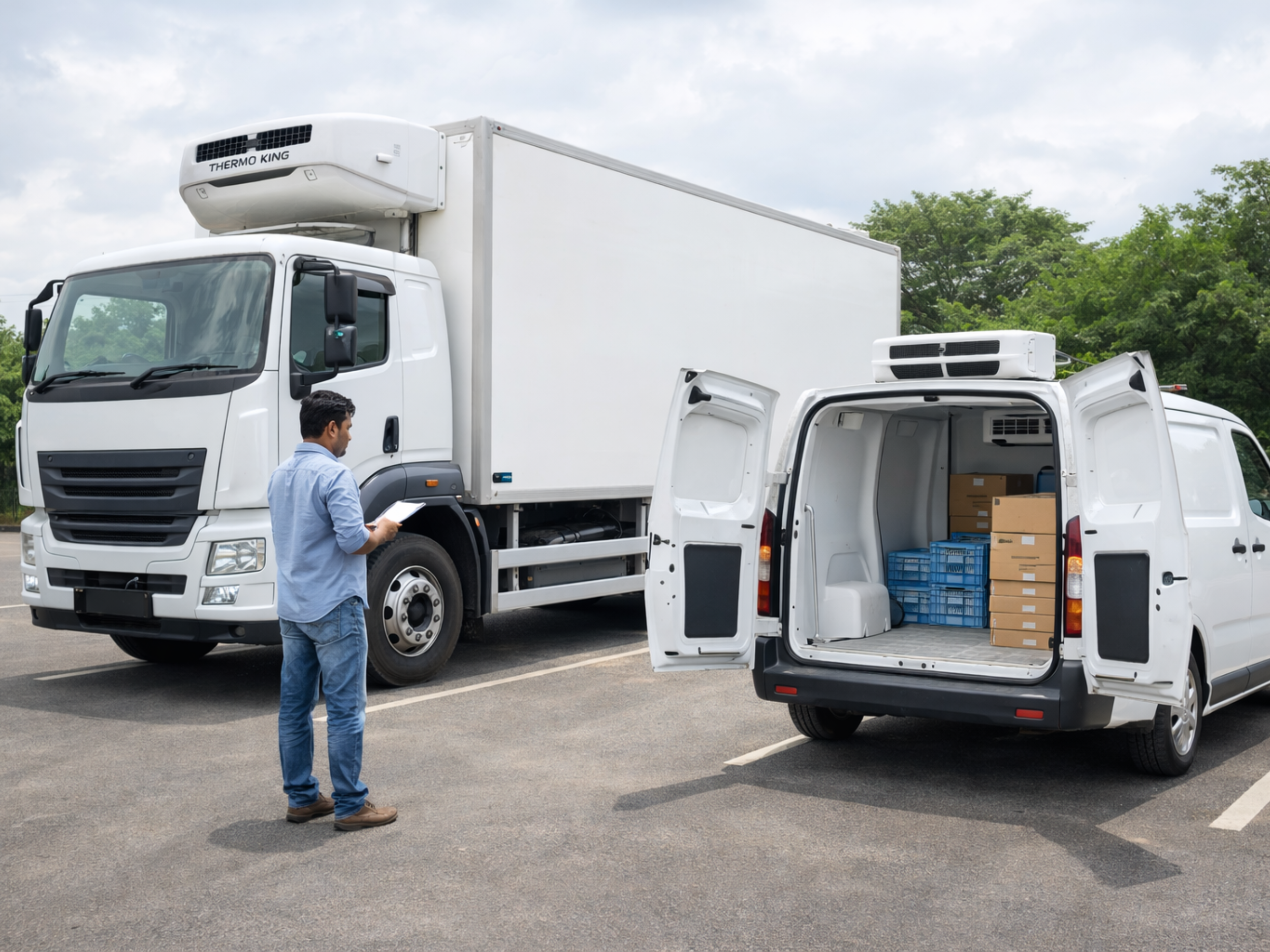
This is where temperature-controlled transport becomes structurally important. A refrigerated container truck is built with insulated panels and active cooling systems that maintain a stable internal environment regardless of external weather conditions.
For broader distribution networks, deploying a Refrigerated Truck ensures wine travels through regions with vastly different climates without experiencing thermal shock. Even for shorter regional routes, a small refrigerated truck can play a decisive role, protecting shipments during last-mile delivery.
The Impact of Temperature Fluctuation on Wine Integrity
Wine continues to evolve long after bottling. It is a chemically active product, sensitive to light, vibration, and most importantly, temperature. When exposed to elevated heat during transportation, the internal chemical balance shifts rapidly.
Prolonged heat exposure can lead to:
- Premature aging, where the wine loses freshness and vibrancy
- Flattened or muted flavor profiles, reducing complexity and aroma intensity
- Cork expansion and seepage, increasing the risk of oxidation
- Label peeling or packaging distortion, affecting retail presentation
- Shortened shelf life, particularly for premium and reserve variants
The critical issue is that this damage is often invisible at the time of delivery. The compromise only becomes evident later during tasting, customer complaints, or slower sell-through rates.
From Regional Growth to National Reach: The Need for Controlled Transport
As domestic wineries expand beyond their home states and imported labels penetrate deeper into emerging markets, logistics complexity increases significantly.
- Inter-State Expansion Increases Exposure Windows
- Regional Distribution Demands Operational Control
- Urban Deliveries Require Precision Handling
- Consistency Across Distribution Channels
Importers and Exporters: Compliance Expectations Are Rising
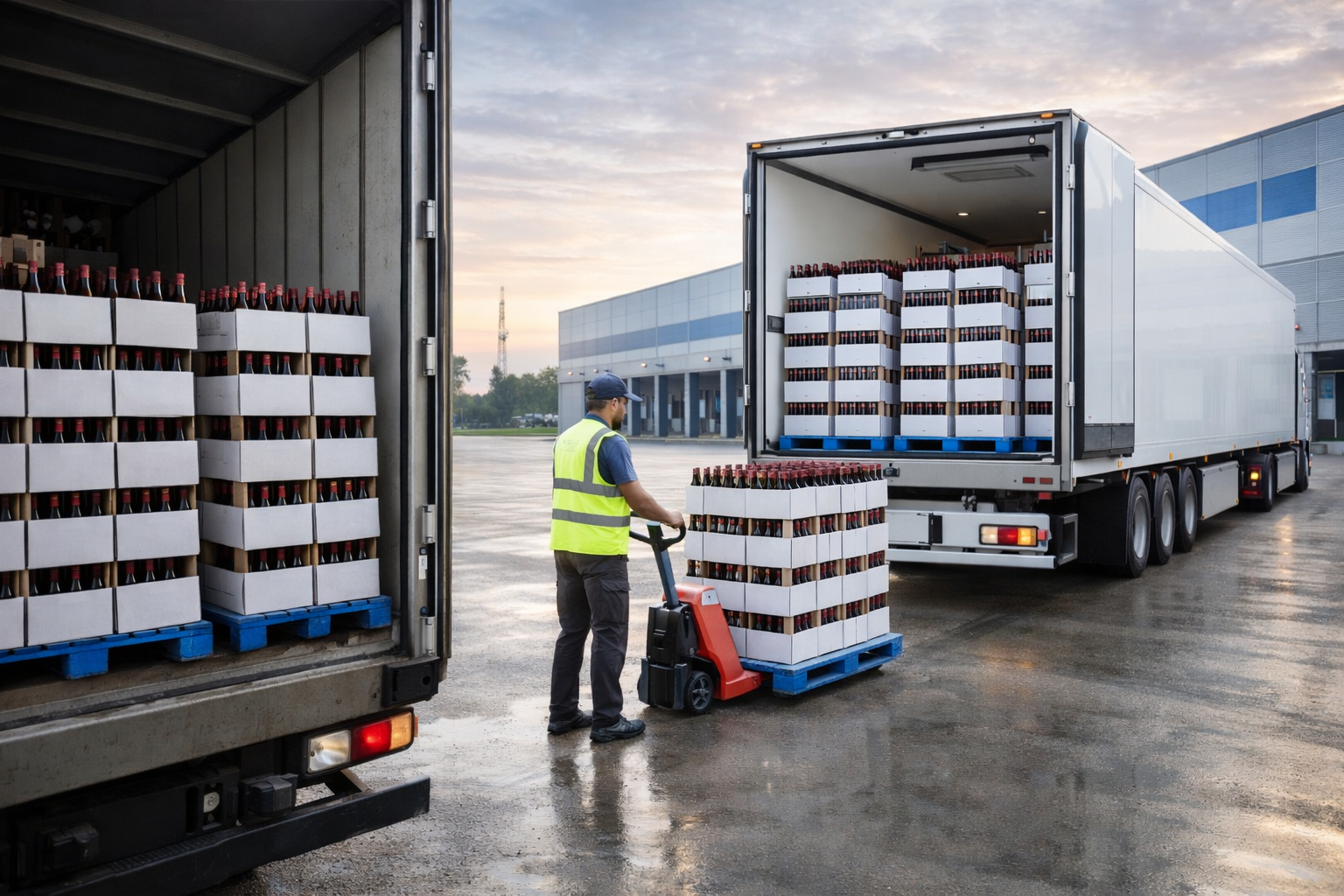
For wine importers, the journey does not end at the port. Once containers are unloaded, stock must move from coastal terminals to bonded warehouses and inland distribution centers.
The use of a refrigerated container truck becomes critical for intermodal transfers.
Beyond operational protection, temperature-controlled transit also strengthens compliance positioning.
Why Temperature-Controlled Transport Is a Strategic Imperative
The replacement of dry freight with refrigerated transport represents:
- A move from reactive damage control to proactive quality assurance
- Alignment with international logistics standards
- Improved brand trust and retail confidence
- Reduced long-term financial leakage
- Better resilience against climate extremes
Conclusion
The evolution of India's wine industry demands a parallel evolution in its logistics practices. Replacing dry freight with temperature-controlled solutions is not merely a logistical upgrade. It is a strategic safeguard. Purpose-built cold chain solutions, such as those engineered by Sub Zero Reefers, provide the insulation strength, temperature reliability, and operational durability required for sensitive cargo like wine.
Frequently Asked Questions
Yes, increasingly wine is transported in refrigerated trucks, especially in hot climates and for premium labels. Temperature-controlled vehicles help maintain consistent internal conditions during long-distance transit.
Temperature-controlled transport is the most suitable option for perishable goods. Refrigerated vehicles maintain stable conditions and prevent quality degradation caused by heat exposure.
Wine bottles are typically packed in insulated cartons or pallets and secured to prevent vibration and breakage. For premium or long-distance shipments, they are moved in temperature-controlled vehicles.
Dry freight can expose wine to high temperatures and uncontrolled fluctuations during transit. Prolonged heat exposure may accelerate oxidation and alter the wine's aroma and structure.
Heat accelerates chemical reactions inside the bottle, leading to premature aging and muted flavors. It can also cause cork expansion, seepage, and oxidation.