For a new fleet operator, the real test of a cold chain vehicle begins when a customer expects their goods to arrive at the right temperature, in the right condition, and on time. A delayed delivery, temperature fluctuation or damaged consignment can affect more than one shipment. It can impact customer trust, contract renewals and the profitability of the business.
That is why choosing a cold chain transport vehicle requires looking beyond its purchase price or cooling capacity. Operators need to consider how well the vehicle will perform on actual routes, handle frequent loading and unloading, maintain temperature consistency and withstand the demands of daily operations. Every component, from insulation and refrigeration to monitoring systems, plays a role in protecting the customer's cargo.
A reliable cold chain system also depends on the right cold chain equipment, regular maintenance and effective cold chain management. For businesses entering cold chain logistics, overlooking these essentials at the procurement stage can lead to avoidable operating costs and service disruptions later.
This checklist takes a practical, customer-focused approach to evaluating a cold chain vehicle before deployment, helping new fleet operators make informed decisions that protect cargo quality, strengthen customer confidence and support long-term business performance.
10 Cold Chain Vehicle Checks Every New Fleet Operator Must Complete
1. Define Your Cargo and Cold Chain Vehicle Temperature Requirements
The first step in selecting a cold chain vehicle is understanding what you intend to transport. Fresh produce, dairy products, frozen foods and pharmaceuticals have different temperature and handling requirements.
Before finalising your vehicle specifications, consider:
- Cargo category: Identify the products you will transport and their specific storage requirements.
- Temperature range: Establish the required operating temperature based on the cargo's needs.
- Journey duration: Account for transit times, delivery schedules and possible delays.
- Loading frequency: Consider how often doors will open during loading and unloading.
- Cargo volume and weight: Determine the required internal dimensions and payload capacity.
Defining these requirements early helps prevent over-specification or inadequate cooling capacity, ensuring the vehicle aligns with your customers' expectations.
2. Evaluate Cold Chain Vehicle Insulation Quality and Body Construction
The insulated body plays a crucial role in maintaining temperature stability throughout transit. While the refrigeration unit generates cooling, insulation limits heat entering the cargo compartment, helping the system maintain the desired temperature efficiently.
When evaluating a cold chain transport vehicle, inspect the insulation panels, flooring, door seals and overall body construction. Look for consistent insulation, secure panel joints, durable interior surfaces and doors that close tightly without leaving gaps.
In India's demanding climatic conditions, poor insulation can increase refrigeration demand, contribute to higher operating costs and compromise cargo quality. Lightweight insulated bodies can also improve payload efficiency, provided the vehicle remains within applicable weight limits. Prioritise body construction that offers thermal performance, durability and ease of repair throughout the vehicle's working life.
3. Verify Refrigeration Capacity and Cold Chain Equipment Performance
A refrigeration unit should be selected according to the cargo's requirements and the conditions in which the vehicle will operate. A unit that can reach a particular temperature under ideal conditions may not necessarily maintain it during a long journey with frequent stops.
Evaluate the unit's cooling capacity, operating temperature range, performance at high ambient temperatures, defrost capability and temperature recovery after door openings. Also consider its power source, fuel requirements and serviceability.
The right cold chain equipment should be capable of maintaining the required conditions under realistic operating circumstances, including varying cargo loads and delivery schedules. Before purchasing, review the manufacturer's performance specifications and confirm that the refrigeration unit is compatible with the insulated body and intended application.
4. Verify Airflow and Cargo Loading Efficiency in the Cold Chain Vehicle
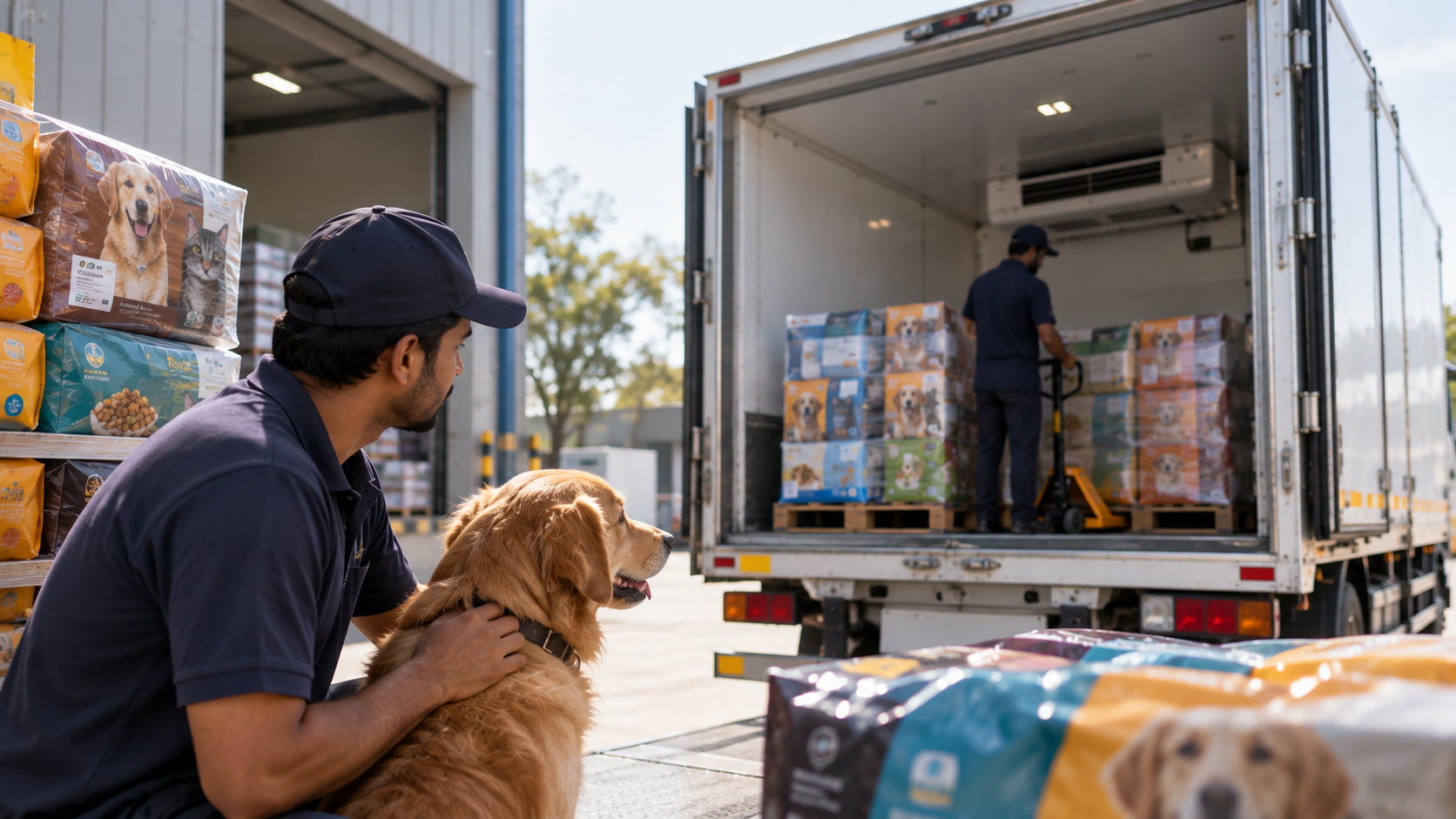
Consistent cooling depends on how effectively cold air circulates throughout the cargo compartment. Even a suitably sized refrigeration unit may struggle to maintain uniform temperatures if cartons, pallets or other cargo obstruct the airflow.
Check whether the vehicle's internal layout supports circulation across the intended loading area. Ensure that designated air channels remain unobstructed and that the cargo can be loaded without blocking air outlets or return paths.
If your business handles multiple product categories, assess whether separate temperature-controlled compartments are necessary. For fleet operators, efficient loading is not simply about maximising cargo volume. It is about using available space without compromising airflow, product quality or safe weight distribution.
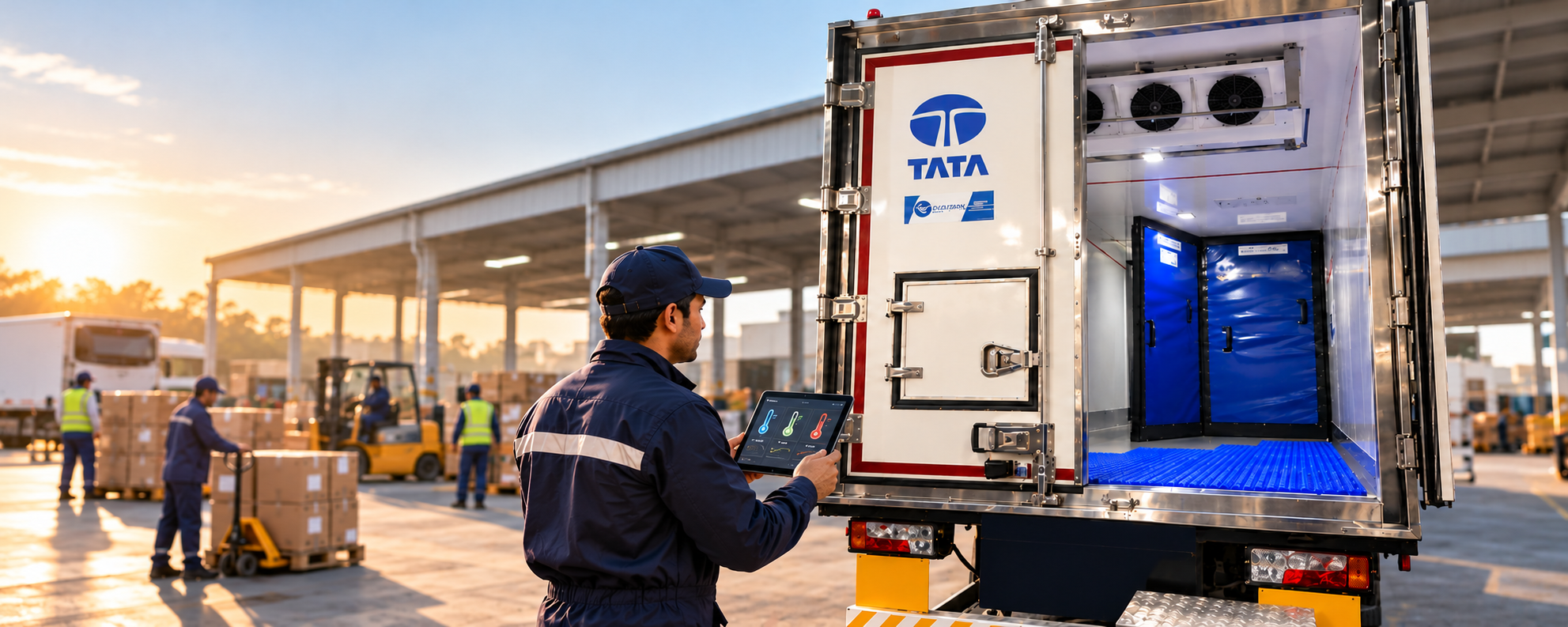
5. Install Reliable Temperature Monitoring in Your Cold Chain Transport Vehicle
Customers increasingly expect assurance that their goods have remained within the required temperature range throughout transit. Temperature monitoring helps operators provide this assurance while identifying potential problems before they result in significant losses.
A well-equipped vehicle should ideally support real-time temperature monitoring, data logging, alerts for temperature deviations and GPS tracking. Historical reports can help fleet managers investigate incidents and identify recurring issues across routes or vehicles.
Sensor placement also matters. Depending on the cargo and vehicle configuration, additional probes may be necessary to understand temperature conditions in different parts of the compartment. Reliable monitoring makes it easier to document temperature performance, investigate customer complaints and strengthen accountability across the delivery process.
Also Read: Cold Storage Manufacturers: Backbone of India's Cold Chain
6. Verify Cold Chain Vehicle Payload Capacity and Route Suitability
The vehicle chassis, insulated body and refrigeration system must function as a compatible unit. The body and equipment contribute to the vehicle's overall weight, affecting the payload available for cargo.
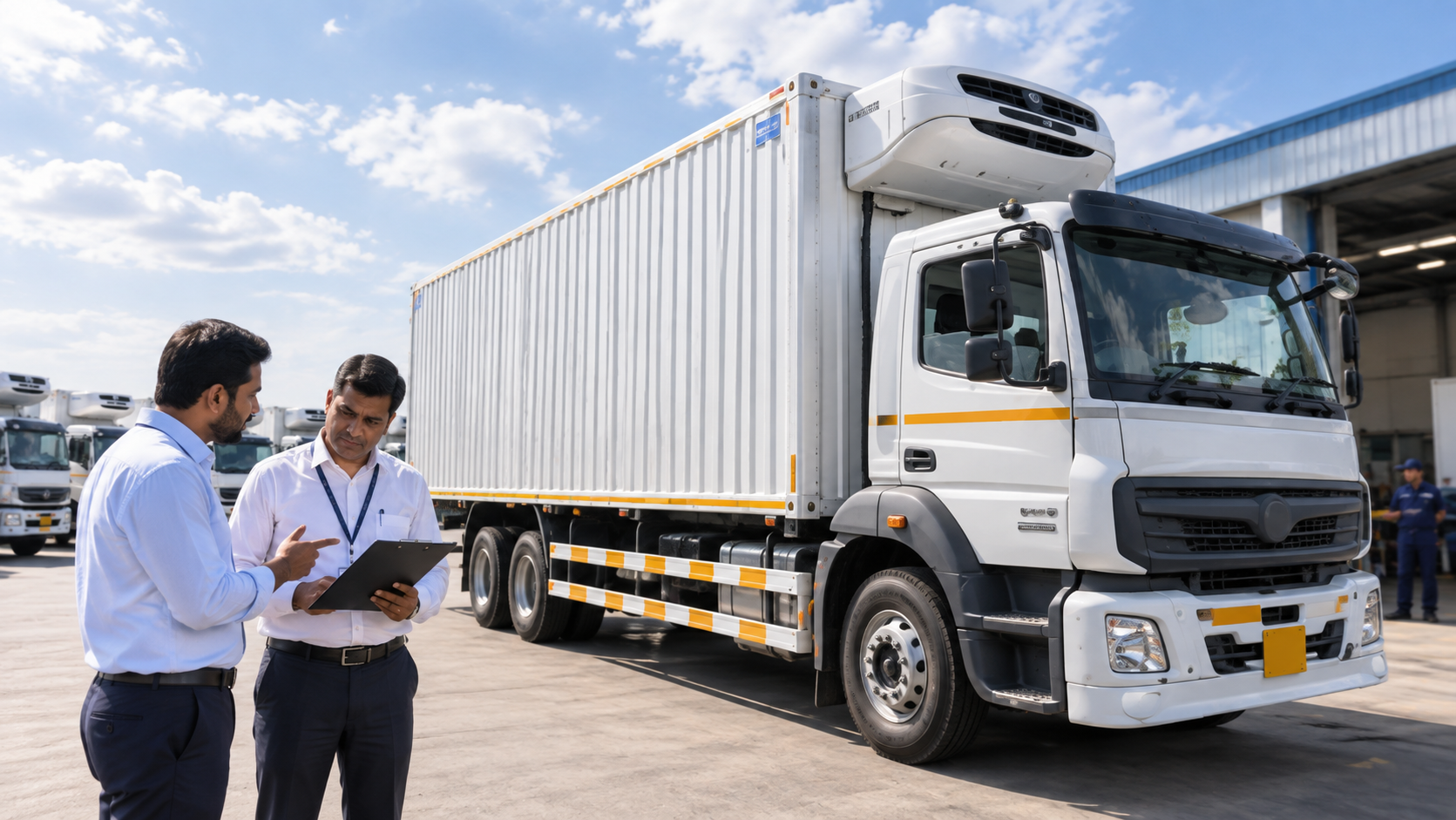
Before finalising your vehicle, evaluate its gross vehicle weight, permissible payload, axle load distribution, internal dimensions and suitability for your planned routes. Consider road conditions, gradients, turning radius, height restrictions and access to loading facilities.
For example, a vehicle designed for long-distance distribution may not be the most practical option for frequent urban deliveries involving narrow roads and multiple stops. The objective is to select a configuration that accommodates customer orders efficiently while maintaining safety, route flexibility and cost-effective utilisation.
7. Establish Hygiene and Compliance Standards for Cold Chain Logistics
Temperature control alone cannot guarantee cargo quality. The vehicle must also protect goods from contamination and support the hygiene requirements of the products being transported.
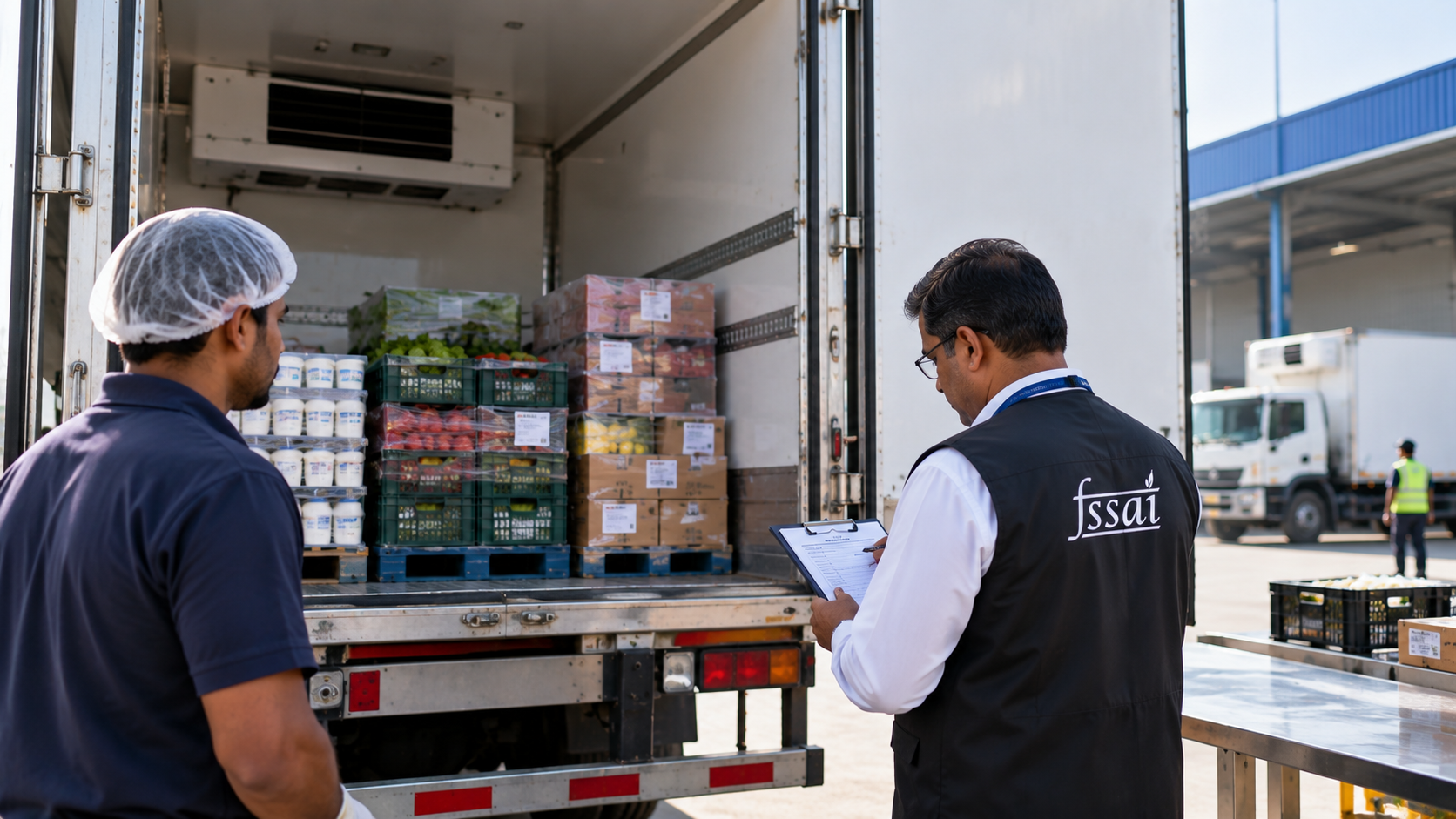
Inspect the cargo compartment for damaged surfaces, standing water, mould, pests and worn door seals. Establish cleaning and sanitisation procedures using methods appropriate for the intended cargo. Operators should also verify applicable vehicle registration, fitness, insurance and permit requirements, along with relevant food safety or pharmaceutical transport obligations.
For food-related operations, applicable FSSAI requirements and customer-specific handling procedures should form part of the operating process. Pharmaceutical shipments may require additional controls depending on the products and applicable guidelines. Documented inspections, cleaning records and temperature logs help maintain consistency and demonstrate operational accountability.
Also Read: How FSSAI Rules Impact Cold Chain Logistics Vehicles in India 2026
8. Calculate Total Cold Chain Vehicle Operating and Infrastructure Costs
The initial purchase price represents only part of the investment required to operate a refrigerated fleet. Fuel, refrigeration expenses, servicing, repairs, insurance, staffing and downtime all contribute to the total cost of ownership.
Before purchasing, estimate these expenses against expected kilometres travelled, vehicle utilisation, delivery volumes and revenue per trip. Also consider the potential financial impact of spoiled cargo, delayed deliveries and unplanned repairs.
If your business requires storage infrastructure alongside transport, evaluate the cold storage business cost and cold storage project cost separately. These may include land, construction, refrigeration systems, electrical infrastructure, handling equipment and backup power, depending on the project scope.
Assessing these costs together helps you understand the investment required to operate an integrated cold chain business without confusing vehicle procurement costs with facility development expenses.
9. Evaluate Cold Chain Vehicle Maintenance and After-Sales Support
A refrigerated vehicle's performance over time depends on the quality of its components and the support available when something goes wrong. A refrigeration failure or damaged insulated panel can disrupt deliveries, increase costs and put cargo at risk.
Before selecting a manufacturer, review warranty coverage, spare-parts availability, preventive maintenance schedules and access to qualified service technicians along your operating routes. Understand how the insulated body, refrigeration unit, doors and seals will be inspected and repaired throughout the vehicle's service life.
It is also useful to maintain a vehicle-wise record of servicing, breakdowns, repair costs and downtime. These records help identify recurring issues, compare vehicle performance and make informed fleet expansion decisions.
10. Plan for Scalable and Efficient Cold Chain Logistics Operations
Your first fleet should meet current demand while allowing room for future growth. As the business expands, you may need additional payload capacity, different temperature ranges, multi-compartment vehicles or more advanced monitoring systems. Evaluate whether your fleet specifications can be standardised where practical. Consistent configurations can simplify driver training, spare-parts procurement, maintenance planning and fleet management.
At the same time, avoid standardisation at the expense of cargo-specific requirements. A business transporting frozen foods and pharmaceuticals, for instance, may need different vehicle configurations and operating procedures.
A dependable cold chain system combines suitable vehicles, effective cold chain management, reliable equipment and disciplined operating practices. Whether you are considering a reefer truck or a refrigerated truck, prioritise thermal performance, durability, payload efficiency and lifecycle value over the initial purchase price alone.
Conclusion
A successful cold chain operation depends on how well every element works together, from vehicle insulation and refrigeration performance to temperature monitoring, maintenance and cargo handling. For new fleet operators, evaluating these factors before procurement can help prevent avoidable losses, improve operational efficiency and build the consistency customers expect.
As cold chain logistics continues to evolve, investing in the right vehicle is only one part of the equation. Long-term performance also depends on disciplined operating procedures, reliable after-sales support and a clear understanding of the business's changing requirements.
With decades of experience in refrigerated truck body manufacturing, Sub Zero Reefers understands the role that engineering, insulation quality and application-specific design play in temperature-controlled transportation. For fleet operators planning their next step, exploring the right vehicle configuration with an experienced manufacturer can be a valuable starting point for building a dependable, future-ready cold chain operation.
Frequently Asked Questions
1. What vehicle documents are required to start a cold chain transport business in India?
You generally need a valid registration certificate (RC), applicable fitness certificate, motor insurance, PUC certificate and relevant permits. Drivers must hold the appropriate licence. Depending on the cargo and business activity, FSSAI registration or licensing and temperature records may also be required.
2. What equipment is mandatory in a reefer truck for food transport?
A reefer truck needs a suitable insulated cargo body, a refrigeration unit capable of maintaining the required temperature and a clean, hygienic cargo compartment. Temperature monitoring equipment helps verify conditions during transit. Additional requirements depend on the food category and applicable regulations.
3. How do I choose the right refrigeration unit for my reefer truck?
Consider the cargo's temperature requirements, vehicle dimensions, insulation quality, ambient temperatures, journey duration and frequency of door openings. Evaluate cooling capacity, energy consumption, maintenance needs and service availability to ensure reliable performance throughout the journey.
4. What is the FSSAI requirement for refrigerated transport vehicles?
Food transport businesses may require an applicable FSSAI licence or registration, depending on their activities. Vehicles must support hygienic handling and appropriate temperature control. Operators should check current FSSAI regulations and applicable requirements for their specific food category and business.
5. What should I check before buying a second-hand reefer truck?
Inspect the refrigeration unit, insulation panels, flooring, door seals and cooling performance. Review temperature logs, service history and repair records. Also verify vehicle documents, permits and insurance. An independent mechanical inspection and refrigeration performance test can help identify potential issues before purchase.