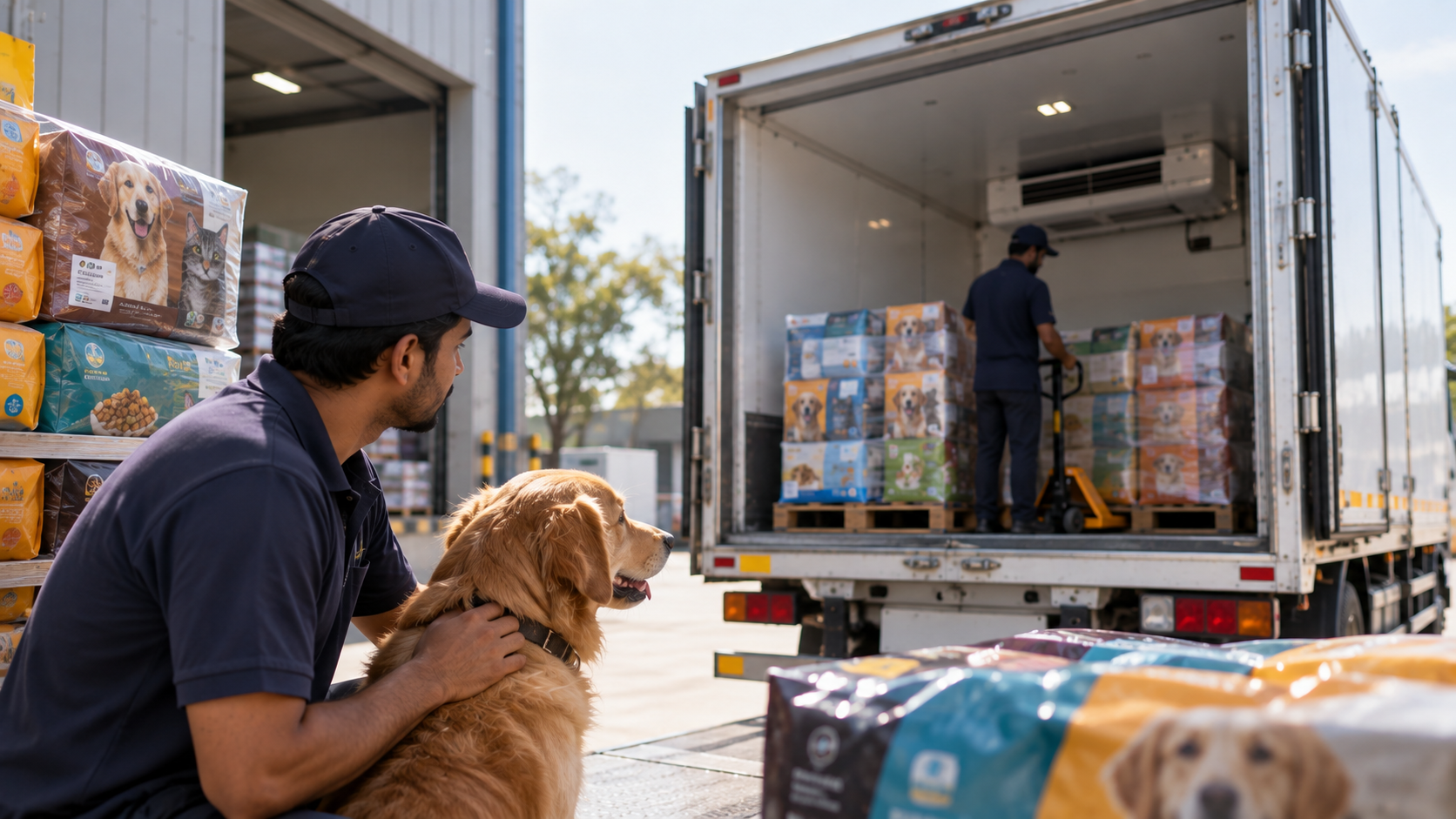
Pet food is no longer just another item on the grocery list. For millions of pet parents, pets are family, and that has fundamentally changed what they expect from the food they buy. They look for freshness, quality, nutrition and safety—and increasingly, they are willing to pay a premium for products that deliver on these expectations.
This shift has also raised the bar for pet food manufacturers and distributors. A product can be formulated with the finest ingredients and manufactured to exacting standards, but its quality can still be compromised if the right conditions are not maintained while it moves from the facility to the customer. And here, cold chain logistics becomes critical, but not necessarily in the way many businesses assume.
Fresh and frozen pet food delivery may need strict temperature control, while dry or shelf-stable products may have very different transportation requirements. Choosing a reefer truck for every product can therefore be an unnecessary expense, while relying on a standard vehicle when active temperature control is required can put product quality at risk.
The real question is not simply whether a pet food business needs refrigeration. It is how much temperature control the product actually needs, for how long, and under what conditions it will travel. From an insulated vehicle and reefer van to a fully equipped refrigerated truck, the right solution depends on the product, route, climate, handling frequency and storage conditions.
And for a category where consumers trust brands with the food they give their pets every day, getting that decision right matters.
Does Your Pet Food Need a Cold Chain System? Understanding Temperature Requirements
Not every pet food product needs the same transportation conditions, and assuming that every product requires refrigeration can lead to unnecessary logistics costs. The right cold chain system depends on factors such as the product’s formulation, processing method, packaging, shelf life and specified storage conditions. Before investing in a refrigerated truck or other cold chain equipment, businesses should first establish whether the product actually requires active temperature control.
Dry Kibble — Usually Suitable for Ambient Transportation
Dry kibble is generally formulated and processed for shelf stability and does not typically require refrigerated transportation. However, it still needs protection from excessive heat, moisture, direct sunlight and unsuitable storage conditions, particularly during long-distance transportation.
Wet/Canned Pet Food — Refrigeration May Not Always Be Required
Commercially processed canned and pouch-based pet foods can often remain shelf-stable before opening when they are manufactured and packaged appropriately. Their high moisture content alone does not automatically mean they need a reefer truck. The manufacturer’s specified storage conditions should determine the transportation requirement.
Fresh/Chilled Pet Food — Temperature Control Becomes Critical
Fresh pet food containing perishable ingredients generally has a much shorter shelf life and may require controlled temperatures throughout storage and distribution. For these products, an actively refrigerated reefer van or reefer truck may be necessary, particularly when shipments travel longer distances, face high ambient temperatures or involve frequent loading and unloading.
Raw/Frozen Pet Food — Maintaining Frozen Conditions
Raw or frozen diets are more dependent on maintaining their required frozen state throughout the distribution journey. A conventional or purely insulated vehicle can slow heat transfer but cannot actively remove heat. For longer routes and demanding operating conditions, a refrigerated vehicle designed for frozen applications offers greater control.
The key takeaway is that cold chain logistics should be designed around the product, not the category it belongs to. A pet food delivery business should first understand the temperature conditions its products require and then assess the route, climate, transit duration, handling frequency and storage infrastructure. This allows businesses to choose between ambient transportation, an insulated vehicle, a reefer van or a full-sized refrigerated truck based on actual operational needs, protecting product quality without investing in more refrigeration than necessary.
Reefer Truck, Reefer Van or Insulated Vehicle: Choosing the Right Cold Chain System Equipment
Choosing the right vehicle for pet food transportation isn’t about picking the vehicle with the most powerful refrigeration system. It starts with understanding what the product needs and what the journey demands.
An insulated vehicle can be suitable when the objective is to preserve the temperature of a pre-conditioned load for a relatively short journey. Its insulated body reduces heat transfer from the outside, but it does not actively cool the cargo. This makes it useful for certain ambient or temperature-sensitive applications where continuous refrigeration isn’t necessary.
For fresh or chilled pet food, a reefer van can be a practical choice for urban and last-mile deliveries. It provides active cooling and can help manage temperature fluctuations caused by multiple stops and frequent door openings. For longer routes, larger consignments or products requiring tighter temperature control, a reefer truck can provide greater refrigeration capacity and cargo space.
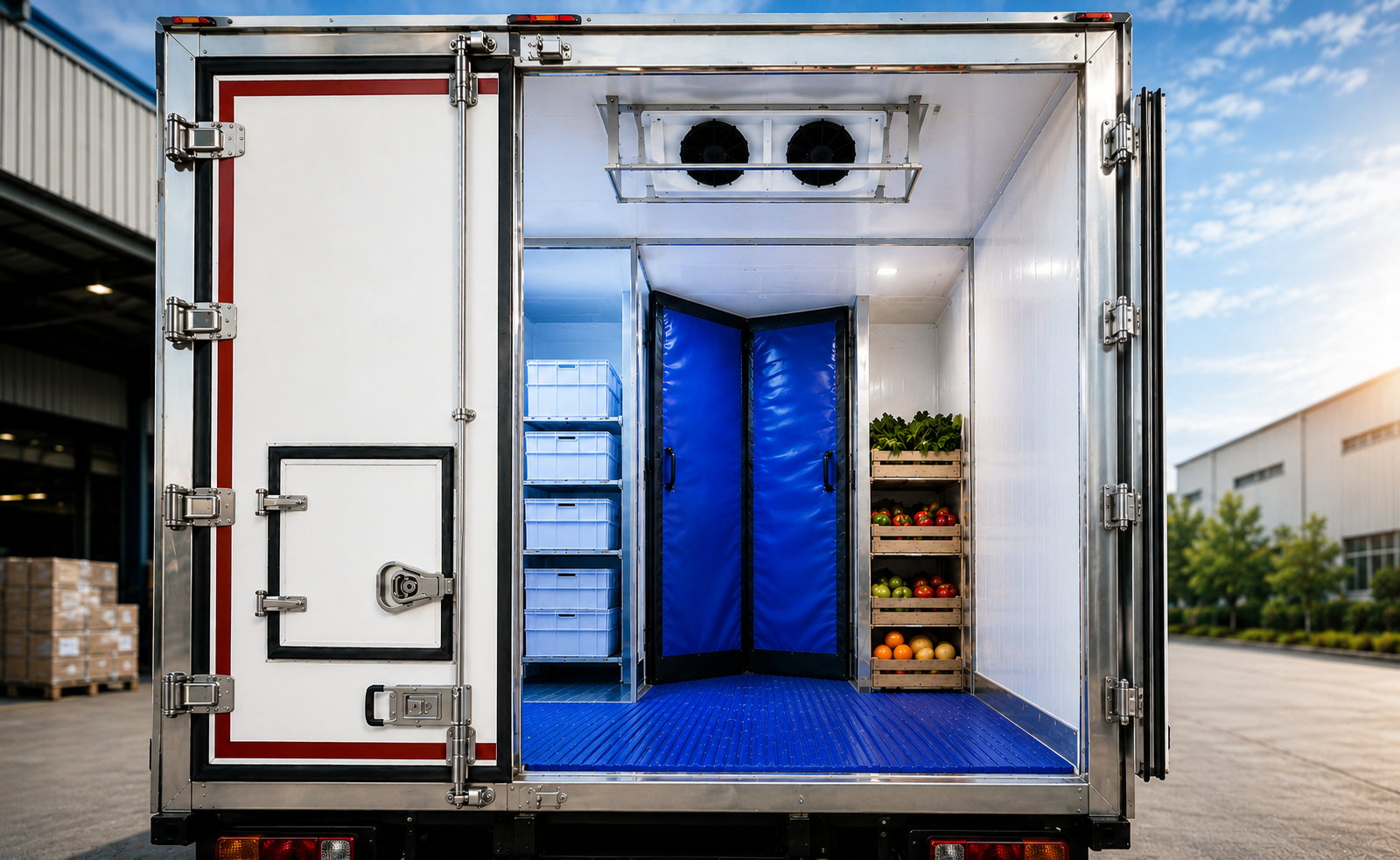
Businesses handling multiple product categories can also consider multi-temperature reefers, where different sections of the vehicle can be maintained at different conditions. Ultimately, the right cold chain equipment isn’t necessarily the most advanced or expensive option. It is the one that matches the product’s temperature requirements, route, climate, payload and handling conditions, while providing reliable protection without adding unnecessary operating costs.
Building a Reliable Pet Food Cold Chain System Through Effective Cold Chain Management
Choosing the right vehicle is only one part of protecting temperature-sensitive pet food. A cold chain system works as a connected chain, where every stage—from production and pre-cooling to storage, loading, transportation and last-mile delivery—can influence the condition of the product. Even a well-equipped reefer truck cannot fully compensate for poor temperature control before loading or careless handling during delivery. This is why effective cold chain management needs to look at the entire journey rather than treating transportation as an isolated step.
How Insulation and Refrigeration Work Together in a Pet Food Cold Chain System
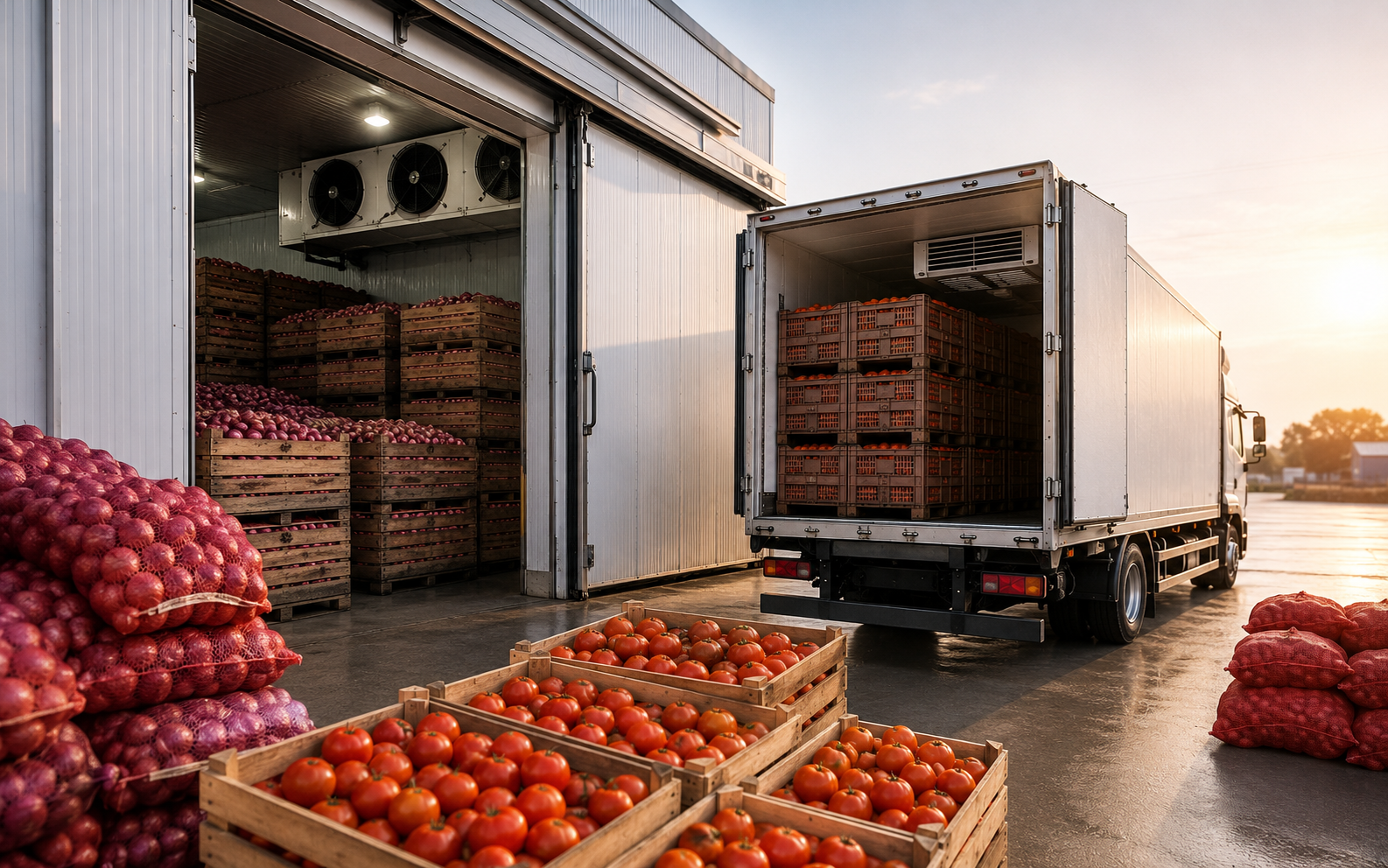
A refrigerated vehicle relies on two things working together: insulation and active refrigeration. The insulated body helps reduce the movement of heat between the cargo area and the outside environment, while the refrigeration unit actively removes heat to maintain the required conditions. Good insulation therefore reduces the workload on the refrigeration system and can contribute to more consistent temperature control and efficient operation. For pet food businesses, the quality of the vehicle body, door seals, floor and overall construction can be just as important as the refrigeration unit itself.
Temperature Monitoring and Excursion Management in Pet Food Cold Chain Management
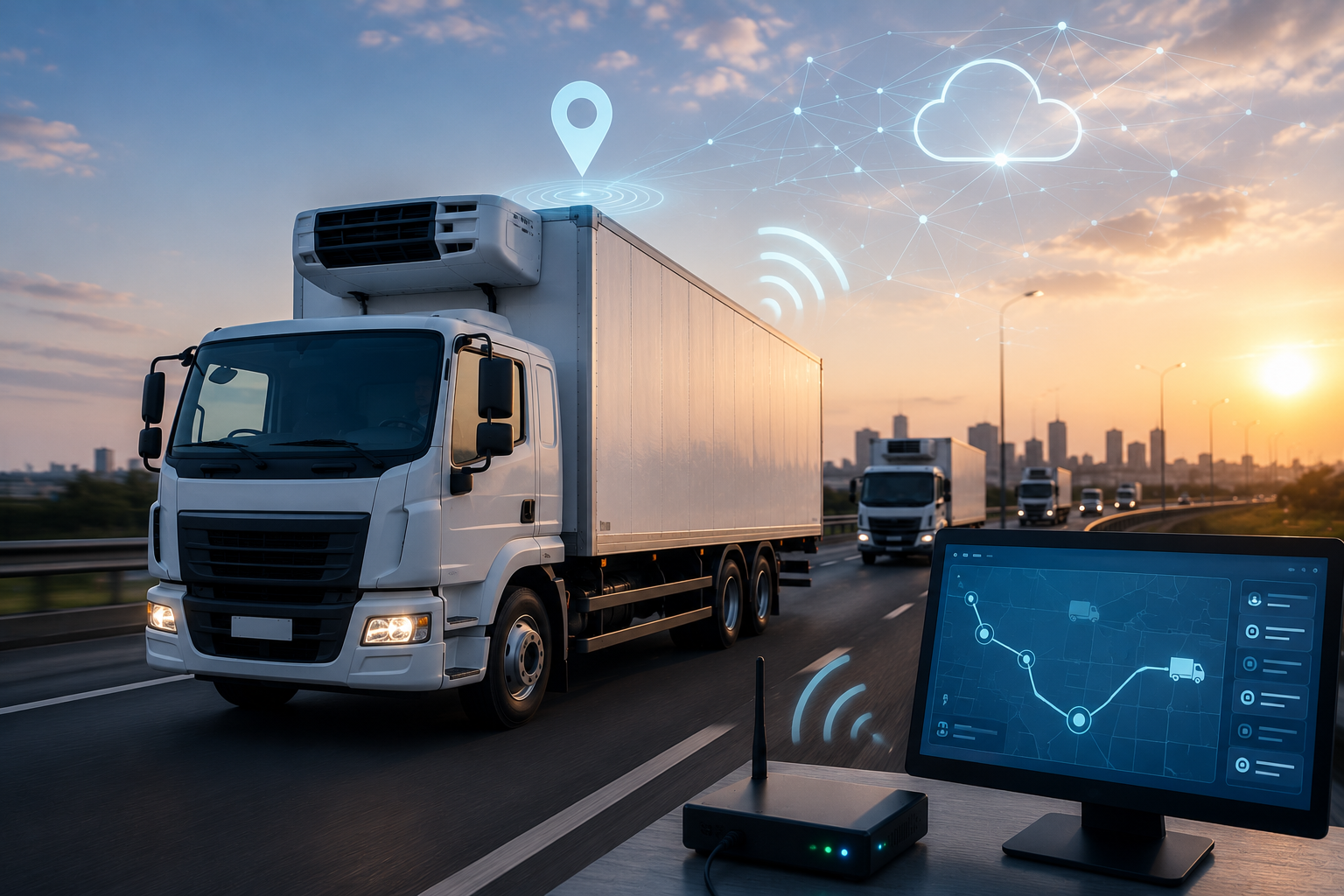
Maintaining a target temperature is not enough; businesses also need visibility into what happens during the journey. Temperature monitoring can help identify fluctuations and potential excursions while products are in transit or storage. This becomes particularly important for fresh and frozen pet food, where prolonged exposure outside the required conditions can affect product quality and shelf life. Tracking temperature data across different stages can also help businesses identify recurring problems, whether they occur during loading, transit, unloading or last-mile delivery, and take corrective action before they become costly issues.
Loading, Airflow and Door-Opening Practices for Pet Food Cold Chain System Reliability
How a vehicle is loaded can directly affect its ability to maintain consistent conditions. Cargo should be arranged to allow appropriate airflow and should not obstruct the refrigeration system. The vehicle should also be brought to the required operating condition before loading temperature-sensitive products, wherever the operating procedure calls for it. During distribution, every door opening introduces outside air into the cargo compartment. Frequent or prolonged openings can increase the thermal load, making efficient loading, faster handling and disciplined delivery practices an important part of cold chain management.
The takeaway: A successful cold chain is not created by the truck alone. It is created by connecting the right storage conditions, vehicle design, monitoring practices and handling processes into one controlled system. For pet food businesses, this end-to-end approach helps ensure that the quality achieved during manufacturing is still the quality that reaches the retailer or pet parent.
Also Read: Cold Chain Logistics for Pet Food Distribution
Pet Food Cold Chain System Cost: Choosing the Right Cold Chain Equipment
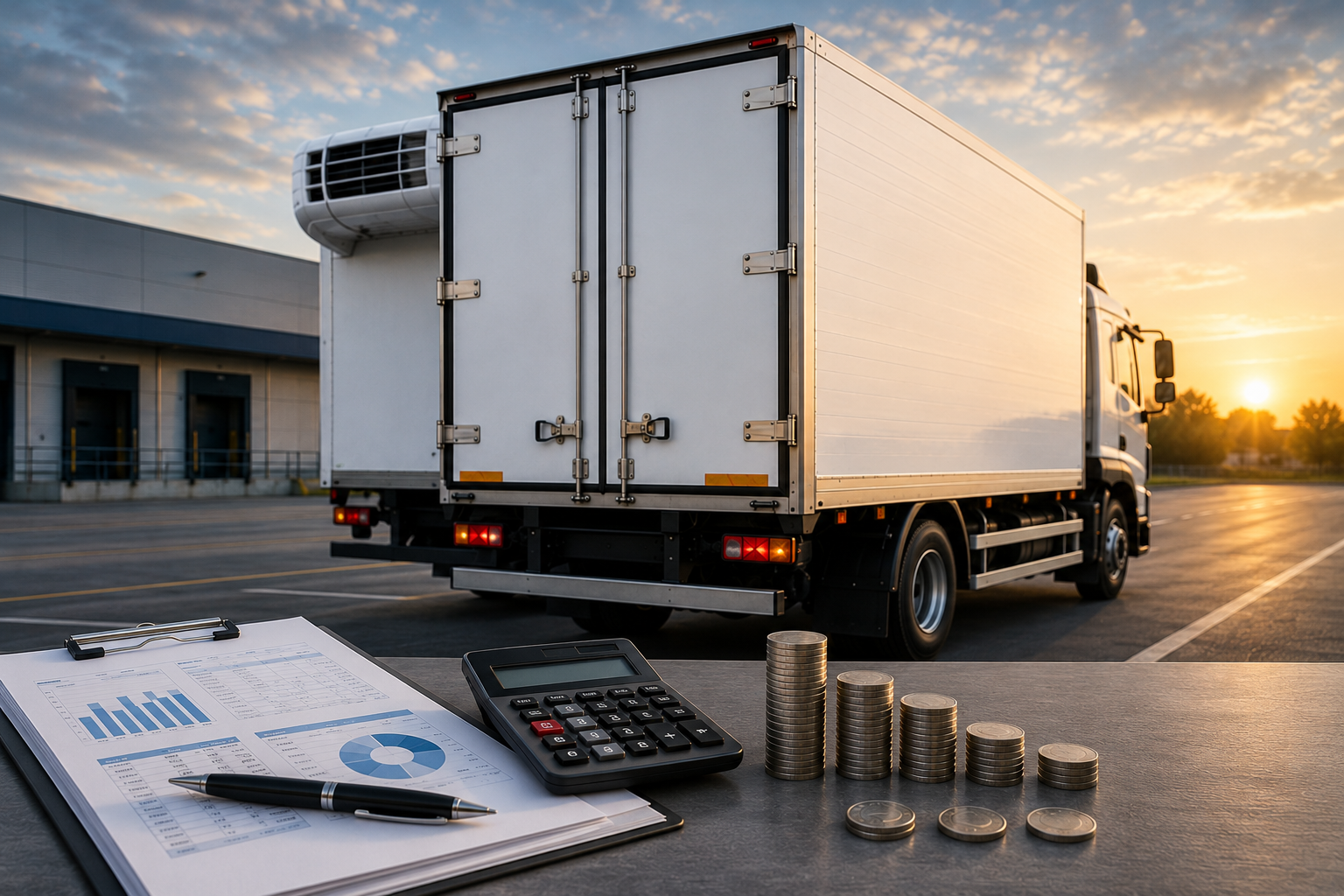
The cost of a pet food cold chain goes beyond the price of a reefer truck. Businesses need to consider the complete cost of keeping products at the required conditions, from storage and transportation to handling and potential product loss.
- Capital & operating costs: Factor in vehicle purchase, refrigeration, fuel or energy, maintenance and servicing costs.
- Cold storage costs: Include cold storage business cost alongside transportation expenses to understand the overall cold chain investment.
- Owning vs outsourcing: Smaller businesses may benefit from outsourced refrigerated transport, while consistent volumes can justify dedicated fleet capacity.
- Cost of product loss: Spoilage, rejected shipments and reduced shelf life can cost more than investing in appropriate temperature-controlled transportation.
- Right vehicle specification: Choose cold chain equipment based on temperature requirements, payload, route, climate and delivery frequency, not simply vehicle size or price.
The most cost-effective cold chain is not necessarily the one with the lowest upfront investment. It is the one that balances product protection, operational efficiency and long-term costs. A business should consider how much it stands to lose through spoilage, rejected consignments or shortened shelf life against what it would spend on the right cold chain equipment and transportation. As volumes, delivery distances and product categories grow, the ideal setup may also evolve—from an insulated vehicle for simpler requirements to a dedicated reefer truck or multi-temperature solution for more demanding operations. The goal is to build a cold chain that protects product quality without creating unnecessary costs or capacity.
How to Choose the Right Cold Chain System for Your Pet Food Business
-
Identify Your Product’s Temperature Requirements
Start with the product, not the vehicle. Dry kibble typically needs no cold chain system. Wet and canned products may be shelf-stable before opening. Fresh chilled pet food needs active refrigeration. Frozen raw diets require a cold chain system capable of maintaining sub-zero temperatures throughout distribution.
-
Assess Route Length and Ambient Conditions
An insulated vehicle may be adequate for short urban routes with pre-conditioned cargo. A reefer van suits last-mile fresh pet food deliveries with multiple stops. A refrigerated truck is required for longer routes, larger consignments, or products needing tighter cold chain management across varying ambient conditions.
-
Choose Between Insulated Vehicle, Reefer Van and Reefer Truck
Match cold chain equipment to operational need — not the most powerful available option. Businesses handling multiple pet food categories can evaluate multi-temperature reefers, where different sections maintain different conditions within a single cold chain system vehicle.
-
Plan Cold Storage Infrastructure Alongside Transport
Transportation is only one part of the cold chain system. Cold storage business cost, facility temperature requirements, and pre-cooling practices all influence how effectively the reefer truck or reefer van can maintain product conditions during transit.
-
Implement Temperature Monitoring Across the Journey
Install data loggers in the cold chain system vehicle and cold storage facility to track conditions continuously. For fresh and frozen pet food, monitoring helps identify excursions early, supports cold chain management accountability, and protects product quality from production to last-mile delivery.
-
Calculate Total Cost vs Cost of Product Loss
Compare the full cost of a pet food cold chain system — including cold storage business cost, vehicle ownership or rental, fuel, maintenance and monitoring — against the potential cost of spoilage, rejected consignments and shortened shelf life. The right cold chain investment is the one that protects product quality without adding unnecessary cost.
Conclusion
For pet food businesses, product quality does not end at manufacturing. It has to be protected through storage, transportation, handling and last-mile delivery. As fresh, chilled and frozen pet food categories continue to evolve, having the right cold chain system becomes increasingly important—but that does not mean every product automatically needs a reefer truck.
The smarter approach is to start with the product, understand its temperature requirements and then assess the journey it needs to make. Route length, ambient conditions, delivery frequency, payload and handling practices can all determine whether an insulated vehicle, reefer van or refrigerated truck is the right fit.
Ultimately, effective cold chain logistics is about finding the right balance between product protection, operational efficiency and cost. Businesses looking to build or optimise their temperature-controlled transportation setup can explore the range of solutions from Sub Zero Reefers, designed around different cargo, vehicle and cold-chain requirements. The right conversation starts not with “Which reefer should we buy?”, but with “What does our product actually need to reach the customer in the condition we intended?”
Frequently Asked Questions
1. Does pet food need refrigerated transport?
Not always. Dry kibble and many shelf-stable products can typically use ambient transport, while fresh and frozen pet food products may require a reefer van or reefer truck as part of a controlled cold chain system. The decision depends on the product formulation, shelf life, route length, and ambient operating conditions.
2. What temperature is required for fresh pet food delivery?
The required temperature depends on the product formulation and manufacturer’s specifications. Fresh pet food generally needs controlled chilled conditions, making appropriate cold chain system equipment and cold chain management critical during delivery to maintain product quality and safety.
3. What type of reefer van is best for frozen raw pet food?
A reefer van designed for frozen applications, with adequate insulation and active refrigeration capable of maintaining sub-zero temperatures, is generally more suitable than a standard insulated vehicle. The cold chain system should be selected according to the product’s required frozen temperature and route conditions.
4. How does dry kibble differ from fresh pet food in terms of cold chain?
Dry kibble is generally shelf-stable and does not require active refrigeration or a formal cold chain system, while fresh pet food is highly temperature-sensitive. This makes cold chain management far more critical for fresh and frozen products — and largely unnecessary for properly packaged dry formats.
5. What is the cost of cold chain for a pet food business?
Costs depend on storage requirements, vehicle type, route length, fleet size and operating conditions. Cold storage business cost, transportation expenses and potential product losses should all be considered when calculating the total investment in a pet food cold chain system.
6. Is FSSAI applicable to pet food transport?
FSSAI requirements and applicability should be assessed based on the specific pet food product and business activity. Businesses should verify the latest applicable regulations and ensure their cold chain logistics and transportation practices meet relevant food safety requirements for their product category.