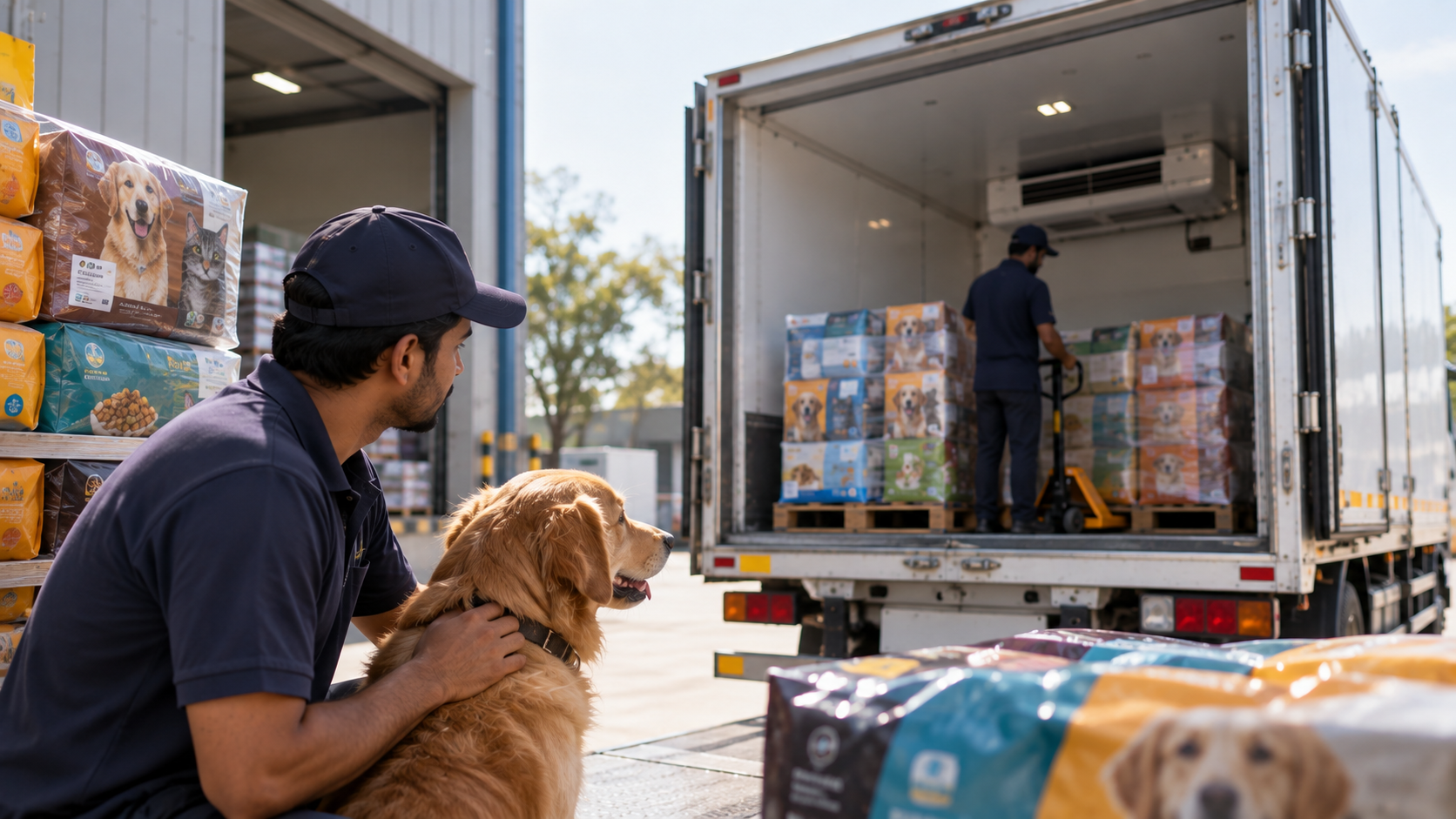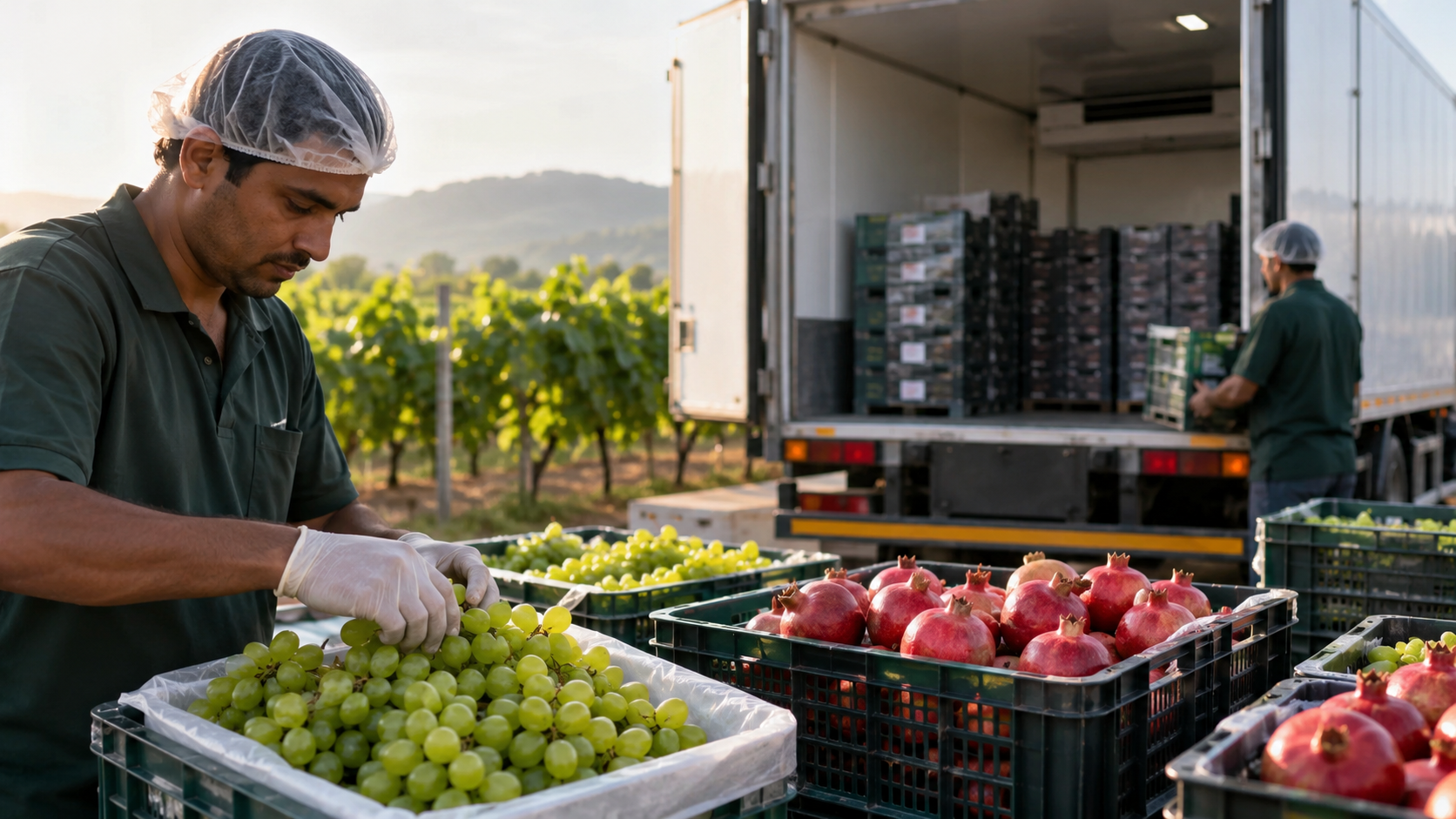
Think about the journey of a packet of frozen food, a dairy product, fresh seafood or a box of meat. It may leave the processing facility at exactly the right temperature, move into a cold storage business, and then begin a long journey through warehouses, distribution centres and multiple delivery points before it reaches a store or restaurant. At every stage, one question remains critical: has the product stayed within the conditions required to keep it safe and usable?
This is where the often-overlooked middle of the journey becomes important.
A cold room can maintain the right temperature. A warehouse can have sophisticated cold chain equipment. But once the product is loaded onto a vehicle, it enters a constantly changing environment, outside temperatures can rise, doors may be opened repeatedly, loading can take longer than expected, and traffic can turn a planned two-hour journey into a much longer one. A failure at this stage can compromise everything that happened before it.
That is why cold chain logistics is not simply about moving products in a refrigerated vehicle. It is about maintaining continuity of temperature, hygiene and product integrity from one controlled environment to another.
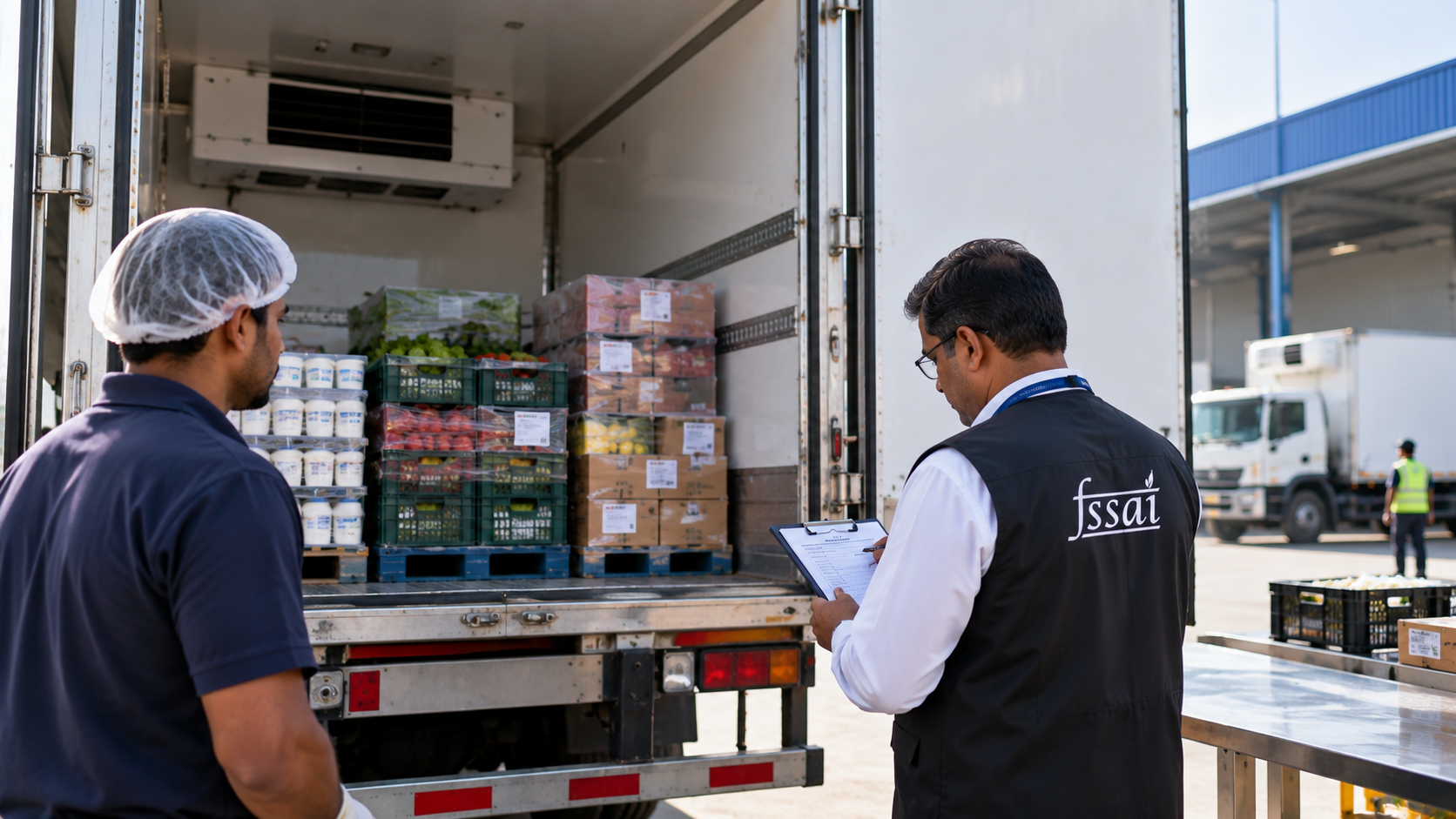
For businesses operating refrigerated trucks, reefer vans and other temperature controlled vehicles, this responsibility also brings regulatory considerations into focus. FSSAI's food safety framework applies to various activities across the food supply chain, including transportation and storage, making the vehicle an important part of the broader cold chain management process. And this is particularly relevant in 2026, as India's food supply chains become more organised, temperature-sensitive product categories continue to expand, and FSSAI's regulatory framework evolves.
So, what does FSSAI actually require from businesses transporting food? Is there a prescribed temperature for every reefer van? What role do vehicle hygiene, insulation and temperature monitoring play? And how should businesses evaluate a refrigerated truck when compliance and product safety are both on the line?
Let’s look at what the regulations mean in practice and what businesses should consider when building a reliable cold chain system.
Why Cold Chain Management Is Critical to India’s Cold Chain Logistics Network
The journey of temperature-sensitive food does not end when it enters a cold storage facility. In fact, some of the most critical points in the supply chain begin when that product leaves controlled storage and starts moving towards its next destination. Dairy products, meat, seafood, frozen foods and other perishables can spend hours on the road, often through changing ambient temperatures, traffic congestion, loading delays and multiple delivery stops. Even a short break in the required temperature range can affect product quality, shelf life and, in some cases, food safety. This is why cold chain management needs to look beyond refrigeration at individual facilities and consider the entire movement of the product.
A well-functioning cold chain logistics network connects processing facilities, warehouses, cold storage facilities, distribution centres and the final point of delivery through a continuous temperature-controlled process. The refrigerated vehicle sits at the centre of this movement. Unlike a cold room, however, a vehicle operates in a constantly changing environment. Its doors may be opened several times a day, cargo may be loaded and unloaded under time pressure, and the refrigeration system has to work against external heat while maintaining the required conditions inside the compartment. This makes the vehicle an active component of the cold chain system, rather than simply a means of transporting goods.
For businesses, this distinction is important. Investing in cold storage without considering what happens to the product during transportation can leave a significant gap in the cold chain. Effective management therefore requires the right combination of vehicle design, insulation, refrigeration capacity, loading practices, hygiene, temperature monitoring and operating procedures. In other words, maintaining the cold chain is not about keeping a vehicle cold; it is about keeping the product within its required conditions from dispatch to delivery.
Also Read: How Refrigerated Truck Manufacturers Ensure Compliance
What FSSAI’s 2026 Framework Means for Cold Chain Logistics and Food Transportation
FSSAI’s role does not end with regulating how food is manufactured or packaged. Food safety also depends on how products are stored, handled and transported before they reach the next stage of the supply chain. This makes transportation an important part of cold chain logistics. Under the FSSAI licensing framework, transportation of food through specialised vehicles, including insulated and refrigerated vans or wagons, is recognised as a food-business activity. For businesses operating a refrigerated truck, reefer van or other temperature-controlled vehicle, this makes the vehicle an important part of the food-safety process.
The 2026 reforms have also changed how food businesses approach compliance. Key developments include:
- Perpetual validity of FSSAI licences and registrations.
- Revised turnover thresholds effective from 1 April 2026.
- Greater emphasis on risk-based inspections.
- Increased focus on food safety audits.
- Continued responsibility for maintaining applicable hygiene and safety requirements.
However, perpetual validity should not be confused with perpetual compliance. An active FSSAI licence does not automatically ensure that a business’s transportation practices remain food-safe. For cold chain operators, compliance needs to be built into everyday operations—from maintaining the required product temperature and vehicle hygiene to preventing contamination and monitoring potential deviations.
Ultimately, the 2026 framework reinforces an important principle: FSSAI compliance is not just about having the right licence; it is about consistently maintaining the right conditions throughout the food’s journey.
FSSAI Regulations for Refrigerated Trucks and Cold Chain Logistics Equipment
Understanding the regulatory framework is only the first step. The real test of compliance begins once food is loaded into a vehicle and the journey starts. A refrigerated truck has to do more than create a cold environment, it needs to maintain the conditions required for the specific product while also protecting it from contamination and avoidable temperature fluctuations. This is where vehicle design, cold chain equipment and day-to-day operating practices come together.
Temperature in Cold Chain Logistics: The Product Determines the Requirement
There is no single temperature that applies to every food product transported in a reefer. The required range depends on the nature of the product and the applicable FSSAI standards. Chilled meat, frozen foods, seafood and dairy, for instance, can have different temperature requirements. Businesses therefore need to establish the product-specific requirement first and then select and operate the vehicle accordingly. The objective is not simply to achieve a low temperature, but to consistently maintain the temperature needed to preserve the product’s safety and quality throughout the journey.
Insulation and Thermal Performance in FSSAI-Compliant Cold Chain Logistics
Even the most capable refrigeration unit cannot compensate for poor insulation. The body of a temperature-controlled vehicle needs to minimise heat transfer between the cargo compartment and the outside environment. This becomes particularly important in India’s varying climatic conditions, where high ambient temperatures can place additional load on the refrigeration system. Effective insulation helps the vehicle hold its required temperature for longer and reduces the amount of work the refrigeration unit needs to do, particularly during loading, unloading and transit.
Refrigeration Capacity
Refrigeration capacity needs to be evaluated according to how the vehicle will actually be used. Cargo volume, product temperature at the time of loading, ambient conditions, journey duration and frequency of door openings can all affect the thermal load. A unit that performs well under ideal conditions may struggle when exposed to heavy traffic, repeated deliveries or extended loading periods. The right cold chain equipment should therefore be selected based on the operating environment rather than relying only on its maximum cooling capability.
Airflow and Loading
Maintaining the right temperature also depends on how the cargo is loaded. Cold air needs sufficient space to circulate around the products, while excessive stacking or blocking air outlets can create uneven temperatures inside the compartment. Products should also be loaded at the appropriate temperature rather than relying on the vehicle’s refrigeration unit to rapidly cool down warm cargo. Good loading practices are therefore as important as the refrigeration system itself when maintaining a stable cold chain system.
Hygiene and Sanitation: Non-Negotiable in Cold Chain Logistics Compliance
Temperature control cannot compensate for poor hygiene. The cargo compartment of a reefer van should be maintained in a clean and hygienic condition, with surfaces that can be cleaned effectively and systems that prevent contamination, stagnant water and pest entry. Regular cleaning, appropriate sanitation and attention to door seals, flooring and drainage are particularly important when vehicles handle different food products. Maintaining hygiene is not a separate activity from cold chain compliance; it is part of protecting food throughout transportation.
Temperature Monitoring and Traceability in Cold Chain Logistics Under FSSAI
Finally, businesses need visibility into what happens during the journey. Temperature monitoring can help identify deviations that may otherwise go unnoticed until delivery. Depending on the operation, recorded data can provide useful evidence of temperature conditions, help investigate excursions and support corrective action. For modern temperature controlled vehicles, monitoring is therefore increasingly becoming an important part of cold chain management, shifting the focus from simply transporting refrigerated products to being able to demonstrate that the required conditions were maintained.
Essential Cold Chain Logistics Considerations for Temperature-Controlled Vehicles
Choosing a vehicle for temperature-sensitive products is not simply a matter of selecting the right size or the most powerful refrigeration unit. The vehicle needs to work as part of the larger cold chain system, where temperature, hygiene, loading practices and operating conditions all influence product safety. Before investing in a refrigerated vehicle, businesses should therefore evaluate how well it can perform under their actual routes, cargo requirements and delivery patterns.
1. Temperature Control and Refrigeration Performance for Cold Chain Logistics
The first consideration should be whether the vehicle can consistently maintain the temperature required for the products being transported. This depends on factors such as refrigeration capacity, insulation, ambient conditions, cargo volume and frequency of door openings. A refrigerated truck that reaches a particular temperature but struggles to maintain it during long journeys or frequent deliveries may not be suitable for the application. Businesses should look for a refrigeration system designed around their actual thermal load and operating environment.
2. Reefer Van Body Design, Insulation and Hygiene for Cold Chain Logistics
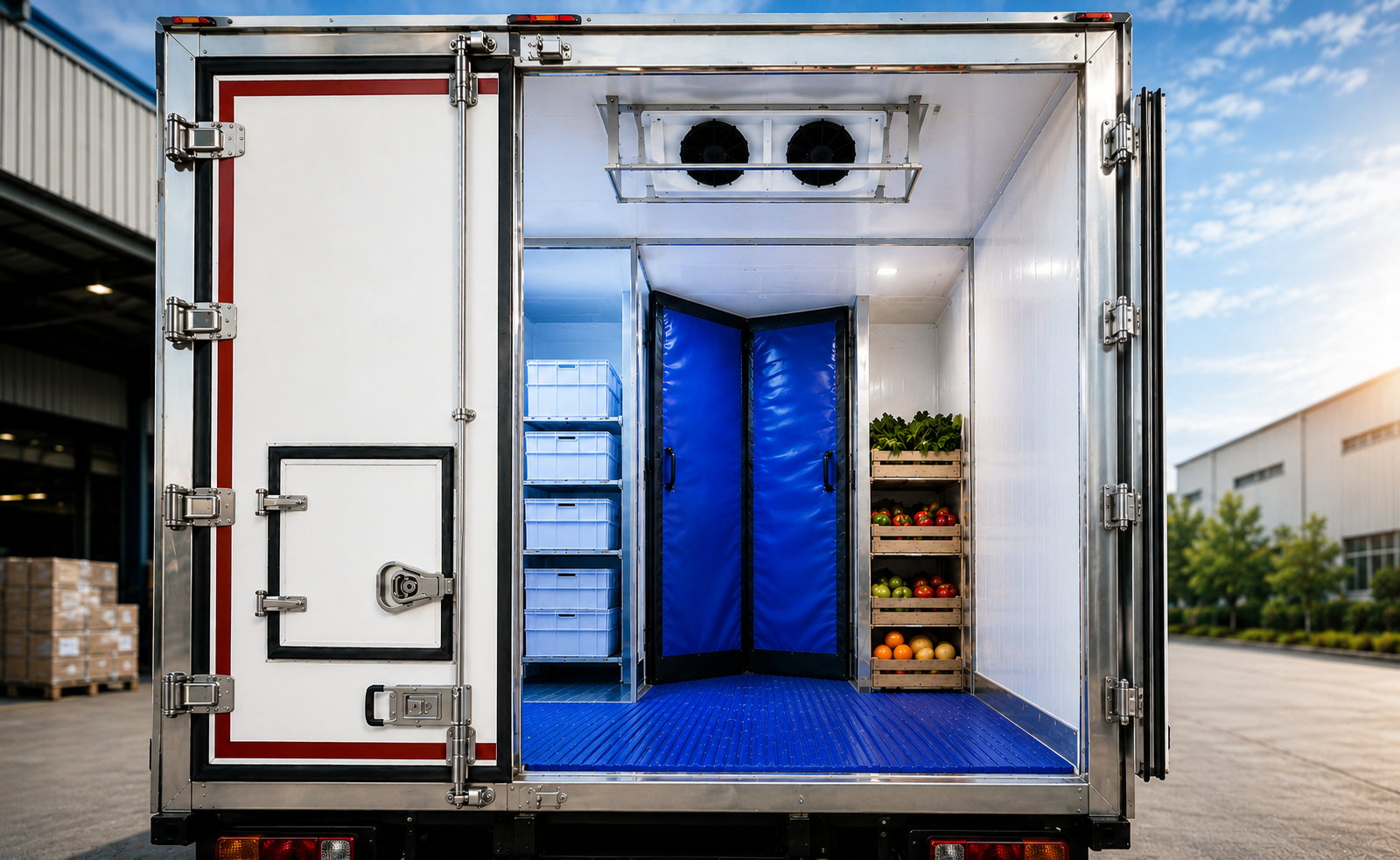
The refrigerated body plays an equally important role in maintaining product conditions. Effective insulation helps minimise heat ingress, while well-sealed doors reduce temperature loss during transit. At the same time, the cargo compartment should be easy to clean and maintain, with surfaces and drainage designed to support hygienic food transportation. For businesses handling different products, considerations around cargo segregation and cleaning between loads are also important. A well-designed reefer van should therefore support both thermal performance and food safety.
3. Monitoring and Maintenance for Cold Chain Logistics Operational Reliability
Even a technically capable vehicle requires regular monitoring and maintenance to perform consistently. Businesses should consider temperature monitoring, data logging, refrigeration servicing and preventive maintenance when evaluating temperature controlled vehicles. These measures can help identify temperature deviations early and reduce the risk of unexpected equipment failure. Ultimately, the right investment is not simply the vehicle with the highest cooling capacity—it is a reliable combination of cold chain equipment, vehicle design and operational support that can maintain product conditions from dispatch to delivery.
How to Ensure FSSAI Compliance for Cold Chain Logistics Vehicles in India 2026
-
Establish Product-Specific Temperature Requirements
Identify the FSSAI-applicable temperature range for each product category you transport. Chilled products typically require 0°C to 4°C; frozen products -18°C or below. Cold chain logistics compliance starts with product-specific requirements — not a single universal reefer truck temperature.
-
Evaluate Vehicle Insulation and Thermal Performance
Ensure the refrigerated truck or reefer van body minimises heat transfer under India’s varying ambient temperatures. Effective insulation reduces refrigeration load, maintains stable cold chain management conditions, and helps the vehicle hold required temperatures through traffic delays and repeated door openings.
-
Match Refrigeration Capacity to Actual Operating Conditions
Select refrigeration capacity based on cargo volume, product temperature at loading, ambient conditions, journey duration and door-opening frequency — not just vehicle size. Cold chain equipment that underperforms under real operating conditions is an FSSAI compliance risk, not just a performance issue.
-
Maintain Vehicle Hygiene and Sanitation Standards
The cargo compartment of every temperature controlled vehicle must be maintained in a clean, hygienic condition. Regular cleaning, appropriate sanitation, and attention to door seals, flooring and drainage are FSSAI cold chain logistics requirements — not optional practices.
-
Implement Temperature Monitoring and Traceability
Install calibrated temperature monitoring systems that generate timestamped records throughout the cold chain logistics journey. For FSSAI and HACCP audits, automated data logs replace error-prone manual records and provide evidence that required cold chain management conditions were maintained.
-
Maintain FSSAI Documentation and Compliance Records
Keep FSSAI licensing records, transportation logs, temperature records, cleaning schedules and vehicle maintenance records current. Under FSSAI’s 2026 framework — which includes perpetual licences and risk-based inspections — documentation is your primary defence during a food safety audit of cold chain logistics operations.
Conclusion
FSSAI compliance for cold chain transportation is ultimately about more than meeting a regulatory requirement. It is about ensuring that the safety and quality achieved during processing and storage are not compromised once the product begins its journey. From maintaining the right temperature and hygiene standards to choosing suitable insulation, refrigeration and monitoring systems, every part of the transportation process contributes to the integrity of the cold chain system.
As India’s temperature-sensitive food movement continues to grow, businesses will need to look at refrigerated transportation as an integral part of their overall food-safety strategy. The focus should be on building a cold chain that is consistent, measurable and capable of performing under real-world operating conditions.
For businesses evaluating or upgrading their temperature controlled vehicles, understanding these requirements is a useful starting point. Sub Zero Reefers works within this space with a focus on refrigerated transportation solutions designed around the practical demands of temperature-sensitive cargo. You can explore their range of solutions and understand what fits your operation.
Frequently Asked Questions
1. What are FSSAI rules for refrigerated transport vehicles?
FSSAI requires food transportation to maintain appropriate hygiene, safety and temperature conditions based on the food product being transported. A refrigerated truck or reefer van must be clean, well-maintained and capable of maintaining the required cold chain logistics conditions throughout transit.
2. What temperature must a reefer truck maintain under FSSAI?
There is no single temperature prescribed for every reefer truck under FSSAI. The required temperature depends on the food product and its applicable standards. Chilled products may require 0°C to 4°C, while frozen products typically require -18°C or below. Businesses should establish product-specific cold chain logistics requirements first.
3. What is the penalty for non-compliance with FSSAI cold chain rules?
Penalties depend on the nature and severity of the violation and applicable food-safety law provisions. Non-compliance can result in monetary penalties and, in serious cases, suspension or cancellation of an FSSAI licence. Maintaining an effective cold chain logistics system helps reduce such compliance risks.
4. Do all food transport vehicles need FSSAI registration?
Not necessarily. FSSAI licensing or registration requirements depend on the nature and scale of the food business and its activities. Businesses involved in transporting food through specialised temperature controlled vehicles should determine the applicable category under the current FoSCoS framework.
5. What documentation does FSSAI require for reefer trucks?
Documentation requirements vary based on the food business and activity. Businesses may need FSSAI licensing and registration records, transportation records, and where applicable, temperature and hygiene records. Maintaining these records supports effective cold chain management and traceability.
6. Did FSSAI rules for cold chain change in 2026?
Yes. FSSAI introduced significant licensing and registration reforms in 2026, including perpetual validity, revised turnover thresholds and greater emphasis on risk-based inspections and food safety audits. Businesses using cold chain logistics equipment and temperature controlled vehicles must continue meeting applicable food-safety and hygiene requirements.