Twenty years ago, a driver hauling vaccines from Mumbai to Nagpur had one tool for monitoring cargo temperature: a thermometer he checked at stops. If the refrigeration unit was losing efficiency somewhere on the expressway at midnight, nobody knew until the consignment arrived compromised. The loss got written off. The client got an apology. And the next truck went out with the same blind spots.
That world is gone, but not everywhere, and not evenly.
The last decade has brought a shift in how cold chain operations are run that is as significant as the shift from ice blocks to mechanical refrigeration. Sensors have become cheap enough to place at multiple points inside a cargo compartment. Cellular and satellite connectivity now reaches most of India's national highway network. Cloud platforms can hold years of temperature and performance data and surface an anomaly in seconds. The smartphone in a fleet manager's pocket has more real-time visibility into a truck 400 km away than a depot supervisor had standing next to the vehicle in 2005.
For Indian cold chain logistics, this matters enormously, because the baseline problem was never just mechanical. It was a visibility problem. A reefer truck carrying dairy products from Pune to Delhi passes through ambient temperatures that routinely exceed 42°C. If the refrigeration unit underperforms for even a few hours and nobody knows about it, the cargo arrives compromised. The financial loss is immediate. The regulatory exposure under FSSAI is serious. The client relationship takes a hit that is hard to recover.
IoT and GPS technology exist precisely to close this gap. This piece explains how they work on modern refrigerated truck fleets, what breakdowns they prevent, and why the insulated body the sensors sit inside is just as critical as the sensors themselves.
The Scale of India's Reefer Truck Cold Chain Breakdown Problem
The numbers are stark. India loses between 30 and 40 percent of its perishable goods annually to inadequate cold chain infrastructure. Nearly 20 percent of India's temperature-sensitive healthcare products arrive damaged or degraded because of broken or insufficient cold chains.
India has only approximately 7,000 reefer vehicles, covering just 12 to 15 percent of cold storage capacity needs, leading to transport bottlenecks, temperature excursions, and cargo losses. This is a structural shortage that cold chain logistics operators have to work around every day.
The causes of in-transit breakdown are well documented. Equipment failure is a primary barrier causing losses in the cold chain. Trucks are complex machines, and their breakdowns lead to serious risks when transporting temperature-sensitive cargo. Add to this the reality that Indian long-haul cold chain routes frequently pass through areas where specialist reefer maintenance is unavailable. A compressor failure on NH48 between Bengaluru and Mumbai at 2 AM is not a problem that resolves quickly.
Manual checks cannot solve this. A driver cannot diagnose a compressor losing efficiency at highway speed. A dispatcher cannot know that door seals are degrading on a truck three states away. Real-time temperature monitoring is crucial for cold chain transport to ensure that the quality of products is maintained.
This is exactly the problem IoT and GPS solve on a reefer van or full-size reefer truck fleet.
What IoT Monitoring Actually Tracks on a Reefer Truck
IoT-based cold chain management on a refrigerated truck goes far beyond a simple temperature sensor. A well-equipped system today tracks multiple variables simultaneously and feeds that data to a central dashboard in real time. The range of what gets monitored is worth understanding in detail, because each data stream addresses a specific, documented failure mode.
Temperature and Humidity
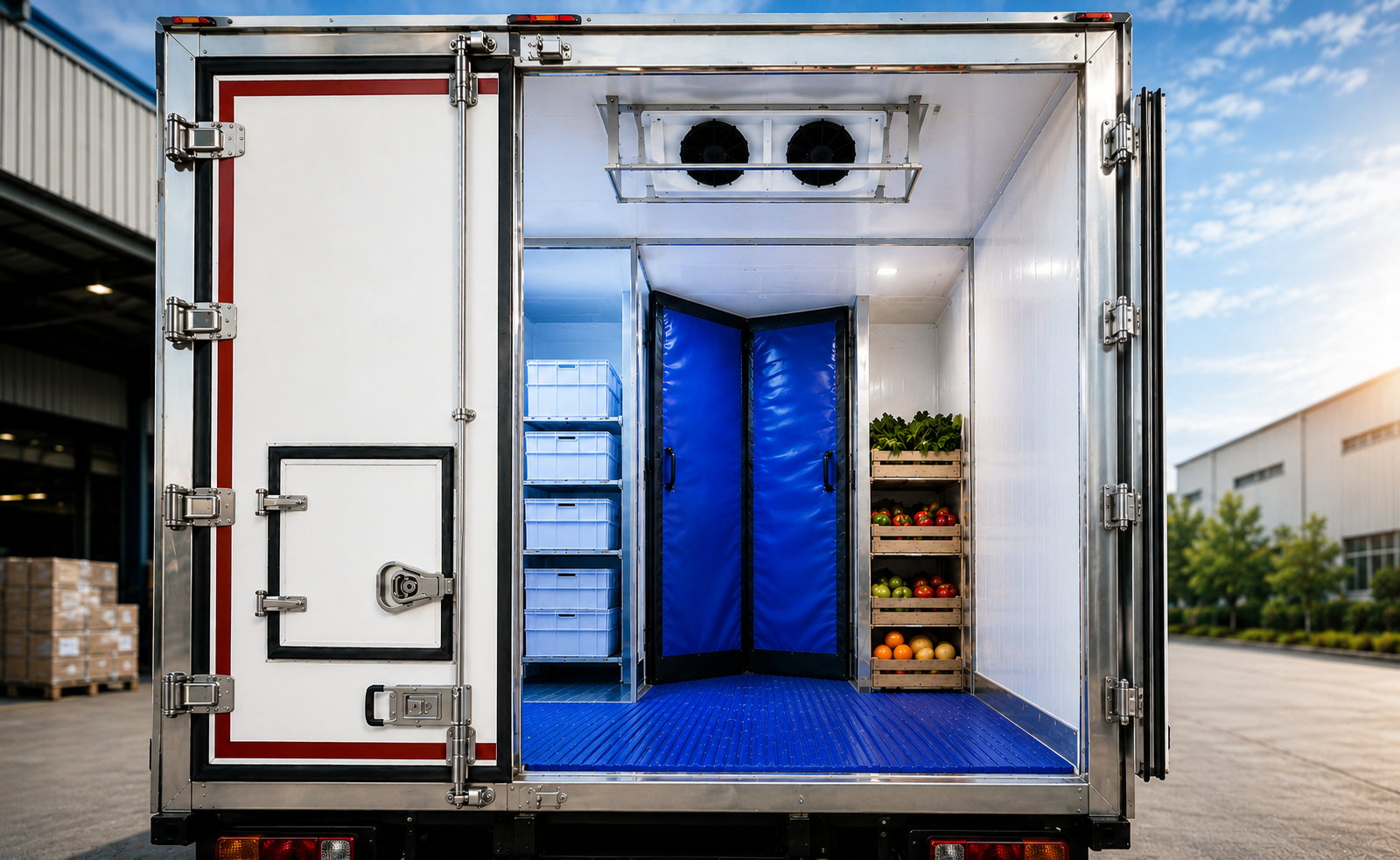
Calibrated sensors placed at multiple points inside the reefer truck cargo compartment, at load, mid-body, and near the evaporator, capture ambient conditions continuously. A truck transporting vaccines from Mumbai to Delhi may have 8 to 10 sensors placed at different positions inside the container to detect any cold spots or temperature variations. This is essential for multi-temperature loads and for identifying airflow problems early.
Compressor and Refrigeration Unit Performance Tracking on a Reefer Truck
IoT sensors monitor compressor run-time ratios, discharge temperature, and pressure differentials. A compressor losing efficiency will show rising discharge temperature, increasing run-time ratio, and declining pressure differential over days or weeks before it stops cooling entirely. This data stream is what makes predictive maintenance possible.
Door Status
Magnetic door sensors log every opening and closing event, linking the data directly to exact GPS coordinates and timestamps for complete route transparency. Frequent or prolonged door openings during transit are a leading cause of temperature excursions, especially for cold chain vaccine shipments where even a brief spike above 8°C can render a batch unusable.
Reefer Truck Fuel Monitoring: Preventing Silent Cold Chain Failures
Reefer units consume significant diesel independently of the truck's main engine. Integrated digital fuel level sensors monitor reefer fuel consumption per trip, and the system instantly flags rapid fuel level drops. An empty reefer fuel tank mid-route means the refrigeration unit stops, with no alert, the cargo loss follows silently.
Humidity and Shock
Humidity sensors protect moisture-sensitive loads. Shock sensors flag rough handling that can damage temperature-sensitive pharmaceutical packaging even when temperature itself stays in range.
Together, these data streams give cold chain equipment operators a complete operational picture, not a periodic snapshot from manual logs, but a continuous, cloud-based record.
How GPS Tracking Reduces Cold Chain Logistics Transit Risk on a Reefer Truck
GPS tracking on a reefer truck does more than show fleet managers where vehicles are on a map. The intelligence layer built on top of location data is where real breakdown prevention happens. Location, when combined with temperature and equipment data, gives operators the ability to act, not just observe.
Route Optimisation and Rerouting
IoT solutions enable seamless connectivity throughout the logistics process, offering the flexibility to adjust temperature settings in response to local climate changes, product conditions, unexpected delays, and even human error. When GPS data shows a truck idling for an extended period in high ambient heat, the system can alert the dispatcher to check refrigeration unit status proactively.
Geofencing and Transit Time Control in Reefer Truck Cold Chain Logistics
Geofence alerts notify operators when a vehicle deviates from its planned route or exceeds an expected dwell time at a loading dock. Both events are high-risk for cold chain logistics because ambient exposure at unplanned stops is one of the most common causes of temperature excursion.
Real-Time Intervention Windows
Real-time temperature sensors address the monitoring gap that infrastructure investment alone cannot close. When a compressor begins failing on NH48 between Bengaluru and Mumbai at 2 AM, no infrastructure improvement puts a technician at that location, but a sensor alert gives the operations team an intervention window that manual checks cannot provide.
GPS-Linked Compliance Documentation for Reefer Truck
GPS-linked software platforms provide exportable audit trails that satisfy Good Distribution Practice (GDP), HACCP, and customer cold-chain SLA requirements. For pharma and food fleets operating under FSSAI and WHO GDP frameworks, this automated documentation is table stakes for contract retention.
The combination of real-time location and real-time temperature data is what makes the system genuinely preventive rather than merely diagnostic. A fleet manager who knows a reefer van is running 2°C above setpoint and is currently 180 km from the nearest service centre can make a decision. A fleet manager who finds out after delivery cannot.
Predictive Maintenance on a Reefer Truck: Catching Cold Chain Failures Before They Happen
Reactive maintenance is the default in most Indian cold chain system operations. It is also the most expensive approach. A compressor that fails on a loaded highway run costs the operator the cargo, the vehicle downtime, the emergency repair, and the client relationship. Predictive maintenance eliminates most of that exposure. The shift from calendar-based servicing to condition-based servicing is where IoT delivers its clearest return.
By analysing historical trends and performance metrics, IoT platforms can predict when a cooling unit might fail, enabling predictive maintenance. This allows for servicing or replacing equipment before a breakdown occurs, reducing downtime.
Predictive maintenance engines monitor all four primary reefer unit components continuously, building a degradation model per component per vehicle that identifies the point at which a planned repair is warranted, and generates a work order automatically. The result is a shift from servicing on a fixed calendar schedule to condition-based maintenance that responds to what the sensor data actually shows.
In practice, this means a refrigerated truck compressor that is trending toward failure gets flagged two or three weeks out. The vehicle is scheduled for maintenance during off-peak hours. It returns to service before the failure point. No cargo is lost.
Cold Chain Vaccine and Pharma Transport: The Highest-Stakes Reefer Truck Application
No cold chain logistics application is higher stakes than vaccine and pharmaceutical transport. Vaccines and biologics, specialist drugs, and lab samples all require precise environmental conditions during storage and transportation. Any small fluctuation in temperature could render these life-saving products useless, leading to irreparable financial losses and health risks.
India's pharmaceutical sector ships massive volumes of cold chain vaccine and drug consignments across long-haul routes every day. With over 3,000 pharmaceutical companies at over 10,000 manufacturing sites, India has become the world's biggest manufacturer of generic drugs and supplier of 50 percent of the world's vaccines. The cold chain system supporting this output is, by definition, a national-interest infrastructure. When that system fails, the consequences reach beyond a single operator's P&L.
IoT monitoring on a reefer truck carrying vaccines operates with tighter tolerances than food or dairy runs. The WHO GDP and CDSCO frameworks require continuous temperature logging, deviation records, and corrective action documentation. IoT data analytics can identify unusual compressor cycles as a potential failure. In one documented case, maintenance personnel found that a condenser was choked based on IoT data, and nearly ₹15 lakh worth of vaccines were saved because the problem was resolved before a temperature excursion occurred.
Also Read: Reefer Trucks for Pharma and Food Industries
Cold chain ppt presentations used in pharma compliance reviews increasingly reference IoT-linked audit trails as proof of GDP adherence. Automated logs eliminate the manual data-entry errors that have historically been a weak point in cold chain compliance documentation.
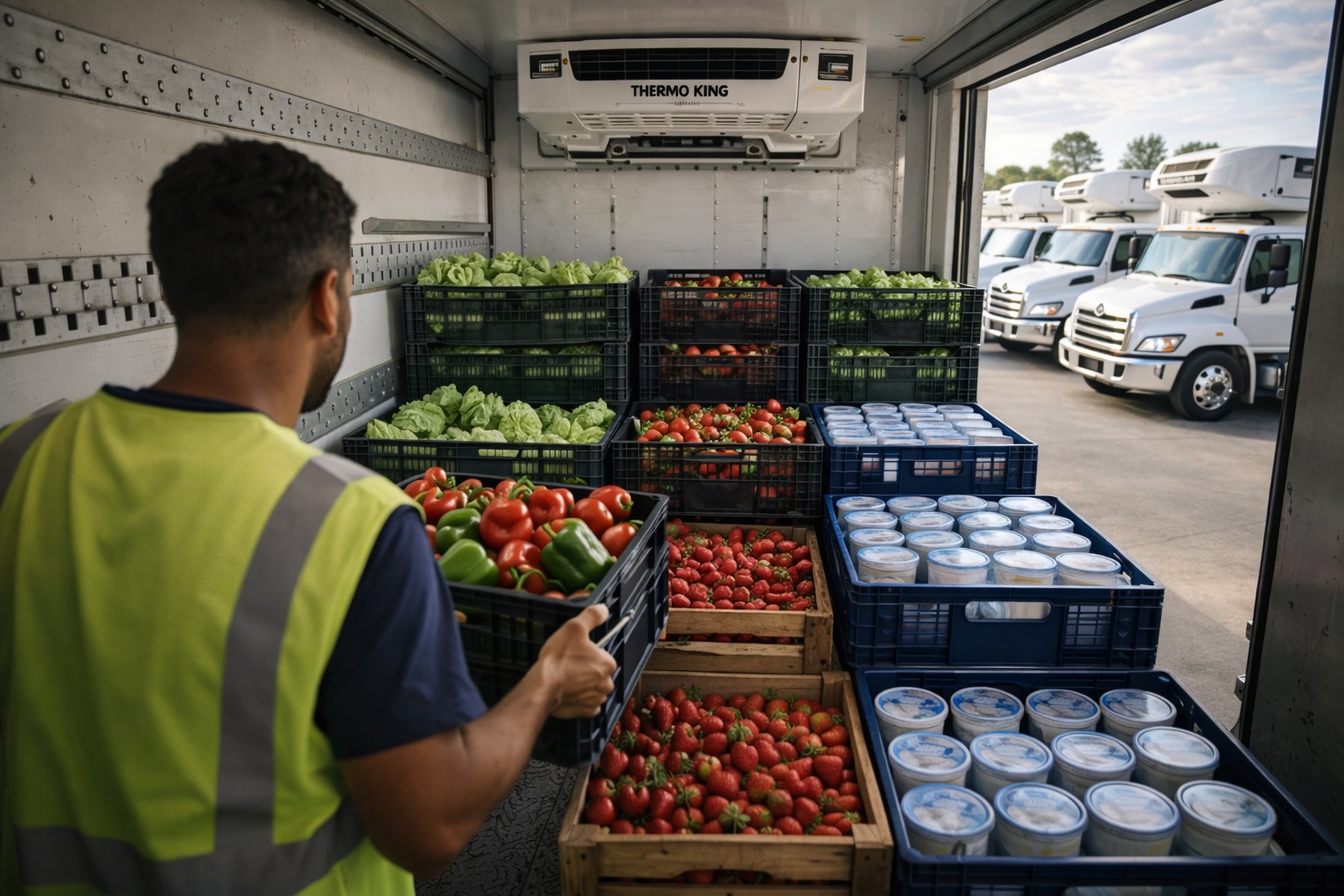
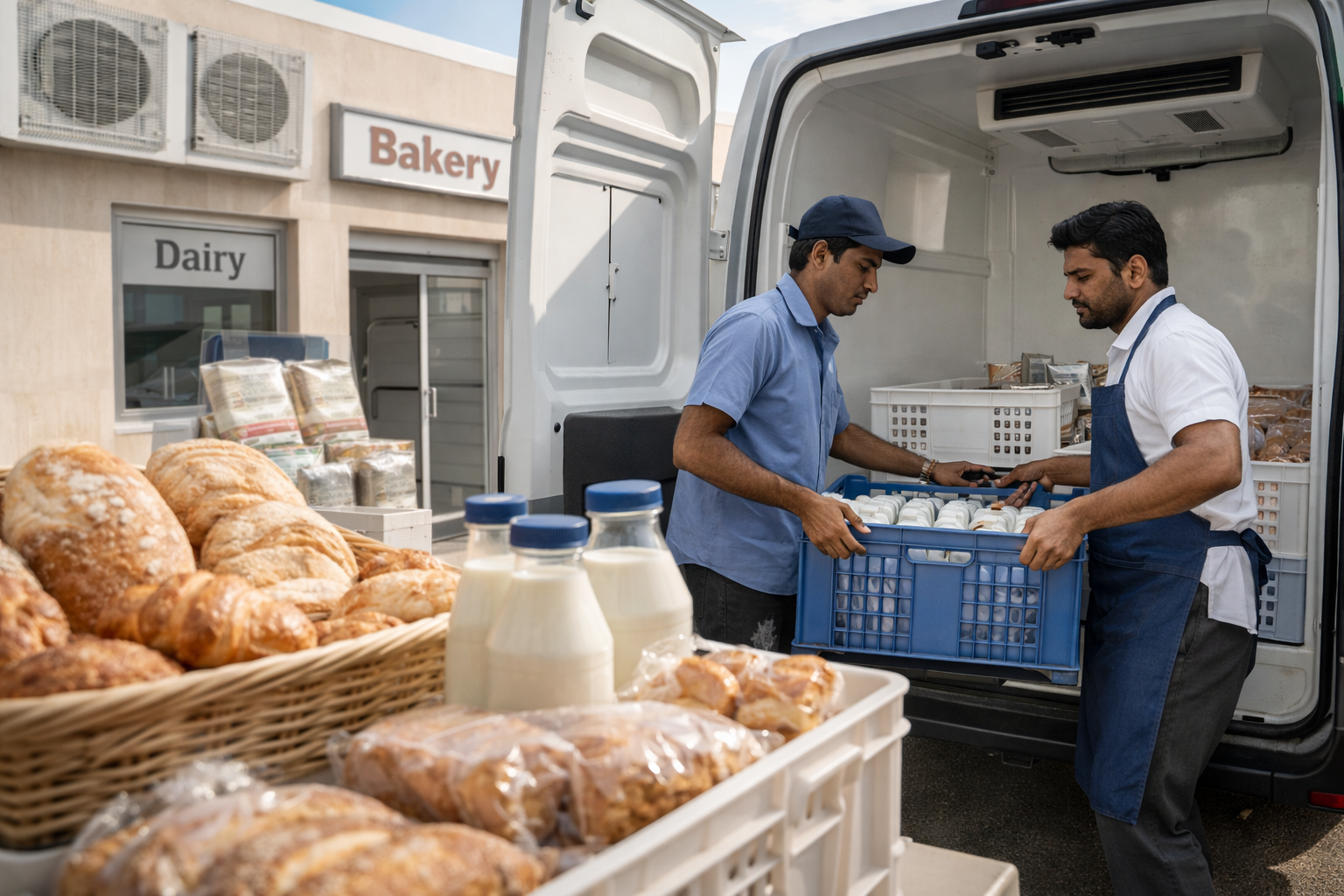
The reefer van serving last-mile vaccine delivery to clinics and hospitals in cities like Hyderabad and Delhi benefits most from real-time monitoring. Cold chain breakdowns often occur during last-mile delivery. In India, integrating temperature sensors into delivery vans and reefers for e-commerce groceries and pharmaceutical delivery is critical to prevent spoilage and meet growing consumer demand.
Conclusion
IoT and GPS tracking have changed how reefer trucks are managed. The real advantage is not simply knowing where a truck is or what temperature it is running at. It is knowing when something is going wrong while there is still time to act.
For cold chain logistics in India, that shift is significant. Rising temperatures, compressor issues, prolonged door openings, fuel drops, and route deviations can now trigger alerts before they become costly failures.
But technology can only monitor what the vehicle is built to protect. Sensors and predictive maintenance cannot compensate for poor insulation, inadequate airflow, or weak door seals. A reliable refrigerated truck needs both intelligent monitoring and sound engineering.
The future of cold chain is about preventing failures before they compromise the cargo. IoT provides the visibility, GPS provides the context, and a well-engineered reefer turns that information into action. At Sub Zero Reefers, we see this combination of technology and engineering as the foundation for more reliable cold chain transport in India.
Frequently Asked Questions
1. What is the primary benefit of IoT monitoring on a reefer truck in India?
The primary benefit is real-time visibility into temperature, humidity, and refrigeration unit performance. This allows fleet operators to intervene before a breakdown compromises cargo, rather than discovering the problem on delivery.
2. How does GPS tracking reduce cold chain failures in transit?
GPS tracking enables route optimisation, geofencing, and real-time rerouting around delays. Combined with temperature data, it gives dispatchers an intervention window when a refrigerated truck is idling in high ambient heat or deviating from its planned route.
3. What does predictive maintenance mean for a cold chain system fleet?
Predictive maintenance uses IoT sensor data, including compressor run-time, discharge temperature, and pressure differentials, to forecast component failures before they occur. Vehicles can then be scheduled for maintenance proactively, reducing unplanned mid-route breakdowns and cargo losses.
4. Why is cold chain vaccine transport particularly dependent on IoT monitoring?
Vaccine temperature tolerances are narrow, typically 2°C to 8°C. Even brief excursions outside this range can compromise a batch. IoT monitoring provides continuous temperature logging and immediate deviation alerts, supporting CDSCO and WHO GDP compliance while helping prevent batch-level losses.
5. What cold chain equipment do IoT systems typically monitor on a reefer?
IoT systems can monitor the compressor, condenser, evaporator, door seals, cargo temperature and humidity, reefer fuel levels, and door opening and closing events.
6. Does body insulation quality affect how well IoT monitoring works?
Yes. A well-insulated reefer truck body helps maintain stable temperatures, making it easier to identify genuine refrigeration issues. Poor insulation, moisture absorption, delamination, or failing door seals can create temperature fluctuations that complicate performance monitoring.
7. What is the difference between a reefer van and a full-size reefer truck for IoT purposes?
The core monitoring technology is similar. However, last-mile reefer vans have historically been less equipped with telematics than long-haul trucks. This is changing as cold chain logistics and quick-commerce deliveries expand across Indian cities.
8. How does cold chain management through IoT support FSSAI compliance?
IoT systems create timestamped temperature records that can be used for FSSAI and HACCP audits. Automated documentation reduces reliance on manual logs, helping minimise data-entry errors and monitoring gaps.