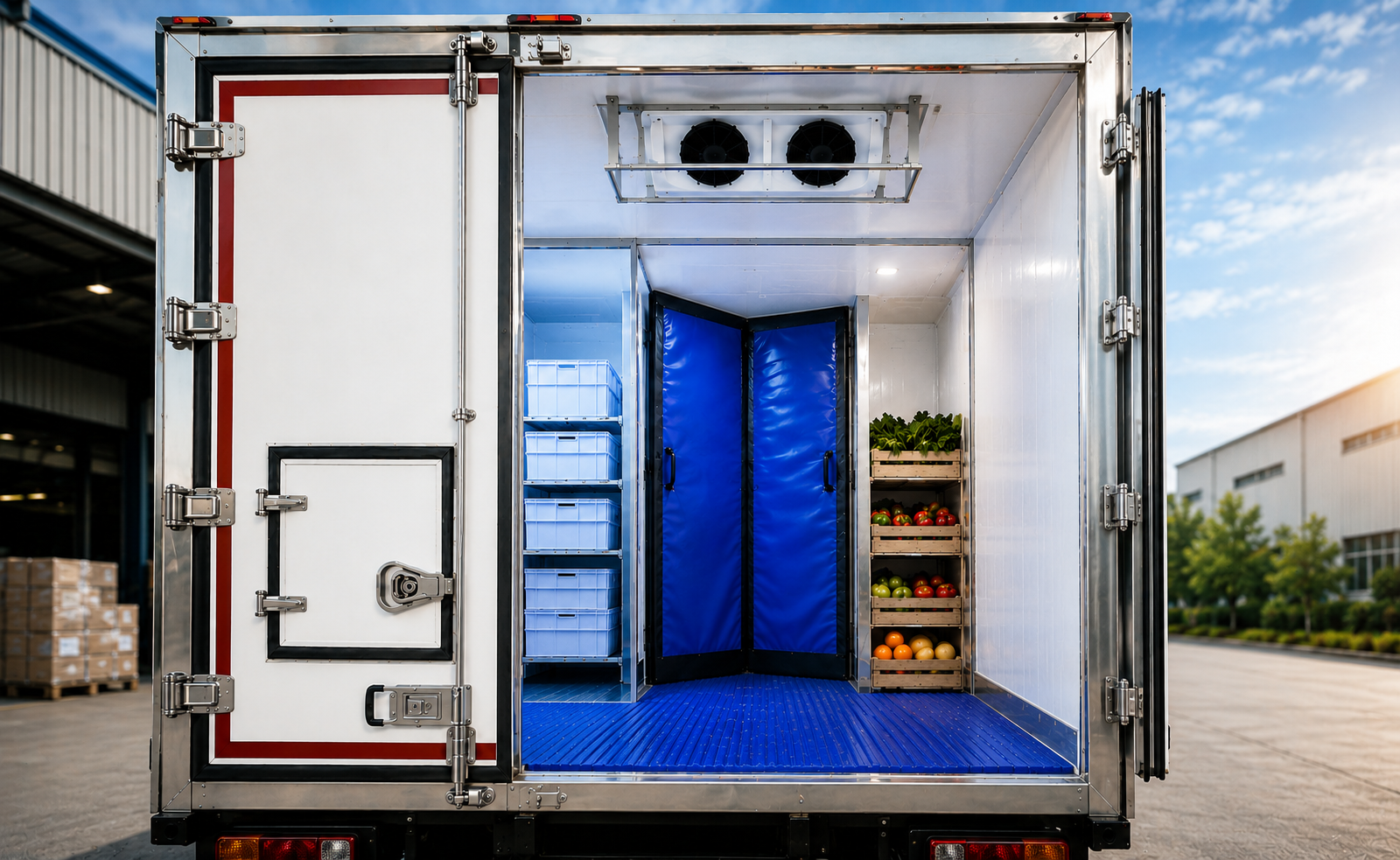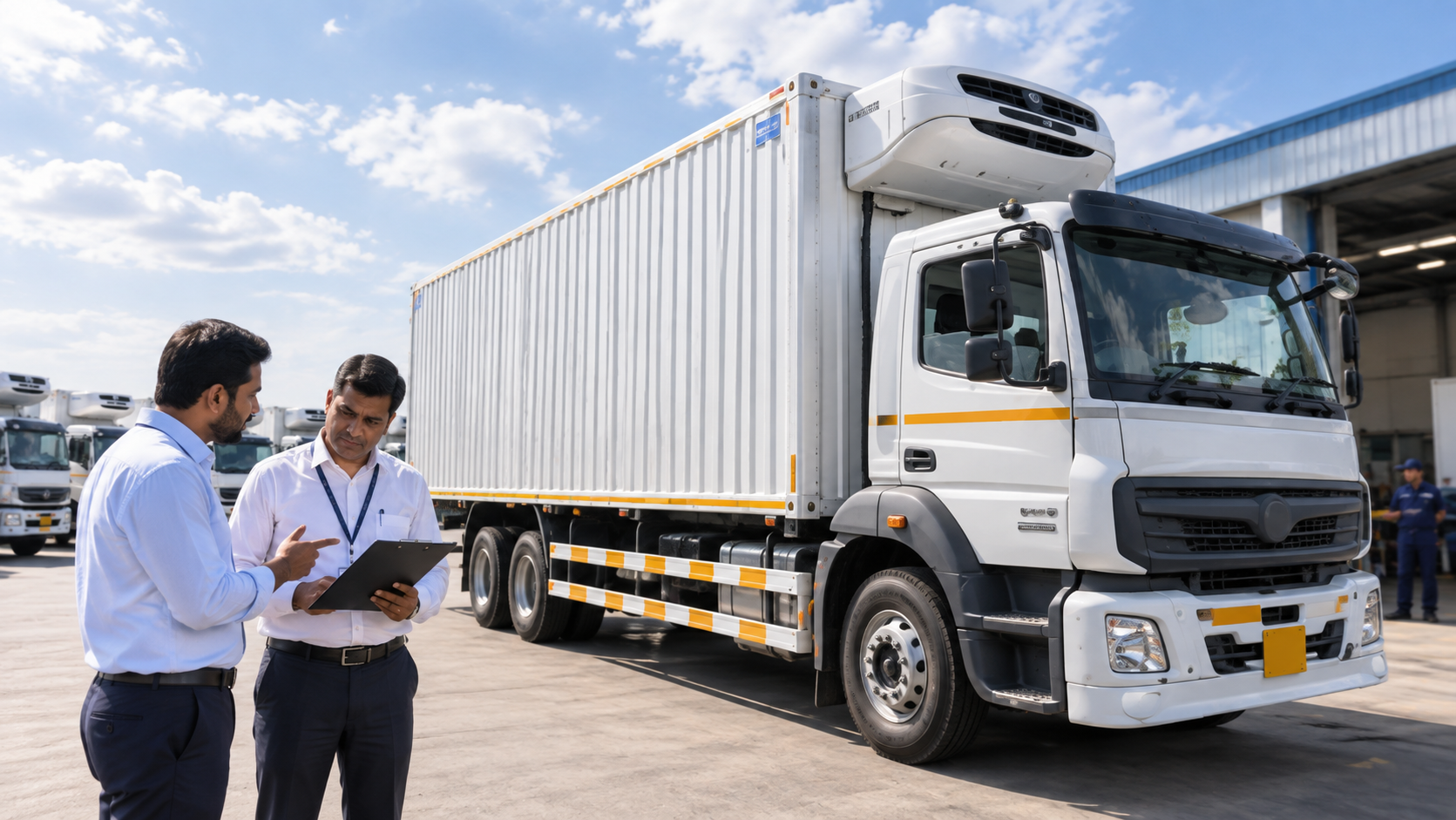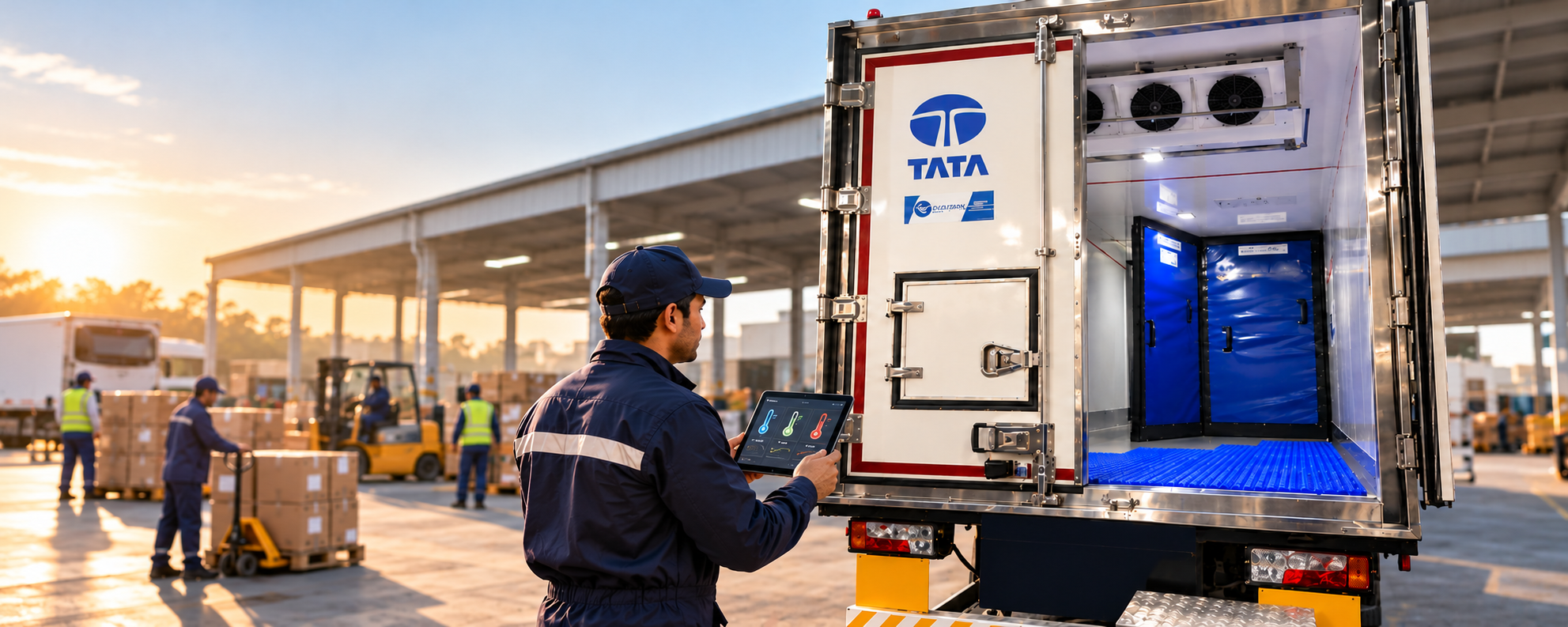
A multi-temperature reefer truck is changing how businesses approach cold chain logistics by allowing different categories of temperature-sensitive cargo to be transported in a single vehicle. From frozen foods and dairy products to fresh produce and other perishable goods, a three-zone configuration can help businesses consolidate deliveries without compromising the specific temperature requirements of each product. For fleet operators managing multiple delivery routes, this presents an opportunity to improve vehicle utilisation, streamline distribution and potentially reduce overall transportation costs.
Why Reefer Truck Cost Goes Beyond the Purchase Price
However, the economics of operating a multi-temperature refrigerated truck extend beyond the initial reefer truck price. The reefer truck cost depends on several factors, including insulated body construction, compartment separation, refrigeration capacity, fuel consumption, payload efficiency and ongoing maintenance. The cost of operating three temperature zones simultaneously also depends on the refrigeration system, ambient conditions and how effectively each compartment is utilised.
Equally important is reefer temperature monitoring, which helps operators track compartment conditions and identify temperature deviations during transit. A suitable reefer temperature monitoring device and reliable data logging system can support better cargo protection, operational visibility and temperature accountability across the cold chain.
For businesses evaluating temperature controlled trucks, the real question is whether the additional investment in a multi-temperature configuration can deliver better fleet economics than operating separate vehicles. This requires looking beyond the purchase price to factors such as cost per delivery, fuel efficiency, maintenance, load utilisation and the potential reduction in product losses.
This article explores the cost of operating a three-zone reefer truck, the factors that influence its total cost of ownership, and how businesses can determine whether a multi-temperature refrigerated truck is the right investment for their cold chain operations.
What Determines Multi-Temperature Reefer Truck Cost?
The cost of a multi-temperature reefer truck depends on more than the number of temperature zones it can support. From the vehicle chassis and insulated body to refrigeration equipment and monitoring technology, each component influences the initial investment and long-term operating expenses. Understanding these cost drivers helps fleet operators evaluate the right configuration for their cargo requirements, delivery routes and expected utilisation.
Chassis, Insulated Body and Payload Capacity: Impact on Reefer Truck Cost
The chassis and insulated body form the foundation of a refrigerated truck and have a direct impact on its overall cost. The choice of vehicle depends on the required payload, cargo volume, route conditions and number of deliveries per trip. A larger chassis may accommodate more cargo, but the added weight of insulation, partitions and refrigeration equipment can reduce usable payload capacity. Businesses should therefore assess the balance between vehicle size, load capacity and operating efficiency when comparing reefer truck costs.
Multi-Zone Refrigeration and Temperature Controls: What Adds to Reefer Truck Cost?
A three-zone reefer truck requires a refrigeration configuration capable of maintaining the specified conditions in each compartment. The cost depends on the refrigeration architecture, cooling capacity, airflow design and independent temperature controls. Depending on the application, the system may use multiple evaporators or another engineered arrangement to serve the different zones. The refrigeration system must be designed to handle the combined thermal load, including heat entering through the body, cargo conditions and frequent door openings. Selecting the right configuration helps balance the initial reefer truck price with reliable temperature control and ongoing energy consumption.
Reefer Temperature Monitoring Equipment and Data Logging Costs
Reliable reefer temperature monitoring is essential when transporting products with different storage requirements in the same vehicle. A suitable system may include compartment-specific sensors, digital displays, data loggers and alerts for temperature deviations. The cost of a reefer temperature monitoring device depends on its accuracy, recording capabilities, remote access features and integration with fleet management systems. For businesses handling sensitive cargo, historical temperature records also support shipment traceability and quality investigations. The monitoring setup should be selected according to the cargo's requirements and the level of operational visibility needed.
Partition Design and Customisation: How They Affect Reefer Truck Price
Partition design determines how effectively the cargo body is divided into separate temperature zones. Insulated bulkheads, reliable seals and appropriate access arrangements help limit unwanted heat transfer between compartments. The final reefer truck price can vary depending on whether the partitions are fixed, movable or removable, as well as the required compartment sizes and additional features. Customisation should reflect the actual cargo mix and delivery pattern rather than simply divide the body into three equal sections. A well-planned layout can preserve usable cargo space, support efficient loading and help maintain the required conditions across all zones.
Multi-Temperature Reefer Truck Cost to Operate vs Standard Reefer
A multi-temperature reefer truck can offer greater delivery flexibility than a standard single-zone refrigerated truck, but this flexibility may come with additional operating expenses. The cost difference depends on the refrigeration system, insulation quality, cargo distribution and how frequently each compartment is used. For fleet operators, understanding these expenses is essential to determining whether a multi-temperature configuration can deliver savings through consolidated deliveries and improved vehicle utilisation.
Dual-Evaporator Energy Costs vs Single-Zone Refrigeration
A multi-temperature refrigeration system may require additional evaporators, controls and airflow management components compared with a conventional single-zone reefer. These components can increase energy demand, although the actual difference depends on the system design and operating conditions. In diesel-powered temperature controlled trucks, refrigeration energy consumption is influenced by the cooling load, ambient temperature, door openings and the condition of the insulated body.
Operators should evaluate total fuel consumption under comparable operating conditions rather than assume that a multi-zone system will always consume more fuel. The objective is to balance refrigeration performance with the overall reefer truck operating cost.
Partition Maintenance and Seal Replacement Costs
Partitions and bulkhead seals help maintain separation between compartments and limit unwanted heat transfer. Over time, repeated loading, unloading and vehicle movement can cause seals to wear, become loose or lose their effectiveness. Damaged seals may allow warmer air to enter a compartment or create temperature fluctuations between zones, increasing the refrigeration system's workload.
Regular inspection and timely replacement help preserve insulation performance and reduce the risk of cargo damage. These maintenance requirements should be included when calculating the long-term cost of operating a multi-temperature refrigerated truck.
Cost of Running Three Temperature Zones Simultaneously
Operating all three temperature zones simultaneously requires the refrigeration system to manage the thermal load of each compartment. The cost depends on the specified temperatures, ambient conditions, cargo temperature at loading, insulation performance and frequency of door openings.
A compartment carrying frozen products may require more intensive cooling than one holding chilled goods, while an ambient compartment may not need active refrigeration if it is designed for that purpose. Businesses should monitor fuel consumption and temperature performance across actual routes to understand how simultaneous operation affects the total reefer truck cost.
Fleet Economics: Is the Multi-Temperature Reefer Truck Cost Worth the Investment?
A multi-temperature reefer truck can improve fleet economics by combining frozen, chilled and other temperature-sensitive cargo in a single vehicle. Instead of deploying separate refrigerated trucks for similar delivery routes, businesses can consolidate compatible loads, improve vehicle utilisation and potentially reduce transportation costs. However, the additional reefer truck cost must be weighed against the savings generated through fewer trips, better payload utilisation and higher revenue per delivery.
Investment Factors to Weigh
Key factors to consider when evaluating the investment include:
- Trips saved: Combining compatible cargo can reduce the need for multiple vehicles travelling along similar routes.
- Revenue per trip: Carrying products for multiple customers can increase revenue, provided sufficient demand exists across all three zones.
- Operating expenses: Compare fuel, driver wages, refrigeration energy, maintenance and delivery costs against the alternative fleet configuration.
- Break-even period: Divide the additional upfront investment by the net annual savings to estimate the payback period.
- Total cost of ownership (TCO): Account for the initial reefer truck price, ongoing operating expenses, maintenance and residual value over the vehicle's working life.
For example, if a multi-temperature configuration costs ₹6 lakh more than the alternative but generates net annual savings of ₹3 lakh, the additional investment could be recovered in approximately two years. This is an illustrative calculation, not a guaranteed saving.
Ultimately, the value of a multi-temperature reefer depends on cargo demand, route efficiency and consistent utilisation of its compartments. Comparing the cost per delivery and total cost of ownership against separate refrigerated vehicles helps businesses determine whether the investment can deliver sustainable savings without compromising temperature control.
Maintenance and Reefer Temperature Monitoring: Managing Three Zones Efficiently
Maintaining a multi-temperature reefer truck requires regular servicing of the refrigeration system, compartment partitions and temperature monitoring equipment. Since each zone may operate at a different setpoint, even a minor fault in a sensor, evaporator or bulkhead seal can affect temperature stability and cargo quality. A planned maintenance schedule helps fleet operators control repair costs, reduce downtime and maintain reliable cold chain operations.
Dual-Evaporator and Refrigeration System Maintenance
Multi-temperature refrigeration systems require periodic inspection to ensure that cooling capacity, airflow and temperature controls remain effective. Depending on the system design, servicing may include checking evaporators, fans, electrical connections, refrigerant circuits and control components. Following the manufacturer's service schedule helps identify potential faults before they disrupt deliveries.
Bulkhead Seal Inspection and Replacement
Bulkhead seals and insulated partitions help prevent unwanted heat transfer between compartments. Worn or damaged seals can compromise temperature separation and increase the refrigeration system's workload. Regular inspections should focus on:
- Cracks, tears or gaps around partition edges.
- Door seals and closures that no longer fit securely.
- Damage to insulation panels or internal surfaces.
- Airflow obstructions caused by cargo placement.
Timely repairs help maintain thermal performance and prevent avoidable energy consumption.
Reefer Temperature Monitoring Device Calibration and Maintenance
A reliable reefer temperature monitoring system helps operators verify conditions within each compartment. Sensors and monitoring devices should be checked and calibrated at appropriate intervals, based on manufacturer recommendations and cargo requirements. Monitoring equipment may include:
- Compartment-specific sensors: Measure temperatures in individual zones.
- Data loggers: Record temperature readings for historical review and traceability.
- Deviation alerts: Notify operators when readings move outside defined limits.
- Remote monitoring: Where supported, provide visibility into compartment conditions during transit.
These features can support operational control, but monitoring does not replace effective refrigeration, correct loading practices or physical inspection.
How Preventive Maintenance Reduces Downtime and Cargo Losses
Preventive maintenance helps identify refrigeration faults, sensor inaccuracies and insulation problems before they lead to delivery disruptions. By combining scheduled servicing with temperature records, fleet operators can investigate recurring deviations and improve operating procedures.
A suitable monitoring setup also depends on the vehicle type. Reefer truck temperature monitoring must account for multiple compartments and frequent delivery stops, while reefer trailer temperature monitoring may require coverage across a larger cargo space. A reefer container temperature monitoring system may need to support longer transit periods and integration with container logistics processes.
Across all three applications, effective maintenance and monitoring help businesses protect cargo quality, manage operating expenses and improve the reliability of temperature-controlled transportation.
Also Read: Role of Multi-Compartment Systems in Refrigerated Transport
Best Use Cases for Multi-Temperature Reefers in India
India's diverse supply chains create demand for refrigerated transportation across food distribution, organised retail, food service and specialised logistics. A multi-temperature reefer truck allows businesses to transport compatible products with different temperature requirements in a single vehicle, potentially reducing trips and improving fleet utilisation. Its suitability, however, depends on cargo compatibility, delivery frequency and the cost of maintaining separate temperature zones.
Applications by Cargo and Route Type
- Dairy, frozen foods and fresh produce: Transport chilled dairy products, frozen foods and selected fruits and vegetables in separate compartments, with each zone configured to meet the specific storage requirements of the cargo.
- QSR, retail and multi-stop urban deliveries: Consolidate frozen ingredients, chilled products and other compatible supplies for restaurants, supermarkets and retail outlets, helping reduce duplicated trips across similar delivery routes.
- Pharmaceuticals and temperature-sensitive cargo: Transport products requiring specified temperature ranges with suitable monitoring, documentation and handling procedures to support cargo integrity and applicable quality requirements.
- Choosing between single-zone, dual-zone and three-zone reefers: A single-zone reefer may be more economical for uniform cargo, while a dual-zone or three-zone configuration is worth considering when delivery volumes justify the additional investment and operating costs.
Also Read: Multi-Temperature Refrigerated Trucks for Versatile Applications
Matching Reefer Truck Cost to Operations
Ultimately, the right refrigerated truck configuration depends on the relationship between cargo requirements and operating economics. Businesses should compare the reefer truck cost, usable payload, temperature monitoring requirements and expected cost per delivery before investing. For fleet operators handling diverse consignments, a well-planned multi-temperature configuration can improve distribution efficiency when all compartments are used effectively and the required temperature conditions are maintained.
How to Choose the Right Multi-Temperature Reefer Configuration
Choosing the right multi-temperature reefer truck starts with understanding the cargo's temperature requirements, compatibility and delivery frequency. Businesses should assess whether a single-zone, dual-zone or three-zone configuration best suits their product mix, while considering how partition design affects usable payload and compartment capacity.
Route distances, delivery schedules, ambient conditions and the need for reliable reefer temperature monitoring should also influence the decision. Rather than evaluating the reefer truck price alone, fleet operators should compare the initial investment with expected fuel consumption, refrigeration energy, maintenance and cost per delivery over the vehicle's working life. This total cost of ownership approach helps identify a configuration that balances temperature control, operational efficiency and long-term value.
Conclusion
A multi-temperature reefer truck offers businesses an opportunity to transport different categories of temperature-sensitive cargo in a single vehicle while improving fleet utilisation and simplifying distribution. However, the real value of a three-zone configuration lies in how effectively it balances temperature control, payload capacity and operating costs. From refrigeration energy and maintenance to compartment design and temperature monitoring, every component influences the vehicle's long-term cost of ownership.
For fleet operators, evaluating the reefer truck cost should go beyond the initial purchase price. The decision should account for delivery volumes, route efficiency, maintenance requirements and the potential savings from consolidating trips. With the right configuration and operating practices, a multi-temperature refrigerated truck can support more efficient and reliable cold chain operations.
With its experience in refrigerated vehicle body solutions, Sub Zero Reefers can help businesses explore configurations suited to their cargo requirements and distribution needs. The right starting point is understanding your operation, so the vehicle you invest in delivers value throughout its working life.
Frequently Asked Questions
1. What is a multi-temperature reefer truck?
A multi-temperature reefer truck is a refrigerated vehicle divided into separate compartments, each designed to maintain a different temperature. It allows businesses to transport compatible frozen, chilled and other temperature-sensitive products in one vehicle.
2. How much more does it cost to run a multi-zone reefer versus a standard reefer?
A multi-zone reefer may have higher operating costs due to additional refrigeration equipment, controls and maintenance requirements. The actual difference depends on the cooling system, insulation, cargo load, ambient temperature and operating conditions.
3. Can a multi-temperature reefer truck carry frozen and fresh produce together?
Yes, provided the truck has suitable compartment separation and independent temperature management. Fresh produce must be maintained at its specific temperature requirements, as different varieties may be incompatible with frozen storage conditions.
4. What is the energy cost of running 3 temperature zones in one truck?
The energy cost depends on the refrigeration system, required temperature settings, ambient conditions, insulation quality and door-opening frequency. An accurate estimate requires the system's energy consumption data and the vehicle's operating hours or kilometres.
5. Is a multi-temperature reefer worth the extra cost for a small fleet?
It can be worthwhile if the fleet regularly transports compatible products requiring different temperatures. Consolidating deliveries may reduce vehicle trips and improve utilisation. However, businesses should compare the additional investment and maintenance costs against the expected savings before making a decision.