Introduction
Food safety does not end when products leave a processing facility or cold storage warehouse. The journey from production to consumption introduces a different set of risks, including changing ambient temperatures, prolonged transit times, loading delays, and repeated door openings. For perishable goods such as dairy, meat, seafood, and frozen foods, even a poorly managed temperature excursion can affect product quality, reduce shelf life, and potentially compromise food safety.
This makes transportation one of the most critical links in the food cold chain. While a reefer truck provides the infrastructure needed to maintain controlled conditions, refrigeration alone cannot guarantee that a shipment remains safe throughout its journey. The real challenge lies in maintaining a consistent reefer truck temperature, identifying deviations as they occur, and maintaining reliable records that establish how the cargo was handled from dispatch to delivery.
This is where reefer temperature monitoring and systematic temperature-log management become essential. Through continuous or periodic refrigerated truck temperature monitoring, businesses can gain better visibility into transit conditions, identify potential risks, and take corrective action before minor issues escalate into product losses or compliance concerns. Similarly, reefer container temperature monitoring helps track temperature conditions in refrigerated transport units, supporting greater control over temperature-sensitive shipments.
How Temperature Logs Support Food Cold Chain Accountability
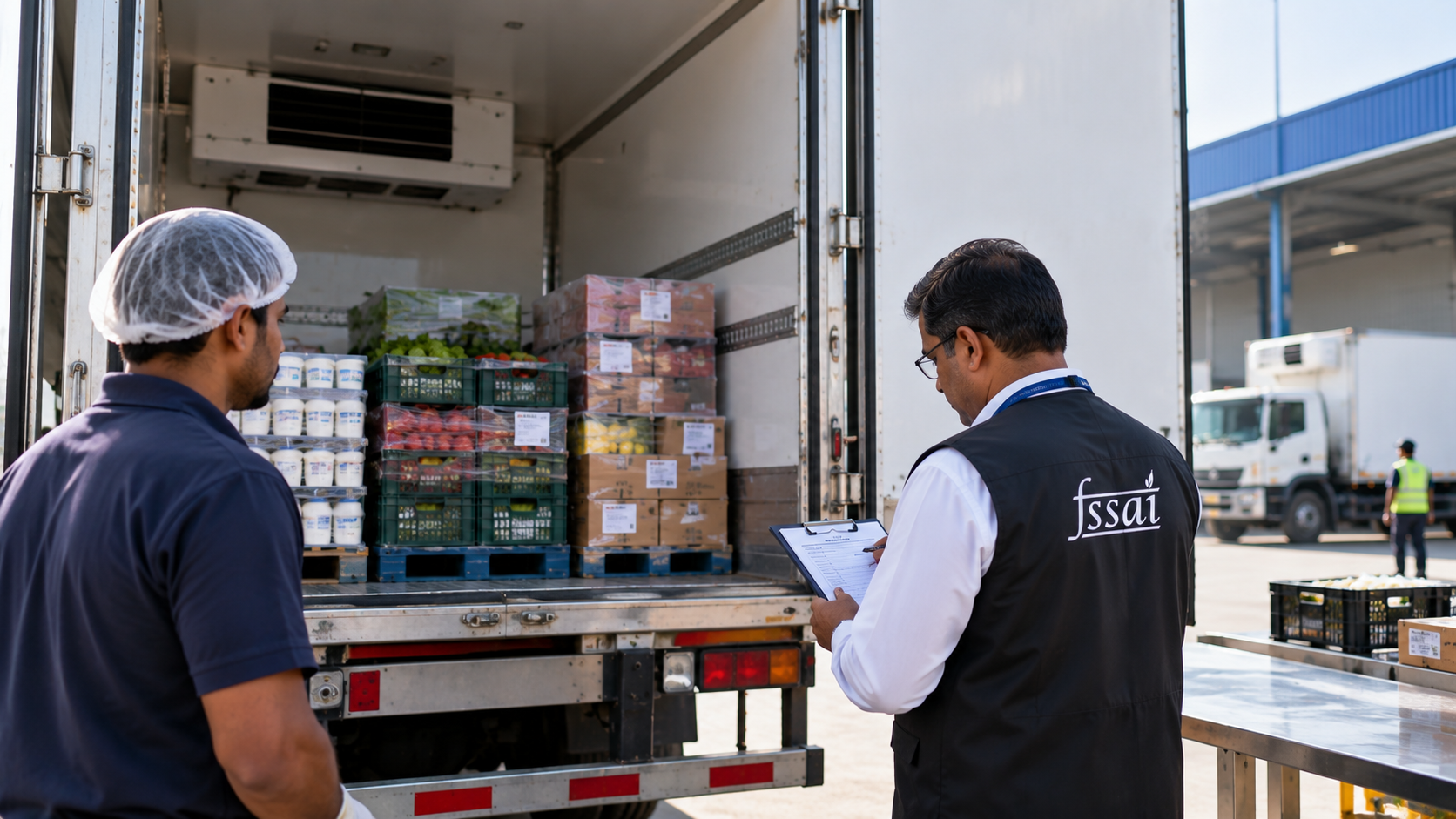
Temperature logs also introduce an important element of accountability. They help food manufacturers, distributors, retailers, and logistics providers move beyond assumptions about product safety towards documented evidence of transportation conditions. When integrated with shipment records, vehicle data, and corrective-action reports, these logs strengthen traceability and support informed decisions during quality checks, customer audits, and incident investigations. They also help businesses evaluate whether the refrigerated truck temperature remained within the product's specified range throughout transit.
As India's food supply chains become more complex, with longer distribution networks and increasing expectations around product quality and consistency, temperature controlled logistics can no longer be treated as a function of refrigeration equipment alone. Businesses need temperature controlled trucks supported by reliable monitoring systems, disciplined handling practices, preventive maintenance, and clearly defined compliance procedures. Ultimately, effective cold chain logistics is not simply about delivering food at the right temperature; it is about maintaining the conditions necessary to protect product quality and safety throughout the journey.
What Is a Reefer Truck, and Why Does It Matter for Food Cold Chain Safety?
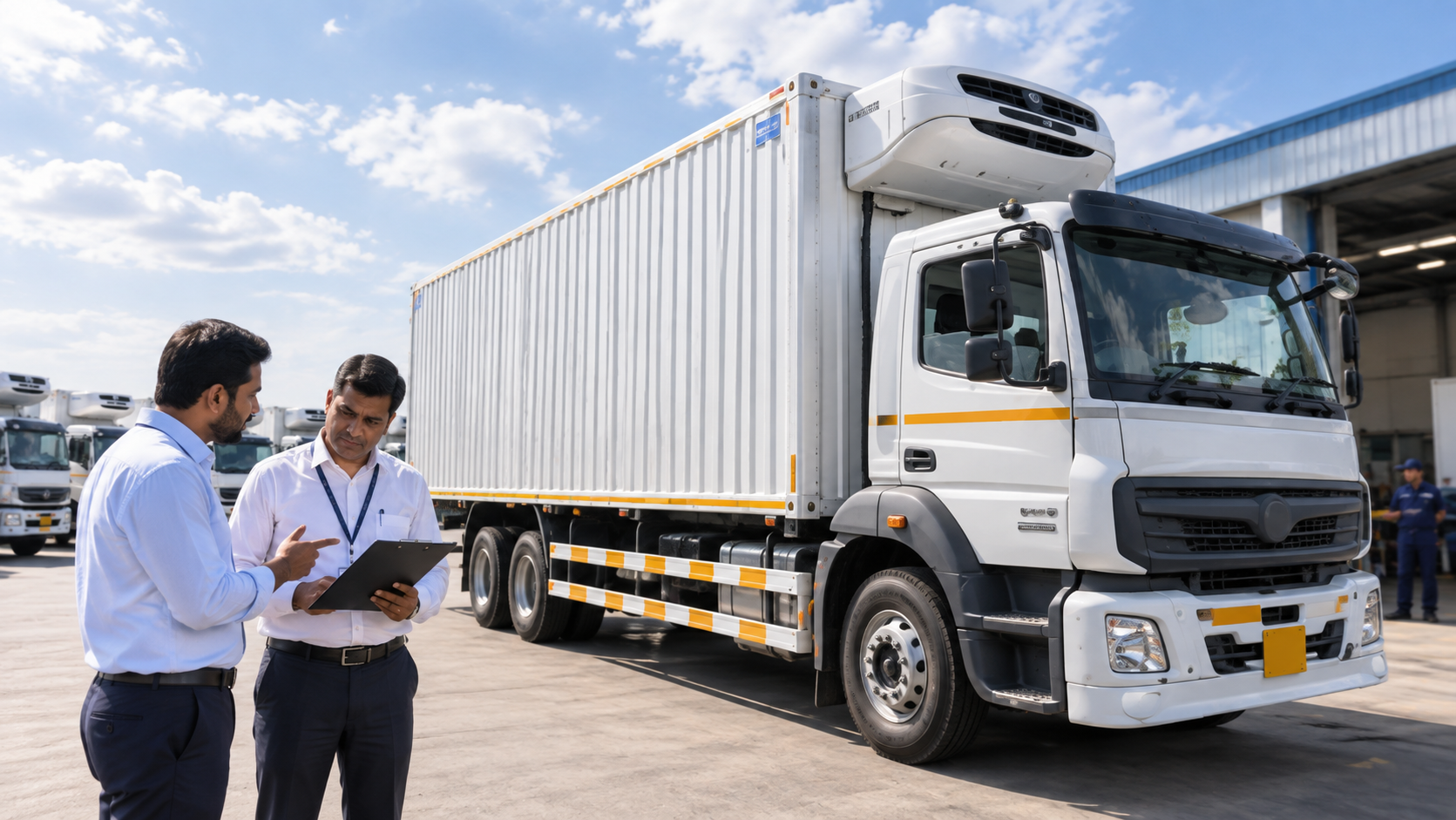
A reefer truck is a commercial vehicle equipped with an insulated cargo body and a refrigeration system designed to maintain specified temperature conditions during transportation.
Unlike conventional trucks, temperature controlled trucks are designed to protect cargo from external heat, changing weather conditions, and temperature fluctuations during transit. Their performance depends on the combined effectiveness of the insulation, refrigeration equipment, airflow management, loading practices, and operating procedures.
In the food cold chain, reefer trucks are commonly used to transport:
- Dairy products: Milk, cheese, butter, yoghurt, and other chilled products.
- Meat and poultry: Fresh and frozen products that require controlled transportation conditions.
- Seafood: Fish and other highly perishable products that require carefully managed temperatures.
- Fruits and vegetables: Produce with specific temperature and humidity requirements.
- Frozen foods: Ice cream, frozen meals, and other products that require sub-zero transportation.
- Processed and packaged foods: Products whose storage and transportation specifications require refrigeration.
The refrigerated truck temperature must be aligned with the requirements of the particular commodity being transported. A temperature suitable for frozen meat may be unsuitable for fresh produce, while products such as bananas and certain tropical fruits can be damaged by excessively low temperatures.
Consequently, food safety depends on maintaining product-specific conditions rather than simply keeping the cargo compartment cold.
Also Read: How Refrigerated Trucks and Containers Drive India's Food Supply Chain
Why Are Temperature Logs Essential for Food Cold Chain Safety?
Maintaining the right temperature during transportation is only one part of effective cold chain management. Businesses also need a reliable way to verify that products have remained within their specified temperature range throughout the journey. This is where temperature logs play a critical role.
Through consistent reefer temperature monitoring and accurate record-keeping, businesses can track temperature variations, investigate deviations, and establish a documented history of shipment conditions. These records support food safety, minimise avoidable losses, and strengthen accountability across temperature controlled logistics operations.
Here are five ways temperature logs contribute to safer and more efficient cold chain logistics.
-
Protecting Food Safety
Maintaining the correct reefer truck temperature helps limit the growth of harmful microorganisms in temperature-sensitive foods. Prolonged exposure to unsuitable temperatures can increase food safety risks and accelerate product deterioration. Temperature logs help identify deviations that require investigation. However, determining whether food remains safe also requires considering the product type, exposure duration, handling conditions, and applicable food safety criteria.
-
Reducing Food Spoilage
Temperature fluctuations can shorten shelf life, affect product quality, and result in rejected shipments. Reliable refrigerated truck temperature monitoring helps operators identify potential issues early and take corrective action before losses escalate. By reviewing temperature trends, businesses can also identify recurring problems related to refrigeration performance, loading practices, or transit delays.
-
Strengthening Shipment Traceability
When a shipment arrives with quality concerns, temperature logs help establish the conditions recorded during transportation. Linking these records with shipment IDs, product batch details, vehicle information, and delivery timestamps creates a more complete audit trail. This visibility is particularly valuable when multiple stakeholders are involved in the food cold chain, helping businesses investigate incidents and determine where further checks are needed.
-
Improving Operational Control
Temperature records provide insights into the factors that influence refrigerated transport performance. They can help identify potential issues such as equipment malfunctions, frequent door openings, poor airflow, and unexpected route delays. For fleet operators, these insights support preventive maintenance, better driver training, and more informed decisions about temperature controlled trucks and their operating procedures.
-
Supporting Compliance
Food businesses must follow applicable food safety regulations, transportation requirements, and customer-specific quality standards. Maintaining accurate and accessible temperature logs helps demonstrate how shipments were monitored and how deviations were handled.
When combined with hygiene records, equipment maintenance logs, and corrective-action reports, reefer container temperature monitoring records and other transport documentation can support inspections, customer audits, and internal compliance reviews.
How to Implement Effective Reefer Temperature Monitoring in the Food Cold Chain
Effective reefer temperature monitoring involves more than recording readings. It requires clear temperature requirements, properly maintained equipment, correct loading practices, and a defined response to deviations. A structured approach to refrigerated truck temperature monitoring helps businesses protect food quality, improve traceability, and maintain compliance.
- Step 1: Define Temperature Requirements: Establish the required temperature range for each product based on its storage needs, condition, and applicable food safety standards.
- Step 2: Pre-Cool the Reefer Body: Bring the cargo compartment to the required operating temperature before loading. Ensure products are already at their specified temperature, as refrigeration systems are primarily designed to maintain conditions.
- Step 3: Check Monitoring Equipment: Verify sensors, data loggers, and refrigeration controls. Ensure the setpoint is correct and sensors are appropriately positioned and calibrated or verified.
- Step 4: Load Correctly: Maintain adequate airflow, avoid blocking refrigeration outlets, minimise door-opening time, and follow appropriate hygiene practices to support consistent reefer truck temperature.
- Step 5: Monitor During Transit: Record readings at defined intervals or use real-time monitoring. Review alerts promptly and, where available, correlate temperature data with GPS records and refrigeration alarms.
- Step 6: Address Temperature Deviations: Verify abnormal readings, inspect the refrigeration system, document the deviation, and initiate corrective action. Assess the shipment against applicable food safety criteria before deciding whether to release or reject it.
- Step 7: Review Logs After Delivery: Check temperature records for deviations, unresolved alarms, and data gaps. Document the delivery outcome and use the findings to improve cold chain logistics and prevent recurring issues.
Common Reefer Temperature Monitoring Mistakes to Avoid
Even well-equipped fleets can face food safety risks when reefer temperature monitoring is inconsistent. Identifying common mistakes helps businesses maintain product quality, improve compliance, and strengthen their overall food cold chain operations.
- Relying Only on Setpoints: The target reefer truck temperature does not confirm the actual conditions inside the cargo compartment.
- Recording Only at Delivery: A final reading cannot reveal temperature fluctuations throughout the journey, making continuous or periodic refrigerated truck temperature monitoring essential.
- Incorrect Sensor Placement: Poorly positioned sensors may overlook temperature variations across large compartments or different zones in reefer container temperature monitoring systems.
- Loading Products at the Wrong Temperature: A reefer truck is primarily designed to maintain product temperature, not rapidly cool an inadequately chilled or frozen load.
- Blocking Airflow: Improper cargo arrangement can cause uneven cooling, even when the refrigeration system is functioning correctly.
- Ignoring Temperature Alerts: Delayed responses to abnormal readings can increase spoilage risks and compromise food safety.
- Overlooking Temperature Excursions: The risks depend on the product, temperature reached, exposure duration, and applicable food safety criteria.
- Maintaining Incomplete Logs: Missing timestamps, shipment details, or corrective-action records can complicate audits and compliance checks.
Preventing these issues requires reliable monitoring equipment, suitable temperature controlled trucks, trained personnel, and clearly documented procedures. When integrated with effective temperature controlled logistics practices, accurate temperature logs help businesses identify recurring problems, reduce avoidable losses, and improve accountability across cold chain logistics. Ultimately, effective temperature management is not just about maintaining the right conditions inside a refrigerated vehicle; it is about ensuring that food safety remains a priority from dispatch to delivery.
Also Read: Understanding Temperature Ranges in Reefer Truck Transportation
The Role of Reefer Truck Design in Food Cold Chain Temperature Compliance
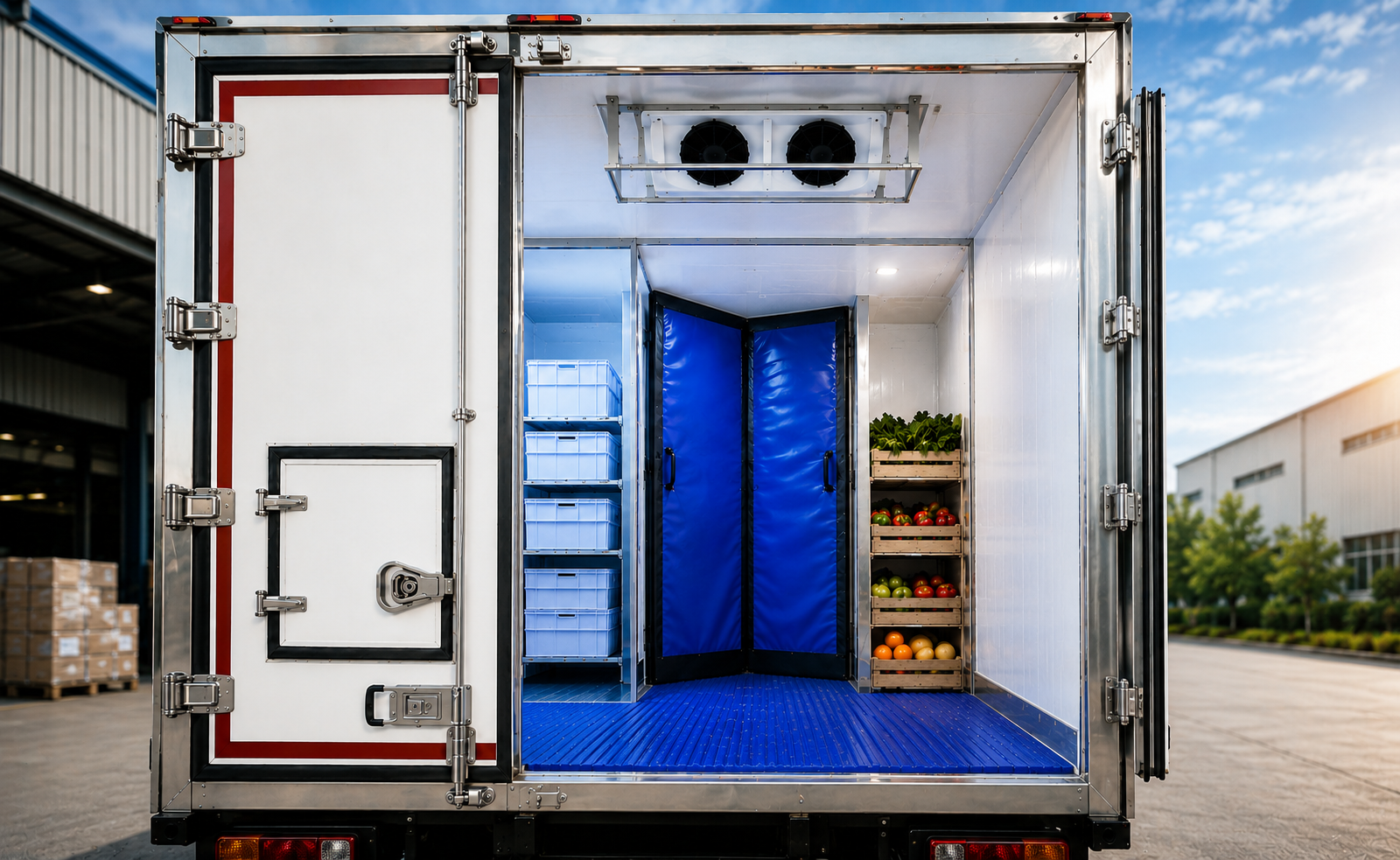
Effective temperature compliance begins with the design and construction of the reefer truck itself. While refrigeration equipment maintains the required cooling conditions, the insulated body, thermal performance, airflow distribution, and door sealing all influence how consistently the reefer truck temperature is maintained during transit. High-quality insulation helps minimise external heat transfer, while well-designed airflow prevents uneven cooling and temperature variations across the cargo compartment. For businesses transporting different food categories, multi-temperature configurations can provide separate zones to accommodate varying storage requirements.
However, vehicle design must also be supported by regular maintenance, suitable refrigeration equipment, and reliable refrigerated truck temperature monitoring to identify deviations promptly. Integrating reefer temperature monitoring with temperature logs and operational records gives fleet operators greater visibility into shipment conditions and supports more informed compliance decisions. Ultimately, well-engineered temperature controlled trucks form the foundation of effective temperature controlled logistics, helping businesses protect perishable goods, reduce spoilage risks, and maintain greater control over food safety throughout the journey.
Conclusion
Food safety during transportation depends on more than maintaining a target temperature. It requires consistent monitoring, accurate temperature logs, appropriate handling practices, and a clear process for addressing deviations. When these measures work together, businesses can improve traceability, reduce avoidable product losses, and strengthen compliance across the food cold chain.
As India's cold chain logistics sector evolves, investing in well-engineered reefer trucks and reliable temperature monitoring systems is becoming increasingly important. The right combination of vehicle design, insulation, refrigeration performance, and operational discipline helps businesses maintain the conditions their products require throughout transit.
With decades of experience in refrigerated transport solutions, Sub Zero Reefers understands the importance of dependable reefer body design in temperature-controlled transportation. For businesses evaluating their cold chain requirements, exploring Sub Zero's range of reefer solutions can be a useful starting point for understanding how vehicle configuration and insulation contribute to more reliable refrigerated transport.
Frequently Asked Questions
1. What temperature should a reefer truck maintain for food safety?
The required reefer truck temperature depends on the food being transported. Chilled high-risk foods are commonly maintained at 5°C or below where applicable, while frozen foods typically require -18°C or below. Fresh produce and other food categories may require different conditions. Always follow the product's storage specifications and applicable food safety requirements.
2. Is temperature logging mandatory for food transport vehicles in India?
Temperature monitoring and record-keeping requirements depend on the applicable FSSAI regulations, the type of food being transported, and the nature of the operation. Businesses should verify the requirements relevant to their licence and product category. Maintaining temperature logs is a good practice for demonstrating control, investigating deviations, and supporting food safety audits.
3. What are FSSAI requirements for refrigerated transport?
FSSAI requirements focus on maintaining suitable transportation conditions, preventing contamination, ensuring vehicle hygiene, and handling food according to applicable temperature and safety standards. Businesses must follow the relevant regulations and licence conditions for their operations. Temperature monitoring, appropriate refrigeration, sanitation procedures, and supporting records can help demonstrate compliance.
4. How do I get a cold chain compliance certificate for my reefer truck?
There is no single universal FSSAI cold chain compliance certificate applicable to every reefer truck. The requirements depend on the business activity, food category, and applicable regulatory or customer standards. Start by checking the relevant FSSAI licence conditions and any required vehicle, equipment, or food safety documentation. If a customer or certification scheme requires additional verification, consult the relevant authority or accredited certification body.
5. What happens if the reefer temperature breaks during transit?
A temperature excursion can affect food quality, reduce shelf life, and potentially compromise food safety. The operator should investigate the reading, inspect the refrigeration system, document the temperature and exposure duration, and take corrective action. The affected shipment should be assessed against product-specific food safety criteria before it is released, held, or rejected. Returning the compartment to its setpoint does not automatically establish that the food is safe.