The Indian cold chain industry is undergoing a significant transformation. For years, temperature-controlled transportation was largely associated with sectors like frozen foods, dairy, and pharmaceuticals. Today, the demand is far more diverse. Quick commerce platforms promise deliveries within minutes, supermarket chains stock everything from frozen snacks to fresh produce under one roof, pharmaceutical distributors handle products with different storage requirements, and seafood exporters operate alongside fresh meat and dairy suppliers. This shift has made logistics more complex than ever before.
The challenge is no longer just maintaining a single temperature throughout the journey. Businesses now need to transport multiple product categories simultaneously, each with its own temperature requirement. Running separate vehicles for frozen, chilled, and ambient goods increases fuel consumption, labour costs, and delivery times, making the supply chain less efficient and more expensive to operate.
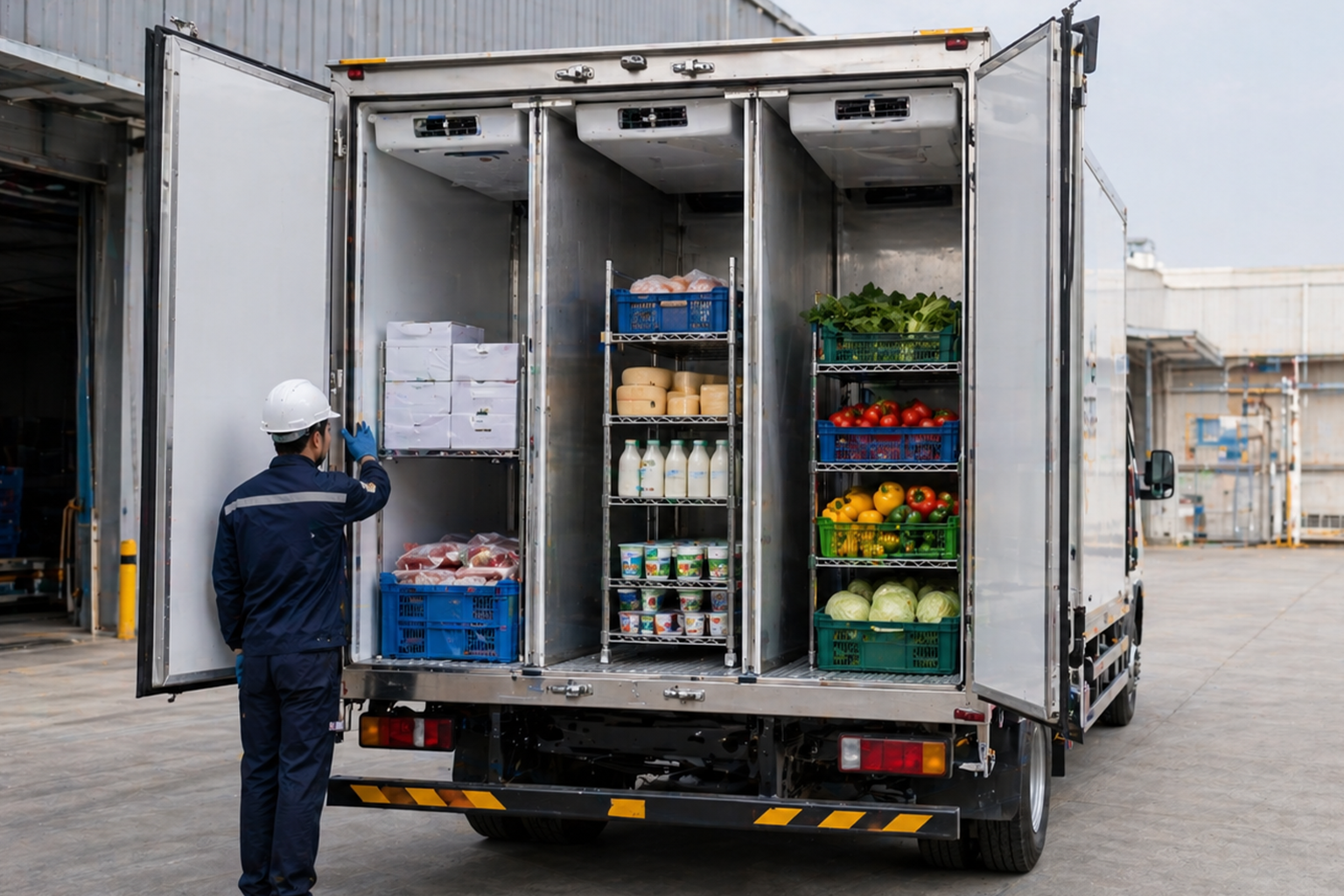
This is where a multi-temperature reefer truck changes the equation. By creating independent temperature zones within the same vehicle, it allows businesses to move different products in a single trip without compromising product quality or regulatory compliance. Instead of operating multiple vehicles on similar routes, fleet operators can consolidate deliveries, improve vehicle utilisation, and reduce overall logistics costs.
As a result, multi-temperature vehicles are becoming an increasingly important part of modern cold chain logistics. However, they are also considerably more sophisticated than conventional refrigerated vehicles. The overall reefer truck price is influenced by far more than the chassis or refrigeration unit. Insulation quality, compartment configuration, airflow engineering, refrigeration capacity, temperature monitoring systems, and the intended application all play a critical role in determining both the initial investment and long-term operating costs.
Understanding these cost drivers is essential for businesses planning to expand their cold chain management capabilities. This guide explores what goes into the price of a multi-temperature reefer truck, the available configuration options, and the factors that should be considered before making an investment.
Why Businesses Are Investing in Multi-Temperature Reefer Trucks for Cold Chain Logistics
The growing complexity of India's supply chains has changed how temperature-controlled transportation is planned. Businesses are no longer delivering a single category of products from one point to another. Supermarkets, quick commerce platforms, pharmaceutical distributors, QSR chains, and food processors often need frozen, chilled, and temperature-sensitive products delivered to the same destination on the same route.
Operating separate vehicles for each temperature requirement increases fuel consumption, driver and maintenance costs, and overall fleet size while reducing vehicle utilisation. A multi-temperature reefer truck addresses these challenges by allowing different temperature zones within a single vehicle, enabling businesses to consolidate deliveries without compromising product quality.
Beyond reducing transportation costs, this approach improves route efficiency, supports faster deliveries, and strengthens cold chain logistics, making it a practical investment for companies focused on building a more efficient and scalable cold chain management network.
Also Read: Multi-Temperature Reefer Trucks for Food Distributors in India
What Determines Multi-Temperature Reefer Truck Price in India?
There is no standard reefer truck price for a multi-temperature vehicle because every application comes with a unique set of operational requirements. A truck transporting pharmaceuticals across states will have different engineering needs than one delivering frozen foods and fresh produce to retail outlets within a city.
Factors such as the number of temperature zones, insulation specifications, refrigeration capacity, body size, and monitoring systems all influence the final cost. Understanding these elements helps businesses choose a configuration that delivers long-term operational value rather than simply opting for the lowest upfront price.
1. How Vehicle Size Influences Reefer Truck Price
The overall dimensions of the vehicle are one of the primary cost drivers. Larger refrigerated trucks require more raw materials, higher insulation volumes, larger refrigeration units, and stronger structural support to maintain temperature consistently across the cargo space. While larger vehicles involve a higher initial investment, they also offer greater carrying capacity and can improve operational efficiency by transporting more products in a single trip.
2. Number of Temperature Zones: A Key Reefer Truck Price Driver
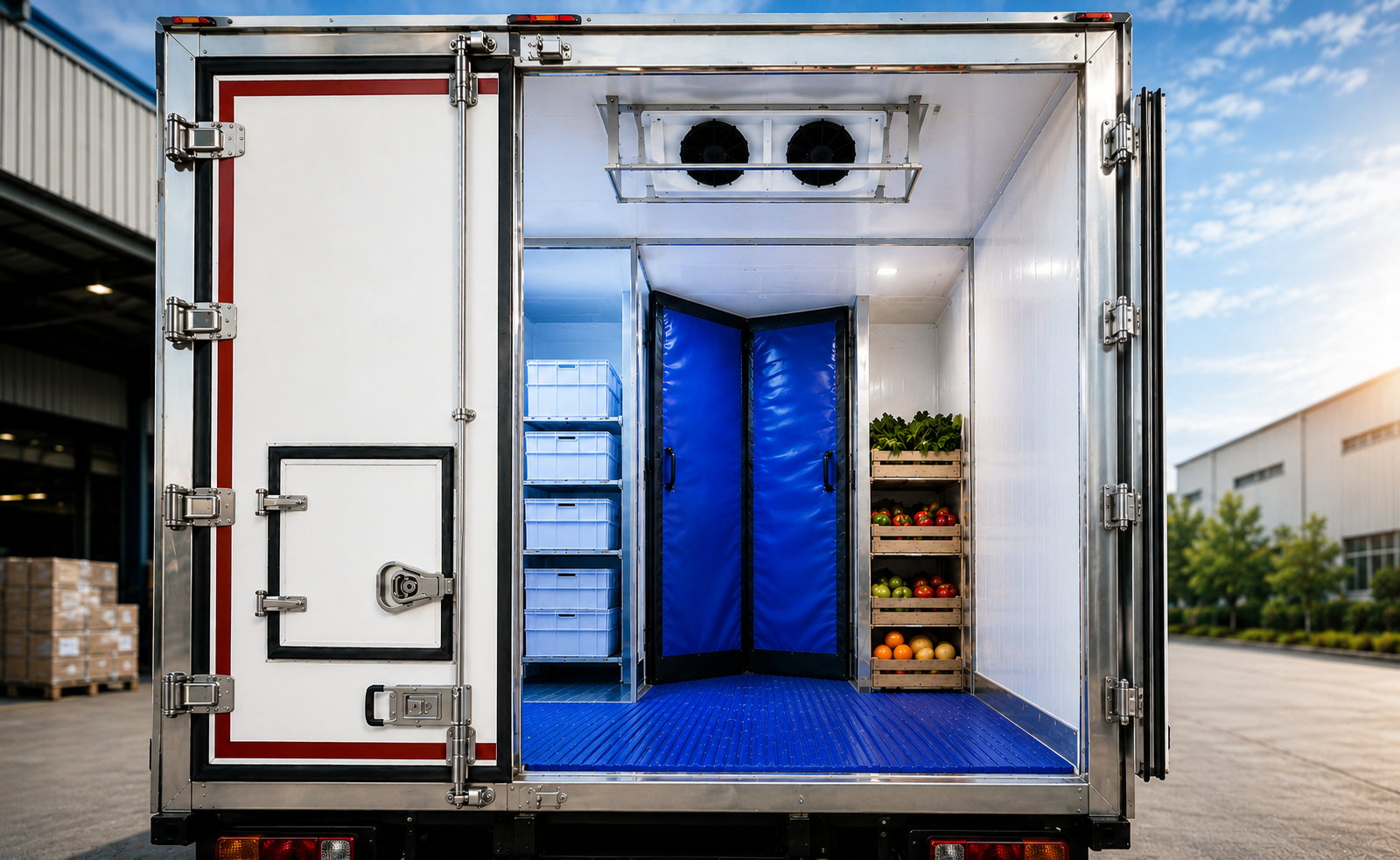
The complexity of the vehicle increases with the number of independent temperature zones. A dual-zone or triple-zone configuration requires insulated partitions, dedicated airflow management, and controls that prevent temperature overlap between compartments. These additional engineering requirements naturally increase the reefer truck price, but they also allow businesses to transport multiple product categories simultaneously, reducing the need for separate vehicles.
3. Refrigeration Unit Capacity and Its Impact on Reefer Truck Price
The refrigeration unit must be selected based on the vehicle size, intended cargo, ambient climate, and frequency of door openings. Larger or multi-zone vehicles often require higher-capacity systems capable of maintaining stable temperatures under demanding operating conditions. Investing in the right refrigeration capacity ensures consistent cooling performance while preventing excessive energy consumption or compressor strain over time.
4. Insulation Quality
The performance of any refrigerated vehicle depends heavily on the quality of its insulation. High-density polyurethane insulation reduces heat transfer, allowing the refrigeration system to maintain target temperatures with less effort. Although premium insulation increases the initial refrigerated truck price, it contributes to lower fuel consumption, improved temperature stability, and reduced operating costs throughout the vehicle's lifecycle.
5. Partition Design: Engineering Cost Behind Multi-Zone Reefer Truck Configuration
The partitions inside a multi-temperature truck are much more than simple dividers. They are engineered to create independent thermal zones while maintaining an effective seal that prevents heat exchange between compartments. Depending on operational needs, partitions may be fixed, sliding, or removable, with more advanced designs offering greater flexibility but adding to the overall manufacturing cost.
Multi-Temperature Reefer Truck Price in India: What to Expect in 2026
While businesses often look for a fixed reefer truck price, the reality is that there is no one-size-fits-all figure for a multi-temperature vehicle. The final cost depends on several variables, including the chassis, body dimensions, insulation thickness, type of partition wall (fixed or flexible), number of temperature zones, refrigeration unit capacity, automation features, and the level of customization required. In addition, factors such as industry-specific compliance requirements, telematics integration, and the intended application can also influence pricing.
Rather than evaluating the vehicle solely on its purchase cost, businesses should consider its long-term return on investment through lower operating expenses, improved fleet utilization, reduced product losses, and greater delivery efficiency.
The table below provides indicative price ranges for different categories of multi-temperature refrigerated vehicles in India. These estimates are intended as a general reference, with actual pricing varying based on the final specifications and manufacturer.
| Vehicle Type | Approximate Price Range |
|---|---|
| Small Dual-Zone Reefer Van | ₹13.7 lakh – ₹15.95 lakh |
| Medium Multi-Temperature Reefer Truck | ₹25.6 lakh – ₹32.5 lakh |
| Large Multi-Temperature Refrigerated Truck | ₹39 lakh – ₹46 lakh |
| Custom Triple-Zone Distribution Vehicle | Project-specific pricing |
Note: Pricing is indicative and based on chassis, reefer body, and refrigeration unit costs and also on the type of partition wall used. The final reefer truck price may vary based on configuration, insulation, refrigeration brand, and customization requirements.
Choosing the Right Cold Chain Equipment: Multi-Temperature Reefer Truck vs Refrigerated Container
When investing in temperature-controlled logistics, businesses often compare the refrigerated container price with the cost of a multi-temperature reefer truck. However, both solutions serve different operational purposes and should be evaluated based on the role they play within the supply chain.
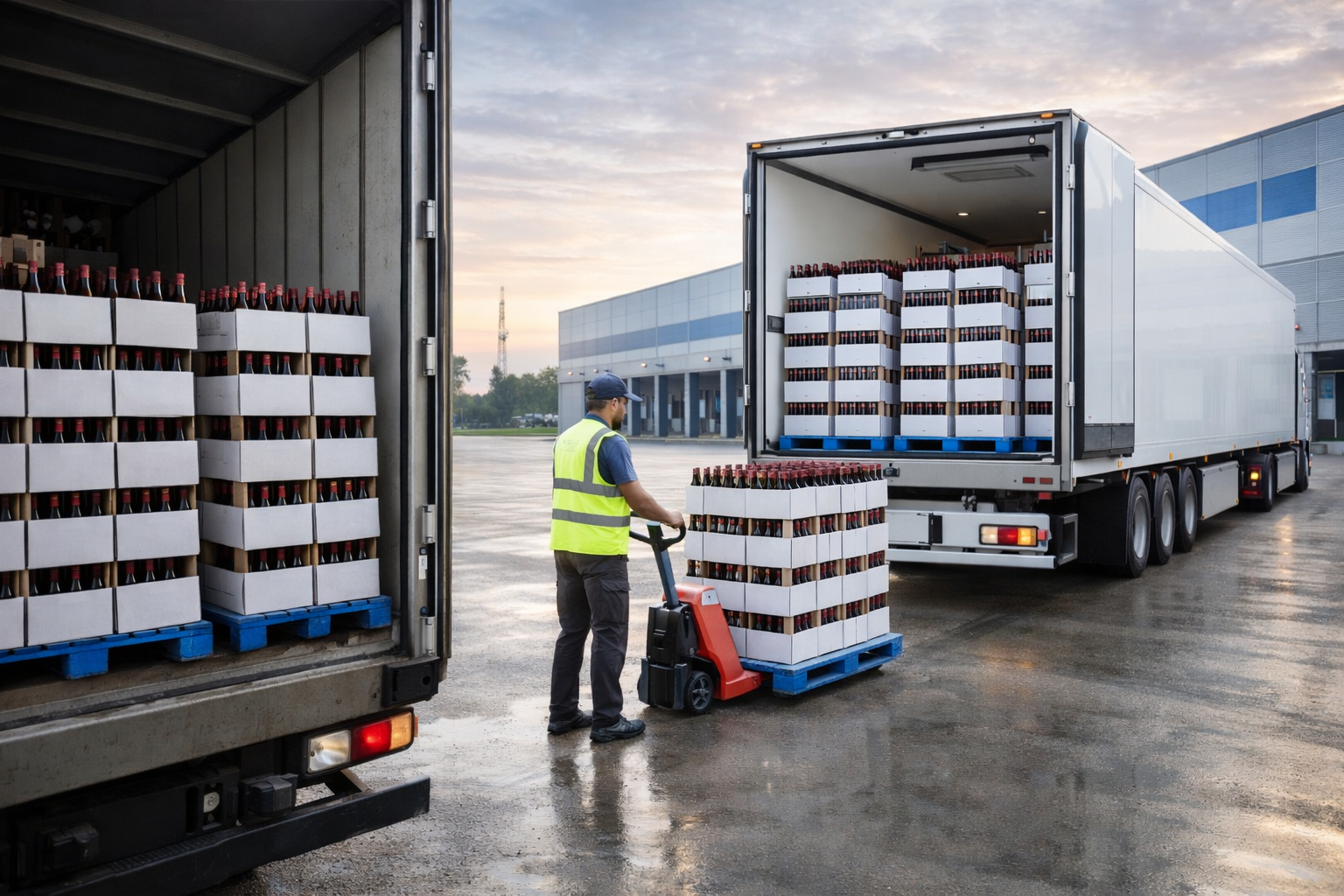
Refrigerated containers are primarily designed for applications such as export logistics, port operations, long-term storage, rail transportation, and multimodal freight movement. They are ideal for maintaining product temperatures over extended periods during stationary storage or long-distance freight movement. On the other hand, multi-temperature refrigerated trucks are built for road transportation, frequent loading and unloading, regional distribution, and last-mile deliveries where temperature consistency needs to be maintained throughout the journey.
Choosing the right cold chain equipment depends on factors beyond the initial investment. Businesses should evaluate their product categories, temperature requirements, delivery frequency, route distances, loading patterns, fleet expansion plans, compliance needs, and after-sales support before making a decision.
A well-planned cold chain strategy often requires the right combination of transportation and storage solutions. Selecting equipment that matches operational requirements helps businesses maintain product quality, reduce losses, and build a more reliable cold chain logistics network.
Conclusion
As supply chains continue to evolve, businesses need transportation solutions that offer more than just temperature control. A multi-temperature reefer truck enables greater flexibility by allowing different product categories to be transported in a single trip, helping improve fleet utilization, reduce operational costs, and maintain product integrity throughout the journey. While the reefer truck price varies depending on the vehicle size, refrigeration system, insulation quality, and configuration, the right investment should always be evaluated based on long-term performance and operational efficiency rather than upfront cost alone.
For businesses planning to strengthen their cold chain logistics capabilities, choosing a vehicle that aligns with their products, routes, and future growth is essential. Manufacturers like Sub Zero Reefers focus on engineering refrigerated vehicles that are tailored to diverse operational needs, helping businesses build a reliable and efficient cold chain that delivers consistent performance over the long run.
Frequently Asked Questions
1. What is the price of a multi-temperature reefer truck in India?
The price of a multi-temperature reefer truck in India typically ranges from ₹13.7 lakh to ₹46 lakh or more, depending on the chassis, body size, refrigeration unit, insulation quality, and the number of temperature zones. Fully customized vehicles with advanced monitoring systems may cost more.
2. How much more does a dual-zone reefer cost than a single-zone reefer?
A dual-zone reefer generally costs 10% to 25% more than a comparable single-zone vehicle. The additional cost comes from insulated partitions, independent temperature controls, specialized airflow systems, and the extra engineering required to maintain separate temperature zones.
3. What is a bulkhead partition, and what does it cost?
A bulkhead partition is an insulated internal wall that divides a refrigerated truck into separate temperature-controlled compartments. It helps prevent temperature transfer between zones, allowing different products to be transported together. The cost varies depending on the size, material, and whether the partition is fixed or movable, and is typically included as part of the overall vehicle customization.
4. Can one multi-temperature reefer replace two single-zone trucks?
In many distribution operations, yes. A multi-temperature reefer truck can transport frozen, chilled, and ambient products in separate compartments during the same trip, reducing the need for multiple vehicles. However, the suitability depends on delivery volumes, route planning, and product mix.
5. What temperature zones can a multi-temperature reefer achieve?
Most multi-temperature reefers can maintain temperatures ranging from -25°C to +25°C, with different compartments configured for frozen, chilled, or ambient products. The exact temperature range depends on the refrigeration unit, insulation specifications, and vehicle configuration.
6. What is the ROI of buying a multi-temperature reefer compared to two separate trucks?
While the initial investment is higher, a multi-temperature reefer truck can deliver a stronger return on investment by reducing fuel consumption, maintenance costs, driver expenses, and overall fleet size. For businesses transporting multiple temperature-sensitive products on the same route, the operational savings and improved vehicle utilization often outweigh the higher upfront cost over time.