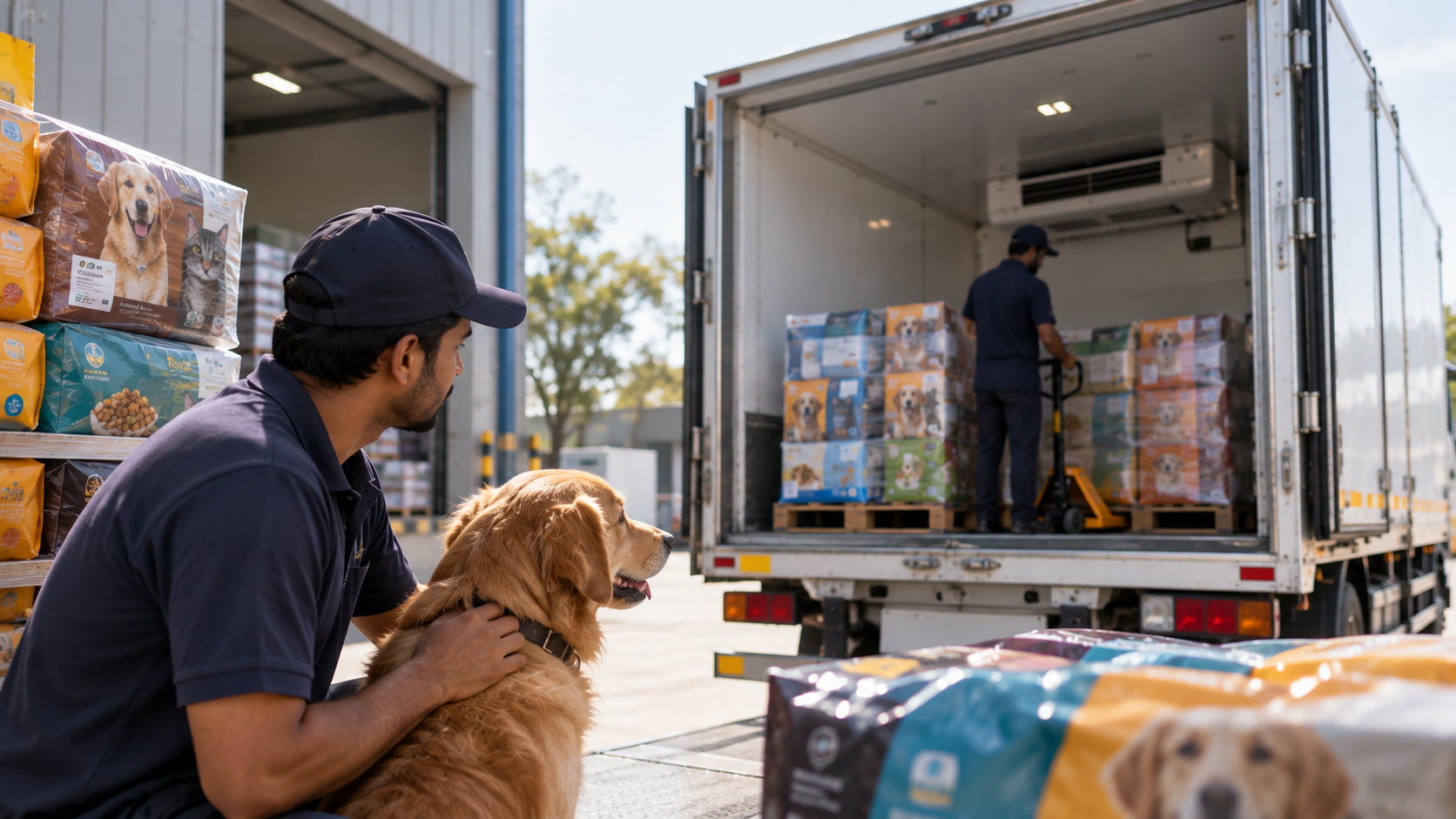
India's ability to produce perishable goods at scale has never been the only challenge. The bigger question has always been how efficiently these products can move through the supply chain without compromising their quality, shelf life or commercial value.
Consider the journey of a consignment of fresh produce, pharmaceutical formulations or frozen food. Its quality depends not on a single refrigerated facility, but on a series of interconnected operations — from initial handling and storage to transportation, distribution and final delivery. A weakness at any one stage can undermine the efficiency of the entire chain.
This presents an interesting inflection point for India's cold chain industry.
As domestic consumption patterns evolve, food processing expands and pharmaceutical supply chains become increasingly sophisticated, the demand for temperature-controlled infrastructure is changing in both scale and complexity. Businesses are beginning to look beyond conventional cold storage investments towards integrated solutions that address transportation efficiency, temperature consistency, energy consumption and asset utilisation.
Heading into 2027, this shift opens up investment opportunities across several interconnected sectors. Refrigerated transportation, multi-temperature infrastructure, advanced refrigeration systems, pharmaceutical logistics and digital monitoring are emerging as important areas of consideration.
However, the real opportunity may lie in addressing the gaps between these individual components. Because the future of cold chain logistics in India will not be determined simply by how much refrigerated infrastructure the country builds, but by how effectively that infrastructure works together.
Understanding the Market Forces Reshaping Demand
The demand for cold chain infrastructure in India is being shaped by more than an increase in the volume of perishable goods. Changes in consumption patterns, evolving export requirements and the expansion of organised supply chains are altering how temperature-sensitive products are stored, handled and transported. Three underlying forces are particularly important in understanding where the market is headed.
How Changing Perishable Economics Are Driving India Cold Chain Demand
The growing preference for fresh produce, frozen food, packaged dairy and ready-to-eat products is changing the economics of India's perishable goods market. Organised retail, quick commerce and food service businesses are placing greater emphasis on consistent product quality, availability and shelf life. This makes temperature control an operational necessity rather than an additional logistical expense.
For producers and distributors, investments in cold chain infrastructure can help reduce spoilage, minimise inventory losses and extend the market reach of perishable products. The commercial value lies not just in preserving goods, but in ensuring they reach consumers in saleable condition.
India's Role in Global Supply Chains and Its Impact on Cold Chain Logistics India
India's growing role in pharmaceutical manufacturing and agricultural exports is creating demand for more specialised cold chain capabilities. Pharmaceutical formulations, vaccines and biologics require carefully controlled storage and transportation conditions, while exported seafood, fruits and processed food products must meet stringent quality and temperature requirements across international supply chains.
These requirements extend beyond conventional refrigeration to include validated transportation, temperature monitoring, traceability and reliable handling protocols. As Indian businesses pursue larger domestic and international markets, specialised cold chain management will become increasingly important to maintaining product integrity and meeting buyer expectations.
Government Policy as an Enabler of India Cold Chain Infrastructure Growth
Government initiatives are providing an important foundation for the expansion of India's cold chain ecosystem. Programs such as the PM Kisan SAMPADA Yojana, particularly its Integrated Cold Chain and Value Addition Infrastructure component, support the development of facilities connecting farm gates with processing centres, storage infrastructure and distribution networks.
Such interventions aim to address post-harvest losses while improving food processing and supply chain efficiency. However, infrastructure creation alone does not guarantee commercial success. The actual impact of these investments will depend on how effectively facilities are utilised, how well they connect with transportation networks and whether they can sustain viable operating economics.
Cold Chain Logistics India: Bridging the Infrastructure Gap
The growth of cold chain logistics in India is not simply a question of adding more refrigerated warehouses or expanding storage capacity. The larger challenge lies in creating a connected infrastructure network that can maintain product quality across every stage of the supply chain. While the cold storage industry in India has made considerable progress, gaps in first-mile collection, pre-cooling, refrigerated transportation and last-mile distribution continue to affect the efficiency of temperature-sensitive supply chains.
Agricultural produce, for instance, may have access to storage facilities but still face quality deterioration during transportation from farms to collection centres. Similarly, pharmaceutical and processed food businesses require consistent temperature management across warehouses, transit points and distribution networks. This highlights a fundamental limitation in India's existing cold chain system: infrastructure investments have not always translated into seamless connectivity between different supply chain stages.
Addressing these gaps will require greater investment in decentralised storage, modern cold chain equipment, specialised refrigerated vehicles and integrated monitoring systems. In particular, expanding the availability of a reliable reefer truck network will be essential to connecting production centres with processing facilities, distribution hubs and consumption markets. As the cold chain industry in India prepares for its next phase of growth, the focus must shift from isolated infrastructure creation to improving connectivity, asset utilisation and operational efficiency across the entire ecosystem.
India Cold Chain Market 2027: Five Sectors Creating Investment Opportunities
The infrastructure gaps across India's cold chain ecosystem also reveal where the next set of investment opportunities could emerge. However, demand for temperature-controlled infrastructure is not uniform across industries. Each sector has distinct requirements in terms of storage conditions, transportation capabilities, handling protocols and distribution networks.
From agricultural exports and pharmaceutical manufacturing to frozen food and organised retail, the expansion of these industries is creating demand for more specialised cold chain management in India. The following five sectors offer important indicators of where infrastructure investment, technology adoption and refrigerated transportation demand could gain momentum by 2027.
-
Agriculture & Horticulture: India Cold Chain Farm-to-Market Connectivity
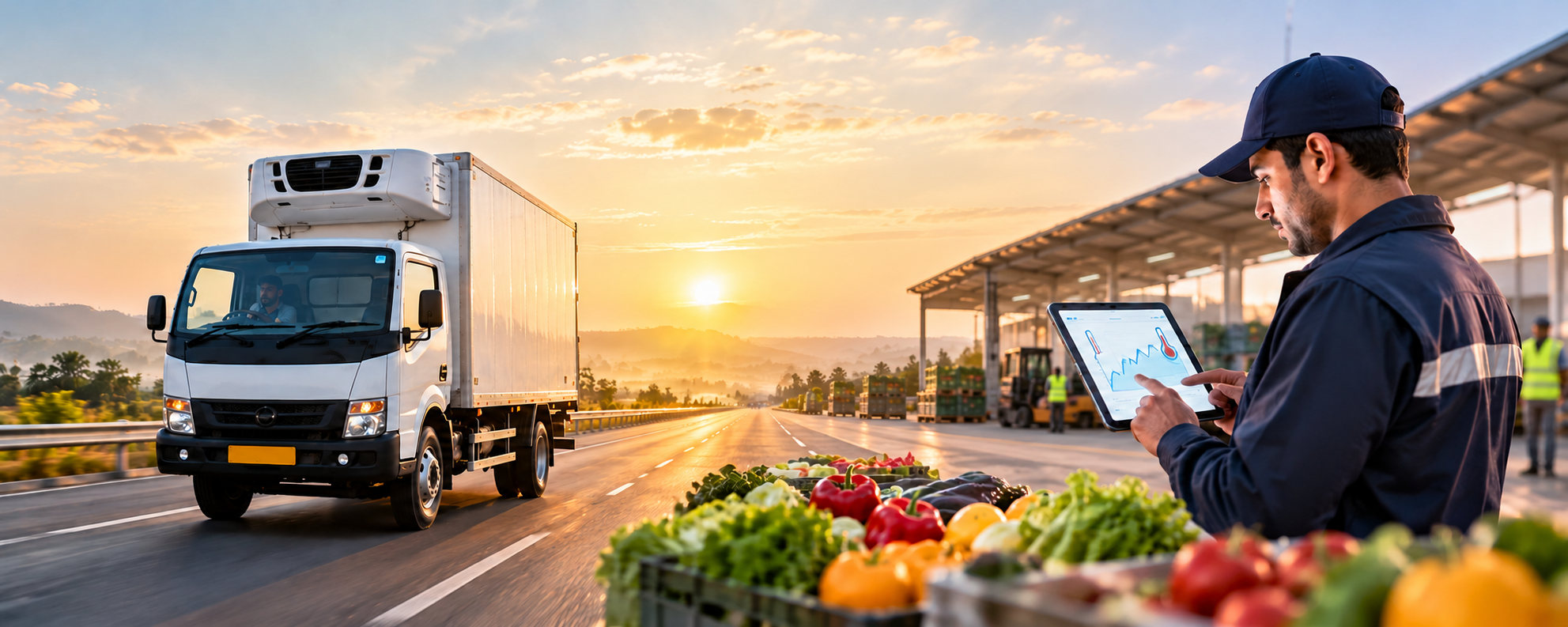
India's agricultural output creates a strong need for infrastructure that can preserve produce beyond harvesting. Investments in pre-cooling facilities, pack houses, controlled atmosphere storage and refrigerated transportation can help reduce post-harvest losses while improving access to domestic and export markets.
-
Pharmaceuticals & Biologics: Precision India Cold Chain Logistics
The expansion of pharmaceutical manufacturing, vaccines and biologics is increasing demand for specialised temperature-controlled logistics. Validated storage, reliable refrigerated transportation, real-time temperature monitoring and traceability will be essential to maintaining product integrity across pharmaceutical supply chains.
-
Dairy, Meat & Seafood: Specialised India Cold Chain Refrigeration
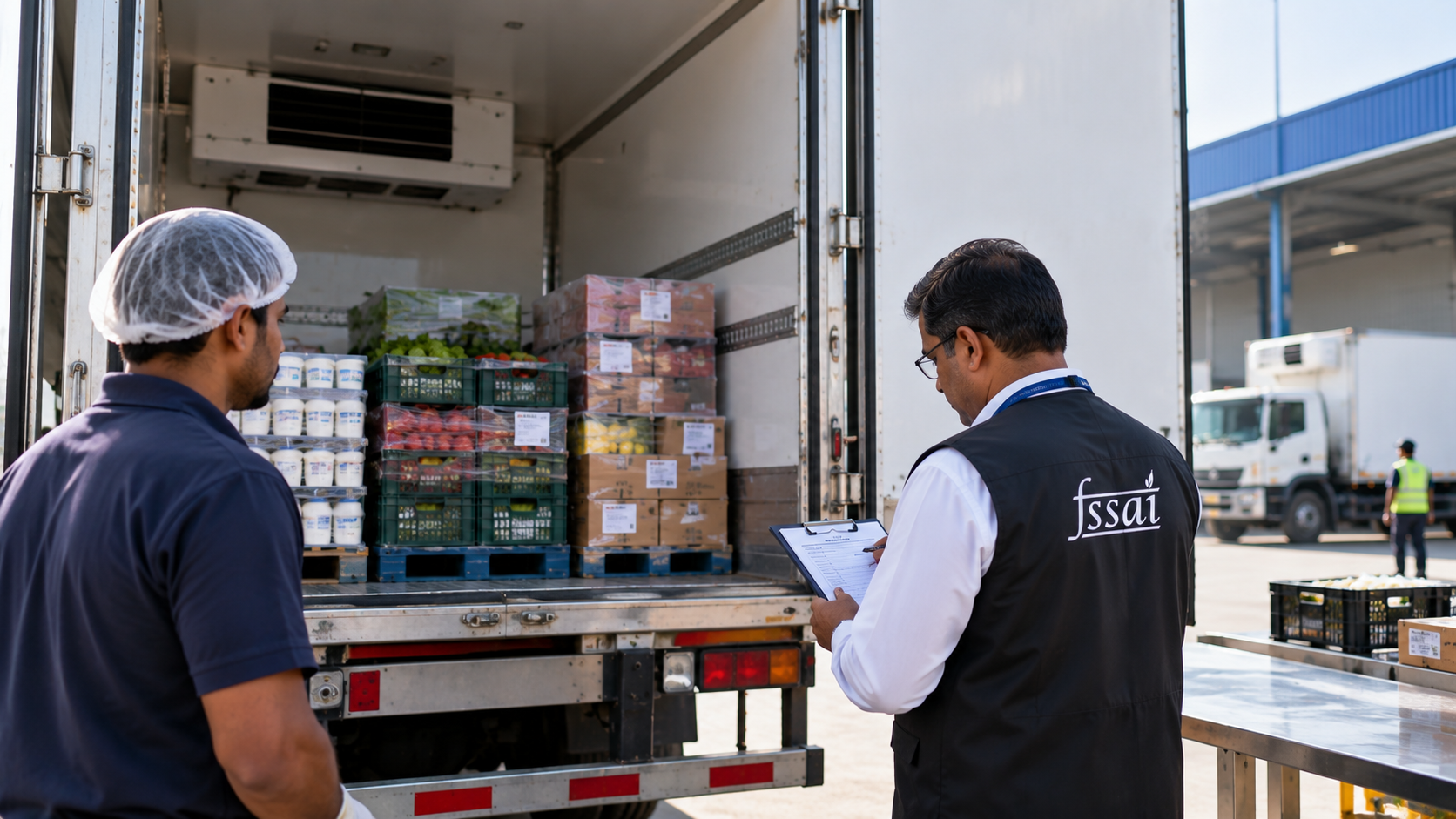
The dairy, meat and seafood sectors require consistent temperature control to maintain product freshness, safety and shelf life. This creates opportunities for specialised cold storage, chilling centres, refrigerated tankers and reefer trucks designed around the specific requirements of each commodity.
-
Frozen & Processed Food: Expanding India Cold Chain Equipment Demand
Growing consumption of frozen vegetables, ready-to-eat meals and processed food is creating demand for blast freezing, IQF facilities, deep-freeze warehouses and reliable refrigerated distribution. Businesses will increasingly need specialised cold chain equipment to maintain product quality from processing facilities to retail outlets.
-
Quick Commerce & Retail: Last-Mile India Cold Chain Logistics
The expansion of quick commerce and organised retail is bringing temperature-sensitive distribution closer to consumers. This is driving demand for decentralised cold storage, urban distribution hubs and smaller refrigerated vehicles capable of maintaining product quality during short-distance deliveries.
Technologies and Infrastructure Shaping India Cold Chain in 2027
As India's cold chain industry moves towards a more connected and technology-driven ecosystem, investment priorities are beginning to change. The focus is gradually shifting from simply increasing refrigerated storage and transportation capacity to improving how efficiently these assets operate. For businesses evaluating opportunities in the India cold chain market, this means looking beyond infrastructure expansion and considering technologies that can improve temperature consistency, reduce operating costs and increase asset utilisation. From advanced insulation and energy-efficient refrigeration to digital monitoring and electric vehicle-compatible solutions, several developments are likely to influence the next phase of cold chain management in India.
Key Investment Signals to Watch
- Reefer Transportation: Growing demand for insulated truck bodies, multi-temperature reefers and specialised refrigerated fleets.
- Advanced Insulation: Adoption of high-performance insulation materials to minimise heat transfer and improve thermal efficiency.
- Energy-Efficient Refrigeration: Greater focus on efficient compressors, refrigeration controls and lower-impact refrigerants.
- EV-Compatible Reefer Solutions: Development of lightweight refrigerated bodies and cooling systems suited to electric commercial vehicles.
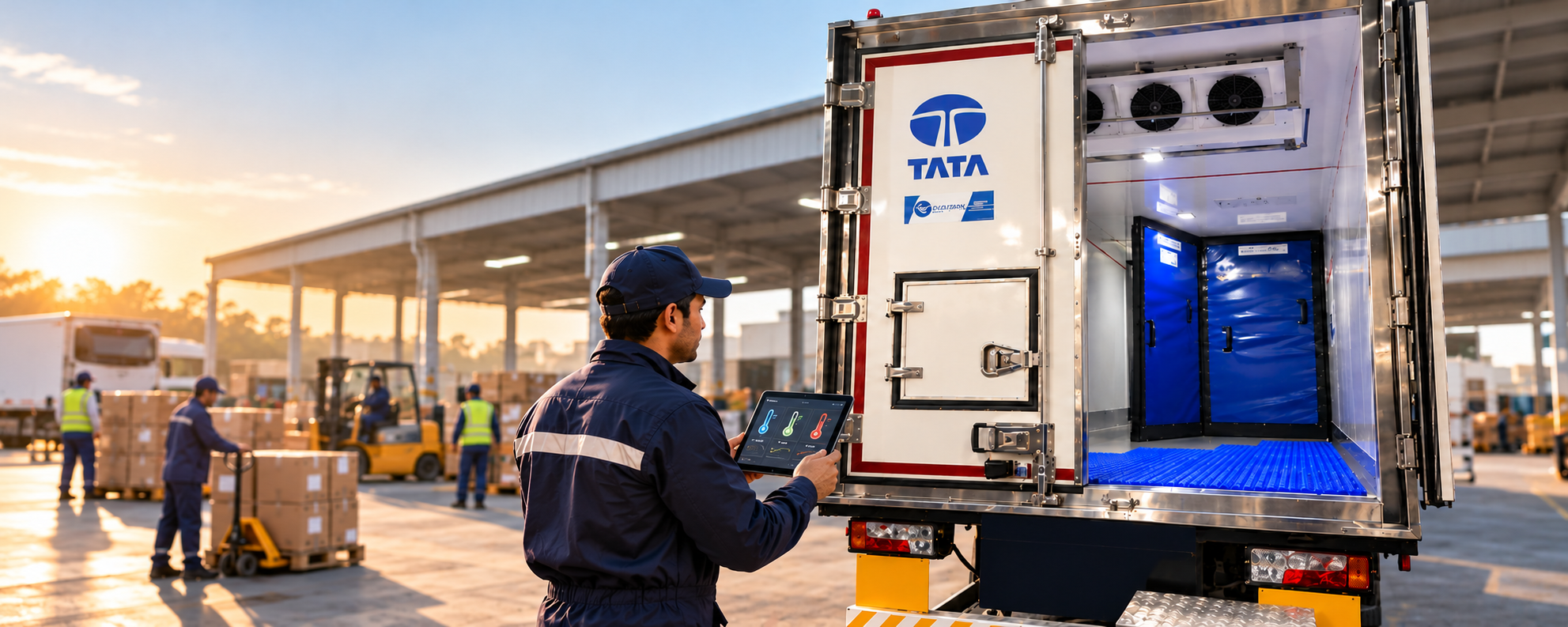
- Digital Temperature Monitoring: Wider adoption of IoT sensors, GPS tracking, automated alerts and real-time temperature logging.
- Predictive Maintenance: Use of data analytics to identify equipment issues, minimise downtime and improve fleet performance.
- Integrated Cold Storage: Investment in multi-product, multi-temperature and modular storage facilities.
- Sustainable Cooling: Greater interest in solar-powered cold storage, thermal energy management and energy-efficient cold chain equipment.
These investment signals point towards a fundamental change in how businesses will evaluate cold chain infrastructure. Refrigerated transportation, in particular, will need to deliver more than temperature control. Insulation quality, payload capacity, durability, refrigeration compatibility and ease of maintenance will increasingly influence the long-term economics of a reefer truck. For manufacturers and logistics operators, the opportunity lies in adopting solutions that balance engineering performance with operational efficiency. Ultimately, the future of cold chain logistics in India will depend on how effectively technology and infrastructure come together to create reliable, scalable and commercially sustainable supply chains.
Also Read: Cold Storage Manufacturers: Backbone of India's Cold Chain
Factors Determining Commercial Viability in India Cold Chain Investment
While emerging sectors and new technologies present promising opportunities, the success of investments in India's cold chain industry will ultimately depend on their commercial viability. Cold storage facilities, refrigerated vehicles and specialised refrigeration systems involve significant capital expenditure, ongoing energy costs and maintenance requirements.
Therefore, businesses need to evaluate more than market demand before committing to infrastructure investments. Factors such as asset utilisation, operating efficiency, location, equipment selection and long-term maintenance will play a critical role in determining the returns generated by cold chain investments in India.
-
Capital Expenditure vs Lifecycle Costs in India Cold Chain Projects
Investing in cold chain infrastructure requires businesses to look beyond the initial purchase or installation cost. Refrigeration systems, insulated structures and refrigerated vehicles involve recurring expenses related to energy consumption, servicing, repairs and equipment replacement. Evaluating the total cost of ownership helps businesses understand the long-term financial implications of their cold chain equipment investments.
-
Asset Utilisation and ROI in India Cold Chain Logistics Operations
The profitability of cold chain infrastructure depends heavily on how effectively assets are utilised. Underused warehouses, partially loaded refrigerated trucks, empty return journeys and seasonal demand fluctuations can affect operating margins. Businesses must therefore focus on route optimisation, cargo availability, warehouse occupancy and fleet utilisation to improve returns from their cold chain management operations.
-
Infrastructure Location and Connectivity
The location of cold storage facilities and transportation hubs directly influences logistics costs and delivery efficiency. Proximity to agricultural clusters, manufacturing facilities, consumption centres, ports and distribution networks can reduce transit time and improve supply chain connectivity. Strategic infrastructure planning is particularly important for businesses expanding their cold chain logistics in India.
-
Cold Chain Equipment Selection and Temperature Requirements
Different commodities require different storage and transportation conditions. Businesses must select refrigeration systems, insulation specifications and vehicle configurations according to their cargo requirements. For a reefer truck, factors such as insulation performance, payload capacity, temperature range and refrigeration compatibility can significantly influence operational efficiency and product quality.
-
Reefer Truck Manufacturing Quality and Maintenance Support
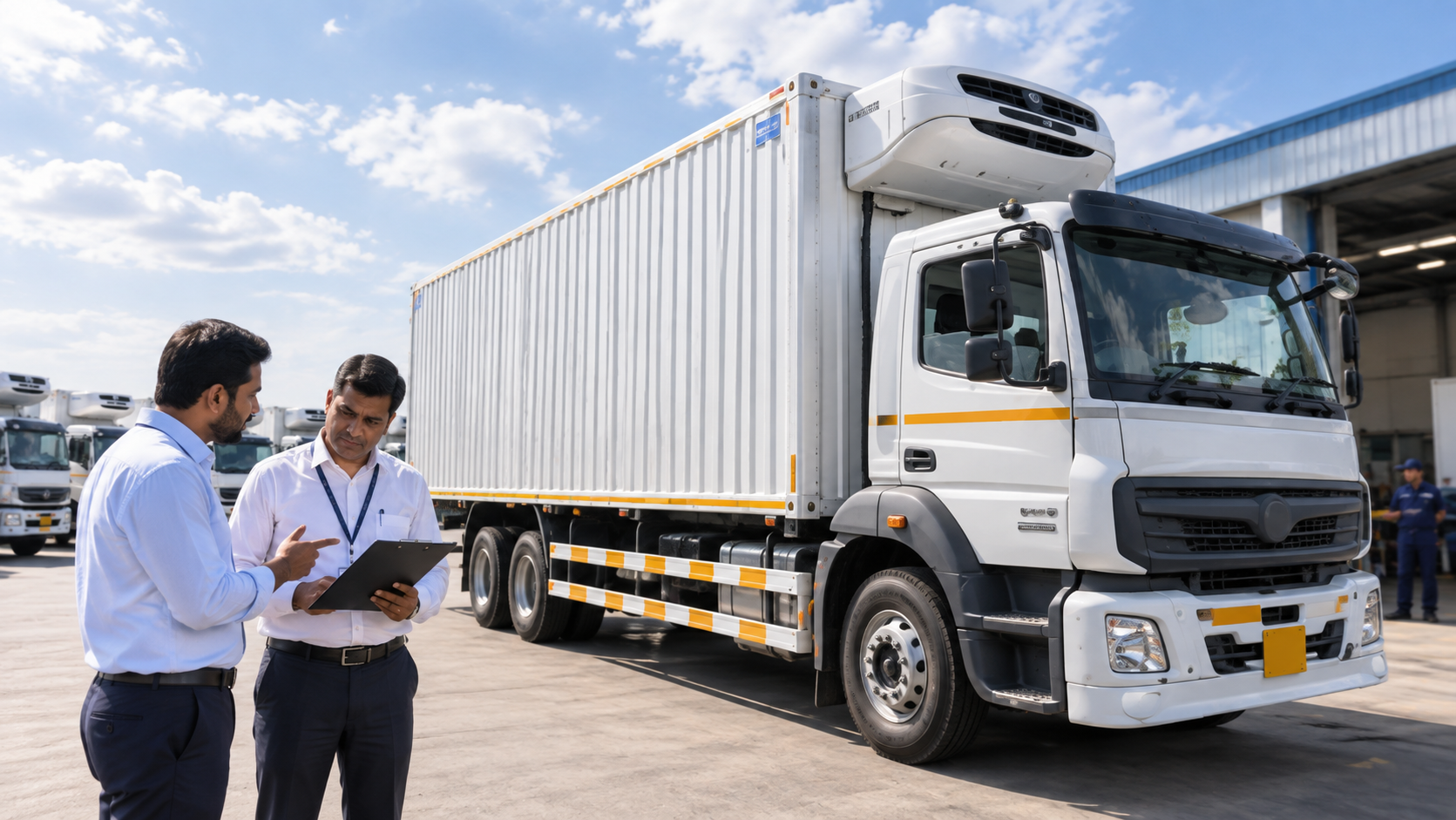
The long-term performance of refrigerated transportation also depends on the engineering quality of the vehicle body and the availability of reliable maintenance support. Durable construction, quality insulation, repair accessibility and spare parts availability can minimise downtime and extend asset life. For fleet operators, choosing a dependable refrigerated truck manufacturer is therefore an important part of managing long-term operating costs.
Conclusion
India's cold chain industry is approaching a phase where infrastructure quality, operational efficiency and supply chain connectivity will matter as much as capacity expansion. As agriculture, pharmaceuticals, food processing and organised retail continue to evolve, the demand for dependable temperature-controlled logistics will create opportunities across storage, transportation and refrigeration technology. However, real progress will depend on addressing the gaps between these interconnected functions.
Refrigerated transportation will be particularly important in this transition. The performance of a cold chain system ultimately depends on its ability to maintain temperature integrity throughout the journey, making insulation quality, vehicle engineering, payload efficiency and long-term reliability critical considerations. For manufacturers and logistics operators, investing in the right infrastructure today will help build more resilient and commercially sustainable supply chains tomorrow.
With its manufacturing legacy dating back to 1949, Sub Zero Reefers has been part of India's evolving refrigerated transportation landscape. As the industry looks towards 2027, its focus on engineered reefer bodies, multi-temperature solutions and emerging EV-compatible applications reflects the growing importance of specialised transportation infrastructure.
As India builds the next generation of its cold chain ecosystem, the conversation must move beyond how much capacity the industry can create to how effectively it can connect every stage of the supply chain. Explore more about refrigerated transportation and cold chain solutions at Sub Zero Reefers.
Frequently Asked Questions
1. What is the current size of India's cold chain market?
India's cold chain market is expanding with growing demand for refrigerated storage, transportation and temperature-controlled logistics. Market size estimates vary depending on whether they include storage, transportation, equipment and related services.
2. Which sectors are driving cold chain growth in India in 2027?
Agriculture, pharmaceuticals, dairy, meat, seafood, frozen food, organised retail and quick commerce are key sectors driving demand for cold chain infrastructure in India.
3. How many refrigerated vehicles does India need?
According to projections under India's cooling action planning framework, the country was expected to require approximately 1.2–1.5 lakh reefer vehicles by 2027–28, highlighting the anticipated demand for refrigerated transportation.
4. What government schemes support cold chain investment in India?
The Pradhan Mantri Kisan SAMPADA Yojana (PMKSY), particularly its Integrated Cold Chain and Value Addition Infrastructure component, supports eligible investments in cold storage, processing facilities and refrigerated transportation.
5. Is cold chain logistics a good investment in India?
Cold chain logistics offers promising investment opportunities due to growing demand for temperature-controlled transportation, food processing and pharmaceutical distribution. However, profitability depends on asset utilisation, infrastructure costs, energy efficiency and long-term demand.