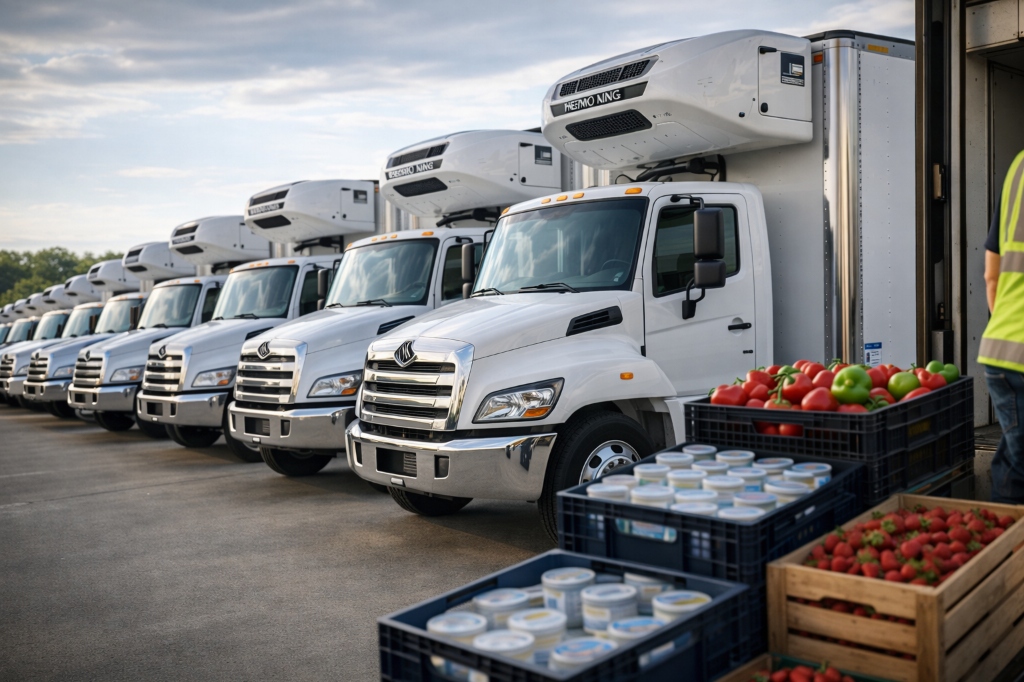
Return on investment (ROI) is one of the most important metrics businesses use when evaluating operational decisions. Whether it involves infrastructure, logistics, or technology, every investment must deliver measurable value over time. For companies handling temperature-sensitive goods, this evaluation becomes even more critical because the cold chain directly affects product quality, safety, and regulatory compliance. Industries such as pharmaceuticals, dairy, seafood, frozen foods, horticulture, and speciality chemicals depend on stable temperature conditions during storage and transport. Even minor temperature fluctuations can lead to spoilage, product loss, or compliance issues.
In such environments, investing in reliable refrigerated container and cold chain infrastructure is not just about operational efficiency. It is about protecting product integrity and minimising risk. This is where temperature-controlled logistics assets like reefer trucks and cold storage solutions play a vital role. They ensure that goods remain within precise temperature ranges throughout the supply chain. However, the way companies choose to deploy these assets can significantly impact both operational flexibility and long-term ROI.
A key decision many businesses face is whether to invest in their own refrigerated container infrastructure or rely on outsourced cold logistics providers. Companies that want direct control over storage often deploy on-site refrigerated storage container units, while others may choose outsourced cold logistics providers that offer centralised refrigerated warehousing, transportation, and inventory management services. Both models support temperature-controlled supply chains, but they differ in cost structure, flexibility, and operational control.
Cold Chain Infrastructure: In-House Containers vs Third-Party Logistics
Before comparing ROI, it helps to understand how each model functions in real-world operations. Businesses handling temperature-sensitive goods typically choose between deploying their own cold storage infrastructure or relying on third-party cold logistics providers.
1. In-House Refrigerated Containers
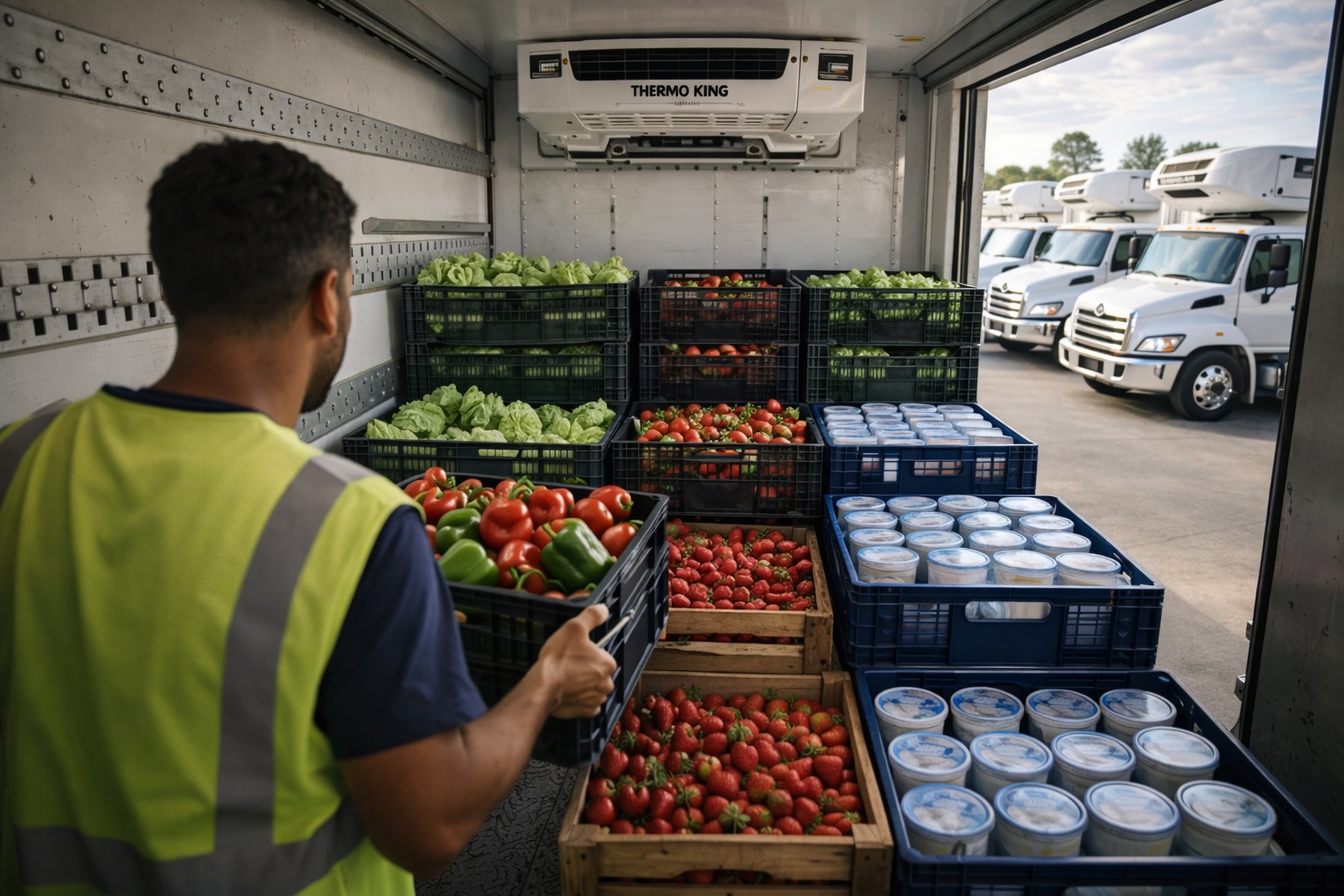
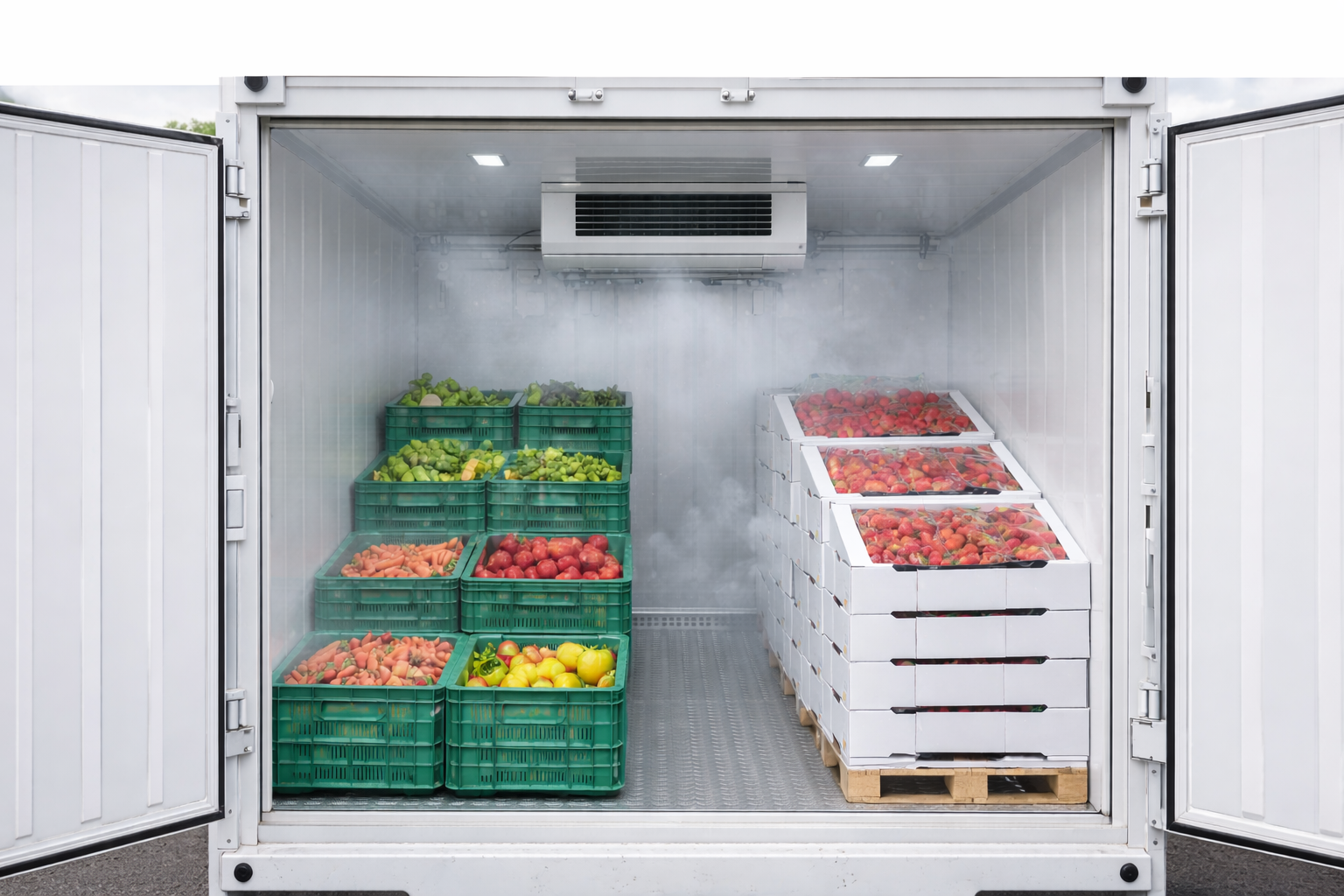
In this model, businesses deploy their own refrigerated container units for storage or transportation. These containers operate as self-contained temperature-controlled environments that can be placed at warehouses, manufacturing facilities, ports, distribution hubs, or even temporary storage yards. Many companies prefer this approach because it provides flexibility and operational control—instead of depending on external facilities, they can create cold storage capacity exactly where it is needed.
Businesses typically choose between purchasing a reefer container for sale as a long-term asset or opting for a reefer container for rent when flexibility is required. The versatility of a refrigerated reefer container allows it to serve multiple operational purposes:
- Temporary or permanent cold storage at food processing or pharmaceutical facilities
- Buffer storage during seasonal demand spikes in seafood, agriculture, and frozen foods
- Emergency backup cold storage during facility maintenance or power disruptions
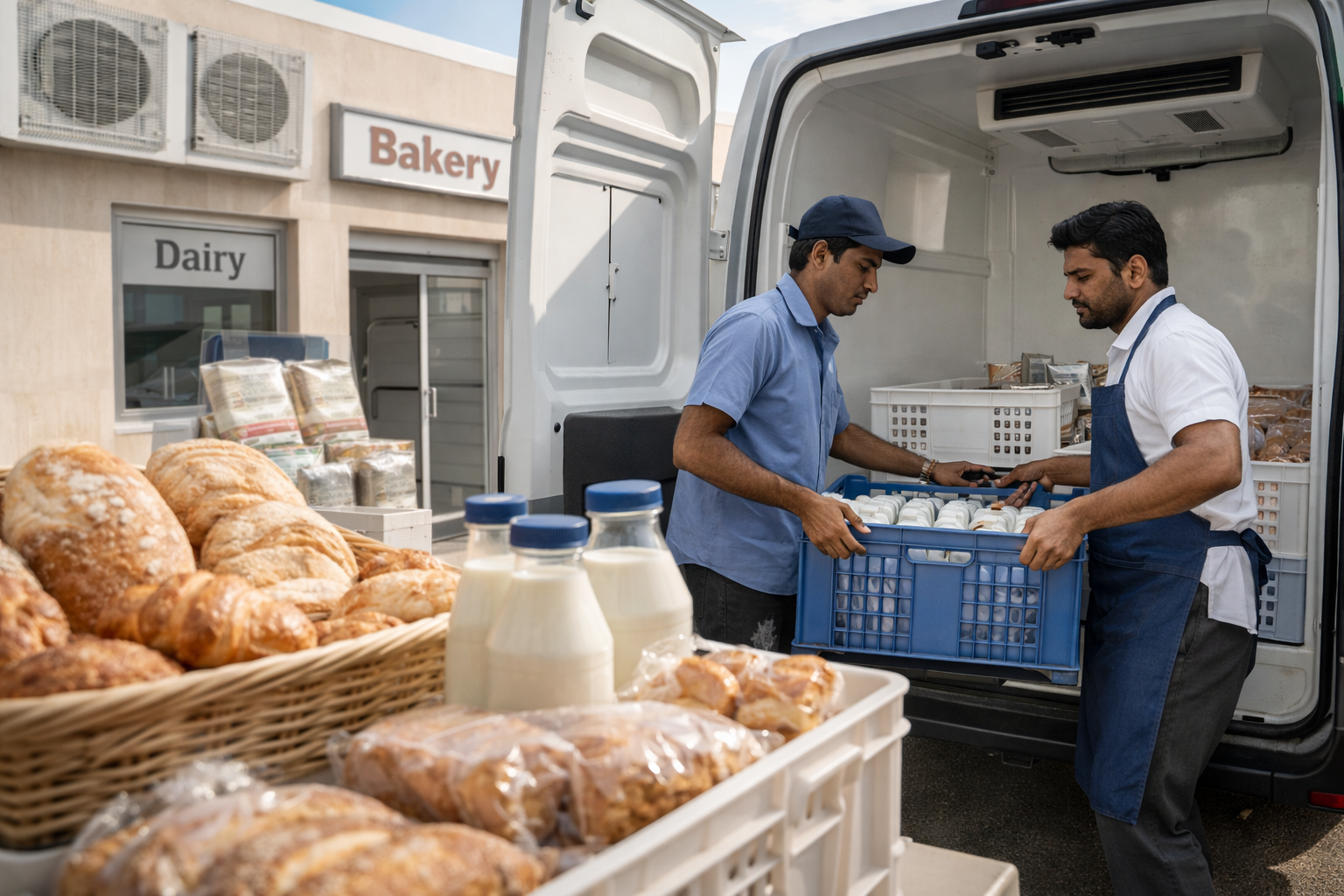
- Mobile or temporary distribution hubs for last-mile delivery operations
Modern refrigerated container systems also offer digital temperature monitoring and data logging, helping companies maintain compliance with food safety and pharmaceutical regulations.
2. Outsourced Cold Logistics
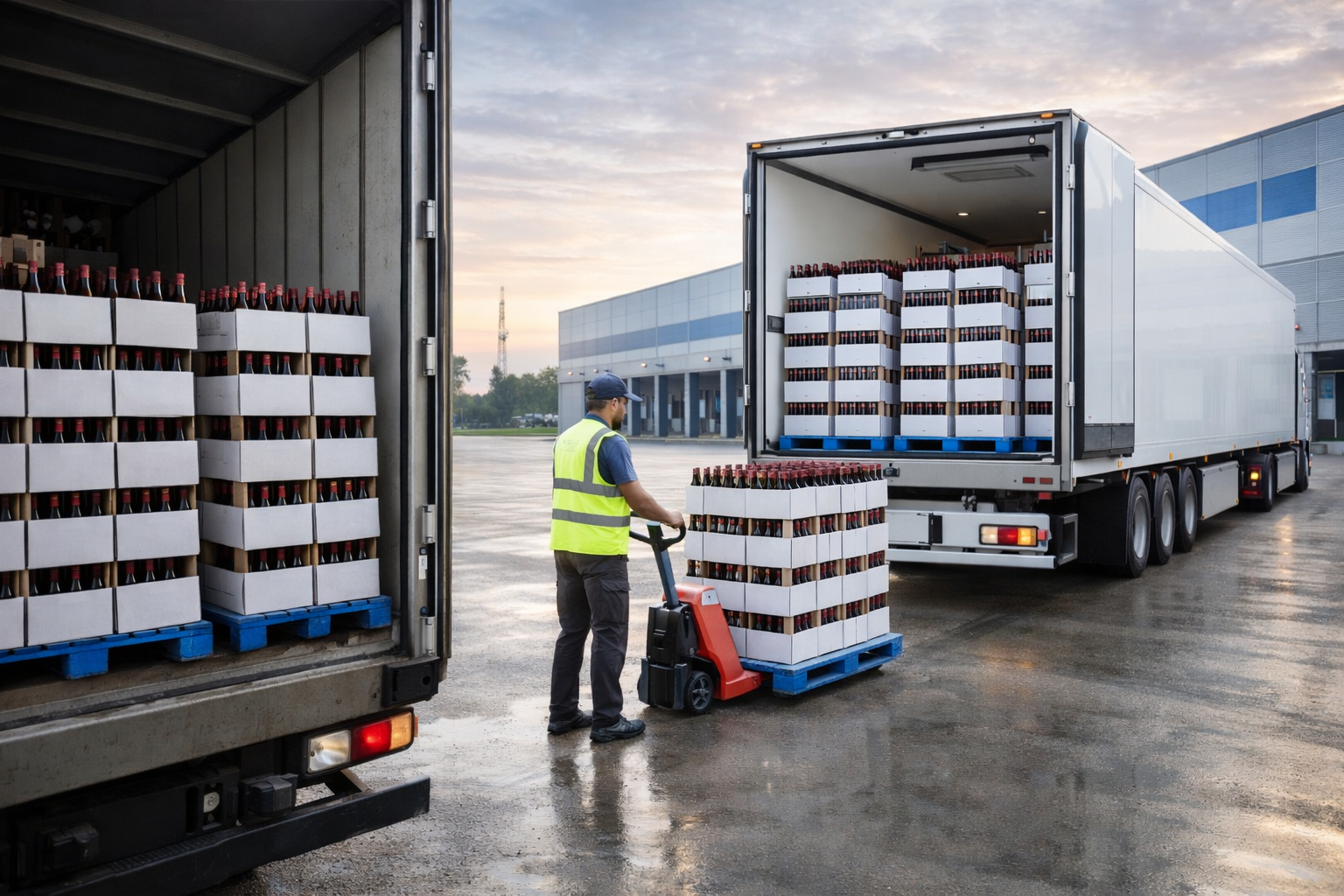
The second model involves outsourcing cold storage and transportation to specialised third-party logistics providers (3PLs). Instead of managing their own infrastructure, businesses rely on external facilities and logistics networks to handle the storage, movement, and distribution of temperature-sensitive goods. Outsourced cold logistics services often include large centralised refrigerated warehouses, temperature-controlled transportation networks, inventory tracking systems, and compliance monitoring.
For businesses with limited infrastructure or unpredictable storage needs, this model can reduce the burden of maintaining cold chain equipment. However, this approach also introduces operational dependencies. Storage capacity is shared among multiple clients, and businesses must align with the provider's schedules and processes.
Cost Structure: Capital vs Operational Expenditure
One of the most significant differences between using in-house cold storage and outsourcing logistics lies in how costs are structured. When businesses invest in their own refrigerated container infrastructure, the expense is typically treated as capital expenditure. In the case of ownership, the upfront investment is followed by relatively predictable operating costs such as electricity, maintenance, and routine servicing. Over time, this model often becomes more cost-efficient because the infrastructure remains available without recurring storage fees.
Outsourced cold logistics, on the other hand, operates primarily as operational expenditure. Companies pay ongoing service fees for warehouse storage, pallet handling, temperature-controlled transportation, and inventory management. While this model reduces the need for capital investment, it introduces continuous and sometimes variable costs that scale with storage volume, duration, and demand cycles. During peak seasons or supply chain disruptions, these operational costs can increase significantly.
Infrastructure and Space Efficiency in Cold Storage
Cold storage infrastructure is typically capital-intensive and space-dependent. Traditional cold warehouses require specialised insulation, refrigeration systems, backup power, and significant construction investment.
Refrigerated Containers
A refrigerated storage container offers a modular and flexible approach to cold storage. Unlike permanent facilities, these units function as plug-and-play solutions that can be deployed quickly wherever temperature-controlled storage is needed. Businesses do not need extensive construction or facility upgrades. Key advantages include:
- Minimal site preparation and installation
- Efficient use of unused facility space
- No need for large cold warehouse construction
- Mobility when operations expand or shift
Outsourced Warehouses
Outsourced cold logistics providers operate large refrigerated warehouses designed for centralised storage. These facilities are built to handle high volumes and support distribution across multiple regions. However, businesses must transport their goods to these facilities and operate within the provider's established systems. Storage capacity is also shared among multiple clients, which can sometimes limit flexibility during peak demand periods.
Long-Term ROI: Which Cold Chain Model Delivers More Value?
When evaluating cold chain solutions, long-term return on investment (ROI) is often the deciding factor. Owning or renting a refrigerated container offers predictable costs, direct operational oversight, and the ability to scale storage as needed. A refrigerated storage container can serve a company for many years, and modern refrigerated reefer containers often include monitoring and compliance features that reduce risk and potential losses.
On the other hand, outsourced cold logistics shifts expenses into ongoing operational costs. While this model reduces infrastructure investment and simplifies management, recurring costs can accumulate, sometimes surpassing the cost of dedicated refrigerated container solutions for businesses with stable storage needs. Ultimately, the choice depends on operational patterns. Businesses with consistent, high-volume cold storage often achieve stronger long-term ROI by investing in their own refrigerated container infrastructure. Companies with irregular or seasonal demand may find outsourced cold logistics more cost-effective. In many cases, a hybrid approach offers the ideal balance of flexibility, control, and financial efficiency.
Conclusion
Choosing the right cold chain strategy is more than a logistical decision—it's a financial and operational one. Businesses that invest in their own refrigerated container or refrigerated storage container gain direct control over temperature management, inventory access, and compliance, while often achieving stronger long-term ROI. Renting a reefer container offers the flexibility to scale storage capacity quickly during seasonal or peak-demand periods without large upfront investments.
Outsourced cold logistics can simplify operations and provide large-scale infrastructure, but recurring costs and reduced operational control may limit efficiency for businesses with consistent storage needs. Many companies now adopt a hybrid approach, combining on-site refrigerated reefer containers with third-party logistics to maximise flexibility, cost efficiency, and product safety. For businesses ready to optimise their cold chain and maximise ROI, partnering with Sub Zero Reefers for dedicated refrigerated containers is a practical, scalable, and cost-effective solution.
Frequently Asked Questions
The ROI of cold storage depends on usage, scale, and efficiency. Owning or renting refrigerated containers often delivers higher long-term ROI by reducing recurring costs and improving operational control.
Temperature fluctuations and equipment failures are the most common issues in refrigerated shipping containers, which can lead to spoilage and compliance risks if not monitored.
A refrigerated container can cost anywhere from ₹8–25 lakh to purchase, while rental options vary by size and duration. Costs also include maintenance, electricity, and monitoring systems.
Buying or renting refrigerated containers is often more cost-effective for consistent, high-volume storage, while outsourcing suits businesses with irregular or seasonal demand.
Hidden costs include handling fees, seasonal surcharges, transportation charges, and potential delays, which can add up beyond standard warehouse storage fees.