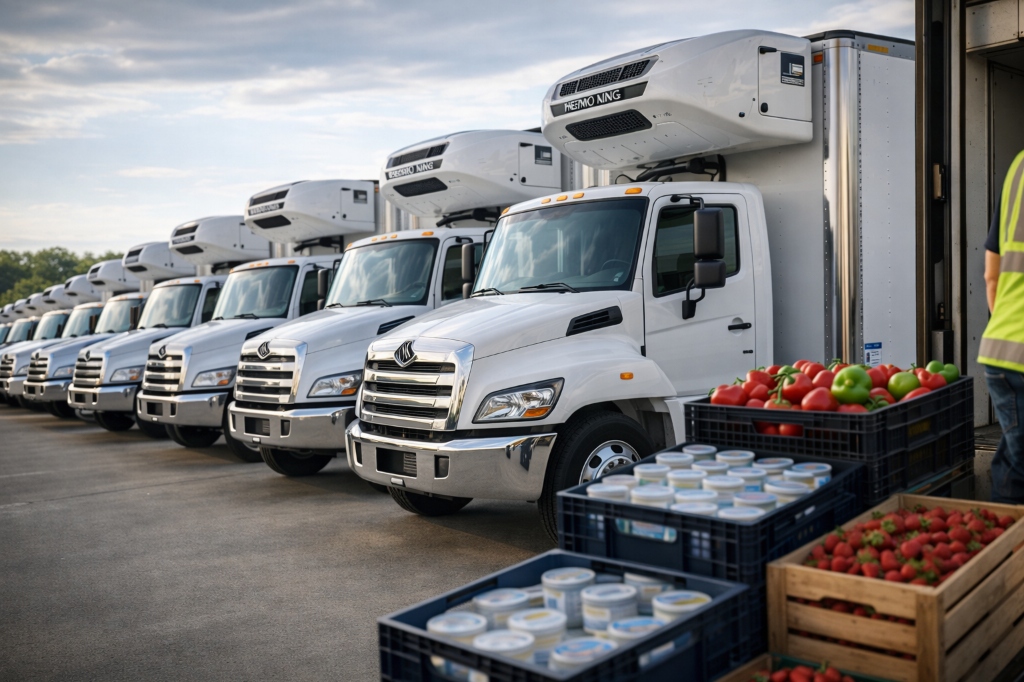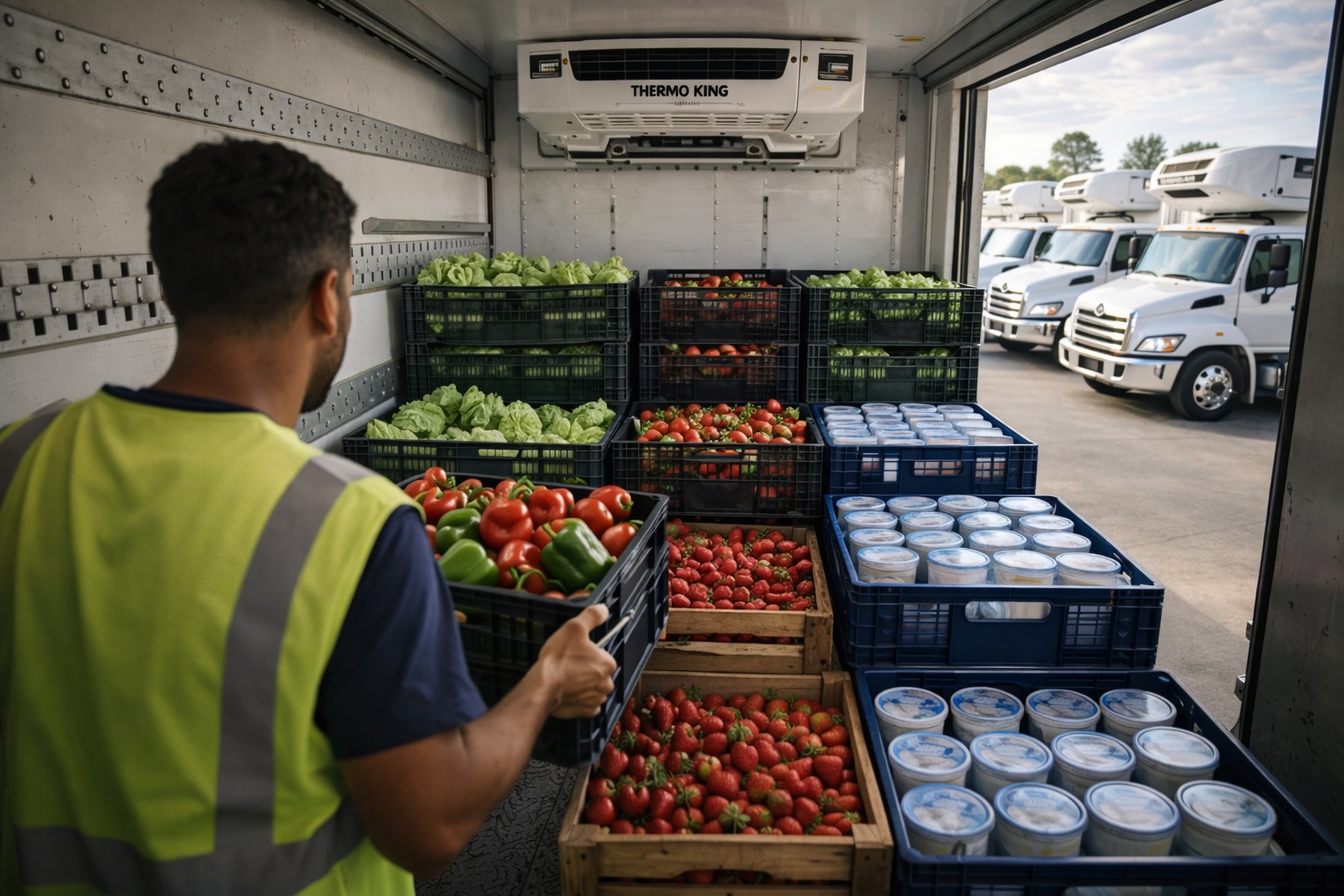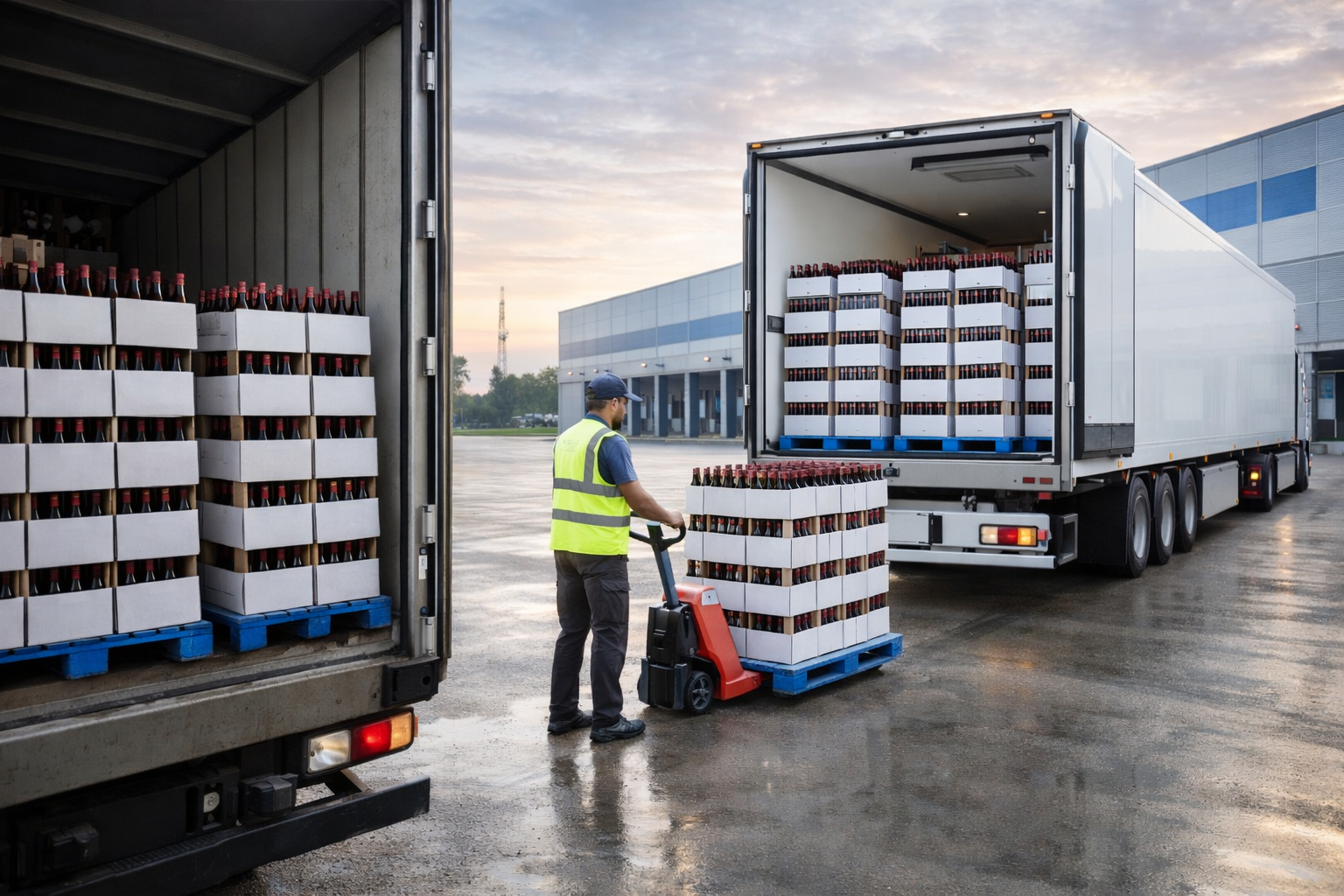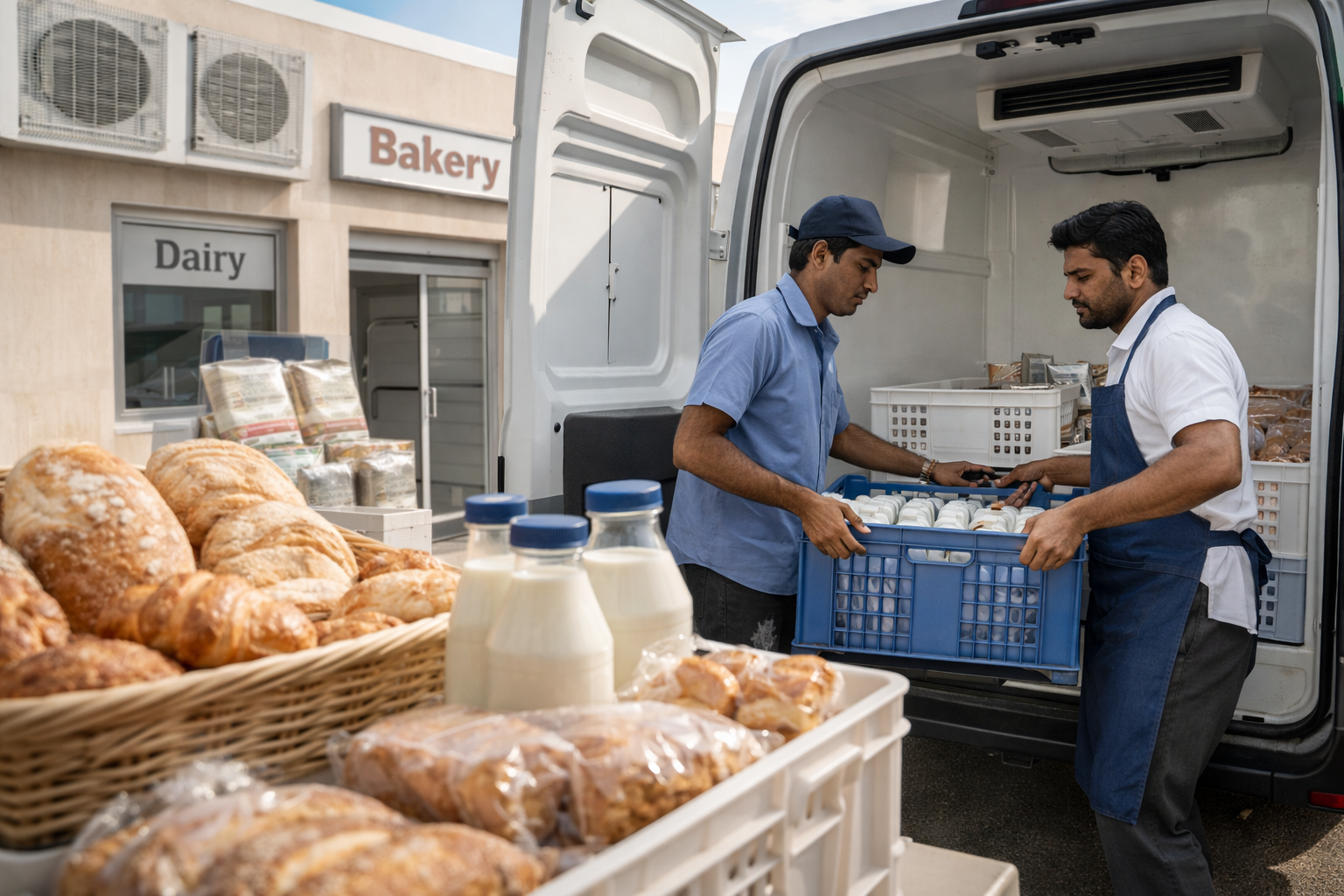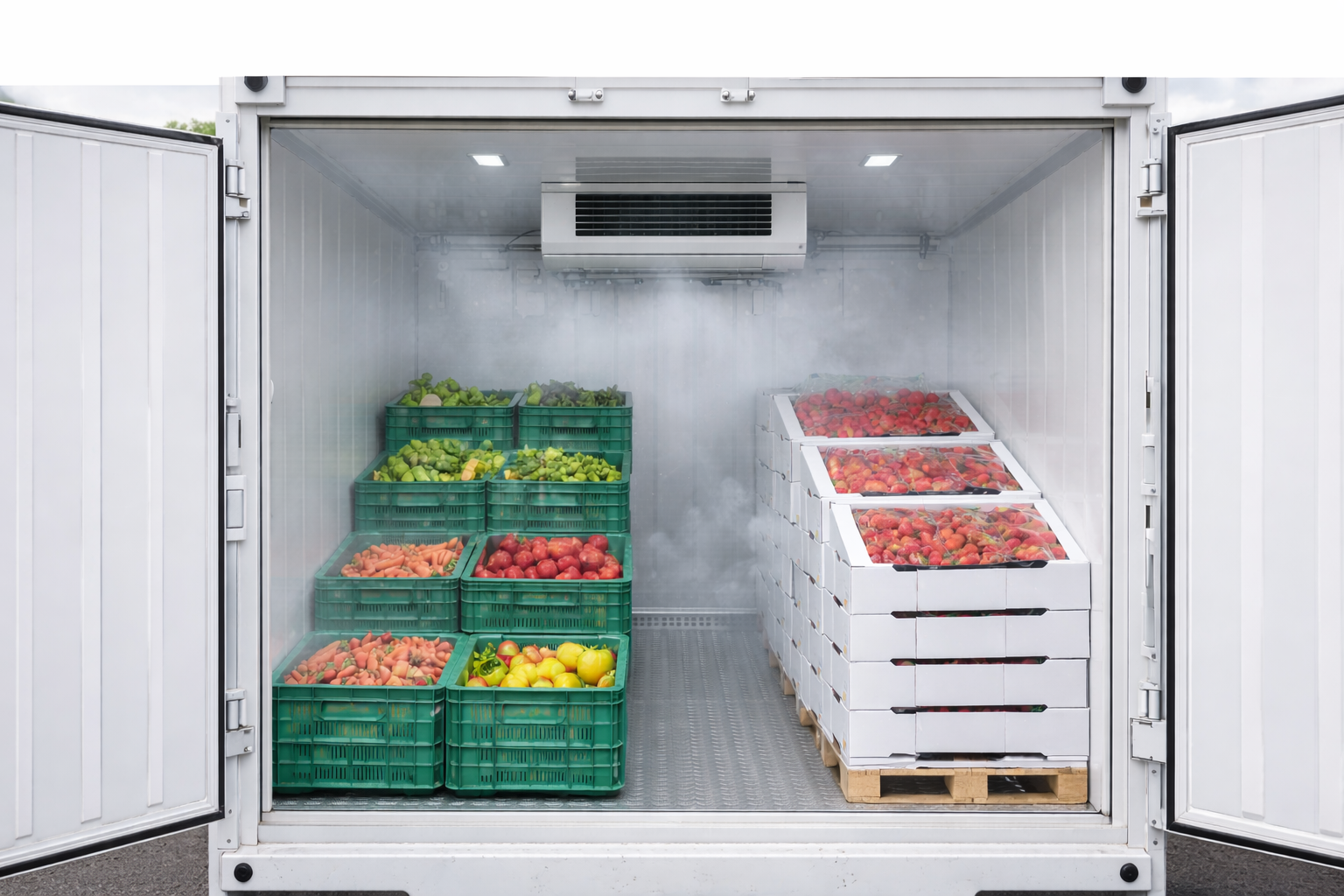
In 2026, businesses handling perishable goods face a critical decision in cold chain logistics: should they opt for a refrigerated truck rental or invest in their own fleet of vehicles? This choice goes far beyond simple cost considerations. It impacts operational efficiency, product quality, regulatory compliance, and even customer satisfaction. The modern supply chain demands reliability, precision, and adaptability, particularly for industries such as pharmaceuticals, frozen foods, dairy, seafood, and fresh produce.
A refrigerated truck is no longer just a vehicle—it's a mobile extension of a company's quality control system. From maintaining strict temperature thresholds to ensuring timely deliveries, every detail matters. While rental options provide flexibility and quick scalability for businesses testing new markets or handling seasonal demand, owning small refrigerated trucks or reefer refrigerated trucks allows companies to fully control maintenance, customise configurations, and optimise logistics for consistent, high-volume routes.
As technology advances, refrigerated trucks/vans now come equipped with IoT sensors, telematics, and real-time temperature monitoring. Businesses must weigh whether renting these advanced vehicles meets their operational needs or if investing in owned refrigerated container trucks offers better long-term value. With the stakes higher than ever, understanding the nuances of rental versus ownership has become essential for businesses aiming to secure a competitive edge in 2026's dynamic cold logistics landscape.
The Rise of Refrigerated Truck Rental
In recent years, refrigerated truck rental services have experienced a remarkable surge in adoption, driven by the growing demand for flexible and cost-efficient cold chain solutions. For small and medium enterprises, in particular, renting a refrigerated truck removes the barrier of heavy upfront investment, allowing businesses to access high-quality vehicles without the financial strain of ownership. This flexibility is invaluable for companies navigating seasonal fluctuations, product launches, or sudden spikes in demand.
Modern rental fleets are no longer basic vehicles; today's reefer refrigerated trucks come equipped with state-of-the-art features such as precise temperature controls, real-time tracking, and automated alerts for any deviations. These advanced capabilities ensure that sensitive goods—whether pharmaceuticals, frozen foods, fresh produce, or temperature-critical ingredients—reach their destination safely and within regulatory standards.
Beyond the technology, refrigerated truck rental offers operational advantages. Businesses can scale capacity up or down on short notice, experiment with new delivery routes, or expand into untapped markets without committing to long-term asset ownership. Maintenance, insurance, and compliance responsibilities are typically managed by the rental provider, freeing companies to focus on core operations. In 2026, these benefits make refrigerated truck rental not just a convenient option, but a strategic tool for businesses aiming to remain agile and competitive.
Investing in a Fleet: When Ownership Makes Sense
On the other hand, investing in a refrigerated box truck or a small refrigerated truck can be a strategic move for businesses with consistent, high-volume cold chain needs. Ownership allows full control over maintenance schedules, customised configurations, and route optimisation. Over time, the cost per trip can be lower compared to recurring rental fees, especially for companies operating multiple refrigerated container trucks daily.
Investment in owned vehicles also enables businesses to build brand-specific logistics processes. For example, temperature-sensitive products like dairy, seafood, or frozen meals benefit from dedicated refrigerated trucks/vans, where operators are trained to handle specific product requirements.
Cost Analysis: Rental vs Purchase
When comparing refrigerated truck rental versus purchase, the financial considerations go beyond the sticker price:
- Upfront Capital: Buying a refrigerated truck requires significant initial investment, often including customisation for product type.
- Maintenance & Repairs: Owned vehicles entail ongoing servicing and repair costs, whereas rental fleets shift this responsibility to the service provider.
- Depreciation: Vehicle value declines over time, impacting overall ROI, while rental allows predictable operational costs.
- Insurance & Compliance: Rentals often include insurance and regulatory compliance support, reducing administrative overhead.
These factors make rental appealing for startups, seasonal businesses, and companies testing new routes, while investment suits established enterprises with predictable cold chain volumes.
Technological Edge in 2026
The latest refrigerated container trucks now integrate IoT sensors, telematics, and cloud-based fleet management systems. Whether rented or owned, these advancements offer precise temperature tracking, remote diagnostics, predictive maintenance alerts, and route optimisation for fuel efficiency. Businesses must weigh whether their operational needs justify investing in technology-enabled refrigerated trucks/vans or if rental fleets can provide comparable benefits on-demand.
Hidden Costs and Operational Nuances
While rentals reduce upfront costs, there are hidden factors to consider:
- Limited customisation of small refrigerated trucks in rental fleets
- Availability constraints during peak seasons
- Potential penalties for damages or late returns
- Insurance limits that may not cover high-value cargo
Conversely, owning a fleet requires internal expertise in fleet management, compliance adherence, and long-term maintenance planning.
Cold Chain Choices: How Businesses Are Navigating in 2026
Current trends in cold chain logistics show that businesses are increasingly adopting a hybrid strategy, combining the benefits of both ownership and rental. Many companies maintain a small owned fleet of refrigerated trucks/vans for their core routes and high-demand products, ensuring complete control over maintenance, temperature management, and customised handling procedures. At the same time, they supplement this fleet with refrigerated truck rental solutions to manage seasonal spikes, special events, or experimental markets.
For startups and businesses entering new markets, the appeal of renting a reefer refrigerated truck or a refrigerated box truck lies in risk mitigation. By avoiding heavy upfront capital expenditure, these companies can test demand, optimise routes, and maintain supply chain integrity without locking in resources. Meanwhile, larger enterprises with stable, high-volume operations continue to invest in owned refrigerated container trucks, leveraging advanced technologies such as IoT-enabled temperature monitoring and predictive maintenance.
This hybrid approach reflects a broader shift in 2026: businesses are no longer forced to choose exclusively between ownership and rental. Instead, they are strategically blending both models to optimise cost efficiency, operational control, and flexibility. By doing so, they can respond rapidly to market fluctuations, expand into new territories confidently, and ensure that perishable goods reach customers in perfect condition.
Conclusion
Choosing between a refrigerated truck rental and investing in an owned fleet is no longer a simple yes-or-no decision. In 2026, businesses are looking for solutions that balance flexibility, cost-efficiency, and operational control. Startups and seasonal operators benefit from the scalability and low upfront costs of refrigerated truck rentals, while established companies with consistent high-volume routes often gain long-term value from investing in small refrigerated trucks or reefer refrigerated trucks. Many are now adopting a hybrid approach, ensuring their cold chain remains agile, reliable, and fully compliant.
For businesses seeking cutting-edge, dependable solutions for their cold logistics, Sub Zero Reefers offers a range of refrigerated trucks/vans, refrigerated box trucks, and refrigerated container trucks tailored to meet diverse operational needs.
Frequently Asked Questions
Renting a refrigerated truck is cheaper upfront and ideal for seasonal or low-volume needs, while buying offers long-term savings for high-volume, consistent operations.
Monthly refrigerated truck rental costs in India typically range from ₹50,000 to ₹1,50,000, depending on truck size, temperature control, and rental duration.
Yes, most rental refrigerated trucks/vans include maintenance, insurance, and regulatory compliance, reducing operational responsibilities for businesses.
Owning a reefer refrigerated truck can save costs over time by eliminating recurring rental fees and allowing full control over routes, maintenance, and fleet optimisation.