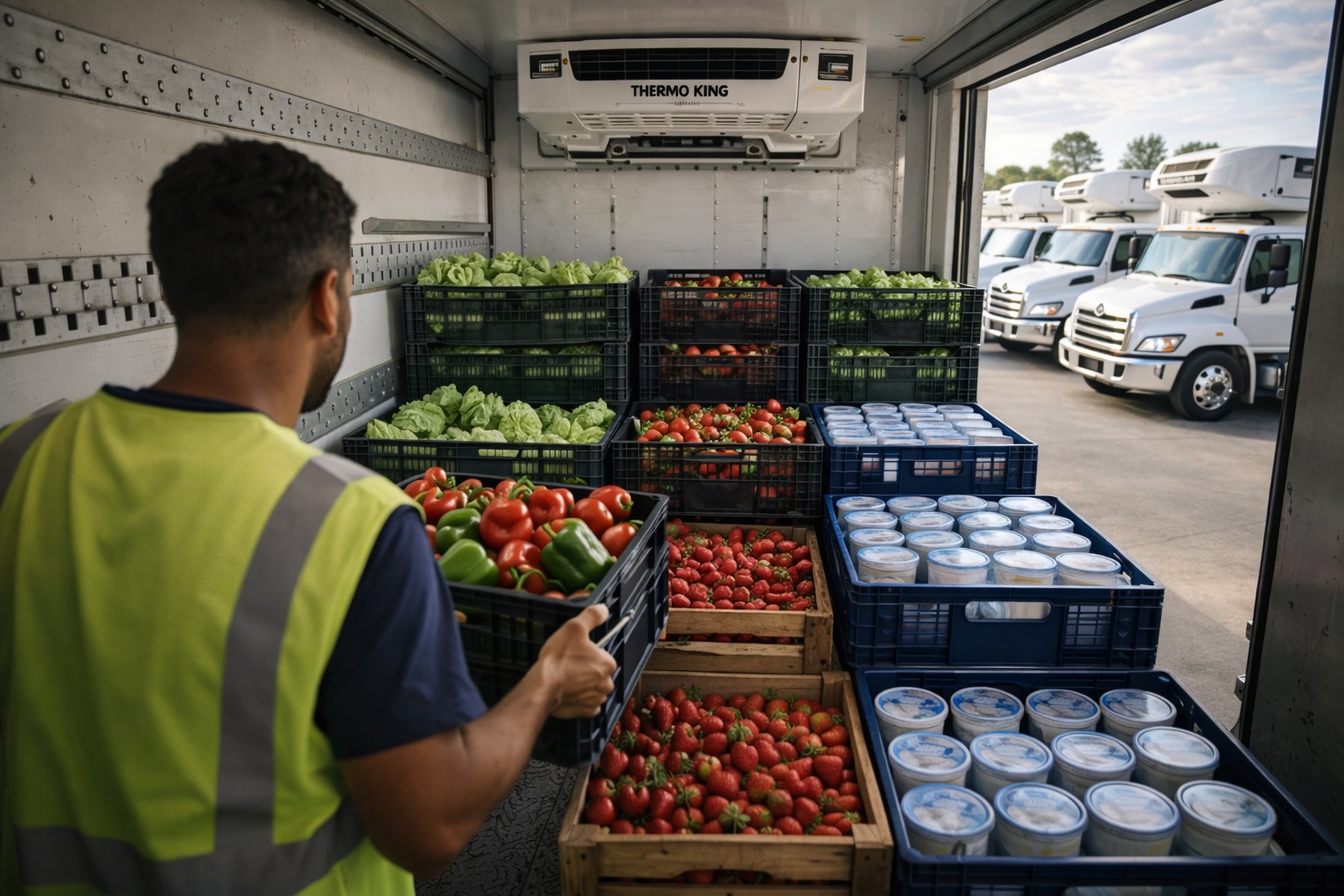
Over the past decade, the way FMCG brands distribute their products across India has quietly undergone a major shift. It is no longer just about getting goods from a factory to a distributor. For a growing number of categories, the real challenge lies in preserving product quality throughout the journey. Think about the typical supply chain of a frozen dessert, dairy drink, probiotic yogurt, or temperature-sensitive beverage. These products may travel hundreds or even thousands of kilometres before reaching a retail shelf. Along the way, they face traffic delays, varying climates, and long loading and unloading cycles. Even a small temperature fluctuation during transit can affect texture, shelf life, and ultimately consumer trust.
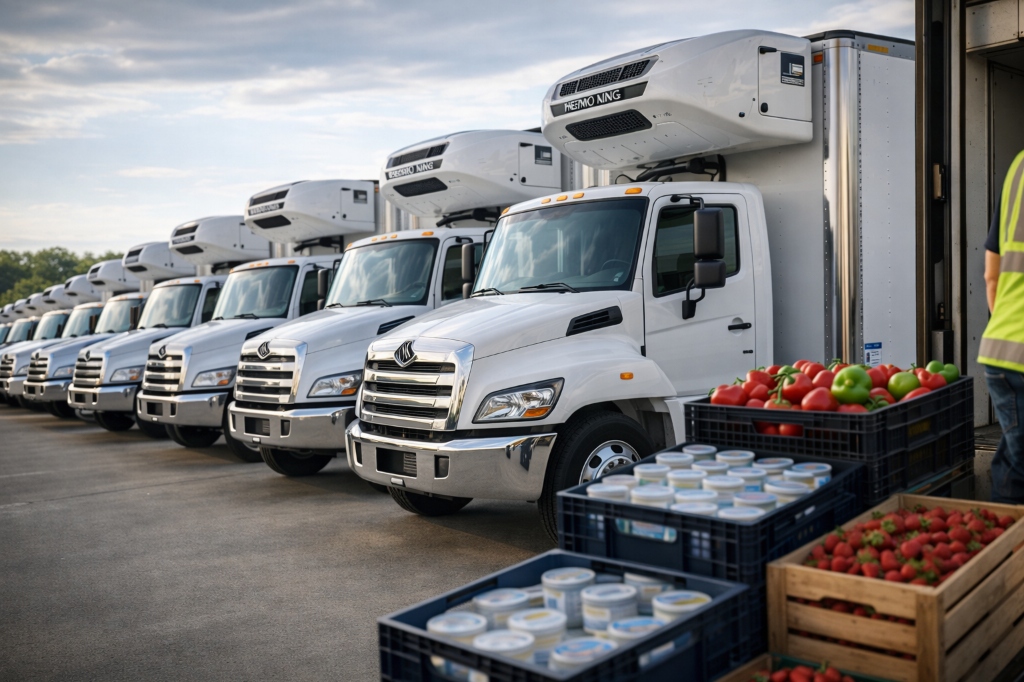
This is why many expanding FMCG brands are rethinking how they approach cold chain logistics. Instead of relying entirely on third-party transporters, they are increasingly investing in dedicated refrigerated truck that give them greater control over temperature, delivery timelines, and distribution reliability. What might look like a simple logistics upgrade is actually a strategic supply chain decision. A modern refrigerated truck does far more than move goods from point A to point B. It protects product integrity, reduces wastage, and allows brands to confidently expand into new markets. As India's consumption landscape evolves, this shift toward owned or specialized refrigerated truck India fleets is becoming a defining factor in how fast-growing FMCG brands scale their distribution networks.
Why Refrigerated Truck India Is Critical for Cold Chain Distribution
India's consumption patterns have evolved rapidly in recent years. Products that once had a short distribution radius are now travelling across states and reaching consumers in completely new markets. As FMCG brands expand into tier-2 and tier-3 cities, the pressure on cold chain logistics has grown significantly.
However, India's cold chain ecosystem has traditionally been fragmented. Many supply chains still depend on a mix of warehouses, third-party transporters, and inconsistent temperature control practices. During transit, goods may pass through multiple checkpoints, loading docks, and storage points. Each stage introduces the risk of temperature fluctuations, especially when the logistics network is not fully temperature controlled.
For temperature-sensitive products, even a short disruption can have serious consequences. Categories such as dairy products, ice cream, frozen snacks, chocolates, probiotics, and certain beverages depend on stable cooling throughout transportation. If the temperature rises even briefly, it can affect taste, texture, nutritional quality, and shelf life. By the time the product reaches a retail shelf, the damage may already be done.
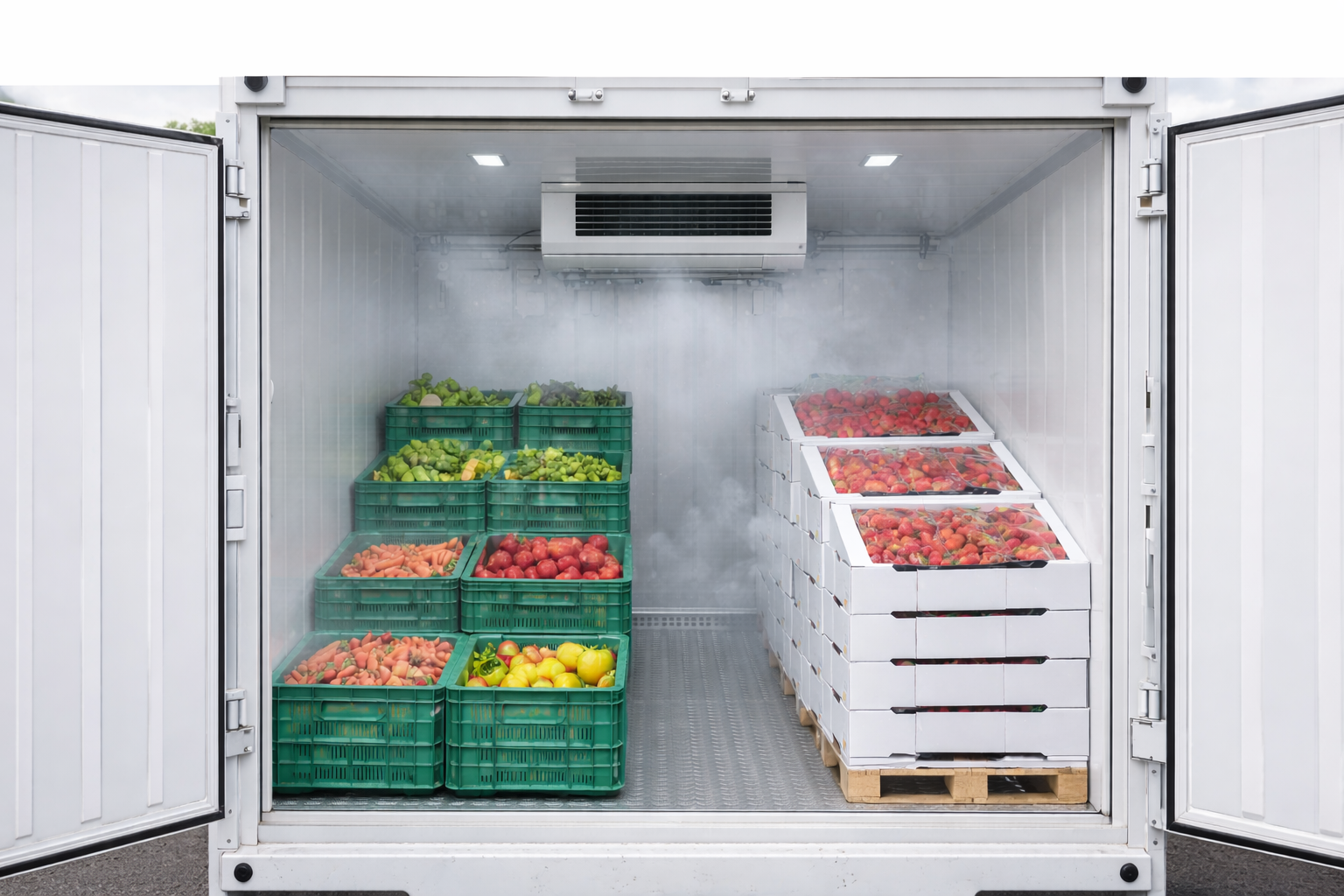
This is where a modern refrigerated truck plays a critical role in protecting product integrity during transit. Unlike standard cargo vehicles, refrigerated trucks are built specifically to maintain stable temperature conditions throughout the journey. High-performance insulation, advanced refrigeration systems, and well-designed airflow circulation work together to keep goods within the controlled temperature range, ensuring that temperature-sensitive products remain fresh and safe during transportation.
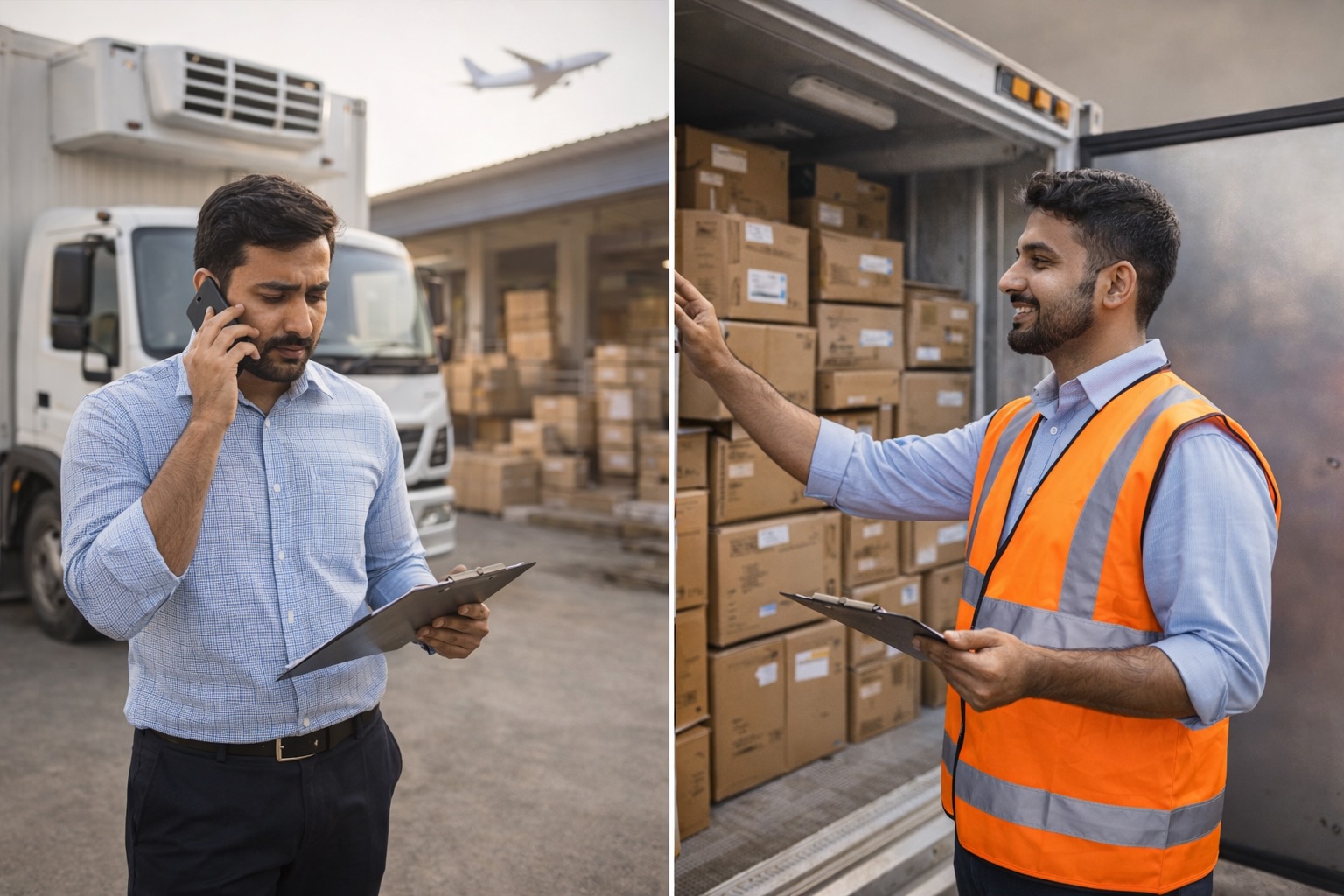
Many fleets today also include digital monitoring systems that allow operators to track temperature in real time. This means any deviation can be detected and corrected immediately, even during long-distance transportation. For growing FMCG brands, reliable temperature-controlled transportation is no longer just a logistics feature. It directly influences product quality, regulatory compliance, and customer trust.
Logistics Advantages of Refrigerated Truck India for FMCG Growth
As FMCG brands grow beyond their primary markets, logistics becomes a defining factor in how quickly and efficiently they can scale. Entering new cities, servicing wider distributor networks, and maintaining product quality across longer distances requires more than just transportation. It requires a dependable cold chain backbone.
This is where a reliable refrigerated truck fleet becomes a strategic advantage. With controlled temperature distribution, brands can move sensitive products across regions without compromising freshness, shelf life, or quality. Some of the key advantages include:
- Faster market entry into new cities and regional distribution hubs
- Better route planning for long-distance cold chain deliveries
- Quicker replenishment cycles for distributors and retailers
- Improved inventory turnover due to stable product shelf life
- Reduced spoilage and wastage during long-haul transportation
- Consistent product quality across multiple distribution points
Temperature fluctuations during transit are one of the biggest causes of product loss in perishable supply chains. By maintaining stable cooling conditions throughout the journey, a well-equipped refrigerated truck helps minimize these risks. The result is lower product loss, better inventory predictability, and stronger supply chain efficiency.
The Business Case for Refrigerated Logistics in a Modern FMCG Supply Chain
As distribution models evolve, FMCG brands are evaluating cold chain infrastructure not just from an operational standpoint, but also from a strategic and financial perspective. Investments in temperature-controlled transport are increasingly viewed as long-term supply chain assets rather than short-term logistics expenses. Two major factors are shaping this shift: the economics of fleet investment and the rapid growth of modern retail and quick commerce.
Evaluating Refrigerated Truck Investment
For growing companies, the refrigerated truck price is often the first factor considered when planning cold chain expansion. While the upfront investment may appear significant, many businesses evaluate it in terms of long-term supply chain efficiency. Reliable temperature-controlled vehicles reduce product spoilage, improve delivery reliability, and create predictable logistics costs. Over time, these operational benefits can offset the initial capital investment while strengthening overall distribution performance.
Long-Term Operational Cost Efficiency
Beyond the purchase cost, dedicated temperature-controlled transport improves overall cost efficiency across the supply chain. Stable temperature conditions reduce damaged inventory, extend product shelf life, and minimize emergency replacements caused by spoilage. This consistency also helps logistics teams plan routes, delivery schedules, and inventory cycles more effectively.
Supporting the Growth of Quick Commerce and Modern Retail
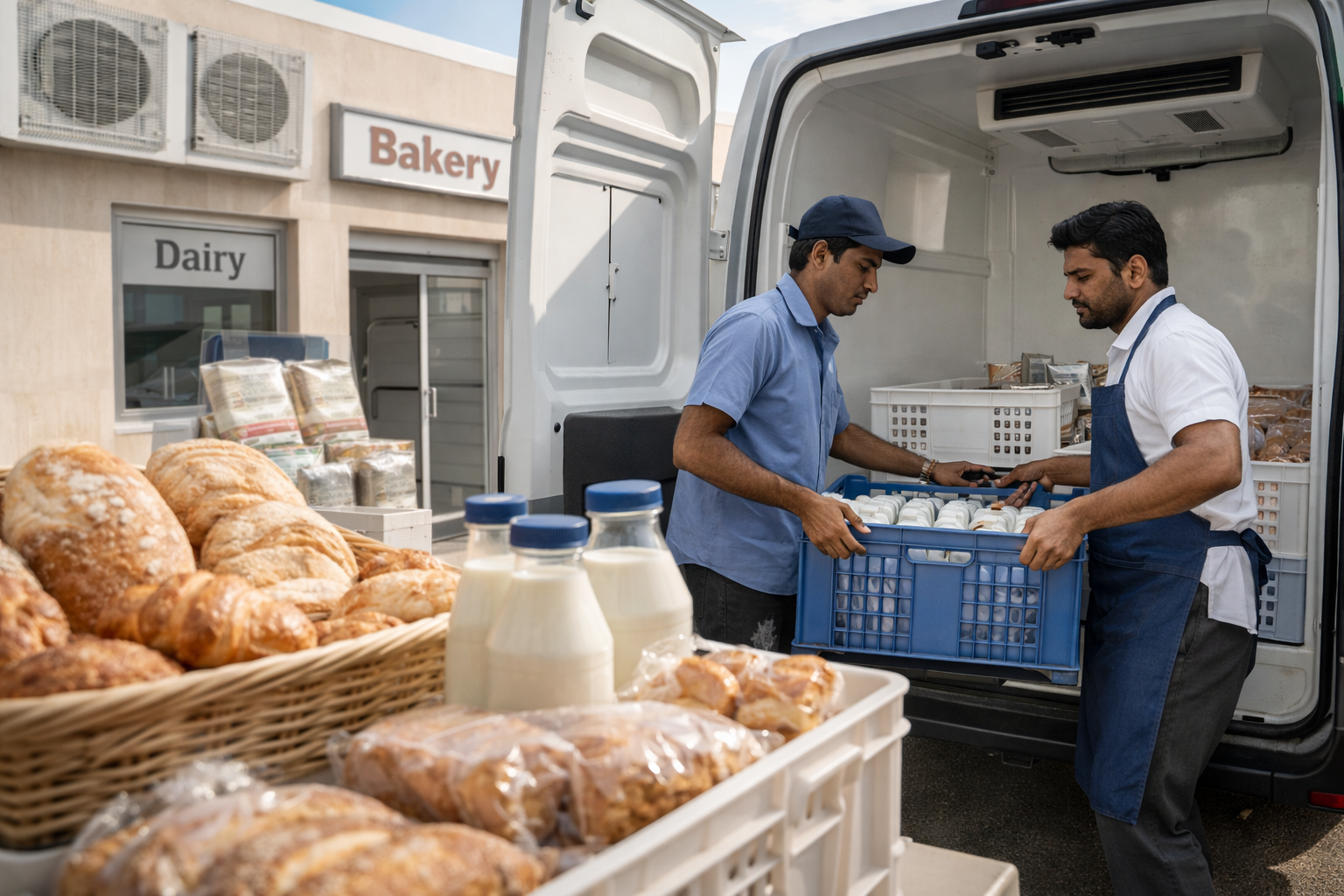
India's retail landscape is changing rapidly with the rise of online grocery platforms, quick commerce, and organised retail chains. Consumers now expect fresh and frozen products to be available almost instantly, often within a few hours of placing an order. To meet this demand, refrigerated truck India distribution networks are becoming essential for maintaining reliable cold transport between warehouses, dark stores, and retail outlets.
Enabling High-Frequency Distribution Networks
Modern retail and quick commerce operate on fast inventory turnover and frequent replenishment cycles. Temperature-sensitive products must move quickly between distribution centres and retail points without breaking the cold chain. Efficient refrigerated trucks allow supply chains to support multiple delivery cycles within a single day while maintaining product quality.
The Strategic Future of Cold Chain Infrastructure
As India's consumption landscape evolves, cold chain infrastructure is becoming a critical foundation for how FMCG brands scale their distribution networks. Products that require temperature control are no longer limited to a few categories. Dairy, frozen foods, ready-to-cook meals, chocolates, beverages, and even certain health products now depend on reliable cold logistics to reach consumers in optimal condition.
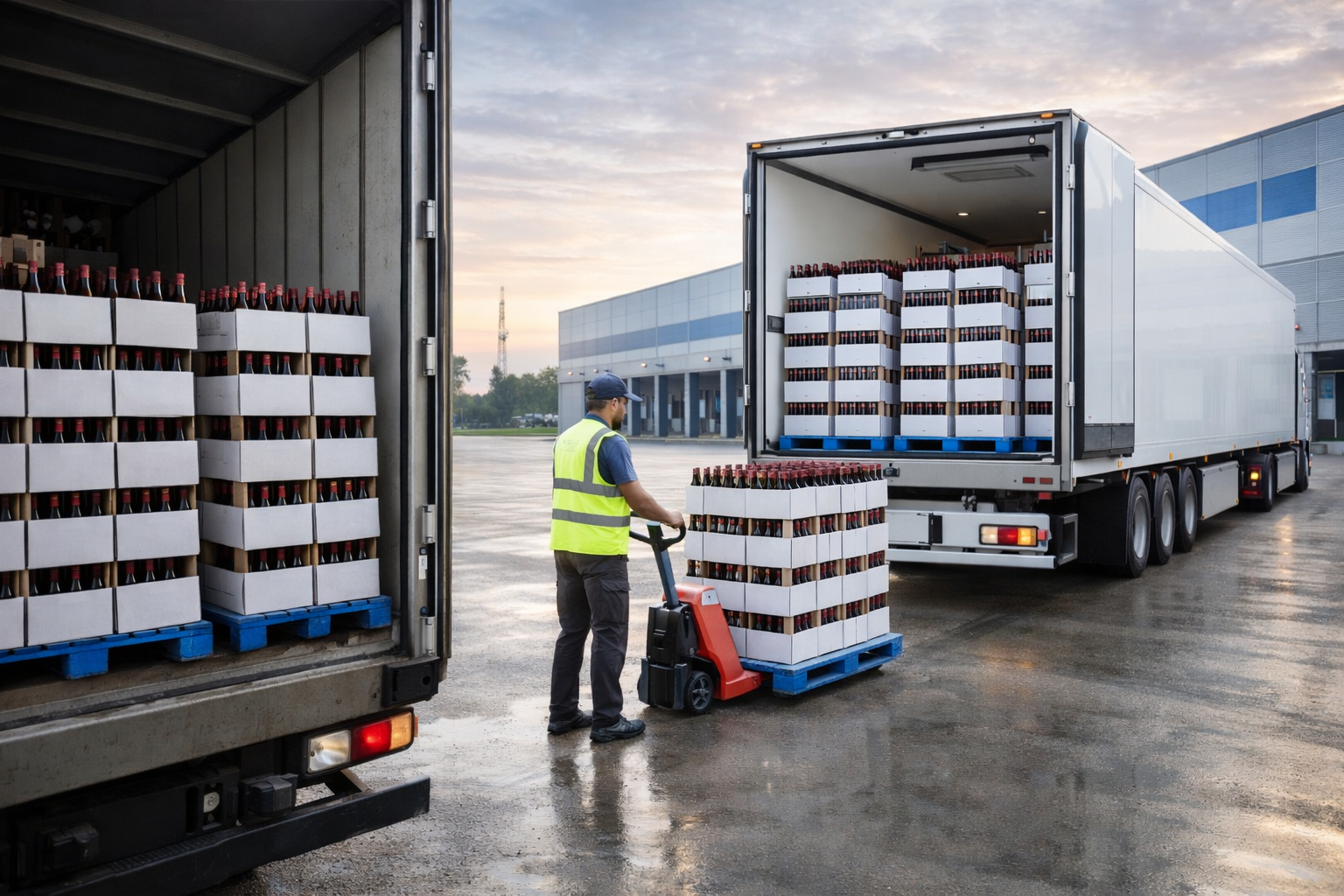
For expanding FMCG brands, investing in cold chain infrastructure is increasingly tied to scalability. As companies enter new regions and deepen their retail presence, supply chains must handle larger volumes and longer delivery routes without compromising product quality. A dependable refrigerated truck network allows businesses to move temperature-sensitive goods across cities and states while maintaining consistent cooling conditions throughout the journey.
Technology will also play a major role in shaping the future of refrigerated logistics. Modern fleets are gradually integrating real-time temperature monitoring, GPS tracking, and digital fleet management systems. These tools provide logistics teams with greater visibility into vehicle movement and cargo conditions during transit.
Looking ahead, cold chain logistics will move from being a support function to becoming a strategic growth enabler for FMCG brands. Companies that invest early in reliable refrigerated transport will be better positioned to expand into new markets, maintain consistent product standards, and meet the rising expectations of modern retail and quick commerce ecosystems.
Conclusion
As India's FMCG sector continues to expand, maintaining product quality across long and complex distribution networks has become more important than ever. Temperature-sensitive categories such as dairy, frozen foods, beverages, and ready-to-eat products rely heavily on reliable cold chain logistics to reach consumers in optimal condition. This is why many FMCG brands are strengthening their distribution strategies by investing in dependable refrigerated trucks that ensure consistent temperature control during transit.
Beyond transportation, these vehicles serve as a crucial layer of protection for product integrity, shelf life, and brand reputation. For companies looking to build a stronger and more reliable cold chain, partnering with an experienced manufacturer can make a significant difference. Sub Zero Reefers offers advanced temperature-controlled transport solutions designed to support the evolving distribution needs of growing businesses.
Frequently Asked Questions
Expanding FMCG brands are investing in refrigerated trucks to maintain product quality during long-distance distribution and support faster market expansion. Dedicated cold transport also gives companies better control over temperature-sensitive supply chains.
Yes, a refrigerated truck maintains stable temperatures during transit, preventing fluctuations that can damage perishable goods. This significantly reduces spoilage and helps extend product shelf life.
Many FMCG products need temperature-controlled transport, including dairy products, frozen foods, ice creams, chocolates, beverages, ready-to-eat meals, and certain health products.
Reliable cold logistics reduces product loss, improves inventory turnover, and ensures consistent product quality across markets. This helps FMCG brands protect revenue and maintain stronger profit margins.