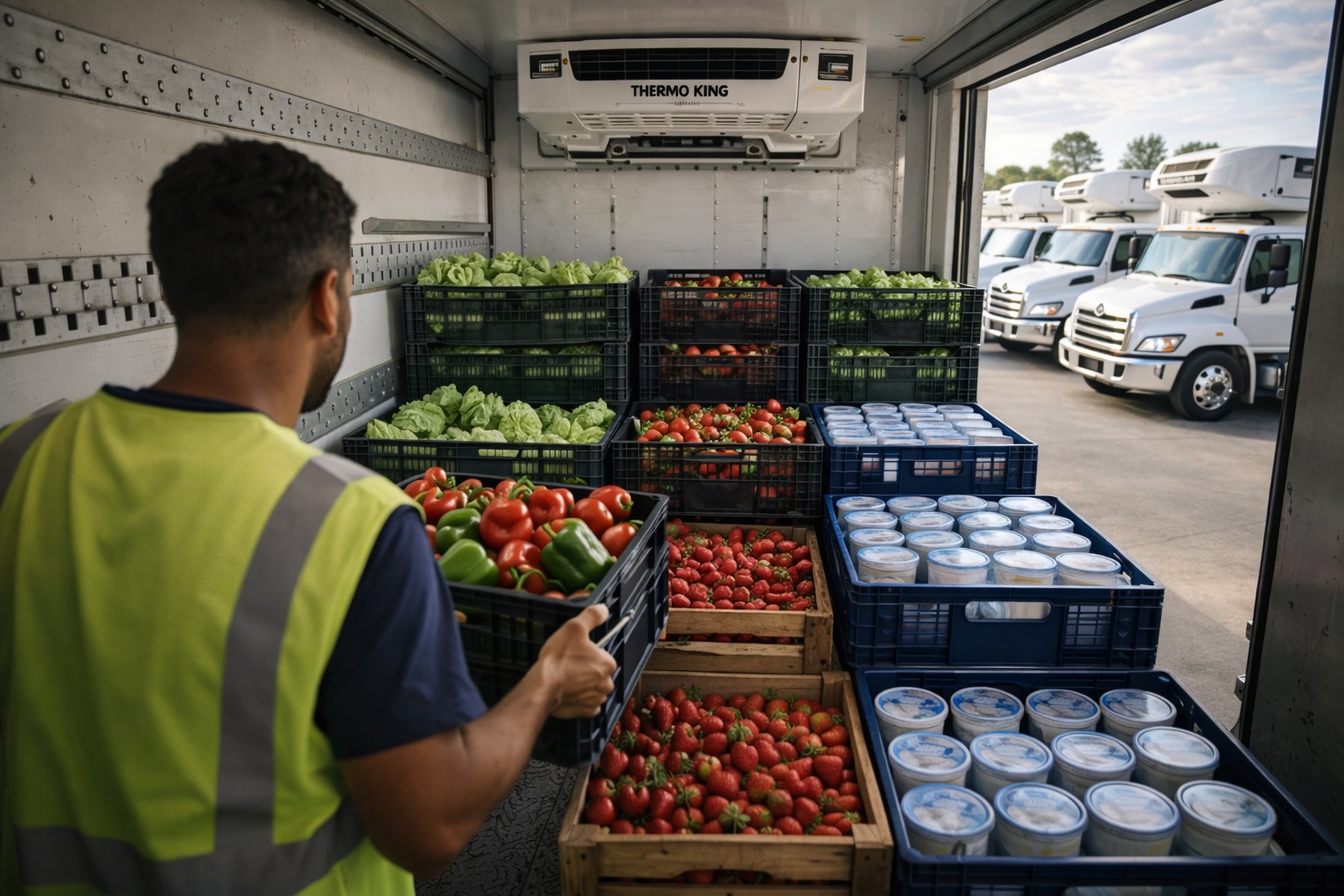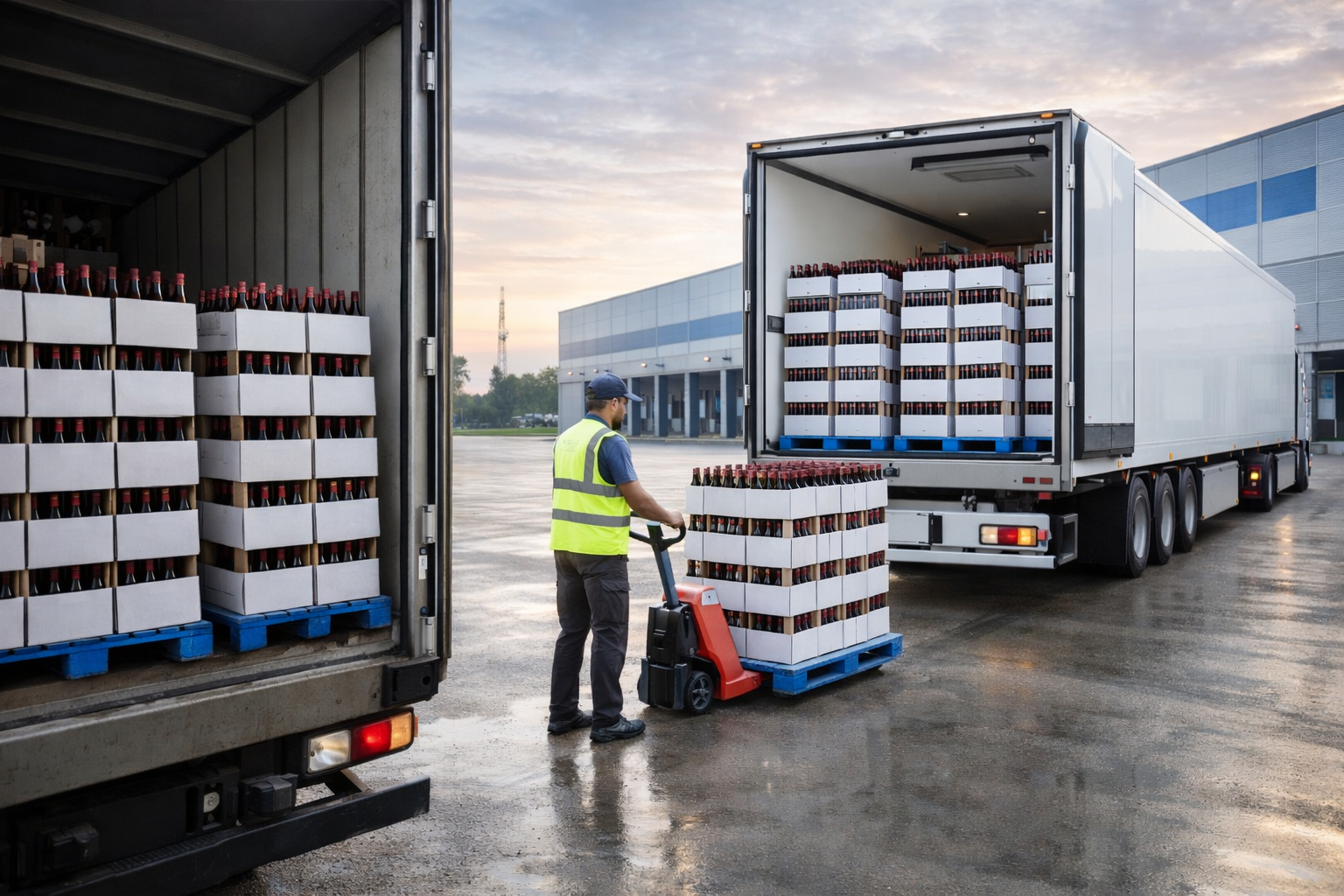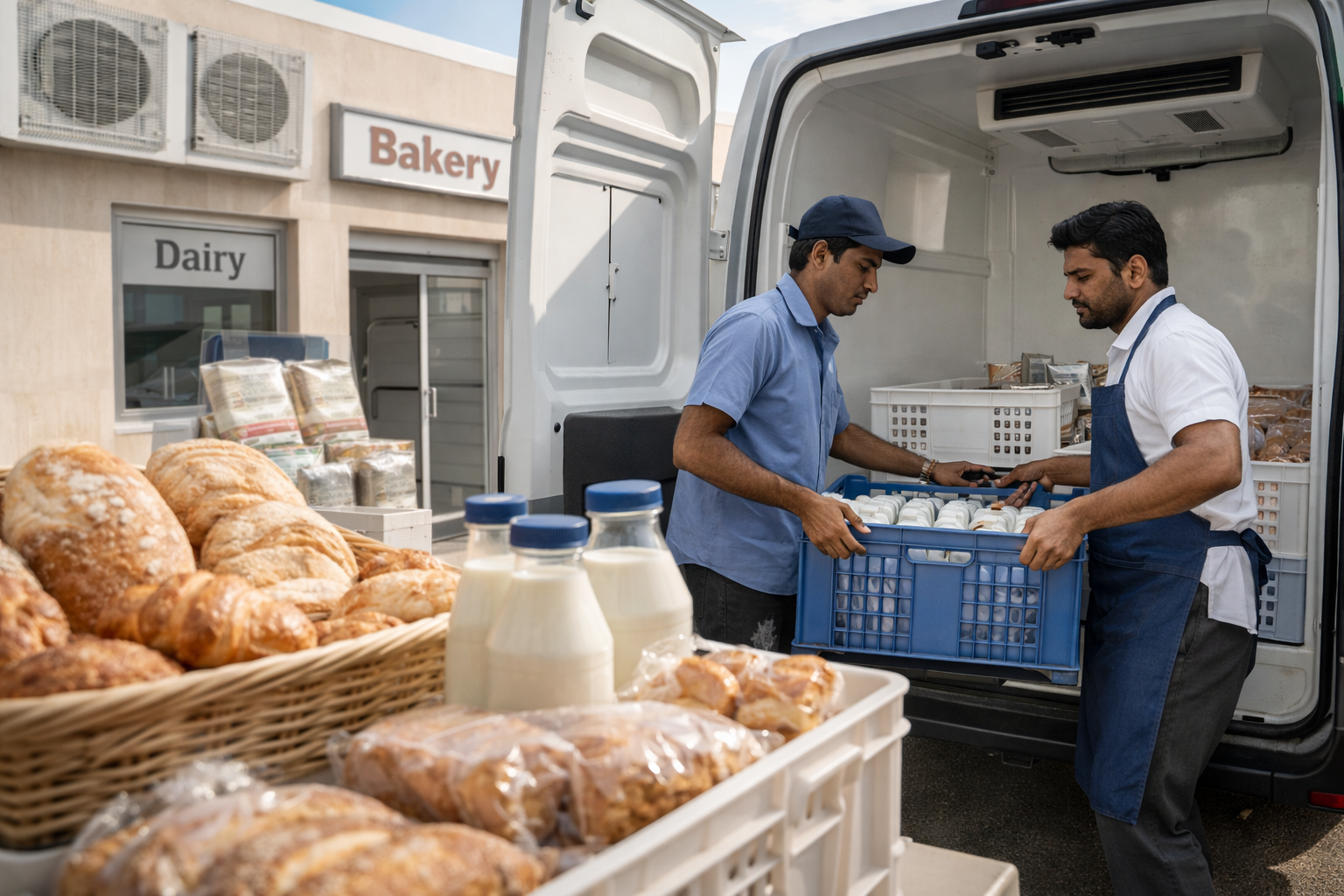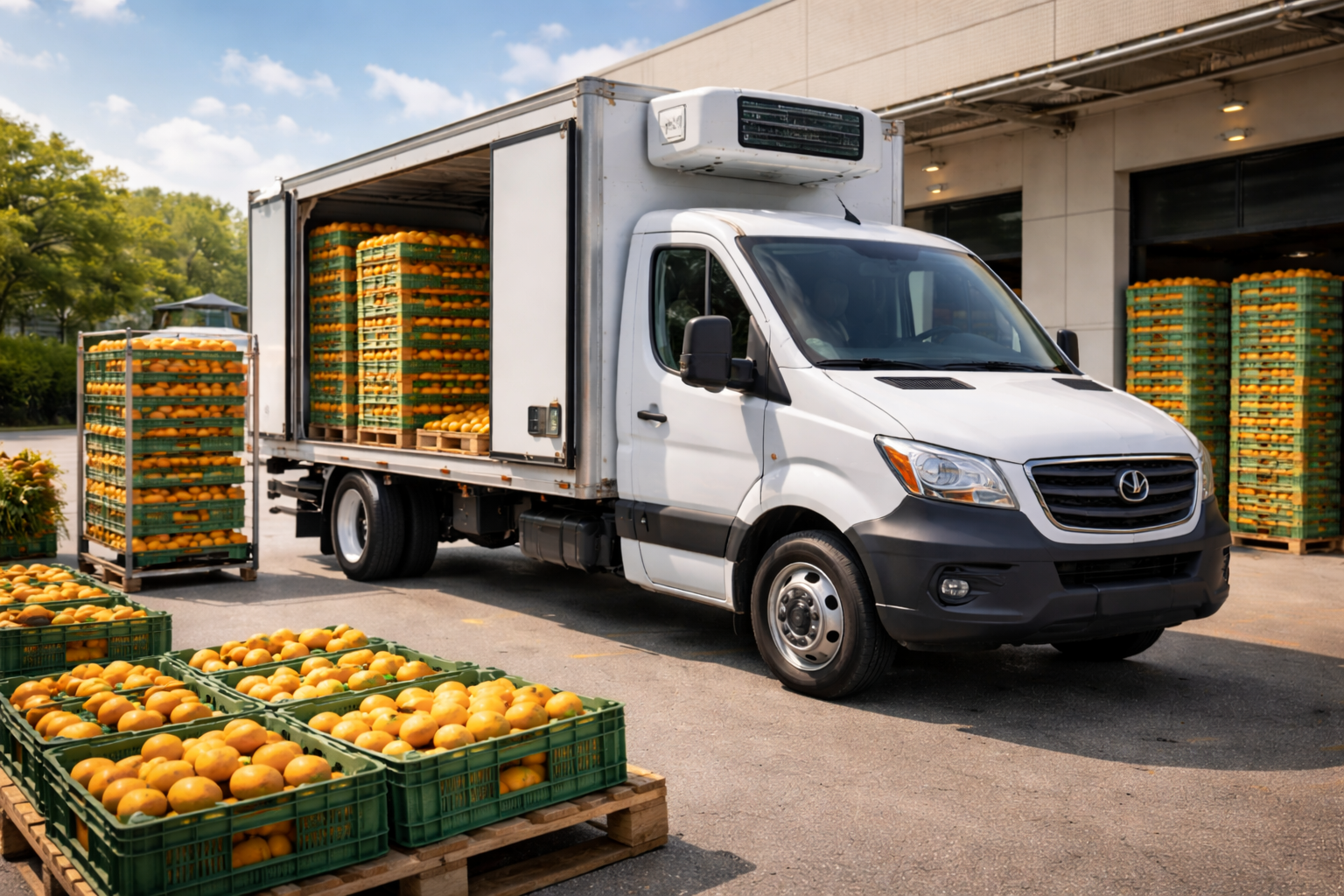
Summers are here, and so are mangoes. Across India, orchards begin to buzz with activity as one of the country’s most loved fruits starts its journey from farms to markets around the world. From Alphonso and Kesar to Banganapalli and Dasheri, Indian mangoes are among the most sought-after fruits globally. Every summer, thousands of tonnes are exported to international markets through refrigerated box truck, making mango one of India’s most traded seasonal fruits.
But mango export come with a unique challenge. Mangoes are delicate, living produce. Once harvested, the fruit continues to respire and ripen. Under the intense heat of the Indian summer, this process accelerates quickly. Without the right handling and storage conditions, mangoes can soften prematurely, lose their texture, or develop uneven ripening before they even reach their destination.
Typically, export-grade mangoes can remain fresh for two to three weeks if handled correctly. However, their longevity depends heavily on how they are stored and transported. The fruit performs best when maintained within a controlled temperature range of around 12°C to 14°C, along with stable humidity and proper airflow. Temperatures that are too high can speed up ripening and spoilage, while temperatures that are too low may cause chilling injury, which damages the fruit internally. This is where modern cold-chain logistics becomes essential. Exporters cannot rely on conventional transportation, especially when shipments travel from orchards in Maharashtra, Andhra Pradesh, or Gujarat to ports and airports across the country. The entire journey must be carefully managed to protect the fruit from extreme summer temperatures.
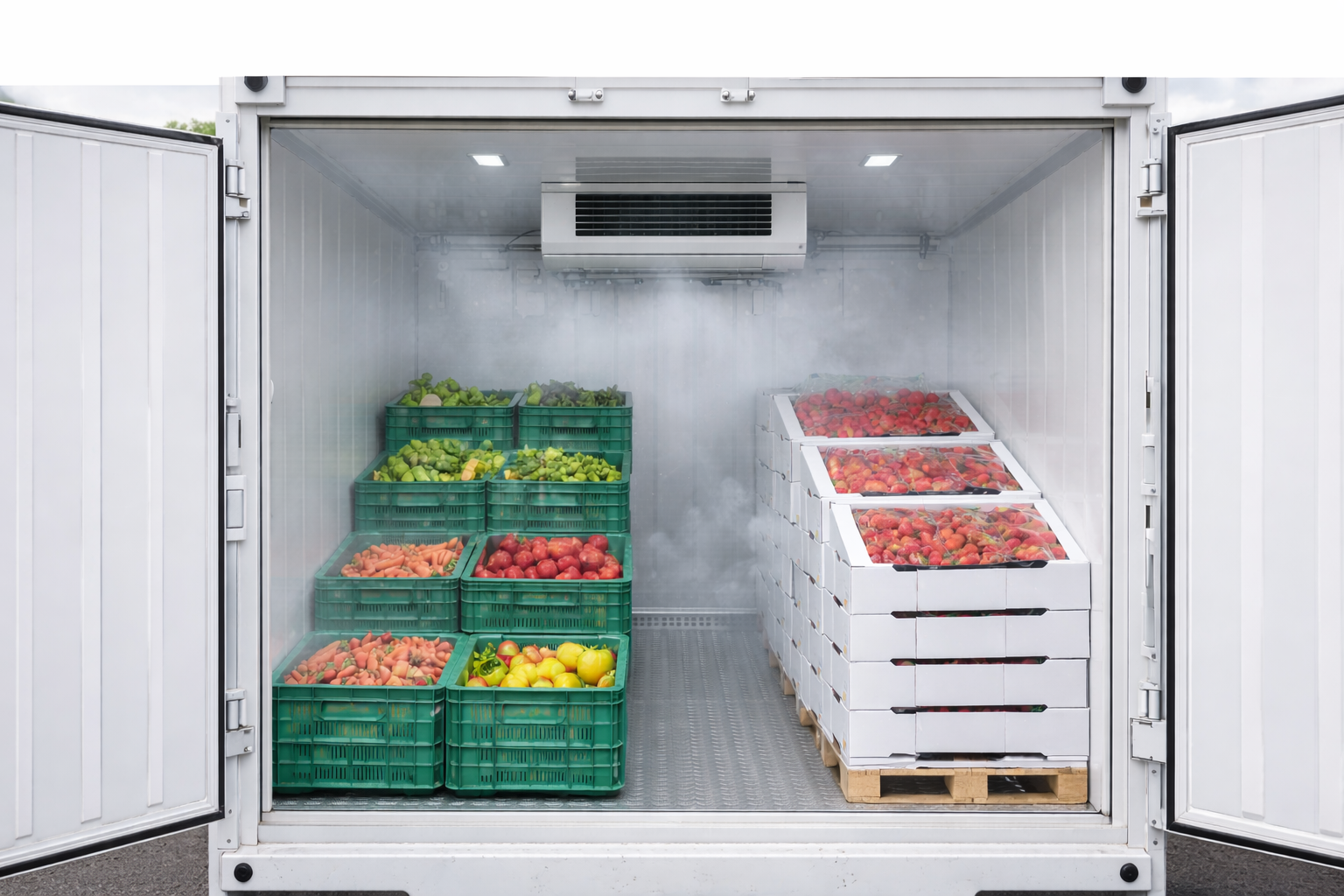
A well-designed refrigerated box truck becomes the backbone of this system. These specialized vehicles are built with insulated cargo compartments and advanced cooling units that maintain a consistent internal climate throughout the journey. Inside a refrigerated reefer truck, temperature, airflow, and humidity are controlled to create an environment that slows down the natural ripening process without harming the fruit.
Unlike standard transport vehicles, a refrigerated container truck is engineered to prevent external heat from entering the cargo space while ensuring that cool air circulates evenly around every crate. The design of the refrigerated truck inside plays a critical role in maintaining uniform cooling so that mangoes from the first pallet to the last experience the same temperature conditions. For exporters moving large volumes during peak harvest months, choosing the right refrigerated truck/van setup is not just a logistical decision. It is a quality control strategy that protects the freshness, aroma, and market value of India’s most iconic fruit.
In the sections ahead, we will explore the ideal refrigerated box truck configuration and operational practices that help mango exporters maintain fruit quality even during the hottest months of the year.
How an Ideal Refrigerated Box Truck Configuration Should Look Like
Transporting mangoes during peak summer requires more than simply loading crates into a cold vehicle. The internal design, cooling capability, insulation quality, and airflow management all work together to protect fruit quality throughout the journey. A well-configured refrigerated box truck ensures that mangoes remain firm, evenly ripened, and export-ready by the time they reach airports, seaports, or distribution hubs.
Here are the most important elements that define an efficient setup for mango export logistics.
High-Performance Insulated Panels
Insulation is the foundation of any reliable cold-chain vehicle. The walls, ceiling, and flooring of a refrigerated box truck must be designed to block external heat from entering the cargo area. During Indian summers, when outside temperatures often exceed 40°C, poor insulation can cause rapid temperature fluctuations inside the vehicle.
Most modern cold-chain vehicles use high-density polyurethane foam (PUF) panels. These panels create a strong thermal barrier that prevents heat transfer and helps maintain stable cooling conditions inside the cargo compartment. Good insulation also allows the refrigeration unit to work more efficiently because it does not need to constantly compensate for external heat.
For mango exporters, this means the fruit remains within the recommended temperature range throughout transit. Consistent cooling reduces stress on the fruit and prevents uneven ripening that often occurs when temperature levels fluctuate.
Advanced Airflow Management
Cooling alone is not enough. Air circulation inside the cargo area plays an equally important role in maintaining fruit quality. Inside a refrigerated reefer truck, cold air must move evenly around all the pallets and crates. If airflow is restricted or poorly designed, certain sections of the cargo area may become warmer than others. These “hot spots” can cause some batches of mangoes to ripen faster than the rest.
To avoid this, the interior of the truck is designed with airflow channels that allow cool air to circulate from the refrigeration unit across the entire cargo space. Floor channels, side ducts, and ceiling airflow paths help distribute cooled air evenly. At the same time, exporters must ensure that pallets are not placed too tightly against the walls or the evaporator unit, as this can block circulation. When airflow is properly managed, the temperature inside the vehicle remains uniform, which helps maintain consistent fruit quality throughout the load.
Proper Palletized Loading
Even the most advanced refrigerated container truck cannot perform efficiently if the cargo is loaded incorrectly. Loading patterns play a major role in maintaining airflow and temperature consistency. Mangoes are typically transported in ventilated crates that allow air to pass through the fruit stacks. These crates should be arranged in palletized loads with small gaps between rows to allow air to circulate freely. Overstacking or tightly packing crates can block airflow and prevent the refrigeration system from reaching all parts of the cargo.
A structured loading approach also helps stabilize the cargo during transit. Properly aligned pallets reduce movement inside the truck, protecting delicate mangoes from bruising or pressure damage during long journeys.
Pre-Cooling Before Loading
One of the most important steps in mango logistics happens before the fruit even enters the vehicle. Freshly harvested mangoes carry what is known as “field heat,” which is the natural warmth absorbed from the environment during growth and harvest. If warm fruit is loaded directly into a refrigerated truck/van, the refrigeration unit must work much harder to bring the entire cargo down to the required temperature.
Pre-cooling removes this field heat before transport begins. In most export operations, mangoes are cooled in packhouses or cold storage facilities before being loaded for transit. Once pre-cooled, the fruit is placed inside the vehicle where the cooling system simply maintains the stable temperature rather than lowering it from scratch. This process improves cooling efficiency, reduces stress on the refrigeration unit, and ensures that all mangoes inside the truck start their journey under the same temperature conditions.
Smart Temperature Monitoring
Modern export logistics increasingly rely on real-time monitoring systems to maintain quality assurance. Many advanced vehicles now include digital temperature sensors and monitoring tools that allow operators to track conditions inside the cargo area throughout the journey.
Inside the refrigerated truck, sensors continuously record temperature levels and alert operators if the cooling system deviates from the set range. This data is especially valuable for exporters who must meet strict international food safety and quality standards.
In addition to maintaining compliance, temperature monitoring also helps identify operational issues early. If cooling performance begins to drop, logistics teams can take corrective action before the fruit quality is affected.
Protecting Mango Quality Through Proper Refrigerated Box Truck Hygiene
When it comes to transporting fresh produce like mangoes, temperature control is only one part of the equation. The hygiene standards maintained inside the vehicle are just as important. The condition of the refrigerated truck inside directly influences fruit safety, shelf life, and overall export quality.
Mangoes are highly sensitive to their surroundings. Even minor contamination or lingering moisture inside the cargo area can create conditions where bacteria, mold, or unwanted odors develop. During long-distance transport in summer, these small issues can quickly affect the fruit, leading to spoilage or compromised quality by the time the shipment reaches its destination.
For this reason, exporters and logistics providers must treat the interior of a cold-chain vehicle almost like a controlled food-grade environment. Before every shipment, the cargo area should be thoroughly cleaned and sanitized. This ensures that no residue from previous loads remains behind, especially if the vehicle has transported other types of produce or perishable goods earlier.
Moisture management is another critical factor. Mangoes naturally release a small amount of moisture during transit as part of their respiration process. If the interior surfaces or drainage systems of the vehicle are not properly maintained, this moisture can accumulate and create a damp environment. Over time, such conditions may encourage fungal growth or damage packaging materials.
Routine inspection and maintenance of the vehicle help prevent these risks. A well-maintained cold-chain vehicle should regularly undergo:
- Surface sanitation, where walls, floors, and cargo contact areas are cleaned with food-safe disinfectants to eliminate bacteria or contaminants.
- Drainage inspection, ensuring that any condensation or excess moisture is properly removed from the cargo compartment.
- Air filter cleaning, which keeps circulating air fresh and free from dust, spores, or particles that could affect produce quality.
- Evaporator coil maintenance, which ensures the refrigeration system functions efficiently and does not circulate contaminated air within the cargo space.
These practices may seem operational in nature, but they have a direct impact on export outcomes. A clean, well-maintained cargo compartment helps preserve the natural aroma, taste, and appearance of mangoes during transit.
For exporters moving high-value fruit to international markets, maintaining hygiene inside the refrigerated truck is not just good practice. It is an essential step in protecting both the shipment and the reputation of the supplier.
Also read: How Airflow Design Inside Refrigerated Truck Prevents Spoilage
Choosing the Right Refrigerated Box Truck Capacity for Peak Mango Season
Mango export operate within a short and intense seasonal window. Once harvesting begins, exporters often need to move large volumes of fruit quickly from orchards to packhouses and export hubs. During this period, choosing the right refrigerated box truck capacity becomes essential for maintaining both operational efficiency and fruit quality.
Larger vehicles allow exporters to consolidate shipments and reduce the number of trips required. This helps lower transportation costs and minimizes repeated handling, which is important for delicate fruit like mangoes that can bruise easily during loading and unloading. Fewer touchpoints during transit also reduce the risk of damage before the fruit even reaches the export terminal.
However, capacity planning is not just about selecting a bigger vehicle. The truck must be able to maintain consistent cooling even when it is fully loaded with pallets. A well-designed refrigerated reefer truck ensures that airflow continues to move evenly through the cargo area so that every crate remains within the recommended temperature range.
Similarly, a properly configured refrigerated container truck allows cool air to circulate around pallet stacks rather than getting trapped in certain areas. This helps prevent temperature pockets where fruit may ripen faster than expected.
For longer routes between orchards, packhouses, and export hubs, a dependable refrigerated truck/van ensures cooling performance remains stable throughout the journey. With the right vehicle capacity and cargo layout, exporters can move large mango shipments efficiently while preserving the freshness and market value of the fruit.
The Role of Specialized Cold Chain Providers in Mango Export Logistics
Transporting mangoes from orchards to international markets requires careful planning and strict temperature control at every stage. Even small temperature fluctuations during transit can affect the fruit’s texture, ripening pattern, and shelf life.
This is why many exporters rely on specialized cold chain providers who understand the challenges of transporting fresh produce during peak summer months.
Unlike conventional logistics services, cold chain companies operate vehicles designed specifically for temperature-sensitive cargo. A well-engineered refrigerated box truck uses high-grade insulation, efficient refrigeration systems, and structured airflow to maintain a stable internal environment even when outside temperatures are extremely high.
Specialized providers also ensure that the refrigerated truck remains consistent throughout the journey. Proper airflow design and temperature monitoring systems help prevent hotspots or uneven cooling that could damage the fruit.
Their operational expertise often includes:
- Pre-cooling coordination so mangoes are loaded at the right temperature
- Structured loading patterns that allow proper airflow between crates
- Efficient route planning to reduce delays during transit
- Routine vehicle maintenance to keep refrigeration systems reliable
With a well-maintained refrigerated reefer truck, exporters can move mangoes over long distances without compromising freshness. Modern fleets also use monitoring technology for better control. A refrigerated container truck equipped with digital temperature tracking allows logistics teams to monitor cargo conditions in real time and maintain cold chain integrity.
For exporters seeking dependable cold transport solutions, Sub Zero Reefers offers advanced refrigerated truck/van systems built for perishable cargo. With strong insulation, efficient cooling technology, and a focus on reliable cold logistics, Sub Zero Reefers helps ensure mango shipments remain fresh and export-ready from orchard to destination.
Conclusion
Exporting mangoes during the peak of summer is as much a logistics challenge as it is an agricultural opportunity. While orchards focus on harvesting the best fruit, the real test begins once those mangoes start their journey to distant markets. Heat, travel time, and handling conditions can quickly affect ripening, making temperature-controlled transport a critical part of the export process.
This is where a well-planned cold chain makes all the difference. From maintaining stable temperatures to ensuring proper airflow and loading practices, the right refrigerated box truck setup helps create a controlled environment where mangoes can travel safely without losing their quality. Vehicles like a refrigerated reefer truck or refrigerated container truck are designed to handle the pressures of long summer routes while keeping fruit fresh and market-ready.
Equally important is the condition of the refrigerated truck and the reliability of the cooling system throughout the journey. When supported by a dependable refrigerated truck/van, exporters gain the confidence that their produce will arrive in the same condition in which it left the orchard.
As global demand for Indian mangoes continues to grow, exporters need logistics solutions that can keep pace with both scale and quality expectations. With specialized cold transport infrastructure and a strong focus on maintaining cold-chain integrity, Sub Zero Reefers provides exporters with reliable temperature-controlled transport designed for perishable cargo.
Frequently Asked Questions
What temperature is required for mango export in refrigerated trucks?
Mangoes are typically transported at 12°C to 14°C to slow down ripening while preventing chilling injury. This range helps maintain firmness, flavor, and shelf life during export transit.
What is the temperature range for a refrigerated box truck?
A refrigerated box truck can usually maintain temperatures between -20°C and +20°C, depending on the refrigeration unit and cargo requirements. This flexibility allows it to transport frozen goods, dairy, fresh produce, and pharmaceuticals.
What is the ideal refrigerated truck setup for Alphonso mango export?
The ideal setup includes a well-insulated refrigerated reefer truck, palletized ventilated crates, proper airflow channels, and a stable temperature of 12°C to 14°C to maintain fruit quality during transit.
How does airflow design impact mango shelf life?
Proper airflow ensures that cool air circulates evenly around all crates, preventing temperature pockets. This helps maintain uniform ripening and extends the shelf life of the mangoes.
How to prevent mango ripening during long-distance transport?
Pre-cooling the fruit before loading, maintaining a stable temperature, and using a properly ventilated refrigerated truck/van helps slow down the ripening process during long-distance transport.