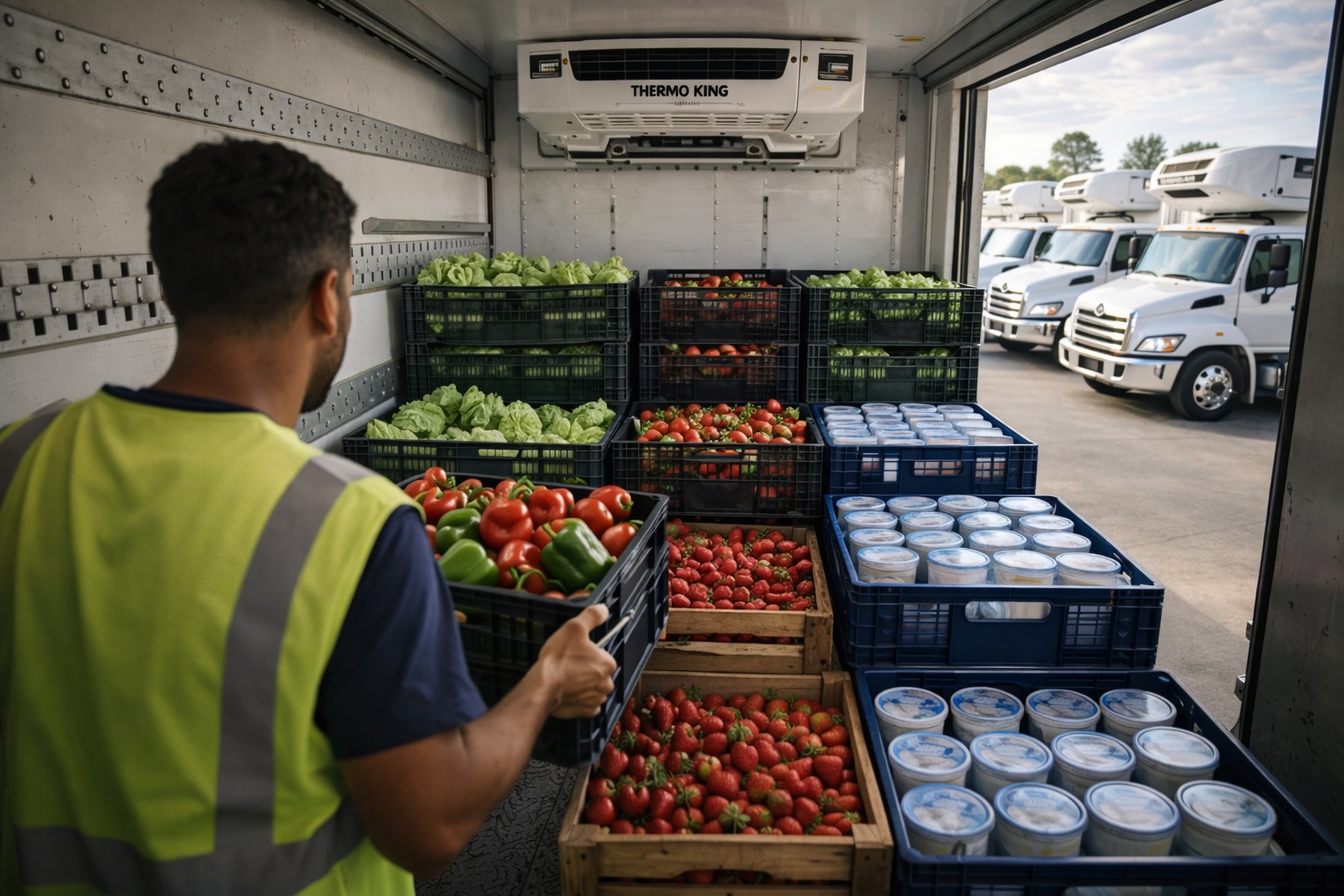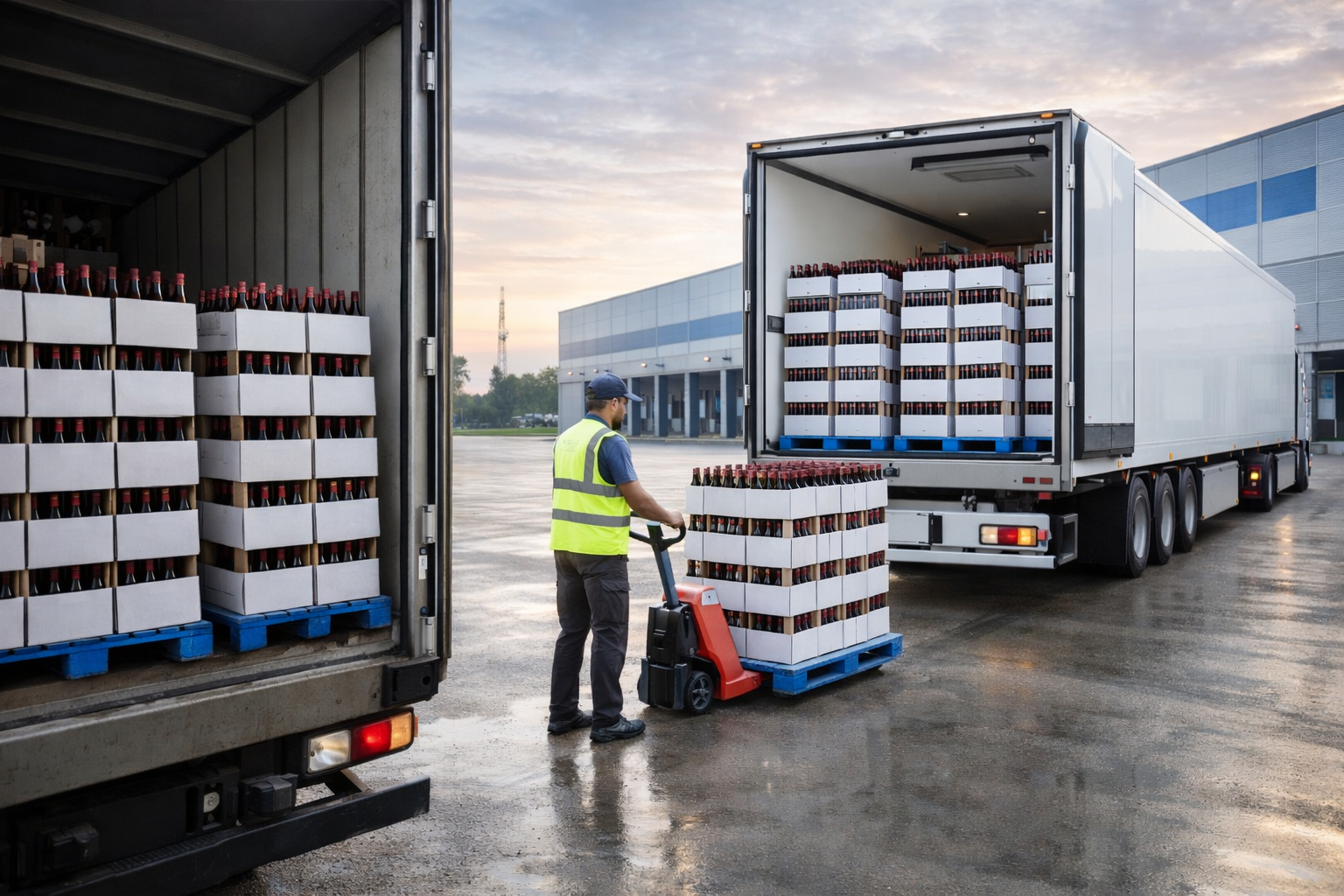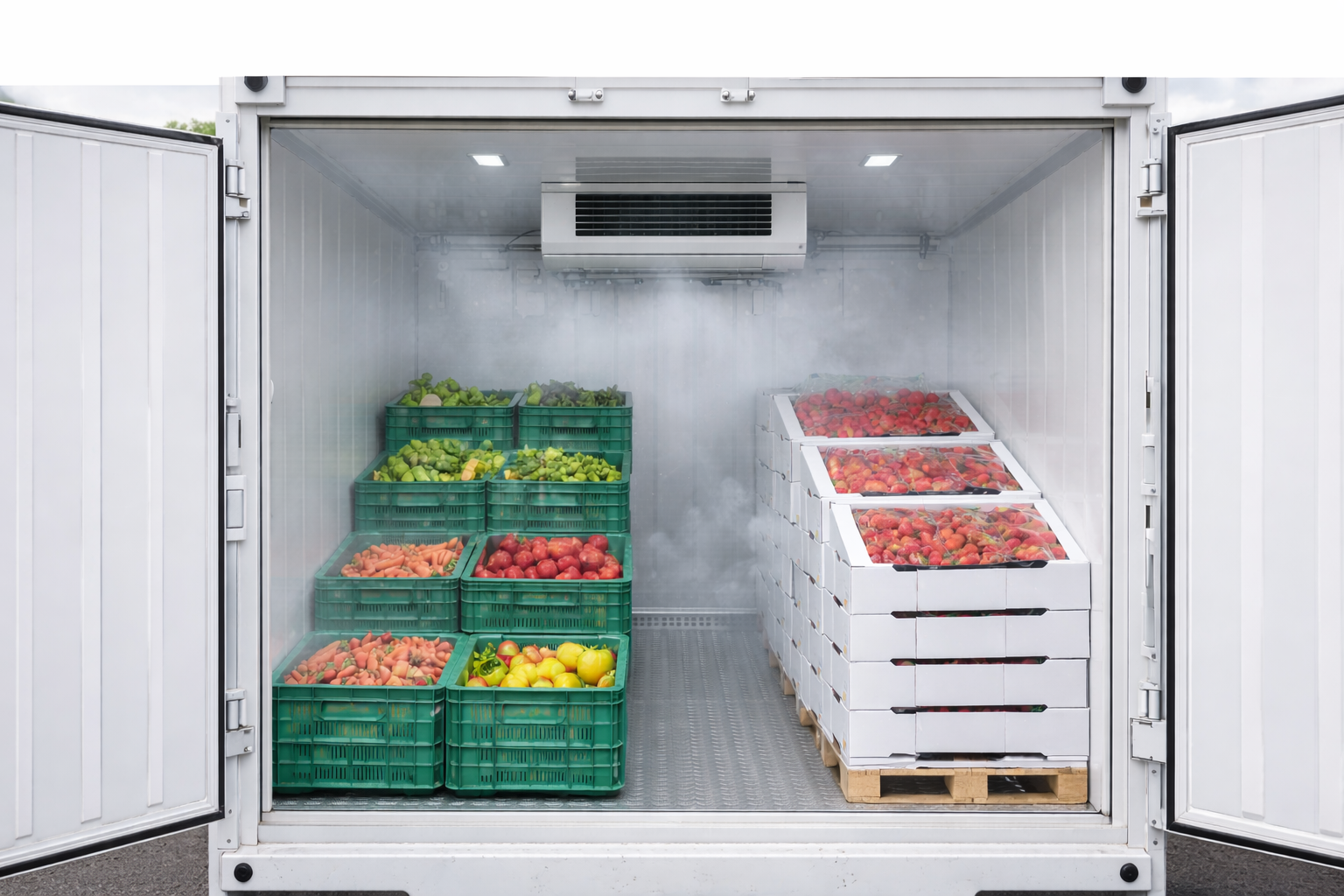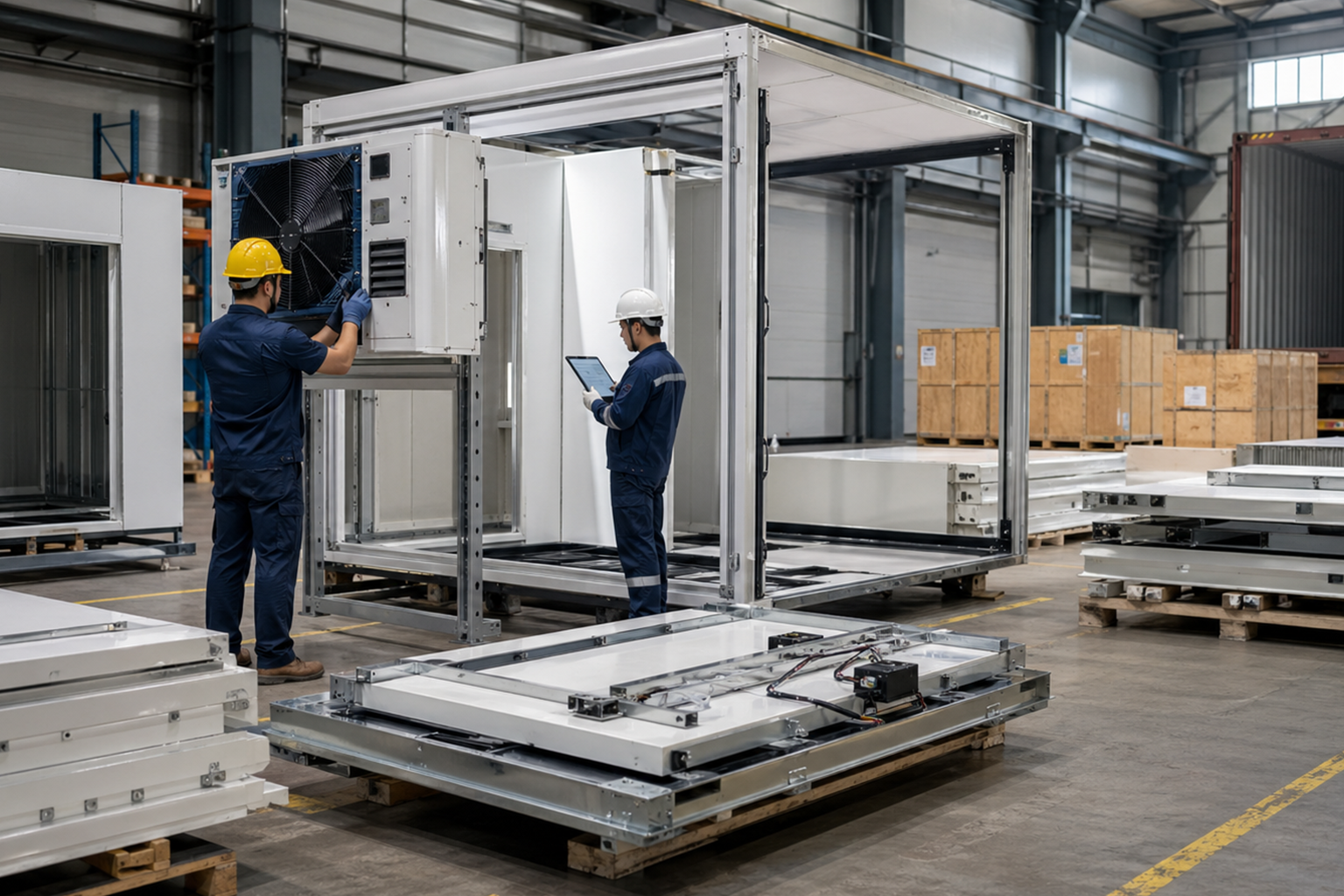
Cold chain logistics has quietly moved from the margins to the core of modern infrastructure. It now underpins how nations secure food supply, how pharmaceutical products retain efficacy across long distances, and how export economies stay competitive in temperature-sensitive trade. In markets like India, the performance of every reefer truck and refrigerated truck is not just an operational concern, but a systemic one.
At the same time, expectations have shifted. Faster deployment cycles, tighter compliance norms, and cost pressures are forcing manufacturers and fleet operators to rethink traditional truck body building models. Fully built units are no longer always viable, logistically or economically, especially when scaling across geographies.
This is where CKD kits are reshaping the conversation. By enabling localized CKD assembly of a CKD vehicle, they offer a more flexible path to building cold chain capacity, one that aligns with both domestic constraints and global standards. But this flexibility introduces its own layer of complexity. Thermal performance is no longer just a function of design, but of execution. Structural integrity depends as much on assembly conditions as on engineering. And in export scenarios, CKD export readiness extends beyond packaging into documentation, compliance, and on-ground capabilities.
In other words, CKD kits are not simply a logistics workaround. They are a precision-driven manufacturing approach that demands rigor at every stage. This guide explores how a reefer van and reefer container builds benefit from CKD systems, what makes them viable across India and export markets, and where the gap often lies between theoretical efficiency and real-world performance.
What Are CKD Reefer Kits?
A CKD vehicle (Completely Knocked Down vehicle) in the context of cold chain logistics refers to a transport body that is engineered, manufactured, and then shipped in a fully disassembled form for final assembly at the destination market. In the case of temperature-controlled mobility, CKD kits are not random assortments of parts but carefully engineered systems designed to come together into a fully functional thermal enclosure once assembled correctly.
These kits typically include high-density insulated panels (such as PUF or advanced composite materials), pre-engineered structural framework elements that define the load-bearing skeleton of the body, precision-fitted doors with sealing systems to maintain thermal integrity, and refrigeration unit mounting provisions that ensure compatibility with cooling systems. They also include flooring systems designed with airflow channels to support uniform temperature distribution, along with electrical wiring harnesses and fixture points that integrate lighting, sensors, and refrigeration controls into the final build.
For applications like a reefer van or reefer truck, this approach fundamentally changes how truck bodies are manufactured and deployed. Instead of building and transporting a fully assembled refrigerated unit, which is heavy, expensive, and logistically restrictive—the body is shipped in modular form and assembled closer to the point of use. This reduces freight costs significantly, lowers exposure to import duties in certain markets, and shortens lead times for deployment. It also allows manufacturers and operators to adapt configurations based on regional requirements, whether that means adjusting insulation thickness for hotter climates, modifying payload capacities, or aligning with specific regulatory frameworks in different geographies.
It is also important to clearly distinguish CKD kits from semi knocked down (SKD) formats. While SKD systems arrive partially assembled and require relatively limited final integration, CKD assembly is a complete build process where every structural, thermal, and mechanical component must be precisely aligned and integrated at the destination. This makes CKD systems far more dependent on assembly quality, technical expertise, and adherence to engineering specifications. In essence, a CKD reefer is not just a transported product—it is a distributed manufacturing process where performance is ultimately defined not only by design, but by how accurately and consistently it is assembled on-site.
Why CKD Works for Reefer Applications in Modern Cold Chain Logistics
What makes CKD particularly relevant in the reefer segment is how directly it addresses three persistent pressures in cold chain logistics: cost, speed, and adaptability. Instead of treating these as trade-offs, the CKD model tries to balance all three through a modular approach to manufacturing and deployment. That balance is exactly why it is being adopted across both domestic fleets and export-driven operations.
-
Cost Efficiency Without Quality Trade-offs
One of the strongest reasons CKD models are gaining ground is the cost advantage they create without compromising build quality. Shipping a fully built reefer truck or reefer container adds significant freight weight, volumetric cost, and often higher import duties in international markets. With CKD kits, the bulk of transport shifts from finished goods to components, which are lighter and easier to move. This makes the overall supply chain more economical while still allowing manufacturers to maintain strict control over engineering standards and material quality.
-
Faster Deployment
Time is often the hidden cost in cold chain expansion. Waiting for fully assembled refrigerated units can slow down fleet scaling, especially during seasonal demand spikes in food, dairy, or pharmaceuticals. CKD assembly reduces this dependency by allowing parallel workflows—manufacturing of components and local assembly happen closer to demand centres. This shortens lead times significantly and enables faster deployment of reefer vans and refrigerated trucks into active service.
-
Local Customization
Different markets rarely operate under the same conditions. A CKD vehicle assembled in India may need higher insulation standards than one built for a temperate export market, while Middle Eastern deployments may prioritise extreme heat resistance and enhanced cooling capacity. CKD models allow this flexibility at the assembly stage without redesigning the entire product line. This means truck body builders can fine-tune configurations based on payload requirements, road conditions, and regulatory expectations without affecting core engineering integrity.
-
Scalability
Scalability in cold chain logistics is not just about manufacturing more units, it is about scaling intelligently. CKD kits allow businesses to expand into new regions without setting up full-scale manufacturing facilities everywhere. Instead, assembly hubs can be established strategically, enabling distributed production of CKD vehicles based on demand. This reduces capital expenditure, improves market responsiveness, and allows companies to grow their truck body building capabilities in a controlled, modular way rather than through heavy infrastructure investments.
Also Read: Reefer Refrigerated Container vs Dry Freight Cost
Core Components of a CKD Reefer Kit
A CKD kit is not just a breakdown of parts for easier shipping. It is a tightly engineered system where each component is designed to fit, perform, and interact with precision once assembled. The real challenge lies in ensuring that thermal efficiency, structural durability, and operational reliability are not lost in the transition from factory to field. Each element in a CKD kit plays a specific role in determining how well the final reefer truck or refrigerated truck performs under real-world conditions.
-
Insulated Panels
Insulated panels form the thermal backbone of any reefer van or container. Typically made from high-density PUF or advanced composite materials, these panels are responsible for maintaining internal temperature stability despite external fluctuations. In a CKD setup, the accuracy of panel dimensions and the quality of joint locking systems become critical, as even minor gaps can create thermal bridges. Poor panel integration directly impacts energy efficiency, forcing refrigeration units to work harder and increasing operational costs over time.
-
Structural Framework
The structural framework provides the load-bearing skeleton of the vehicle body. Usually constructed from aluminium or treated steel, it balances strength with weight efficiency—both crucial for transport economics. In CKD assembly, precise alignment of this framework is essential, as even slight deviations can lead to stress points, reduced durability, or panel misfits. A well-engineered frame ensures that the truck body building process results in a structure that can withstand road vibrations, heavy payloads, and long-haul operations.
-
Flooring System
The flooring system in a refrigerated truck does more than just support cargo. It is designed to facilitate airflow, maintain hygiene, and handle repeated loading cycles. Advanced floors include built-in airflow channels that allow cold air to circulate evenly across the cargo space. In a CKD kit, correct installation of the flooring system is vital to avoid airflow blockages or uneven temperature zones, both of which can compromise perishable goods during transit.
-
Doors and Sealing
Doors are one of the most vulnerable points in any reefer container or truck body when it comes to temperature loss. High-quality door assemblies in CKD kits include precision hinges, locking systems, and durable gaskets that ensure airtight sealing. During CKD assembly, proper alignment and uniform seal application are critical. Even a small misalignment can lead to air leakage, temperature fluctuations, and ultimately, spoilage risks—especially in sensitive cargo like pharmaceuticals or dairy.
-
Refrigeration Integration
While the refrigeration unit itself may be sourced separately, the CKD vehicle body must be designed to integrate seamlessly with it. This includes pre-engineered mounting provisions, airflow pathways, and electrical compatibility. Improper integration can lead to inefficient cooling, uneven temperature distribution, and higher energy consumption. In many cases, the effectiveness of a reefer truck depends less on the refrigeration unit alone and more on how well the body supports and complements its operation.
Compliance Standards for CKD Reefer Builds in India
Compliance in India's cold chain sector is no longer a box-ticking exercise; it directly influences whether a CKD-assembled reefer truck can even enter service. Regulatory expectations are tightening, especially in food and pharmaceutical transport, where temperature integrity is tied to public health outcomes. Bodies like FSSAI set clear requirements for food safety during transport, while GDP (Good Distribution Practices) guidelines govern how pharmaceutical products must be handled across the supply chain, including temperature control, hygiene, and traceability. On the automotive side, AIS standards define the structural and safety benchmarks for truck body building, which directly applies to how a CKD vehicle is assembled and validated.
A CKD kit may be engineered to meet global standards, but if the assembly process introduces gaps, misalignments, or insulation failures, the finished refrigerated truck can fall short of regulatory expectations. This is why CKD assemblers carry real responsibility: they are not just putting parts together, they are effectively certifying the operational readiness of the vehicle in its final form. In practical terms, compliance in India depends as much on assembly discipline and quality control as it does on the original engineering of the kit itself.
Export Compliance & Market Considerations for CKD Reefer Systems
Exporting CKD reefer systems is not just about shipping components across borders. It is about ensuring that a reefer truck or refrigerated truck performs consistently in entirely different regulatory, climatic, and operational environments. Each market brings its own expectations, what works in India may require significant adaptation for Europe, the Middle East, or Africa. This is why CKD export planning needs to account for compliance, documentation, logistics handling, and end-use conditions right from the design stage.
Documentation and Certification
Export markets require far more detailed technical and compliance documentation than domestic deployments. A CKD reefer kit must be supported with assembly manuals, material specifications, insulation performance data, and test reports. In many regions, certifications like ATP for perishable transport or GDP compliance for pharmaceuticals are mandatory before the reefer container or vehicle can be put into service. Without accurate documentation, even a perfectly assembled unit can face delays or rejection at customs or regulatory checkpoints.
Regional Standards and Compliance
Different geographies define performance in different ways. European markets often prioritise ATP-certified temperature control ranges, while Middle Eastern regions focus heavily on extreme ambient heat resistance. African markets, on the other hand, may emphasise durability over long distances and rough terrain. A CKD vehicle intended for export must be engineered with these variations in mind, ensuring that insulation thickness, refrigeration capacity, and structural design align with the target region's operational realities and regulatory expectations.
Packaging and Logistics Handling
Since CKD kits are shipped in disassembled form, packaging becomes a critical part of performance integrity. Components must be protected against moisture, impact, and corrosion during transit, especially for long-haul shipping routes. Improper packaging can lead to misaligned panels or damaged insulation, which directly affects CKD assembly quality at the destination. In export scenarios, logistics planning is not just about moving goods—it is about preserving build accuracy across the entire supply chain so that the final reefer van performs as designed once assembled.
Why Manufacturer Expertise Defines CKD Reefer Performance
Experienced manufacturers play a defining role in how effective a CKD reefer solution ultimately is in the field. On paper, most CKD kits may look similar, but the real difference shows up in how well they are engineered, documented, and supported through the assembly process. A strong manufacturing partner doesn't just supply parts; they provide clear assembly instructions, ensure every component follows strict standardisation, and design systems that are already aligned with regulatory requirements. This reduces ambiguity during CKD assembly and helps avoid errors that can compromise thermal efficiency or structural integrity.
Beyond documentation and parts quality, ongoing support is what often separates a smooth rollout from a problematic one. On-ground or remote technical assistance ensures that assembly teams can resolve issues quickly, especially in newer or export markets where familiarity with reefer truck systems may be limited. When manufacturers build with compliance in mind from the start, they also reduce the burden on local assemblers, making it easier to meet food safety, pharma transport, and vehicle standards without last-minute adjustments. In practice, the difference between a basic functioning refrigerated truck and a consistently high-performing one often comes down to how thoughtfully the CKD ecosystem has been designed and supported from the beginning.
Conclusion
CKD reefer systems are quietly reshaping how cold chain capacity is built and scaled across India and global markets. What looks like a modular approach on the surface is actually a precision-driven process underneath, where design intent, assembly discipline, and compliance all need to align for a reefer truck or refrigerated truck to perform reliably in real-world conditions.
As demand grows and supply chains become more temperature-sensitive, the focus is shifting from just building vehicles to building them in a way that can adapt across geographies without losing performance consistency. That is where the strength of CKD kits really shows, flexibility without giving up control.
For manufacturers and fleet operators working in this space, the difference often comes down to execution depth and engineering clarity. Sub Zero Reefer continues to work in this intersection of design and deployment, supporting CKD solutions that are built for both Indian operating conditions and export requirements, without overcomplicating what needs to stay fundamentally precise.
Frequently Asked Questions
1. What are CKD kits in cold chain logistics?
CKD kits are fully disassembled sets of components used to build temperature-controlled vehicles like a reefer truck or reefer van at the destination site. They include insulated panels, structural frames, flooring systems, and sealing elements designed for on-ground CKD assembly. The idea is to reduce shipping costs while maintaining full control over build quality and performance standards.
2. How is CKD assembly different from SKD assembly?
In CKD assembly, every component arrives in a completely knocked down state and must be fully assembled locally, whereas SKD (semi knocked down) kits come partially assembled. This makes a CKD vehicle more dependent on technical accuracy during assembly but offers greater flexibility in customization, cost control, and compliance for export markets.
3. Why are CKD kits used for refrigerated trucks?
CKD kits are widely used in refrigerated truck manufacturing because they lower logistics costs and allow regional customization without redesigning the entire system. They also make it easier to scale production across different markets while maintaining consistent thermal performance and structural integrity in cold chain operations.
4. What challenges are involved in CKD export?
CKD export involves more than shipping components across borders. It requires precise packaging, compliance documentation, and alignment with destination market regulations. Any gap in handling or documentation can delay customs clearance or impact the final performance of a reefer container once it is assembled and deployed.
5. How does truck body building impact CKD performance?
Truck body building is the final stage where CKD components come together to define real-world performance. Even with high-quality kits, poor alignment, sealing errors, or structural inconsistencies during assembly can affect insulation efficiency and reduce the reliability of a reefer truck in demanding operating conditions.
6. What role does a reefer van play in last-mile cold chain delivery?
A reefer van is critical for short-distance and urban cold chain logistics where speed and temperature control must work together. With CKD kits, these vans can be locally assembled and adapted for specific delivery routes, ensuring perishable goods like food and pharmaceuticals maintain integrity during last-mile distribution.