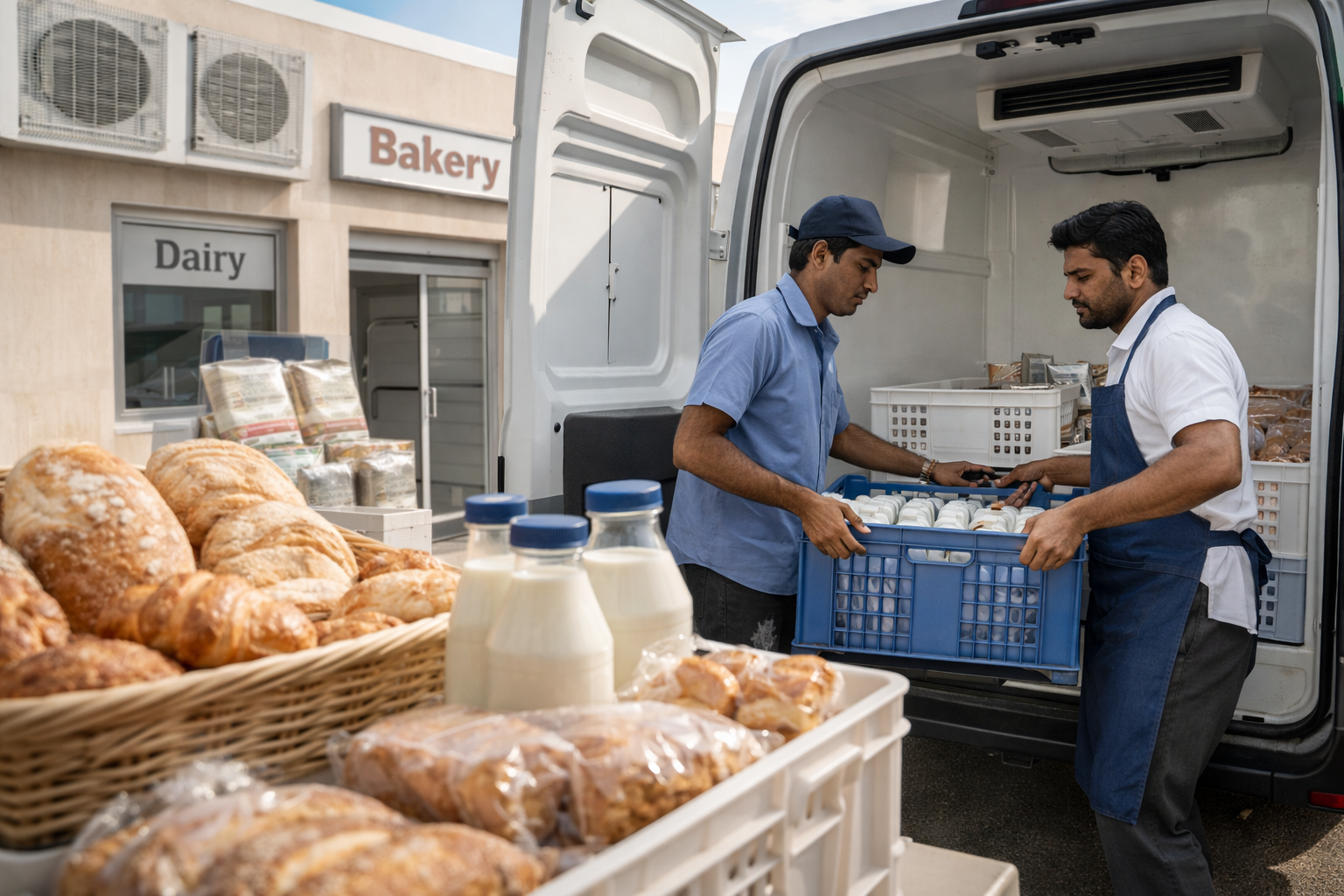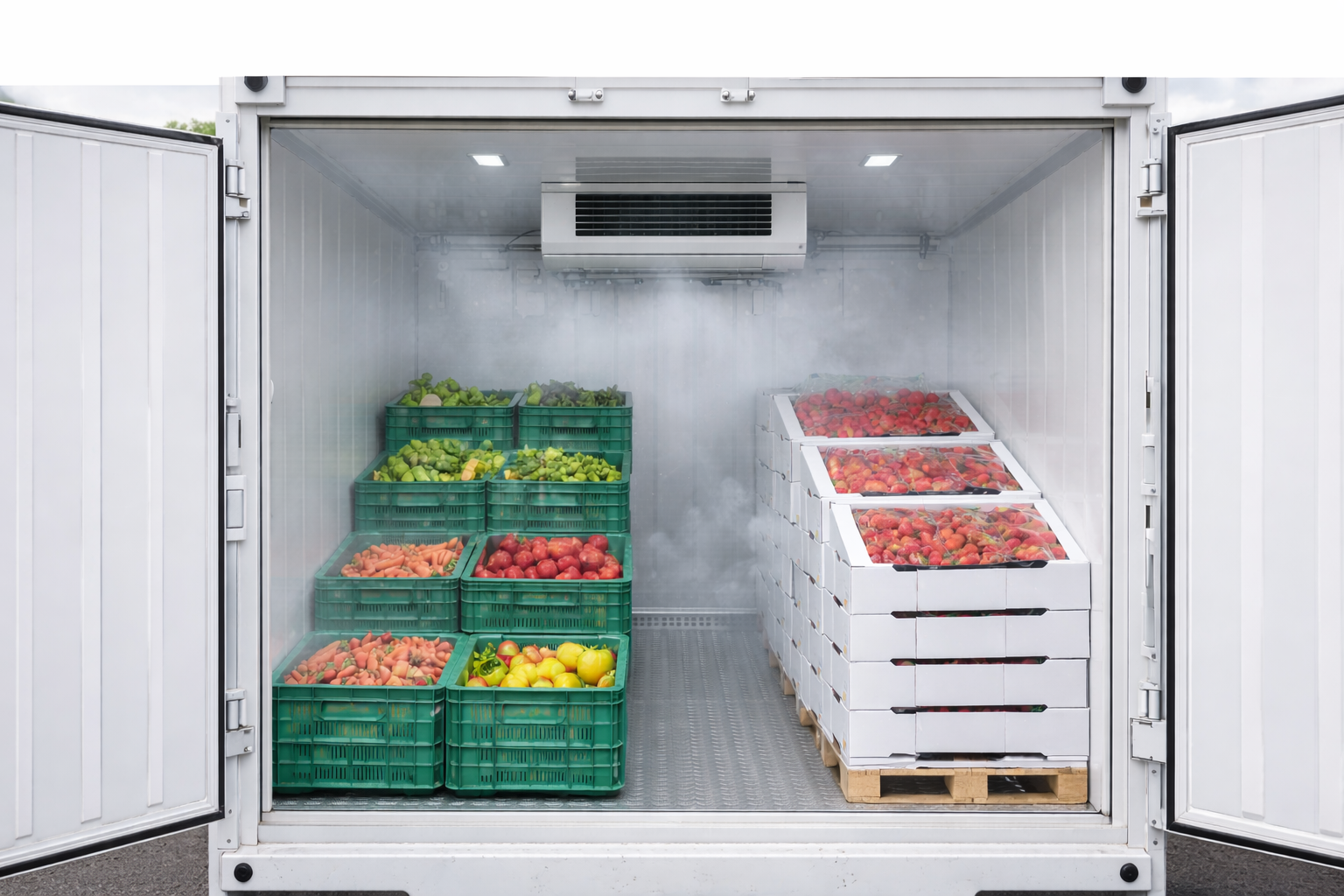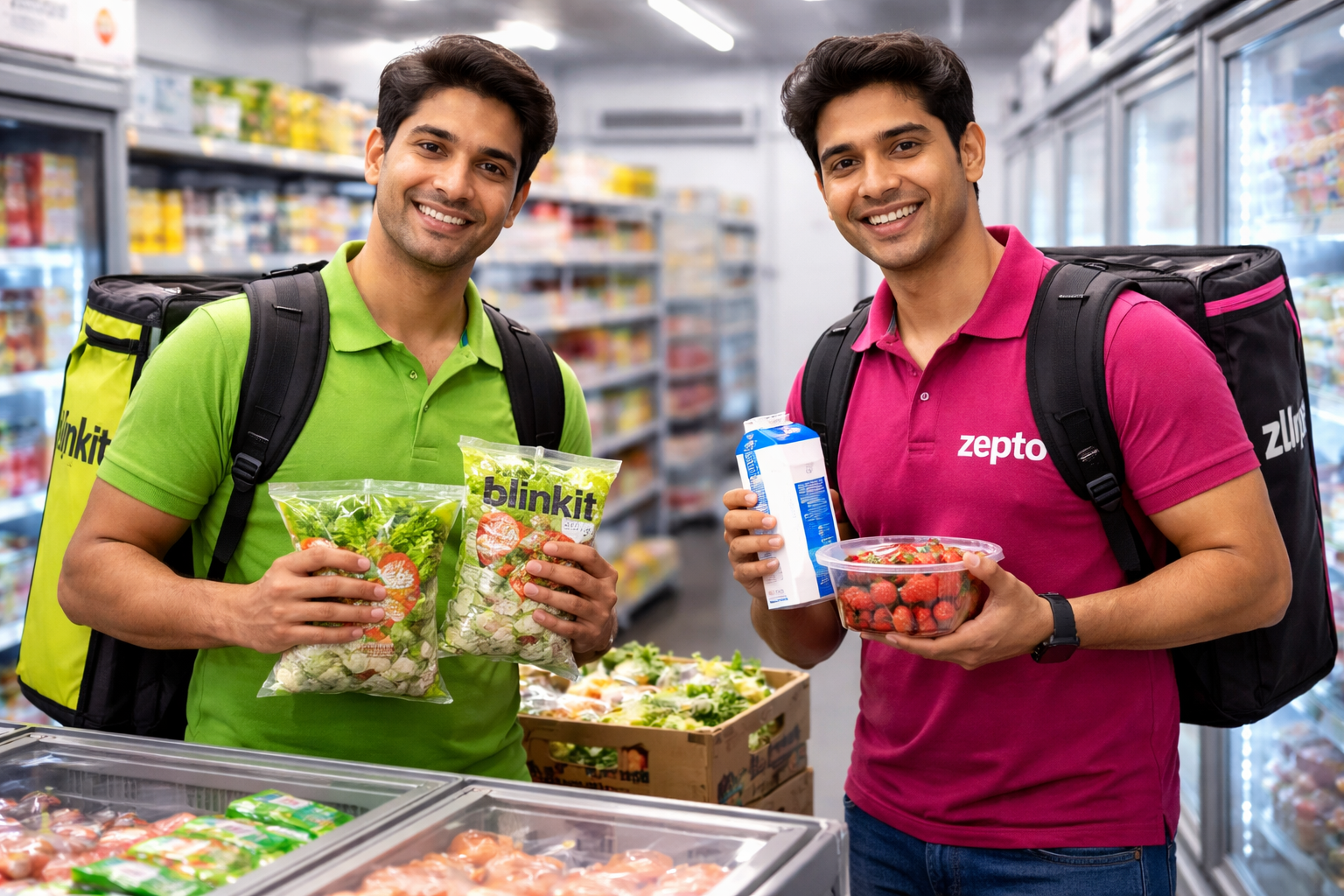
The way India shops has quietly, but completely, transformed. A few years ago, buying groceries meant planning. You made a list, stepped out, navigated traffic, stood in queues, and carried everything back home. Today, that entire process has collapsed into a few taps on a screen. The moment something runs out, milk, ice cream, fruits, even last-minute party supplies, the instinct is almost automatic: open Blinkit, check Zepto, place an order.
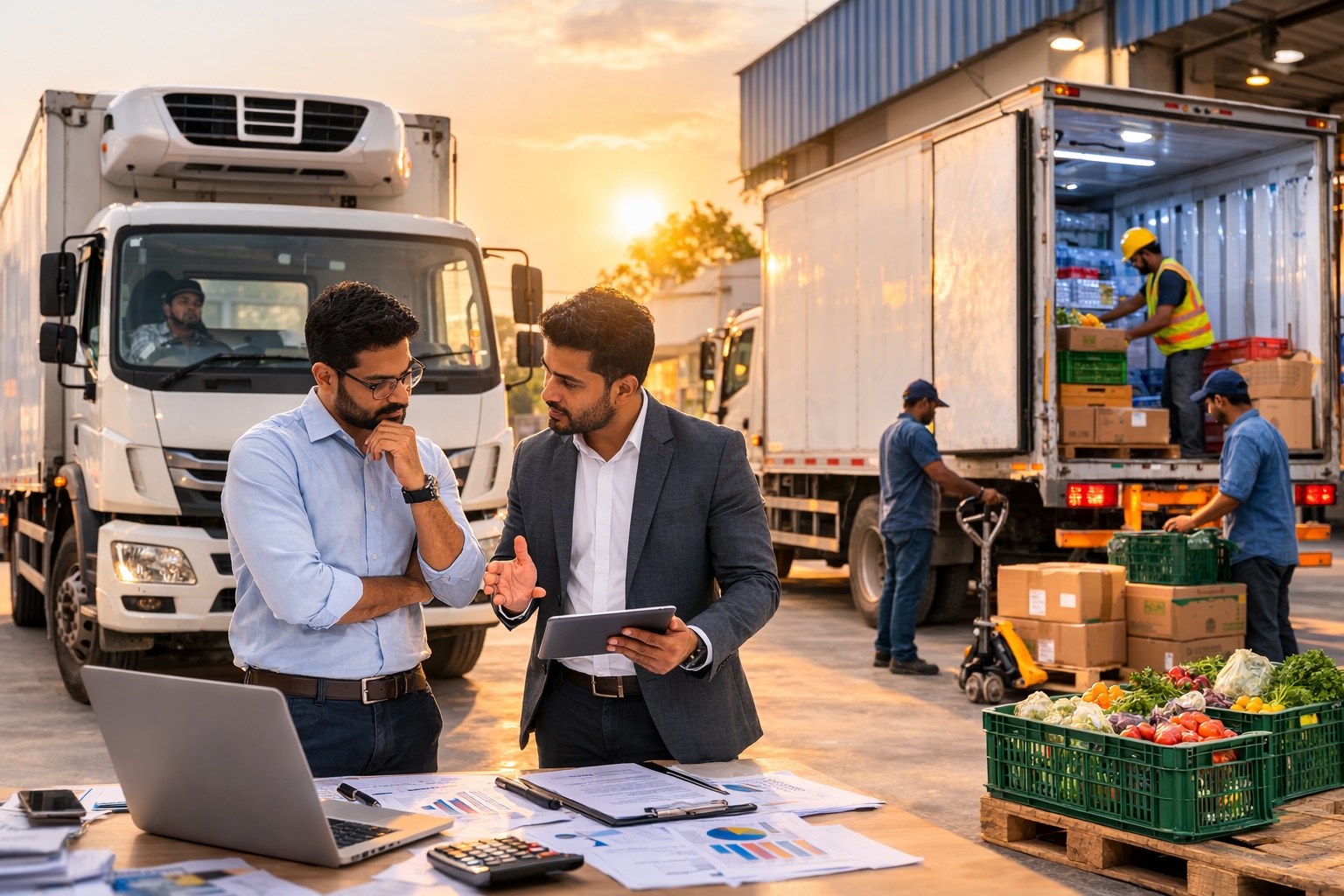
This behavioural shift is what has powered the explosive rise of quick commerce logistics. It’s no longer positioned as a convenience. It’s infrastructure. Consumers now expect essentials to arrive in minutes, not hours. The idea of waiting even a day feels outdated. At the heart of this shift lies a highly optimized system built on hyperlocal delivery India models. Instead of relying on large, distant warehouses, companies have moved inventory closer to consumers through compact fulfillment hubs known as dark store India formats. Whether it’s a zepto dark store tucked into a dense neighbourhood or a node within the evolving blinkit supply chain, these micro-warehouses are designed for one thing: speed.
But speed alone doesn’t explain the success of 10 minute delivery in India. What truly enables this model is the ability to move products, especially perishable ones, without compromising quality. When you order ice cream on a hot afternoon or fresh dairy late at night, you expect it to arrive exactly as it would from a physical store. That expectation puts immense pressure on every layer of the system, from storage to last mile delivery.
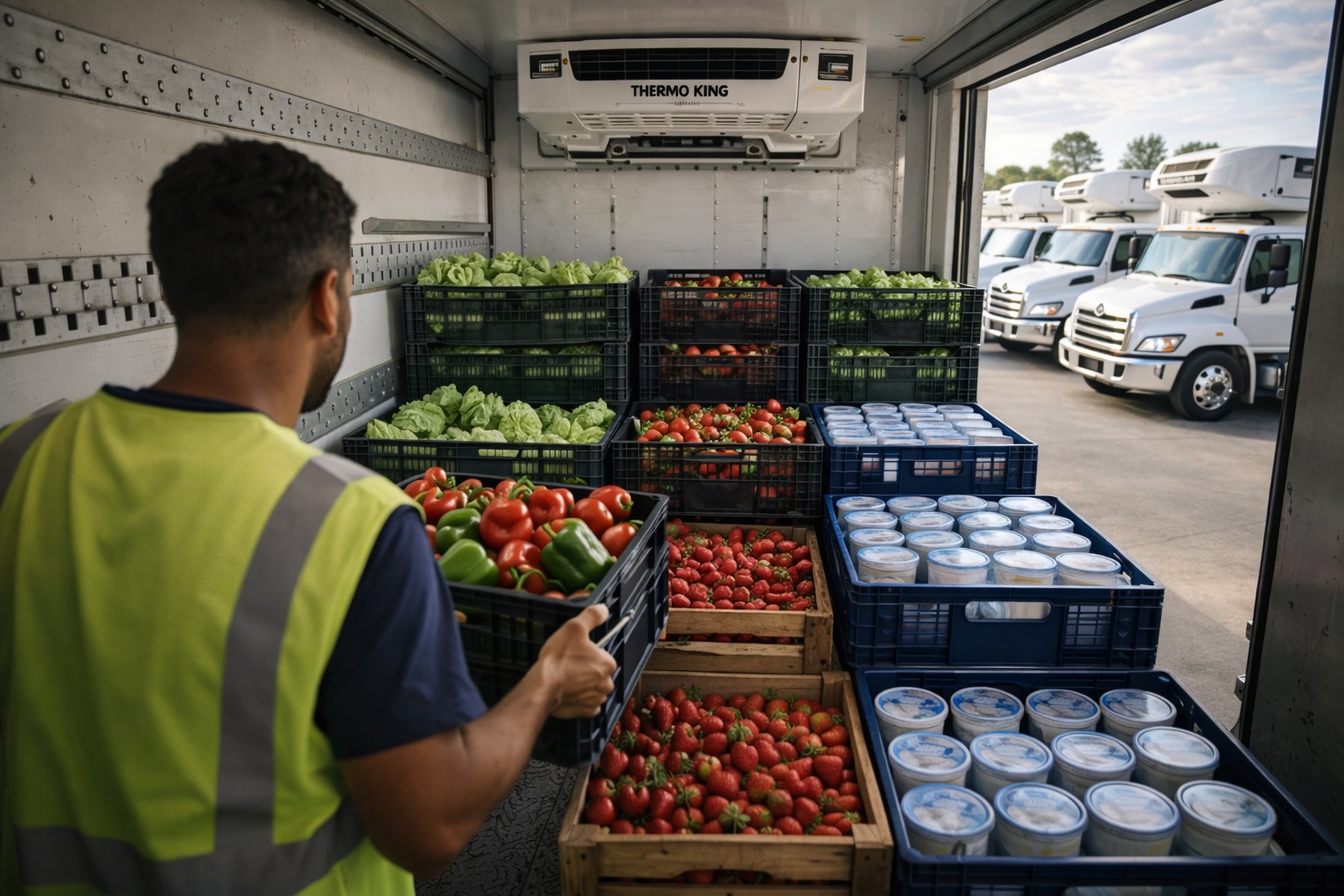
This is where cold chain logistics becomes the invisible backbone of quick commerce. Behind every fast delivery is a tightly controlled environment where temperature-sensitive goods are stored, picked, packed, and transported under strict conditions. Effective cold chain management ensures that products maintain their integrity despite the compressed timelines. And as deliveries move from dark stores to doorsteps, the role of specialized solutions like a refrigerated vehicle or insulated last-mile systems becomes critical.
In many ways, quick commerce has redefined logistics itself. It’s no longer just about moving goods efficiently. It’s about doing so instantly, locally, and with precision, especially when temperature control is non-negotiable. What Blinkit and Zepto have built is not just a faster supply chain. It’s a new consumer habit. And sustaining that habit depends on how seamlessly cold chain logistics integrates with the growing demands of instant delivery.
How Quick Commerce Logistics and Dark Store India Models Power 10-Minute Delivery
The promise of 10-minute delivery sounds simple on the surface. Tap, order, receive. But behind that speed lies a tightly engineered system where every second is accounted for. This is where quick commerce logistics moves from being a concept to a highly synchronized operation. This entire system is anchored by the dark store India model.
Unlike traditional warehouses located on the outskirts of cities, dark stores are small, strategically placed fulfillment centers embedded within dense urban neighborhoods. These aren’t open to customers. They exist purely to process online orders at speed. Their location is their biggest advantage. By cutting down the distance between inventory and the end consumer, they make hyperlocal delivery India not just possible, but scalable.
A typical zepto dark store, for instance, operates within a tight radius, often serving a few kilometers at most. Inside, the layout is designed for efficiency, not browsing. High-demand items are placed within easy reach. Picking routes are optimized so that staff can assemble an order in minutes, sometimes seconds. The goal is simple: reduce friction at every step between order placement and dispatch.
But proximity alone isn’t enough. What truly drives efficiency is how inventory is planned and positioned. Quick commerce platforms rely heavily on data to predict what customers in a specific locality are likely to order at a given time. Morning demand might lean toward dairy and breakfast essentials, while evenings could see spikes in snacks or frozen foods. This constant demand forecasting ensures that dark stores stock the right mix of products, balancing availability with limited storage space.
This is where the real trade-off comes into play: speed versus assortment. Unlike large supermarkets, dark stores cannot carry endless variety. Every additional SKU adds complexity and slows down operations. So platforms carefully curate inventory to prioritize fast-moving, high-demand products. The result is a system where you may not find everything, but what you do find is available instantly.
The blinkit supply chain takes this a step further by focusing on rapid replenishment. Dark stores are restocked multiple times a day through a network of larger distribution hubs. This ensures that high-demand items don’t run out, even during peak hours. It’s a continuous loop. Predict demand, stock accordingly, fulfill quickly, and replenish just as fast. All of this comes together to support the larger promise of 10 minute delivery India.
From the moment an order is placed, the process is already in motion. The nearest dark store is identified, items are picked almost instantly, packed, and handed off for last mile delivery. There is no room for delays, no buffer for inefficiencies.
What makes this system remarkable is not just its speed, but its precision. Every layer, from the zepto dark store setup to the broader blinkit supply chain, is designed to eliminate time loss. And as this model continues to evolve, one thing becomes clear. The future of quick commerce logistics will not just depend on how fast products move, but on how intelligently they are positioned before the order is even placed.
Also read: How Airflow Design Inside Refrigerated Truck Prevents Spoilage
Why Cold Chain Logistics is the Real Growth Engine in Quick Commerce
Perishables Are Driving Order Value
A significant portion of quick commerce orders today includes items like dairy, frozen foods, fresh produce, and ready-to-eat products. These are not just add-ons. They often form the bulk of the cart value. Think about it. A user ordering chips or packaged goods might spend a small amount. But the moment you add ice cream, meat, or fresh fruits, the order value jumps. This makes perishables central to revenue growth.
However, selling these products at scale is only possible when cold chain management is reliable. Without it, platforms are forced to limit assortment, avoid high-risk categories, or deal with frequent quality issues. Strong cold chain logistics allows platforms to confidently expand their product range, which directly impacts average order value and customer satisfaction.
The Risk of Getting Cold Chain Management Wrong
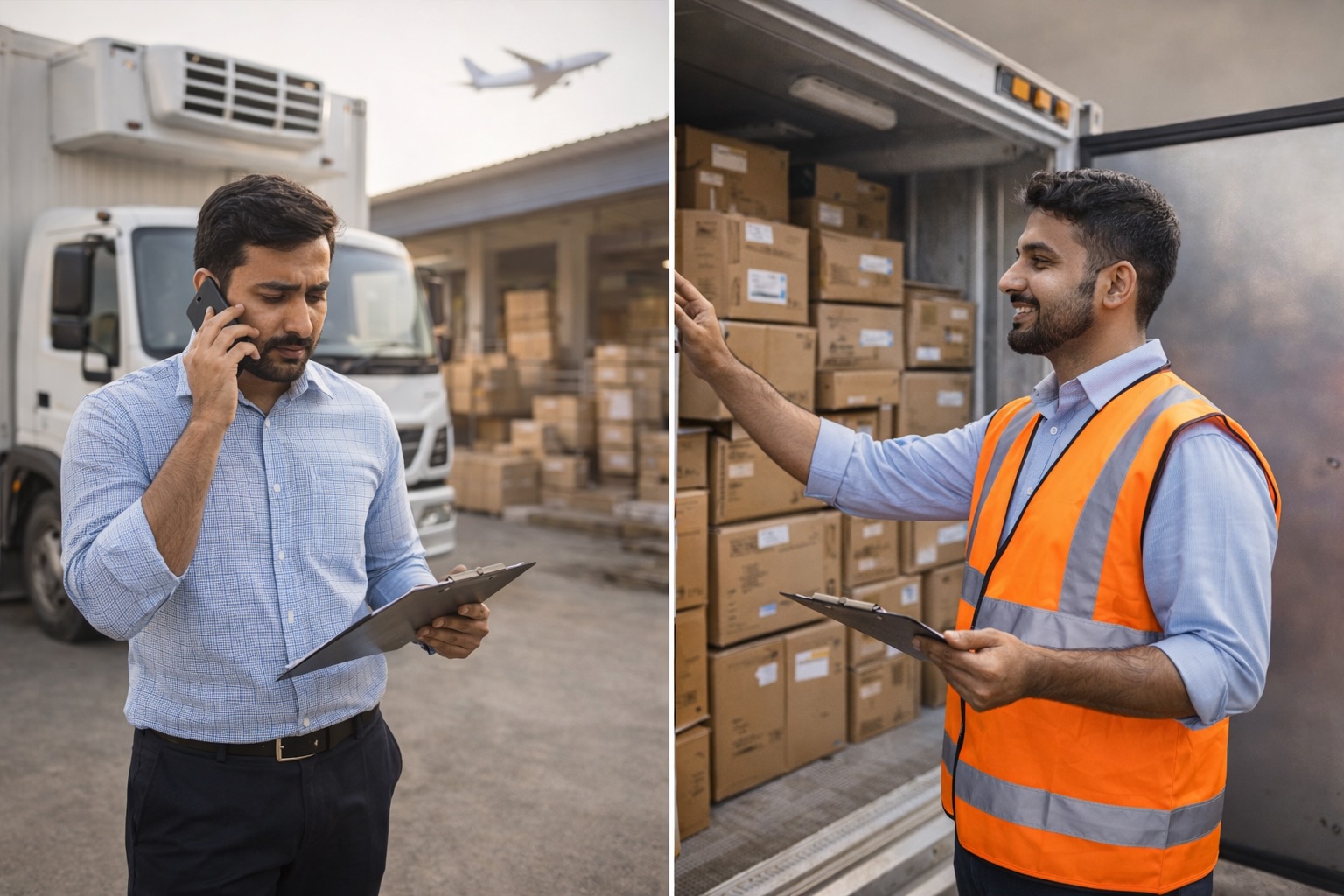
The challenge with perishables is simple. There is no margin for error. A few minutes of temperature deviation can affect product quality. In a system built around speed, this risk becomes even more pronounced. Orders are picked quickly, handed over fast, and delivered under tight timelines. If cold chain management is not tightly integrated into each step, the cracks begin to show.
- Partial thawing of frozen products during dispatch
- Dairy products losing freshness due to temperature exposure
- Inconsistent storage conditions across dark store India locations
- Lack of temperature control during last mile delivery
The impact is immediate. Returns increase. Customer complaints rise. More importantly, trust erodes. And in a category where convenience is already a given, trust becomes the real differentiator.
Temperature Control and Customer Retention
In quick commerce logistics, the first order is easy to win. Retention is where the real battle lies. When a customer orders a cold product, they expect it to arrive in perfect condition. Not slightly melted, not borderline fresh, but exactly as it should be. This expectation puts pressure on every layer of the system, from storage inside a zepto dark store to transit via a refrigerated vehicle or insulated delivery setup.
- Better product quality at delivery
- Fewer returns and refunds
- Higher repeat purchase rates
- Stronger brand trust
This is where cold chain logistics becomes a competitive advantage. Platforms that get this right don’t just deliver faster. They deliver better. Over time, this directly influences customer behavior. Users begin to rely on the platform not just for urgency, but for reliability. And that shift is what turns occasional users into loyal customers.
Where Quick Commerce Logistics Begins to Strain Under Pressure
For all its speed and efficiency, the current quick commerce logistics model is not without its cracks. In the race to fulfill the promise of 10 minute delivery India, infrastructure often struggles to keep pace with expectations. One of the most critical gaps appears during the picking and packing stage inside dark store India setups, where temperature-sensitive products are frequently exposed to ambient conditions, even if only for a few minutes. While that may seem negligible, in the context of cold chain management, even brief exposure can impact product quality.
The challenge intensifies during last mile delivery, where riders operate under strict time pressure, often carrying multiple orders across short but unpredictable urban routes. Without standardized cooling solutions, maintaining consistent temperature becomes difficult. Compounding this issue is the limited use of specialized transport like a refrigerated vehicle within hyperlocal fleets, where speed is prioritized over controlled environments. The result is a system where operational velocity is high, but temperature reliability is not always guaranteed.
As cold chain logistics becomes more central to customer expectations, these gaps highlight a crucial reality: scaling fast is one thing, but sustaining quality at that speed requires a deeper investment in infrastructure.
How Cold Chain Logistics Will Define the Future of Quick Commerce in India
The first phase of quick commerce in India was defined by one thing: speed. Platforms raced to build dense networks, optimize routes, and deliver on the promise of 10 minute delivery India. That phase is now maturing. What comes next is more nuanced and far more demanding.
As the market expands, hyperlocal delivery India is beginning to encounter real scaling challenges. Metro cities made early adoption easier, with dense demand supporting tightly packed dark store India networks. But as platforms push into newer and less dense regions, maintaining the same delivery timelines becomes operationally complex. Longer delivery radii, fluctuating demand, and rising costs begin to test the limits of existing quick commerce logistics models.
At the same time, consumer expectations are evolving. Speed is now assumed. What users increasingly care about is consistency, especially when ordering perishables. This is where cold chain management starts to take center stage, moving from a backend function to a defining factor in customer experience.
The next phase of growth will be shaped by a few critical shifts:
- Smarter expansion of dark store networks: Instead of rapid clustering, companies will focus on strategic placement of dark store India hubs based on demand density, purchasing behavior, and delivery feasibility.
- Deeper integration of cold chain logistics: Cold chain logistics will need to extend seamlessly from storage to doorstep, ensuring that temperature-sensitive goods remain uncompromised across every touchpoint.
- Technology-led cold chain management: Expect wider adoption of IoT sensors, real-time temperature tracking, and predictive analytics to strengthen cold chain management and reduce failure points.
- Evolution of last mile delivery systems: The pressure on last mile delivery will push innovation in packaging, batching, and routing, especially for orders containing perishable items.
- Rise of specialized refrigerated vehicle solutions: The shift toward compact and efficient refrigerated vehicle options for short-distance delivery will become more prominent, enabling better control over product quality.
- Balancing speed with reliability: The focus will gradually move from just enabling 10 minute delivery India to ensuring that every order meets quality expectations, every single time.
What this signals is a clear transition. Quick commerce logistics is no longer just about how fast products can move, but how well systems can hold up under scale. The platforms that succeed will be the ones that build resilience into their operations, especially through stronger cold chain logistics and more reliable hyperlocal delivery India networks.
Speed may have defined the category. But reliability, powered by smarter infrastructure and tighter cold chain management, will define its future.
Conclusion
Blinkit and Zepto have already done the hard part. They’ve changed consumer behavior at scale and made 10 minute delivery India feel normal. Speed is no longer a differentiator. It’s the baseline. What comes next is a more difficult challenge. Delivering consistently, especially when it comes to perishables. Because in quick commerce logistics, a fast delivery means very little if the product doesn’t arrive in the right condition.
This is where the focus shifts from velocity to precision. As assortments expand and reliance on hyperlocal delivery India deepens, platforms will need stronger systems that can handle both urgency and control. The ability to maintain quality across every order, every time, will depend on how well cold chain logistics is built into the ecosystem. From storage inside a dark store India network to execution during last mile delivery, temperature integrity will become the real benchmark of operational excellence.
In the long run, the winners in this space won’t just be the fastest. They’ll be the most reliable. The ones who can scale without compromising on quality. The ones who treat cold chain management not as support, but as strategy.
For businesses looking to strengthen this foundation, investing in the right infrastructure is critical. Solutions like advanced refrigerated vehicle systems and integrated cold chain networks are no longer optional. They are essential.
This is where Sub Zero Reefers comes in. With deep expertise in cold chain logistics and temperature-controlled transport, Sub Zero Reefers enables businesses to move beyond speed and deliver with confidence. As quick commerce continues to evolve, building a resilient, future-ready cold chain will be the difference between keeping up and leading from the front.
Frequently Asked Questions
- How does cold chain logistics impact quick commerce in India?
Cold chain logistics ensures that temperature-sensitive products like dairy, meat, and frozen foods are stored and delivered without quality loss. In quick commerce logistics, where timelines are compressed, maintaining temperature integrity is essential for customer satisfaction and repeat purchases. - What is the role of dark stores in quick commerce logistics?
A dark store India model enables faster order fulfillment by placing inventory closer to consumers. Whether it’s a zepto dark store or part of the blinkit supply chain, these micro-warehouses reduce delivery time and support efficient last mile delivery. - Why is last mile delivery challenging for perishable goods?
Last mile delivery is the most vulnerable stage for temperature-sensitive products. Without proper insulation or access to a refrigerated vehicle, products can be exposed to heat, especially in hyperlocal delivery India, affecting quality by the time they reach the customer. - How do Blinkit and Zepto manage 10-minute delivery in India?
Platforms like Blinkit and Zepto rely on dense dark store India networks, demand forecasting, and optimized quick commerce logistics systems. The blinkit supply chain and zepto dark store operations are designed to minimize delays and ensure rapid dispatch within minutes. - What is the future of cold chain management in quick commerce?
The future of cold chain management lies in real-time monitoring, IoT-enabled tracking, and better integration with last mile delivery systems. As 10 minute delivery India scales, investments in cold chain logistics and refrigerated vehicle solutions will become critical for maintaining quality at speed.