Refrigerated Trucks Prevent Food Waste India's Cold Chain Gap: How Refrigerated Trucks Prevent Food Waste
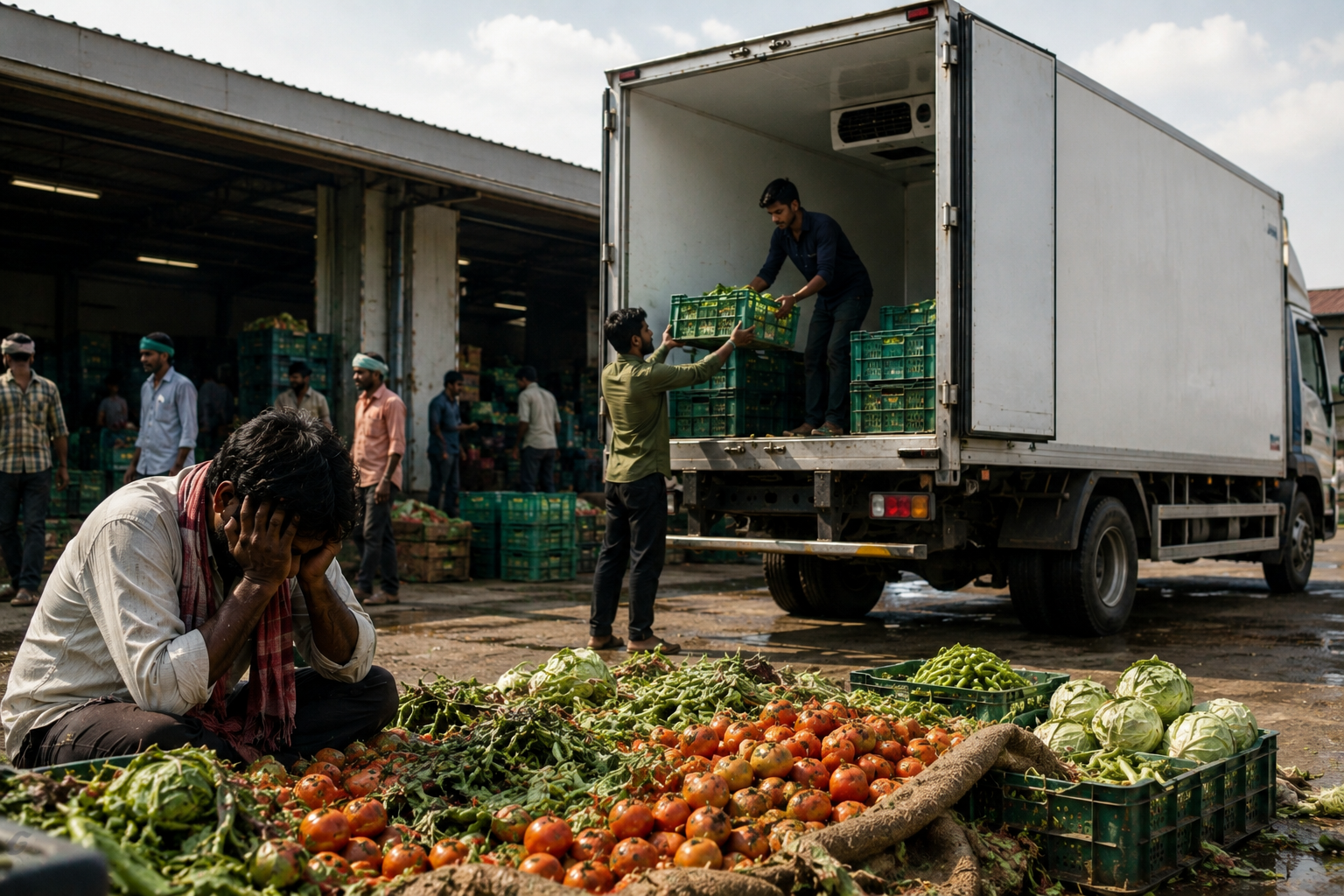
India produces more than enough food, especially in categories like fruits, vegetables, dairy, and meat. Yet a large share never gets consumed. It is lost somewhere between harvest and market. The issue is not production. It is preservation.
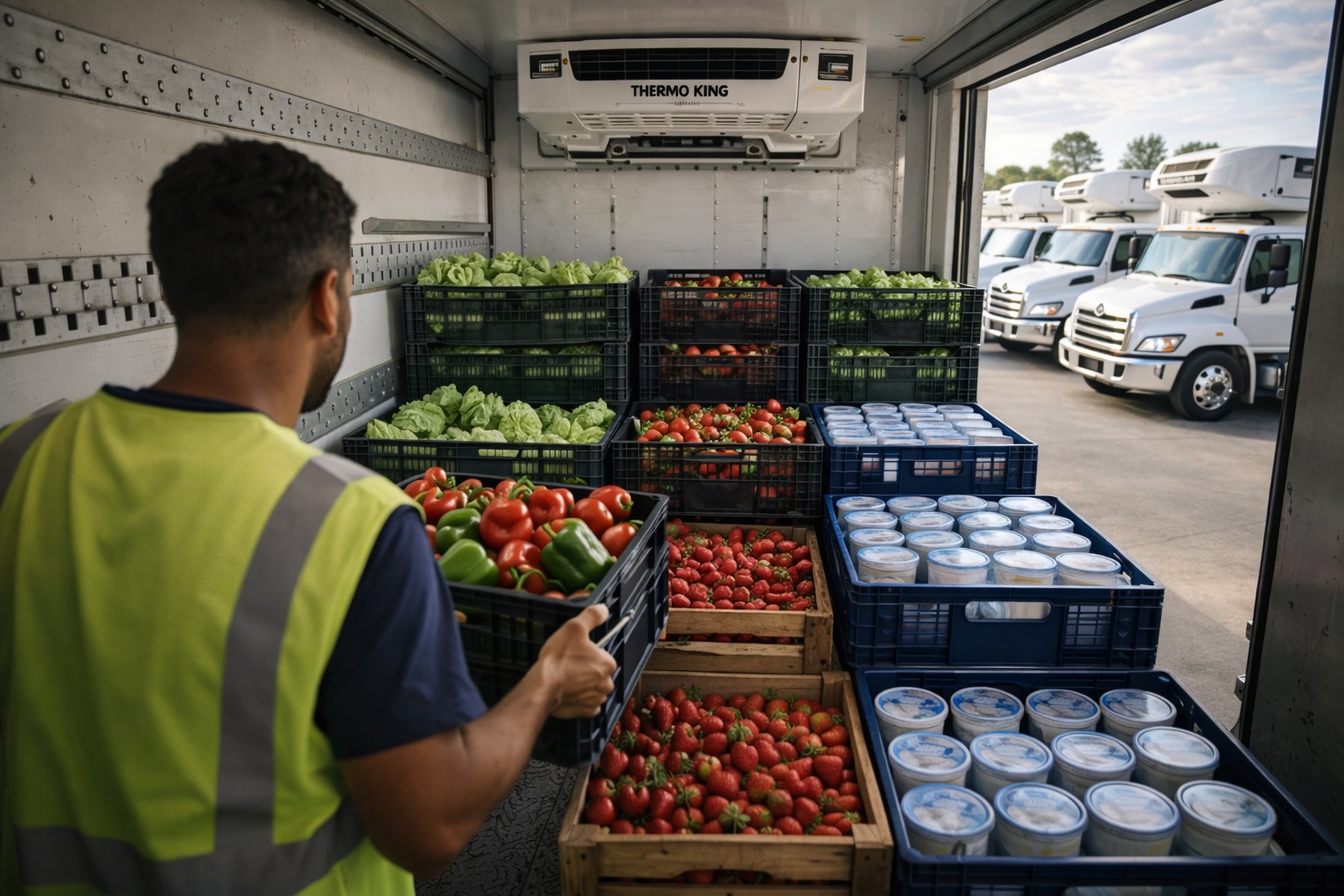
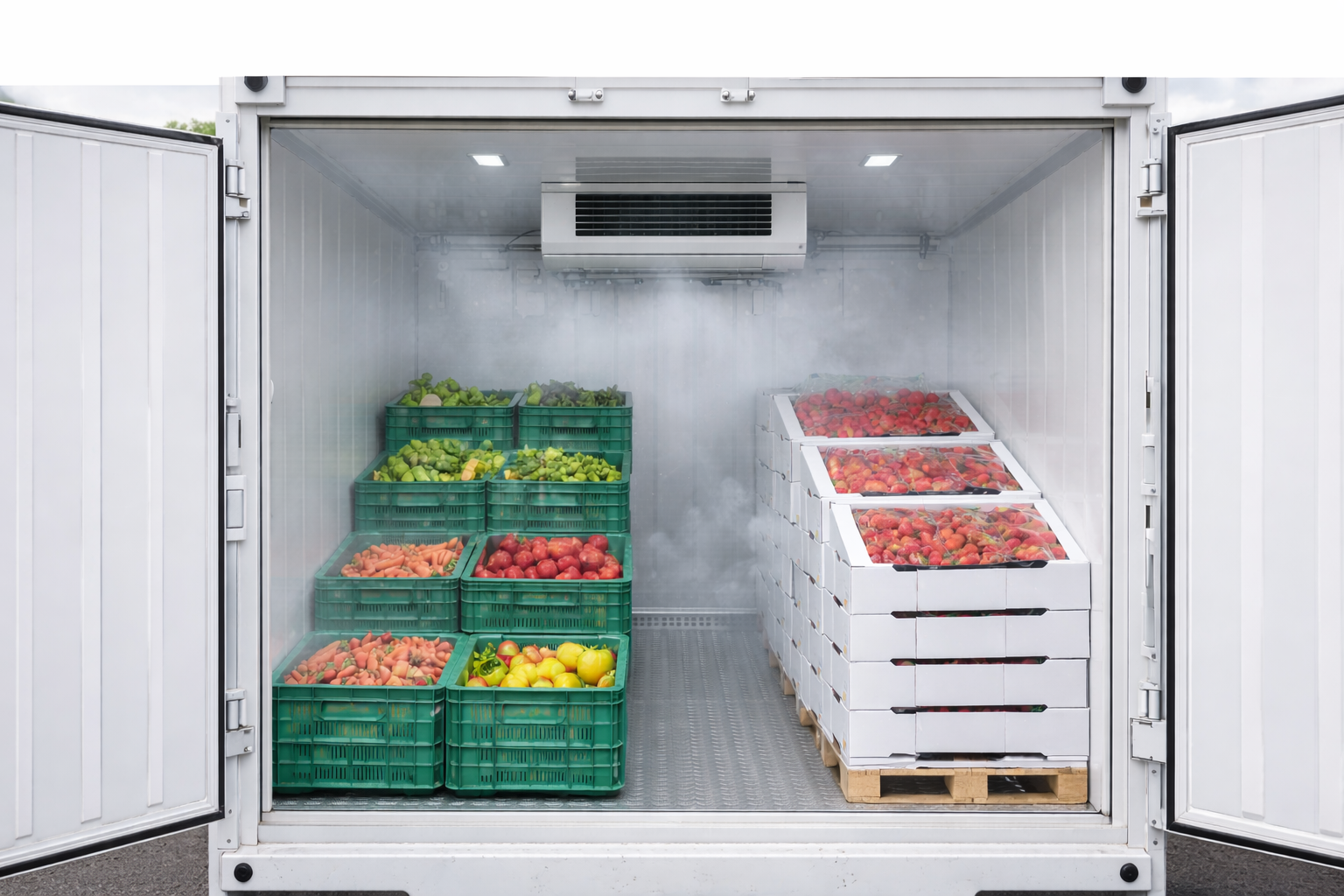
This is where the refrigerated truck becomes critical. It is not just a transport vehicle. It ensures temperature continuity across the supply chain. Without it, even the best cold chain equipment or a modern cold storage warehouse cannot prevent spoilage. Transit is often the weakest link in cold chain logistics. There is also a clear business impact. When temperature control fails, losses are built into pricing. Margins are increased to offset waste, affecting both producers and consumers. At the same time, sectors like food processing India struggle with inconsistent input quality, limiting their ability to scale.
Looking ahead, the focus needs to shift. The cold chain cannot be treated as a set of static assets. It is a moving system, and mobility is central to it. Strengthening cold chain infrastructure means investing as much in transport as in storage.
India does not need to produce more. It needs to be preserved better. Closing this gap can reduce waste, improve price realization, and build a more reliable food supply system.
India's Food Waste Crisis: The Data Behind Post-Harvest Loss of Perishable Goods
India's food waste problem is not anecdotal. It is measurable, recurring, and deeply tied to how supply chains function. Various studies by ICAR, FSSAI, and industry bodies estimate that India loses nearly 15–25% of its total food production post-harvest. In value terms, that translates to roughly ₹90,000 crore to over ₹1 lakh crore annually.
This loss does not happen at a single point. It is spread across harvesting, handling, storage, and transportation. But the most critical losses occur before the produce even reaches organized retail or processing units. That is where gaps in cold chain infrastructure and cold chain logistics begin to show up clearly.
Crop-by-Crop Post-Harvest Loss Breakdown
Not all categories are equally affected. Losses are highest in segments that are highly sensitive to temperature and handling.
Fruits and vegetables account for the largest share of wastage, often ranging between 15% and 30%. These are extremely fragile perishable goods. A lack of pre-cooling, grading, and temperature-controlled transport means spoilage begins almost immediately after harvest. In dairy, losses are relatively lower at around 5–10%, but still significant given the scale of production. Even short breaks in temperature during transport can lead to bacterial growth, reducing shelf life and safety.
Meat and poultry see losses in the range of 10–15%. Here, the absence of consistent cold chain equipment across slaughtering, storage, and transit leads to both quality degradation and compliance risks. Fisheries face some of the highest losses, sometimes up to 20%. Coastal production is strong, but inland distribution suffers due to limited access to refrigerated truck networks and inadequate ice-based preservation methods.
What ties all of this together is simple. These categories rely heavily on temperature control, and India's systems for handling them are still evolving.
Which States Suffer the Most from Cold Chain Infrastructure Gaps?
Food waste in India is not evenly distributed. It tends to be higher in states that combine strong agricultural output with weaker logistics support.
Uttar Pradesh and Bihar, for instance, produce large volumes of fruits and vegetables but lack robust cold chain infrastructure at the farm and aggregation level. This leads to distress selling and high spoilage. Maharashtra, despite being more industrialized, faces losses in high-value crops like grapes and pomegranates. These require precise temperature management and fast movement through cold chain logistics, which is not always consistently available.
Andhra Pradesh and West Bengal, both strong in fisheries, see significant losses when seafood moves inland without adequate refrigerated truck support or access to a nearby cold storage warehouse. The pattern is consistent across regions. Where production outpaces infrastructure, waste follows.
A Broader Perspective
Food waste at this scale is not just an agricultural issue. It has economic, environmental, and social consequences.
For farmers, it directly impacts income. A portion of what they grow never gets monetized. For businesses, it increases costs and uncertainty, especially in food processing India, where consistent raw material quality is critical. There is also an environmental cost. Wasted food means wasted water, energy, and inputs used during cultivation. It adds to carbon emissions when decomposing produce releases methane.
Most importantly, it highlights a disconnect. India produces enough food to feed its population, yet inefficiencies in cold chain infrastructure and cold chain logistics prevent optimal distribution. Fixing this does not require increasing production. It requires protecting what is already produced. And that starts with strengthening the systems that move and store perishable goods without breaking the temperature chain.
Why Cold Chain Infrastructure Is the Root Cause of India's Food Loss Problem
At first glance, food waste in India can look like a farming or supply issue. But when you trace where and how the losses actually happen, a clear pattern emerges. The problem is not what is produced. It is how that produce is handled after harvest. This is where cold chain infrastructure becomes central.
A cold chain is not just about storage. It is a continuous, temperature-controlled system that starts at the farm and ends with the consumer. It includes pre-cooling units, packhouses, cold storage warehouse facilities, transport systems like the refrigerated truck, and last-mile distribution. If even one part of this chain breaks, the entire system fails. In India, this chain is incomplete.
India's Refrigerated Truck Fleet vs Global Benchmarks: The Infrastructure Gap
One of the most visible gaps is in transport. India has an estimated 70,000–80,000 refrigerated truck units. For a country of its size and agricultural output, that number is low. Compare this with global benchmarks. The United States operates over 500,000 reefer trucks, while China has more than 300,000. Even after accounting for differences in scale, India's fleet remains underdeveloped.
This shortage creates a critical disconnect. Produce may be harvested and even stored in controlled environments, but it often travels long distances in non-refrigerated vehicles. During transit, exposure to external temperatures leads to rapid deterioration. This is why transport is not just one part of cold chain logistics. It is the link that ensures continuity. Without adequate reefer capacity, even well-placed cold chain equipment cannot deliver results.
Cold Storage Warehouse Capacity in India: Current State vs What Is Required
Storage is another area where the problem is more nuanced than it appears. India's total cold storage capacity is estimated at around 38–40 million metric tonnes. On paper, this seems sufficient. But the reality is more complex.
A large portion, nearly 60–70%, is used for a single commodity: potatoes. These facilities are often not designed for multi-product use. That limits their ability to support a broader range of perishable goods like fruits, vegetables, dairy, and meat. There is also a geographic imbalance. Many cold storage warehouse facilities are concentrated in specific regions, leaving key production clusters underserved. This forces goods to travel longer distances without proper temperature control or be sold quickly under pressure.
The Real Issue: Fragmentation
The bigger issue is not just lack of infrastructure, but lack of integration. Different parts of the cold chain often operate in silos. A farmer may have access to a packhouse but not to a refrigerated truck. A distributor may have transport but no reliable cold storage warehouse at the destination. These gaps create temperature breaks that compromise product quality.
Effective cold chain logistics depends on continuity. Temperature must be maintained consistently, not just at isolated points. Without that, shelf life reduces, waste increases, and value drops across the supply chain.
Regional Standards and Compliance
Different geographies define performance in different ways. European markets often prioritise ATP-certified temperature control ranges, while Middle Eastern regions focus heavily on extreme ambient heat resistance. African markets, on the other hand, may emphasise durability over long distances and rough terrain. A CKD vehicle intended for export must be engineered with these variations in mind, ensuring that insulation thickness, refrigeration capacity, and structural design align with the target region's operational realities and regulatory expectations.
Packaging and Logistics Handling
Since CKD kits are shipped in disassembled form, packaging becomes a critical part of performance integrity. Components must be protected against moisture, impact, and corrosion during transit, especially for long-haul shipping routes. Improper packaging can lead to misaligned panels or damaged insulation, which directly affects CKD assembly quality at the destination. In export scenarios, logistics planning is not just about moving goods—it is about preserving build accuracy across the entire supply chain so that the final reefer van performs as designed once assembled.
Why Manufacturer Expertise Defines CKD Reefer Performance
Experienced manufacturers play a defining role in how effective a CKD reefer solution ultimately is in the field. On paper, most CKD kits may look similar, but the real difference shows up in how well they are engineered, documented, and supported through the assembly process. A strong manufacturing partner doesn't just supply parts; they provide clear assembly instructions, ensure every component follows strict standardisation, and design systems that are already aligned with regulatory requirements. This reduces ambiguity during CKD assembly and helps avoid errors that can compromise thermal efficiency or structural integrity.
Beyond documentation and parts quality, ongoing support is what often separates a smooth rollout from a problematic one. On-ground or remote technical assistance ensures that assembly teams can resolve issues quickly, especially in newer or export markets where familiarity with reefer truck systems may be limited. When manufacturers build with compliance in mind from the start, they also reduce the burden on local assemblers, making it easier to meet food safety, pharma transport, and vehicle standards without last-minute adjustments. In practice, the difference between a basic functioning refrigerated truck and a consistently high-performing one often comes down to how thoughtfully the CKD ecosystem has been designed and supported from the beginning.
Conclusion
India's food waste challenge is not rooted in how much the country produces, but in how effectively it preserves and moves that output. The gaps in cold chain infrastructure continue to disrupt the journey of perishable goods, eroding value at every stage between farm and market. While storage capacity has improved over time, the lack of seamless, temperature-controlled movement through cold chain logistics remains a critical bottleneck.
Closing this gap will require a more balanced and integrated approach. Investments must move beyond isolated assets toward systems that connect pre-cooling, storage, and transport through solutions like the refrigerated truck. At the same time, government support through initiatives like PM kisan sampada yojana provides a strong foundation for businesses willing to build long-term capabilities in this space.
The opportunity ahead is significant. Strengthening the cold chain will not only reduce waste but also improve farmer incomes, stabilize prices, and unlock growth across food processing india.
For businesses looking to act on this shift, the focus should be on choosing partners who understand the realities of Indian logistics. Sub Zero Reefers works at the heart of this transformation, building high-performance refrigerated truck solutions designed for reliability, efficiency, and real-world operating conditions. If you are planning to upgrade or expand your cold chain capabilities, this is the time to invest in transport that keeps the chain unbroken.
Frequently Asked Questions
1. Why is transport considered the weakest link in India's cold chain?
Because temperature control often breaks during transit. While many facilities have access to storage, the movement between them is still largely unmanaged. Without a reliable refrigerated truck, even short transit windows can expose perishable goods to temperature fluctuations, leading to faster spoilage and reduced shelf life.
2. How does an integrated cold chain improve profitability for businesses?
An integrated cold chain infrastructure reduces wastage, improves product consistency, and extends shelf life. This allows businesses to sell at better prices, reduce rejection rates, and expand distribution reach. In sectors like food processing India, consistent input quality also improves operational efficiency and output standards.
3. What role does technology play in modern cold chain logistics?
Technology brings visibility and control into cold chain logistics. Real-time temperature monitoring, GPS tracking, and data logging help ensure that goods remain within required conditions throughout transit. This reduces risk, improves compliance, and allows businesses to respond quickly if there are deviations.
4. How can small and mid-sized businesses invest in cold chain without high upfront costs?
Businesses do not always need to build full infrastructure. They can lease cold chain equipment, partner with logistics providers, or use shared cold storage warehouse facilities. Government schemes and a cold storage subsidy can also help reduce capital burden, making it easier to enter or scale within this space.
5. What should businesses look for when choosing a refrigerated truck solution?
Key factors include insulation quality, temperature consistency, energy efficiency, and reliability under Indian operating conditions. A well-designed refrigerated truck should maintain stable temperatures across long distances, handle frequent door openings, and integrate smoothly into broader cold chain infrastructure.
6. What is PM Kisan Sampada Yojana and how does it support cold chain development?
PM Kisan Sampada Yojana is a government scheme under the Ministry of Food Processing Industries that funds end-to-end cold chain infrastructure. It provides grants covering 35% of project cost in general areas and up to 50% in difficult regions. It supports pre-cooling units, cold storage warehouse facilities, processing infrastructure, and transport systems including refrigerated trucks, with an overall cap of ₹10 crore per project.
7. What is the typical cold storage project cost in India?
Cold storage project costs in India vary depending on capacity, location, and technology. A 5,000 MT cold storage facility can typically cost between ₹2 crore and ₹5 crore or more depending on the region, construction specifications, and cold chain equipment used. Government subsidies under schemes like PM Kisan Sampada Yojana and NHM can offset a significant portion of these costs.