India’s food distribution system has scaled quickly over the last decade, driven by organised retail, QSR expansion, and the rise of multi-category food suppliers. But the transport layer supporting this growth still carries structural inefficiencies that most operators work around rather than solve.
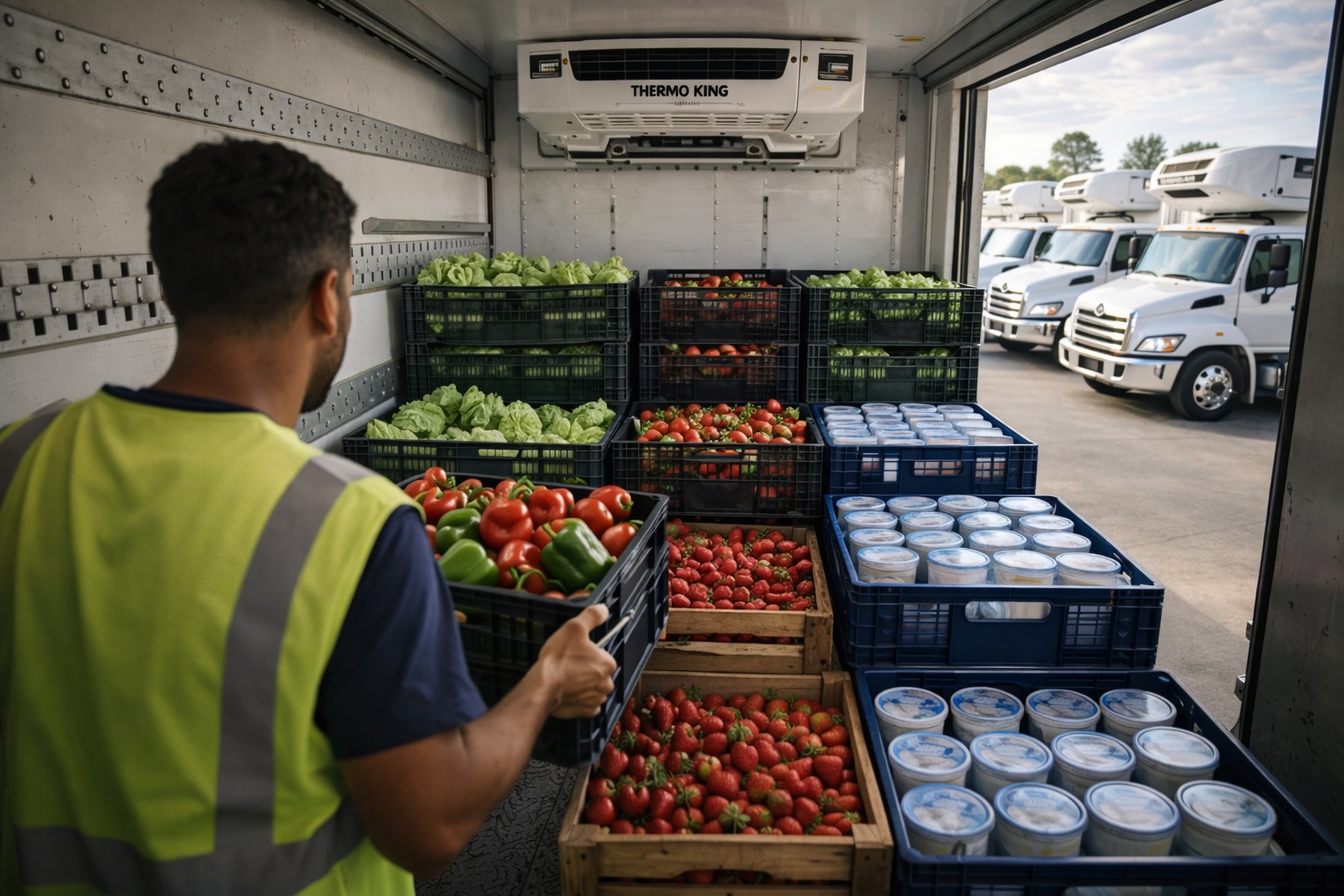
One of the most persistent challenges shows up at the fleet level. Distributors rarely move a single type of product. A typical daily load often includes frozen items, chilled dairy, fresh produce, and ambient packaged goods all heading toward different retail or institutional endpoints on the same route. Yet most transport systems are still built around a single temperature assumption per vehicle.
Table of Content:
- Introduction
- The Multi-Temperature Problem in India’s Food Distribution
- How Multi-Temperature Reefer Trucks Maintain Separate Cold Chains in One Vehicle
- TCO: One Multi-Temp Truck vs Two Single-Temp Trucks
- What to Specify When Ordering a Multi-Temperature Build
- Conclusion
- Frequently Asked Questions
The Multi-Temperature Problem in India’s Food Distribution
India’s food distribution network operates at a level of complexity that is often underestimated. On paper, cold chain logistics looks structured, with defined categories like frozen, chilled, and ambient goods. In reality, most distributors are not moving neatly segmented inventory. They are moving mixed SKUs that need different storage conditions, often within the same route, the same delivery window, and sometimes even for the same customer.
Mixed-SKU Distribution vs Single-Temperature Assumptions
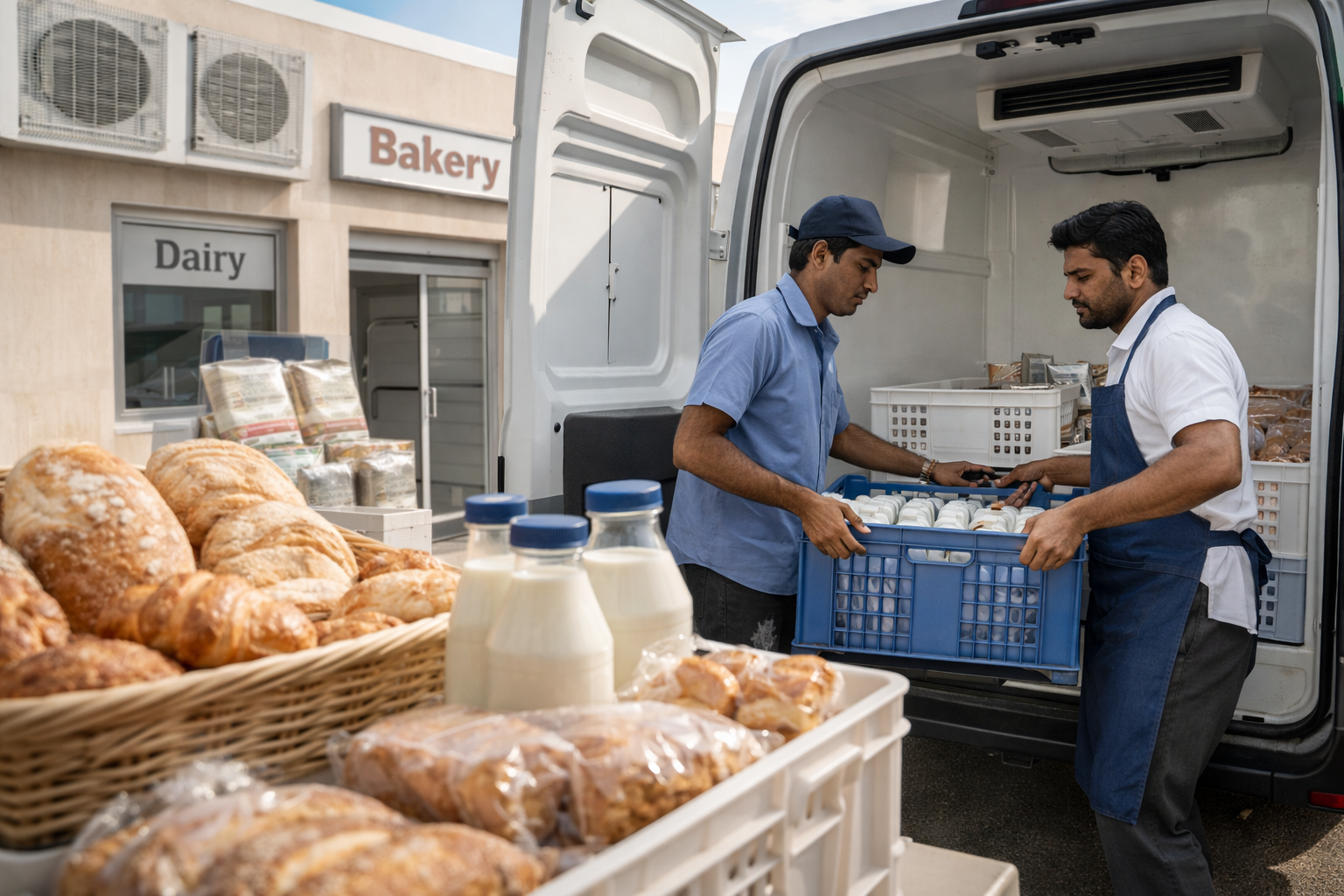
India’s food distribution rarely works in clean categories. A single delivery route often carries frozen snacks, chilled dairy, fresh produce, bakery items, and ambient packaged goods together. The problem is that most transport systems are still built on a single assumption: one vehicle equals one temperature requirement.
This mismatch creates friction at every stage of distribution. A refrigerated truck designed for chilled goods cannot safely carry frozen inventory alongside it. A reefer van optimized for frozen storage cannot accommodate fresh produce that needs a different range. As a result, distributors are forced to either split shipments across multiple vehicles or compromise on storage conditions within a single load.
Both options come with trade-offs. Splitting loads increases operational costs, fuel usage, and coordination complexity. Consolidating everything into one temperature zone risks product quality, especially when goods with different thermal sensitivities are forced to share the same environment. Over time, this leads to inefficiencies that are not immediately visible but significantly impact margins and waste levels.
Operational Strain in Cold Chain Logistics Across Indian Conditions
The second layer of the problem comes from the environment in which distribution actually happens. India’s logistics ecosystem operates under high heat, dense traffic, and extended delivery cycles. These conditions place continuous stress on temperature-controlled transport systems, making precision even harder to maintain.
Even a well-insulated truck or a standard truck refrigeration unit is designed to maintain stability within a defined range, not multiple conflicting ranges at once. When deliveries involve long idle times, repeated door openings, and staggered drop-offs, maintaining consistent conditions becomes increasingly difficult.
This is where cold chain integrity starts to break down. Temperature fluctuations inside a single compartment can affect product quality, shelf life, and compliance standards, especially for dairy, meat, and frozen categories. The issue is not just technical performance but structural limitations. Traditional systems were never designed to handle the diversity and density of modern food distribution routes.
As distribution networks scale and SKU variety increases, this strain becomes more visible. Businesses are no longer dealing with isolated delivery challenges. They are dealing with systemic inefficiencies that stem from a mismatch between operational reality and transport design.
Also Read: When to Upgrade to Reefer Container for Your Business
How Multi-Temperature Reefer Trucks Maintain Separate Cold Chains in One Vehicle
Once the distribution challenge is clear, the next question is more practical. How does a single vehicle actually maintain multiple temperatures at the same time without one product affecting the other?
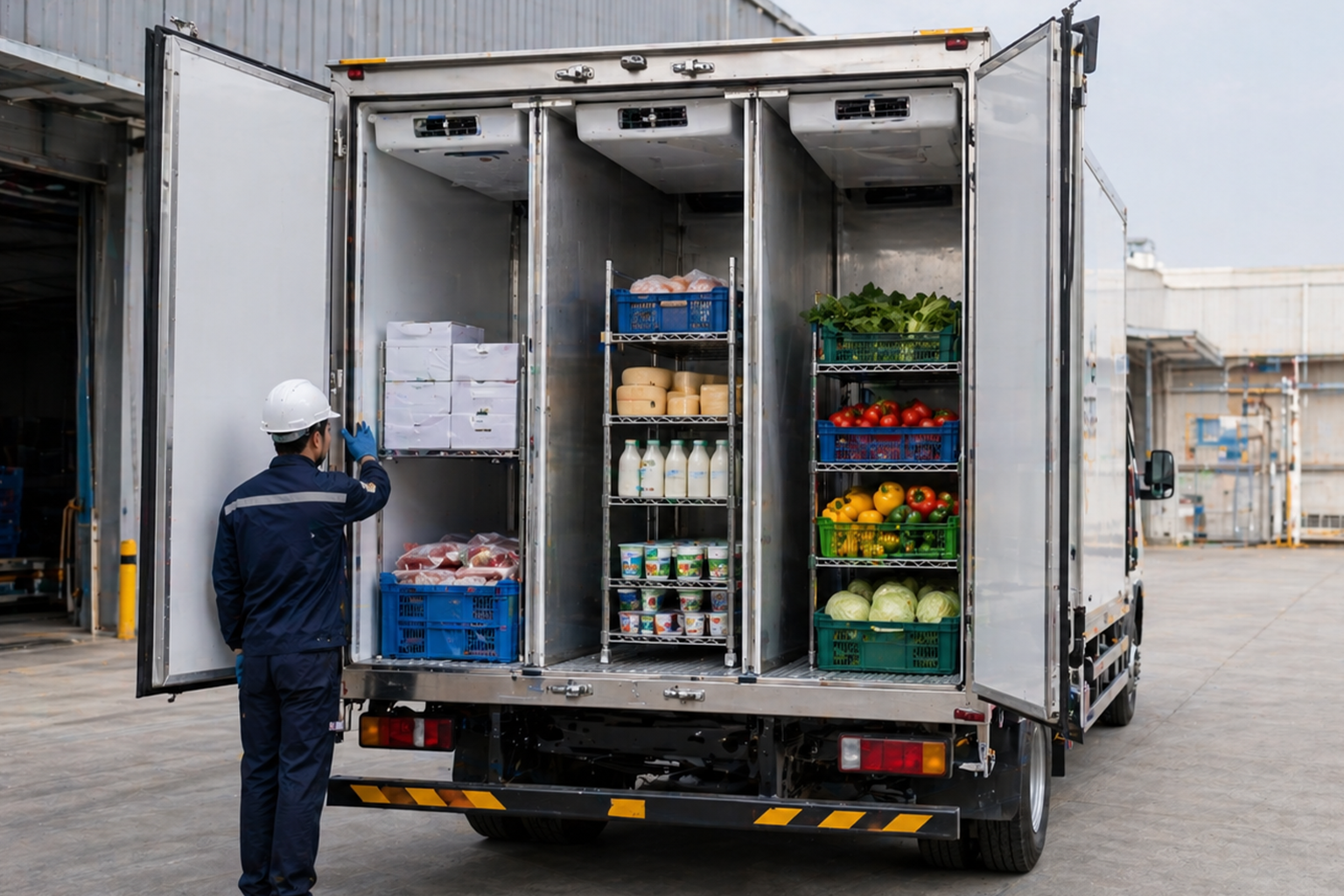
The answer lies in how the system is designed internally. A multi-temperature reefer truck is not just a stronger cooling unit added to a regular body. It is a re-engineered cold chain system where space, airflow, and refrigeration are all split and controlled independently. Each part of the system plays a specific role in keeping different product categories stable within their required conditions.
Internal Partitioning That Creates Independent Thermal Zones
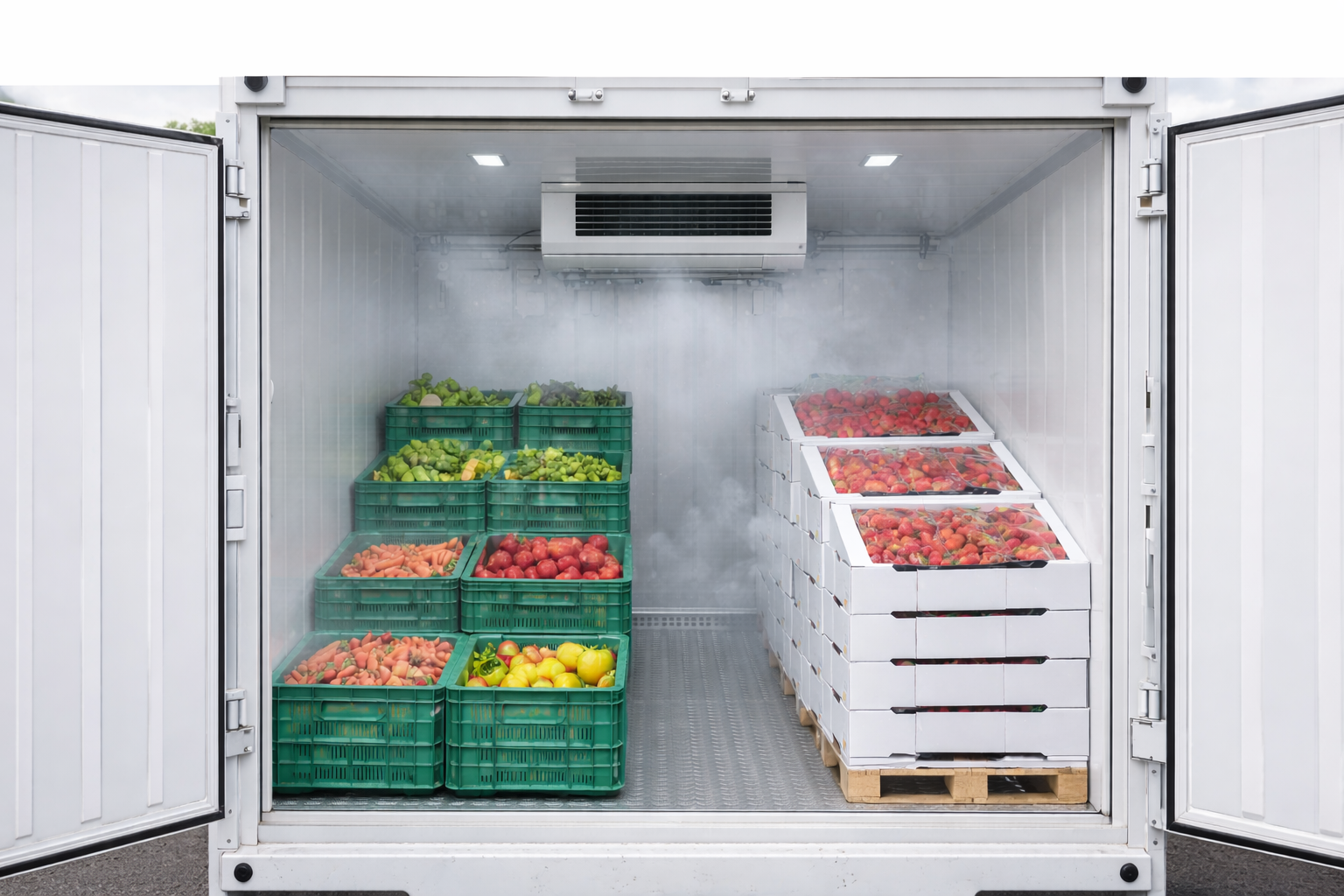
The first layer of this system is physical separation inside the cargo body. The loading space of the refrigerated truck is divided into distinct compartments so that different temperature zones can exist without overlap. This is done using a reinforced bulkhead structure that runs through the length or width of the vehicle depending on design requirements.
What makes this more than just a divider is the level of insulation built into it. In a properly designed insulated truck, the partition is not just a physical barrier but a thermal one. It prevents cold air from one zone from leaking into another, which is critical when one section is operating at sub-zero conditions while another is maintained at chilled or ambient temperatures.
The flexibility of this system also matters. Some builds use fixed partitions for consistent distribution patterns, while others use adjustable configurations that allow fleet operators to change space allocation based on daily SKU mix. This becomes especially useful in FMCG and foodservice logistics where product demand shifts frequently and loading patterns are rarely the same across trips.
Independent Cooling Control Through Zoned Refrigeration Systems
Once the space is divided, the next requirement is controlling temperature independently in each section. This is where the truck refrigeration unit becomes more advanced than standard systems.
Instead of a single cooling circuit maintaining the entire cargo area, multi-temperature systems use multiple evaporators, each dedicated to a specific zone. These evaporators function independently, allowing one compartment to operate at -18°C for frozen goods while another maintains 0–4°C for dairy and chilled products. A third zone can be set between 8–12°C for fruits, vegetables, or bakery items.
Airflow is carefully controlled so that cold air circulation remains contained within each section. Without this, temperature drift would occur, and sensitive goods would lose stability during transit. In many advanced configurations, a diesel refrigeration unit supports this system to ensure uninterrupted performance even during long halts, engine-off conditions, or high ambient heat exposure.
This independence is what makes multi-temperature transport viable. It removes the dependency on a single cooling environment and replaces it with multiple controlled systems operating inside one vehicle.
Continuous Monitoring and Stability Across Delivery Cycles
The final layer of the system is monitoring. Maintaining multiple temperatures is only useful if those conditions remain stable throughout the journey, especially in real-world distribution where vehicles stop frequently, doors open multiple times, and delivery sequences vary.
Each zone in a modern setup is equipped with its own sensors that continuously track temperature in real time. These readings ensure that any deviation is detected early and corrected before it affects product quality. This is particularly important in cold chain logistics where even small fluctuations can impact shelf life, safety, and compliance.
The monitoring system also helps operators understand how the reefer van or larger reefer truck is performing under actual route conditions. Over time, this data becomes valuable for optimizing load planning, improving energy efficiency, and reducing spoilage.
Together, these three layers turn a single vehicle into a controlled multi-environment system. It is this structure that allows food distributors in India to move beyond single-temperature limitations and build more efficient, reliable cold chain operations.
TCO: One Multi-Temp Truck vs Two Single-Temp Trucks
When distributors evaluate cold chain investments, the conversation often starts and ends with the upfront reefer truck price, but that rarely reflects the real cost picture. What actually matters over time is the total cost of ownership, which includes how many vehicles are needed to run daily routes, how efficiently they are utilized, and how much operational overhead they create. In a multi-temperature setup, one reefer truck can replace two single-temperature vehicles by carrying frozen, chilled, and ambient goods in separate controlled zones within the same run.
This immediately reduces fuel usage because one route replaces two, lowers driver and manpower requirements, and simplifies maintenance since fleet upkeep is concentrated on fewer vehicles. It also cuts down idle fleet time, which is a hidden cost in many distribution operations where vehicles sit underutilized between partial loads. Even though a multi-zone system may require a higher initial investment compared to a standard refrigerated truck, the efficiency gained through better utilization and reduced duplication typically shortens the payback period, especially for distributors with high SKU diversity and frequent deliveries.
What to Specify When Ordering a Multi-Temperature Build
Designing a multi-temperature reefer truck is not just about choosing a refrigeration unit and adding partitions. The performance of the system depends heavily on how clearly the operational requirements are defined at the time of build. Most inefficiencies in cold chain logistics don’t come from the technology itself, but from vague or incomplete specifications during procurement. This is where distributors need to be very intentional about how the vehicle is configured from day one.
-
Zone Size Ratios
One of the most important decisions is how the internal cargo space is divided between temperature zones. This directly affects how efficiently the refrigerated truck can be loaded and how well it performs during real-world distribution. If the split does not reflect actual SKU movement, one zone may get overloaded while another remains underutilized, which creates temperature instability and reduces delivery efficiency.
In practice, the zone ratio should be based on product mix rather than equal division. A business moving more frozen goods than chilled items, for example, will need a larger -18°C section compared to its 0–4°C compartment. This balance is what ensures that the insulated truck operates efficiently without overworking the truck refrigeration unit or compromising airflow distribution during peak loads.
-
Individual Data Loggers per Zone
Temperature control alone is not enough if it is not measurable. This is why each zone in a multi-temperature system should have its own dedicated monitoring setup. Individual data loggers help track real-time conditions inside every compartment, ensuring that frozen, chilled, and ambient goods all remain within their required ranges throughout transit.
This becomes especially critical in high-frequency delivery environments where doors are opened multiple times and stops are frequent. Without separate tracking, it becomes difficult to identify where temperature deviations occur or how they affect product quality. With zone-level logging, operators gain visibility into performance patterns across the entire cold chain logistics cycle, making it easier to maintain compliance and improve route efficiency over time.
-
Types of Partitions: Fixed vs Flexible Configurations
The type of partition used inside a multi-temperature reefer truck directly affects how adaptable the vehicle is for daily operations. Partitions are not just structural dividers, they play a key role in maintaining separate thermal zones and reducing temperature leakage between compartments.
Fixed partitions are permanently installed and are best suited for distributors with consistent delivery patterns. If the same product mix moves on most routes, such as a dedicated frozen section and a chilled section, fixed partitions provide better insulation stability and predictable airflow management.
Flexible or movable partitions allow operators to adjust compartment sizes based on changing SKU demand. For example, one day’s route may require more space for frozen inventory, while another may need a larger chilled or ambient section. Flexible partitions help optimize cargo utilization without changing vehicles, making them useful for FMCG, foodservice, and seasonal distribution networks.
Choosing between fixed and flexible partitions depends on how often load composition changes and how much route variability the business handles. The right setup improves both temperature efficiency and fleet utilization.
Conclusion
Multi-temperature transport is no longer a niche upgrade in India’s cold chain ecosystem. It is becoming a practical response to a very real distribution problem, where product variety has increased faster than the systems designed to move it. For most food distributors, the challenge is not just keeping goods cold, but keeping different categories stable under the same delivery cycle without multiplying fleet size or operational cost.
A well-designed multi-temperature reefer truck brings that balance by combining controlled zoning, independent refrigeration, and real-time monitoring in a single refrigerated truck system. It reduces dependency on multiple vehicles, improves route efficiency, and brings more predictability into cold chain performance, especially in high-volume, high-frequency delivery networks.
At a broader level, it signals a shift in how cold chain logistics is being approached in India. The focus is moving from isolated temperature control to integrated delivery systems that reflect how modern food supply chains actually operate. For distributors managing diverse SKUs and tight delivery timelines, this shift is not just operationally useful, it is increasingly becoming necessary for scale.
For teams exploring how multi-temperature systems can fit into their fleet planning, Sub Zero Reefer Solutions works on custom-built configurations designed around real distribution patterns rather than standard templates.
Frequently Asked Questions
1. What is a multi-temperature reefer truck used for?
A multi-temperature reefer truck is used to transport different categories of temperature-sensitive goods like frozen, chilled, and ambient products in a single vehicle without mixing storage conditions. It is widely used in FMCG, dairy, and food distribution networks.
2. How does a refrigerated truck maintain different temperature zones?
A multi-zone refrigerated truck uses separate partitions and independent evaporators to create controlled environments within the same cargo space, allowing each section to maintain its required temperature range.
3. What is the difference between a reefer van and a full-size reefer truck?
A reefer van is a smaller vehicle used for short-distance or urban deliveries, while a reefer truck is designed for larger payloads and longer routes, often with advanced multi-temperature capabilities.
4. What role does a truck refrigeration unit play in cold chain transport?
A truck refrigeration unit regulates and maintains internal cargo temperatures during transit, ensuring that perishable goods remain within safe storage conditions throughout the delivery cycle.
5. When is a diesel refrigeration unit preferred?
A diesel refrigeration unit is preferred in long-haul or high-temperature operating conditions because it provides consistent cooling performance even when the vehicle engine is off or during extended stops.
6. How is a reefer container different from a built-in insulated body?
A reefer container is a modular cold storage unit that can be transported across different carriers, while an insulated truck body is permanently integrated into the vehicle and optimized for dedicated fleet operations.